Destinations / Africa
Etosha National Park, Namibia travel guide
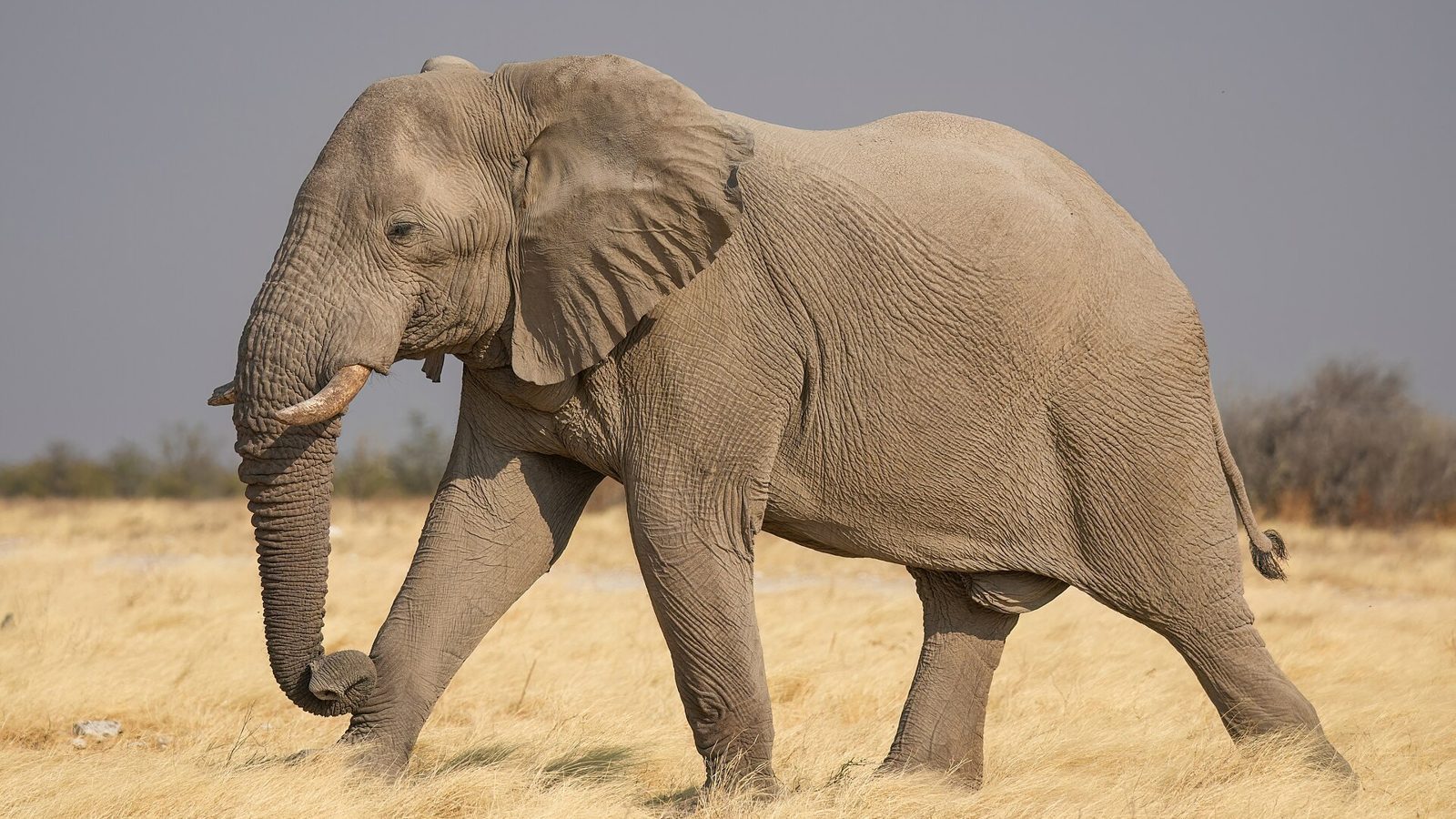
A huge salt pan in northern Namibia, ringed by waterholes where elephants, lions and black rhinos come to drink. You drive yourself between fenced rest camps, then spend the evening on a bench watching a floodlit waterhole.
- Best time to visit: June to October
- Daily budget (budget traveller): $120 to $400 USD
- Ideal trip length: 3 to 5 days
Etosha National Park covers almost 23,000 square kilometres of northern Namibia. At its centre is the Etosha Pan, a flat white salt pan so big you can see it from space. Most of the year it is dry and shimmering, and the animals gather at the springs and waterholes around its edge. That is why Etosha is one of the easiest big parks in Africa to visit on your own. You can drive the gravel roads in an ordinary hire car, park at a waterhole and wait for whatever turns up. On a good morning that might be a line of elephants, a pride of lions or a black rhino. The main rest camps, Okaukuejo, Halali and Namutoni, are fenced. Each has a campsite, rooms, a shop, fuel and a waterhole you can walk to. Okaukuejo's waterhole is lit all night, and many people say the evenings there are the highlight of their trip. There is no public transport into or around the park, and the gates follow sunrise and sunset, so you either hire a car or join a tour from Windhoek or Swakopmund. Park fees went up sharply in April 2026 and single rooms inside the park are not cheap. Still, a tent pitch, a self-catered braai and your own slow game drives make Etosha a very rewarding place for a solo traveller.
Etosha means 'great white place', and the name fits. The salt pan at the heart of the park covers nearly a quarter of its area and is mostly bone dry. Around its edges, springs and boreholes feed waterholes that draw elephants, giraffes, zebras, springbok, oryx, lions, cheetahs and some of Africa's last black rhinos. Etosha was first protected in 1907, and it is now one of the most visited parks in southern Africa. Unlike many big parks, though, it was designed for people who drive themselves. The roads are good gravel, the rest camps are fenced and you can stay in your car at a waterhole for as long as you like. For a solo traveller, that freedom is the main appeal. You choose your pace, sit in silence while the animals come and go, and share stories with other campers at the floodlit waterhole after dark.
Getting here takes some planning. Most people fly into Windhoek's Hosea Kutako airport, pick up a hire car and drive about five hours north to Andersson Gate, stopping for coffee in Outjo. Others come in from Tsumeb to the eastern Von Lindequist Gate, or join a shared camping tour from Windhoek or Swakopmund. Inside, the classic route runs west to east: Okaukuejo for the famous waterhole, Halali for the pan lookout and the Moringa waterhole, then Namutoni for the old fort and Fischer's Pan. Camps open at sunrise and close at sunset, so your days start early, slow down in the midday heat and end with a drink beside a waterhole.
Timing makes a big difference. The dry season from June to October is the classic safari season, with animals crowded round the water and clear, cool days, but camps book up months ahead. From November to April, the rains turn the plains green, birds arrive in huge numbers and young animals appear, but it is hot, animals spread out and some side roads get muddy. Costs have risen, with park fees almost doubling in April 2026 and NWR charging solo supplements on rooms. Camping keeps things affordable, and the evenings at the waterholes cost nothing at all. Bring patience, binoculars and a warm jacket for the night.
Etosha National Park itinerary
Windhoek to Okaukuejo
Morning: Pick up your hire car in Windhoek and drive north on the B1 via Okahandja and Otjiwarongo. Stock up on food, water and cash before you leave the city.
Afternoon: Stop at Outjo Bakery for lunch, then carry on to Andersson Gate. Pay your park fees and drive the 17km to Okaukuejo, stopping at Ombika waterhole on the way.
Evening: Set up camp or check in, then walk to the floodlit waterhole with a warm layer and wait for rhinos.
Western waterholes
Morning: Leave at sunrise for Okondeka on the edge of the pan, then loop back via Nebrownii and Gemsbokvlakte.
Afternoon: Rest in camp through the heat, have a swim in the camp pool and climb the lookout tower.
Evening: Take a short afternoon drive back to Nebrownii, return before sunset, then braai at your site and sit up at the waterhole again.
Haunted Forest and a night drive
Morning: Drive west to the Haunted Forest with its twisted moringa trees, stopping at Okaukuejo's western waterholes on the way.
Afternoon: Back in camp for lunch and a rest. Do some laundry and plan tomorrow's route at reception, checking the sightings book.
Evening: Join an NWR guided night drive (about N$750) to look for hyenas, lions and owls.
Across to Halali
Morning: Drive east towards Halali via Homob, Salvadora and Rietfontein waterholes. Allow most of the morning for the 70km.
Afternoon: Check in at Halali and take the spur road out to the Etosha Lookout on the pan.
Evening: Watch the Moringa waterhole from the benches above it. Leopards sometimes come down after dark.
On to Namutoni
Morning: Head east via Goas and Kalkheuwel, two of the best waterholes for elephants in the dry season.
Afternoon: Arrive at Namutoni and explore the old fort. Climb the tower and have a look at the small exhibition.
Evening: Watch the sunset from the fort walls, then dinner in the restaurant or a braai at camp.
Fischer's Pan and the east
Morning: Drive the Fischer's Pan loop at sunrise, then stop at Klein Namutoni and Chudop waterholes.
Afternoon: Rest through the heat, or visit Lake Otjikoto near Tsumeb if you are leaving the park early.
Evening: One last waterhole stop at Chudop, then back to camp before the gate closes.
Leave via Tsumeb
Morning: Leave by Von Lindequist Gate and drive to Tsumeb for coffee and supplies. Stop at Lake Otjikoto on the way.
Afternoon: Carry on south on the B1 to Windhoek, about five to six hours with stops. Keep driving in daylight.
Evening: Arrive in Windhoek, return the car and celebrate with a game steak dinner.
Best neighbourhoods
- Okaukuejo: The park headquarters and the busiest camp, 17km inside Andersson Gate in the south. Its floodlit waterhole is famous for black rhino at night, and the camp has a campsite, rooms, chalets, a restaurant, a shop, fuel and a lookout tower. It is the obvious first base, but book well ahead.
- Halali: The middle camp, about 70km east of Okaukuejo, tucked against a rocky dolomite hill. The Moringa waterhole is lit at night and is a good place for leopard and rhino. It is quieter and less crowded than Okaukuejo, and good for breaking up the drive between west and east.
- Namutoni: The eastern camp, built around a whitewashed German colonial fort near Von Lindequist Gate. The landscape here is greener, with more woodland, and Fischer's Pan and the Klein Namutoni and Chudop waterholes are close by. It is a calm base with a restaurant, campsite and rooms inside and around the fort.
- Outside Andersson Gate: A string of private lodges and campsites just south of the main gate on the C38. You can find cheaper beds and better single deals here than inside the park, and many places have pools. The catch is that you pay park fees every day you drive in and you can't be out at the waterholes at night.
- Outside Von Lindequist Gate: The eastern edge of the park, where private reserves such as Onguma and Mushara have lodges and camping a few kilometres from the gate. It is good if you are coming from Tsumeb or heading on to the Caprivi Strip, and the lodges here often run their own game drives and night drives.
Must-do experiences
- Sit up at the Okaukuejo waterhole: Walk from your tent or room to the low wall around the floodlit waterhole after dinner. It is free if you are staying in camp. Black rhinos, elephants and lions often come to drink after dark, so bring a warm layer and stay as quiet as you can.
- Drive the waterholes at sunrise: Be at the camp gate when it opens at sunrise, roughly 6am to 7am depending on the month. The first two hours are when predators are most active. Nebrownii, Okondeka and Gemsbokvlakte near Okaukuejo are good places to start.
- Look out over the Etosha Pan: Take the short spur road from near Halali onto the pan itself, to the Etosha Lookout. The flat white crust stretches to the horizon and there is often a mirage. Go in the morning, when the light is soft and the heat haze hasn't set in yet.
- Take a guided night drive: Self-drivers have to be in camp by sunset, so a guided night drive is the only way to see the park after dark. NWR runs them from Okaukuejo, Halali and Namutoni for about N$750 (about $42), and morning or afternoon drives cost about N$650. Book at reception when you arrive.
- Watch the Moringa waterhole at Halali: Halali's waterhole sits below a rocky slope a short walk from the campsite, with tiered benches and floodlights. It is smaller and quieter than Okaukuejo and good for leopard and rhino. Arrive before dark to get a good seat.
- Explore Fort Namutoni: The white fort at Namutoni dates from the German colonial era and was rebuilt in the early 1900s. Climb the tower at sunset for views over the plains, then walk down to the King Nehale waterhole beside the walls.
- Spend a morning at Fischer's Pan: This seasonal pan just north of Namutoni fills with water after good rains and attracts flamingos, pelicans and waders. In the dry months it is a good loop for giraffe, zebra and wildebeest. The drive takes an hour or two at a slow pace.
Hidden gems
- The Haunted Forest (Sprokieswoud) west of Okaukuejo, a strange grove of twisted moringa trees that looks like nothing else in the park
- The lookout tower at Okaukuejo at sunset, with a view over the camp and the plains towards the pan
- Chudop waterhole near Namutoni early in the morning, when elephants often arrive in big family groups
- The underground hide at Olifantsrus camp in the west, where you can watch animals drink at eye level
- Okondeka, the waterhole on the edge of the pan north of Okaukuejo, where lions sometimes lie in wait for springbok and wildebeest
Daily budget
- Accommodation: budget $26 to $32 USD / night (NWR campsite, per person), mid-range $120 to $155 USD (single B&B room at Okaukuejo or Halali), splurge $450+ (private lodge such as Onguma The Fort). NWR camping is N$460 per person from November 2026 to June 2027 and N$560 in July to October. Single room rates carry a supplement. Peak months sell out early.
- Food: budget $15 to $25 USD / day (supermarket food for braais and picnics), mid-range $35 to $55 USD (camp breakfast plus restaurant buffet dinner), splurge $80+ (full board at a private lodge). Stock up in Windhoek, Outjo or Tsumeb, as camp shops have a limited, pricier range. Meat and beer are good value in Namibia.
- Transport: budget $45 to $70 USD / day (sedan hire, share of fuel), mid-range $80 to $125 USD (4x4 or SUV hire), splurge $240+ (shared or private guided tour per day). Sedan hire is roughly N$750-1,200 a day and a 4x4 about N$1,400-2,200. Budget three-day camping tours start at about $720. Fuel is sold at the three main camps.
- Park fees & activities: budget $19 to $20 USD / day (park fee plus vehicle fee), mid-range $55 to $65 USD (park fees plus one guided drive), splurge $100+ (park fees plus day and night drives). Foreign adults pay N$280 a day and vehicles N$60 a day from April 2026, for every calendar day you are inside. NWR guided drives cost about N$650 and night drives about N$750.
- Drinks & extras: budget $3 to $6 USD (a beer at camp), mid-range $10 to $20 USD (sundowners and coffee), splurge $40+ (wine with lodge dinners). A beer from a camp shop costs a couple of dollars and more at a restaurant. Tip guides about N$40-80 a day.
Where to stay
- Campsite in Okaukuejo, Halali or Namutoni ($26 to $32 USD / night (per person)): NWR campsites inside the fenced camps give you the floodlit waterholes on foot, shared ablution blocks, a shop and fuel. It is the cheapest way to stay inside the park and very sociable.
- Rest camp room in Okaukuejo ($120 to $215 USD / night (single, B&B)): Simple double rooms and bush chalets a short walk from the famous waterhole, with breakfast included. Waterhole chalets look straight onto the water but cost more and sell out first.
- Lodge outside the park in Outside Andersson Gate ($100 to $200 USD / night): Lodges such as Etosha Safari Camp sit a few kilometres from the gate, with pools, restaurants and their own game drives. Rooms are often easier to book and better value for one person.
- Splurge in Outside Von Lindequist Gate ($450 to $900+ USD / night): Onguma The Fort is a striking lodge on a private reserve next to the park, with views over Fischer's Pan, private game drives and full board.
What to eat
- A braai at your campsite: boerewors sausage, lamb chops or chicken bought in Outjo or Tsumeb and grilled over wood or charcoal
- Game meat: kudu, oryx or springbok steak at lodges and restaurants outside the park, often the best meal of the trip
- Biltong and droëwors: dried, spiced meat sold in every supermarket and petrol station, and the perfect snack for long game drives
- The buffet at the NWR camp restaurants: simple but filling, and handy after a long day in the car. Book a table in busy months
- Outjo Bakery: a popular stop on the road to Andersson Gate for coffee, pies, apple strudel and fresh bread for the park
- Windhoek Lager or a cold Tafel beer at a waterhole bench at sundown, plus rusks dunked in coffee before the dawn drive
Day trips
- Lake Otjikoto and Tsumeb (About 100km east of Namutoni, 1.5 hours by road): A deep, round sinkhole lake where German troops dumped weapons in 1915, followed by the old copper-mining town of Tsumeb with its museum and shops. It is a good stop on the way out of the park. Drive out of Von Lindequist Gate and follow the B1 towards Tsumeb. The lake is signposted just off the main road, with a small entry fee.
- Outjo and the Ugab Terraces (Outjo is about an hour south of Andersson Gate, and the Ugab Terraces about two hours): Outjo is a small farming town with a famous bakery. Further west, the Ugab Terraces and the Vingerklip rock pillar make a dramatic break from the flat plains of Etosha. Drive south on the C38 to Outjo, then follow the C39 west and the signs to Vingerklip. Leave early to be back before the park gates close.
- Waterberg Plateau Park (About 300km south-east of Okaukuejo, around 3.5 to 4 hours): A red sandstone plateau rising above the bush, with walking trails, rare antelope and good birdwatching. It is a good overnight stop on the drive between Windhoek and Etosha. Drive to Otjiwarongo on the C38, then follow the C22 and D2512 east to the NWR rest camp. It works best as an overnight rather than a day trip.
When to visit
- Early dry season (May - June): Days 25-28°C, nights falling to 5-10°C, clear skies. Crowds: Moderate, rising from June. A sweet spot. The grass is drying, animals start to gather at waterholes and camps are a little easier to book than in peak months.
- Peak dry season (July - October): Cold nights near freezing in July, warming to 35°C+ by October. Crowds: Busy, camps often fully booked months ahead. The best wildlife viewing of the year, especially August to October when water is scarce. Book everything early and expect peak NWR rates.
- Early rains (November - December): Hot, 30-38°C, first thunderstorms in the afternoons. Crowds: Low to moderate, busier at Christmas. Lower camp rates start in November and the first rains bring newborn springbok. Wildlife is still good at waterholes until the rains really set in.
- Green season (January - April): Hot and humid, 28-35°C, afternoon storms, the pan may hold water. Crowds: Quiet. Lush, dramatic and great for birds and flamingos, with few visitors. Animals spread out, some roads get muddy and malaria risk is higher.
Getting there
Most travellers fly into Hosea Kutako International Airport outside Windhoek. Johannesburg and Cape Town have the most connections, and there are some direct flights from Europe. From Windhoek, it is about 430km on good tarred roads via Okahandja, Otjiwarongo and Outjo to Andersson Gate, roughly five hours of driving or six to seven with stops. The eastern Von Lindequist Gate is about 550km away via Tsumeb. Namibians drive on the left, and hire cars are easy to find in Windhoek, but book early for the dry season. There is no public transport into the park. Shuttles run from Windhoek to some lodges near Andersson Gate, and shared budget camping tours leave Windhoek and Swakopmund most weeks, with three-day trips from about $720. Some lodges and camps also have airstrips for light aircraft charters. Visitors from many countries, including the UK, US and much of the EU, need an eVisa or a visa on arrival, at N$1,600 for non-African nationals.
Getting around
There is no public transport into or inside Etosha, so you need a car or a tour. Most solo travellers hire a car in Windhoek and drive about 430km north via Otjiwarongo and Outjo to Andersson Gate, which takes about five hours without stops. A normal sedan copes with the main gravel roads in the dry season and costs roughly N$750-1,200 a day, while a 4x4 costs about N$1,400-2,200. A high-clearance vehicle helps on side roads and in the rainy season. Inside the park, the speed limit is 60km/h and you must stay in your car except at camps and fenced toilet stops. Gates open at sunrise and close at sunset, so leave a margin, as arriving late can mean a fine. Fuel is sold at Okaukuejo, Halali and Namutoni. Okaukuejo to Halali is about 70km and Halali to Namutoni about 75km, but with waterhole stops each stretch can easily take half a day. If you don't drive, join a shared budget camping tour from Windhoek or Swakopmund, or book a lodge with its own game drives.
Safety
Crime is rarely a problem inside Etosha. The real risks are the animals, the roads and the heat. Never get out of your car outside the fenced camps and marked toilet stops, even for a quick photo, because lions and elephants can be very close without you seeing them. Gravel roads cause many crashes in Namibia, so keep your speed down, slow down on loose stones and don't swerve sharply. Avoid driving outside the park after dark, when livestock and wild animals wander onto the roads. Summer temperatures pass 35°C, so carry plenty of water. Etosha lies on the edge of Namibia's malaria zone, with the main risk in the rainy months, so ask a travel clinic about tablets and use repellent at dusk. In Windhoek and the towns, keep valuables out of sight in your car and use ATMs inside shops or malls. The police emergency number is 10111. Take out travel insurance that covers medical evacuation, as the nearest good hospitals are hours away.
Solo travel tips
- Book camps early: NWR camps inside the park fill months ahead for June to October. Book Okaukuejo first, then build the rest of your route around it.
- Start at sunrise: Animals move in the cool hours. Be at the camp gate when it opens, rest at midday and head out again for the last two hours of light.
- Use the sightings book: Each main camp has a sightings book or board at reception. Check it in the evening and chat to other drivers at waterholes to find out where the lions are.
- Self-cater to save money: Shop in Windhoek, Outjo or Tsumeb and braai at camp. Save restaurant meals for nights when you are too tired to cook.
- Safety for solo travellers: Never get out of your car outside the camps, keep your speed down on gravel and arrive well before sunset. Tell reception your plans and carry plenty of water.
- Meet people at the waterhole: The benches at the floodlit waterholes are the park's social hub. Guided drives and shared tours are also easy ways to meet other travellers.
Cultural etiquette
- Greet people before asking a question. A simple 'hello, how are you?' goes a long way, and 'goeie môre' (good morning) in Afrikaans is widely understood.
- Keep quiet at the waterholes. Talk in whispers, turn off car engines and never use flash on animals after dark.
- Ask before you photograph people, especially in villages and towns outside the park.
- Never feed animals or leave food out at camp. Jackals and honey badgers raid campsites at night.
- Tip guides about N$40-80 a day, and give petrol attendants a few dollars for washing your windscreen and checking your tyres.
- Dress modestly in towns and villages, and save shorts and vests for the camps and the car.
- Take all your rubbish out with you and stick to the marked roads in the park. Off-road driving is banned.
Frequently asked questions
How do I get to Etosha without my own car?
There is no public bus into the park. The easiest option is a shared budget camping tour from Windhoek or Swakopmund. Three-day trips usually cost about $720-850, including transport, camping, meals and game drives. A few shuttles run from Windhoek to lodges near Andersson Gate for roughly $60-90 one way, and many of those lodges sell their own game drives. Inside the park, NWR camps offer guided morning, afternoon and night drives that you can book at reception.
How many days do I need in Etosha?
Two nights at Okaukuejo gives you a taste of the western waterholes and the floodlit waterhole at night. Three to five nights lets you cross the park from west to east, with a night at Halali and one or two at Namutoni. A week works if you want to add the far west at Dolomite or Olifantsrus, or stops at Lake Otjikoto and the Waterberg on the way back.
When is the best time to visit Etosha?
June to October is best for wildlife. It is dry, the grass is short and the animals crowd around the waterholes. It is also the busiest and most expensive time, and nights in June and July can be close to freezing. November to April brings heat, afternoon storms, green landscapes, newborn animals and great birdlife, but animals spread out and some side roads get muddy. May and November are good compromises.
How much are Etosha park fees in 2026?
From 1 April 2026, foreign adults pay N$280 a day (about $16), and a vehicle with up to 10 seats costs N$60 a day. You pay at the gate in cash or by card, and the fee is charged for every calendar day you are inside, so entering on day one and leaving on day four counts as four days. Fees can change, so check with NWR or the Ministry of Environment before you go.
Do I need a 4x4 for Etosha?
Not usually. The main gravel roads between the camps and most waterholes are fine in an ordinary car in the dry season. A higher-clearance vehicle gives you a better view over the grass and copes better with rough side roads, and it helps more in the rainy season. Whatever you drive, keep to 60km/h and slow down on loose gravel.
Can I camp alone in Etosha?
Yes, and plenty of solo travellers do. Campsites at Okaukuejo, Halali and Namutoni sit inside fenced camps with ablution blocks, shops and staff, and you pay per person, about N$460 from November 2026 to June 2027 and N$560 in the peak months. Some hire cars come with rooftop tents and camping gear. Nights are cold in winter, so bring a warm sleeping bag.
Is Etosha safe for solo female travellers?
Generally yes. The rest camps are fenced, staffed and full of other travellers, and the evenings at the waterholes are relaxed and sociable. The bigger risks are practical, such as a breakdown on a quiet road. Carry water, a charged phone and a paper map, tell camp reception your route, and plan long drives so you arrive well before sunset. In Windhoek, use registered taxis or ride-hailing apps at night.
What entry rules apply to Namibia in 2026?
Since 1 April 2025, many visitors need a visa, including those from the UK, US, Canada, Australia and many EU countries. You can apply online for an eVisa before you travel or get a visa on arrival at main entry points. The fee for non-African nationals is N$1,600 (about $90), and some sources mention an extra service charge on arrival. Your passport needs six months' validity and three blank pages, and you may be asked for an onward ticket and accommodation bookings. Check official Namibian government sources and your own government's travel advice before you go.
Tours and activities in Etosha National Park | Etosha National Park in 2 days | Etosha National Park in 3 days | Etosha National Park in 4 days | Etosha National Park in 5 days | Etosha National Park in 7 days
Joy Plus home | Destinations | Itineraries | Activities | Flights | Budget planner | Calendar | Map | Blog | Lifetime access