Destinations / Europe
Évora, Portugal travel guide
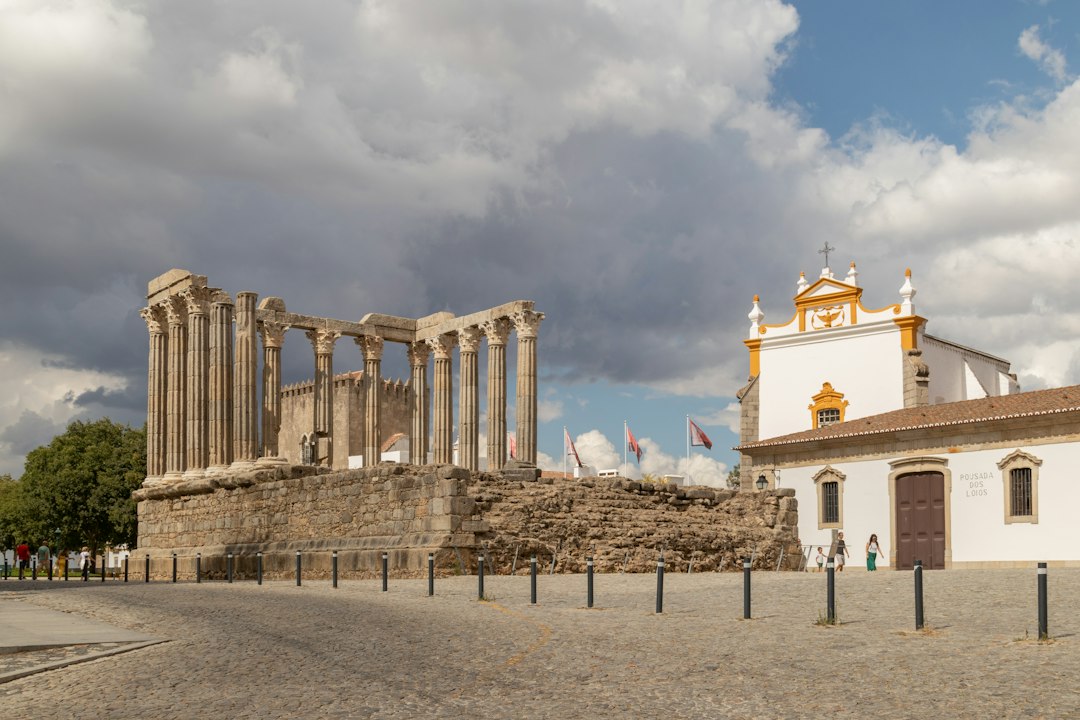
Alentejo's sun-bleached capital: Roman pillars, bone chapels and deep terracotta wine.
- Best time to visit: March to May and September to October
- Daily budget (budget traveller): $55 to $120 USD
- Ideal trip length: 2 to 3 days
Évora is the golden heart of Portugal's Alentejo plains, encircled by medieval stone walls that shield two millennia of history. Whitewashed cottages with bright yellow borders flank Roman granite columns, Gothic vaults and Renaissance mansions. Just an hour and a half east of Lisbon by train, this UNESCO World Heritage city trades capital commotion for sleepy cobblestone lanes, robust regional cooking and slow afternoons under the southern Portuguese sun.
Évora rises quietly from the golden wheat fields and cork forests of the Alentejo, framed by two kilometres of crenellated fourteenth-century stone walls. It is a living open-air archive where every epoch has left a distinct geological trace. Roman legionaries raised granite columns on the acropolis in the first century; Arab rulers laid the labyrinthine web of alleyways that define the Mouraria quarter; and Portuguese kings of the Aviz dynasty established their Renaissance palaces here during the Age of Discovery. Today, it remains a proud university town where black-cloaked students share cobblestone plazas with elderly farmers sipping dry white wine under shaded stone arcades.
The pace in Évora is deliberately slow, dictated by centuries of relentless Alentejo summer heat. Mornings are spent climbing the dark granite spiral stairways to the wind-swept roof terrace of Sé Cathedral, or peering into the grim philosophical reminder of the Capela dos Ossos, where Franciscan friars stacked thousands of skulls beneath the inscription: 'We bones that are here await yours.' By 1pm, the town retreats indoors. You take a seat at a tile-lined tavern counter for bread soaked in garlic broth, tender Iberian pork cheeks braised in clay pots, and a tumbler of regional red wine that costs little more than espresso in larger capitals.
Beyond the city gates lies Portugal's most enigmatic countryside. The plains around Évora hold mainland Europe's greatest concentration of megalithic monuments, including standing stone circles that predate Stonehenge by several centuries. Évora works seamlessly as both an overnight destination and a base for exploring the wild Alentejo heartland. To enjoy it properly, do not treat it as a quick two-hour stop on a Lisbon tour bus itinerary. Spend the night, watch the granite Roman pillars turn warm amber in the setting sun, and let the quiet weight of Alentejo history sink in.
Évora itinerary
Roman relics, Gothic rooftops and bone-lined chapels
Morning: Arrive from Lisbon on the morning Intercidades train. Check into your hotel and walk through the southern gate towards Praça do Giraldo. Order an espresso and pastéis at Café Arcada under the historic marble arches.
Afternoon: Walk up to the acropolis to view the granite columns of the Roman Temple. Enter the medieval Sé de Évora, climb to the rooftop for spectacular city panoramas, then visit the adjacent National Museum.
Evening: Head south to the Church of Saint Francis to experience the macabre Capela dos Ossos before it shuts at 6:30pm. Dine on grilled black pork and migas at Taberna Típica Quarta-Feira (reservations essential).
Moorish alleys, aqueducts and regional wine
Morning: Wander the whitewashed lanes of the Mouraria district. Head north to Rua do Cano to see houses and workshops built directly underneath the sixteenth-century arches of the Silver Water Aqueduct.
Afternoon: Stop for an authentic lunch of sopa de cação at Tasquinha do Oliveira or Botequim da Mouraria. Rent a bicycle or take a brief taxi out to Adega Cartuxa for an afternoon cellar tour and olive oil tasting.
Evening: Return within the medieval walls for an evening glass of chilled white wine at Wine Bar Erva Moura. Enjoy petiscos, local sheep cheeses and cured sausages on the terrace as dusk settles.
Prehistoric standing stones and university courtyards
Morning: Join an early morning guided excursion to Cromeleque dos Almendres, standing in peaceful reflection among 95 prehistoric megaliths set amidst ancient cork and olive groves.
Afternoon: Return to town for a light lunch of pastéis de bacalhau and fresh salad. Explore the Renaissance cloister and azulejo-tiled classrooms of the Colégio do Espírito Santo at the University of Évora.
Evening: Relax in the manicured shaded lawns of the Jardim Público, inspecting the romantic palace ruins. Settle into a cosy table at Luar de Janeiro for slow-cooked lamb stew.
Medieval fortress village of Monsaraz
Morning: Rent a car or catch a morning bus to Monsaraz, an ancient whitewashed village perched high atop a fortified slate ridge overlooking the vast Alqueva reservoir and Spanish border.
Afternoon: Walk along the intact fortress ramparts, browse handwoven wool rugs, and eat lunch at Taverna Os Templários with dramatic views over the sparkling blue waters of Lake Alqueva.
Evening: Return to Évora in time for sunset. Pick up a box of sweet Queijadas de Évora from Pastelaria Conventual Pão de Rala for dessert, followed by an evening stroll through illuminated plazas.
Marble towns and tapestry heritage
Morning: Take a short regional trip northeast to Estremoz. Explore the upper castle made of local white marble and visit the Saturday morning flea and produce market in the main square.
Afternoon: Continue across the gentle rolling hills to Arraiolos, celebrated for centuries for its traditional hand-embroidered wool carpets. Climb up to its rare circular medieval castle.
Evening: Back in Évora, secure a counter seat at a neighbourhood adega. Order a jug of Alentejo red poured straight from clay amphora jars alongside local sheep cheese.
Cork trails and countryside walking
Morning: Follow the walking trail alongside the outer arches of the Aqueduto da Água de Prata, heading through rural meadows filled with grazing sheep, wildflowers and cork trees.
Afternoon: Dine at a rustic countryside restaurant on the town fringes, savouring carne de porco à alentejana. Visit the nearby ancient burial dolmen of Anta Grande do Zambujeiro.
Evening: Return to the historic centre for a leisurely walk along the fourteenth-century city walls from Porta de Alconchel to Porta de Avis. Enjoy a relaxed craft beer or wine at Docas Bar.
Sweet souvenirs and slow departure
Morning: Spend a quiet final morning picking up regional olive oils, local pottery, cork crafts and Queijo de Évora from small gourmet shops along Rua 5 de Outubro.
Afternoon: Enjoy a slow farewell lunch in Praça do Giraldo with a bowl of açorda alentejana. Collect your stored luggage from your guesthouse.
Evening: Walk the easy downhill path to Évora train station and board the Intercidades train bound for Lisbon, watching the golden Alentejo plains roll past your window.
Best neighbourhoods
- Praça do Giraldo and the Centre: The arcaded main square and lively core, lined with marble fountains, outdoor cafés and winding shopping alleys.
- Mouraria and the Upper Town: The peaceful former Moorish quarter, featuring quiet whitewashed lanes, wrought-iron balconies and steep paths to the Roman Temple.
- Rua do Cano and the Aqueduct Quarter: A quirky northern district where ordinary homes, workshops and wine shops are built directly between the towering arches of the Silver Water Aqueduct.
Must-do experiences
- Stand beneath the Roman Temple of Évora: Marvel at the Corinthian granite columns standing proudly on the city's highest ridge since the first century.
- Visit the eerie Capela dos Ossos: Walk through the Chapel of Bones inside the Church of Saint Francis, walled with the skeletal remains of some five thousand people exhumed from the city's old cemeteries.
- Walk the roof of Sé de Évora: Climb the granite spiral stairs of Portugal's largest medieval cathedral for panoramic views across terracotta rooftops and oak-studded plains.
- Trace the Aqueduto da Água de Prata: Follow the sixteenth-century aqueduct through the northern city wall to discover houses tucked under massive stone arches.
- Sample Alentejo wines at Cartuxa: Taste rich regional reds and the famous Pêra-Manca label at the historic cellars of Adega Cartuxa on the edge of town.
- Explore the megaliths of Cromeleque dos Almendres: Discover a mysterious circle of ninety-five rounded standing stones older than Stonehenge, nestled amid a cork oak forest.
Hidden gems
- The quiet Renaissance courtyard and historic azulejo tiles inside the Colégio do Espírito Santo
- Páteo de São Miguel, an intimate terrace hideaway housing the Alentejo aristocratic collections
- The peaceful public gardens of Jardim Público, hiding the Gothic ruins of the Royal Palace of Dom Manuel
- The peaceful countryside trail along the outer arches of the Silver Water Aqueduct
Daily budget
- Accommodation: budget €22-40 / night (hostel dorm or simple private room in a residential guesthouse), mid-range €70-130 (characterful boutique hotel or historic townhouse within city walls), splurge €180-320 (historic Pousada Convento de Évora or upscale rural wine estate). Prices peak during Holy Week and autumn wine harvest weekends. Booking inside the walls saves on taxi fares.
- Food: budget €15-25 / day (bakery breakfast, midday prato do dia special, tavern petiscos), mid-range €35-55 (sit-down lunch with Alentejo soup, traditional pork dinner with regional wine), splurge €75+ (fine dining regional tasting menu, pairings, aged cheeses and reserve wines). The weekday lunch prato do dia in traditional tascas provides soup, main dish, bread, wine and coffee for €10 to €13.
- Transport: budget €0-5 / day (walking the compact walled core, occasional city microbus hop), mid-range €15-30 (shared return van tour or bicycle rental to nearby megaliths), splurge €60+ (private taxi or car hire for self-guided vineyard loops across the Alentejo). Direct train from Lisbon Sete Rios costs about €13 to €16 one way. Once in Évora, almost all sights are reached on foot.
- Activities: budget €6-12 (Cathedral roof access €4.50, Chapel of Bones €6, free aqueduct walk), mid-range €20-40 (Cathedral complex, Chapel of Bones, National Museum, guided megaliths tour), splurge €65+ (premium Adega Cartuxa cellar tour with reserve wine tasting and olive oil masterclass). The Roman Temple, aqueduct arches, public gardens and university exterior courtyards are completely free to visit.
- Drinks & nightlife: budget €3-8 (espresso at café counters €0.90, cold Sagres or house wine €1.50 to €3), mid-range €10-18 (tasting flight of DOC Alentejo wines with sheep cheese and cured ham), splurge €30+ (bottles of rare local reserve vintages at specialized wine bars). Nightlife is relaxed and revolves around outdoor wine bars, student tabernas and open-air terrace dining.
Where to stay
- Social hostel in Historic Centre / Near Praça do Giraldo (€22-40 / night): Old Évora Hostel or Heaven Évora Hostel, set in traditional townhouses with courtyards and dorms, perfect for budget travellers looking to connect with others.
- Boutique hotel in Mouraria / Upper Town (€80-150 / night): M'AR De AR Aqueduto or Albergaria do Calvário, offering stylish converted historical architecture, quiet stone courtyards and excellent local breakfasts within easy walking distance of the sights.
- Apartment in Rua do Cano / Aqueduct Quarter (€70-130 / night): Renovated character apartments nestled against the stone aqueduct arches. Great for longer stays of three or more nights with self-catering kitchen facilities.
- Splurge in Pousada Convento de Évora (Loios) (€180-320 / night): A historic fifteenth-century monastery facing the Roman Temple, featuring converted monastic cells, vaulted Gothic dining rooms, a swimming pool and luxury service.
What to eat
- Porco preto grelhado: grilled succulent black Iberian pork served with migas bread stuffing
- Sopa de cação: a fragrant dogfish soup flavoured with garlic, coriander and crusty sourdough
- Queijadas de Évora: delicate sweet tartlets made from fresh local sheep cheese, egg yolks and sugar
- Carne de porco à alentejana: braised pork cooked with clams, paprika, white wine and crispy potatoes
Day trips
- Monsaraz (55 km east, about 50 minutes by car or bus): A fairytale fortified hilltop village overlooking the glittering waters of the Alqueva reservoir. Walk ancient castle walls, browse woollen handicrafts and soak in sweeping views across the border into Spain. Best reached by rental car or guided tour. Regional Rodoviária do Alentejo buses run to nearby Reguengos de Monsaraz, where you connect via local taxi.
- Cromeleque dos Almendres (15 km west, about 25 minutes by car): One of the largest standing stone circles on the European continent, featuring 95 megalithic granite menhirs erected between the sixth and fourth millennia BC amid quiet cork and holm oak groves. No direct public buses run here. Book a small-group guided van tour from Praça do Giraldo (about €30 to €45) or hire a local taxi with pre-arranged return waiting time.
- Estremoz & Vila Viçosa (45 km northeast, about 40 minutes by car or bus): The famed marble capital towns of the Alentejo. Tour marble quarries, see medieval fortresses clad in white stone, and visit the palatial Ducal Palace of Vila Viçosa. Direct daily regional buses connect Évora bus terminal to Estremoz in under one hour, costing approximately €6 to €8 each way.
When to visit
- Spring (March - May): 14-23°C, mild sunshine, occasional short showers, blooming meadows. Crowds: Moderate, with Easter bringing domestic visitors. The premier season for countryside exploration. The surrounding plains are carpeted in green grasses and vibrant wildflowers, and temperatures are ideal for walking.
- Summer (June - August): 25-38°C, arid heat, intense midday sun, cooling breeze at night. Crowds: Busy with international day-trippers; streets empty from noon to 5pm. Intensely hot. If visiting in summer, conduct all outdoor sightseeing before 11am or after 6pm, and spend the afternoons resting, visiting shaded churches or touring cool wine cellars.
- Autumn (September - November): 16-27°C, dry sunny days in September, crisp autumn evenings by November. Crowds: Moderate, steady wine tourism during grape harvest. A fabulous time for wine enthusiasts. The grape harvest is in full swing across Alentejo vineyards, temperatures become pleasant again, and restaurant menus turn to rich game stews.
- Winter (December - February): 5-15°C, cool mornings, clear crisp blue skies, occasional rain. Crowds: Low, quiet streets, easy reservations at all restaurants. An atmospheric and budget-friendly choice. Crisp sunny winter days are pleasant for walking, hotel prices hit yearly lows, and local taverns keep roaring open hearth fires lit.
Entry rules for your passport
Visa rules for Portugal depend on the passport you travel on. Check the official source before you book: European Commission: Schengen visa policy
Getting there
Évora is simple to reach from Lisbon without a car. Direct Comboios de Portugal (CP) Intercidades trains depart four times per day from Lisbon Oriente and Sete Rios stations, reaching Évora in approximately one hour and thirty minutes. Standard one-way fares cost between €13 and €16, with significant discounts available when booked a week or more in advance via the CP website or mobile app. Frequent Rede Expressos coaches depart from Lisbon Sete Rios bus terminal almost hourly, taking one hour and forty-five minutes for roughly €12 one way. For travellers arriving from Faro or the Algarve, regional buses take roughly three to four hours. Évora train station is situated just 800 metres south of the medieval walls, an easy ten-minute stroll to the central square.
Border checks: non-EU visitors (other than Swiss, Norwegian, Icelandic, Liechtenstein, Andorran, Monegasque, San Marinese and Vatican citizens, and holders of an EU residence permit or long-stay visa) are registered in the EU's Entry/Exit System (EES) instead of getting a passport stamp. On your first crossing, officers take your photo and/or fingerprints, so allow extra time at passport control. ETIAS, the planned travel authorisation, is not in operation yet, so don't pay any website for one.
Getting around
Évora's historic centre is compact, pedestrianised and best explored entirely on foot. From Lisbon, direct Comboios de Portugal Intercidades trains run from Oriente or Sete Rios (one hour thirty minutes, roughly €13 to €16 each way). Rede Expressos coaches depart Lisbon Sete Rios regularly (one hour forty-five minutes, roughly €12). Within town, local Trevo microbuses serve outer residential areas, while taxis and rideshares operate for visits to nearby wineries or megalithic sites.
Safety
Évora is an exceptionally safe and tranquil regional capital with minimal violent crime. Solo travellers face very little harassment at any hour. The primary concerns are slippery cobblestones on steep downhill streets, aggressive midday sun during summer, and dehydration. Carry water, wear sturdy rubber-soled footwear and stick to shaded alleys when temperatures spike. Keep an eye on your possessions around Praça do Giraldo and the bus terminal, though opportunistic pickpocketing remains rare compared to Lisbon.
Solo travel tips
- Take counter seats at traditional taverns: Small historic restaurants like Botequim da Mouraria or Tasquinha do Oliveira possess few tables and fill fast, but counter seats are ideal for solo guests. The owners love chatting about local wine and ingredients.
- Hostel pick: Old Évora Hostel: Located in a renovated historic townhouse within the city walls, Old Évora Hostel offers a comfortable base with friendly communal areas, making it simple to meet other independent travellers.
- Join shared tours for megaliths and vineyards: Because rural buses do not connect to Almendres Cromlech or scattered wineries, solo visitors save money by joining small shared van tours run by local operators based in Praça do Giraldo.
- Plan your days around the afternoon heat: Between June and September, streets bake under relentless sunshine. Copy the locals: schedule active walking between 8am and 11am, rest or tour shaded interiors during the afternoon, and emerge again for dinner after 8pm.
- Solo female travellers: Évora is tranquil and exceptionally safe day and night. Walking through quiet, dimly lit alleys inside the city walls after dark presents virtually no safety risk, though keeping regular urban awareness remains wise.
- Store luggage at the tourist office or station: Cobblestones inside Évora are steep and uneven. Drop heavy backpacks or rolling suitcases at your accommodation or use luggage lockers near the terminal before exploring the historic upper quarters.
Cultural etiquette
- The Capela dos Ossos is a sacred resting place and memorial, so keep your voice down, remove hats and refrain from touching the skeletal remains embedded in the walls.
- The bread, butter, olives and sheep cheese placed on your table at the start of a meal are not complimentary. If you eat them, they will be added to your final bill, usually €2 to €5.
- Lunch runs strictly from 12:30pm to 3:00pm, and dinner starts around 7:30pm or 8:00pm. Arriving for dinner at 6:00pm will usually find restaurant kitchens closed.
- Dress respectfully when entering the Sé Cathedral and active churches; cover bare shoulders and avoid walking around during Sunday morning religious services.
- Tipping is modest and not mandatory in Portugal. Leaving a few coins or rounding up the bill by 5 to 10 percent in sit-down restaurants is customary for attentive service.
- Greet shopkeepers and café servers with a polite 'Bom dia' in the morning or 'Boa tarde' in the afternoon before asking questions or ordering.
- Take your time at meals. Dining in the Alentejo is considered a slow, sensory experience, and waitstaff will never rush you or bring the bill until you ask for it.
Frequently asked questions
How do I get to Évora from Lisbon?
Direct Intercidades trains run four times daily from Lisbon Oriente and Sete Rios stations to Évora station in about one hour and thirty minutes (tickets cost €13 to €16). Rede Expressos buses run hourly from Lisbon Sete Rios bus terminal, taking roughly one hour and forty-five minutes for about €12. The train station is a pleasant ten-minute walk south of the city walls.
Which area should I stay in Évora?
Staying within the historic medieval walls is best. The streets around Praça do Giraldo offer central access to dining, Mouraria provides quiet residential charm, and the northern Rua do Cano area offers unique stays near the aqueduct arches. Budget guesthouses cluster near the southern gates, convenient for luggage drop-off after arriving at the train station.
How many days do I need in Évora?
Two to three days is the ideal duration. You can see the main sights within the city walls in one full day, use a second day for the Almendres Cromlech and an Alentejo winery tour, and add a third day to visit hilltop medieval fortress villages such as Monsaraz or Estremoz.
When is the best time to visit Évora?
Spring (March to May) and autumn (September to October) are the best seasons. Wildflowers coat the cork oak plains in spring, temperatures hover around 20°C to 24°C, and grape harvest occurs in autumn. July and August bring blistering heat with temperatures regularly exceeding 38°C, making outdoor sightseeing difficult between noon and 5pm.
Is Évora suitable for solo travellers?
Évora is wonderfully welcoming for solo travellers. The small town size makes navigating easy, crime is practically non-existent, and family-run petisco bars and taverns comfortably accommodate solo diners at counters or outdoor tables. It is a relaxing retreat after Lisbon or Porto.
Can I visit the Almendres Cromlech without a car?
There is no public bus to Cromeleque dos Almendres, located 15 kilometres west on dirt tracks. Solo travellers can easily join a guided half-day van tour departing from central Évora (about €30 to €45), book an authorised local taxi with a pre-arranged return wait time (around €45 to €55 total), or rent an electric bicycle if accustomed to gravel riding.
What is the average daily cost for Évora?
A budget traveller can manage on €50 per day by staying in a hostel or modest pension, eating the prato do dia (lunch special) for €9 to €12, and walking everywhere. A mid-range budget of €80 to €110 covers a boutique guest room, a three-course dinner with local wine, and entry to all key monuments.
Do I need a visa to visit Évora?
Portugal is in the Schengen area. Visitors from the UK, the US, Canada, Australia and many other countries can stay up to 90 days in any 180 without a visa, and since October 2025 non-EU travellers are registered in the EU's Entry/Exit System (photo and fingerprints) instead of getting a passport stamp, so allow extra time at your first border. ETIAS pre-travel authorisation is not yet required. Check the rules for your nationality before booking.
More about Évora
- What To Do in Lisbon for 7 Days: Itinerary with Sintra, Cascais and Évora
- Hidden Gems in Lisbon: Quiet Viewpoints, Museums, Gardens and Markets
Tours and activities in Évora | Évora in 2 days | Évora in 3 days | Évora in 4 days | Évora in 5 days | Évora in 7 days
Joy Plus home | Destinations | Itineraries | Activities | Flights | Budget planner | Calendar | Map | Blog | Lifetime access