Destinations / Caribbean
Fort-de-France, Martinique travel guide
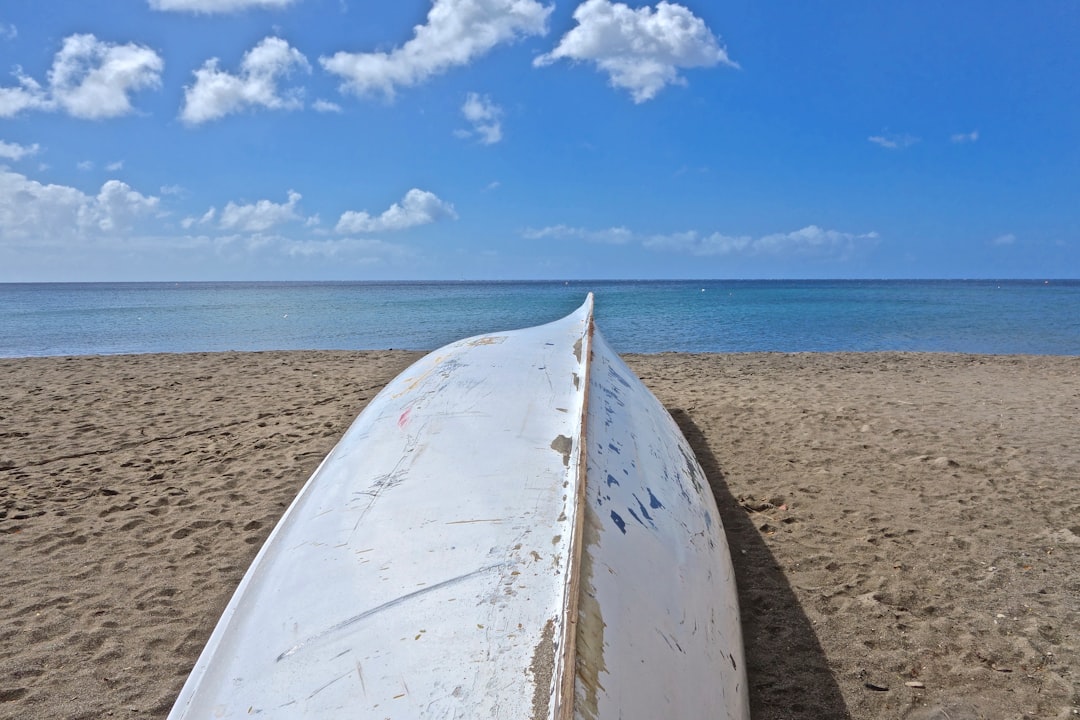
French Caribbean at its best: creole cuisine, rhum agricole, black-sand beaches, and Mount Pelée.
- Best time to visit: December-April (dry season)
- Daily budget (budget traveller): $110 to $200 USD
- Ideal trip length: 5 to 7 days
Martinique is France in the tropics: boulangeries beside creole markets, rhum agricole distilleries in the hills, and a volcano that once destroyed a city. Fort-de-France is the lively capital, but the island's pleasures spread out to white-sand beaches in the south, black volcanic sand in the north and rainforest in between. Joy Plus threads the food, rum and hiking into one route.
Fort-de-France is the capital of a French island that sits in the Caribbean without quite behaving like it. Boulangeries open at 5:30am and sell proper baguettes. Supermarkets stock Normandy butter next to green plantains. A guy in a rum shop pours you a ti' punch at 10am and then lectures you, kindly, on how to mix it yourself. Martinique is a French department, so you get euros, EU-standard roads, healthcare, and a creole culture that is entirely its own. It produces the only rum in the world with its own AOC, rhum agricole, pressed from fresh cane juice instead of molasses.
The city itself is compact and a little gritty, in a good way. Give it a day, not three. The Bibliothèque Schoelcher and the iron-framed Cathédrale Saint-Louis (both from the 1890s, both by the architect Henri Picq) are the architectural highlights. The Grand Marché is the real draw: spices, vanilla, madras cloth, and women who will sell you a bag of cinnamon sticks and tell you what to do with it. Then you leave. The island's pleasures are spread out. Black-sand coves and the ruins of Saint-Pierre lie north, where Mount Pelée killed roughly 28,000 people in 1902. Les Salines, the white-sand crescent everyone photographs, lies in the south, and distilleries sit in between. The geography is the whole planning problem, because the north and south are an hour or more apart.
This guide is built around that north-south split. Use Fort-de-France as a cheap, central base for the first three days (north loop, Pelée, Route de la Trace), then shift south for beaches, or stay put and use the ferry to Les Trois-Îlets as a car-free day. Expect to rent a car, plan around the daily Lamentin traffic jam (roughly 6:30 to 8:30am into town, 4 to 6pm out), and eat your big meal at lunch. Martinique is not cheap, but it rewards people who shop in supermarkets, take the plat du jour, and let a distillery tasting be the activity of the afternoon.
How many days in Fort-de-France?
For Fort-de-France, we recommend 5 to 7 days.
| Trip length | What you'll see | Itinerary |
|---|---|---|
| 2 days | Fort-de-France centre; North loop: Balata, Route de la Trace, Saint-Pierre | Fort-de-France in 2 days |
| 3 days | Adds: Mount Pelée and Anse Couleuvre | Fort-de-France in 3 days |
| 4 days | Adds: Car-free ferry day: Les Trois-Îlets | Fort-de-France in 4 days |
| 5 days · Recommended | Adds: Les Salines and the Atlantic side | Fort-de-France in 5 days |
| 7 days · Recommended | Adds: Anses d'Arlet and Le Diamant; Market | Fort-de-France in 7 days |
Fort-de-France itinerary
Arrive, settle, Fort-de-France centre
Morning: Land at Aimé Césaire (FDF) in Le Lamentin. Pick up your rental car or take a taxi into town (about €35-45, 20-40 minutes depending on traffic). Drop bags near La Savane.
Afternoon: Walk the Savane park, then Bibliothèque Schoelcher (free, weekday hours) and Cathédrale Saint-Louis. Browse Rue Victor Hugo and Rue Antoine Siger for madras cloth and rum.
Evening: Early dinner at a creole restaurant near the waterfront, accras de morue and a blaff de poisson. Sunset ti' punch on the Savane promenade. Bed early, tomorrow is a long drive.
North loop: Balata, Route de la Trace, Saint-Pierre
Morning: Be at the Grand Marché by 7am for spices, vanilla and breakfast pastries. Drive 20 minutes to the Jardin de Balata for opening at 9am, then take the Route de la Trace north through rainforest.
Afternoon: Lunch in Morne-Rouge, then Saint-Pierre: the ruins of the theatre, the Cachot de Cyparis and the volcano museum (about €5). Tour and taste at Distillerie Depaz before it closes at around 5pm.
Evening: Dinner at Le Petibonum in Le Carbet on the black-sand beach. Drive back to Fort-de-France before it gets late.
Mount Pelée and Anse Couleuvre
Morning: At the L'Aileron trailhead by 7:30am. The summit hike is 4 to 5 hours round trip, 1,397m, and clouds usually close in by late morning. Bring a rain layer.
Afternoon: Late lunch in Le Prêcheur, then swim at Anse Couleuvre, a wild black-sand cove at the end of the road.
Evening: Drive back via the coast. Easy dinner, ice on the legs, early night.
Car-free ferry day: Les Trois-Îlets
Morning: Ferry from the Savane quay to Pointe du Bout (about 20 minutes, around €9-10 return). Walk to Anse Mitan and rent a mask for the reef.
Afternoon: Visit the Maison de la Canne and Domaine de la Pagerie, Joséphine de Beauharnais's birthplace. Lunch at a beach snack bar in Anse Mitan.
Evening: Sunset drinks on the Pointe du Bout marina, then catch the last ferry back (around 6pm, check the schedule).
Anses d'Arlet and Le Diamant
Morning: Drive south to Anse Dufour and Anse Noire. Snorkel with the resident turtles before 10am when the boats arrive. Do not touch them.
Afternoon: Fish lunch on the sand at Anse Dufour, then Le Diamant for the view of Diamond Rock and the Cap 110 memorial to the slave-ship wreck.
Evening: Settle into Sainte-Anne or Le Diamant. Dinner by the water, stay the night in the south.
Les Salines and the Atlantic side
Morning: Be at Grande Anse des Salines by 8:30am for a swim before the crowds and the parking jam. Walk to Pointe des Salines if you want quiet.
Afternoon: Lunch at Le Marin's marina, then drive to Habitation Clément in Le François (about €16, open until around 5:30pm). Walk the gardens and taste the VSOP.
Evening: Dinner in Le François or back in Fort-de-France. Atlantic-side beaches can have sargassum, check before you swim.
Slow morning, market, depart
Morning: Last stop at the Grand Marché for vanilla, spices and a bottle of rhum vieux. Coffee and a pain au chocolat at a boulangerie.
Afternoon: Return the rental car with the tank full (fuel stations near Lamentin). Check in at least 2 hours before an international flight.
Evening: Fly home, or take a last ti' punch at the airport if you have time.
Best neighbourhoods
- Fort-de-France: The capital: the Schoelcher Library, covered market, and waterfront La Savane park.
- Les Trois-Îlets: Across the bay: marinas, beaches, Pointe du Bout resorts, and easy ferries.
- Sainte-Anne: The south's beach base, next to the famous Les Salines sands.
- Saint-Pierre: The 'Paris of the Caribbean' destroyed by Mount Pelée in 1902, now a small town among atmospheric ruins.
- Le Carbet / North Coast: Black-sand beaches, rainforest trails, and rum distilleries.
Must-do experiences
- Les Salines beach: A long crescent of white sand and coconut palms at the island's southern tip.
- Hike Mount Pelée: Climb the volcano that wiped out Saint-Pierre for views across the north.
- Rhum agricole distillery tour: Taste cane-juice rum at Depaz, Clément or Trois Rivières.
- Saint-Pierre ruins & museum: Walk the streets of the town buried by the 1902 eruption.
Hidden gems
- Anse Noire and Anse Dufour, twin bays with black and golden sand and resident turtles.
- The Route de la Trace, a rainforest drive through the island's mountainous spine.
- Le Marin's Sunday market and yacht-harbour restaurants in the far south.
- Grand Rivière at the wild northern tip for fishing-village lunches and coastal hikes.
Daily budget
- Accommodation: budget €55-100 / night (budget hotel or chambre d'hôte, priced per room), mid-range €130-230 (small hotel, pool, Trois-Îlets or Sainte-Anne), splurge €350+ (Cap Est Lagoon Resort, Hôtel Bakoua). There are almost no dorm hostels, so solo travellers pay per room. Gîtes and apartments are the best value for 4+ nights.
- Food: budget €25-35 / day (boulangerie breakfast €4, plat du jour €13-16, supermarket dinner), mid-range €55-85 (two sit-down meals, one with fish), splurge €120+ (resort or plantation-house tasting menu). Lunch is the deal. Most restaurants and snack bars run a €13-18 menu du jour, and kitchens often close by 9pm.
- Transport: budget €10-20 / day (taxi collectif, ferry, local buses), mid-range €55-80 (small rental car at €40-60 plus fuel around €1.70/L and parking), splurge €150+ (SUV, private driver or full-day catamaran). A car is effectively required beyond the capital. Book an automatic early, manuals are cheaper and more available. The ferry to Les Trois-Îlets is roughly €9-10 return.
- Activities: budget €0-20 / day (beaches, Pelée hike, Savane, Schoelcher library are free), mid-range €35-70 (Jardin de Balata about €16, Habitation Clément about €16, snorkel gear), splurge €120+ (guided Pelée hike, dive at Le Diamant, boat to Fonds Blancs). Distillery tours are often €8-16 and include a tasting. Buy your own mask and snorkel at a supermarket for about €15 and use it for the turtles at Anse Dufour.
- Drinks & nightlife: budget €8-12 (ti' punch at the bar €4-6, Lorraine beer €3-5), mid-range €25-40 (sunset cocktails at Pointe du Bout, a planteur or two), splurge €70+ (hotel bar, rum flight, late club night in Schoelcher). Fort-de-France is quiet after dark. The nightlife sits in Pointe du Bout, Schoelcher and the south. A 50° white rhum at Carrefour is around €15-25.
Where to stay
- Social hostel in Fort-de-France centre (€55-100 / night): True dorm hostels are almost non-existent on Martinique. The closest equivalent is a budget hotel or chambre d'hôte near La Savane such as Hôtel Lafayette or Hôtel Impératrice, within walking distance of the ferry, market and library. Prices are per room, not per bed.
- Boutique hotel in Les Trois-Îlets (€170-300 / night): La Suite Villa and similar small, design-led properties, with pools and gardens, are 20 minutes by ferry from the capital and close to beaches and Pointe du Bout dining.
- Apartment in Sainte-Anne or Les Anses-d'Arlet (€75-130 / night): Gîtes and holiday apartments with a kitchen and terrace, a short drive from Les Salines or the turtle coves. Best value for 4+ nights and cuts food costs sharply.
- Splurge in Le François or Pointe du Bout (€320-550 / night): Cap Est Lagoon Resort & Spa on the Atlantic side for lagoon views and spa, or Hôtel Bakoua at Pointe du Bout for the bay. Both have pools and restaurants, but you still need a car.
What to eat
- Accras de morue (saltfish fritters)
- Colombo de poulet, the island's curry
- Boudin creole and fresh baguettes from a village boulangerie
- Ti' punch made with rhum agricole, cane syrup and lime
Day trips
- Saint-Pierre and Mount Pelée (25 km, 40 to 50 minutes by car): The 'Paris of the Caribbean' was buried on 8 May 1902 by Pelée. Visit the theatre ruins, the Cachot de Cyparis cell where the town's sole survivor lived, and the small volcano museum (about €5). Add a Depaz distillery tour (about €8) or the L'Aileron hike if you start early. Drive the coastal N2 via Le Carbet. Taxis collectifs run from the Pointe Simon terminal for around €5-8 each way, but a car makes the hike and distillery easy.
- Anses d'Arlet and Le Diamant (35 km, about 1 hour by car or ferry): Anse Dufour and Anse Noire are the best turtle snorkelling on the island, with black and golden sand. Continue to Le Diamant for the view of Diamond Rock and the Cap 110 memorial. Drive the D37, or take the ferry from Fort-de-France to Anses d'Arlet (check the current timetable). Beach snack bars serve lunch.
- Les Salines and Sainte-Anne (55 km, 1h15 by car): The classic white-sand crescent of Grande Anse des Salines, backed by coconut palms and a salt pond, plus Pointe Marin and the village of Sainte-Anne. Swim early, lunch in Le Marin, and stop at Trois-Rivières in Sainte-Luce for a rum tasting on the way back. Drive the A1 then N5 and D9. Leave before 8am on weekends to find parking, locals fill the beach on Sundays.
When to visit
- Dry season (Carême) (January - April): 27-30°C days, 21-24°C nights, trade winds, short showers, low humidity. Crowds: High. Peaks at Carnival (Ash Wednesday is 10 Feb in 2027) and Easter (28 Mar in 2027). The best window for hiking Pelée and beach days. Book flights and your rental car early, prices rise sharply at Carnival.
- Shoulder (May - June): 28-31°C, more frequent showers, humid, sea around 28°C. Crowds: Low to moderate. Great value. Distilleries are often still grinding cane, beaches are quiet, and rain usually comes as an afternoon burst. Hurricane season starts 1 June but the risk is low early on.
- Hurricane season (Hivernage) (July - October): 29-33°C, very humid, heavy rain, hurricane risk peaking August to October. Crowds: Busy in July and August with French family holidays and the Tour des Yoles in late July, quiet in September and October. Doable in July. September and October are the gamble: cheap, empty, but you need flexible bookings and travel insurance.
- Early winter (November - December): 27-30°C, rains easing through the month, greener landscape. Crowds: Low in November, jumps from mid-December for Christmas. Early November is cheap and lush. Late December is festive (chanté Nwèl singing nights) but hotels and cars sell out.
Entry rules for your passport
Visa rules for Martinique depend on the passport you travel on. Check the official source before you book: France-Visas (French government)
Getting there
Martinique Aimé Césaire International (FDF) is in Le Lamentin, about 12 km and 20 to 40 minutes from Fort-de-France depending on traffic. Direct flights run from Paris (Orly and Charles de Gaulle, about 8.5 hours) with carriers such as Air France, Air Caraïbes and French bee, plus seasonal flights from Montreal and regional hops from Guadeloupe, Saint Lucia and other islands. Taxis to the capital are regulated, expect roughly €35 to €45 by day with a surcharge at night. There is no reliable airport bus, so most visitors pick up a rental car at the terminal (Europcar, Hertz, Jumbo Car and local firms) and book ahead for automatics. Cruise ships dock at Pointe Simon, in the centre of Fort-de-France. Inter-island ferries to Dominica, Guadeloupe and Saint Lucia run on limited schedules, so check before planning around them.
Getting around
Martinique Aimé Césaire International is minutes from Fort-de-France, with direct flights from Paris and regional hops. Ferries cross the bay between Fort-de-France and Les Trois-Îlets in about 20 minutes, avoiding heavy road traffic. Public buses exist but are slow and limited outside the capital. A rental car is strongly recommended to reach beaches, distilleries and the north; driving is on the right and roads are good European standard.
Safety
As a French department, Martinique has European infrastructure, healthcare and policing, and is generally safe for visitors. Petty theft from parked cars at beaches and trailheads is the most common issue, so leave nothing visible. Atlantic-side beaches can have strong currents, and Mount Pelée hikes turn cold, wet and cloudy quickly, so check the forecast and start early. Tap water is safe.
Solo travel tips
- Rent a car and stay flexible: Martinique is built for drivers. Solo, you can leave at 6:30am for Pelée, stop at any distillery, and skip tourist coaches. Book the cheapest automatic early. Expect €40-60/day and a young-driver surcharge under 25.
- Say bonjour first, everything else second: In shops, markets and bakeries, start with bonjour or the creole bonjou before asking anything. It changes the whole interaction, and English is limited outside hotels. A translation app fills the gaps.
- Hostels barely exist, use shared activities instead: Dorms are rare. Meet people through dive centres at Le Diamant and Anses d'Arlet, kitesurf lessons at Le Vauclin, surf at Tartane, and the Fonds Blancs boat trips from Le François. Pointe du Bout has the most visitors.
- Eat at the counter at lunch: Snack bars and village restaurants serve the best-value meals at lunch. Sit at the bar, order the plat du jour, and ask what's fresh. Locals eat early, and kitchens often close by 9pm.
- Solo women and night safety: Martinique is generally safe for visitors. Central Fort-de-France is quiet after dark, so use a taxi after about 9pm instead of walking empty back streets. Lock the car and leave nothing visible at beaches and trailheads.
- Time the day around heat and traffic: Start early. Beaches and hikes are best before 10am, and the Lamentin and Fort-de-France roads jam from roughly 6:30 to 8:30am and 4 to 6pm. Plan your driving between those windows, and carry cash for rural fuel pumps.
Cultural etiquette
- Say bonjour or bonjou before anything else in a shop, taxi or bakery. Skipping the greeting is the quickest way to get cold service.
- Ti' punch is a do-it-yourself ritual. You get a bottle of rhum agricole, a bowl of cane syrup and lime, and you mix it yourself. Locals say 'chacun prépare sa propre mort', each person prepares their own death, so go easy on the syrup and the pour.
- French is the language. Creole is everyday speech. English is limited, so learn a few phrases and use them.
- Lunch is 12pm to 2:30pm, dinner starts around 7pm and many kitchens stop serving by 9pm. Turning up at 9:30pm often means a closed kitchen.
- Service is included in the price. Round up or leave €1-5, there is no 15-20% rule.
- Slavery, colonial history and the békés (descendants of white planters) are live subjects. Aimé Césaire and Frantz Fanon are local heroes, and the toppled statue of Joséphine on La Savane is a reminder that history here is debated. Listen more than you opine.
- Don't touch turtles or take coral, and cover up in town: swimwear is for the beach, not the market. Topless sunbathing is tolerated on some beaches but nudity is not accepted outside designated areas.
Frequently asked questions
How many days do you need in Martinique?
Five to seven days suits the island's size. Allow two or three days in the south for Les Salines, Sainte-Anne and the Trois-Îlets beaches, a day exploring Fort-de-France and its market, and two days in the north for Mount Pelée, Saint-Pierre, the Route de la Trace and a rhum agricole distillery or two.
Do you need a visa for Martinique?
Martinique is an overseas department of France and part of the EU, but outside the Schengen area, so a Schengen visa is not valid here. EU citizens need only an ID card. Americans, Britons, Canadians and Australians can visit visa-free for up to 90 days with a passport valid for at least 3 months after you leave, and the planned ETIAS authorisation for the Schengen area will not apply to Martinique. Always confirm current requirements before booking.
When is the best time to visit Martinique?
December to April is the dry season, called carême, with sunny days, lower humidity and the best hiking conditions. May to November is the hivernage, wetter and more humid, with the hurricane risk peaking between August and October. Carnival in February and the Tour des Yoles sailing race in late July are the highlights of the local calendar.
Is English spoken in Martinique?
Less than on most Caribbean islands. French is the official language and Martinican Creole is widely spoken, while English is limited outside hotels, dive centres and larger restaurants. Learning basic French phrases makes a real difference, especially in markets, village bakeries and rural distilleries. A translation app covers the gaps comfortably.
Do you need a car in Martinique?
Yes, effectively. The best beaches, distilleries, hiking trails and villages are spread across the island and public buses are slow and infrequent outside Fort-de-France. Roads are well maintained to European standards, driving is on the right, and signage is in French. The ferry across the bay to Les Trois-Îlets is a useful shortcut around capital traffic.
Is Martinique expensive?
It is pricier than nearby independent islands because it imports from mainland France and uses the euro, but you get European standards in return. Budget around $110 to $200 a day for mid-range travel. Costs drop noticeably if you self-cater from supermarkets, eat lunch at local creole restaurants offering set menus, and stay in gites rather than resorts.
Which is the best beach in Martinique?
Les Salines near Sainte-Anne is the classic: a long white-sand crescent backed by coconut palms in the far south. Anse Dufour and Anse Noire are smaller, quieter twin coves where turtles graze offshore, and Anse Couleuvre in the north has dramatic black volcanic sand. Southern beaches are calmer, while Atlantic-facing ones are windier with stronger currents.
Tours and activities in Fort-de-France | Fort-de-France in 2 days | Fort-de-France in 3 days | Fort-de-France in 4 days | Fort-de-France in 5 days | Fort-de-France in 7 days
Joy Plus home | Destinations | Itineraries | Activities | Flights | Budget planner | Calendar | Map | Blog | Lifetime access