Destinations / Europe
Galway, Ireland travel guide
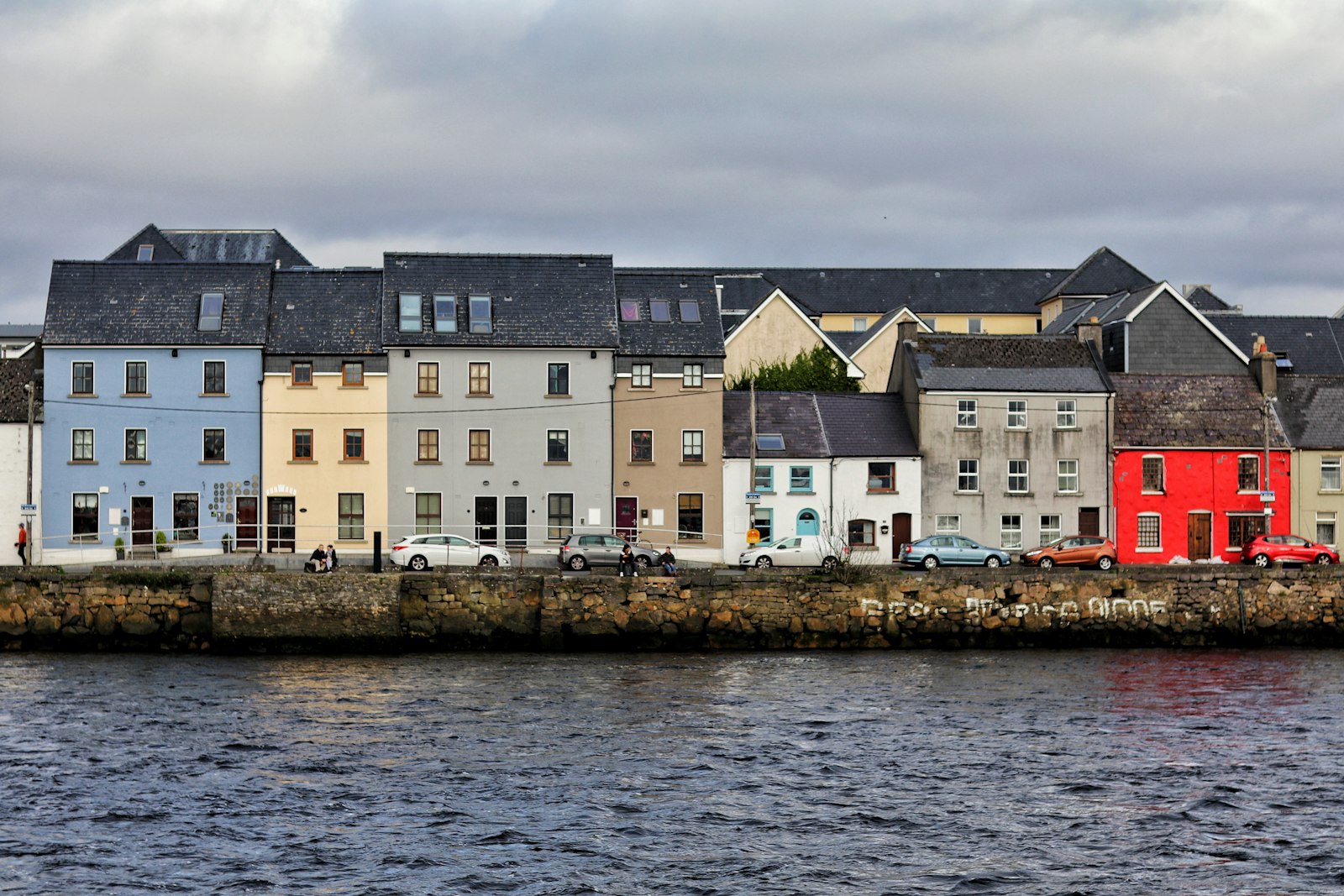
Ireland's bohemian west-coast city of trad music, festivals and Wild Atlantic charm.
- Best time to visit: May-September (warmest, festival season) with lively shoulder months
- Daily budget (budget traveller): $100 to $180 USD
- Ideal trip length: 2 to 3 days
Galway is Ireland's most free-spirited city - a small, colourful harbour town on the wild western edge where buskers fill the streets, trad music spills from every other pub and the craic is genuinely mighty. The cobbled Latin Quarter brims with painted shopfronts, oyster bars and bookshops, while the River Corrib rushes through to Galway Bay. It's a festival city year-round, famous for arts, film, oysters and racing, and a perfect launchpad for the Wild Atlantic Way - the Cliffs of Moher, the lunar Burren and the Aran Islands all lie within easy reach. Compact, walkable and endlessly sociable, Galway charms solo travellers and groups alike. Joy Plus pairs the city's pubs and seafood with the best day trips along the coast so you get both the buzz and the wild.
Galway is small enough to walk end to end in 25 minutes, and it still manages to feel like a capital. About 85,000 people live here, a quarter of them students at the University of Galway, which is why a Tuesday night in November can feel like a Saturday. Quay Street and Shop Street are pedestrianised, so buskers, hen parties and oyster-bar waiters share the cobbles. The Corrib, one of Europe's fastest short rivers, tears past the Spanish Arch into the bay a few steps from the Latin Quarter. Irish is a living language just west of here, so bilingual signs are real and you will hear it on the bus to Rossaveel.
The pub is the city's living room. Tigh Coili, The Crane Bar, Taaffes, The Quays and Monroe's Tavern all run trad sessions where the musicians sit in a huddle, not on a stage, and the whole room goes quiet for a slow air. Food is the other half of the pitch. Galway Bay oysters, seafood chowder with brown bread and a proper fish and chips from McDonagh's on Quay Street cost less than you would guess. Add the Saturday market at St Nicholas' Church and a Michelin-starred tasting menu at Aniar if you want one. Three nights is the sweet spot for the city. Add more nights for the Wild Atlantic Way, which starts on the doorstep.
Plan around the weather and the ferries, not the sights. Galway gets rain on roughly 200 days a year, but it is usually a passing shower, and a clear hour on the Cliffs of Moher beats a perfect forecast anywhere else. Book the Aran ferry and Cliffs entry once the forecast firms up, and keep one flexible day in the middle of the trip. Treat late July as a separate destination. The Arts Festival, Film Fleadh and Galway Races (Ballybrit, late July to early August) double hotel prices and fill every bed in the county. Go in May, early June or September and you get the same pubs and the same light with room to breathe.
How many days in Galway?
For Galway, we recommend 2 to 3 days.
| Trip length | What you'll see | Itinerary |
|---|---|---|
| 2 days · Recommended | Eyre Square and the Latin Quarter; Cathedral, Claddagh and the Salthill prom | Galway in 2 days |
| 3 days · Recommended | Adds: Cliffs of Moher and the Burren | Galway in 3 days |
| 4 days | Adds: Inis Mór, Aran Islands | Galway in 4 days |
| 5 days | Adds: Connemara and Kylemore Abbey | Galway in 5 days |
| 7 days | Adds: West End and Druid Theatre; Ard Bia, a last stroll | Galway in 7 days |
Galway itinerary
Arrive, Eyre Square and the Latin Quarter
Morning: Train or coach into Ceannt Station (the coach station is five minutes away on Fairgreen Road). Drop bags, flat white at Coffeewerk + Press.
Afternoon: Walk Shop Street to St Nicholas' Collegiate Church, then the Long Walk to the Spanish Arch. Free Galway City Museum next door (Tuesday to Sunday).
Evening: Fish and chips at McDonagh's on Quay Street, then a first session at Tigh Coili on Mainguard Street. Sessions usually start around 9pm, earlier at weekends.
Cathedral, Claddagh and the Salthill prom
Morning: Galway Cathedral (free), then the Corrib riverside path to Claddagh. Look into Thomas Dillon's Claddagh Gold on Quay Street for the ring's backstory.
Afternoon: Walk the 2km Salthill prom to the Blackrock Diving Tower and kick the wall. Swim if the sea gods allow, then a Murphy's ice cream on the way back.
Evening: Dinner at Kai on Sea Road (book ahead). Upstairs session at The Crane Bar, arrive by 8:30pm for a seat.
Cliffs of Moher and the Burren
Morning: Day tour or hire car out at 8:30am. Cliffs of Moher by 10:30am, before the noon coach rush. Walk the cliff path to O'Brien's Tower.
Afternoon: Corkscrew Hill into the limestone Burren, Poulnabrone dolmen, lunch at Gus O'Connor's in Doolin. Stop at Dunguaire Castle in Kinvara on the way home.
Evening: Back by 6pm. Chowder at The Quays, then an early night. Tomorrow starts early.
Inis Mór, Aran Islands
Morning: Ferry-company coach from the city to Rossaveel, then a 40 minute crossing with Aran Island Ferries. Rent a bike at Kilronan (about €15).
Afternoon: Cycle to Dún Aonghasa (about €5), a 20 minute walk up to the cliff-edge fort. Lunch at Kilmurvey, then the Seven Churches.
Evening: Last ferry is mid to late afternoon in summer, so check the timetable. Late dinner at Dough Bros back in town.
Connemara and Kylemore Abbey
Morning: Take the N59 to Kylemore Abbey (about €18) via Oughterard and Maam Cross. Walled garden first, abbey second.
Afternoon: Connemara National Park at Letterfrack. Climb Diamond Hill (about 2 hours) if the cloud lifts. Lunch in Clifden.
Evening: Oysters at Sheridans on the Docks, then a quieter pub, Naughtons or The King's Head, for a pint.
West End and Druid Theatre
Morning: Saturday market at St Nicholas' Church (bread, cheese, crepes). If it is not Saturday, brunch on Dominick Street and browse the vintage shops.
Afternoon: Wander the West End, then the Hall of the Red Earl on Druid Lane if you want some history. Rain plan: Galway City Museum.
Evening: A show at Druid Theatre on Flood Street (about €25-40), or Tuesday set dancing at Monroe's Tavern.
Ard Bia, a last stroll and depart
Morning: Brunch at Ard Bia at Nimmo's by the Spanish Arch. Walk the Long Walk one more time at low tide.
Afternoon: Last chowder, last busker. Collect bags and head to Ceannt Station or Fairgreen Road.
Evening: Train to Dublin Heuston (about 2h30) or coach to Dublin Airport or Shannon.
Best neighbourhoods
- Latin Quarter: The cobbled, colourful heart of pubs, buskers, oyster bars and craft shops.
- The West End: A hipper, local-leaning quarter of indie bars, cafes and live music.
- Spanish Arch & Claddagh: Riverside history, the old city wall and the original fishing village.
- Salthill: A breezy seaside promenade with bay views, beaches and the famous prom walk.
- Eyre Square: The central green and transport hub ringed by hotels and shops.
Must-do experiences
- Latin Quarter trad session: Pub-hop the cobbled lanes for live traditional music and the legendary craic.
- Cliffs of Moher day trip: Visit Ireland's most dramatic sea cliffs, about 90 minutes south of the city. The visitor centre and its paved paths are open, but long stretches of the clifftop coastal walk are closed for safety in 2026.
- The Burren: Explore the otherworldly limestone landscape and its rare wildflowers.
- Aran Islands: Ferry to Inishmore for stone forts, Irish-speaking villages and cliff walks.
- Walk the Salthill Prom: Stroll the seafront promenade and 'kick the wall' like the locals do.
Hidden gems
- A dozen oysters and a pint of stout at a classic Latin Quarter oyster bar.
- Sunset over Galway Bay from the Salthill promenade.
- The quieter West End for trad sessions where locals outnumber tourists.
- Dunguaire Castle near Kinvara, a photogenic stop on the bay road.
Daily budget
- Accommodation: budget €30-50 / night (hostel dorm, up to €65 in July), mid-range €130-200 (boutique double or Salthill B&B), splurge €300+ (The g Hotel & Spa, Glenlo Abbey). Prices double in Galway Races week and during the Arts Festival. Salthill guesthouses are €40-70 cheaper than the centre.
- Food: budget €25-35 / day (bakery breakfast, chowder lunch, takeaway fish and chips), mid-range €55-80 (pub lunch plus one proper dinner), splurge €175+ (Aniar tasting menu). Seafood chowder with brown bread is €9-12 in most pubs, and half a dozen oysters run €15-20. Early-bird menus (5-7pm) cut dinner to €25-35.
- Transport: budget €2-5 / day (walk plus the odd city bus), mid-range €35-60 (Cliffs tour or Aran ferry plus coach), splurge €90+ (hire car or private driver). The centre is a 15 minute walk end to end. Hire a car only for Connemara and the Burren, and drive on the left.
- Activities: budget €0-15 (City Museum, cathedral and prom are free; Dún Aonghasa is about €5), mid-range €40-70 (Cliffs entry, bike hire, a Druid Theatre ticket), splurge €120+ (private Connemara guide, Galway Bay boat trip). Book Cliffs of Moher timed entry online for a cheaper rate. The best things here, sessions and sea swims, cost nothing.
- Drinks & nightlife: budget €15-20 (two pints at €6.50-7.50), mid-range €30-45 (a session crawl with a whiskey or two), splurge €70+ (cocktails, whiskey flights, late club). Most pubs call time around 11:30pm midweek and 12:30am at weekends. Late bars and clubs run to 2:30am. Public drinking on the street is banned.
Where to stay
- Social hostel in Eyre Square / Latin Quarter (€30-55 / night (dorm), €90-140 (private)): Kinlay Hostel in a restored 16th-century merchant's house on Merchants Road, steps from Eyre Square, trains and the pubs. Mixed dorms and privates, relaxed social vibe.
- Boutique hotel in Latin Quarter / Spanish Arch (€160-260 / night): The House Hotel or Park House Hotel, design-led, central, and a two minute walk from the Spanish Arch and the sessions. Ask for a room facing away from Quay Street.
- Apartment in West End or Claddagh (€110-180 / night): Quiet residential streets, a 10 minute walk to everything, and a kitchen for market food. Good value for 4+ nights. Short-term lets are scarce, so book months ahead.
- Splurge in Wellpark / Lough Corrib (€300-500 / night): The g Hotel & Spa (Philip Treacy interiors, 10 minutes from the centre) or Glenlo Abbey on Lough Corrib, with parkland, a golf course and an Orient Express-style carriage for dinner.
What to eat
- Galway Bay oysters, best with stout and brown bread
- Fresh Atlantic seafood chowder and fish
- A perfectly poured pint of Guinness in a snug
- Artisan produce and bakes from the Saturday market
Day trips
- Cliffs of Moher and the Burren (about 1h30 by car): Ireland's best-known sea cliffs, 214m at their highest, plus the cracked limestone Burren, Poulnabrone dolmen and Doolin's pubs. Go early or late to skip the noon coach crush. Day tours from €40-60. By hire car, take the N67 via Kinvara and Ballyvaughan. Cliffs entry about €15, cheaper online. Bus Éireann also runs summer services to Doolin, check the timetable.
- Inis Mór, Aran Islands (about 40 min bus plus 40 min ferry): Stone forts, Irish-speaking villages and cliff walks. Dún Aonghasa sits on a 100m sea cliff and is the main draw. Hire a bike at Kilronan, it is flat enough. Aran Island Ferries from Rossaveel, about €30-35 return, with a connecting coach from Galway (about €10 return). Doolin2Aran sails from Doolin. Last return is mid to late afternoon in summer.
- Connemara and Kylemore Abbey (about 1h20 by car): Bog, lakes, mountains and a neo-Gothic abbey with a walled garden. Add Connemara National Park at Letterfrack and a climb up Diamond Hill if the cloud lifts. Day tours from €40-55. By car, take the N59 through Oughterard and Maam Cross. Kylemore entry about €18. Summer Citylink and Bus Éireann services reach Clifden and Letterfrack.
When to visit
- Spring (March - May): 8-15°C, bright spells and showers, light until 9pm by May. Crowds: Low, with spikes at St Patrick's weekend and Easter. May is the underrated sweet spot. Cúirt literature festival in April, wildflowers on the Burren, ferries running and beds still affordable.
- Summer (June - August): 14-20°C, long light until 10:30pm, rain still likely. Crowds: Heavy, peaking at the Arts Festival (mid-July) and Galway Races week. Best odds for the Aran ferry and a dry cliff walk. Book beds and the ferry months ahead and avoid race week unless you came for the horses.
- Autumn (September - October): 10-17°C, soft light, breezy, wetter from mid-October. Crowds: Moderate, drops fast after the Oyster Festival (last weekend of September). The locals' favourite. Oyster festival, cheaper rooms, fewer coaches at the Cliffs and the pubs still full.
- Winter (November - February): 4-9°C, wet and windy, sunset around 4:20pm in December. Crowds: Low, except the Eyre Square Christmas market. Cosy and cheap, with turf-fire pubs and sessions every night. Aran ferries get cancelled in storms, so keep city plans handy.
Entry rules for your passport
Visa rules for Ireland depend on the passport you travel on. Check the official source before you book: Irish Immigration Service
Getting there
Galway has no commercial airport, so fly into Dublin (DUB) or Shannon (SNN). From Dublin Airport, GoBus and Citylink run direct coaches to Galway in about 2h30, €15-25 one way. Trains from Dublin Heuston take 2h20-2h50 and cost €16-35 depending on how early you book on Irish Rail. Both arrive in the centre: Ceannt Station is right on Eyre Square, and the coach station is a five minute walk on Fairgreen Road. Shannon is 1h15 away with Bus Éireann and Citylink connections (about €15-20). Knock (NOC) is 1h20 by car. If you are driving, the M6 and M18 are motorways, but the coast roads are narrow and winding, and in Galway city centre parking is scarce and expensive. A taxi from Ceannt Station to Salthill is €10-14.
Getting around
Galway's compact centre is made for walking - the Latin Quarter, Spanish Arch and Eyre Square are all minutes apart, and Salthill is a pleasant stroll or short bus ride along the bay. For the Cliffs of Moher, the Burren and Connemara, organised day tours or a hire car work best, while ferries to the Aran Islands leave from Rossaveel (with a connecting bus) or Doolin. Buses and trains link Galway to Dublin and beyond.
Safety
Galway is a safe, friendly and easygoing city, with only the usual caution needed late at night around the busy pub quarter. Watch your belongings in crowded bars and during the big festivals, which pack the streets. The west-coast weather is famously changeable, so pack waterproofs and layers year-round, and take care near cliff edges and on coastal walks where paths can be exposed and slippery.
Solo travel tips
- Sit at the session, not at the musicians' table: The best trad nights are in pubs like Tigh Coili and The Crane Bar. Find a stool near the musicians, keep quiet during tunes, clap between sets and buy yourself a pint. Someone will start chatting before the second set.
- Hostel pick: Kinlay Hostel or The Dawson Hostel: Kinlay is in a restored merchant's house by Eyre Square, five minutes from the Latin Quarter. The Dawson is a bigger, newer place with a bar and organised nights. Both book up in July, so reserve early.
- Use small-group tours for the coast: Day tours to the Cliffs and Connemara cost €40-60 and carry plenty of solos. You skip the hire car, the narrow roads and the parking, and you meet people before dinner.
- Build a rain plan: Check Met Éireann the night before and swap days freely. Aran ferries get cancelled in strong wind. Keep the City Museum, a snug pub and a Druid Theatre ticket as your wet-day backups.
- Solo female travellers: Galway is safe and easy. Quay Street and Eyre Square get rowdy with hen and stag parties on Friday and Saturday nights. Watch your drink, take the FreeNow taxi app after midnight and ask the pub staff, who are good at looking out for people.
- Find your tribe in the sea or at the market: The Blackrock Diving Tower at Salthill is a hub for year-round sea swimmers, and everyone chats on the steps. The Saturday market at St Nicholas' Church is an easy place to start a conversation over a coffee.
Cultural etiquette
- Buy rounds. If you are in a group, take turns. Skipping your round is the one thing that actually gets noticed.
- At trad sessions, stay quiet during tunes, don't request songs, don't sit at the musicians' table, and ask before filming.
- Order and pay at the bar in most pubs. Tip €1-2 on a round of drinks only if the bartender went the extra mile, and 10% for a sit-down meal where no service charge is added.
- A proper pint of Guinness takes about two minutes to pour and settle. Don't hurry the bartender.
- Public drinking is banned in Galway city. Finish your drink inside or at the pub's outdoor seating, not on the Spanish Arch lawn.
- Don't call Ireland part of the UK. Say 'Irish' and don't assume everyone speaks Irish, but a thank you, 'go raibh maith agat', gets smiles.
- Stay behind the barriers at the Cliffs of Moher. The ground is unstable, wind gusts are strong and people have been seriously hurt hopping the wall.
Frequently asked questions
How many days do you need in Galway?
Two days is enough to soak up the city - the Latin Quarter pubs, Spanish Arch, Salthill prom and a trad session - while three days lets you add a major day trip to the Cliffs of Moher and the Burren, or a ferry to the Aran Islands. With a few more days you can base in Galway and explore Connemara at a relaxed pace.
What is Galway known for?
Galway is famous for its lively traditional music scene, colourful Latin Quarter, year-round festivals, and Galway Bay oysters. It's the cultural capital of Ireland's west coast and a key gateway to the Wild Atlantic Way, with the Cliffs of Moher, the Burren and the Aran Islands close by. Its bohemian, youthful, sociable atmosphere and famous 'craic' set it apart.
Can you do the Cliffs of Moher from Galway?
Yes - the Cliffs of Moher are one of the most popular day trips from Galway, about 90 minutes' drive south. Plenty of full-day bus tours run from the city, often combining the cliffs with the Burren and seaside villages like Doolin. With a hire car you can go independently and add stops along the coast at your own pace. Note that long stretches of the clifftop coastal walk, towards Doolin and Hag's Head, are closed for safety in 2026; the visitor centre and its paved paths stay open.
When is the best time to visit Galway?
May to September offers the warmest, driest weather and the buzziest festival calendar, including the Galway International Arts Festival and the races in summer. Spring and autumn are quieter but still lively, with lower prices. Winter is cold, wet and dark but cosy in the pubs. Whenever you go, pack for rain - Galway's weather changes fast.
Is Galway good for solo travellers?
Galway is one of Ireland's best cities for solo travel - it's small, safe, walkable and extremely sociable, with trad pubs and group day tours that make meeting people effortless. Hostels and lively bars create an easy social scene, and locals are famously welcoming. Just use normal night-time caution in the busy pub quarter and book popular tours and ferries ahead in summer.
How do you get to the Aran Islands from Galway?
Ferries to the Aran Islands depart from Rossaveel, about 40 minutes west of Galway, with a connecting shuttle bus from the city centre; some also run from Doolin in County Clare. Inishmore is the largest and most visited island, known for its stone forts and cliff scenery. Book ferries in advance in peak season and check tide and weather conditions.
Is Galway worth visiting?
Absolutely - Galway combines a charming, walkable city of music, festivals and superb seafood with unbeatable access to Ireland's wild Atlantic coast. The trad sessions, oysters, colourful streets and warm atmosphere make it a highlight in its own right, while the Cliffs of Moher, the Burren and the Aran Islands are all within reach. It's a must on any west-of-Ireland trip.
Tours and activities in Galway | Galway in 2 days | Galway in 3 days | Galway in 4 days | Galway in 5 days | Galway in 7 days
Can't decide? Compare Galway with...
Joy Plus home | Destinations | Itineraries | Activities | Flights | Budget planner | Calendar | Map | Blog | Lifetime access