Destinations / Asia
Gangneung, South Korea travel guide
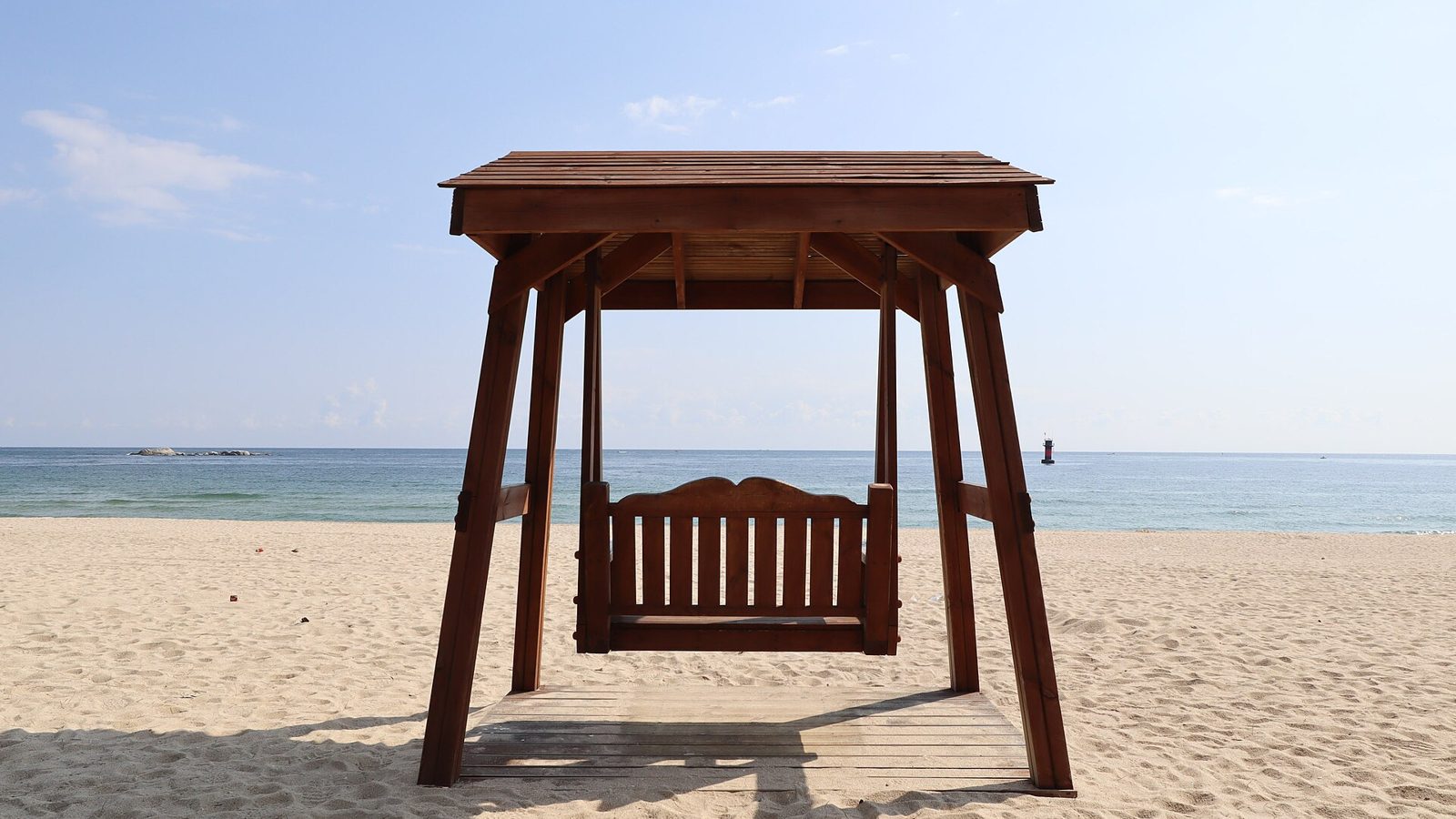
A relaxed east coast city about two hours from Seoul by KTX, with long pine-backed beaches and a lagoon you can walk or cycle around. It is also known across Korea for its coffee. You eat tofu made with seawater, watch the sunrise over the East Sea and walk old cliff paths that were once military patrol routes.
- Best time to visit: May to June and September to October
- Daily budget (budget traveller): $60 to $200 USD
- Ideal trip length: 3 to 5 days
Gangneung is the largest city on Gangwon's stretch of the east coast. It sits between the Taebaek mountains and the East Sea, and the KTX from Seoul takes a little under two hours. About 210,000 people live here, but it feels smaller. The centre is spread out, and most of what you will want to see is along a strip of beaches, pine woods and fishing ports. It hosted the ice events of the 2018 Winter Olympics, which brought the high-speed line. Since then, Seoul has treated it as a weekend escape. The city is famous for three things. Its coffee culture began with a row of vending machines on Anmok Beach and is now a long strip of roasteries. Chodang sundubu is soft tofu curdled with seawater. And at Jeongdongjin, people gather on the sand to watch the sunrise. Add Ojukheon, the birthplace of the two people on Korea's 5,000 and 50,000 won notes, plus the Gyeongpo lagoon and the fish market at Jumunjin. Summer weekends are crowded and rooms by the sea cost much more than in the centre. Even so, cheap city buses, free beaches and inexpensive tofu and market food make it an easy, good-value place for a solo traveller to spend a few days.
Gangneung is the cultural capital of Korea's Gangwon east coast. The Taebaek mountains run behind it and a long ribbon of beaches lies in front. For centuries it was the region's administrative seat, and it still has more history than its beach-resort image suggests. There is Ojukheon, birthplace of Shin Saimdang and Yulgok Yi I. There is Seongyojang, a grand aristocratic estate. And the Danoje festival each June is listed by UNESCO. Most visitors come from Seoul for a day. Stay a few nights and you get the better version: the Gyeongpo lagoon empty at dawn, a hand-drip coffee on Anmok Beach, a bowl of seawater tofu in Chodang and the sunrise over the East Sea at Jeongdongjin. It is not as cheap as rural Korea, but flat-fare buses, free beaches and inexpensive tofu and market meals keep costs reasonable.
Getting here is simple. KTX-Eum trains run from Seoul Station and Cheongnyangni to Gangneung in under two hours for ₩26,000-27,600 (about $19 to $20 USD), with extra trains at weekends. Express buses from Seoul take nearly three hours. Once you are here, use city buses with a T-money card, the SEA TEA coast bus and Kakao T taxis. Base yourself near the station for convenience and lower prices, at Gyeongpo for the lake and nightlife, or at Anmok or Gangmun for a quieter beach stay. Jeongdongjin, 20km south, is worth a night of its own if you want the sunrise.
Timing shapes the trip. Late spring and autumn are the most comfortable, with clear skies, mild days and room to breathe on the beaches. July and August bring official swimming, festivals and crowds from Seoul, along with high prices for sea-view rooms. Typhoons can disrupt late summer. Winter is cold but bright, with cheap rooms and sharp sunrises, though the wind on the cliff trail can be bitter and heavy snow sometimes falls in February. English is limited outside hotels, but signs and transport apps are bilingual, and people are patient with visitors. Evenings are low-key. If you want a big night out, Seoul is two hours away. If you want sea air, good coffee and a quiet walk, stay here.
Gangneung itinerary
Arrive and find your feet
Morning: Take a morning KTX from Seoul Station or Cheongnyangni (under two hours). Drop your bag and get a T-money card at a convenience store.
Afternoon: Wander Jungang Market for dakgangjeong and fried squid, then explore the Daedohobu Gwana and the café lanes of Myeongju-dong.
Evening: Bus or taxi to Gyeongpo for a sunset walk on the beach and a beer near the sand.
Ojukheon, Seongyojang and the lake
Morning: Visit Ojukheon when it opens at 09:00 (₩3,000), then take a short bus or taxi ride to Seongyojang to see its pavilions and lotus pond.
Afternoon: Walk or cycle the loop around Gyeongpo Lake and climb to the Gyeongpodae pavilion. Escape the heat or rain in the Arte Museum nearby.
Evening: Dinner of grilled fish or seafood near Gyeongpo, then a late walk on the lit promenade.
Chodang, Gangmun and Anmok
Morning: Walk through the Chodang pine woods to the house of Heo Gyun and Heo Nanseolheon, then have an early sundubu lunch before the queues.
Afternoon: Follow the coast through Gangmun Beach to Anmok Coffee Street, and spend a slow afternoon on a café terrace.
Evening: Watch the boats at Gangneung Port, then have dinner and a drink at Budnamu Brewery back in town.
Jeongdongjin sunrise and the cliff trail
Morning: Catch the sunrise at Jeongdongjin, then walk the Badabuchae-gil trail from the Jeongdong end when it opens at 09:00.
Afternoon: Take bus 112 to Haslla Art World for sculptures and sea views, and stop at its café on the hill.
Evening: Head back to Gangneung for an early night, or stay in Jeongdongjin and enjoy the quiet.
Jumunjin and the northern beaches
Morning: Take bus 300 to Jumunjin and walk through the fish market while the stalls are busiest.
Afternoon: Eat mulhoe or a raw fish bowl upstairs, then walk to the BTS bus stop at Hyangho Beach and the breakwater photo spot.
Evening: Stop at Sacheonjin Beach on the way back to watch the light fade over the harbour.
Odaesan National Park
Morning: Take an early bus inland towards Jinbu and change for Woljeongsa Temple, about 1.5 hours in total.
Afternoon: Walk the fir forest path between Woljeongsa and Sangwonsa, and have temple-style vegetable bibimbap near the entrance.
Evening: Bus back to Gangneung, then have a farewell tofu or seafood dinner by the sea.
Slow morning and depart
Morning: Walk Gyeongpo Lake one last time at dawn, then have breakfast at a bakery in Myeongju-dong.
Afternoon: Buy coffee beans or coffee bread for home, then take an afternoon KTX back to Seoul. Book your seat a day or two ahead at weekends.
Evening: Arrive in Seoul, or continue to Incheon for your flight.
Best neighbourhoods
- Downtown and Gangneung Station: The practical centre, with the KTX station, Jungang Market, the old Daedohobu government compound and the café-filled lanes of Myeongju-dong. Rooms are cheaper than at the beach and buses fan out in every direction. It is not pretty by the sea's standards, but it is the easiest base if you arrive late or leave early.
- Gyeongpo: The best-known stretch of coast, about 5km north-east of the station, with a wide beach, Gyeongpo Lake behind it and the Gyeongpodae pavilion on the hill. You will find big hotels, motels, guesthouses and seafood restaurants. It is busy and loud on summer nights, but it puts the lake loop, the beach and the Arte Museum on your doorstep.
- Anmok and Coffee Street: A narrow beach south of Gangmun lined with a long row of cafés and roasteries, most with upstairs terraces facing the sea. It is quieter than Gyeongpo after dark, and good if you want to start the day with a pour-over by the water. Gangneung Port is next door, with ferries to Ulleungdo.
- Gangmun and Chodang: Gangmun Beach sits between Gyeongpo and Anmok and has a younger crowd, surf schools and photo spots. A short walk inland are the pine woods and tofu restaurants of Chodang Sundubu Village. Pensions and mid-range hotels make it a calm, central option for exploring the coast.
- Jeongdongjin: A small resort village about 20km south, where the railway station sits almost on the sand. Come for the sunrise, the Badabuchae-gil cliff trail and Haslla Art World. It is very quiet in the evenings and has few places to eat, but one night here makes the dawn much easier.
Must-do experiences
- Visit Ojukheon: This is the birthplace of the artist Shin Saimdang and her son, the Confucian scholar Yulgok Yi I, set in a garden of black bamboo. Adult entry is ₩3,000 (about $2 USD). It is open 09:00 to 18:00 with last entry at 17:00, and the price is halved on the last Wednesday of the month. The city museum is included.
- Walk or cycle around Gyeongpo Lake: The flat loop around the lagoon is about 4km, with cherry trees, reed beds and the Gyeongpodae pavilion on the hill above. Rent a bike by the lake or walk it in an hour or so. Then cross to Gyeongpo Beach for a swim in summer or a walk on the sand the rest of the year.
- Drink coffee on Anmok Beach: Gangneung's coffee reputation started here. Walk the strip, choose a café with a rooftop or upstairs window and order a hand-drip from a local roaster. A cup costs roughly ₩5,000-7,000 (about $3.50 to $5 USD). In October, the Gangneung Coffee Festival brings roasters to town.
- Eat sundubu in Chodang: Chodang's tofu is made with seawater, which gives it a soft, slightly salty curd. The village has a dozen or more restaurants serving it white and mild or as spicy jjamppong sundubu. Expect about ₩10,000-14,000 (about $7 to $10 USD) a bowl, and go before noon to avoid the queues.
- Walk the Badabuchae-gil cliff trail: This 3km boardwalk runs along the rocks between Jeongdong and Simgok ports, on a former military patrol route through cliffs that are a protected natural monument. Entry has long been ₩3,000, though some 2026 reports quote ₩5,000. It opens at 09:00 and closes at 17:30 from April to October and 16:30 from November to March. The trail shuts in bad weather.
- See the sunrise at Jeongdongjin: Koreans have travelled here for the sunrise for decades, and on New Year's Day the beach is packed. Stay the night in the village, or take an early train. Then walk up to the giant hourglass in Sandglass Park and on to the trail when it opens.
- Browse Jumunjin fish market: Jumunjin, 18km north, is the city's working fishing port. The market sells squid, crab, pollack and fish that can be sliced as hoe (raw fish) and eaten upstairs. Nearby is the breakwater from a well-known K-drama and the BTS album-cover bus stop at Hyangho Beach. Bus 300 runs there from the centre.
Hidden gems
- The house of Heo Gyun and Heo Nanseolheon, a quiet hanok in the Chodang pine woods that belonged to a 16th-century novelist and his poet sister, with no entry fee
- The Gangneung Daedohobu Gwana, the old provincial government compound in the centre with its Imyeonggwan gate, almost always empty
- The lanes of Myeongju-dong behind it, where old houses have become small cafés, galleries and bakeries
- Gyeongpo Lake at first light, when the water is still and joggers and herons have the path to themselves
- Sacheonjin Beach and its harbour, north of Gyeongpo, where small cafés and a rocky islet draw far fewer people than the main beaches
Daily budget
- Accommodation: budget $20 to $35 USD / night (guesthouse dorm or capsule), mid-range $60 to $120 USD (beach hotel or private room), splurge $250+ USD (sea-view room at Seamarq Hotel). Prices roughly double on July and August weekends and over Chuseok and Lunar New Year. Motels near the station are good value for solo travellers who want a private room.
- Food: budget $15 to $25 USD / day (convenience store breakfast, tofu lunch, market snacks), mid-range $30 to $50 USD (café stops and a seafood dinner), splurge $70+ USD (raw fish platter or Korean beef dinner). A bowl of sundubu costs ₩10,000-14,000 and a coffee ₩5,000-7,000. Raw fish platters are priced for two or more, so solo diners do better with mulhoe or rice bowls. Prices are rough guides.
- Transport: budget $2 to $6 USD / day (city buses), mid-range $10 to $25 USD (buses plus taxis), splurge $60+ USD (private driver or car hire). City buses cost about ₩1,530 flat with a card. The KTX from Seoul is ₩26,000-27,600 one way, and the express bus about ₩26,800.
- Activities: budget $0 to $5 USD / day (beaches, lake loop, Ojukheon at ₩3,000), mid-range $10 to $20 USD (Seongyojang, Badabuchae-gil, Arte Museum), splurge $40+ USD (surf lesson, Haslla Art World, tours). Ojukheon is half price on the last Wednesday of the month. Arte Museum and Haslla Art World are both about ₩17,000 for adults, and online tickets are often cheaper.
- Drinks & nightlife: budget $3 to $8 USD (convenience store beer or soju on the beach), mid-range $15 to $30 USD (craft beer or a few drinks at Gyeongpo), splurge $50+ USD (cocktails at a hotel rooftop bar). Soju from a convenience store costs around ₩2,000. Drinking on beaches is common, but take your rubbish away. Nightlife centres on Gyeongpo bars and a couple of craft breweries.
Where to stay
- Social hostel in Gangneung Station and Gyeongpo ($20 to $35 USD / night (dorm)): Small guesthouses and capsule hostels sit near the station and a block or two back from Gyeongpo Beach. They are simple and clean, often with a shared kitchen and a free breakfast of toast and coffee, and the cheapest way to stay near the sea.
- Boutique hotel in Jeongdongjin ($180 to $300 USD / night): Haslla Art World Museum Hotel is part of the hillside art park above the sea, with rooms designed as artworks. It suits a sunrise night and is on the same bus route as the cliff trail.
- Apartment in Anmok and Gangmun ($60 to $120 USD / night): Residence-style rooms and pensions near Anmok and Gangmun give you a kitchenette, a washing machine and often a sea view. They are quieter than Gyeongpo and walkable to the coffee strip and the tofu village.
- Splurge in Gyeongpo ($250 to $450+ USD / night): Seamarq Hotel, designed by Richard Meier, sits on a pine-covered ridge above Gyeongpo Beach. It has an infinity pool facing the sea and calm, modern rooms, and the lake is right below.
What to eat
- Chodang sundubu: seawater tofu in Chodang village, served plain with soy sauce or as fiery jjamppong sundubu, usually ₩10,000-14,000
- Hoe and mulhoe: raw fish from Jumunjin market, or mulhoe, a chilled spicy broth of sliced fish and vegetables that is popular in summer
- Dakgangjeong at Jungang Market: crispy sweet and spicy fried chicken sold by the box, plus fried squid and hotteok pancakes at the stalls
- Gamja ongsimi: chewy potato dumplings in broth, a Gangwon dish served in small restaurants around the market
- Hand-drip coffee from local roasters on Anmok Coffee Street and in Myeongju-dong, plus coffee-flavoured bread and sweets sold as souvenirs
- Craft beer at Budnamu Brewery in an old railway warehouse near the centre, a relaxed place to eat and drink alone
Day trips
- Jeongdongjin and Badabuchae-gil (About 20km south of central Gangneung, 30 to 40 minutes by bus): Korea's best-known sunrise beach, the cliff boardwalk on an old patrol route and the hillside sculptures of Haslla Art World. One of the best days on this coast. Take city bus 112 from opposite Gangneung Station, or a KTX-Eum or local train to Jeongdongjin Station. The trail opens at 09:00, closes at 16:30 from November to March and at 17:30 from April to October, and shuts in bad weather.
- Odaesan National Park and Woljeongsa (About 40km west, 1 to 1.5 hours by bus): Forested mountains, the old temple of Woljeongsa and a fir-lined walking path along the stream to Sangwonsa. It is especially beautiful in autumn colour and after snow. Take an intercity bus towards Jinbu, then a local bus to Woljeongsa. Start early, as rural buses are infrequent, and check the last bus back before you set off.
- Sokcho and Seoraksan (About 70km north, roughly 1 to 1.5 hours by bus): A lively port with a big seafood market, Abai village reached by a hand-pulled ferry, and Seoraksan National Park's granite peaks and cable car just inland. Intercity buses run from Gangneung's terminal to Sokcho through the day, and there is no train. From Sokcho, city buses 7 and 7-1 go to Seoraksan's main entrance. Leave early if you want to hike.
When to visit
- Spring (March - May): 8-22°C, dry and bright, cool sea breezes. Crowds: Moderate, busy during cherry blossom weekends in early April. Cherry blossoms around Gyeongpo Lake and fresh, clear walking weather. The sea is far too cold for swimming, but the trails and cafés are at their best.
- Early summer (June): 18-26°C, warming up, rainy season starts late in the month. Crowds: Moderate, rising around the Danoje festival. A good month for the Danoje festival and long evenings by the sea. The beaches are not officially open yet, but the town is calm and rooms are fair.
- High summer (July - August): 23-30°C, hot and humid, sea around 22-25°C, monsoon rain early on. Crowds: Very busy, especially weekends and the first half of August. Beaches open for swimming with lifeguards, and night markets and festivals run. Rooms cost the most and KTX seats sell out, so book early and go out early.
- Autumn and winter (September - February): September to October 14-25°C, then -2 to 8°C in winter with dry, strong winds. Crowds: Moderate in autumn, quiet in winter apart from New Year's sunrise. Autumn is the local pick, with the coffee festival, mountain colour and surfable waves. Winter is cheap and clear, but it is cold on the coast, the trail closes earlier and the occasional heavy snowfall can disrupt travel.
Entry rules for your passport
Visa rules for South Korea depend on the passport you travel on. Check the official source before you book: Korea's K-ETA site (Ministry of Justice)
Getting there
Gangneung has no airport of its own with useful international flights. Most visitors fly into Incheon and travel through Seoul. From Seoul Station, KTX-Eum trains reach Gangneung in about 1 hour 50 minutes to 2 hours 10 minutes for ₩27,600 (about $20 USD) one way in standard class. From Cheongnyangni the trip is a little faster and costs ₩26,000. Trains run roughly every hour, with more at weekends, and a few continue to Jeongdongjin. Book through the Korail app or website, and buy early for Fridays, Sundays and public holidays. Express buses leave the Seoul Express Bus Terminal and Dong Seoul for Gangneung's intercity terminal. They take nearly three hours and deluxe seats cost about ₩26,800 after fares rose on 1 October 2026, so they are a useful backup when trains are full. Direct airport buses from Incheon take about 3.5 to 4 hours. Yangyang Airport, about 45 minutes north, has a few domestic and regional flights. If you drive from Seoul, allow 2.5 to 3 hours on the Yeongdong Expressway, and longer on summer weekends.
Getting around
Gangneung is spread out, so you will mix walking with buses and taxis. City buses charge one flat fare however far you ride, about ₩1,530 with a transport card. Buy a T-money card at any convenience store and tap on and off to get free transfers. Buses such as 202 and 300 link the station with Gyeongpo, Anmok and Jumunjin in 20 to 35 minutes, and 112 runs south to Jeongdongjin and Haslla Art World. Rural routes can run only every 30 to 60 minutes, so check times in Kakao Map or Naver Map, which work far better than Google Maps in Korea. A red SEA TEA tourist bus loops the coast between Anmok, Gyeongpo and Jumunjin, and is handy for hopping between beaches. Taxis are cheap by Western standards. A cross-town ride is usually ₩8,000-15,000, and the Kakao T app lets you book and pay without speaking Korean. You can rent bikes around Gyeongpo Lake and along the beachfront, and the flat coastal paths between Gyeongpo, Gangmun and Anmok are good for cycling. Some KTX-Eum trains from Cheongnyangni continue to Jeongdongjin, which saves a bus ride.
Safety
Gangneung is very safe, and crime against visitors is rare. The main risks are the sea and the weather. Beaches only open officially, with lifeguards, from about early July to mid or late August. Outside that period and outside the marked zones, the East Sea can have strong waves and rip currents, so swim only where it is allowed. Typhoons can hit from August to October and close the Badabuchae-gil trail and the beaches. Respect the barbed-wire fences and military posts that remain along parts of the coast, and do not climb past them or photograph soldiers. Summer is hot and humid, while winter brings cold winds and sometimes heavy snow. Tap water is treated and safe, though most people drink filtered or bottled water. Call 112 for police and 119 for fire or ambulance. The 1330 tourist helpline has English speakers. Get travel insurance with medical cover, as treatment for visitors is good but not free.
Solo travel tips
- Use Kakao Map and Kakao T: Google Maps is weak in Korea for walking and bus routes. Kakao Map or Naver Map gives live bus times, and Kakao T lets you call and pay for taxis without speaking Korean.
- Book weekend trains early: KTX seats from Seoul sell out on Fridays, Sunday afternoons and holidays. Book on the Korail app or website as soon as your dates are fixed, and travel midweek if you can.
- Eat well alone: Tofu houses, kalguksu shops and market stalls are happy to serve one person. Many barbecue and raw fish restaurants want a minimum of two portions, so look for dishes served as single bowls.
- Go out early: Day trippers from Seoul arrive by late morning. Do Ojukheon, the lake loop and the cliff trail as early as you can, and you will have them almost to yourself.
- Safety for solo travellers: The main risks are the sea and the weather, not people. Swim only at lifeguarded beaches in summer, check whether the cliff trail is open on windy days and keep to the lit promenades at night.
- Meet people in cafés and hostels: Guesthouses near the station and Gyeongpo often have common rooms. Surf schools at Gangmun and coffee classes on Anmok Coffee Street are easy places to start a conversation.
Cultural etiquette
- Greet people with 'annyeonghaseyo' (hello) and say 'gamsahamnida' (thank you). A small nod goes with both.
- Take off your shoes where you see a step up or a shoe rack, in homes, guesthouses, some restaurants and temple halls.
- Keep your voice down on trains and buses, and put phone calls on hold until you get off.
- Pour drinks for others rather than yourself, and accept a glass with two hands if someone older pours for you.
- Dress modestly at Ojukheon, Woljeongsa and other temples, and do not walk into halls during prayers.
- Tipping is not expected and can cause confusion. Service is included in the price.
- Sort your rubbish into recycling, food waste and general waste, and take everything home from beaches, which are often littered after summer nights.
Frequently asked questions
How do I get to Gangneung and from the station to my room?
The KTX-Eum is the easiest way. From Seoul Station it takes about 1 hour 50 minutes to 2 hours 10 minutes and costs ₩27,600 (about $20 USD) one way in standard class. From Cheongnyangni it is a little quicker and costs ₩26,000. Book ahead for Fridays, weekends and holidays. Express buses from Seoul take nearly three hours and cost about ₩26,800 after the October 2026 fare rise. From Gangneung Station, city buses reach Gyeongpo and Anmok in 20 to 35 minutes, or a taxi takes about 15 minutes.
How many days do I need in Gangneung?
A day trip from Seoul covers Gyeongpo, Anmok and a tofu lunch. Two or three nights let you add Ojukheon, the lake loop, Jumunjin and a sunrise at Jeongdongjin with the cliff trail. Five days to a week works if you want day trips to Odaesan National Park or Sokcho and Seoraksan.
When is the best time to visit Gangneung?
May to June and September to October are the best. The weather is mild, there are fewer crowds and the light is clear, and October brings the coffee festival and autumn colour in the mountains. Cherry blossoms line Gyeongpo Lake in late March or early April. July and August are hot, humid and packed, but that is when the beaches officially open for swimming. Winter is cold, dry and often sunny, with cheap rooms and clear sunrises.
Do I need a car in Gangneung?
No. Buses and cheap taxis cover everything in this guide, and the KTX gets you here from Seoul. A car makes it easier to reach rural spots and mountain trailheads quickly, but summer traffic and parking near the beaches can be bad. If you do drive, you will need an International Driving Permit, and Naver Map or Kakao Navi is more reliable than Google.
Can I swim or surf in Gangneung?
Swimming is allowed with lifeguards at designated beaches from about early July to mid or late August, and the city announces the exact dates each year. Outside that window, swimming is discouraged and sometimes banned. Gangmun and the beaches around Jumunjin have surf schools that rent boards and wetsuits, and the best waves come in autumn and winter.
How do I see the sunrise at Jeongdongjin?
Stay the night in Jeongdongjin, or take a city bus 112 or an early taxi from central Gangneung, which takes about 30 to 40 minutes. Some KTX-Eum trains from Cheongnyangni also stop at Jeongdongjin. Check sunrise times the night before, as they vary from about 05:10 in June to about 07:40 in January. Afterwards, walk to the Badabuchae-gil trail, which opens at 09:00.
Is Gangneung safe for solo female travellers?
Yes. Korea has low violent crime, and Gangneung is calm and well lit around the beaches and the centre. Use Kakao T for taxis at night so the trip is recorded, and take normal care with drinks in bars. On quiet stretches of beach after dark you may be the only person around, so stick to the lit promenades.
What entry rules apply to South Korea in 2026?
Citizens of many countries, including the UK, US, Canada and Australia, can visit visa-free. Most get 90 days, while UK and Canadian citizens can usually stay up to six months. The K-ETA requirement is suspended for travellers from eligible countries until 31 December 2026. Instead, you fill in an online e-Arrival card before you land, or apply for a K-ETA voluntarily to skip it. Check whether the exemption has been extended before any trip in 2027, and confirm the rules on the official K-ETA and Korean immigration websites.
Tours and activities in Gangneung | Gangneung in 2 days | Gangneung in 3 days | Gangneung in 4 days | Gangneung in 5 days | Gangneung in 7 days
Joy Plus home | Destinations | Itineraries | Activities | Flights | Budget planner | Calendar | Map | Blog | Lifetime access