Destinations / North America
Grand Canyon, United States travel guide
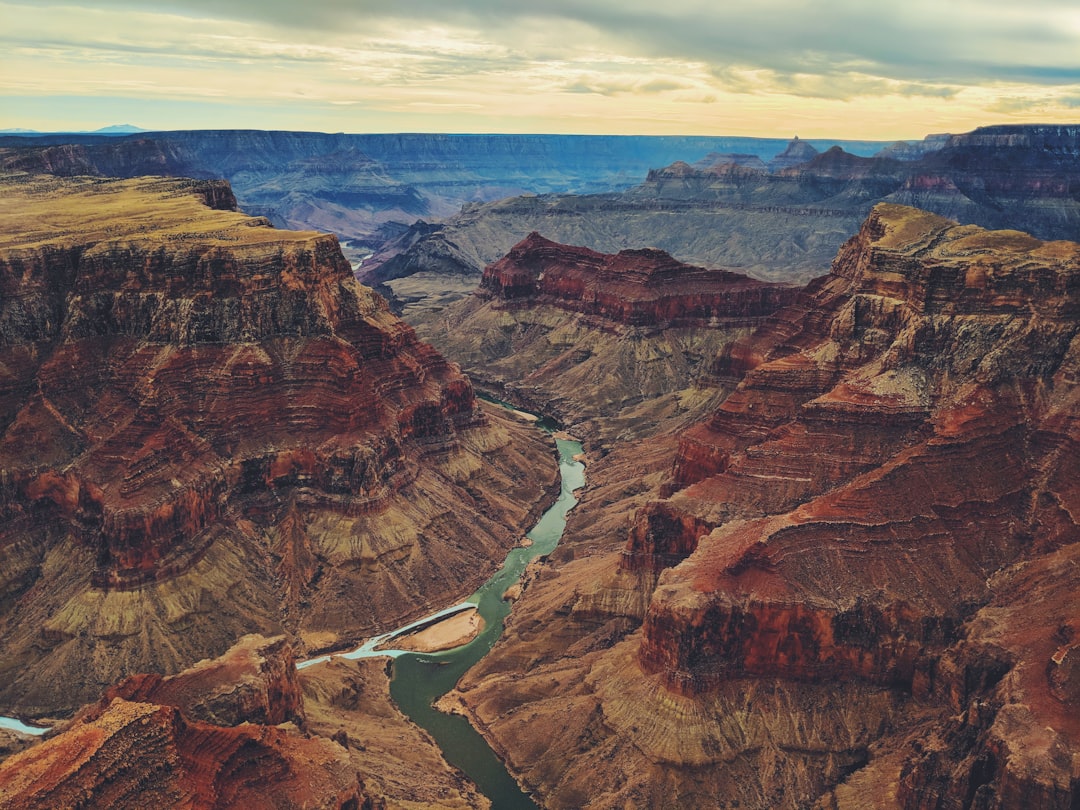
A mile-deep gash of red rock that resets your sense of scale.
- Best time to visit: March-May & September-November
- Daily budget (budget traveller): $120 to $300 USD
- Ideal trip length: 2 to 3 days
The Grand Canyon is 277 river miles long, up to 18 miles wide and a mile deep, and no photo prepares you for the first time the rim drops away in front of you. The South Rim is open year-round with the classic viewpoints and lodges; the North Rim is higher, cooler and open only from mid-May to mid-October. Two disasters have changed the visit: a 2025 wildfire destroyed the North Rim's lodge, and a flash flood on 29 August 2026 knocked out the South Rim's water supply and closed the inner canyon.
The Grand Canyon is 277 river miles long, up to 18 miles wide and a mile deep, and the first look still hits like a physical thing. Walk the 0.3 miles from the visitor centre to Mather Point and the ground just stops. Photos flatten it. In person you can watch cloud shadows crawl across temples of red rock that are a couple of billion years in the making, while ravens ride the updrafts at eye level. Most people stay 90 minutes. Give it two or three days and the place changes with the light: pink at sunrise, bleached at noon, bruised purple after the sun drops behind Hopi Point.
The South Rim is the one you want first. It sits at 7,000ft, stays open all year and runs a free shuttle network (Village, Kaibab/Rim and Hermit Road routes) that makes parking a non-issue if you play it right. Park once, ride the buses, and only drive for Desert View Drive, which runs 23 miles east to the Watchtower and has no shuttle. The North Rim is 1,000ft higher, forested and quiet, but a July 2025 wildfire destroyed its historic lodge and more than 100 other buildings, and it reopened on 15 May 2026 for day use only, with no lodging or restaurants. It sits about 4.5 hours away by road. The real danger here is not the edge but the heat and the climb out. Inner-canyon temperatures pass 110°F in summer and the way up takes twice as long as the way down.
Budget for the 2026 rules. A private vehicle pass is $35 for seven days, but since 1 January 2026 visitors who are not US residents pay an extra $100 per person aged 16 and over at Grand Canyon, so check nps.gov before you go. The $80 America the Beautiful pass covers US residents, and non-residents can buy an annual pass for $250. Lodging inside the park books out 13 months ahead, so Tusayan, Williams and Flagstaff are your realistic backups. This guide is built around early starts, shuttle timetables and one rule: be on the trail before the sun is high.
How many days in Grand Canyon?
For Grand Canyon, we recommend 2 to 3 days.
| Trip length | What you'll see | Itinerary |
|---|---|---|
| 2 days · Recommended | First look and a Hopi Point sunset; Sunrise at Yaki, South Kaibab and the Rim Trail | Grand Canyon in 2 days |
| 3 days · Recommended | Adds: Bright Angel Trail and Hermit Road | Grand Canyon in 3 days |
| 4 days | Adds: Desert View Drive by car | Grand Canyon in 4 days |
| 5 days | Adds: Day trip to Horseshoe Bend and Page | Grand Canyon in 5 days |
| 7 days | Adds: Williams, Flagstaff and a brewery night | Grand Canyon in 7 days |
Grand Canyon itinerary
Arrive, first look and a Hopi Point sunset
Morning: Fly into Flagstaff (FLG) or Phoenix (PHX) and pick up your rental car. From Phoenix take I-17 north, I-40 west to Williams, then AZ-64 north, about 3.5 hours. Stop at Pine Country Restaurant in Williams for breakfast pie.
Afternoon: Enter at the South Entrance, park at the Canyon View Information Plaza and walk 0.3 miles to Mather Point. Pop into the Yavapai Geology Museum for the best intro to the strata, then check in.
Evening: Ride the red Hermit Road shuttle to Hopi Point an hour before sunset. Dinner at the Arizona Steakhouse by Bright Angel Lodge, then bed early for tomorrow's sunrise.
Sunrise at Yaki, South Kaibab and the Rim Trail
Morning: Take the first orange Kaibab/Rim shuttle to Yaki Point for sunrise, or hop on the Hikers Express to the South Kaibab Trailhead. Walk 0.9 miles down to Ooh Aah Point, no water on this trail, so carry 2 litres.
Afternoon: Climb back out, then eat at Bright Angel Fountain. Walk the paved Rim Trail past Kolb Studio, Lookout Studio and Hopi House, all Mary Colter or Charles Whittlesey architecture.
Evening: Pick up a picnic dinner at the Canyon Village Market. Catch a ranger talk at Mather Amphitheater if one is running.
Bright Angel Trail and Hermit Road
Morning: Start on Bright Angel Trail by 6am (earlier in summer). Turn at the 1.5-mile resthouse (the trail below it is closed after the August 2026 flood) and be back on the rim by 11am. Carry 3 litres and salty snacks.
Afternoon: Soft serve at Bright Angel Fountain, a proper nap, then the red shuttle along Hermit Road. Hop off at Trailview, Maricopa, Powell, Mohave and Pima, and end at Hermits Rest.
Evening: Sunset at Mohave Point or Hopi Point. Dinner at the Arizona Steakhouse, with a post-hike beer at the bar.
Desert View Drive by car
Morning: Fuel up and leave by 7am. Walk the unmarked mile to Shoshone Point, a forest path to an empty promontory, then Grandview Point and Moran Point.
Afternoon: Lipan Point and Navajo Point, then Tusayan Ruin and Museum. Climb the Desert View Watchtower and eat at Desert View Marketplace, or bring a packed lunch in case it is closed.
Evening: Drive back at golden hour, or stay for Lipan Point's Dark Sky stargazing with a red-light headlamp. Dinner in Tusayan at Plaza Bonita or Big E Steakhouse.
Day trip to Horseshoe Bend and Page
Morning: Leave at 6:30am via the Desert View entrance and Highway 89. Stop at Cameron Trading Post for a Navajo taco and a look at the Native crafts.
Afternoon: Book a guided Antelope Canyon tour in Page ($85-130 with the Navajo permit). Light beams peak around midday in Upper Antelope.
Evening: Horseshoe Bend at sunset (parking $10), then dinner at Big John's Texas BBQ. Drive back before dark or stay in Page, since elk and cattle make AZ-64 risky after sunset.
Williams, Flagstaff and a brewery night
Morning: Back out to Williams for Route 66 photos, then Bearizona drive-through wildlife park (about $33).
Afternoon: Continue to Flagstaff for Lowell Observatory, where Pluto was discovered. Stroll Heritage Square and Beaver Street.
Evening: Pizzicletta for Neapolitan pizza, then a pint at Mother Road Brewing Company. Overnight in downtown Flagstaff.
Slow morning and depart
Morning: Pancakes at Toasted Owl Cafe or a Macy's European Coffeehouse espresso. Optional stop at Walnut Canyon National Monument for cliff dwellings on the way out.
Afternoon: Return the car at FLG, or drive 2.5 hours south on I-17 to Phoenix. Leave a three-hour cushion for the airport.
Evening: Fly out, or push on to Sedona for a final red-rock sunset if you have another night.
Best neighbourhoods
- Grand Canyon Village (South Rim): Historic lodges, the visitor centre and the shuttle hub, walking distance to the rim.
- Desert View Drive: The 25-mile eastern scenic road with Grandview, Lipan Point and the Watchtower.
- Hermit Road: West rim drive, shuttle-only most of the year, with Hopi and Pima points.
- Tusayan: Gateway town seven miles south with hotels, restaurants and the IMAX theatre.
- North Rim: Higher, forested and far quieter, with Bright Angel Point and Cape Royal; day use only since the 2025 fire, with no lodging or restaurants.
Must-do experiences
- Sunrise at Mather or Yaki Point: Watch the canyon walls light up in sequence; arrive 30 minutes before official sunrise.
- Bright Angel Trail to a turnaround: Descend to the 1.5-mile resthouse (the trail below is closed after the August 2026 flood) and climb back out, allowing double the time up.
- Rim Trail walk: A mostly flat paved path linking viewpoints, with shuttle stops so you can walk one way.
- Desert View Watchtower: Mary Colter's 1932 stone tower at the canyon's eastern edge, with Colorado River views.
Hidden gems
- Shoshone Point, an unmarked mile-long forest walk to an empty promontory
- The Kolb Studio staircase gallery hanging off the rim in the village
- Ooh Aah Point on South Kaibab, the best view-per-effort hike in the park
- Stargazing from Lipan Point, a certified Dark Sky park with almost no light pollution
Daily budget
- Accommodation: budget $18-30 / night (Mather Campground) or a Flagstaff budget motel (rates vary by season), mid-range $180-300 (Maswik, Bright Angel Lodge or a Tusayan hotel), splurge $400+ (El Tovar, Kachina or Thunderbird rim rooms). In-park lodges are closed to overnight guests until at least 19 November 2026 after the August flood, so check before you book. They release rooms 13 months ahead and cancellations pop up 48 hours out. Summer weekends in Tusayan regularly top $250.
- Food: budget $30-45 / day (Canyon Village Marketplace groceries), mid-range $70-110 (Harvey House Cafe lunch, Arizona Steakhouse dinner), splurge $150+ (steak dinner and wine at the Arizona Steakhouse). Stock up at the Safeway or Fry's in Flagstaff or Williams. In-park burgers run $18-22 and the Marketplace is the only real grocery.
- Transport: budget $0-20 (free shuttles, gas for a shared car), mid-range $70-110 (rental car plus fuel for Desert View Drive), splurge $200+ (private driver or Grand Canyon Railway Luxury Parlor). Fill up in Tusayan or Williams, the in-park pumps are pricier. Hermit Road is shuttle-only March to November. Grand Canyon Railway coach starts around $90 return.
- Activities: budget $10-35 / day (park pass split, ranger talks, Rim Trail), mid-range $60-200 (mule ride from about $190, IMAX, guided hike), splurge $350+ (helicopter flight from Tusayan). The best things here are free: sunrise, the Rim Trail, ranger programs and stargazing. Mule rides book out a year ahead.
- Drinks & nightlife: budget $0-8 (tap water, a can at the campsite), mid-range $20-35 (Arizona Steakhouse bar), splurge $60+ (Flagstaff brewery crawl). The canyon goes to bed by 10pm. Nightlife is a Dark Sky stargazing session, or Flagstaff breweries like Mother Road and Historic Brewing.
Where to stay
- Budget stay in Flagstaff (90 min south) (Rates vary by season): Flagstaff's budget motels are the closest cheap base, with downtown and Mother Road Brewing a stroll away. Nothing comparable exists at the rim.
- Boutique hotel in Grand Canyon Village (South Rim) ($200-340 / night): Bright Angel Lodge's historic cabins or the Kachina and Thunderbird lodges put you a two-minute walk from the rim. Mary Colter-designed charm and the Rim Trail at your door. All three are closed to overnight guests until at least 19 November 2026 after the August flood, so check before you book.
- Apartment in Williams or Tusayan ($120-220 / night): A cabin or condo with a kitchen cuts food costs and gives you space after muddy hikes. Williams (60 miles) is cheaper and has Route 66 restaurants, Tusayan (7 miles) is closer.
- Splurge in El Tovar, South Rim ($380-550 / night): The 1905 log-and-stone lodge sits on the rim itself, with the best dining room in the park and a lounge with canyon views. Book 13 months ahead or watch for cancellations, and note it is closed to overnight guests until at least 19 November 2026 after the August flood.
What to eat
- El Tovar Dining Room for a rim-side dinner, reserve weeks ahead and check it is serving during the water emergency
- Bright Angel Fountain's soft-serve after a hot climb out
- The Arizona Steakhouse bar by Bright Angel Lodge for a post-hike beer
- Packed sandwiches from Canyon Village Market, the only sane trail lunch
Day trips
- Horseshoe Bend and Page (135 miles, 2.5 hours by car): The famous Colorado River goosenecks, plus guided slot-canyon tours of Antelope Canyon. Go at midday for the light beams in Upper Antelope and return for sunset at the bend. Drive east on Desert View Drive, exit at Desert View, take US-89 north through Cameron to Page. Horseshoe Bend parking is $10, Antelope Canyon tours $85-130.
- Flagstaff (80 miles, 90 minutes by car): Mountain town with Lowell Observatory, Walnut Canyon cliff dwellings, Sunset Crater and the best brewery scene in northern Arizona. A perfect first or last night. US-180 southeast from the South Rim to Flagstaff, or Groome Transportation shuttle at about $40-50 each way.
- Williams and Bearizona (60 miles, 1 hour by car): A kitschy Route 66 town with neon diners, the Grand Canyon Railway depot and Bearizona, a drive-through wildlife park with bears, bison and wolves. AZ-64 south to I-40 exit 165 at Williams. Bearizona is about $33 and open from 8am or 9am depending on the season.
When to visit
- Spring (March - May): Rim 45-70°F (7-21°C), nights near freezing, inner canyon 75-95°F, windy and changeable. Crowds: Building, peaks over Easter and spring break. The best all-round window. Hiking is safe, and a late snow dusting on red rock is a real possibility in March.
- Summer (June - August): Rim 75-85°F (24-29°C), inner canyon 105-115°F, afternoon monsoon storms from July. Crowds: Heavy, South Entrance queues of 30-60 min by mid-morning. Doable but unforgiving. Hike only before 8am, beat the entry line by arriving before 8am, and stay off the lower trails by midday.
- Autumn (September - November): Rim 50-75°F (10-24°C), cold nights, clear air, monsoon fades by mid-September. Crowds: Moderate, thinning sharply after mid-October. The locals' pick. Crystal light and comfortable hiking.
- Winter (December - February): Rim 30-45°F (-1 to 7°C), lows near 15°F, snow and ice on trails. Crowds: Low, the quietest and cheapest time. Gorgeous with snow on the strata and room to breathe. Pack microspikes for the upper trails and expect early sunsets around 5:20pm.
Entry rules for your passport
Visa rules for the United States depend on the passport you travel on. Check the official source before you book: U.S. Department of Homeland Security
Getting there
The closest commercial airport is Flagstaff Pulliam (FLG), 80 miles and 90 minutes from the South Rim, with limited flights from Phoenix and Dallas. Phoenix Sky Harbor (PHX) is about 230 miles and 3.5 hours, Las Vegas Harry Reid (LAS) about 275 miles and 4.5 hours. Rent a car at the airport and fill up before entering. Without a car, the Groome Transportation shuttle runs Flagstaff to the Village for about $40 to $50 each way, and the Grand Canyon Railway leaves Williams at 9:30am, arrives at 11:45am and heads back at 3:30pm, with coach fares from about $90 return plus park entry. Amtrak's Southwest Chief stops in Flagstaff and Williams Junction. Entry is $35 per vehicle for seven days, plus the extra $100 per person for non-US residents aged 16 and over. Arrive before 8am in summer to avoid South Entrance queues, or enter from the east at Desert View via Cameron. Arizona does not observe daylight saving, so clocks stay on Mountain Standard Time year-round.
Getting around
Free shuttle buses cover the South Rim village, Hermit Road and Kaibab/Yaki Point, and Hermit Road is closed to private cars March to November. Park once at the visitor centre and ride. Desert View Drive requires your own vehicle. Nearest airports are Flagstaff (90 minutes), Phoenix (3.5 hours) and Las Vegas (4.5 hours); the Grand Canyon Railway runs daily from Williams.
Safety
As of October 2026 the South Rim is open for day visits under strict water restrictions after the 29 August flash flood, so bring your own drinking water. Hotels inside the park are closed until at least 19 November, with bookings from 20 November at the main lodges currently going ahead, and Phantom Ranch, the river bridges, the lower corridor trails and the whole North Kaibab Trail are closed with no reopening date. Check the park's alerts page before you go. The canyon kills more people through heat and overexertion than falls. Never attempt rim-to-river-to-rim in a day, carry a litre of water per hour hiked, and remember the climb out takes twice as long as the descent. Summer inner-canyon temperatures pass 110°F. Rim elevation is 7,000ft, so altitude affects breathing, and there are no guardrails at most viewpoints.
Solo travel tips
- Sunrise is the social event: Yaki Point and Mather Point at dawn are full of solo photographers and early hikers who all happily chat. Offer to take someone's picture and you will be trading trail tips in five minutes.
- Tell someone your turnaround time: Cell signal vanishes below the rim. Leave your plan with the front desk or a friend, set a hard turnaround time, and stick to it. If you are slow on the way down, you will be slower on the way up.
- Take the Hikers Express: The early Hikers Express shuttle from Bright Angel Lodge to South Kaibab means you never need to move a car in the dark. It is free, quiet and full of fellow early risers.
- Solo female travellers: The park is very safe for women alone. Standard rules apply: park in well-lit lots, avoid night drives on AZ-64 where wildlife is a bigger risk than people, and stay on marked trails at dawn. Rangers walk the Rim Trail and shuttle stops all day.
- Join a ranger program or Field Institute hike: Free ranger talks at Mather Amphitheater and Yavapai run daily. The Grand Canyon Conservancy Field Institute offers guided day hikes and workshops that are ideal for solos who want company and expert safety knowledge.
Cultural etiquette
- This is ancestral homeland for the Havasupai, Hualapai, Hopi, Navajo, Zuni and Southern Paiute peoples. Treat ruins, artefacts and sacred sites with respect, never touch or remove anything.
- Uphill hikers have the right of way. Step aside to let them pass, and give mule trains absolute priority, stand quietly on the inside of the trail and follow the wrangler's instructions.
- Do not feed squirrels or ravens. Bites happen daily, and fleas on rodents can carry plague. Keep 25 yards from elk and never get between a cow and her calf.
- Tip 18-20% in restaurants, $3-5 per night for housekeeping, $10-20 for mule wranglers and 15-20% for guides. Shuttle drivers do not expect a tip.
- Ask before photographing Native vendors or artists at Desert View and Cameron Trading Post. Buy directly when you can, many pieces are made by the seller.
- Stay behind guardrails and signed barriers, and keep drones in the bag, they are banned throughout the park. A selfie is not worth the fall.
- Quiet hours at campgrounds are 10pm to 6am. Use a red-light headlamp near stargazers, white light ruins night vision for everyone.
Frequently asked questions
How many days do you need at the Grand Canyon?
Two full days covers the South Rim properly: viewpoints and the Rim Trail on day one, a rim-to-resthouse hike and Desert View Drive on day two. One day works if you arrive at sunrise and accept a rushed visit. Three or more lets you add the North Rim, Havasupai-adjacent drives or a mule ride.
What is the best time of year to visit the Grand Canyon?
March to May and September to November bring mild rim temperatures, manageable crowds and safe hiking conditions. Summer means 100°F-plus inner-canyon heat, packed shuttles and afternoon monsoon storms. Winter is quiet and gorgeous with snow on red rock, but icy trails need traction devices.
Which rim is better, South or North?
The South Rim has the iconic views, year-round access, lodges and shuttles, and takes 90 percent of visitors. The North Rim sits 1,000ft higher, is forested and blissfully quiet, but only opens mid-May to mid-October, has had no lodging or restaurants since the 2025 fire destroyed its lodge, and takes 4.5 hours to drive between the two.
How much does it cost to enter the Grand Canyon?
A private vehicle pass is $35 and covers seven days for everyone inside; motorcycles are $30 and walk-ins or cyclists $20. For US residents, the $80 America the Beautiful annual pass pays for itself with three or more national parks in a year; foreign visitors pay more, as explained below.
Can you hike to the bottom of the Grand Canyon in one day?
You should not. The park explicitly warns against rim-to-river-to-rim day hikes; the 9-10 mile climb out gains 4,500ft and rescues happen daily in summer. Doing the bottom safely means an overnight at Phantom Ranch or Bright Angel Campground, both requiring permits or lotteries booked months ahead, and both closed since the August 2026 flood with no reopening date.
Where should you stay at the Grand Canyon?
As of October 2026 every hotel inside the park is closed because of the water emergency, with a phased reopening hoped for from late November, so check before you book. In normal times El Tovar, Bright Angel Lodge, Maswik and Yavapai put you steps from the rim but book 6-13 months out. Tusayan, seven miles south, has chain hotels that are not affected. Williams and Flagstaff are cheaper still at 60 to 90 minutes' drive.
What is the best viewpoint at the Grand Canyon?
Mather Point is the classic first look and easiest to reach. Yaki Point is the best sunrise spot, Hopi Point the best sunset, and Desert View gives the widest river-and-canyon panorama. Shoshone Point, reached by an unmarked forest walk, is the quietest of them all.
Do foreign visitors pay more at US national parks?
At 11 of the busiest, yes. Since 1 January 2026, visitors who are not US residents and are aged 16 or over pay US$100 per person on top of the normal entrance fee at Acadia, Bryce Canyon, Everglades, Glacier, Grand Canyon, Grand Teton, Rocky Mountain, Sequoia and Kings Canyon, Yellowstone, Yosemite and Zion. A US$250 annual pass for non-residents covers that fee for everyone in one vehicle, and is usually cheaper for a group or for more than one park.
Do I need a visa or an ESTA to visit the United States?
Travellers from the 42 Visa Waiver countries, including most of the EU, the UK, Japan and Australia, do not need a visa for stays of up to 90 days but must get an ESTA online before travelling. It costs about $40 since 30 September 2025 and is valid for two years or until your passport expires. Apply at least 72 hours ahead on the official site, esta.cbp.dhs.gov, and avoid lookalike sites that charge more.
Tours and activities in Grand Canyon | Grand Canyon in 2 days | Grand Canyon in 3 days | Grand Canyon in 4 days | Grand Canyon in 5 days | Grand Canyon in 7 days
Can't decide? Compare Grand Canyon with...
Joy Plus home | Destinations | Itineraries | Activities | Flights | Budget planner | Calendar | Map | Blog | Lifetime access