Destinations / Caribbean
Grenada, Grenada travel guide
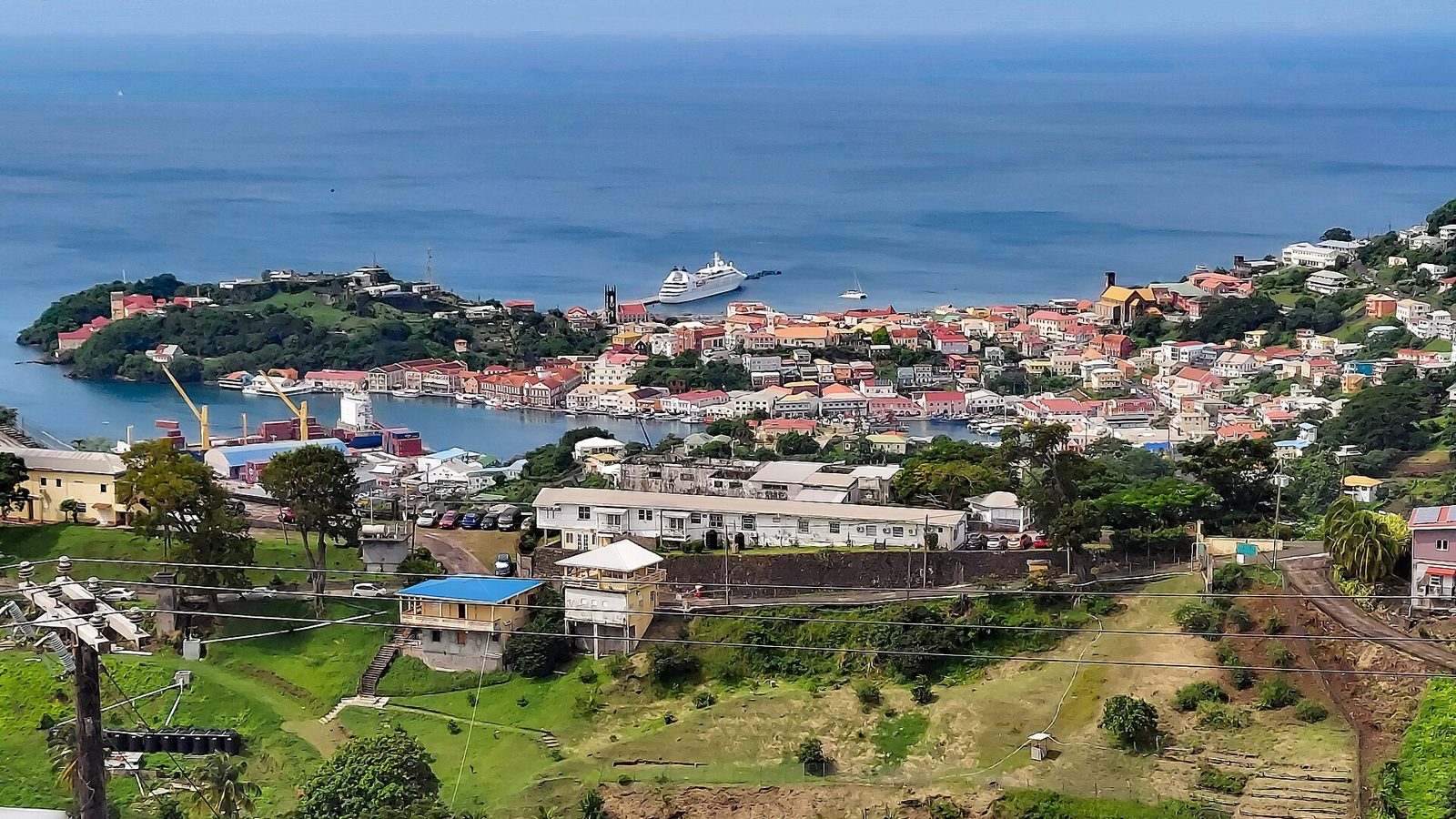
A green, hilly island at the southern end of the Caribbean chain, where nutmeg dries on village racks and buses blast soca on the coast road. You swim off a two-mile beach, hike to rainforest waterfalls and snorkel over statues sunk in a marine park.
- Best time to visit: January to May
- Daily budget (budget traveller): $90 to $300 USD
- Ideal trip length: 5 to 7 days
Grenada is a small island at the bottom of the Windward chain, about 160km north of Trinidad. With Carriacou and Petite Martinique it makes up one country. It is known as the Spice Isle, and nutmeg is on the flag, in the rum punch and on most breakfast tables. The capital, St George's, wraps around a deep horseshoe harbour called the Carenage. Its red-roofed houses climb steep hills up to two old forts. A few minutes south is Grand Anse, a long, calm beach with soft sand and most of the island's hotels. Inland the ground rises fast into rainforest. Grand Etang has a crater lake, Mona monkeys and trails to waterfalls you can swim under. Off the west coast, the Molinere marine park holds the world's first underwater sculpture park, shallow enough to snorkel. Grenada is not a cheap island. There are almost no hostels, and the cheapest rooms are guesthouses and small apartments. Still, minibuses cost about a dollar, the beaches are free, park fees are a couple of dollars and a roti from a cookshop makes a filling lunch. People are friendly and easy to talk to, and Grenada has far fewer cruise crowds than the big islands further north. That makes it a good choice for a solo traveller who wants beaches, hiking and a real local life in one place.
Grenada is roughly 34km long and 19km wide. It has a volcanic spine covered in rainforest, about 45 beaches and a population of around 125,000. St George's is often called one of the prettiest harbour towns in the Caribbean, and it is a working town, not a resort. Ferries, fishing boats and the odd cruise ship share the Carenage, and the market sells nutmeg, cinnamon, cocoa balls and mace by the bag. Many visitors only see Grand Anse and a resort pool. Stay longer and you get the better version: a Route 1 minibus full of schoolchildren and soca, a crater lake in the clouds, rum made with a water wheel and Fish Friday in Gouyave. Prices are high by Caribbean standards, but cheap buses, free beaches and cookshop meals keep the daily cost reasonable.
Getting here usually means flying into Maurice Bishop International Airport. There are direct flights from London, the US east coast and Toronto, plus regional links via Barbados and Trinidad. The airport is about 10 minutes from Grand Anse, and taxis charge fixed fares per car. Once you are here, base yourself in Grand Anse or Morne Rouge for beaches and easy buses, in St George's for a cheaper, more local stay, or in True Blue or Lance aux Épines for marinas and quiet nights. Minibuses cover the island for a few EC dollars until early evening. Taxis, tours or a hire car fill the gaps, and the Osprey ferry takes you to Carriacou.
Timing shapes the trip. January to May is dry and breezy, the best time for hiking and snorkelling, but it is also high season. Rooms cost the most and cruise ships call most days. The wet season from June to November brings short, heavy showers, sticky heat and lower prices, along with Spicemas, the August carnival. September and October carry the highest hurricane risk. Grenada is safe and relaxed, English is the official language and people greet each other properly, so say good morning before you ask anything. Nights are low-key: a rum shop, a beach bar or a Friday street party rather than clubs. If you want a calm beach, real food and green hills behind you, this is a good island for it.
Grenada itinerary
Arrive and hit the beach
Morning: Fly into Maurice Bishop airport and take a fixed-fare taxi (about EC$40-50) to your room in Grand Anse or Morne Rouge.
Afternoon: Walk onto Grand Anse Beach for a first swim, then browse the craft and spice market at the back of the beach.
Evening: Watch the sunset over St George's, then have a roti or grilled fish at a beach bar.
St George's on foot
Morning: Take a Route 1 minibus (EC$2.50) into town. Walk the Carenage, go through the Sendall Tunnel and climb to Fort George before it gets hot.
Afternoon: Browse Market Square, look into the national museum and buy chocolate at the House of Chocolate. Take a taxi up to Fort Frederick for the views.
Evening: Take a water taxi back across the bay to Grand Anse, then have dinner near your room.
Underwater sculptures
Morning: Join a half-day snorkel trip ($55-100 USD) to the Molinere sculpture park and a nearby reef. Check whether the $7 park fee and $10 snorkel fee are included.
Afternoon: Rest on Morne Rouge Bay, which is calm and good for an easy swim after the boat.
Evening: Head to True Blue or Lance aux Épines for a sundowner with the yacht crowd, and take a taxi back.
Rainforest and waterfalls
Morning: Catch bus 6 early to Grand Etang (about $2 USD entry). Walk around the crater lake and look for Mona monkeys.
Afternoon: Hike to Seven Sisters Falls with a guide (about EC$5 for the landowner) and swim in the pools. Stop at Annandale Falls on the way down.
Evening: Wash off the mud and have a simple dinner. Grand Anse at night is quiet and easy.
Spice, cocoa and Fish Friday
Morning: Take a taxi tour or hire car to the north-east. Start at River Antoine to see rum made with a water wheel.
Afternoon: Have lunch and a cocoa tour at Belmont Estate, then visit Levera or Bathway Beach to see the Atlantic side. Do not swim where the surf is rough.
Evening: If it is a Friday, finish in Gouyave for Fish Friday, and arrange your ride back in advance.
Carriacou by ferry
Morning: Take the 9am Osprey ferry from the Carenage (EC$80, cash). The crossing takes about two hours, and it can be rough near Kick 'em Jenny.
Afternoon: Get a local bus or taxi from Tyrell Bay to Paradise Beach, then take a water taxi to Sandy Island for snorkelling.
Evening: Ideally, stay the night in Carriacou. If you are day-tripping, check the return sailing time carefully.
Slow morning and depart
Morning: Have a last swim at Grand Anse or Morne Rouge, or take the early ferry back from Carriacou if you stayed over.
Afternoon: Buy nutmeg, cocoa tea balls or rum for home, then take a taxi to the airport, about 10 minutes from Grand Anse.
Evening: Fly home or on to your next island.
Best neighbourhoods
- St George's and the Carenage: The capital, built around a horseshoe harbour with old warehouses, fishing boats and the Osprey ferry dock. Fort George, Market Square, the minibus terminal and the national museum are all within a steep walk. There are a few guesthouses here, it is cheap to eat and full of local life by day, but it goes quiet after dark.
- Grand Anse: The island's main beach, about 3km of soft sand on a calm bay, with hotels, restaurants, the craft and spice market and a dive shop or two. Route 1 minibuses pass all day, so it is easy to get into town without a car. It is the most practical base for a first visit, though rooms right on the sand are expensive.
- Morne Rouge: A small, sheltered bay just south of Grand Anse over a low headland, also called BBC Beach. The water is very calm and good for a lazy swim. There are guesthouses and apartments in the streets above it. It feels quieter than Grand Anse, and you can walk there in about 15 minutes.
- True Blue and Lance aux Épines: Two peninsulas on the south coast near the airport, with marinas, yacht crews and a mix of boutique hotels and villas. They are good for sunset drinks with sailors and calm evenings. Buses are fewer down the side roads, so plan on taxis or a fair bit of walking.
- Gouyave: A working fishing town about 30 to 40 minutes up the west coast, home to a nutmeg processing station and the weekly Fish Friday street party. Rooms are few and simple, but staying here shows you everyday Grenada and puts you closer to the north of the island and the spice estates.
Must-do experiences
- Spend a day on Grand Anse Beach: The long curve of sand faces St George's across the bay, and the water is usually flat enough to float in. Entry is free. Hire a chair from a beach vendor or just bring a towel. Stay for sunset, then catch a Route 1 minibus back for EC$2.50.
- Walk St George's and climb Fort George: Start at the Carenage, cut through the Sendall Tunnel and climb to Fort George for views over the harbour. Entry costs a couple of dollars. Then head to Market Square for spices and fruit, which is busiest on Saturday mornings, and finish with a coffee by the water.
- Snorkel the underwater sculpture park: Dozens of figures by Jason deCaires Taylor stand about 5 to 8 metres down in Molinere Bay. Half-day snorkel trips cost about $55 to $100 USD. From 1 October 2026, the marine park fee is $7 USD a visit, plus a $10 USD daily snorkel fee, so ask whether your tour includes them.
- Hike Grand Etang and Seven Sisters Falls: Take bus 6 up into the rainforest to the Grand Etang visitor centre, where entry is about EC$5.34 ($2 USD). Walk around the crater lake and look for Mona monkeys. Then hike to Seven Sisters Falls, where the landowner charges about EC$5. A local guide is a good idea, as the trail is steep and muddy.
- Tour a cocoa estate: Belmont Estate in the north-east is a 300-year-old plantation that still grows and processes cocoa and spices. Take a short tour of the drying racks, then have a Grenadian lunch on the terrace. The Grenada Chocolate Company and the House of Chocolate in St George's are good follow-ups.
- See rum made the old way at River Antoine: River Antoine has been making rum with a water wheel since the 1780s, and it still crushes cane and distils the same way. A guided tour costs a few dollars and ends with a tasting. The full-strength rum is very strong, so sip slowly.
- Eat at Gouyave Fish Friday: Every Friday evening, the main street in Gouyave fills with grills, stalls and music. Expect fish cakes, lobster, tuna kebabs and oil down at local prices. It is lively but friendly. Book a taxi back, or join a group, because minibuses get scarce late at night.
Hidden gems
- The Sendall Tunnel, a narrow 1890s tunnel through the hill that links the Carenage with the market side of St George's, still used by cars and people on foot
- Morne Rouge Bay early in the morning, when the water is like glass and the only other people are locals out for a swim
- Mount Carmel Falls near Marquis, the tallest waterfall on the island, much quieter than Annandale
- Levera Beach in the far north, a wild stretch facing Sugar Loaf island where leatherback turtles nest from about March to July (go on a guided night tour)
- Leapers Hill in Sauteurs, the cliff where Kalinago people jumped rather than surrender to the French in 1651, with a small church and wide sea views
Daily budget
- Accommodation: budget $50-90 / night (guesthouse room or simple apartment), mid-range $150-280 (beach hotel or boutique hotel), splurge $450+ (Calabash, Silversands or Spice Island Beach Resort). There are almost no hostels, so solo travellers pay for a whole room. A 10% service charge and VAT are often added on top of quoted rates. Book December to April well ahead.
- Food: budget $25-40 / day (roti, bakes, cookshops, supermarket), mid-range $50-90 (beach bar lunch and a sit-down dinner), splurge $120+ (lobster, resort restaurants, wine). A roti costs about EC$12-20 and restaurant mains roughly $20-40 USD. Check the menu for a 10% service charge before you add a tip. Prices are rough guides.
- Transport: budget $2-8 / day (minibuses), mid-range $20-50 (buses plus taxis or a water taxi), splurge $150-250 (private island tour or car hire with fuel). Route 1 is EC$2.50. The airport to Grand Anse is about EC$40-50 per car. The Osprey ferry to Carriacou is EC$80 each way.
- Activities: budget $0-10 / day (beaches, Grand Etang about $2, Seven Sisters about EC$5), mid-range $60-120 (sculpture park snorkel trip or a guided hike), splurge $150+ (dives, catamaran days, island tours). From 1 October 2026, the Molinere marine park fee is $7 USD a visit, plus $10 USD for a day of snorkelling or diving. Carry small EC notes for park and waterfall fees.
- Drinks & nightlife: budget $4-10 (a Carib or rum punch at a rum shop), mid-range $20-40 (a few drinks at a beach bar), splurge $60+ (cocktails at resort bars). Rum shops are much cheaper than hotel bars. Nightlife is mostly beach bars, Fish Friday and live music. Things get much bigger during Spicemas in August.
Where to stay
- Budget guesthouse in Grand Anse and Morne Rouge ($50-90 / night): Family-run guesthouses and simple rooms in the streets behind the beaches are the closest thing Grenada has to hostels. You are a short walk from the sand and right on the Route 1 minibus line.
- Boutique hotel in True Blue ($180-320 / night): True Blue Bay Resort is a colourful, laid-back hotel on a quiet bay near the airport, with a dock, a pool and a busy bar. It is a sociable spot for a solo traveller, though you will need taxis to get to town.
- Apartment in Lance aux Épines and Grand Anse ($90-170 / night): Self-catering apartments give you a kitchen, which helps a lot with food costs in Grenada. Check the walk to the nearest bus stop and supermarket, as some streets are steep and unlit.
- Splurge in Lance aux Épines ($450-900+ / night): Calabash is a small luxury hotel set in gardens on a calm bay, with a quality restaurant and a spa. It is quiet and polished, and only 10 minutes from the airport.
What to eat
- Oil down: the national dish, breadfruit, salted meat, dumplings and callaloo cooked slowly in coconut milk. Look for it at Fish Friday or local cookshops at weekends
- Roti: curried chicken, goat or vegetables wrapped in a soft flatbread, about EC$12-20 from a rum shop or cookshop, and the cheapest filling lunch on the island
- Lambi: conch, stewed or curried, often served with rice and peas. Ask whether it is in season
- Nutmeg everywhere: grated on rum punch, folded into ice cream and made into nutmeg jam. Buy whole nutmegs at Market Square to take home
- Grenada chocolate: dark bars from local cocoa, sold at the House of Chocolate in St George's and at Belmont Estate
- Carib beer, a Clarke's Court or Westerhall rum punch, and fresh coconut water cut open at the roadside
Day trips
- Grand Etang and the waterfalls (About 13km inland from St George's, 30 to 40 minutes by minibus): A crater lake high in the rainforest, with Mona monkeys, short and long trails and the Seven Sisters Falls. Annandale Falls is an easy stop on the way, with a pool you can swim in. Take bus 6 from the Melville Street terminal towards Grenville and ask to stop at Grand Etang. Park entry is about EC$5.34 ($2 USD), and Seven Sisters is about EC$5. Go early and come back before buses thin out in the late afternoon.
- The north-east: rum, cocoa and wild beaches (About 1 to 1.5 hours by road from Grand Anse): River Antoine's water-wheel distillery, Belmont Estate's cocoa and spice tours, and the Atlantic beaches at Levera and Bathway. It is a full day that shows a rougher, greener side of the island. Hiring a taxi for the day or joining a tour is easiest. Buses go via Grenville, but connections are slow. Agree the full route and price with the driver in advance.
- Carriacou (About 1 hour 45 minutes to 2 hours by fast ferry): Grenada's small sister island, slow and friendly, with Paradise Beach, Sandy Island and boat-building at Windward. It is still rebuilding after Hurricane Beryl in 2024, so check what is open. Take the Osprey ferry from the Carenage, which costs EC$80 ($31 USD) each way, cash only. It sails twice daily on weekdays, once on Saturdays and not on Sundays. A day trip is possible, but staying at least one night is far better.
When to visit
- Dry season (January - April): 24-30°C, sunny and breezy, sea around 26-27°C. Crowds: Busy, especially around Christmas, Easter and cruise days. The most reliable weather, with dry trails and clear water for snorkelling. Rooms cost the most, so book early.
- Late dry season (May): 27-31°C, hotter and mostly dry, with the first showers late in the month. Crowds: Low to moderate. Arguably the best month. You still get good weather, prices are lower and the beaches are quieter. Leatherback turtle nesting is under way at Levera.
- Early wet season (June - August): 27-31°C, humid, with short heavy showers and hurricane season starting. Crowds: Moderate, busy around Spicemas in August. Green, lively and cheaper. Showers rarely last all day. Come in August for carnival, and keep an eye on the forecast.
- Late wet season (September - December): 27-31°C, humid and wettest in October and November, drier from mid-December. Crowds: Quiet until the Christmas rush. The cheapest rooms and the emptiest beaches, but September and October carry the highest storm risk. Buy insurance and stay flexible.
Getting there
Grenada's international airport is Maurice Bishop International (GND) at Point Salines, on the south-west tip of the island. It has direct flights from London Gatwick, Miami, New York and Toronto, some of them seasonal, and regional connections via Barbados, Trinidad and other islands. Official taxis wait outside arrivals and charge fixed fares per car, about EC$40-50 ($15-20 USD) to Grand Anse and a little more to St George's. Confirm the price and currency before you leave. There is no reliable airport bus. Cruise ships dock at the Melville Street terminal in St George's, a short walk from the minibus terminal. To reach Carriacou, the Osprey fast ferry leaves from the Carenage, and there are also short flights from GND. Visitors from the UK, US, Canada and the EU do not need a visa for a tourist stay. Bring a passport valid for six months and proof of onward travel.
Getting around
Minibuses are the cheapest way around. They are privately run vans with a route number on the windscreen, and they leave from the terminal on Melville Street in St George's. Route 1 links town with Grand Anse, Morne Rouge and the hotel strip for EC$2.50 (about $1 USD), and longer trips cost roughly EC$4-10. Flag one down anywhere on the road, call out your stop and pay the conductor in Eastern Caribbean dollars as you get off. Buses run from early morning until about 7pm, and Route 1 runs later. Services on Sundays and in the north are much thinner. Taxis do not use meters. Fares are fixed per car, not per person, so always agree the price before you set off. The airport to Grand Anse costs about EC$40-50 ($15-20 USD). Water taxis cross the bay between the Carenage and Grand Anse for about $5 USD each way. Renting a car means driving on the left on steep, narrow roads, and you need a temporary local permit from the rental firm. St George's itself is best on foot, but bring good shoes for the hills.
Safety
Grenada is one of the safer islands in the Caribbean, and violent crime against visitors is uncommon. Petty theft does happen, so do not leave bags on the beach while you swim and keep valuables out of sight in town. Avoid empty beaches and dark side roads at night, and take a taxi after dark rather than walking along unlit roads. Beach vendors at Grand Anse can be persistent, but a firm, polite no works. The bigger risks are natural. The sun is strong, the east and north coasts have rough Atlantic surf and currents, and waterfall trails get slippery after rain. Manchineel trees grow on some beaches. Their apples and sap burn the skin, so never shelter under one in the rain. Use mosquito repellent, as dengue is present. Minibuses drive fast, so wear the seatbelt if there is one. Hurricane season runs from June to November. Grenada is hit less often than islands further north, but Beryl did serious damage to Carriacou in 2024. The emergency number is 911. Travel insurance with medical cover is essential, as serious cases may need evacuation.
Solo travel tips
- Stay on the Route 1 line: A room between Grand Anse and Morne Rouge puts you on the busiest minibus route. You can reach town, beaches and shops for EC$2.50 and skip most taxi fares.
- Carry small EC notes: Bus conductors, park gates, waterfall owners and roti shops want small change. Taking EC dollars avoids poor exchange rates on US notes, and it makes paying quicker.
- Hike early and with a guide: Rainforest trails are muddiest in the afternoon, after the showers roll in. Go in the morning, and hire a local guide for Seven Sisters or Mount Qua Qua rather than hiking alone.
- Plan around the ferry and Fridays: The Carriacou ferry does not sail on Sundays, and Fish Friday is weekly. Fix those days first, then fit beaches and town around them.
- Safety for solo travellers: Leave nothing on the sand while you swim, use licensed taxis after dark and keep off empty beaches at night. Stay out of the water on the Atlantic coast when the waves are up.
- Meet people on tours and in rum shops: Group snorkel trips, hikes and island tours are an easy way to meet other travellers. Locals chat readily in rum shops, at Fish Friday and on buses if you greet them first.
Cultural etiquette
- Always greet people first with 'good morning', 'good afternoon' or 'good night' before asking a question or buying something. Skipping it comes across as rude.
- Keep swimwear for the beach. Cover up with a shirt and shorts in town, in shops and on buses.
- Wearing camouflage clothing is illegal for civilians, so leave anything in camo print at home.
- Ask before photographing people, especially vendors, fishermen and children at the market.
- Agree taxi fares before you set off, and be clear whether the price is in EC or US dollars.
- Check the bill for a 10% service charge before tipping. If it is not included, leave about 10% for good service.
- Do not take shells, coral or starfish from the beach or the sea, and never touch the sculptures in the marine park.
Frequently asked questions
How do I get from the airport to my room?
Maurice Bishop International Airport is at Point Salines on the south-west tip of the island, only about 10 minutes from Grand Anse. There is no airport bus worth relying on, so take an official taxi from the rank outside arrivals. Fares are fixed per car, about EC$40-50 ($15-20 USD) to Grand Anse and a little more to St George's. Agree the price, and whether it is in US or EC dollars, before you get in. After that, Route 1 minibuses link the hotel strip and town for EC$2.50.
How many days do I need in Grenada?
Three days covers Grand Anse, St George's and either the sculpture park or Grand Etang. Five days lets you add a spice and rum tour of the north, Fish Friday in Gouyave and a slower beach day. With a week, you can take the ferry to Carriacou, ideally staying a night or two rather than doing a rushed day trip.
When is the best time to visit Grenada?
January to May is the dry season, with sunshine, steady breezes and the best hiking. It is also the busiest and most expensive time, especially around Christmas and Easter. May is a good balance of dry weather and lower prices. June to November is the wet season and hurricane season. Expect showers, humidity and cheaper rooms, plus the Spicemas carnival in August. September and October carry the highest storm risk.
Do I need a car in Grenada?
No, not if you stay around Grand Anse or St George's. Minibuses reach most of the island cheaply in the daytime, and taxis or tours cover the rest. A car helps for the north-east estates, Levera and the remote waterfalls, or if you want to stay out late. You drive on the left on steep, narrow and twisting roads, and you need a temporary local driving permit, which rental firms sell. A one-day taxi tour of the island is a good middle option.
How do I get to Carriacou?
Most people take the Osprey fast ferry from the Carenage in St George's. It takes about 1 hour 45 minutes to 2 hours and costs EC$80 ($31 USD) each way, cash only. On weekdays it sails twice a day in each direction, on Saturdays once, and not at all on Sundays or some public holidays, so check the current timetable. The crossing near the underwater volcano Kick 'em Jenny can be rough, so take seasickness tablets if you need them. Short flights from the main airport are another option.
Can I snorkel the underwater sculptures on my own?
It is possible, but most people go on a boat trip. There are no facilities or rental shops at Molinere Bay itself, and boats are the easiest way in. Half-day snorkel trips cost about $55 to $100 USD. From 1 October 2026, everyone pays a $7 USD marine park fee per visit, plus a $10 USD daily snorkelling fee. Some tours include these and some do not, so ask when you book. Do not touch or stand on the statues or the coral.
Is Grenada safe for solo female travellers?
Generally, yes. Grenadians are friendly and chatty, and solo women travel here without trouble. Expect some calling out and attention, especially on the beach and at bus stops. A polite but firm reply usually ends it. Use licensed taxis at night, avoid empty beaches after dark and take normal care with drinks in bars. Hiking with a guide is safer than going alone on remote trails.
What are the entry rules for Grenada in 2026?
Visitors from the UK, US, Canada, the EU and many other countries do not need a visa for a tourist stay. US citizens are allowed up to 90 days. Your passport should be valid for at least six months from arrival, and you may be asked for a return or onward ticket and your accommodation address. Departure tax is usually included in your airfare. Rules can change, so check the Grenada government, your airline and your own government's travel advice before you go.
Tours and activities in Grenada | Grenada in 2 days | Grenada in 3 days | Grenada in 4 days | Grenada in 5 days | Grenada in 7 days
Joy Plus home | Destinations | Itineraries | Activities | Flights | Budget planner | Calendar | Map | Blog | Lifetime access