Destinations / Asia
Hampi, India travel guide
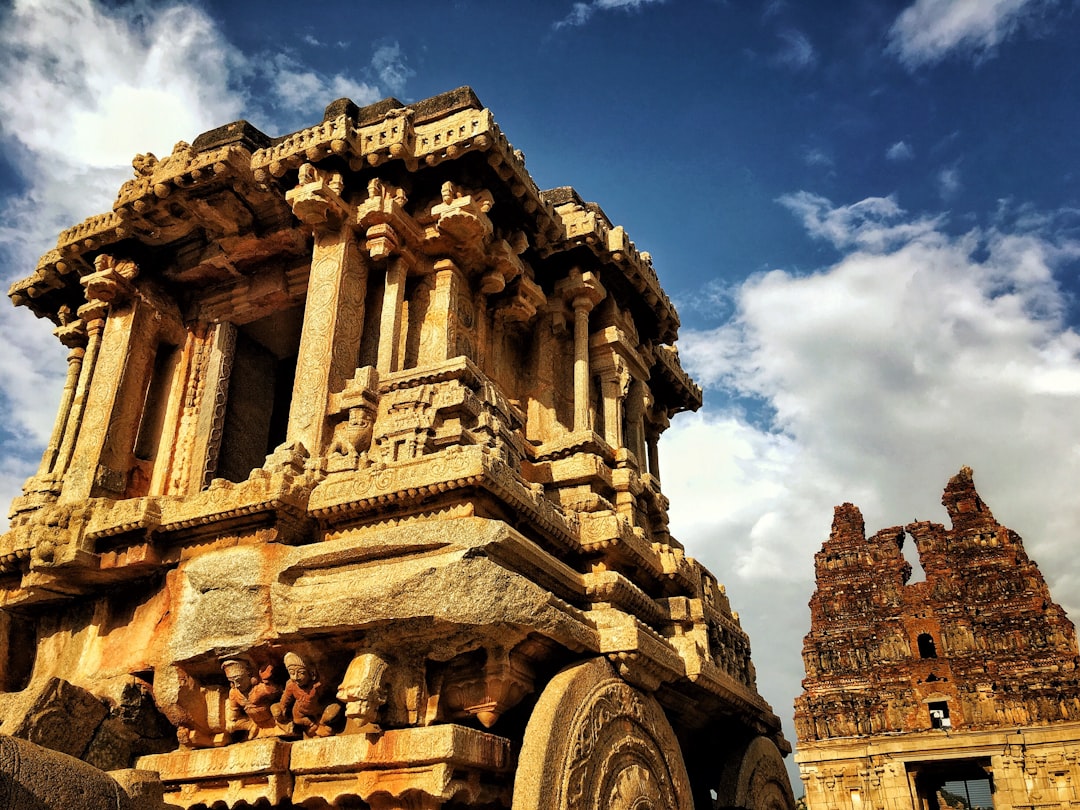
A ruined Hindu capital scattered across a boulder desert.
- Best time to visit: November-February
- Daily budget (budget traveller): $25 to $90 USD
- Ideal trip length: 3 to 4 days
Hampi was Vijayanagara, one of the largest cities on earth in the 1500s, until it was sacked and abandoned. What remains is more than 1,600 monuments spread over 40 square kilometres of granite boulders and banana plantations, with the Tungabhadra river cutting through the middle. It is a UNESCO site that still feels half-discovered.
Hampi is the ruin of Vijayanagara, a capital that at its 1500s peak rivalled Beijing and Rome for size and was burned and looted over six months after the 1565 Battle of Talikota. Nobody built over it afterwards. What you get is a UNESCO site of more than 1,600 monuments laid across 40 square kilometres of balanced granite boulders, banana plantations and rice paddy, with the Tungabhadra river cutting through the middle. It is not a museum with a ticket gate. You walk past a 1,500-year-old shrine to reach your breakfast, and a priest might be lighting a lamp in it.
The geography runs your whole trip. Hampi Bazaar, the temple village at the foot of Virupaksha, is where the main ruins start and where the bazaar is strictly vegetarian and dry. Across the Tungabhadra, Virupapur Gaddi is the far bank, whose guesthouses and restaurants were demolished in March 2020 under a Supreme Court order, and the ferry (around 50 rupees, roughly 8am to 5.30pm) is what ties the two together. Miss the last boat and you are paying for a long road detour in the dark. Further out, the royal enclosure sits 2 to 3km south, Kamalapur has the museum and the ATMs, and Anegundi, upriver, is an older village that was already ancient when Vijayanagara rose.
Do it by cool hours. Sunrise on Matanga Hill, Vittala Temple at the 8.30am opening, a long lunch while the stone bakes, then Hemakuta or a river ghat at 5pm. From March the midday sun makes the ruins miserable, and the November to February window is when everything works: cool mornings, 28C afternoons, bouldering season. Bring cash, a torch and more water than you think, because signal fades among the boulders and so do the ATMs.
How many days in Hampi?
For Hampi, we recommend 3 to 4 days. With more time, add a day trip to Tungabhadra Dam, Hosapete.
| Trip length | What you'll see | Itinerary |
|---|---|---|
| 2 days | Virupaksha and Hemakuta sunset; Matanga sunrise and Vittala Temple | Hampi in 2 days |
| 3 days · Recommended | Adds: Royal enclosure and the museum | Hampi in 3 days |
| 4 days · Recommended | Adds: Cross to the far bank | Hampi in 4 days |
| 5 days | Adds: Anegundi and Anjanadri Hill | Hampi in 5 days |
| 7 days | Adds: Bouldering or Daroji bear sanctuary | Hampi in 7 days |
Hampi itinerary
Arrive, Virupaksha and Hemakuta sunset
Morning: Overnight train or bus into Hosapete, then a ₹30 KSRTC bus or ₹300 auto to Hampi Bazaar. Drop bags, then a thali breakfast at a bazaar café.
Afternoon: Walk the length of the bazaar street to Virupaksha Temple. Rest 12 to 3pm, the stone is hot. Rent a bicycle (₹100) late afternoon.
Evening: Climb Hemakuta Hill for sunset among the small shrines. Dinner at Mango Tree by the river, sitting on the floor terrace.
Matanga sunrise and Vittala Temple
Morning: Torch up Matanga Hill at 5.30am, 20 minutes of steps for first light over the ruins. Filter coffee from a stall, then cycle to Vittala for the 8.30am opening before the buses.
Afternoon: See the stone chariot, then walk the riverside path back via Purandaradasa Mantapa and the King's Balance. Cheap lunch, then shade.
Evening: Join the 5 to 6pm puja at Virupaksha. Dinner at Gokul or a rooftop in the bazaar, early to bed.
Royal enclosure and the museum
Morning: Scooter or auto to Hazara Rama Temple at 8.30am, then Lotus Mahal and the Elephant Stables. Your 600 rupee ticket from yesterday covers entry.
Afternoon: Queen's Bath, Mahanavami Dibba and the stepped tank, then lunch in Kamalapur. Archaeological Museum (closed Fridays) for the scale models of the vanished city.
Evening: Back to the bazaar, then sunset on the Tungabhadra ghat. Dinner and a long night.
Cross to the far bank
Morning: Breakfast in the bazaar, then ferry across at 8am (₹50) with no bike. Hire a scooter on the far side for the day.
Afternoon: Ride to Sanapur Lake for a rock-edge swim and a coracle ride. Then a gentle boulder session if you want to try.
Evening: Sunset from a boulder above the paddies. Dinner back in Hampi Bazaar, and back before the last ferry.
Anegundi and Anjanadri Hill
Morning: Be at the base of Anjanadri Hill by 5.45am for the 575 steps and sunrise at the Hanuman shrine. Tea from the stall at the top.
Afternoon: Anegundi village: Kishkinda Trust banana-fibre crafts, the Durga Temple and Pampa Sarovar. Lunch at a homestay.
Evening: Return by scooter. Rooftop dinner, then stargazing with zero light pollution.
Bouldering or Daroji bear sanctuary
Morning: Book a local guide (₹1,500-2,500) for a bouldering session near Sanapur at 6.30am, before the rock gets hot. Pads can be hired but are limited.
Afternoon: Taxi to Daroji Sloth Bear Sanctuary, about 30km away and best from 3pm for the watchtower. Arrange the ₹1,800-2,500 return trip from your guesthouse.
Evening: Back by dark. Easy dinner, packing, and one last chai on the roof.
Slow morning, depart
Morning: Last sunrise walk to Virupaksha for the dawn puja. Breakfast and a bazaar wander for textiles and banana-fibre bags.
Afternoon: KSRTC bus or auto to Hosapete Junction. Overnight train or sleeper bus onwards.
Evening: Buy a train snack in Hosapete, since catering on board is hit and miss.
Best neighbourhoods
- Hampi Bazaar: The temple village beside Virupaksha, with guesthouses, cafés and the main ruins on foot.
- Sanapur and the far bank: Across the river: the guesthouses of Virupapur Gaddi were demolished in 2020, and stays have moved to Sanapur, Hanumanahalli and Anegundi, greener and quieter.
- Royal Enclosure: The southern zone with the Lotus Mahal, Elephant Stables and stepped tank.
- Anegundi: An older village across the river, pre-dating Hampi, with crafts and almost no tourists.
- Kamalapur: The practical town with the museum, ATMs and mid-range hotels.
Must-do experiences
- Vittala Temple: See the stone chariot and the musical pillars, which visitors may no longer tap.
- Virupaksha Temple: Join dawn puja at a temple that has run continuously since the 7th century.
- Matanga Hill sunrise: Climb 20 minutes in the dark for the full sweep of ruins in first light.
- Coracle ride on the Tungabhadra: Spin downstream in a round basket boat past submerged shrines.
Hidden gems
- Hemakuta Hill's cluster of small shrines, ten minutes from the bazaar and usually empty
- The underground Shiva temple, half-flooded and cool at midday
- Sanapur Lake for a swim off the rocks on the far bank
- Anjanadri Hill at dawn, said to be Hanuman's birthplace, 575 steps up
Daily budget
- Accommodation: budget ₹500-1,200 / night (dorm or fan room in one of the three nearby villages), mid-range ₹3,000-6,000 (garden hotel in Kamalapur or a good Anegundi homestay), splurge ₹30,000+ (Evolve Back, Hampi). Rooms in the nearby villages drop 30 to 40 percent from March to September. Haggle on stays of 3+ nights.
- Food: budget ₹500-800 / day (thalis, dosas, chai stalls), mid-range ₹1,200-2,000 (riverside cafés, one big dinner), splurge ₹4,500+ (resort tasting dinner). A full banana-leaf thali in Kamalapur costs ₹100-150. Mango Tree and other cafés run ₹250-450 a plate.
- Transport: budget ₹100-150 / day (bicycle plus ferry), mid-range ₹500-800 (scooter at ₹300-400 plus petrol and ferry), splurge ₹1,800+ (auto or car for a full-day ruins circuit). The scooter is the sweet spot. Bikes can no longer cross on the ferry, so the far bank means the long road bridge.
- Activities: budget ₹600-800 / day (Vittala and royal enclosure ticket, free hills), mid-range ₹2,500-4,000 (licensed guide ₹1,500-2,500, coracle ride, museum), splurge ₹6,000+ (private bouldering guide plus gear, Daroji bear safari taxi). The 600 rupee foreigner ticket covers Vittala and the royal enclosure on the same day, so keep it in your pocket.
- Drinks & nightlife: budget ₹100-200 (chai, fresh juice, filter coffee), mid-range ₹400-800 (a few quiet beers away from the bazaar), splurge ₹1,500+ (resort bar). Hampi Bazaar is dry. Nights are drum circles, rooftop chai and stargazing, and everything is closed by 10pm.
Where to stay
- Social hostel in Three villages near Hampi (₹500-1,200 / night): The far bank's guesthouses were demolished in March 2020 under a Supreme Court order; stays moved to three nearby villages, and some were closed by the authorities after the 2025 attack.
- Boutique hotel in Kamalapur (₹3,000-6,000 / night): Hotel Mayura Bhuvaneshwari, a calm KSTDC hotel with gardens, a short ride from the museum, royal enclosure and ATMs.
- Apartment in Anegundi (₹1,500-3,500 / night): Village homestays run through Kishkinda Trust, real rooms in family houses, no tourists on the lane, breakfast included.
- Splurge in Kamalapur outskirts (₹30,000-60,000 / night): Evolve Back, Hampi, a palace-style resort modelled on Vijayanagara architecture, with private pools and an air-conditioned retreat from the heat.
What to eat
- South Indian thali on a banana leaf in Kamalapur for under two dollars
- Mango lassi and banana pancakes at the riverside cafés
- Jowar roti with spicy brinjal, the local Karnataka staple
- Filter coffee at the bazaar stalls before the sunrise climb
Day trips
- Anegundi and Anjanadri Hill (About 8-10km, 25 minutes by scooter): The older village across the river with craft cooperatives, Pampa Sarovar and the 575-step climb to the Hanuman shrine at Anjanadri Hill. Best at sunrise or an hour before sunset. Scooter from Hampi Bazaar via the road bridge, ₹300-400 plus petrol. Auto round trip is about ₹500-700.
- Daroji Sloth Bear Sanctuary (About 30km, 45 to 60 minutes by road): A dry scrub reserve with around 100 sloth bears, a watchtower and rock-top trails. Late afternoon is when bears come down to the rocks. Hire a taxi from your guesthouse for about ₹1,800-2,500 return, or take a bus to Daroji village from Hosapete and an auto onward.
- Tungabhadra Dam, Hosapete (About 20km, 35 minutes by bus): A giant 1950s reservoir with terraced gardens and a Sunday evening lights show. Easier to combine with the train onward than as a stand-alone outing. Local bus from Hosapete bus stand (₹20-30), or auto round trip for ₹600-800.
When to visit
- Winter (November - February): 14-30°C, dry, cool mornings, clear skies. Crowds: Highest, peak backpacker and bouldering season. The only truly comfortable window. Book stays in the three nearby villages a week ahead around Christmas and the Hampi Utsav festival dates.
- Summer (March - May): 32-42°C, harsh sun, bare rock radiates heat. Crowds: Low, many guesthouses half empty. Skip unless you must. Do sunrise ruins only, be indoors by 10am, and expect scorching stone floors in temples. Cheapest rooms of the year.
- Monsoon (June - September): 24-32°C, moderate rain, paddies bright green. Crowds: Very low, local weekend visitors only. Greener and quieter than you'd think, since Hampi sits in a rain shadow. Rocks get slick, the river runs high and coracle rides are often suspended. Pack a poncho and go slowly.
- Post-monsoon (October): 22-33°C, humid, scattered showers. Crowds: Moderate, building toward November. The sweet spot before the rush. Fields are lush, the ruins uncrowded, prices still low, though afternoons can feel sticky.
Entry rules for your passport
Visa rules for India depend on the passport you travel on. Check the official source before you book: Government of India e-Visa portal
Getting there
Hampi has no station of its own. Hosapete (Hospet) Junction, station code HPT, is 13km away and is the hub: the overnight Hampi Express (16592) from Bengaluru arrives around dawn, with fares from about ₹400 in sleeper to ₹1,000 in 3AC, and trains also run from Goa and Hyderabad (check IRCTC for current schedules). From Hosapete, take a KSRTC bus to Hampi Bazaar for ₹30 or an auto for about ₹300-400, around 30 minutes. Sleeper buses from Bengaluru's Majestic take about 8 hours for ₹800-1,500, and from Goa's Panjim roughly 10 hours. The nearest big airport is Hubballi, three hours away, with Bengaluru six hours by road. Vidyanagar (Toranagallu) airport, 35km from Hosapete, has limited flights, so check before relying on it. Avoid pre-booked taxis from Bengaluru, which quote ₹7,000-9,000.
Getting around
Bicycles at 100 rupees a day and scooters at 300-400 are the standard way to cover the ruins, though the far bank now requires the long road bridge rather than taking a bike on the ferry. Autos charge 1,200-1,800 rupees for a full-day ruins circuit. The river ferry runs roughly 8am to 5.30pm for 50 rupees. Hosapete, 13km away, has the train station.
Safety
Hampi is heavily visited, with theft rare and locals used to travellers, but in March 2025 tourists stargazing by a canal near Sanapur at night were attacked: two women were raped and a man was killed. Stay off isolated spots after dark, above all on the far bank. Heat is the real danger: plan around midday from March onward and carry more water than you think. Rocks get slippery and hills are unlit, so carry a torch for sunrise and sunset climbs. Hampi Bazaar is a dry, alcohol-free zone, and the ferry stopping at dusk catches people out most nights.
Solo travel tips
- Sit on the floor at Mango Tree: The riverside terrace at Mango Tree puts everyone on shared low tables and cushions. You will find a travelling companion over the thali within ten minutes, and the sunset view costs nothing extra.
- Stay in the nearby villages: The guesthouses and restaurants at Virupapur Gaddi were demolished in March 2020 under a Supreme Court order. Stays moved to three nearby villages, and some were closed by the authorities after the 2025 attack, so confirm your booking before you travel.
- Share autos and scooter days: A full-day auto circuit at ₹1,200-1,800 splits nicely among three or four people. Post on your guesthouse board, someone is always looking.
- Plan the ferry cut-off: The last ferry is around 5.30pm. Miss it and the road back is long and unlit. Plan your day so you are back on the Hampi side before the boat stops, rather than hoping to cross late.
- Solo female travellers: Hampi is well used to solo women, but a 2025 assault near Sanapur Lake rattled the far bank. Avoid isolated rocks and lake edges after dark, tell your guesthouse where you are going, and use a trusted scooter guide for remote spots.
- Find your tribe at the boulders: Climbers meet at Sanapur and Virupapur boulders around 7am. Join a session even if you have never climbed, since most people there are happy to share a pad and a route.
Cultural etiquette
- Remove your shoes before entering any temple, even ruined ones with a shrine. Socks are fine and help on stone floors that burn bare feet by midday.
- Dress to cover shoulders and knees at Virupaksha and other active temples. Swimmers at Sanapur Lake should wear shorts or a T-shirt, since the lake is a local meeting place too.
- Hampi Bazaar is vegetarian and dry by community and heritage rules. Don't ask for beer or meat there, and don't smuggle either in.
- Do not tap the Vittala Temple musical pillars. They are protected and now roped off, and the people who tap them cause real damage.
- Don't climb on monuments or walls beyond roped areas, and drone use needs permission from the ASI. Guards enforce both.
- Don't feed the monkeys, and keep sunglasses, snacks and phones in a closed bag near temple walls.
- Tipping is expected but small: ₹200-300 for a guide, ₹100-200 for an auto driver on a long day, and 10 percent for sit-down meals if no service charge is added.
Frequently asked questions
How many days do you need in Hampi?
Three days is right: one for the sacred centre and Vittala Temple, one for the royal enclosure and museum, and one on the far bank for Sanapur Lake, Anegundi and Anjanadri Hill. Two days is doable if you hire a scooter and start early. Boulderers stay a week or more.
How do you get to Hampi?
Hosapete Junction is 13km away and connects by overnight train to Bengaluru, Goa and Hyderabad; an auto into Hampi costs about 300 rupees. Sleeper buses from Bengaluru take eight hours for 800-1,500 rupees and from Goa around ten. Hubli airport is three hours away, Bengaluru six.
When is the best time to visit Hampi?
November to February is the only truly comfortable window, with days around 28C and cool mornings. March to May is brutal, regularly above 38C, which makes walking the ruins unpleasant by 10am. The June to September monsoon is green and quiet with moderate rain and a fuller river.
Should you stay in Hampi Bazaar or across the river?
Hampi Bazaar puts you walking distance from the main ruins and is better for a short, sights-focused trip. The far bank is greener, calmer and better for longer stays, bouldering and swimming, but its old guesthouse strip on Virupapur Gaddi was demolished in 2020: stays are now in Sanapur, Hanumanahalli and Anegundi, and some were closed by the authorities after a violent attack on tourists in March 2025. The ferry stops around 5.30pm, so evenings are committed to that side.
Is Hampi good for bouldering?
It is one of the best bouldering areas in the world, with thousands of granite problems across every grade, most on the far bank near Virupapur Gaddi and Sanapur. The season runs November to February. Bring your own pads and shoes, as rental is limited, and hire a local guide to find the established lines.
Is Hampi expensive?
It is one of India's cheapest destinations. Guesthouse rooms cost $8 to $20, mid-range hotels in Kamalapur $30 to $60, and meals $1.50-$4. A bicycle is around $1.20 a day, a scooter $4, and the combined monument ticket for Vittala and the royal enclosure 600 rupees for foreigners. Budget $25 to $35 a day.
Do you need a guide in Hampi?
Not to enjoy it, but the ruins make far more sense with one. Licensed guides charge 1,500-2,500 rupees for a half-day and can explain the layout of the vanished city, which is otherwise hard to read. Alternatively use an audio guide app offline, since mobile signal is patchy among the boulders.
Do I need a visa for India?
Yes, almost every foreign visitor needs one. Most nationalities can apply online for an e-Visa on the official portal, indianvisaonline.gov.in, at least four days before arrival. You must also complete the free e-Arrival Card on the same site within the 72 hours before you land. Use only the official portal: lookalike sites charge fees.
Tours and activities in Hampi | Hampi in 2 days | Hampi in 3 days | Hampi in 4 days | Hampi in 5 days | Hampi in 7 days
Joy Plus home | Destinations | Itineraries | Activities | Flights | Budget planner | Calendar | Map | Blog | Lifetime access