Destinations / Caribbean
Havana, Cuba travel guide
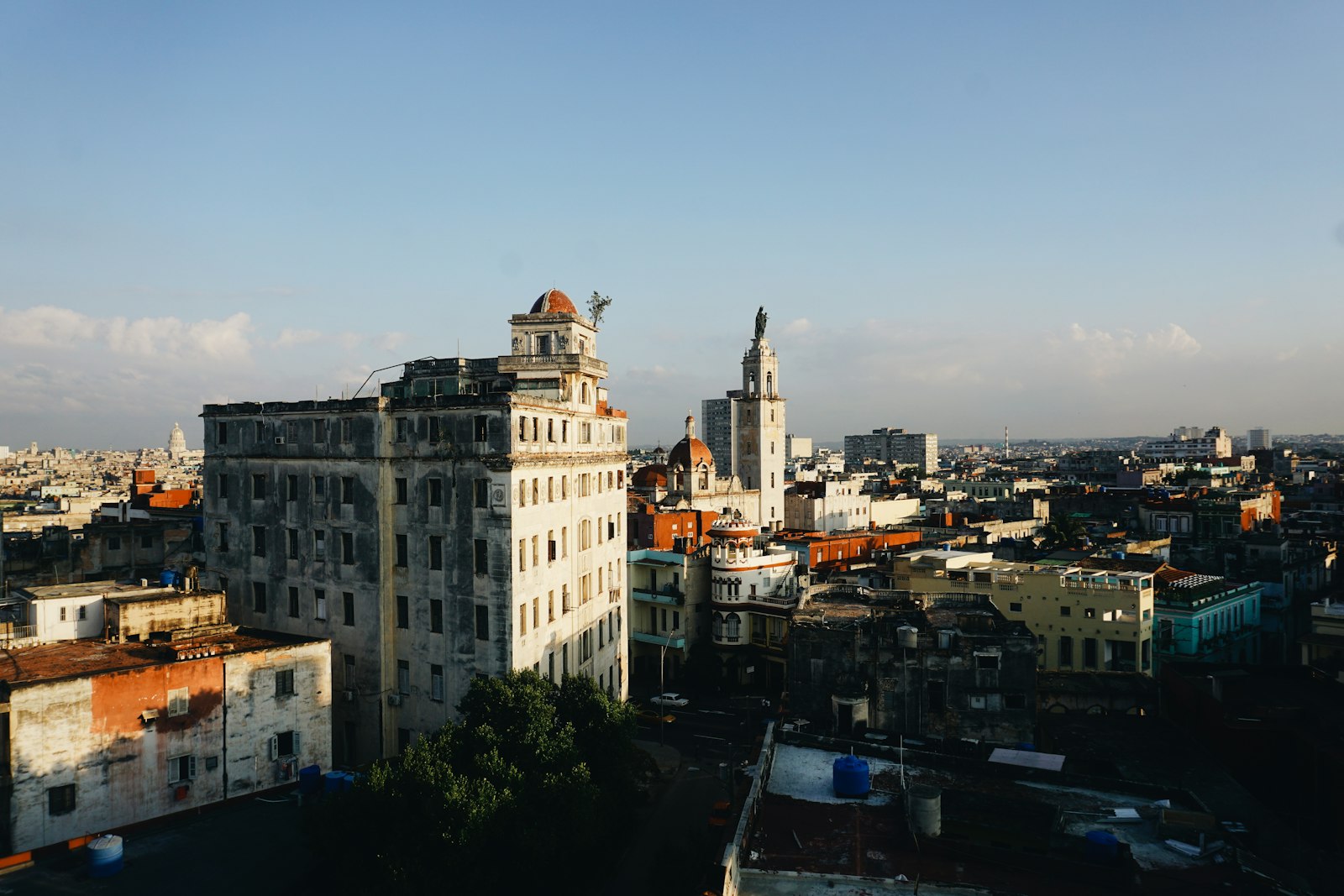
Crumbling colonial grandeur, classic cars, salsa, and the most photogenic street life in the Caribbean.
- Best time to visit: November-April (dry season)
- Daily budget (budget traveller): $50 to $90 USD
- Ideal trip length: 4 to 5 days
Havana is a city frozen in time: pastel colonial façades, chrome-fendered American cars from the 1950s, and salsa drifting out of open doorways. It's chaotic, musical, and deeply charming. Joy Plus maps the old town, the Malecón sunsets and the live music spots so you don't spend your evenings wandering lost. Check the current situation before you book: 2026 has brought a severe fuel and power crisis to Cuba.
Havana is the only Caribbean capital where the soundtrack comes from the neighbours, not a playlist. A trumpet rehearses behind a shutter on Calle Obispo, a rumba circle forms in an alley on Sunday noon, and a 1955 Chevy with a Hyundai diesel engine idles outside a colonial palace missing half its balcony. The decay is real and so is the pride. It's one of the most photogenic cities on earth, and it works best when you slow down enough to sit on a stoop and talk.
Know what you're signing up for in 2026. Cuba is in a deep economic crisis. Blackouts (apagones) hit most neighbourhoods daily, fuel is scarce, some menus are shorter than they look online, and internet runs on scratch cards. The upside is that the private sector has filled the gaps. Paladares (private restaurants), casas particulares (family-run rooms) and independent guides are where the good food, beds and conversation are. Bring cash, patience and a power bank, and you'll have a very good week.
The city rewards a simple rhythm. Do Habana Vieja at dawn, hide from the heat at lunch, ride a convertible or walk the Malecón at golden hour, then give your nights to live music in Vedado and Centro Habana. Use your casa host as your concierge: they book paladares by WhatsApp, know the real exchange rate, arrange the honest taxi driver and will tell you which door to knock on for the best salsa. Stay at least four nights, and ideally add Viñales or the beaches.
How many days in Havana?
For Havana, we recommend 4 to 5 days. With more time, add a day trip to Playas del Este or Cojímar and Finca Vigía.
| Trip length | What you'll see | Itinerary |
|---|---|---|
| 2 days | First Malecón sunset; Habana Vieja in depth | Havana in 2 days |
| 3 days | Adds: Centro Habana, rumba and the Prado | Havana in 3 days |
| 4 days · Recommended | Adds: Vedado, monuments and FAC | Havana in 4 days |
| 5 days · Recommended | Adds: Convertible cruise, Miramar and jazz | Havana in 5 days |
| 7 days | Adds: Viñales day trip; Souvenirs, last mojito | Havana in 7 days |
Havana itinerary
Arrive, settle, first Malecón sunset
Morning: Land at José Martí (HAV), 15km south of the centre. Take an official taxi to Habana Vieja for $30-40, about 35 min. Drop bags at your casa and have the breakfast your host offers.
Afternoon: Walk Calle Obispo to Plaza Vieja. Coffee at Café El Escorial on Mercaderes. Cut through to Plaza de Armas and browse the second-hand book market.
Evening: Walk the Malecón at golden hour from the Prado end. Dinner at Doña Eutimia (Callejón del Chorro, book via WhatsApp): ropa vieja and tamal en cazuela. Early night, the heat wipes people out.
Habana Vieja in depth
Morning: Be in Plaza de la Catedral by 8am before the tour groups. Climb the cathedral bell tower, then the Castillo de la Real Fuerza. Coffee at a window on Mercaderes.
Afternoon: Hemingway trail: Hotel Ambos Mundos (room 511, a couple of dollars), a daiquirí at El Floridita on Obispo, a mojito at La Bodeguita del Medio on Empedrado. Siesta at your casa from 2 to 4pm.
Evening: Cross to Fortaleza de la Cabaña for the 9pm cannon ceremony (cañonazo) and skyline views. Back for live son at Casa de la Música in Centro Habana if there's a show.
Centro Habana, rumba and the Prado
Morning: Walk the Paseo del Prado to El Capitolio and book a guided visit. Wander Barrio Chino and the faded Zanja streets. If it's Sunday, be at Callejón de Hamel by noon for rumba.
Afternoon: Late lunch at La Guarida (Concordia 418, up the marble staircase from Fresa y Chocolate). Reserve ahead, mains are $20-30.
Evening: Sunset on the Malecón with a bottle of Havana Club and locals. Dinner at Paladar San Cristóbal (San Rafael 469), then a last drink at Hotel Telégrafo or your casa terrace.
Vedado, monuments and FAC
Morning: Taxi to Plaza de la Revolución for the Che mural and Martí memorial. Then Cementerio de Colón (open early, closes about 5pm), a city of marble angels and mausoleums.
Afternoon: Lunch at Café Laurent (a rooftop on Calle M). Walk to La Rampa and Coppelia, the legendary ice cream park. Cool off in the gardens of Hotel Nacional.
Evening: Dinner at El Cocinero on Calle 26, then walk next door to Fábrica de Arte Cubano (Thursday to Sunday from 8pm). Arrive early, the queue peaks at 10pm.
Convertible cruise, Miramar and jazz
Morning: Pick up a 1950s convertible at Parque Central around 9am ($40-60 an hour, agree it upfront). Cruise the Malecón, Vedado and Quinta Avenida in Miramar.
Afternoon: Taxi to Fusterlandia in Jaimanitas, José Fuster's mosaic-covered neighbourhood. Late lunch at a paladar in Miramar and rest from the heat.
Evening: Dinner at Atelier in Vedado. Then jazz at La Zorra y el Cuervo (Calle 23 y O, enter through the red British phone box), sets from about 10pm.
Viñales day trip
Morning: Leave at 7am with a private driver ($100-130 for up to 4) or take the 9am Viazul bus from Avenida 26. Valley views over the mogotes by late morning.
Afternoon: Visit a tobacco farm, walk through Valle de Silencio or ride horseback, and have lunch at a finca with farm-fresh pork and root veg. Optional Cueva del Indio boat ride.
Evening: Back in Havana around 8 to 9pm if you went by car. Simple dinner at your casa or a street window, and an early night.
Souvenirs, last mojito, depart
Morning: Almacenes San José artisan market on the waterfront for crafts, paintings and cigars (buy from official shops, keep the receipt). Coffee and pastries at your casa.
Afternoon: One last lunch in Habana Vieja and a final daiquirí at El Floridita. Pack and settle up with your host in cash.
Evening: Taxi to HAV at least 3 hours before your flight, check-in queues are slow. Keep a few small bills for the porter.
Best neighbourhoods
- Habana Vieja: The UNESCO old town: plazas, cathedrals, and the liveliest street energy. Stay here for the full immersion.
- Centro Habana: Gritty and real: local life, faded mansions, and some of the best live music bars.
- Vedado: Wide boulevards, cinemas, art deco buildings, and a more spacious, modern feel.
- Miramar: The upscale west: embassies, mansions, and the best restaurants, quieter at night.
- El Malecón: The famous seawall promenade, not a neighbourhood but the city's living room at sunset.
Must-do experiences
- Classic car tour in a convertible: Cruise the Malecón and Vedado in a 1950s Chevrolet. Book for late afternoon light.
- Walk Habana Vieja at dawn: Before the heat and crowds, the plazas belong to you. Coffee at a hole-in-the-wall.
- Live salsa in a casa de la trova: Skip the tourist shows for a tiny bar where locals dance until 3am.
- Mojito at La Bodeguita del Medio: Yes it's touristy, but the history and the band in the alley make it worth one drink.
Hidden gems
- The art studios and galleries along Callejón de Hamel in Centro Habana.
- A sunset walk along the Malecón with a bottle of Havana Club and locals.
- Fábrica de Arte Cubano (FAC): a converted oil factory turned avant-garde art and music space.
- Breakfast at a local casa: eggs, fruit, strong coffee, and conversation with your host.
Daily budget
- Accommodation: budget $25-40 / night (private room in a casa particular), mid-range $60-110 (renovated casa, boutique double with AC), splurge $300+ (Hotel Nacional suites). Casa rooms include a fridge and often a roof terrace. Breakfast is $5-8 extra and worth it. Dollars and euros in cash are preferred.
- Food: budget $15-22 / day (casa breakfast, pizza windows, set lunch), mid-range $35-55 (paladar dinner with a drink), splurge $90+ (La Guarida, San Cristóbal tasting-style dinner). Street pizza is $0.50-1. A comida criolla set lunch at a paladar is $6-10. Lobster runs $15-25 at casas and local spots.
- Transport: budget $3-6 / day (walk plus a shared almendrón ride), mid-range $15-30 (private taxis $5-10 per ride), splurge $40-60 / hour (vintage convertible), $100-130 (driver to Viñales). Agree the fare before you get in. The airport transfer is $30-40. Ride apps like La Nave work for locals, ask your host to order one.
- Activities: budget $5-10 / day (free plazas, Malecón, one museum), mid-range $25-45 (Capitolio, Cementerio Colón, FAC, ballet seat), splurge $90+ (Tropicana cabaret, private guide for the day). Most museums charge foreigners $4-10. Plazas, the Malecón, Callejón de Hamel and Sunday rumba are free.
- Drinks & nightlife: budget $5-8 (Cristal or Bucanero beer $2-3, rum at a casa), mid-range $15-25 (cocktails at El Floridita, a jazz club cover), splurge $50+ (Tropicana with a bottle). A bottle of Havana Club 7 Años in a shop is about $15-25. A mojito at La Bodeguita is $5-7, a daiquirí at El Floridita $7-9.
Where to stay
- Social hostel in Habana Vieja / Centro Habana ($20-40 / night): Cuba has almost no dorm hostels. The social option is a casa particular with a shared rooftop and breakfast table. Filter Airbnb for private rooms with shared terrace, walk-to-everything locations near Obispo or Calle Cuba.
- Boutique hotel in Vedado / Paseo del Prado ($90-170 / night): Casa 1932 in Vedado is a classic design-led guesthouse, and Hotel Telégrafo on the Prado is a restored colonial option next to Parque Central. Both are central with proper air conditioning.
- Apartment in Vedado ($45-90 / night): A whole colonial or art deco flat with a balcony in a quieter, leafier grid. Ask about water tanks and generators before booking. Best for stays of five nights or more.
- Splurge in Paseo del Prado / Vedado seafront ($250-600 / night): Hotel Nacional has 1930s glamour and sea-view gardens. US travellers should check the State Department Cuba Restricted List before booking.
What to eat
- Ropa vieja (shredded beef stew) at a family paladar
- Cuban sandwich (medianoche) from a street window
- Fresh lobster grilled with garlic and lime
- Mojito or daiquirí made with real Cuban rum
Day trips
- Viñales (180km west, 2.5 to 3 hours by road): UNESCO tobacco valley with limestone mogotes, farm lunches, horseback rides and cave boat trips. Do it as an overnight if you can, the evening light is better than the midday haze. Viazul bus from Terminal Viazul on Avenida 26 (about $12-15 each way, book ahead). Shared taxi $20-25 per person. Private car $100-130 round trip for up to 4.
- Playas del Este (20km east, about 25 min): Havana's nearest beaches. Santa María del Mar is the best stretch, with white sand, beach shacks and grilled fish. Go on weekdays, weekends fill with locals. Taxi for $20-25 each way (agree the return), or the Habana Bus Tour T3 line from Parque Central.
- Cojímar and Finca Vigía (10 to 15km east and south-east, about 20 min): Hemingway's fishing village (Cojímar) with a bust on the seafront and La Terraza restaurant, plus his home Finca Vigía in San Francisco de Paula. Quiet, close and good for a half day. Taxi $10-15 each way. Ask the driver to wait and combine both stops for about $35-45.
When to visit
- Winter (December to March): 21-28°C, dry, low humidity, cool evenings on the Malecón. Crowds: Peak. Casas and paladares fill up, book ahead. The best weather and the best festival calendar (Jazz Plaza in January, Havana Book Fair in February). Reserve rooms 4 to 6 weeks out and expect top prices.
- Spring (April to June): 25-32°C, getting humid, first thunderstorms from late May. Crowds: Easing, easy to find a table. April is the sweet spot: still dry, fewer visitors, lower casa rates. By June the afternoons are sticky and you'll want the siesta.
- Summer (July to August): 28-34°C, heavy humidity, short violent downpours. Crowds: Low from abroad, high from Cubans on holiday. Cheapest rooms, but hot, with the worst blackouts when air conditioning is running everywhere. Only for budget travellers who can handle the heat.
- Autumn (September to November): 26-31°C, humid in September and October, much better by November. Crowds: Lowest in September and October, rebuilding in late November. September and October are peak hurricane risk, so check forecasts and insurance. November is the local pick: the heat breaks, the sea is warm and rates haven't hit December highs.
Entry rules for your passport
Visa rules for Cuba depend on the passport you travel on. Check the official source before you book: Cuba Ministry of Foreign Affairs
Getting there
José Martí International (HAV) is 15km south of the centre. Most international flights use Terminal 3. Direct routes run from Madrid, Toronto, Mexico City, Panama City and Miami. Official taxis to Habana Vieja or Vedado cost $30-40 and take 30-40 min. Skip the touts, or ask your casa host to arrange pickup. Before you fly, complete the free D'Viajeros online form (within 72 hours of arrival), buy a tourist card (about $25 via your airline) and carry health insurance. US travellers must travel under an OFAC category such as 'support for the Cuban people'. Keep receipts and avoid the Restricted List. Fuel shortages can disrupt taxis and some flights, so keep a buffer day in your plans.
Getting around
Havana is best explored on foot in the old town, but distances between districts are long. Classic-car taxis are a fun and surprisingly affordable way to travel; negotiate the fare before getting in. Coco taxis (yellow three-wheelers) are cheaper for short hops. Local buses exist but are crowded and confusing; most visitors walk or use taxis. Fuel shortages in 2026 have made all transport scarcer and less predictable.
Safety
Check official advice before booking anything: in 2026 Cuba has been in a severe fuel and energy crisis, with island-wide blackouts, airports without aviation fuel, suspended flights and closed hotels, and governments including the UK and Ireland advise against non-essential travel. If you do go, expect power cuts and transport disruption, pack a torch, a power bank and any medicines you need, and bring enough cash for the whole trip, as foreign bank cards may not work at all. Violent crime is rare; the usual issues are petty theft and scams, so don't change money on the street, keep phones and cameras discreet, and agree taxi fares upfront. Tap water is not safe to drink.
Solo travel tips
- Stay in a casa, not a hotel: Your host is your instant local network. They'll order taxis, book paladares by WhatsApp, explain blackouts and introduce you to the neighbourhood. Breakfast at the family table is where solo travellers meet each other.
- Say no once, politely, and keep walking: Jineteros (hustlers) will offer cigars, taxis or 'my cousin's paladar'. A calm 'no, gracias' works. Never accept a cigar deal on the street. Fakes are common, buy from official shops or your host's trusted contact.
- Take a salsa lesson on day one: Private lessons run about $8-15 an hour and your host can arrange one. Then the bars and Casa de la Música make sense, and Cubans will actually dance with you. Count the beat, step on 1, laugh at yourself.
- Get around at night with a plan: Blackouts leave some streets pitch black. Walk in lit areas, use your phone torch and take a taxi between neighbourhoods after 10pm. Prearrange the return ride to Habana Vieja before you head into Vedado.
- Solo female travellers: Violent crime is rare, but catcalls (piropos) are constant. Ignore them, don't engage, and keep your route confident. Share your plans with your host, sit at the bar rather than a quiet table, and dress for heat but expect stares.
- Find your tribe at FAC, Callejón de Hamel and the Malecón: FAC is the easiest place to meet travellers and young Cubans, mixing art, DJs and bands. Sunday rumba at Callejón de Hamel is friendly and open. On the Malecón at sunset, you'll be talking to someone within ten minutes.
Cultural etiquette
- Greet before you ask. A 'buenos días' or 'buenas' when entering a shop, casa or paladar is expected, and it changes how people treat you.
- Tip generously by local standards: 10% at paladares (check if service is already added), $1-2 for a band at your table, and a little coin for bathroom attendants.
- Ask before photographing people, especially musicians and old men with cigars. A dollar is the expected thank you. Never photograph police, military or government buildings.
- Politics is nuanced. Listen more than you opine, don't criticise loudly in public places, and let people raise the subject themselves.
- Don't buy cigars or rum from strangers on the street. Use official shops (Partagás, La Casa del Habano) and keep the receipt for customs.
- Small gifts for hosts go a long way: soap, toothpaste, pens, over-the-counter medicines, children's school supplies. Hand them over directly, don't push them.
- Salsa has rules. If someone asks you to dance, say yes and let them lead. Say thank you afterwards, and don't leave halfway through a song.
Frequently asked questions
How many days do you need in Havana?
Four to five days covers the old town, Vedado, the Malecón, a classic-car tour, live music nights and a day trip to Viñales or the beaches.
Is Havana good for solo travellers?
In normal times, yes: the city is sociable and walkable, casa particular hosts are welcoming, salsa bars are easy to enjoy alone, and the street life means you're never isolated. In 2026, check official advice first, because the fuel and power crisis has disrupted flights, transport and hotels.
When is the best time to visit Havana?
November to April is dry, warm and the most comfortable. May-October is hotter and rainier, with hurricane risk peaking in September.
How much does a trip to Havana cost?
Budget around $50 to $90 USD per person per day, covering a hostel bed or simple room, local transport, two or three meals out and an activity or entry ticket. You can go lower with markets and free walking tours, or far higher with boutique hotels and private guides.
What should I eat in Havana?
Start with Ropa vieja (shredded beef stew) at a family paladar, Cuban sandwich (medianoche) from a street window, Fresh lobster grilled with garlic and lime. Eating where locals queue is the simplest rule, and markets are usually the cheapest and best introduction to the food in Havana.
How much does a solo trip to Havana cost?
Budget on roughly $50-$90 USD per day in Havana as a solo traveller. That covers a hostel bed or simple room, local food, getting around and a couple of paid sights. Mid-range comfort with private rooms, sit-down dinners and the odd tour runs closer to double, while shoestring travellers who cook and stick to street food can come in under it.
Is Havana safe for solo female travellers?
Havana is generally a comfortable place to travel solo, including for women, as long as you use normal city sense. Check official advice before booking anything: in 2026 Cuba has been in a severe fuel and energy crisis, with island-wide blackouts, airports without aviation fuel, suspended flights and closed hotels, and governments including the UK and Ireland advise against non-essential travel. If you do go, expect power cuts and transport disruption, pack a torch, a power bank and any medicines you need, and bring enough cash for the whole trip, as foreign bank cards may not work at all. Violent crime is rare; the usual issues are petty theft and scams, so don't change money on the street, keep phones and cameras discreet, and agree taxi fares upfront. Tap water is not safe to drink.
How do you get around Havana?
Havana is best explored on foot in the old town, but distances between districts are long. Classic-car taxis are a fun and surprisingly affordable way to travel; negotiate the fare before getting in. Coco taxis (yellow three-wheelers) are cheaper for short hops. Local buses exist but are crowded and confusing; most visitors walk or use taxis. Fuel shortages in 2026 have made all transport scarcer and less predictable.
What do I need to enter Cuba?
A tourist card (still sold by airlines, tour operators and Cuban embassies, or as an e-visa on the official eVisa-Cuba site), the D'Viajeros online form completed within the 72 hours before arrival, and proof of travel health insurance. Under US rules, Americans cannot visit as tourists and must travel under one of 12 authorised categories. One consequence to know: after visiting Cuba you can no longer use the US ESTA visa waiver and must apply for a full visa for any later trip to the United States.
Tours and activities in Havana | Havana in 2 days | Havana in 3 days | Havana in 4 days | Havana in 5 days | Havana in 7 days
Joy Plus home | Destinations | Itineraries | Activities | Flights | Budget planner | Calendar | Map | Blog | Lifetime access