Destinations / Europe
Inverness, Scotland travel guide
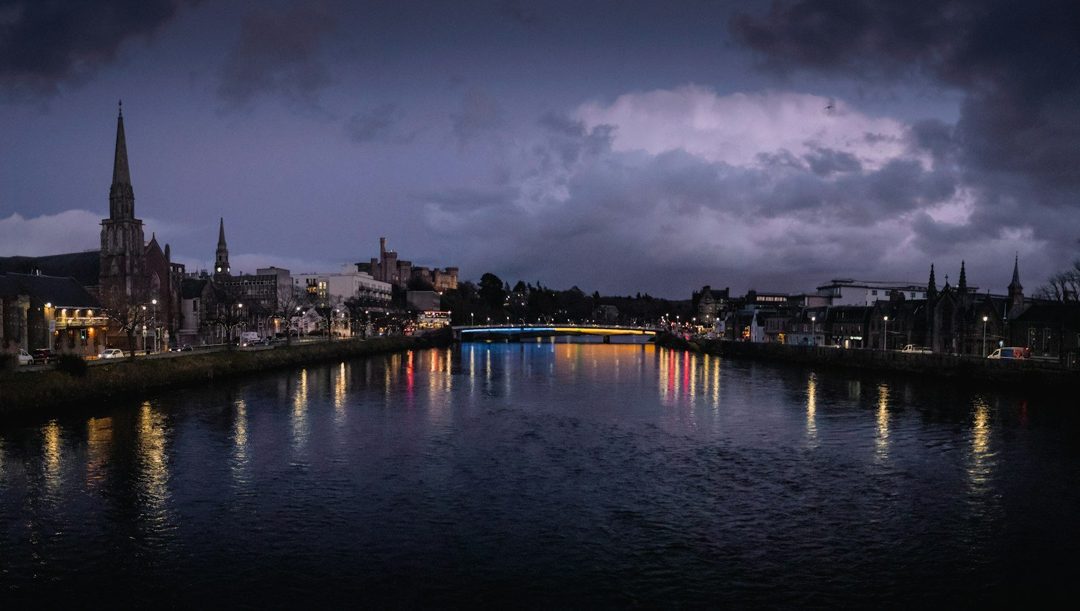
Capital of the Highlands: misty river islands, storied battlefields and legendary lochs.
- Best time to visit: May to September
- Daily budget (budget traveller): $85 to $205 USD
- Ideal trip length: 3 to 5 days
Set where the River Ness empties into the Moray Firth, Inverness is the compact, walkable gateway to the Scottish Highlands. Dominated by a red sandstone castle and bisected by rushing river currents, it blends rugged frontier spirit with warm Highland hospitality. Solo travellers find an easy-going urban base filled with wood-panelled fiddle pubs, secondhand bookshops warmed by log burners, and swift transport links running out to Caledonian forests, ancient standing stones and the deep waters of Loch Ness.
Perched where the Great Glen fault line meets the cold tides of the Moray Firth, Inverness holds the title of the Highlands' sole true city. Despite its royal city status, it retains the intimate, unhurried pace of a market town. The River Ness cuts directly through its centre, fed by the fathomless depths of Loch Ness five miles southwest, carrying clear peat-tinted water between sandstone quays, church spires and weeping willows.
The city has played an outsized role in Scottish history for centuries. Pictish monarchs were visited here by St Columba in the sixth century, Macbeth held a timber fortress nearby, and just five miles east lies Culloden Moor, where the Jacobite Rising met its bloody conclusion in 1746. Today, that dramatic past sits alongside a thriving cultural scene. You will find contemporary galleries, energetic microbreweries, and independent businesses that champion Scottish craft, from hand-thrown ceramics to local woollens.
For the solo traveller, Inverness acts as an approachable anchor. It never feels overwhelming or impersonal. You can start your morning chatting with booksellers next to a crackling stove in a church nave, spend your afternoon walking the pine-scented paths of the Ness Islands, and pass the evening nursing a local single malt while fiddlers and bodhran players trade jigs in a pub that has poured ale for three hundred years.
Inverness itinerary
Riverside arrival and churchyard bookshops
Morning: Arrive at Inverness Railway Station, drop your bags at your lodging, and head straight to the Victorian Market to grab a fresh scone and hot tea.
Afternoon: Stroll down Church Street to Leakey's Bookshop. Browse the towering wooden shelves warmed by a central wood-burning stove. Cross the suspension bridge toward Inverness Cathedral for quiet reflection.
Evening: Head to The Gellions, the city's oldest pub, to grab a pint of local Black Isle ale and listen to the opening reels of an evening acoustic folk session.
Islands, flora and castle heights
Morning: Set out on the classic Ness Islands walk. Follow the willow-fringed west river path past Eden Court Theatre, crossing the wooden Victorian footbridges over rushing water.
Afternoon: Stop by the Inverness Botanic Gardens to warm up inside the tropical greenhouse. Continue north to the Castle Viewpoint on Castle Hill for panoramic vistas across the town rooftops and river bends.
Evening: Cross back to the riverside. Enjoy dinner at a neighbourhood bistro like the Mustard Seed or Prime, sampling tender Scottish venison or pan-seared sea trout.
The tragedy of Culloden and standing stones
Morning: Board Stagecoach bus 1B from Inverness to Culloden Battlefield (around 25 to 30 minutes). Walk the solemn moorland with an audio guide to trace the historic final Jacobite battle of 1746.
Afternoon: Take a 20-minute walk through peaceful country lanes from Culloden to Clava Cairns. Wander among the four-thousand-year-old Bronze Age cairns, burial chambers and standing stones.
Evening: Return by bus to Inverness. Settle into Hootananny on Church Street for hearty Scottish pub classics and lively live traditional music downstairs.
The mystery of Loch Ness and Urquhart Castle
Morning: Catch a morning coach or Stagecoach bus 17 to Clansman Harbour on Loch Ness. Board a Jacobite cruise boat to glide across the black, peat-stained waters.
Afternoon: Disembark at Urquhart Castle. Explore the ruins of the Grant Tower, inspect the stone trebuchet, and look out over the deepest section of the loch from the defensive parapet.
Evening: Travel back to town. Grab dinner at a casual spot like Black Isle Bar for craft organic beer and wood-fired sourdough pizza in a relaxed taproom setting.
Canal locks and dolphin watching
Morning: Rent a city cruiser bicycle or walk along the Caledonian Canal to Muirtown Locks, watching boats navigate the historic tiered lock flight designed by Thomas Telford.
Afternoon: Take a local bus or small tour across the Kessock Bridge to Chanonry Point on the Black Isle. Stand on the lighthouse spit to watch wild bottlenose dolphins fishing in the churning tidal currents.
Evening: Return for dinner in Inverness. Celebrate the evening with a whisky tasting flight at The Malt Room, comparing smoky peated malts against delicate Speyside single malts.
Highland glens and scenic railways
Morning: Board an early ScotRail train heading west toward Kyle of Lochalsh. Ride one of Britain's most scenic rail routes along Loch Carron and through rugged mountain glens.
Afternoon: Stop off at the coastal village of Plockton. Wander among palm trees nourished by the Gulf Stream, admire stone cottages, and enjoy fresh langoustines by the harbour.
Evening: Take the late afternoon return train to Inverness, enjoying sweeping sunset views over the Highland peaks from the carriage window.
Farewell to the capital of the Highlands
Morning: Enjoy a full Scottish breakfast with Stornoway black pudding and potato scones. Spend an hour at the Inverness Museum and Art Gallery admiring Jacobite memorabilia and Pictish stone carvings.
Afternoon: Pick up souvenirs such as Highland heather honey, shortbread and woollen scarves from independent shops along the pedestrianised High Street.
Evening: Catch your onward train to Edinburgh or board the overnight Caledonian Sleeper toward London, watching the Highland twilight fade into night.
Best neighbourhoods
- City Centre: The commercial and social heart around the High Street and Victorian Market, packed with pubs, bakeries and historic stone buildings.
- Riverside and Ballifeary: A leafy, tranquil quarter hugging the west bank of the River Ness, home to the Cathedral, Eden Court Theatre and river walk paths.
- Crown: A handsome residential conservation area sitting on the hill behind the castle, filled with Victorian stone villas, gastro pubs and cosy cafes.
Must-do experiences
- Wander the wooded trails of the Ness Islands: Cross the Victorian suspension footbridges to explore a cluster of tranquil, pine-shaded river islands right in the city centre.
- Browse books by the log burner in Leakey's: Lose yourself inside Scotland's largest second-hand bookshop, housed within an atmospheric former Gaelic church.
- Walk the hallowed moor at Culloden Battlefield: Trace the poignant lines of the 1746 Jacobite conflict on the windswept moorland, accompanied by an outstanding visitor centre.
- Cruise the deep dark waters of Loch Ness: Take a boat cruise from Dochgarroch or Clansman Harbour down to the romantic crumbling promontory of Urquhart Castle.
- Catch live traditional folk at The Gellions or Hootananny: Settle into a historic pub counter with a dram of local single malt to hear authentic fiddle, accordion and Highland reels.
- Touch ancient history at Clava Cairns: Stand among the Bronze Age passage graves and standing stones set within a quiet, atmospheric beech woodland.
Hidden gems
- The engineering heritage and peaceful boat basins along the Caledonian Canal at Muirtown Locks
- The warm glasshouses and exotic fish ponds inside the free Inverness Botanic Gardens
- The wild pebble spit of Chanonry Point on the Black Isle, where wild bottlenose dolphins breach metres from shore
- The small independent craft and food stalls tucked inside the restored Victorian Market arcade
Daily budget
- Accommodation: budget £28 to £45 / night (hostel dorm bed in city centre), mid-range £85 to £150 / night (ensuite room in boutique hotel or traditional stone guesthouse), splurge £220 to £380+ / night (luxury riverside boutique hotel or historic country house). Rates double during July and August. Solo travellers booking guesthouses can often find single-occupancy discounts by booking directly.
- Food: budget £14 to £24 / day (bakery roll, supermarket meal deal, market stall soup), mid-range £35 to £60 / day (cafe breakfast, hearty pub lunch, gastro-tavern dinner with beer), splurge £80 to £130+ / day (multi-course Scottish seafood or venison dinner with fine wine). Traditional bakeries sell savoury Scotch pies and macaroni pies for £2 to £3, making quick and filling walking lunches.
- Transport: budget £0 to £6 / day (walking everywhere, occasional city bus fare), mid-range £12 to £25 / day (Stagecoach day pass to Culloden or return bus to Urquhart Castle), splurge £50 to £95 / day (small group day tour into the Isle of Skye or North Coast). You can explore all central Inverness highlights on foot without spending a single pound on local transport.
- Activities: budget £0 to £15 / day (free Ness Islands, free museum, church walks, small castle entry), mid-range £25 to £45 / day (Culloden Battlefield entry, Loch Ness boat cruise ticket), splurge £65 to £120 / day (guided whisky distillery masterclass or private boat charter). National Trust for Scotland membership pays for itself if you plan to visit Culloden, Brodie Castle and other regional estates.
- Drinks & nightlife: budget £5 to £12 (supermarket Scottish craft ales or a single pub pint), mid-range £18 to £32 (two craft pints and a dram of 12-year Highland single malt), splurge £45 to £80+ (flight of rare single cask whiskies at a dedicated malt bar). Live music sessions in traditional pubs like The Gellions and MacCallums are free to enjoy with the purchase of a drink.
Where to stay
- Social hostel in City Centre (£28 to £45 / night): Black Isle Hostel or Inverness Student Hotel, providing sociable common lounges, bunk storage, self-catering kitchens and immediate access to transport and music pubs.
- Boutique hotel in Riverside / Ballifeary (£95 to £175 / night): The Glen Mhor Hotel or Rocpool Reserve, offering stylish contemporary decor, river views, high-end Scottish breakfasts and tranquil garden surroundings.
- Apartment in Crown District (£85 to £160 / night): Victorian conversion studios and modern self-catering mews flats offering kitchen facilities, laundry amenities and peaceful residential streets close to town.
- Splurge in Riverside / Ness Walk (£220 to £380+ / night): Ness Walk Hotel, providing five-star Highland hospitality, courtyard fire pits, fine dining restaurants and bespoke concierge excursions.
What to eat
- Traditional Cullen Skink: a rich, velvety chowder of smoked haddock, potatoes, leeks and double cream
- Highland venison pie: tender local game slow-cooked in rich ale gravy beneath flaky golden puff pastry
- Stornoway black pudding breakfast: served alongside potato scones, free-range eggs and Ayrshire cured bacon
- Scottish cranachan: toasted oats folded into tart raspberries, heather honey, double cream and a splash of malt whisky
Day trips
- Loch Ness & Urquhart Castle (30 minutes by bus): Scotland's most legendary freshwater loch, featuring dramatic castle ruins perched over waters that plunge to over two hundred metres deep. Stagecoach bus 17 from Inverness Bus Station to Drumnadrochit, or combine coach transport with a Jacobite boat cruise directly from Inverness city centre.
- The Black Isle & Chanonry Point (40 minutes by bus): A picturesque coastal peninsula known for historic fishing villages, rich farmland, craft microbreweries and shore-based dolphin watching. Stagecoach bus 26 from Inverness Bus Station to Rosemarkie, followed by an easy 15-minute coastal walk out to the lighthouse at Chanonry Point.
- Cairngorms National Park (Aviemore) (35 minutes by train): The UK's largest national park, offering ancient Caledonian pine forests, mountain lochs, reindeer herds and scenic walking trails around Loch an Eilein. Direct ScotRail train south from Inverness Railway Station to Aviemore, departing hourly with a journey time of roughly 35 minutes.
When to visit
- Spring (March to May): 7 to 14°C, warming days with crisp breezes and intermittent Highland showers. Crowds: Light to moderate, increasing around Easter holidays. A fabulous time for solo exploration. Yellow gorse flowers cover the hillsides, daylight extends into late evening, and summer tour coach traffic has not yet arrived.
- Summer (June to August): 14 to 20°C, mild and lush with daylight lasting up to eighteen hours. Crowds: Peak season with high visitor numbers at Loch Ness and Culloden. Warmest weather and vibrant pub sessions every night of the week. Advance booking for accommodation is essential, and outdoor insect repellent is wise for woodland hikes.
- Autumn (September to November): 8 to 15°C in September, dropping to 4 to 10°C by November with golden foliage. Crowds: Moderate in September, tapering off quickly by late October. The most atmospheric season. Forest canopies along the Ness turn brilliant gold and copper, whisky distilleries are in full production, and crowds thin dramatically.
- Winter (December to February): 1 to 6°C, short days with frosty mornings and snow dusting the surrounding peaks. Crowds: Lowest crowd levels of the year, outside of Christmas and Hogmanay. Quiet and deeply cosy. Enjoy empty museums, open fires in stone pubs, and peaceful river walks, though daylight is limited to around seven hours daily.
Entry rules for your passport
Visa rules for the United Kingdom depend on the passport you travel on. Check the official source before you book: UK Visas and Immigration (GOV.UK)
Getting there
Inverness Airport (INV) sits nine miles northeast at Dalcross, connected by regular flights from London Heathrow, London Gatwick, Amsterdam Schiphol, Manchester and Bristol. Stagecoach bus 1 runs between the airport and city centre bus station in roughly 25 minutes, and the adjacent Inverness Airport railway station offers regular rail connections into town. By rail, ScotRail connects Inverness directly to Edinburgh Waverley (3h 30m), Glasgow Queen Street (3h 20m) and Aberdeen (2h 15m). From London, LNER runs the daily daytime Highland Chieftain train from Kings Cross, while the overnight Caledonian Sleeper departs London Euston six nights a week, allowing solo travellers to sleep through the journey and arrive refreshed in the Highlands at breakfast time. Long-distance Megabus and Citylink coaches link the city with Edinburgh, Glasgow and Fort William.
Getting around
Inverness is exceptionally compact and easy to navigate on foot. The city centre, castle hill, Victorian Market and the Ness Islands river loop can all be explored comfortably without vehicles. For suburban journeys, Stagecoach Highlands buses operate routes from Inverness to Culloden Battlefield (Service 5) and Inverness Airport (Jet 11 bus or train). Regional travel to Loch Ness, the Black Isle and Cairngorms National Park runs via local buses or ScotRail trains departing Inverness Railway Station.
Safety
Inverness is one of the safest cities in the United Kingdom, and violent crime is rare. Solo travellers, including solo women, will find the streets welcoming at any hour. The main considerations are natural rather than urban: the River Ness flows fast with strong currents, so avoid riverbank edges late at night. Highland weather can change rapidly from bright sun to driving wind and rain, so always carry waterproof layers and sturdy shoes when heading out to rural moors or lochs.
Solo travel tips
- Embrace pub session culture: Traditional music pubs like Hootananny, The Gellions and MacCallums welcome solo guests. Take a seat near the musicians or at the bar counter, order a drink, and enjoy the communal atmosphere without hesitation.
- Stay central for evening flexibility: Book accommodation within ten minutes of the train and bus stations. Having your base in the City Centre or Crown means you can walk home safely late at night without waiting for regional taxis.
- Recommended hostels: Black Isle Hostel or Inverness Student Hotel: Both offer clean, secure dormitories and friendly social areas. Black Isle Hostel sits seconds from the station with a microbrewery taproom nearby, while Inverness Student Hotel enjoys an elevated riverside perch.
- Check bus returns when heading to Culloden or Loch Ness: Rural bus frequencies can drop sharply after 17:00, especially on Sundays. Check the Stagecoach app or timetable leaflets before setting out so you do not miss your return journey.
- Solo female safety in the Highlands: Inverness is exceptionally peaceful with low crime rates. Local residents are warm and direct. Normal urban precautions apply around quiet unlit canal banks late at night, but walking around the city centre is generally trouble-free.
- Bring an offline map for countryside hikes: Mobile reception is strong in Inverness itself, but cellular signals can drop in deep glens, around Loch Ness and near Clava Cairns. Download offline Google Maps or Ordnance Survey routes before heading out.
Cultural etiquette
- Never refer to Scotland as England. Scots are proud of their distinct national identity, legal system and cultural heritage.
- Tipping in restaurants is customary at around 10 to 12 percent for good table service, but tipping at pub counters when ordering pints or drams is not expected.
- Keep to the left when walking along narrow pedestrian bridges across the River Ness to allow cyclists and oncoming walkers to pass smoothly.
- Show quiet respect at Culloden Battlefield. The moorland is a mass war grave where hundreds of Highland clan members are buried beneath inscribed clan stones.
- Always shut countryside gates behind you when walking through Highland farmland to prevent livestock from straying.
- Engage politely in small talk with locals. Highland hospitality is genuine, and cashiers, bus drivers and pub staff will often ask how your day is going.
- Respect the Scottish Outdoor Access Code when wild walking or camping: take all litter home, do not light open ground fires, and avoid disturbing wildlife.
Frequently asked questions
How do I travel to Inverness from Edinburgh or London?
ScotRail operates regular direct trains from Edinburgh Waverley and Glasgow Queen Street, taking around 3 hours and 30 minutes. From London Kings Cross, LNER runs the direct daily Highland Chieftain train in 8 hours. Alternatively, the Caledonian Sleeper train runs overnight from London Euston, offering private cabins that arrive directly into central Inverness in the morning.
How many days are ideal for Inverness?
Three to four days provide the ideal balance. You can dedicate one full day to exploring the historic centre, Ness Islands and Leakey's Bookshop, one day to Culloden Battlefield and Clava Cairns, and a third day for a boat trip across Loch Ness to Urquhart Castle or a day trip to the Black Isle.
Can I visit Loch Ness without renting a car?
Yes. Stagecoach bus service 17 runs regularly from Inverness Bus Station to Drumnadrochit, while Scottish Citylink service 919 runs directly to Urquhart Castle. In addition, several guided boat tours such as Jacobite Cruises offer combined coach and boat tickets departing straight from Inverness city centre or the Caledonian Canal bus stop.
Is Inverness a good base for solo travellers?
Inverness is an outstanding solo hub. It is compact, safe and easy to walk around. Its traditional pubs feature friendly communal tables with live acoustic sessions where conversations start naturally, and local tour operators run small group excursions into the Highlands directly from the bus station.
What is the midges situation like around Inverness?
Highland biting midges are small flying insects that appear on warm, still, damp summer evenings between June and August. Because Inverness is coastal and often enjoys a light breeze, midges are rarely an issue in the city centre itself, though you should carry insect repellent when walking in sheltered woods or near lochs.
What should I wear when visiting the Highlands?
Dress in flexible layers regardless of the season. Bring a breathable waterproof jacket, sturdy walking boots with good grip, a fleece or wool jumper, and a compact umbrella. Sudden showers and drops in temperature are common even in midsummer.
Is the tap water safe to drink in Inverness?
Yes, tap water across Scotland is of exceptional quality, drawn from pure lochs and upland reservoirs. It is completely safe, soft, and delicious to drink straight from the tap, so bring a reusable water bottle.
What entry rules and ETA requirements apply to the UK in 2026?
Most non-visa visitors entering the United Kingdom (including citizens of the US, Canada, Australia, New Zealand, and EU/EEA countries, except Irish citizens) must secure an Electronic Travel Authorisation (ETA) before travel. The ETA is applied for online or through the UK ETA app, costs £20, is linked electronically to your passport, and remains valid for multiple entries over two years.
Tours and activities in Inverness | Inverness in 2 days | Inverness in 3 days | Inverness in 4 days | Inverness in 5 days | Inverness in 7 days
Can't decide? Compare Inverness with...
Joy Plus home | Destinations | Itineraries | Activities | Flights | Budget planner | Calendar | Map | Blog | Lifetime access