Destinations / Asia
Ipoh, Malaysia travel guide
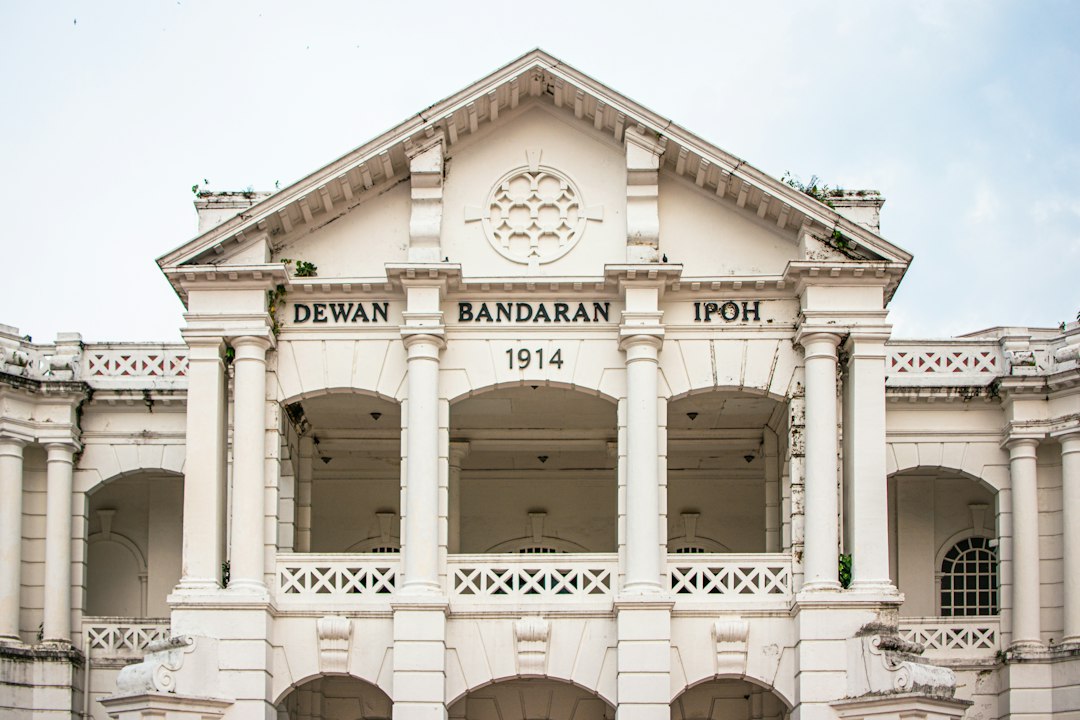
Malaysia's food capital in the karst valleys: colonial lanes, cave temples and legendary white coffee.
- Best time to visit: May to August and December to February
- Daily budget (budget traveller): $25 to $85 USD
- Ideal trip length: 3 to 5 days
Ipoh was once the tin-mining capital of the British Empire, nicknamed the City of Millionaires. Today, the sleepy capital of Perak is Malaysia's most celebrated culinary sanctuary, framed by monumental limestone karst towers and packed with faded colonial shophouses. Two hours north of Kuala Lumpur by comfortable electric train, it trades frantic urban pace for morning market strolls, cave-hidden Buddhist shrines and porcelain cups of silky white coffee.
Ipoh sits anchored in the Kinta Valley beneath dramatic sheer limestone cliffs, shaped by a 19th-century tin mining boom that made it one of the wealthiest colonial outposts in Malaya. When the tin industry collapsed in the 1980s, the boomtown went into a decades-long slumber. That economic pause inadvertently saved its magnificent architectural heritage: neo-classical civic palaces, ornate Chinese clan houses and pastel double-storey shophouses were left standing untouched rather than razed for concrete skyscrapers.
Today, Ipoh's true pull is gastronomic. The valley's hard, calcium-rich water is credited with producing Malaysia's silkiest flat rice noodles, the crispest bean sprouts, and the velvet curd of fresh tau fu fah. Kopitiams buzz from sunrise as third-generation vendors pour Hainanese white coffee from high tins, whilst nightfall brings sizzling woks along Cowan Street serving salted chicken and fragrant claypot rice. It is an unpretentious culinary landscape where the best meals rarely exceed five dollars.
Beyond the dining table, Ipoh is the gateway to natural wonders and subterranean spirituality. The surrounding karsts are riddled with cavernous Buddhist and Taoist sanctuaries adorned with golden statues and natural stalactites. With direct high-speed rail links connecting both Kuala Lumpur and Penang, Ipoh serves as the ultimate relaxed transit stop where solo travellers can slow down and discover authentic Peninsular heritage.
Ipoh itinerary
Colonial architecture and original white coffee
Morning: Arrive at the Taj Mahal of Ipoh, the grand colonial railway station, on the ETS train from Kuala Lumpur. Drop bags at your hotel and head straight to Sin Yoon Loong in Old Town for iced white coffee and toast with homemade kaya.
Afternoon: Follow the Ipoh Heritage Trail past the Birch Memorial Clock Tower, the Town Hall and the high court. Wander Concubine Lane and Market Lane, checking out street murals and artisan bakeries.
Evening: Cross the river into New Town for dinner at Lou Wong or Ong Kee. Order poached chicken with crisp taufu bean sprouts and flat noodles. Finish with warm ginger tau fu fah from Funny Mountain.
Karst caves and hidden lakes
Morning: Take an early Grab to Kek Lok Tong Cave Temple before the heat builds. Walk through the limestone cavern and out into the manicured rear garden filled with lotus ponds and wild monkeys.
Afternoon: Grab a ride to Tasik Cermin (Mirror Lake). Walk through the cool mining tunnel to see the dramatic karst bowl reflected in the glassy water. Take the short electric boat ride into the water cave.
Evening: Head to Canning Garden for dinner at Hollywood Restaurant or local kopitiams. Try chee cheong fun with mushroom gravy and pickled chillies, followed by a stroll along Mural Art's Lane.
Dim sum, northern cave temples and heritage tea
Morning: Join the morning queue at Ming Court Hong Kong Dim Sum or Choong Kee Pok Kleng for steamed siew mai, egg tarts and radish cake. Arrive by 7:30am for the freshest bamboo baskets.
Afternoon: Ride north to Perak Cave Temple. Marvel at the colourful hand-painted murals and climb the 450 stone steps through the cave chimney to reach the breezy viewing pavilion looking over Ipoh.
Evening: Unwind with herbal tea and traditional egg tarts at a converted colonial shophouse cafe in Old Town. Sample dry curry noodles at Nam Chau for a spicy evening bite.
Haunted castles and tin mining history
Morning: Hire a morning Grab to Kellie's Castle in nearby Batu Gajah (about 25 minutes south). Explore the unfinished Scottish mansion, brick towers, cellar wine vaults and rooftop terraces.
Afternoon: Continue south to the TT5 Tanjung Tualang Tin Dredge, stepping aboard the colossal floating iron machine that once extracted tin from the valley mud. Stop for river prawns in Tanjung Tualang town.
Evening: Return to Ipoh. Pick up vacuum-packed salted chicken from Aun Kheng Lim for a casual hotel picnic, paired with refreshing pomelo fruit from the Gunung Rapat stalls.
Day excursion to historic Taiping
Morning: Catch the 45-minute commuter train north to Taiping, Perak's former colonial capital. Walk beneath the giant centuries-old rain trees that arc over the tranquil Taiping Lake Gardens.
Afternoon: Visit the Perak Museum, the oldest museum in Peninsular Malaysia. Wander down the covered five-foot ways of Taiping town and grab local char kway teow at the historic food centre.
Evening: Ride the train back to Ipoh. Sip a craft cocktail or local cider at a hidden speakeasy tucked behind an unmarked shophouse door along Market Lane.
Hot springs and river valleys
Morning: Start with a leisurely bowl of fish head noodles or claypot chicken rice in Pasir Pinji. Browse the bustling morning wet market where locals buy fresh mountain produce and herbs.
Afternoon: Spend the afternoon soaking in natural geothermal pools at the foot of dramatic karst cliffs in Tambun, or take a gentle hike through the lush limestone countryside.
Evening: Treat yourself to a quiet dinner at an open-air garden cafe near Tambun, listening to cicadas echo against the rock faces as night settles over the valley.
Souvenir pastry hunt and onward travel
Morning: Do the classic pastry pilgrimage: buy warm heong peah pastries from Yee Hup and kaya puffs from Sin Eng Heong. Pack them carefully into your day bag.
Afternoon: Have one final iced white coffee and a bowl of shredded chicken hor fun at Nam Heong kopitiam. Walk along the Kinta Riverfront path for last photos of the town murals.
Evening: Collect your luggage from the hotel and walk to the colonial Ipoh Railway Station. Catch the evening ETS train back to Kuala Lumpur or north to Butterworth for Penang.
Best neighbourhoods
- Ipoh Old Town: West of the Kinta River: British colonial landmarks, street murals, antique shophouses and historic kopitiams.
- Ipoh New Town: East of the river: neon night stalls, bean sprout chicken institutions, pastry shops and bustling market streets.
- Gunung Rapat: The southern karst suburb: monumental limestone cliffs, ancient cave temples, pomelo fruit stands and tranquil gardens.
Must-do experiences
- Sip original white coffee in Old Town: Drink creamy, caramelised Hainanese white coffee with butter kaya toast at historic kopitiams like Sin Yoon Loong.
- Feast on bean sprout chicken: Savour poached village chicken paired with crunchy, mineral-fed bean sprouts and flat rice noodles at Lou Wong or Ong Kee.
- Explore Kek Lok Tong cave temple: Wander through a colossal limestone cavern that opens out into an amphitheatre garden with lotus ponds.
- Stroll Concubine Lane and Market Lane: Browse artisan stalls, heritage cafes and vibrant street art tucked within restored pre-war shophouse alleys.
- Climb inside Perak Cave Temple: Admire colourful Buddhist frescoes and a 12-metre sitting Buddha before climbing 450 steps to panoramic valley views.
- Discover the secret Mirror Lake: Walk through a dark disused quarry tunnel to reach Tasik Cermin, a hidden green lake enclosed by limestone cliffs.
Hidden gems
- The serene tortoise feeding pond and hidden courtyard garden behind Sam Poh Tong
- Qing Xin Ling Leisure and Cultural Village nestled beside tranquil karst lakes
- Tanjung Tualang Tin Dredge No. 5 (TT5), the last preserved floating tin dredge in Malaysia
- Mural Art's Lane in New Town, showcasing everyday Malaysian scenes without Old Town crowds
Daily budget
- Accommodation: budget RM 45-80 / night (clean hostel dorm or no-frills room), mid-range RM 160-280 (restored heritage hotel or boutique room), splurge RM 450-1,200+ (luxury hot spring villa at The Banjaran). Boutique rooms fill up rapidly on Friday and Saturday nights due to domestic road-trippers from Kuala Lumpur.
- Food: budget RM 25-45 / day (kopitiam breakfast, hawker lunches, soya bean curd), mid-range RM 60-110 (dim sum feasts, bean sprout chicken, craft cafes), splurge RM 180+ (upscale colonial dining or fine dining tasting menus). Street food offers unbeatable value. A large plate of chicken hor fun costs between RM 8 and RM 12.
- Transport: budget RM 10-25 / day (walking within town, one or two short Grab rides), mid-range RM 30-55 (frequent Grab rides to perimeter caves and sights), splurge RM 180-250 (private chartered taxi for a full day). Local public buses exist but run on infrequent timetables. Grab is fast, convenient and very inexpensive.
- Activities: budget RM 0-15 (free cave temple entries, voluntary donation boxes), mid-range RM 25-60 (Kellie's Castle entry RM 10, Tasik Cermin boat ride RM 25), splurge RM 120-220 (guided white water rafting day or eco-park passes). Nearly all major Chinese cave temples are free to enter, though donations for temple upkeep are appreciated.
- Drinks & nightlife: budget RM 6-15 (iced white coffee, herbal tea, sugarcane juice), mid-range RM 30-65 (specialty flat whites, craft beers along Market Lane), splurge RM 100+ (speakeasy cocktails at hidden bars like Tiga Bar). Ipoh is fundamentally an early morning coffee town rather than a late-night drinking destination.
Where to stay
- Social hostel in Ipoh Old Town (RM 45-80 / night): Bed Bike Backpackers or 1981 Guest House: friendly hosts, clean bunks, bicycle rentals and steps from Concubine Lane coffee shops.
- Boutique hotel in Old Town / Kinta Riverfront (RM 160-290 / night): M Boutique Hotel or Sarang Paloh Heritage Stay: stylish industrial design or restored timber floorboards celebrating Ipoh's mining history.
- Apartment in Ipoh New Town (RM 140-260 / night): Modern high-rise condominium studios with rooftop swimming pools looking out toward the limestone karsts, walkable to night markets.
- Splurge in Tambun Valley (RM 1,200-2,600 / night): The Banjaran Hotsprings Retreat: private luxury pool villas surrounded by natural geothermal dipping pools and vertical karst cliffs.
What to eat
- Nga Choi Gai: poached chicken with crisp, mineral-rich local bean sprouts and silky hor fun noodles
- Heong Peah: flaky, aromatic pastries stuffed with gooey maltose baked in traditional coconut-husk ovens
- Tau Fu Fah: velvet-soft warm soybean pudding drenched in ginger sugar syrup from Funny Mountain
- Aun Kheng Lim salted chicken: tender whole chicken steeped in Chinese angelica herbs and baked in rock salt
Day trips
- Kellie's Castle & Batu Gajah (25 min by road): An eerie, unfinished Scottish castle built by rubber planter William Kellie-Smith in 1915, featuring secret passageways, a rooftop tower and lingering ghost tales. Take a 25-minute Grab ride from central Ipoh (around RM 25 to RM 35 each way). Arrange a return pickup with your driver.
- Taiping Heritage Town (45 min by train): Perak's tranquil former capital, famed for the romantic Taiping Lake Gardens shaded by 140-year-old rain trees, colonial brick prisons and charming food courts. Take the regular KTM Komuter Northern Sector or ETS train from Ipoh Station to Taiping (RM 8 to RM 20, 45 to 55 minutes).
- Gopeng & Gua Tempurung (35 min by road): Adrenaline-filled karst adventures: explore the subterranean river chambers of Gua Tempurung or join a guided white water rafting trip down the Kampar River. Book a guided tour that includes transport, or take a 35-minute Grab from Ipoh directly to the cave entrance for about RM 35.
When to visit
- Dry Inter-Monsoon (May - August): 24-33°C, sunny mornings with occasional evening showers. Crowds: Moderate, busier during Malaysian school holidays in June. The best window for exploring cave temples and karst walking trails with minimal rainfall disruption. Mornings are bright and dry.
- Southwest Monsoon (September - November): 23-32°C, humid with frequent late afternoon downpours. Crowds: Low to moderate, easy accommodation availability. Great for budget travellers who do not mind ducking into heritage cafes during torrential afternoon storms. Pack a sturdy umbrella.
- Northeast Breezes (December - February): 22-31°C, slightly cooler nights and pleasant breezes. Crowds: Very heavy over Christmas, New Year and Chinese New Year. Vibrant festive atmosphere with temple decorations, though top restaurants endure long queues during Chinese New Year celebrations.
- Spring Transition (March - April): 25-34°C, hot days with rising humidity. Crowds: Low, quiet streets outside public holiday weekends. Warm but manageable if you schedule outdoor temple climbs for early morning and retreat indoors during the midday heat.
Entry rules for your passport
Visa rules for Malaysia depend on the passport you travel on. Check the official source before you book: Immigration Department of Malaysia
Getting there
Ipoh has an airport, Sultan Azlan Shah Airport (IPH), with flights from Singapore and Johor Bahru via Scoot and AirAsia. However, most solo travellers arrive by rail. The Malaysian Railways (KTM) ETS electric train links KL Sentral to Ipoh in 2 hours to 2 hours 20 minutes (RM 36 to RM 46). Trains from Butterworth (Penang) take around 1 hour 40 minutes (RM 30 to RM 40). Booking through the KTMB mobile app or official website in advance is essential for weekend trips. Long-distance express buses arrive at Amanjaya Bus Terminal, 10 kilometres north of the centre; from there, a Grab ride costs about RM 15 to RM 20 into the Old Town.
Getting around
From Kuala Lumpur, the KTM ETS train reaches Ipoh in just over 2 hours for RM 36 to RM 46 one way. Within town, the Old Town and New Town are walkable on foot across the Sultan Yusuf Bridge. For reaching outlying cave temples, Grab is plentiful, reliable and cheap, with most suburban rides costing between RM 7 and RM 15.
Safety
Ipoh is exceptionally safe, quiet and welcoming for solo travellers. The main street safety issue is uneven pavements, open drainage culverts and erratic motorbike traffic when crossing roads. Tropical afternoon downpours are common, bringing slippery limestone steps at temples. Keep valuables secure in crowded night markets to deter opportunist snatch theft, and always drink bottled or filtered water.
Solo travel tips
- Embrace the kopitiam sharing culture: Traditional coffee shops get packed by 8am. As a solo diner, do not wait for an empty table; simply ask to share a table with locals. It is standard etiquette and an easy way to chat with resident elders.
- Rely on the Grab app for transport: Do not bother hailing red-and-white street taxis, which often refuse to use meters. Grab operates seamlessly across Ipoh, with waiting times rarely exceeding five minutes even in suburban temple areas.
- Hostel pick: Bed Bike Backpackers or 1981 Guest House: Both provide comfortable air-conditioned dorms, spotless bathrooms and prime locations in the heart of Old Town, making it easy to swap route notes with other independent travellers.
- Time your day around the tropical heat: Ipoh sits in an inland valley that traps midday heat. Do your cave climbing and heritage walks between 7:30am and 10:30am, then retreat to air-conditioned cafes or rest before heading out again after 4pm.
- Solo dining made easy: Most signature dishes like chicken hor fun, curry mee and dim sum are served in single portions. For bean sprout chicken, you can request a single portion of poached chicken with a smaller dish of sprouts.
- Dress respectfully for cave temples: Ipoh's cave temples are active places of Buddhist and Taoist worship. Wear light cotton clothing that covers shoulders and knees, and slip on shoes that are easy to slide off at prayer halls.
Cultural etiquette
- Remove your shoes before entering temple prayer pavilions, mosques, and traditional private guesthouses.
- Dress modestly when visiting cave temples: keep your knees and shoulders covered out of respect for monks and worshippers.
- Never touch someone on top of the head or point the soles of your feet toward Buddha images or altar shrines.
- Use your right hand or both hands when handing money, credit cards or gifts to shopkeepers and elders.
- Tipping is not customary in Malaysia. Hawkers and casual kopitiams do not expect tips; restaurants add a 10 percent service charge.
- Do not feed the wild macaque monkeys roaming outside cave temple entrances, as they can become aggressive.
- Keep voice levels respectful inside quiet meditation caves where natural stone acoustics amplify everyday sound.
Frequently asked questions
How do I get to Ipoh from Kuala Lumpur?
The easiest way is the KTM ETS (Electric Train Service) from KL Sentral directly to Ipoh Station. Trains run regularly, take 2 to 2.5 hours, and cost roughly RM 36 to RM 46 each way. Book tickets at least a week ahead online, as weekend services sell out.
How many days do you need in Ipoh?
Three to four days is ideal. Two days allow you to explore the Old Town heritage trail, feast on street food, and visit two major cave temples. Extra days let you visit Tasik Cermin, Kellie's Castle or take a day trip to the historic town of Taiping.
What is the best way to get around Ipoh?
Central Ipoh is walkable, but the tropical heat makes walking far uncomfortable. Use the Grab ride-hailing app for cheap, quick hops: rides between Old Town, New Town and suburban cave temples usually cost between RM 7 and RM 15.
When is the best time of year to visit Ipoh?
Ipoh is warm year-round. The relatively drier months run from May to August and late December through February. Expect short, heavy rain showers in the late afternoon during monsoon shoulder months, which cool down the evening air.
Is Ipoh safe for solo travellers?
Yes, Ipoh is one of the safest cities in Southeast Asia. Violent crime is rare, locals are polite and helpful, and English is widely spoken alongside Cantonese and Malay. Use Grab for transport after dark and watch your step on high curbs.
What makes Ipoh white coffee different from regular coffee?
Traditional Malaysian coffee beans are roasted with sugar and wheat, producing a dark, bitter roast. Ipoh white coffee beans are roasted only with palm oil margarine without sugar, yielding a milder, aromatic cup served with evaporated and condensed milk.
What is a realistic daily budget for Ipoh?
A budget solo traveller can comfortably manage on RM 110 to RM 160 ($25 to $35) per day, staying in clean guesthouses and eating hawker meals. A mid-range budget of RM 250 to RM 380 ($55 to $85) per day covers stylish boutique heritage hotels, multiple Grab rides and cafe visits.
Do I need to fill in an entry form to enter Malaysia?
Yes. All foreign visitors entering Malaysia must complete the online Malaysia Digital Arrival Card (MDAC) within three days prior to arrival. It is free to submit on the official Malaysian Immigration portal. You also need a passport valid for at least six months.
Tours and activities in Ipoh | Ipoh in 2 days | Ipoh in 3 days | Ipoh in 4 days | Ipoh in 5 days | Ipoh in 7 days
Can't decide? Compare Ipoh with...
Joy Plus home | Destinations | Itineraries | Activities | Flights | Budget planner | Calendar | Map | Blog | Lifetime access