Destinations / Europe
Ischia, Italy travel guide
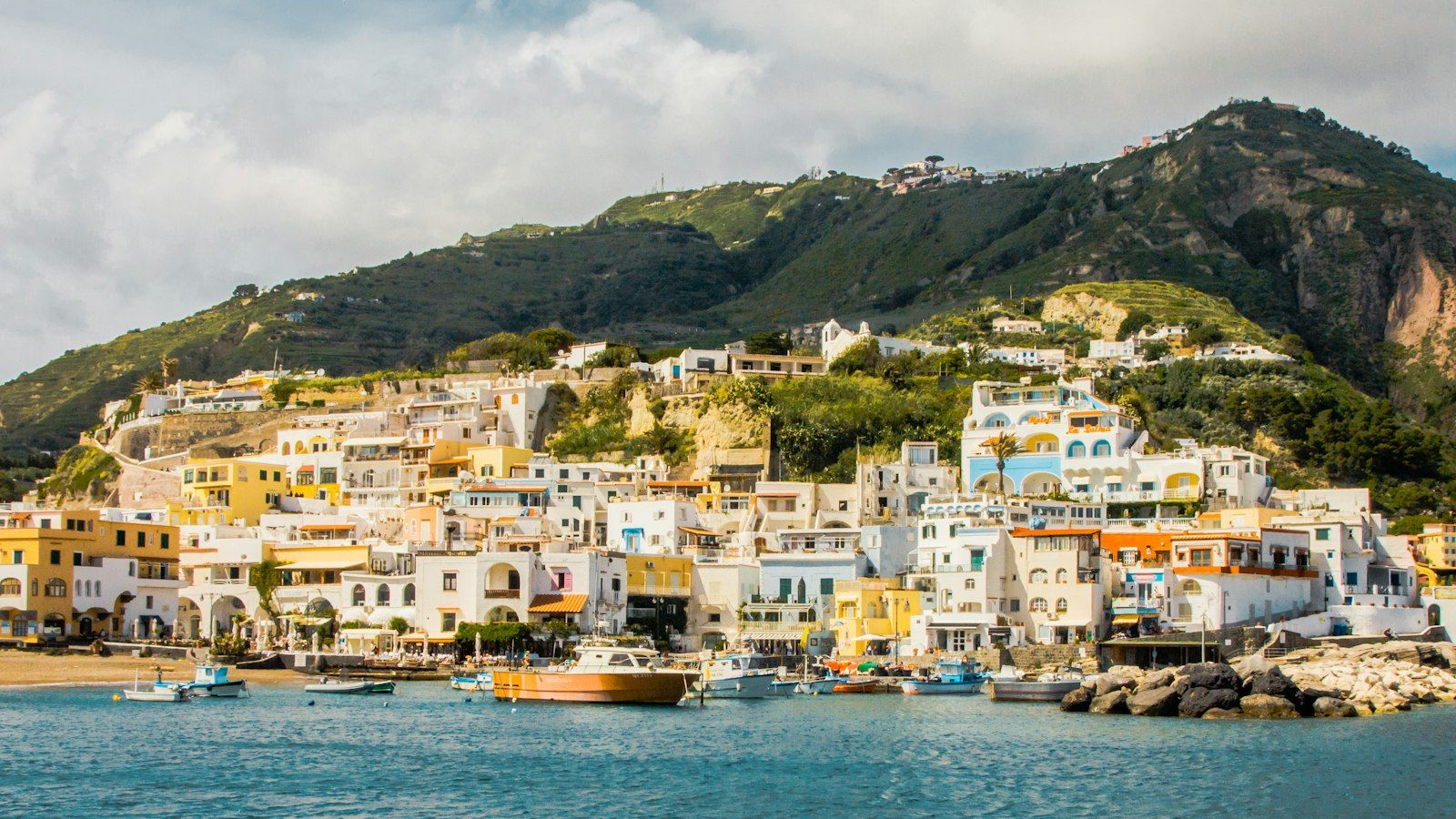
A volcanic island in the Gulf of Naples with hot springs, a castle on its own rock, vineyard hikes up Monte Epomeo and rabbit stew that takes all afternoon.
- Best time to visit: May to June and September to early October
- Daily budget (budget traveller): $80 to $240 USD
- Ideal trip length: 5 to 7 days
Ischia is the biggest island in the Gulf of Naples, at about 46 square kilometres, and it gets less hype than Capri. Most visitors are Italians and Germans who come back every year for the thermal water. The island is an old volcano. Hot springs come up all over it, in landscaped thermal parks, in rock pools at the sea's edge and in Roman-era baths at the foot of a cliff. Monte Epomeo rises to 789 metres in the middle, with green tufa paths, chestnut woods and a hermitage carved into the rock at the top. Each of the six towns has its own character. Ischia Porto is for shopping and ferries, Ischia Ponte sits below the Castello Aragonese, Forio has sunsets and wine bars, and Sant'Angelo is a car-free fishing village. A solo traveller can manage the whole island without a car. Buses circle the coast, water taxis reach the coves, and some of the best soaks, like Sorgeto bay, cost nothing at all. Go between May and early October, when the parks and gardens are open and the sea is warm.
Ischia is about 46 square kilometres of volcano in the Gulf of Naples, home to around 60,000 people in six comuni. Monte Epomeo stands in the middle at 789 metres, and the hot water under it has shaped the whole island. There are thermal parks with 20 pools, hotels with their own springs, and a free cove at Sorgeto where you sit in warm water while the sea comes in over the rocks. The island is cheaper and less polished than Capri. It does not suit a party crowd, but it does suit a solo traveller who wants a hike in the morning, a soak in the afternoon and a plate of rabbit for dinner. You will hear German and Neapolitan more than English, and that is part of the charm.
The easy plan is two bases. Spend your first nights in Ischia Porto or Ischia Ponte for the castle, the harbour bars and the main bus terminal, then move to Forio on the west coast for sunsets, the hostels, Poseidon and La Mortella. Getting there is simple. Hydrofoils from Naples' Molo Beverello take 50 to 60 minutes and cost about €22 to €25. Slower ferries from Calata Porta di Massa or Pozzuoli are cheaper. On the island, the EAV buses do the work, and water taxis from Sant'Angelo reach the beaches you cannot get to by road. Do not bother with a car.
Timing matters more than you might expect, because Ischia largely shuts down in winter. The thermal parks open from mid to late April until October. La Mortella opens only on Tuesdays, Thursdays, Saturdays and Sundays. The Castello closes for maintenance from early January to early March. In August, Italian holidaymakers fill the buses, beaches and ferries, and prices peak. Late May, June and September give you warm sea, open parks and space on the sand. In autumn, heavy rain can bring weather alerts, so keep an eye on the forecast and follow local advice.
Ischia itinerary
Hydrofoil to Ischia Porto, walk to Ischia Ponte
Morning: Get to Molo Beverello in Naples and take a hydrofoil to Ischia Porto (50-60 minutes, about €22-25). Drop your bags and buy a stack of bus tickets at a tabaccaio.
Afternoon: Walk Via Roma and Corso Vittoria Colonna to Ischia Ponte, about 30 minutes, stopping for a babà at Bar Calise. Swim at Spiaggia dei Pescatori.
Evening: Watch the castle light up from the beach, then have pizza and a glass of Biancolella along Via Luigi Mazzella.
Castello Aragonese and Cartaromana
Morning: Be at the castle gate at 9am (€15 in 2026). Take the lift up and give it 1.5 to 2 hours: the cathedral ruins, the nuns' cemetery and the olive terrace.
Afternoon: Walk down to Cartaromana bay for a swim near the warm springs by the Scogli di Sant'Anna. Lunch on a zingara.
Evening: Back in Ischia Porto, have an aperitivo by the round harbour and take an evening walk on Corso Vittoria Colonna.
Monte Epomeo summit
Morning: Take an early bus to Fontana (30-50 minutes). Walk about an hour up from the piazzetta through tufa gullies to the Hermitage of San Nicola and the summit. Bring water and grippy shoes.
Afternoon: Fit hikers can go down the west side on the CAI 501 path through the Bosco della Falanga to Santa Maria al Monte, allowing half a day. Otherwise, go back to Fontana for lunch.
Evening: Bus back to Ischia Porto. Rabbit dinner, then pack for Forio.
Move to Forio, La Mortella, Soccorso sunset
Morning: Bus to Forio (about 30-40 minutes) and drop your bags. La Mortella opens Tuesday, Thursday, Saturday and Sunday from 9am to 7pm (€15, gate only), so swap days if needed.
Afternoon: Swim at San Francesco beach below the garden, or walk over to Citara.
Evening: Watch the sunset from the Chiesa del Soccorso, then take a taxi up to Da Peppina di Renato for rabbit or pizza in the hills.
Thermal day at Giardini Poseidon
Morning: Arrive for the 9am opening (€50 full day in 2026, plus a €5 cash deposit). Start in the cooler pools and work up to the hot ones.
Afternoon: Take a long lunch at the park, then use the sauna and swim in the sea at Citara. Keep each hot soak to about 20 minutes and drink plenty of water.
Evening: Slow evening in Forio's centre. Have a glass of Pietratorcia or Casa D'Ambra wine in the piazza.
Sant'Angelo, Maronti and Sorgeto
Morning: Bus to Sant'Angelo and walk across the sandbar to the islet. Follow the path past the Fumarole to Maronti beach.
Afternoon: Soak at Cavascura's open-air baths at the end of Maronti, then take a water taxi back to Sant'Angelo for a late lunch of totani e patate.
Evening: Water taxi or bus to Panza, then walk down the long stairway to Baia di Sorgeto for a soak after sunset. Bring a torch for the climb back.
Day trip to Procida
Morning: Take a ferry or hydrofoil from Ischia Porto or Casamicciola to Procida (about 15-30 minutes, around €10). Walk up to Terra Murata for the view over Marina Corricella.
Afternoon: Walk down to the pastel houses of Corricella for lunch and a swim at Chiaia beach.
Evening: Ferry back to Ischia for a last rucolino, or carry on to Naples if you are flying out the next day. Check the last sailing.
Best neighbourhoods
- Ischia Porto: The main ferry port and bus terminal, built around a round harbour that was once a crater lake. Via Roma and Corso Vittoria Colonna have shops, cafés and the island's busiest evening walk. It is the most practical base for a short trip.
- Ischia Ponte: The old fishing quarter at the far end of the main street, linked by a stone causeway to the Castello Aragonese. Spiaggia dei Pescatori has the classic castle view, and Via Luigi Mazzella has trattorias and slower evenings.
- Forio: The largest town on the west coast, with the white Chiesa del Soccorso on its headland, a lively centre of bars and wine shops, and quick access to Citara beach, Giardini Poseidon and La Mortella. It has the island's hostels and is the best base for sunsets.
- Lacco Ameno: A small, smart seafront town known for Il Fungo, a mushroom-shaped rock in the bay, and for the archaeological museum at Villa Arbusto. San Montano bay and the Negombo thermal park are a short walk over the hill.
- Sant'Angelo: A pedestrian fishing village on the south coast, joined to a rocky islet by a sandbar. It is the departure point for water taxis to Maronti beach, Cavascura and Sorgeto, and it is quieter after the day visitors leave.
Must-do experiences
- Explore the Castello Aragonese: Cross the causeway from Ischia Ponte and take the lift up to this fortified rock, then walk its paths past ruined churches, the Clarisse nuns' cemetery and terraces over the gulf. Allow 1.5 to 2 hours and arrive at 9am opening.
- Hike Monte Epomeo from Fontana: Take the bus to Fontana and walk about an hour up through vineyards and green tufa gullies to the Hermitage of San Nicola, cut into the rock just below the 789-metre summit, with views over the whole gulf.
- Spend a day at Giardini Poseidon: Ischia's biggest thermal park sits above Citara bay in Forio, with about 20 pools at different temperatures, a sauna in the rock and a beach. The ticket includes sunbeds, so make a full day of it.
- Walk the Giardini La Mortella: Lady Susana Walton and the landscape designer Russell Page built this subtropical garden in Forio for her husband, the composer William Walton. It has giant water lilies, a Temple of the Sun and spring and autumn chamber concerts. Check the opening days before you go.
- Soak in Baia di Sorgeto: Go down the long stairway from Panza, or take a water taxi from Sant'Angelo, to a rocky cove where hot springs mix with the sea. It is free, and it is best early in the morning or after sunset.
- Sant'Angelo, the Fumarole and Maronti: Walk from the car-free village to Spiaggia dei Maronti, the island's longest beach, where the sand steams in places. Stop at the Fumarole stretch on the way, then take a water taxi back.
- Sunset at the Chiesa del Soccorso: Join half of Forio on the headland by this whitewashed church as the sun drops into the sea, then walk into town for an aperitivo and pizza.
Hidden gems
- The Bosco della Falanga, a chestnut wood on Epomeo's western side with old tufa stone houses and wine cellars, reached on the CAI 501 path down towards Santa Maria al Monte above Forio
- Cavascura, a set of open-air thermal baths cut into a canyon wall at the end of Maronti beach, used since Roman times and still run in a refreshingly basic way
- Cartaromana bay below the Castello Aragonese, where warm water bubbles up near the Scogli di Sant'Anna rocks and the views of the castle are better than from the main beaches
- The Museo Archeologico di Pithecusae at Villa Arbusto in Lacco Ameno, home of Nestor's Cup, one of the oldest known pieces of Greek writing, from the first Greek colony in the western Mediterranean
- A tasting at the Pietratorcia winery in Forio, where you can try Biancolella and Forastera, the island's own white grapes, in cellars dug into the rock
Daily budget
- Accommodation: budget €30-55 / night (hostel dorm in Forio), mid-range €110-200 (B&B double or small hotel), splurge €400+ (Mezzatorre, Regina Isabella). Prices roughly double in August. Many hotels close from November to March. Each comune charges a nightly tourist tax, roughly €1.50 to €5 per person depending on the hotel category, so check whether it is included in your quote.
- Food: budget €25-40 / day (zingara, pizza, supermarket), mid-range €50-80 (trattoria lunch, sit-down dinner with wine), splurge €120+ (seafood terraces in Sant'Angelo, hotel restaurants). A wood-fired pizza is about €7-10 and a zingara about €5-8. Most restaurants add a coperto (cover charge) of €2-3. Rabbit at a hill trattoria is the best-value big meal.
- Transport: budget €5-10 / day (EAV day ticket), mid-range €25-60 (water taxis, a scooter day), splurge €100+ (taxis everywhere, private boat). Hydrofoils from Naples cost about €22-25 each way, slow ferries about €15-17, and the Caremar ferry from Pozzuoli about €11 (2026 fares). Ischia to Procida is about €10. Check live fares.
- Activities: budget €0-20 / day (Sorgeto, Epomeo, beaches, the Castello at €15), mid-range €50-70 (Poseidon at €50, La Mortella at €15), splurge €150+ (boat charter, spa treatments). Prices are for 2026. Poseidon also asks for a €5 cash wristband deposit, and its afternoon ticket from 1pm is €45. La Mortella tickets are sold only at the gate. Check next season's prices.
- Drinks & nightlife: budget €5-15 (Spritz or a glass of Biancolella), mid-range €25-40 (aperitivo plus a couple of drinks), splurge €80+ (cocktails at hotel terraces). Nightlife is an evening walk and a bar in a piazza, not clubbing. Forio and Ischia Porto stay busiest late. A local Biancolella by the glass is usually €5-8.
Where to stay
- Social hostel in Forio (€30-55 / night (dorm)): Ring Hostel in central Forio has a terrace, a bar with happy hour and a shared kitchen, close to the Soccorso and the beaches. Ostello Il Gabbiano, on the Forio to Panza road, has a pool and a bus stop outside and is near Poseidon. Both are seasonal, so check dates.
- Boutique hotel in Castello Aragonese, Ischia Ponte (€150-260 / night): Albergo Il Monastero sits inside the castle walls in a former convent, with terraces over the sea and the castle almost to yourself after closing time. It is open roughly spring to autumn, so check dates and book early.
- Apartment in Ischia Porto or Forio (€80-150 / night): A self-catering studio near the bus terminal or Forio's centre lets you cook your own pasta, shop at the markets and save on dinners. Weekly stays often get a discount in shoulder season.
- Splurge in Lacco Ameno and San Montano bay (€400-1,000+ / night): Mezzatorre Hotel & Thermal Spa sits in a watchtower on a pine-covered headland, while Regina Isabella in Lacco Ameno is a classic with its own thermal spa on the seafront.
What to eat
- Coniglio all'ischitana: rabbit slow-cooked in a terracotta pot with tomatoes, garlic, white wine, chilli and herbs, the island's signature dish, with the sauce often served first on bucatini
- La zingara: Ischia's toasted sandwich of ham, mozzarella, tomato, lettuce and mayonnaise, a cheap late-night favourite at bars across the island
- Totani e patate: squid cooked with potatoes, tomato and parsley, a filling fishermen's dish found in trattorias at Ischia Ponte and Sant'Angelo
- Biancolella and Forastera wines: crisp whites from grapes grown on terraces carved into Epomeo's slopes, sold by the glass in Forio's wine bars
- Rucolino: a dark, herbal digestivo made with wild rocket, served ice cold after dinner
- Pizza and Neapolitan pastries: proper wood-fired pizza from about €7 to €10, plus sfogliatelle and babà at old-school bars like Bar Calise in Ischia Porto
Day trips
- Procida (About 15-30 minutes by ferry or hydrofoil from Ischia Porto or Casamicciola): Ischia's small neighbour and Italy's Capital of Culture for 2022, with the pastel houses of Marina Corricella, the fortified old town of Terra Murata and quiet beaches like Chiaia. It is easy to walk and far less touristy than Capri. Caremar runs ferries (about €9.40) and hydrofoils (about €10.50) between Ischia and Procida, and other operators add sailings in summer. Check the last return sailing before you go.
- Naples (50-60 minutes by hydrofoil to Molo Beverello): Spend a day in the historic centre for Spaccanapoli, Neapolitan pizza, the Archaeological Museum and Castel Nuovo near the port. It also works well for your first or last night before a flight. Hydrofoils from Ischia Porto or Forio to Molo Beverello cost about €22-25 each way. Take an early boat out and confirm the time of the last return the day before.
- Capri (About 1 hour by seasonal hydrofoil, or via Naples): See the Faraglioni rocks, take the chairlift up Monte Solaro and walk the lanes of Anacapri. It is busy and expensive, but it makes an interesting contrast with Ischia. Direct Ischia to Capri hydrofoils run seasonally in summer, so check timetables. Otherwise, connect through Molo Beverello in Naples. Expect a long day, and budget more for food than on Ischia.
When to visit
- Spring (April - May): 17-24°C, mostly sunny, sea still cool at 17-19°C. Crowds: Moderate, busy at Easter and on the 25 April and 1 May holidays. Great for hiking Epomeo and for gardens in flower. The thermal parks reopen in mid to late April, so the hot pools make up for the cool sea.
- Early summer (June): 24-29°C, dry, sea warming to 22-24°C. Crowds: Moderate, building towards July. The sweet spot. Long days, warm water, everything open and prices below August levels. The Festa di San Vito livens up Forio mid-month.
- Peak summer (July - August): 28-32°C, hot and humid, sea around 25-26°C. Crowds: Very heavy, especially in mid-August around Ferragosto. Fun, loud and expensive. Book beds and ferries early, hike only at dawn, and expect packed buses. Night buses run on the main loops, and the Festa di Sant'Anna lights up Ischia Ponte on 26 July.
- Autumn and winter (September - March): September 24-28°C and warm sea; November to March 10-16°C with rain. Crowds: Light in September, very quiet in winter. September and early October are the locals' pick. From November, many hotels, the thermal parks and La Mortella close, and the Castello shuts from 7 January to early March. Winter suits a slow, rainy hotel-spa stay rather than island hopping.
Entry rules for your passport
Visa rules for Italy depend on the passport you travel on. Check the official source before you book: European Commission: Schengen visa policy
Getting there
The nearest airport is Naples Capodichino (NAP), with flights across Europe and some long-haul links. From the airport, the Alibus shuttle (about €5, check the current fare) or a fixed-fare taxi (roughly €20-25) gets you to the port. Hydrofoils from Molo Beverello take 50 to 60 minutes to Ischia Porto, Casamicciola or Forio, at about €22-25. Car ferries from Calata Porta di Massa take around 1 hour 30 minutes and cost from about €15-17. Alilauro, SNAV, Caremar and Medmar run the route all year, with more departures from April to October. From Pozzuoli, closer to the Campi Flegrei, Caremar and Medmar ferries are cheaper, about €11 with Caremar in 2026. Book ahead for summer weekends and August, and check whether your boat docks at Ischia Porto, Casamicciola or Forio. Non-EU visitors should expect EES fingerprinting and a face scan on first entry to the Schengen Area, and should check whether ETIAS has started before flying.
Border checks: non-EU visitors (other than Swiss, Norwegian, Icelandic, Liechtenstein, Andorran, Monegasque, San Marinese and Vatican citizens, and holders of an EU residence permit or long-stay visa) are registered in the EU's Entry/Exit System (EES) instead of getting a passport stamp. On your first crossing, officers take your photo and/or fingerprints, so allow extra time at passport control. ETIAS, the planned travel authorisation, is not in operation yet, so don't pay any website for one.
Getting around
Public buses run by EAV are the backbone of the island. Two main loop lines, CS and CD, circle the whole coast in opposite directions from the terminal at Piazza Trieste e Trento in Ischia Porto, and numbered lines reach the hill villages. A visitor's single ticket is around €1.70 if you buy it at a tabaccaio or newsstand, it costs more on board, and a day ticket is about €5. Fares changed in June 2026, so check EAV before you travel. Buses run frequently from early morning until around midnight, with night services on the main loops in July and August, but they get packed in August. Taxis and three-wheeled microtaxis wait at the ports and main squares. Fares can jump when you cross from one comune to another, so agree a price first. Scooter hire costs about €30 to €50 a day, but the roads are narrow and busy. Non-residents' cars face seasonal restrictions, so you are better off without one. Water taxis from Sant'Angelo serve Maronti, Cavascura and Sorgeto, and boats from Ischia Porto run round-the-island tours.
Safety
Ischia is very safe for solo travellers, and violent crime against visitors is rare. Take the usual care with bags on crowded summer buses and around the ferry terminals in Naples, especially Molo Beverello and the station. The roads are the biggest daily risk. Many have no pavement, and scooters overtake on blind bends, so walk facing the traffic and wear something visible after dark. Hot springs need respect. Some of the pools at Sorgeto and Cavascura are scalding, so test the water before you get in. Keep thermal soaks to about 20 minutes at a time, drink plenty of water, and ask a doctor first if you have a heart condition or are pregnant. The Sorgeto stairway is long and poorly lit, so bring a torch at night. Ischia is volcanic and has a history of landslides and earthquakes, including the 2017 quake and the November 2022 landslide in Casamicciola. During heavy autumn rain, follow civil protection weather alerts and local instructions. On the mainland, the Campi Flegrei area around Pozzuoli has frequent small earth tremors, so keep an eye on local news if you use that port.
Solo travel tips
- Base yourself in Forio for company: Forio has the island's hostels, the busiest bar scene and a crowd that gathers every evening at the Chiesa del Soccorso for sunset. Ischia Porto is handier for ferries, but you will meet people faster on the west coast.
- Buy bus tickets in bulk: Tickets cost more on board, and tabaccai close at lunchtime and on Sunday afternoons. Buy several at once, or a day ticket if you plan three or more rides. In August, board at the terminal in Ischia Porto to get a seat.
- Check opening days before planning: La Mortella opens only four days a week, the thermal parks close at the end of October, and La Mortella's chamber concerts run at weekends. Plan those days first and fit beaches around them.
- Use water taxis like buses: The boatmen at Sant'Angelo run shared trips to Maronti, Cavascura and Sorgeto. Going solo is fine, because you share the boat with others. Ask the return time and carry cash.
- Safety for solo travellers: Ischia is very safe, including for women alone. The real risks are scooters on narrow roads, scalding spring water and slippery tufa paths. Walk facing traffic, test the water with your hand first, and avoid isolated stairways late at night.
- Find your people on the trail: Guided Epomeo walks, round-the-island boat tours from Ischia Porto and the hostel's pool are all easy ways to meet other travellers. Wine tastings in Forio's cellars are another good way to start a conversation.
Cultural etiquette
- Greet people with 'Buongiorno' before 2pm and 'Buonasera' after, in shops, bars and buses. A 'grazie' goes a long way.
- Cover your shoulders and knees in churches, including the Soccorso and the castle chapels, and keep swimwear for the beach.
- Lunch runs from about 1pm to 3pm and dinner rarely starts before 8pm. Many shops close from 1pm to 4 or 5pm.
- Coffee is drunk standing at the bar and paid for at the till first. Cappuccino is a morning drink, but nobody will refuse you one later.
- A coperto (cover charge) of €2-3 is normal on the bill and is not a scam. Tipping on top is optional.
- Thermal parks have rules. Shower before the pools, wear flip-flops, keep quiet in the relaxation areas, and do not take children under 12 into the hot pools.
- Keep noise down in the villages at night, and do not swim in the harbours or climb on fishing boats.
Frequently asked questions
How do I get from Naples airport to Ischia?
From Naples Capodichino airport, take the Alibus shuttle (about €5, check the current fare) or a fixed-fare taxi (roughly €20 to €25) to the port. Hydrofoils leave from Molo Beverello and take 50 to 60 minutes to Ischia Porto, Casamicciola or Forio. Slower car ferries leave from Calata Porta di Massa next door and take around 1 hour 30 minutes. Alilauro, SNAV, Caremar and Medmar all run the route. The 2026 hydrofoil fares were about €22 to €25, and slower ferries were about €15 to €17.
How many days do I need in Ischia?
Five to seven days lets you see the castle, hike Epomeo, spend a full day at a thermal park, explore Sant'Angelo and Sorgeto, and fit in a day trip to Procida. With three days, base yourself in Ischia Porto or Forio and focus on the castle, Epomeo and one thermal soak.
When is the best time to visit Ischia?
May to June and September to early October are best. The sea is warm, the thermal parks and gardens are open, and the August crowds and prices are gone. In 2026, Giardini Poseidon opened from 18 April to 31 October and La Mortella from 2 April to 1 November. Between November and March, many hotels and restaurants close, the thermal parks shut and the Castello closes for maintenance from 7 January to early March.
Are the thermal parks worth the money?
For one day, yes. A full day at Giardini Poseidon cost €50 in 2026 (€45 from 1pm), plus a €5 cash deposit for the wristband, and includes all the pools, the sauna, the beach and sunbeds. Negombo in Lacco Ameno is smaller and more design-led, and costs more in high season. On a tight budget, the hot water at Sorgeto bay is free. Check next season's prices before you go.
Do I need a car on Ischia?
No. The EAV buses circle the island and reach the hill villages, and water taxis cover the coves. Roads are narrow and congested, parking is scarce, and non-residents' cars face seasonal restrictions, so a car is more hassle than help. A scooter for a day is an option if you are an experienced rider.
Can I use cards everywhere on Ischia?
Cards and contactless work in most hotels, restaurants, supermarkets and thermal parks. Carry cash in euros for bus tickets bought on board, water taxis, small bars, the Poseidon wristband deposit and some guesthouses. ATMs are easy to find in Ischia Porto, Forio and Lacco Ameno. There are fewer in Sant'Angelo and Fontana.
Is Ischia safe for solo female travellers?
Yes. Ischia is relaxed and family-oriented, and women travelling alone rarely have problems. Usual precautions apply. Use a licensed taxi late at night rather than walking unlit roads, keep an eye on your drink in bars, and avoid the Sorgeto stairway alone after dark unless other people are around.
What entry rules apply to travellers visiting Italy in 2026?
Italy is in the Schengen Area. Non-EU visitors from visa-exempt countries can usually stay up to 90 days in any 180-day period. The EU Entry/Exit System has been fully running since April 2026, so expect fingerprints and a face scan at your first Schengen border. ETIAS, a €20 online travel authorisation, is due to start in late 2026, but no launch date had been announced in early November 2026. Rules can change, so always confirm on the official EU and Italian government websites and with your own government's travel advice before you book.
More about Ischia
Tours and activities in Ischia | Ischia in 2 days | Ischia in 3 days | Ischia in 4 days | Ischia in 5 days | Ischia in 7 days
Can't decide? Compare Ischia with...
Joy Plus home | Destinations | Itineraries | Activities | Flights | Budget planner | Calendar | Map | Blog | Lifetime access