Destinations / Europe
Isle of Mull, Scotland travel guide
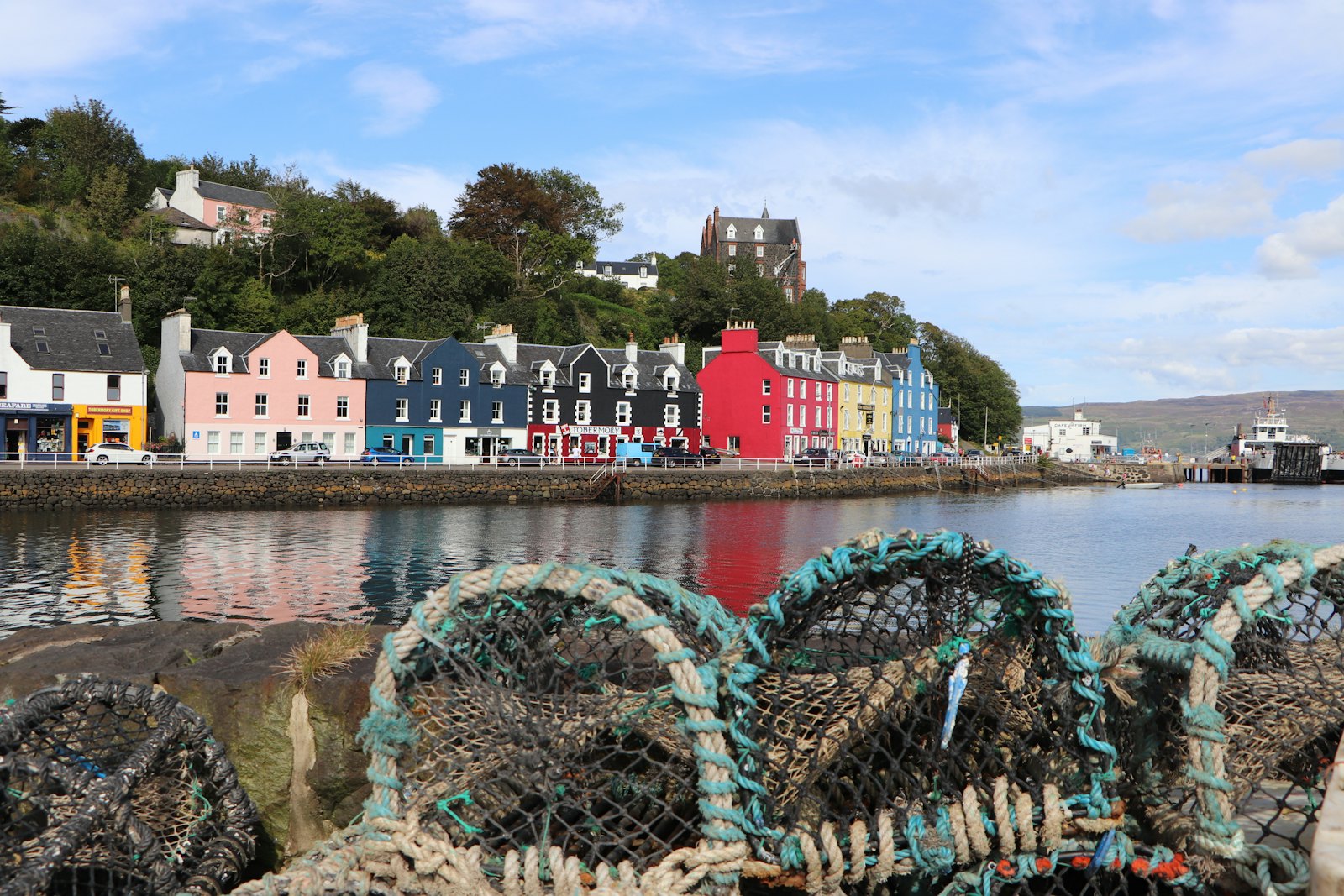
A big, quiet Hebridean island with a painted harbour town, a clifftop clan castle, white-tailed eagles overhead, and boat trips to Staffa's basalt cave and the puffins of Lunga.
- Best time to visit: May to September
- Daily budget (budget traveller): $90 to $445 USD
- Ideal trip length: 4 to 7 days
Mull is the second largest island in the Inner Hebrides and sits about 45 to 50 minutes by ferry from Oban. Around 3,000 people live here, spread across moorland, sea lochs and single-track roads. Most of them live in and around Tobermory, the main town, with its row of painted houses along the harbour. People come for wildlife. White-tailed and golden eagles, otters, seals, and minke whales in summer all turn up here, and from late April to early August boats land you on Lunga to sit a few feet from nesting puffins. The same trips stop at Staffa for Fingal's Cave. In the far southwest, a ten-minute ferry from Fionnphort takes you to Iona and its abbey, one of the oldest Christian sites in Scotland. Mull is bigger than it looks on a map. Driving from Tobermory to Fionnphort takes well over an hour, buses are thin and there are no big resorts. A hostel bed in Tobermory, buses that meet the ferries and one good boat trip still make it a manageable trip for a solo traveller. Bring waterproofs and expect to slow down.
Mull covers about 875 square kilometres of moor, mountain and sea loch, with Ben More rising to 966m in the middle. About 3,000 people live here, many of them in Tobermory, a harbour town with brightly painted houses. The island is known for its wildlife. White-tailed eagles nest here, otters work the shores of Loch na Keal and minke whales feed offshore in summer. Most visitors also take a boat to Staffa, a small island of basalt columns with Fingal's Cave, and on to Lunga, where puffins nest in the grass from late April to early August. Iona, reached by a short ferry from Fionnphort, adds an abbey and white beaches. Mull is not a party island, and it is not cheap in summer. Still, the Tobermory hostel, buses that meet the ferries, fish and chips on the pier and free coastal walks make it workable on a budget.
Getting here is easy. Take the train or coach from Glasgow to Oban, then the CalMac ferry to Craignure, which takes 45 to 50 minutes. The winter 2026/27 foot fare is £4.90 single. Book even as a foot passenger, because CalMac asks everyone to hold a ticket before travel. From Craignure, buses run north to Tobermory and southwest to Fionnphort. Without a car, base yourself in Tobermory. If Iona and the Fionnphort boats are your main reason for coming, add a night or two on the Ross of Mull. Book your Staffa and Lunga trip early in your stay so you have a spare day if the swell cancels the landing.
Timing matters. May to early June often brings the driest weather, long evenings and puffins without peak crowds. July and August are busiest, with whale season in full swing and midges at their worst. September is calmer and still mild, though the puffins have gone. From November to March, Duart Castle and the Tobermory hostel close, buses thin out and the days are short. Mull is safe and friendly, and English is spoken everywhere, with Gaelic on road signs and place names. Bring waterproofs, binoculars and patience for single-track roads.
Isle of Mull itinerary
Ferry to Craignure and Duart Castle
Morning: Take an early train or coach to Oban, then the CalMac ferry to Craignure, which takes about 50 minutes. Sit on the left for views of Duart Castle as you come in.
Afternoon: Visit Duart Castle, about 3 miles from the pier, by car or a pre-booked taxi. It is open daily from April to October, and adult entry is about £13. Climb the battlements, then have tea in the tearoom.
Evening: Catch a 95/495 bus to Tobermory, which takes about 45 to 55 minutes. Check in at the youth hostel on Main Street and eat fish and chips on the harbour wall.
Tobermory and Aros Park
Morning: Walk the shore path to the Rubha nan Gall lighthouse and back, less than an hour, then have coffee on Main Street.
Afternoon: Follow the path south to Aros Park for the waterfalls and the lochan. Back in town, book a tour at Tobermory Distillery and try both the Tobermory and the smoky Ledaig.
Evening: Dinner at Café Fish above the pier, booked ahead in summer. Then a pint at the Mishnish if there is live music.
Whales, Glengorm and Calgary Bay
Morning: Take a morning wildlife boat from Tobermory harbour with Sea Life Surveys, looking for minke whales, dolphins and seabirds in summer. Pick a trip length that suits your budget.
Afternoon: Drive or take a taxi out to Glengorm for estate walks and lunch at the coffee shop, then on to Calgary Bay for the white sand.
Evening: Stop at Dervaig on the way back if you are driving. Otherwise cook in the hostel kitchen and check tomorrow's boat is running.
Staffa and the puffins of Lunga
Morning: Get to Ulva Ferry for the Turus Mara sailing at 11:40, about £85 per adult from April to July. Ask when you book about transport from Tobermory or Salen if you have no car.
Afternoon: About two hours ashore on Lunga with the puffins, then an hour on Staffa to walk the columns to Fingal's Cave. Bring lunch, layers and a waterproof.
Evening: Back at Ulva Ferry around 5.45pm. Return to Tobermory for a pub dinner and an early night.
Ulva or Ben More
Morning: If the weather is clear, climb Ben More from Dhiseig on Loch na Keal and allow about six hours. If it is not, cross to Ulva on the small foot ferry from Ulva Ferry.
Afternoon: On Ulva, walk the waymarked tracks and stop at The Boathouse café. On the drive back along Loch na Keal, look for eagles and otters.
Evening: Self-cater with Isle of Mull Cheddar and oatcakes from the Co-op to give your budget a rest. Pack for the south of the island.
The Ross of Mull and Iona
Morning: Bus or drive to Craignure, then take the 96/496 to Fionnphort, about 70 to 80 minutes past Loch Scridain and Bunessan. Check in to your B&B or campsite near Fionnphort.
Afternoon: Take the foot ferry to Iona. Visit the abbey (£10 online, £11 on the door) and the free nunnery ruins, then walk north to the white beaches.
Evening: Stay on Iona for sunset if the ferry times allow. Dinner in Fionnphort or at Martyrs Bay on Iona.
Fidden beach and sail home
Morning: Walk to Fidden beach for pink granite and views of Erraid. Alternatively, go back to Iona for the early quiet and the abbey service.
Afternoon: Catch the bus back to Craignure, timed for a ferry with a buffer, because buses are few. Have tea at Craignure while you wait.
Evening: Sail to Oban and connect onwards by train or coach. Stay a night in Oban if the last train has gone.
Best neighbourhoods
- Tobermory: The main town and the best base without a car. It has the painted Main Street harbour front, the youth hostel, the distillery, Café Fish, pubs, a Co-op and most cash machines. Buses to Craignure leave from Ledaig car park, and whale-watching boats leave from the harbour.
- Craignure: The main ferry port on the east coast. It is a small, practical place with the Craignure Inn, the Isle of Mull Hotel & Spa, a campsite and the bus stops for Tobermory and Fionnphort. Duart Castle is about 3 miles south. Stay here for a night if you arrive late or leave early.
- Fionnphort and the Ross of Mull: The long southwestern arm of Mull, ending at the Iona ferry slip. It has pink granite, white beaches such as Fidden and small villages like Bunessan. Stay here if Iona and the Staffa boats from Fionnphort are your priority, as it saves a long round trip.
- Dervaig and Calgary: Quiet west-coast country north of Loch Tuath. Dervaig is a small village with a pub, and Calgary Bay is the island's best-known white beach. It is lovely and peaceful, but you really need a car or bike here.
- Salen and Loch na Keal: Salen sits in the middle of the island on the main Craignure to Tobermory road. From there a road runs west along Loch na Keal to Ulva Ferry and the foot of Ben More. It is a handy central base for drivers and walkers, and a good stretch for spotting eagles and otters.
Must-do experiences
- Land on Staffa and sit with the puffins on Lunga: Turus Mara sails from Ulva Ferry and lists about £85 per adult for its April to July trip, with roughly an hour on Staffa and two on Lunga. Staffa Tours runs similar trips from Fionnphort, Iona and Tobermory. Puffins leave in early to mid August.
- Walk Tobermory's harbour and Aros Park: Wander Main Street's painted houses, then take the shore path south to Aros Park for woodland, a lochan and waterfalls. It is free, mostly easy, and a good first afternoon after the ferry.
- Visit Duart Castle: The Maclean clan seat stands on a headland near Craignure, looking out over the Sound of Mull. For 2026 it opened from 1 April into October, and adult entry is around £13. Climb up to the battlements for the view.
- Cross to Iona: Take the 10-minute foot ferry from Fionnphort. Iona Abbey costs £10 online or £11 on the door for adults, while the nunnery ruins are free. Stay late to see the island once the day-trippers leave.
- Go looking for eagles and otters: Loch na Keal and the shores around Ulva Ferry are good places for white-tailed eagles and otters. Go early, drive or cycle slowly and use passing places to stop. Bring binoculars if you have them.
- Spend a day at Calgary Bay: Calgary Bay is a curve of white sand and clear, cold water on the northwest coast. Combine it with a walk around Glengorm's estate trails and a stop at its coffee shop.
- Climb Ben More: Mull's only Munro is 966m high, and the usual route starts from Dhiseig on Loch na Keal. Allow six hours or so. Go only in a clear weather window, with proper boots, a map and a waterproof.
Hidden gems
- The shore path from Tobermory to the Rubha nan Gall lighthouse, an easy walk of under an hour return with views up the Sound of Mull
- Lochbuie on the south coast, with a small stone circle in the fields and the ruined Moy Castle by the shore
- Fidden beach just south of Fionnphort, where pink granite and white sand look across to the tidal island of Erraid
- The Glass Barn café at Isle of Mull Cheese near Tobermory, where you can eat beside the farm that makes the island's cheddar
- Carsaig Arches on the south coast, a long, rough coastal walk to sea arches that is only for confident walkers in dry weather
Daily budget
- Accommodation: budget £25-45 / night (hostel dorm or campsite pitch), mid-range £90-150 (guest house or B&B single), splurge £220+ (castle room or top hotel). Tobermory Youth Hostel is the only hostel and closes in winter. Summer books up months ahead. Many B&Bs charge close to the double rate for solo guests, so ask about single rates.
- Food: budget £20-35 / day (hostel kitchen, Co-op, chips on the pier), mid-range £45-70 (café lunch and pub dinner), splurge £90+ (seafood dinner and wine). Shops are mainly in Tobermory, Craignure and Bunessan. Pub mains run roughly £16-25 and seafood more. Many kitchens stop serving by 8.30pm, so book dinner in summer.
- Transport: budget £5-15 / day (buses and foot ferries), mid-range £50-80 (hire car from Oban plus fuel), splurge £120+ (taxis and private tours). The Oban to Craignure foot fare is £4.90 single, and a car is £18.20 plus the driver. Fuel on the island costs more than on the mainland. Taxis are few and must be booked.
- Activities: budget £0-15 / day (walks, beaches, Iona nunnery), mid-range £85-100 (Staffa and Lunga boat trip), splurge £150+ (private wildlife guide or several boat days). Turus Mara lists £85 per adult for Staffa and Lunga. Staffa Tours lists £85 from Fionnphort and Iona, and from about £60 for shorter trips. Iona Abbey is £10 online, and Duart Castle is about £13.
- Drinks & nightlife: budget £5-12 (a pint in a pub), mid-range £25-45 (pub evening with live music), splurge £60+ (whisky tasting and dinner drinks). Nightlife means pubs such as the Mishnish in Tobermory and occasional folk sessions. A pint is about £5-6.50. Mull Theatre and An Tobar run shows and events.
Where to stay
- Social hostel in Tobermory (£25-45 / night): Tobermory Youth Hostel, run by Hostelling Scotland, is in one of the painted harbour houses on Main Street. It has dorms, private rooms and a big self-catering kitchen. It closes in winter.
- Boutique hotel in Tobermory (£110-200 / night): The Tobermory Hotel is a small hotel on the waterfront, in the row of painted houses, with a restaurant downstairs. You can walk to the boats and pubs.
- Apartment in Salen, Dervaig or the Ross of Mull (£80-150 / night): Self-catering cottages and flats are common across the island and suit longer stays with a car. Many take week-long bookings in summer, so look for short-stay options in spring and autumn.
- Splurge in Glengorm, near Tobermory (£220-400+ / night): Glengorm Castle sits on its own estate on the north coast, with castle rooms and cottages, sea views towards the outer isles, and estate walks and a coffee shop on the doorstep.
What to eat
- Hand-dived scallops and langoustines from the Sound of Mull, served at Café Fish above Tobermory's pier
- Isle of Mull Cheddar: a sharp, crumbly farmhouse cheese made at Sgriob-ruadh farm near Tobermory
- Tobermory and Ledaig single malts from Tobermory Distillery on the harbour, one unpeated and one smoky
- Fish and chips eaten on the harbour wall in Tobermory, the cheapest good meal on the island
- Mull venison and hill lamb, often on the menu at pubs and hotels across the island
- Cullen skink, a smoked haddock and potato soup, ideal after a wet day on a boat
Day trips
- Staffa and the Treshnish Isles (Lunga) (About 3 to 6 hours by boat from Ulva Ferry, Fionnphort, Iona or Tobermory): Staffa's basalt columns lead to Fingal's Cave. Lunga, the largest of the Treshnish Isles, has puffins, razorbills and guillemots nesting at close range from late April to early August. Turus Mara sails from Ulva Ferry at 11:40, about £85 per adult from April to July. Staffa Tours runs from Fionnphort and Iona (about £85 for six hours) and from Tobermory (from about £90). Shorter Staffa-only trips start from about £60.
- Iona (About 10 minutes by foot ferry from Fionnphort): A small island with Iona Abbey, the medieval nunnery ruins, white beaches and clear green water. It feels very different once the day-trippers have gone. Take the 96/496 bus from Craignure to Fionnphort (about 70 to 80 minutes), then the CalMac foot ferry. Visitor cars are not allowed. The abbey costs £10 online or £11 in person.
- Ulva (A few minutes by small foot ferry from Ulva Ferry): A nearly empty island with woodland tracks, coastal walks and wildlife, plus The Boathouse café near the jetty. It makes a quiet half day near Loch na Keal. Drive or get a lift to Ulva Ferry, then take the small passenger boat across. It runs in season, so check times locally before you set off.
When to visit
- Spring (April - May): 8-15°C, often the driest spell, cool winds. Crowds: Low to moderate, busier at Easter. The puffins arrive and the boat trips restart, and there are few midges. Late May is a strong pick for walkers and wildlife.
- Summer (June - August): 13-19°C, long days, showers and mild humidity. Crowds: Busy, especially in late July and August. Peak season for whales and boat trips, with puffins until early August. Book ferries, beds and boats well ahead, and pack midge repellent.
- Autumn (September - October): 9-15°C, more wind and rain, golden bracken. Crowds: Moderate, falling away in October. Quieter roads, good light and rutting deer. Staffa trips run but the puffins have gone, and Duart closes in October.
- Winter (November - March): 3-8°C, wet, windy and short days. Crowds: Very quiet. Peaceful and cheap, with good eagle watching. But the hostel, castle and many cafés close, boats mostly stop and ferries can be cancelled by storms.
Entry rules for your passport
Visa rules for the United Kingdom depend on the passport you travel on. Check the official source before you book: UK Visas and Immigration (GOV.UK)
Getting there
The usual route is by train or coach from Glasgow to Oban, which takes about three hours. ScotRail runs trains from Glasgow Queen Street, and Scottish Citylink runs coaches. Book ahead for cheaper fares. From Oban, CalMac sails to Craignure in 45 to 50 minutes, with several sailings a day and more in summer. For winter 2026/27 the adult foot fare is £4.90 single, £9.80 return, and a car is £18.20 single plus the driver. Everyone must hold a ticket before travel. Check-in closes 30 minutes before departure for vehicles and 10 minutes for foot passengers. The route's ferry has had problems with its passenger access system at Craignure, so allow extra time for onward connections. There are smaller crossings from Lochaline to Fishnish and from Kilchoan to Tobermory. The nearest airports are Glasgow and Edinburgh. If you only have a day, organised tours from Oban cover Mull and Iona, or Staffa, in one long trip.
Getting around
A car gives you the most freedom, but most roads are single track with passing places. Pull in to let others pass, never park in a passing place and allow far longer than the mileage suggests. Hire a car in Oban and bring it over, because there is very little hire on the island. Without a car, West Coast Motors runs the 95/495 between Craignure and Tobermory, which takes about 45 to 55 minutes and meets most ferries, and the 96/496 between Craignure and Fionnphort for Iona, which takes about 70 to 80 minutes and runs a few times a day. Sunday services are reduced. Check current timetables, because the last bus can leave early. A bus pass or single fares are cheap compared with taxis, and the few local taxis need booking ahead. Cycling is lovely but hilly and wet, and bikes travel free on CalMac. Many boat trips include a pickup or link to a bus, so ask when you book. Iona is car-free for visitors, so you walk there.
Safety
Mull is very safe, and crime against visitors is rare. The real risks come from the weather, the roads and the outdoors. Single-track roads are narrow, with blind summits and sheep, so drive slowly and use passing places. Weather on the hills changes fast. Do not attempt Ben More in cloud or wind unless you are experienced, and carry a map rather than relying on phone signal, which is patchy in the south and west. Sea water is cold all year, and currents can be strong off beaches and around Staffa, so swim close to shore and follow boat crews' instructions on landings. Ticks are common in bracken and long grass, so check yourself every evening. Midges bite on still days from June to September. Mull and Iona Community Hospital is at Craignure, and serious cases go to the mainland. Tell someone your route before a long walk.
Solo travel tips
- Base yourself in Tobermory without a car: It has the hostel, the buses, the shops, the boat departures and places to eat within a short walk. You can be social in the evenings without driving a single-track road in the dark.
- Book ferries, beds and boats early: In summer, the hostel, B&Bs and Staffa trips sell out. Book your ferry online even as a foot passenger, and hold your boat trip before you lock in the rest.
- Leave a spare day for Staffa: Swell can stop landings on Staffa and Lunga. Book early in your stay so you can rebook, and never on your last day.
- Time everything around the buses: Buses meet most ferries, but services are few and Sundays are thin. Screenshot the timetables, check the last bus back and leave a gap before your ferry.
- Safety for solo travellers: The main risks are hill weather, cold water and narrow roads. Tell your host your walking route, carry a paper map, check for ticks and stay off Ben More in cloud.
- Use the boat trips to meet people: Long days on Staffa and Lunga trips and the hostel kitchen are where solo travellers meet others. Download offline maps too, as signal fades in the west and south.
Cultural etiquette
- Use passing places properly. Pull in on your left to let others pass, wait opposite one on your right, give a wave of thanks and never park in one.
- Scotland's outdoor access rights let you walk on most land, but follow the Scottish Outdoor Access Code. Close gates, keep dogs on a lead near livestock and leave no litter.
- Give wildlife space. Do not approach nesting birds, otters or seals, and stay on the paths on Lunga so you do not crush puffin burrows.
- Respect Iona's religious side. Keep your voice down in the abbey and churchyard, and dress modestly if you join a service.
- Wild camping is generally allowed, but popular beaches get pressure. Camp small, away from houses, and use proper campsites where they exist.
- Many places close early or shut on Sundays, and some only open in season. Book dinner in summer and phone ahead in winter.
- Gaelic appears on signs and place names. Locals appreciate it if you try to say names like Fionnphort (roughly 'FINN-a-fort') properly.
Frequently asked questions
How do I get to the Isle of Mull?
Most people take a train or coach from Glasgow to Oban, which takes about three hours, then the CalMac ferry to Craignure, which takes 45 to 50 minutes. For winter 2026/27 the adult foot fare is £4.90 single and a car is £18.20, plus the driver's fare. CalMac asks everyone to book online in advance, including foot passengers. There are also smaller crossings from Lochaline to Fishnish and from Kilchoan to Tobermory.
Can I see Mull without a car?
Yes, if you plan around the buses. The 95/495 links Craignure and Tobermory several times a day, and the 96/496 runs to Fionnphort for Iona. Base yourself in Tobermory, use boat trips with pickups or bus links, and accept that remote spots like Calgary Bay and Lochbuie are harder to reach. Sunday services are thin.
How many days do I need on Mull?
Four to five days covers Tobermory, a Staffa and Lunga trip, Iona and a spare day for the weather. A week lets you add a whale trip, Ulva, Ben More or a slow beach day. A day trip from Oban is possible on an organised tour, but it is very rushed.
When can I see puffins on Lunga?
Puffins nest on Lunga from late April until early or mid August. Turus Mara's main Staffa and Lunga trip runs from April to the end of July. For the best chance of time with the birds, go in late May, June or July, and book ahead in fine weather.
How much does it cost to visit Iona Abbey?
Historic Environment Scotland lists adult tickets at £10 online and £11 in person, with concessions at £8 online. Booking online is cheaper. The nunnery ruins and St Oran's Chapel can be seen without a ticket. The foot ferry from Fionnphort takes about 10 minutes and costs a few pounds.
Is Mull good for solo female travellers?
Yes, it is a very relaxed and safe place to travel alone. Locals are friendly, and the hostel and boat trips make it easy to meet people. The main precautions are practical ones: tell someone your walking route, carry a map and a charged phone, and avoid driving unfamiliar single-track roads late at night.
What about midges?
Highland midges are worst on still, damp evenings from June to September, especially near woods and water. Wind keeps them away, so coasts and boats are usually fine. Pack a repellent such as Smidge, a head net for walks, and long sleeves for evenings.
What entry rules apply to the UK in 2026?
Many visitors who do not need a visa now need a UK Electronic Travel Authorisation (ETA) before travelling. That includes travellers from the US, Canada, Australia and the EU. It costs around £16 and is applied for online or in the official app. Rules vary by nationality and can change, so check GOV.UK before you book.
Tours and activities in Isle of Mull | Isle of Mull in 2 days | Isle of Mull in 3 days | Isle of Mull in 4 days | Isle of Mull in 5 days | Isle of Mull in 7 days
Joy Plus home | Destinations | Itineraries | Activities | Flights | Budget planner | Calendar | Map | Blog | Lifetime access