Destinations / Europe
Isle of Skye, Scotland travel guide
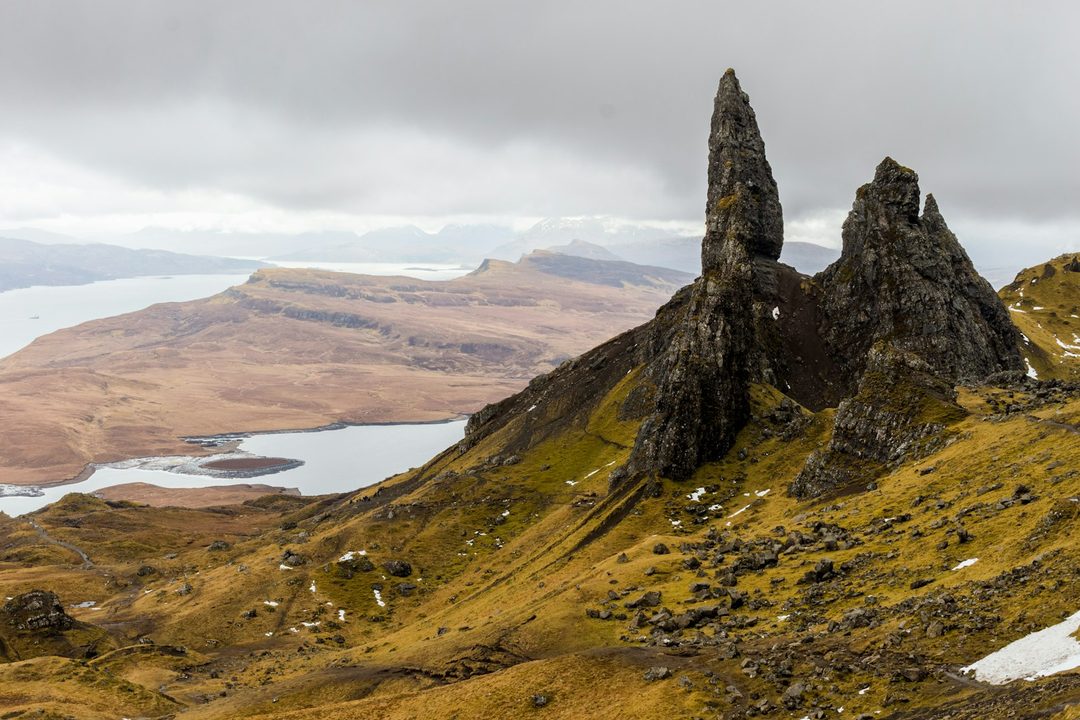
Scotland's dramatic island wilderness: jagged peaks, ancient castles, and sweeping coastal vistas.
- Best time to visit: May to September
- Daily budget (budget traveller): $90 to $205 USD
- Ideal trip length: 3 to 4 days
Anchored off the west coast of Scotland, the Isle of Skye is a masterpiece of dramatic landscapes and brooding weather. While Edinburgh charms with its historic streets, Skye is defined by its raw, untamed wilderness. From the jagged peaks of the Cuillin mountains to the otherworldly rock formations of the Trotternish Peninsula, the island offers some of the most spectacular scenery in the United Kingdom. Portree serves as the colourful and practical capital, providing a welcoming base with its pastel-painted harbour houses and cosy pubs. For the solo traveller, Skye is a deeply rewarding destination that demands a bit of logistical planning. Whether you hire a car to navigate the winding single-track roads or join a small group tour, the island promises an unforgettable immersion into Celtic history, rich folklore, and breathtaking natural beauty.
Anchored off the west coast of Scotland, the Isle of Skye is a masterpiece of dramatic landscapes and brooding weather. While Edinburgh charms with its historic streets, Skye is defined by its raw, untamed wilderness. From the jagged peaks of the Cuillin mountains to the otherworldly rock formations of the Trotternish Peninsula, the island offers some of the most spectacular scenery in the United Kingdom. Portree serves as the colourful and practical capital, providing a welcoming base with its pastel-painted harbour houses, bustling seafood restaurants, and cosy pubs.
For the solo traveller, Skye is an immensely rewarding destination that feels simultaneously ancient and thrillingly wild. The island attracts outdoor enthusiasts and photographers from around the globe, ensuring a friendly camaraderie on the hiking trails and in the hostel lounges. You can spend your morning hiking up to the iconic Old Man of Storr, enjoy a hearty lunch of cullen skink to warm your bones, and spend the afternoon exploring the ancestral halls of Dunvegan Castle. Evenings are best spent in a traditional pub, listening to live folk music with a dram of local single malt whisky in hand.
Beyond the immediate sights, visiting Skye requires a bit of logistical savvy. The island's popularity means that accommodation and dining reservations must be secured well in advance. Whether you choose to hire a car to navigate the winding single-track roads at your own pace, or opt for the stress-free camaraderie of a small-group tour departing from Portree, preparation is key. Armed with waterproof gear and a sense of adventure, Skye promises a deeply authentic and culturally rich Highland escape.
Isle of Skye itinerary
Arrival and Portree Harbour
Morning: Arrive in Portree, check into your accommodation, and stretch your legs with a walk down to the colourful harbour.
Afternoon: Browse the independent shops and galleries in the town centre, picking up any last-minute hiking supplies.
Evening: Enjoy a relaxed welcome dinner of fish and chips by the water, followed by a pint in a local pub.
The Trotternish Loop Part One
Morning: Drive or take the bus north to hike the Old Man of Storr. The uphill trek rewards you with incredible views over the Sound of Raasay.
Afternoon: Continue up the coast to view the dramatic Lealt Falls and the impressive Kilt Rock viewpoint, where a waterfall drops directly into the sea.
Evening: Return to Portree for a hearty dinner of haggis, neeps, and tatties.
The Trotternish Loop Part Two
Morning: Head to the northernmost tip of the island to hike the spectacular Quiraing, navigating its surreal landslip terrain.
Afternoon: On the way back down the western side of the loop, explore the mysterious, grassy mounds of the Fairy Glen near Uig.
Evening: Grab a casual dinner in Uig or head back to Portree to rest your legs.
Castles and Coral
Morning: Drive west to visit Dunvegan Castle, the ancestral home of Clan MacLeod, and explore its beautiful formal gardens.
Afternoon: Take the short drive and walk to the stunning Coral Beaches at Claigan, featuring crushed white shells and striking turquoise waters.
Evening: Dine at a traditional inn near Dunvegan, enjoying fresh local seafood.
Pools and Peat
Morning: Head to the Minginish Peninsula to walk among the crystal-clear Fairy Pools, set against the dramatic backdrop of the Black Cuillin.
Afternoon: Warm up afterwards with a guided tour and tasting at the nearby Talisker Distillery, learning about their peaty single malts.
Evening: Enjoy a quiet evening back in Portree, perhaps catching some live folk music.
The Edge of the World
Morning: Spend the morning exploring the dramatic coastal scenery around Glendale, taking in the rugged cliffs and sea views.
Afternoon: In the late afternoon, walk down the steep path to Neist Point Lighthouse to watch a spectacular sunset over the ocean.
Evening: Have a late dinner back at your base, reflecting on your Highland adventures.
Souvenirs and Departure
Morning: Enjoy a final hearty Scottish breakfast before browsing the shops in Portree for local crafts, tartan, or a bottle of island gin.
Afternoon: Pack your bags and begin your scenic journey back to the mainland, either by bus or driving over the Skye Bridge.
Evening: Arrive in Inverness or Glasgow for your onward travels.
Best neighbourhoods
- Portree: The bustling, colourful main town and transport hub, packed with seafood restaurants, pubs, and essential amenities.
- Trotternish Peninsula: The dramatic northern loop home to iconic geological wonders like the Old Man of Storr, the Quiraing, and the Fairy Glen.
- Minginish Peninsula: A rugged western region famous for the crystal-clear Fairy Pools, the towering Cuillin mountains, and the historic Talisker Distillery.
Must-do experiences
- Hike up to the Old Man of Storr: Climb the well-maintained path to stand beneath this iconic, towering basalt pinnacle overlooking the Sound of Raasay.
- Walk the Quiraing: Navigate this dramatic landslip terrain, offering some of the most surreal and sweeping photographic vistas in all of Scotland.
- Explore the Fairy Pools: Wander along the River Brittle to admire these crystal-clear, vividly blue rock pools set against the backdrop of the Black Cuillin.
- Visit Dunvegan Castle: Discover the ancestral home of Clan MacLeod, featuring beautiful formal gardens and fascinating Jacobite relics.
- Watch the sunset at Neist Point Lighthouse: Walk down the steep cliff path to the most westerly point of Skye for spectacular coastal views and potential whale sightings.
- Tour Talisker Distillery: Warm up with a guided tour and tasting at the oldest working whisky distillery on the Isle of Skye, known for its peaty single malts.
Hidden gems
- The secluded Coral Beaches near Claigan, made of sun-bleached maerl (coral-like seaweed) with striking turquoise waters
- The haunting ruins of Duntulm Castle perched precariously on a dramatic northern cliff edge
- The lesser-known Torabhaig Distillery in the south, offering a quieter, more intimate whisky tasting experience
- The mysterious, miniature grassy mounds and lochans of the Fairy Glen near Uig
Daily budget
- Accommodation: budget £25 to £45 / night (social hostel dorm in Portree), mid-range £90 to £160 (comfortable B&B or boutique hotel), splurge £200+ (luxury historic lodge with loch views). Skye is expensive and books up fast. Booking months in advance is essential to secure budget options.
- Food: budget £20 to £35 / day (bakery pastries, supermarket meal deals, pub lunch), mid-range £45 to £80 (sit-down seafood dinner, cafe lunches, and specialty coffee), splurge £120+ (multi-course tasting menus at renowned island restaurants). Portree has great bakeries for cheap breakfast bites before hitting the trails.
- Transport: budget £10 to £20 / day (local Stagecoach bus fares), mid-range £50 to £80 (daily car hire rate plus fuel), splurge £100+ (private guided driver tours). Hiring a car is the biggest expense but offers invaluable freedom. Book automatic cars early if you cannot drive a manual.
- Activities: budget £0 to £15 (free hikes, £8 parking at Fairy Pools, small castle entry fees), mid-range £20 to £45 (distillery tours with tastings, Dunvegan Castle entry), splurge £70+ (half-day boat trips to Loch Coruisk or wildlife cruises). The best attractions on Skye are its natural landscapes, which are entirely free to explore.
- Drinks & nightlife: budget £5 to £10 (a pint of local ale or a supermarket cider), mid-range £20 to £40 (several pints in a Portree pub or a whisky flight), splurge £60+ (rare single malt whiskies at a premium hotel bar). Nightlife is low-key, revolving around cosy pubs, live traditional music, and storytelling.
Where to stay
- Social hostel in Portree (£25 to £45 / night): Centrally located with easy access to the bus station and pubs, offering clean dorms, drying rooms for wet gear, and a great atmosphere for meeting other solo hikers.
- Boutique hotel in Portree Harbour (£100 to £160 / night): Stylish, modern properties providing chic social spaces, fast Wi-Fi, and a lively bar perfect for solo travellers wanting a bit more comfort after a long hike.
- B&B / Guesthouse in Broadford or Uig (£80 to £130 / night): Traditional, family-run homes offering private rooms and a hearty cooked Scottish breakfast, ideal for independent travellers with a rental car.
- Splurge in Sleat Peninsula (£200 to £350+ / night): Elegant historic hunting lodges and luxury hotels featuring roaring fires, loch views, and luxurious dining just steps from the water.
What to eat
- Cullen skink: a thick, comforting Scottish soup made of smoked haddock, potatoes, and onions, perfect after a wet hike
- Fresh langoustines: locally caught, sweet Scottish lobsters often served simply with garlic butter and crusty bread
- Haggis, neeps, and tatties: Scotland's national dish of savoury meat pudding served with mashed turnips and potatoes
- Cranachan: a traditional dessert layering whipped cream, whisky, honey, fresh raspberries, and toasted oatmeal
Day trips
- Isle of Raasay (25 minutes by ferry from Sconser): A tranquil, sparsely populated island boasting a fantastic new whisky distillery, incredible views back towards Skye, and peaceful woodland walks. Take the CalMac ferry from Sconser; you can easily walk to the distillery from the pier.
- Eilean Donan Castle (1 hour by car or bus): One of the most iconic and photographed castles in Scotland, situated on a small tidal island where three sea lochs meet. Drive back over the Skye Bridge to Dornie, or catch a Citylink bus heading towards Inverness.
- Plockton (1 hour by car): A picturesque, sheltered Highland village known as the Jewel of the Highlands, featuring palm trees, calm waters, and excellent seafood. Drive over the bridge and follow the scenic coastal road, or take the train from Kyle of Lochalsh.
When to visit
- Spring (April to May): 6 to 13°C, crisp and increasingly sunny, with blooming wildflowers. Crowds: Low to moderate, picking up in late May. A fantastic time to visit for clear hiking conditions and minimal midges.
- Summer (June to August): 11 to 16°C, mild and often overcast, with very long daylight hours. Crowds: High, with busy car parks and fully booked restaurants. The warmest season, but you must be prepared for the notorious Scottish midges and heavy tourist traffic.
- Autumn (September to October): 7 to 13°C, cooling rapidly with beautiful autumnal colours across the moors. Crowds: Moderate, tapering off into late October. Highly atmospheric for photography, offering a great balance of manageable crowds and decent weather.
- Winter (November to March): 2 to 7°C, cold, wet, and windy, with short daylight hours. Crowds: Very low, with many rural businesses and attractions closing for the season. Beautiful in a stark, moody way, but the harsh weather limits long outdoor hikes and sightseeing.
Entry rules for your passport
Visa rules for the United Kingdom depend on the passport you travel on. Check the official source before you book: UK Visas and Immigration (GOV.UK)
Getting there
The Isle of Skye is connected to the Scottish mainland by a free road bridge. Most international travellers fly into Edinburgh, Glasgow, or Inverness. From Inverness, you can hire a car and drive to Portree in about two and a half hours. If relying on public transport, Scottish Citylink operates direct bus services from Glasgow and Inverness to Portree, offering spectacular views along the way. Alternatively, you can take one of the world's most scenic train journeys from Inverness to Kyle of Lochalsh, and then catch a local bus over the bridge onto the island.
Getting around
Navigating Skye requires some planning. Hiring a car is the most efficient way to explore, giving you the freedom to tackle the single-track roads and reach remote trailheads early. If you do not drive, local Stagecoach buses (like the 57A and 57C) loop the Trotternish Peninsula, but services are infrequent and require careful timetable checking. For a stress-free solo experience, booking a small-group tour with companies like Rabbie's or Timberbush from Portree or Inverness is highly recommended. Taxis exist but are limited and must be booked well in advance.
Safety
Skye is exceptionally safe regarding crime, but the environment demands respect. The weather changes rapidly, so always pack waterproof layers and sturdy hiking boots. When driving, familiarise yourself with single-track road etiquette, using passing places to let oncoming traffic and faster vehicles pass. Midges (tiny biting insects) are notorious in the summer months, so pack a strong repellent like Smidge. Mobile phone signal drops frequently in remote areas, so download offline maps before setting out.
Solo travel tips
- Book your accommodation early: Skye has a severe shortage of beds during the summer. Secure your hostel or hotel at least four to six months in advance to avoid being stranded.
- Pack the Smidge: The Scottish midge is a tiny, biting insect that swarms during the summer months. Buy a bottle of Smidge repellent locally and consider a head net for hiking.
- Download offline maps: Mobile phone coverage is notoriously patchy outside of Portree. Download Google Maps for offline use so you never lose your way on the rural roads.
- Master the single-track road: If driving, learn how to use passing places. Always pull into the passing place on your left, or wait opposite one on your right, to let oncoming traffic pass.
- Layer your clothing: The weather on Skye can cycle through four seasons in a single hour. Dress in breathable layers and always carry a reliable waterproof jacket and trousers.
- Make dinner reservations: Even as a solo diner, you will struggle to find a walk-in table in Portree during peak season. Book your evening meals a few days in advance.
Cultural etiquette
- Always offer a friendly wave or a nod to drivers who pull over into passing places to let you through on single-track roads.
- Leave no trace when hiking. Take all your rubbish with you, stick to the marked paths to prevent erosion, and never light campfires on the moors.
- Tipping is appreciated but not aggressive. Leaving around 10 to 12 percent for good restaurant service is the standard norm.
- Embrace the pub culture. It is completely normal for solo travellers to sit at the bar, and locals are often very happy to strike up a conversation.
- Do not complain about the weather. The rain and wind are part of the authentic Highland experience, and locals prefer a stoic, humorous attitude towards it.
- Respect the Gaelic language. You will see bilingual signs everywhere; showing an interest in the local Celtic heritage is highly appreciated.
- Be mindful of livestock. Sheep roam freely across many of Skye's roads, so drive carefully and be prepared to stop suddenly.
Frequently asked questions
How do I get to Skye from Edinburgh or Glasgow?
You can drive via the scenic A82 and cross the Skye Bridge, which takes about five to six hours. Alternatively, take a Citylink bus directly to Portree, or a train to Inverness followed by a local bus.
Do I need a car to visit Skye?
While a car offers maximum flexibility, it is not strictly mandatory. You can base yourself in Portree and use local Stagecoach buses, or join guided day tours to see the major sights without the stress of driving.
When is the best time of year to visit?
May and September are ideal. You get long daylight hours and milder weather, but avoid the peak summer crowds of July and August, as well as the worst of the midges.
Are the Fairy Pools free to visit?
Yes, walking to the Fairy Pools is free. However, the dedicated car park operated by the local community trust charges a fee of £8 per car to fund path maintenance.
Is it safe to hike alone on Skye?
Yes, popular trails like the Storr and the Quiraing are well-trodden and safe for solo hikers. Always check the mountain weather forecast, stick to marked paths, and let your accommodation know your plans.
What is the primary language spoken?
English is the primary language. You will also see bilingual road signs in Scottish Gaelic, which is still spoken by a small percentage of the island's population.
How far in advance should I book accommodation?
Skye is incredibly popular and accommodation is limited. You should book your hostel or hotel at least four to six months in advance, especially if travelling between May and September.
What entry rules apply to travellers visiting the UK in 2026?
The UK has fully rolled out its Electronic Travel Authorisation (ETA) scheme. Non-visa nationals, including citizens of the US, Canada, Australia, and the EU, must apply for an ETA online before travelling. It costs £20 and is valid for multiple entries over two years.
Tours and activities in Isle of Skye | Isle of Skye in 2 days | Isle of Skye in 3 days | Isle of Skye in 4 days | Isle of Skye in 5 days | Isle of Skye in 7 days
Can't decide? Compare Isle of Skye with...
Joy Plus home | Destinations | Itineraries | Activities | Flights | Budget planner | Calendar | Map | Blog | Lifetime access