Destinations / Asia
Jaisalmer, India travel guide
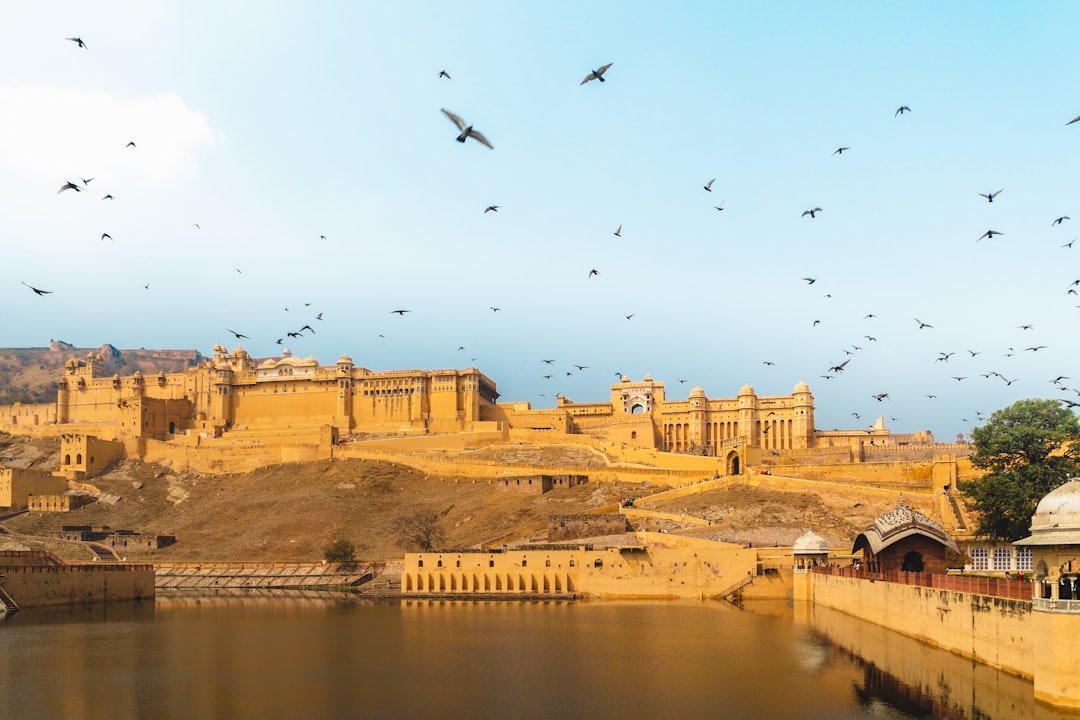
The Golden City: a living sandstone fort and camel camps in the Thar Desert.
- Best time to visit: November-February
- Daily budget (budget traveller): $25 to $80 USD
- Ideal trip length: 2 to 3 days
Jaisalmer is one of the very few forts in the world still lived in: several thousand people inside the walls, cows in the lanes, havelis carved like lace and the whole thing glowing amber at sunset. Beyond it, the Thar Desert runs to the Pakistan border, and a night on the Sam or Khuri dunes with a camel, a bonfire and a sky full of stars is the reason most people come. Two full days does the fort, the havelis and a desert night properly. Joy Plus splits city and dunes so neither feels rushed.
Jaisalmer is one of the very few forts in the world where people still live inside the walls. Rawal Jaisal built Sonar Qila in 1156 on Trikuta Hill, and 99 bastions of honey-coloured sandstone still wrap a living town: a few thousand people, a Jain temple cluster, guesthouses with rooftop kitchens, schoolkids dodging cows in the lanes. The stone changes colour with the day, from pale beige at noon to full amber at sunset, which is the whole 'Golden City' trick. Satyajit Ray filmed 'Sonar Kella' here in 1974, and the place has not changed much since.
Below the fort, the old trading town is where the real carving lives. Patwon-ki-Haveli, built from 1805 by the Patwa brothers, is five merchant mansions with stonework so fine it looks like lace, and Salim Singh ki Haveli and Nathmal-ki-Haveli sit a few lanes away. Past the walls, the Thar runs west toward the Pakistan border. A night out there, camel at dusk, folk musicians around a fire, a sky with a proper Milky Way, is the reason most people book the train. The whole old town is walkable. The dunes are 40km out and need a jeep.
Two full days covers the fort, Jain temples, havelis and Gadisar Lake, plus one desert night. Three is better. Go November to February, sleep outside the fort walls if you can (the old drainage is struggling under guesthouse demand), and spend the extra money on a camp well off the Sam main strip. Joy Plus times it so the Jain temples (open to about noon) get the morning, the havelis get soft afternoon light, and the dunes get sunset with enough daylight left to settle in.
How many days in Jaisalmer?
For Jaisalmer, we recommend 2 to 3 days.
| Trip length | What you'll see | Itinerary |
|---|---|---|
| 2 days · Recommended | Glow at sunset; Fort at dawn, Jain temples and havelis | Jaisalmer in 2 days |
| 3 days · Recommended | Glow at sunset; Kuldhara, then into the desert; Dune sunrise, Bada Bagh golden hour | Jaisalmer in 3 days |
| 4 days | Adds: Fort at dawn, Jain temples and havelis | Jaisalmer in 4 days |
| 5 days | Adds: Border country, Tanot Mata and Longewala | Jaisalmer in 5 days |
| 7 days | Adds: Slow day: Lodurva, War Museum, lake; Last lap | Jaisalmer in 7 days |
Jaisalmer itinerary
Arrive and glow at sunset
Morning: Arrive by overnight train. Take an auto (₹100-150) to Gopa Chowk, below the fort gates. Drop bags, then chai and poha at a street stall. Ignore anyone who claims your hotel is 'closed'.
Afternoon: Fort Palace Museum (Raj Mahal) from 9am, about ₹250 with audio guide. Then walk the ramparts via Suraj Pol and Ganesh Pol and look down on the town.
Evening: Auto to Vyas Chhatri (about ₹60) for sunset, the best view of the fort lit up. Dinner at Trio for a thali and live folk music, or Saffron on a rooftop.
Fort at dawn, Jain temples and havelis
Morning: Walk the fort at 7am before the shops open. Be at the Jain temples (Parshvanath, Sambhavnath) when they open around 8:30, they close around noon. No leather items inside.
Afternoon: Lunch at Natraj. Patwon-ki-Haveli (10am to 5pm, about ₹200), then Nathmal-ki-Haveli and Salim Singh ki Haveli, a five-minute walk apart.
Evening: Gadisar Lake at 5pm for golden hour, pedal boat ₹100-150 if you want. Dinner at 8th July Restaurant in the fort, then makhaniya lassi at Gopa Chowk.
Kuldhara, then into the desert
Morning: Hire a car or auto and reach Kuldhara at 8am opening (about ₹50-150 entry). It is the abandoned Paliwal village, best before the heat. Add Khaba, next door and mostly empty.
Afternoon: Lunch back in town. Leave at 2pm for your Sam or Khuri camp. Check in by 3:30pm, then camel ride at 4:30 to the dunes.
Evening: Sunset from the crest. Back at camp: Manganiyar musicians, Kalbelia dancers, dal baati dinner, bonfire. Stay up for the stars, it is properly dark if you picked a far camp.
Dune sunrise, Bada Bagh golden hour
Morning: Sunrise walk on the dunes at 7am, then camp breakfast and a jeep back to town by 10am. Shower and sleep.
Afternoon: Pottery and textile browsing along Sadar Bazaar and Manak Chowk. Late kachori and chai at a Gopa Chowk stall.
Evening: Auto to Bada Bagh cenotaphs for golden hour, domed chhatris with wind turbines behind. Dinner at Jaisal Italy if you need something that is not dal.
Border country, Tanot Mata and Longewala
Morning: Leave at 7am by hired car (₹5,500-7,000 round trip). Two and a half hours west across scrubland to Tanot Mata temple, a BSF-run shrine tied to the 1965 war. Foreigners may need a permit, ask your hotel a day ahead.
Afternoon: Longewala battle site, with the 1971 tank displays, and a roadside dhaba lunch.
Evening: Back in Jaisalmer by 6 or 7pm. Light dinner and an early night, it is a long day.
Slow day: Lodurva, War Museum, lake
Morning: Taxi to Lodurva, the ancient Jain temples 15km away with a carved torana gate (about ₹600-900 round trip).
Afternoon: Jaisalmer War Museum on the Jodhpur road for the Indian Army exhibits. Then rest at the hotel in the afternoon heat.
Evening: Gadisar Lake again at dusk, quieter on a second visit. Final rooftop dinner at Saffron with a fort view.
Last lap and onward
Morning: Early photo walk through the fort lanes. Buy Jaisalmer bedcovers (rilli), mirror-work and silver in Manak Chowk and haggle from 40% of the first price.
Afternoon: Check out and take the train to Jodhpur (5-6 hours, about ₹200-550 by class) or the RSRTC bus (about ₹350).
Evening: Arrive in Jodhpur, or catch the daily Delhi express from Jaisalmer station, about 16 hours.
Best neighbourhoods
- Jaisalmer Fort: The inhabited citadel: Jain temples, guesthouses, rooftop restaurants and narrow lanes.
- Around Gadisar Lake: Ghats, chhatris and quiet mornings a short walk from the old town.
- Haveli quarter: Patwon-ki, Nathmal-ki and Salim Singh havelis in the streets below the fort.
- Sam Sand Dunes: 40km west, the classic camel-and-camp dunes, busy but spectacular.
- Khuri: A quieter desert village with smaller camps and less commercial evenings.
Must-do experiences
- Jaisalmer Fort at sunrise: Walk the ramparts and lanes before the shops and coaches wake up.
- Patwon-ki-Haveli: Five merchant mansions with the finest stone carving in Rajasthan.
- Overnight desert camp: Camel ride to the dunes, folk music, dinner and sleeping under the stars.
- Gadisar Lake: A 14th-century reservoir with temple gates, best at dawn or dusk.
Hidden gems
- Kuldhara, an abandoned village said to be cursed, 18km out.
- Bada Bagh cenotaphs at sunset, with wind turbines behind them.
- Vyas Chhatri for the least crowded golden-hour view of the fort.
- The Jain temples inside the fort, open only in the mornings.
Daily budget
- Accommodation: budget ₹500-900 / night (hostel dorm), mid-range ₹3,000-6,500 (heritage haveli double), splurge ₹15,000+ (Mandir Palace, Suryagarh from about ₹30,000). Fort guesthouses are cheap and atmospheric, but rooms outside the walls (Gandhi Chowk, Gadisar side) are usually quieter and easier on the fort's strained water system.
- Food: budget ₹500-800 / day (thalis, kachori, lassi, chai), mid-range ₹1,500-2,500 (rooftop dinners at Saffron or Trio), splurge ₹4,000+ (tasting menus at Suryagarh). A full Rajasthani thali at Natraj is ₹250-450. Rooftop mains in the fort run ₹250-500, with the view thrown in.
- Transport: budget ₹150-400 (walking + shared autos), mid-range ₹1,000-1,800 (autos + one half-day taxi), splurge ₹3,500+ (car and driver, Kuldhara, Bada Bagh and dunes). Autos from the station to Gopa Chowk are ₹100-150. A full day car with driver is ₹2,500-3,500. Camp packages already include the jeep transfer.
- Activities: budget ₹600-1,200 / day (Fort Palace Museum about ₹250, haveli about ₹200, free lakes and ghats), mid-range ₹3,500-6,500 (deluxe camp night with camel ride and folk show), splurge ₹10,000+ (private dune dinner, long camel trek, border day trip). A basic overnight camp is ₹1,500-2,500 with dinner and breakfast, but the far dunes are worth the ₹3,500+ upgrade.
- Drinks & nightlife: budget ₹150-300 (chai ₹15-30, makhaniya lassi, one beer), mid-range ₹600-1,500 (rooftop beers and cocktails), splurge ₹3,000+ (hotel bar, private bonfire evening). Jaisalmer is sleepy after 11pm. Nightlife means a rooftop beer (₹300-450) and live Rajasthani music, not clubs. The government-licensed bhang shop sells lassi and cookies, but start with a small portion.
Where to stay
- Social hostel in Gandhi Chowk / Gopa Chowk (₹500-1,000 dorm, ₹2,000-3,500 private): Zostel Jaisalmer or Moustache Jaisalmer, rooftop terraces, mixed dorms, easy walk to the fort gate, and desert packages you can join with other solos.
- Boutique hotel in Fort-side lanes and Gandhi Chowk (₹3,000-9,000 / night): Nachana Haveli or Hotel Killa Bhawan, carved-stone courtyards, rooftop dining and fort views. Book a room that faces the fort or an internal courtyard.
- Apartment in Gadisar and old-town homestays (₹1,500-3,500 / night): Family haveli homestays with a private room, home cooking and a quieter lane. Good value for a 3+ night stay and kinder on the fort's water load.
- Splurge in Hotel Mandir Palace or Suryagarh (Kahala Phata) (₹12,000-50,000 / night): Mandir Palace is a royal family palace in town with carved balconies and Rajput interiors. Suryagarh, 20 minutes out on the Sam road, is the full desert-palace fantasy with a spa and pool.
What to eat
- Ker sangri, the desert bean-and-berry Rajasthani staple
- Dal baati churma at a rooftop with a fort view
- Makhaniya lassi, thick, saffron-scented and local
- Pyaaz kachori from a bazaar stall
Day trips
- Kuldhara and Khaba (18km, 25 min by car): Two abandoned Paliwal villages said to be cursed after their residents vanished overnight in 1825. Kuldhara is stone houses and a small temple, Khaba is emptier and wilder. Go at 8am opening to beat tour vans and the heat. Taxi or auto round trip with waiting time, ₹800-1,200. Entry about ₹50-150. Combine with Bada Bagh in a day car (₹2,500-3,500).
- Tanot Mata and Longewala (120km, about 2.5 hours each way): Border country: a BSF-run temple linked to 1965 war legends, plus the Longewala battlefield where the army displays tanks and trophies. Long, flat desert roads with almost nobody on them. Private car, ₹5,500-7,000 round trip, leave 7am. Foreigners may need a permit, so ask your hotel at least a day ahead.
- Lodurva and Amar Sagar (15km, 30 min by car): Lodurva is the old Bhati capital, with Jain temples and a carved torana gate that is the best of its kind outside the fort. Amar Sagar next door has a small lake and gardens. Auto or taxi round trip, ₹600-900. Go before 11am for good light and cooler weather.
When to visit
- Winter (November - February): 22-28°C days, 4-12°C nights, dry and bright, near freezing on some January nights. Crowds: Peak, especially Christmas week and the Desert Festival around Magh Purnima. The window. Warm days for walking, cold clear nights for stars. Book camps and fort rooms 2 to 3 weeks ahead over New Year.
- Spring (March - early April): 28-38°C, dry, sharp afternoons, still cool in the evening. Crowds: Thin, Holi week brings a short domestic bump. The locals' pick. Cheaper rooms, empty havelis and workable camps. Sightsee 7 to 11am and 4pm onward, nap in between.
- Summer (mid April - June): 40-47°C, hot wind, harsh glare, dunes too hot to touch by noon. Crowds: Very low. Skip it. Deep discounts on rooms, but daytime sightseeing is a heat risk and many camps close.
- Monsoon & Autumn (July - October): 30-38°C, humid, short heavy showers (about 200mm a year), light green scrub after rain. Crowds: Low until Navratri and Diwali in October, then a domestic wave. Quiet and unusually green, but sticky, with flies and fewer camps. October is workable. July and August are for the stubborn.
Entry rules for your passport
Visa rules for India depend on the passport you travel on. Check the official source before you book: Government of India e-Visa portal
Getting there
Jaisalmer Railway Station (JSM) is about 2km from the fort, with autos at ₹100-150 and hotel pickups usually free. Trains from Jodhpur take 5 to 6 hours (₹200 sleeper to ₹550 3AC). The daily Delhi-Jaisalmer express, launched on 1 December 2025, takes about 16 hours, with 3AC at roughly ₹1,400-1,800. Book on IRCTC at least 2 weeks ahead in winter. Jaisalmer airport (JSA) is about 5km out but has limited seasonal flights, so most people fly into Jodhpur (JDH, 285km) and take a train, an RSRTC bus (about ₹350, 5.5 to 6 hours), or a private car (₹4,500-6,500, about 5 hours). From Jaipur it is about 560km and 10 to 11 hours by overnight train. Skip anyone offering a 'free' camel safari at arrival, it is a commission trap.
Getting around
The old town is walkable and the fort is best on foot; auto-rickshaws cover the rest for a dollar or two. Trains link Jaisalmer with Jodhpur in about 5 to 6 hours and Delhi overnight in about 16, on the daily express launched in December 2025, and buses run to Jodhpur and Bikaner. Desert camps include jeep transfers from town in the package. A hired car with driver for the day, covering Kuldhara, Bada Bagh and the dunes, runs about $25 to $35.
Safety
Jaisalmer is safe by Indian standards, with the usual pressure from touts and commission-driven camel-safari touts at the station and bus stand: book camps through your hotel or a reviewed operator instead. Summer heat from April to June exceeds 45C and is dangerous for daytime sightseeing. Desert nights in December and January drop near freezing, so pack layers. Stick to bottled or filtered water and eat at busy places. Jaisalmer is a border district: drones were shot down over it and the city was blacked out during the May 2025 conflict with Pakistan. The fort and the dunes lie well back from the frontier, but the United Kingdom advises against all travel within 10km of the border, so skip excursions to the border posts.
Solo travel tips
- Defeat the station touts: Touts at Jaisalmer station and the bus stand will say your hotel has shut, then steer you to a safari office. Message your hotel and ask for a free pickup, or walk to an auto stand and pay the posted ₹100-150. Never follow anyone who approaches first.
- Pick a camp by reviews, not price: Cheap Sam camps cluster near the road with loud group shows. Pay ₹3,500-6,500 for a camp on the far dunes, ask for a locked tent with attached bath, and check Google reviews from solo women before booking.
- Hostel pick: Zostel Jaisalmer or Moustache Jaisalmer: Both are social without forced events, and both sell desert nights with shared jeeps, which is how solos split costs. Ask which camps they use and whether guides are their own staff.
- Eat on rooftops, talk to the cook: Many fort rooftops are family-run. Eat at 8th July or Trio at 7:30pm and ask what is not on the menu. Home-style ker sangri and gatte ki sabzi are often off-menu, and you will end up in a conversation with the owner.
- Solo female travellers: Jaisalmer is manageable for women alone. Cover shoulders and knees, carry a light shawl, and avoid empty fort lanes after 10pm. Do not accept free drinks or bhang offered by strangers, and do not walk away from the camp alone at night.
- Share a car, split the cost: The Kuldhara, Bada Bagh and dunes day (₹2,500-3,500) and the Tanot Mata run (₹5,500-7,000) are cheaper split. Ask at your hostel's front desk or post in the common room by 6pm the night before.
Cultural etiquette
- Cover shoulders and knees, especially in the Jain temples and around the fort lanes. A light scarf solves most problems for women.
- Remove shoes before entering temples and some homes. Leave leather belts and bags outside the Jain temples.
- Cows rule the fort lanes. Walk around them, do not hit or shove, and never block a doorway.
- Use your right hand for eating, paying and handing things over. The left hand is considered unclean.
- Ask before photographing people, especially women and camel handlers. A small tip (₹20-50) is normal if they pose.
- Bargain politely in Manak Chowk, starting at roughly 40% of the first price, and walk away smiling if you disagree.
- The fort is under real strain from water and sewage. Choose guesthouses that conserve water, avoid long showers and skip plastic bottles by using refill stations.
Frequently asked questions
Is Jaisalmer worth visiting?
Yes. It is one of the very few forts in the world where people still live inside the walls, the haveli carving is the best in Rajasthan, and the Thar Desert camps deliver a genuine night under the stars. Two days covers it well, and it pairs naturally with Jodhpur and Udaipur on a Rajasthan loop.
How many days do you need in Jaisalmer?
Two full days: one for the fort, Jain temples, havelis and Gadisar Lake, and one for Kuldhara, Bada Bagh and an overnight desert camp on the Sam or Khuri dunes. A third day helps if you want to slow down or take a longer camel trek away from the main dunes.
How do you get to Jaisalmer?
Trains from Jodhpur take 5 to 6 hours and the overnight sleeper from Delhi around 16. Jaisalmer has a small airport with seasonal flights from Delhi, Mumbai and Ahmedabad, mostly October to March. Buses connect with Jodhpur, Bikaner and Udaipur, and a private car from Jodhpur takes about 5 hours.
When is the best time to visit Jaisalmer?
November to February, when days are warm and desert nights are cold but comfortable, and the Desert Festival lands in February. March and October are workable. Avoid April to June, when temperatures pass 45C and outdoor sightseeing becomes genuinely unsafe in the middle of the day.
Is a desert camp in Jaisalmer worth it?
Yes, if you choose the right one. The cheap camps sit close to the road on the near Sam dunes with loud group entertainment. Paying $40 to $90 gets you a camp on the far dunes with a proper camel ride, quieter evenings and real darkness for stars. Khuri is the quieter alternative to Sam.
Is Jaisalmer safe for solo travellers?
Generally yes, including for solo women who take the usual precautions of covering shoulders and knees and avoiding empty lanes late at night. The main annoyance is aggressive safari touts at the railway station, who often claim your hotel has closed. Arrange a pickup in advance and ignore anyone who approaches you first.
Is Jaisalmer expensive?
No, it is one of the cheaper stops in Rajasthan. Fort guesthouses run $10 to $25, mid-range heritage hotels $40 to $80, meals $2 to $6, and a full overnight desert camp $25 to $90 depending on quality. Budget travellers manage on about $25 to $35 a day including a camp night.
Do I need a visa for India?
Yes, almost every foreign visitor needs one. Most nationalities can apply online for an e-Visa on the official portal, indianvisaonline.gov.in, at least four days before arrival. You must also complete the free e-Arrival Card on the same site within the 72 hours before you land. Use only the official portal: lookalike sites charge fees.
Tours and activities in Jaisalmer | Jaisalmer in 2 days | Jaisalmer in 3 days | Jaisalmer in 4 days | Jaisalmer in 5 days | Jaisalmer in 7 days
Can't decide? Compare Jaisalmer with...
Joy Plus home | Destinations | Itineraries | Activities | Flights | Budget planner | Calendar | Map | Blog | Lifetime access