Destinations / Asia
Jakarta, Indonesia travel guide
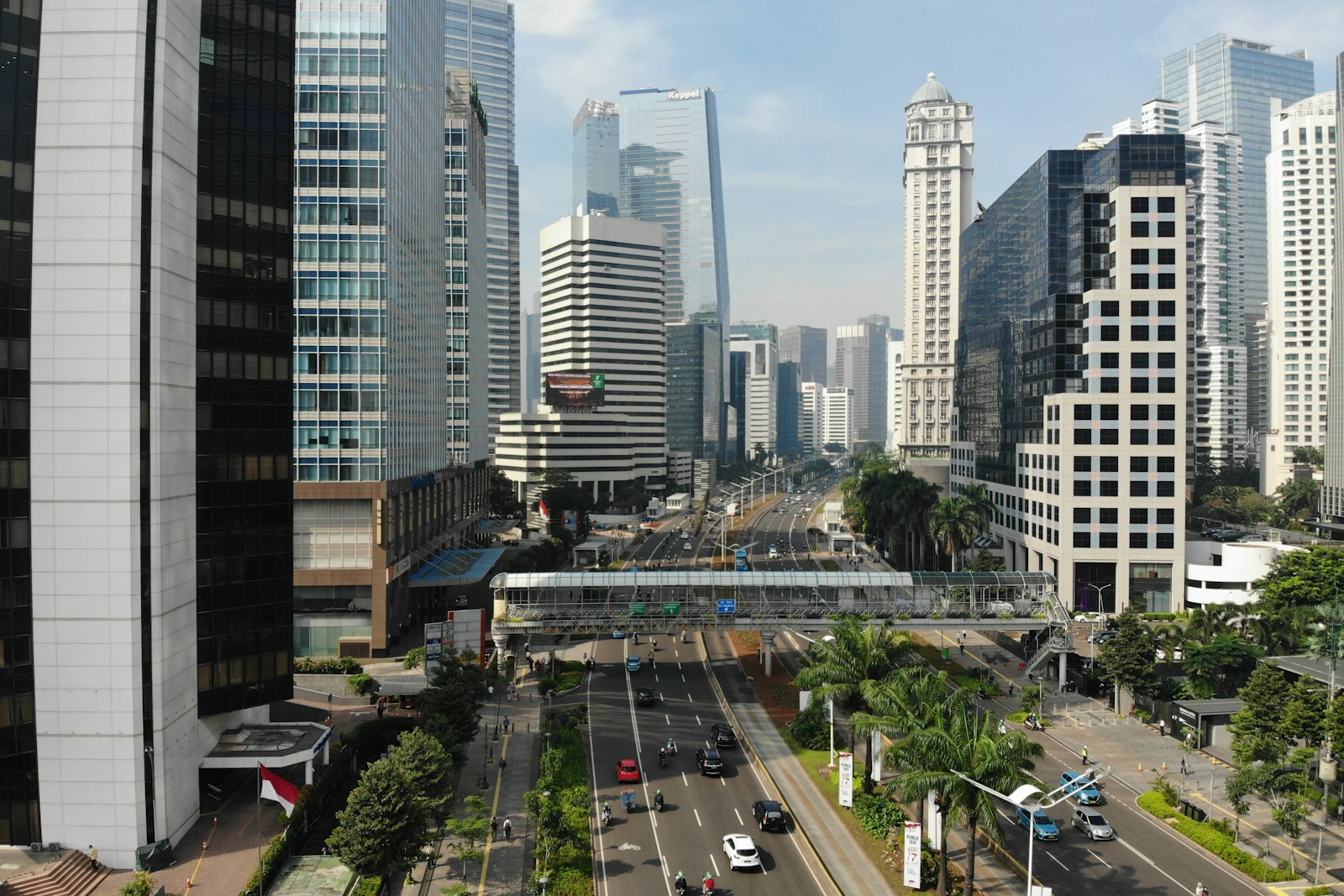
Indonesia's high-energy capital, a sprawling melting pot of street food, malls, history and nightlife.
- Best time to visit: June-September (dry season)
- Daily budget (budget traveller): $30 to $80 USD
- Ideal trip length: 2 to 3 days
Jakarta is Indonesia's chaotic, fascinating capital, a megacity of 30 million where gleaming skyscrapers and luxury malls rise above colonial-era Old Town squares and bustling street markets. Often skipped by travellers rushing to Bali, it rewards the curious with some of Southeast Asia's best food, lively nightlife and a window into modern Indonesian life. It's hot, traffic-clogged and intense, but cheap and welcoming. Joy Plus helps you cut through the sprawl with a focused plan around Old Town, the best eats and the right neighbourhoods.
Jakarta is not a city you tick off, it is a city you route. Around 11 million people live inside the city limits and roughly 30 million in the wider metro, and the sights sit in separate pockets: the Dutch trading port in the north, the Sukarno-era monuments in the middle, the glass towers of Sudirman and SCBD, and the leafy, café-heavy south. Between the pockets lies some of the worst traffic on earth. Travellers who try to see it by car lose half a day to brake lights. Those who cluster by neighbourhood and ride the MRT, KRL commuter trains and motorbike taxis get a city that is cheap, generous and a lot more fun than its reputation.
The reward is mostly edible and mostly social. Breakfast is nasi uduk or a bowl of Betawi soto. Lunch might be a Rp 25,000 plate at a warteg (a Javanese-style canteen with a glass counter of pre-cooked dishes), and dinner a night-market feast on Jl. Pecenongan. In Kota Tua you can eat kerak telor under 17th-century façades. In Glodok you can drink iced coffee at Kopi Es Tak Kie, a shop open since 1927. In Blok M and Kemang you can catch a gig at M Bloc Space and then cross town for cocktails with a skyline view. Malls are not a punchline here, they are the air-conditioned living rooms of the city, and half the best food in Jakarta is inside one.
A few 2026 realities make this an easier trip than it used to be. The MRT now links Lebak Bulus to Bundaran HI in about 30 minutes, the Whoosh high-speed train reaches Bandung from Halim in under an hour, and Gojek and Grab make a Rp 20,000 ride across a neighbourhood the norm. Timing still matters: move between 10:00 and 15:30, avoid 07:00 to 09:30 and 16:30 to 20:00 on weekdays, and treat Sunday morning, when Sudirman and Thamrin close to cars from 06:00 to 11:00, as your best hour in the city. Ramadan runs from about 8 February to 9 March in 2027, followed by Lebaran, when much of the city leaves town and the streets go strangely quiet.
How many days in Jakarta?
For Jakarta, we recommend 2 to 3 days. With more time, add a day trip to Bandung.
| Trip length | What you'll see | Itinerary |
|---|---|---|
| 2 days · Recommended | Menteng; Kota Tua, Sunda Kelapa and Glodok | Jakarta in 2 days |
| 3 days · Recommended | Adds: Monas, Istiqlal and the National Museum | Jakarta in 3 days |
| 4 days | Adds: Blok M, Pasar Santa and Kemang | Jakarta in 4 days |
| 5 days | Adds: Bogor day trip | Jakarta in 5 days |
| 7 days | Adds: Thousand Islands or Museum MACAN; Car Free Day, last bites | Jakarta in 7 days |
Jakarta itinerary
Arrive and settle into Menteng
Morning: Land at CGK, take the airport train (Commuter Line Basoetta, formerly Railink) to BNI City (Sudirman Baru), about 55 min. Walk the sky bridge to Dukuh Atas and check in or drop bags.
Afternoon: Gojek to Menteng. Coffee at Giyanti Coffee Roastery, then a slow walk past the Dutch villas around Taman Suropati. Gado-gado at Gado-Gado Bon-Bin in Cikini for a late lunch.
Evening: Walk to Bundaran HI for the fountain lights and Grand Indonesia mall. Dinner at Nasi Uduk Kebon Kacang. Early night, tomorrow starts at 8am.
Kota Tua, Sunda Kelapa and Glodok
Morning: KRL from Cikini to Jakarta Kota station, 5 min walk to Fatahillah Square. Museum Fatahillah opens 9am (closed Mondays). Rent a bike with the colourful hat, then coffee at Cafe Batavia.
Afternoon: Gojek to Sunda Kelapa to see the pinisi schooners. Walk to Menara Syahbandar and the Pasar Ikan area, then head to Glodok for the Gloria Alley lanes and a cold drink.
Evening: Petak Sembilan night market in Glodok for dim sum, noodles and sate. Back by Gojek before 20:00 to dodge the worst traffic.
Monas, Istiqlal and the National Museum
Morning: Be at Monas at 8:00 Tuesday to Friday (it closes on Mondays) and ride the lift for about Rp 20,000. Cross to Istiqlal Mosque for the free guided tour (avoid Friday midday prayers), then pop into the Jakarta Cathedral next door.
Afternoon: Lunch at a food court in Sarinah. Museum Nasional for the Hindu-Buddhist statues, gold treasures and Javanese artefacts (closed Mondays, check which wings are open).
Evening: Sunset cocktails at Skye on the 56th floor of BCA Tower, smart casual only. Dinner downstairs in Grand Indonesia mall, then MRT back from Bundaran HI.
Blok M, Pasar Santa and Kemang
Morning: MRT from Dukuh Atas to Blok M BCA, about 20 min. Browse Little Tokyo for Japanese breakfast and the vinyl shops at M Bloc Space.
Afternoon: Gojek to Pasar Santa. Graze the upstairs stalls for coffee, ramen and Indonesian small plates, then wander the Kebayoran Baru streets.
Evening: Gig or market at M Bloc Space, then a Gojek bike to Kemang for live bands, bars and late-night noodles.
Bogor day trip
Morning: KRL from Cikini to Bogor, about 65 min, for under Rp 10,000. Use the women-only carriage if you want it, it is the first or last car. Walk to the Kebun Raya Bogor gates for opening and enter for around Rp 25,000 to 30,000.
Afternoon: Lunch of soto kuning at a stall on Jl Suryakencana, then pick up asinan Gedung Dalam as a snack and sweets from Roti Unyil Venus.
Evening: Take the 16:00 train back to dodge the rush-hour crush. Easy dinner of sate at a warung near your hotel.
Thousand Islands or Museum MACAN
Morning: Early speedboat from Muara Angke or Marina Ancol to Pulau Tidung, 1 to 1.5 hours. Rent a bike and cross the famous Jembatan Cinta bridge.
Afternoon: Snorkel off Pulau Tidung or Pulau Pari, grilled fish lunch on the beach. If it rains, swap this day for Museum MACAN.
Evening: Boat back by late afternoon. Dinner at Sate Khas Senayan or a taichan stall, then early bed.
Car Free Day, last bites and fly out
Morning: Sunday Car Free Day on Sudirman and Thamrin, 6am to 11am: jog, cycle or just watch. Breakfast from the street stalls and a kopi susu from Kopi Kenangan.
Afternoon: Pasar Baru for gifts, batik and fabrics, then a last lunch at Bakmi Gang Kelinci. Collect bags.
Evening: Airport train (Commuter Line Basoetta) from BNI City back to CGK, allow at least three hours before an international flight.
Best neighbourhoods
- Kota Tua (Old Town): The Dutch colonial heart with museums, cafés and Fatahillah Square.
- Menteng: Leafy, upscale streets with galleries, embassies and cafés.
- SCBD / Sudirman: The modern business district with rooftop bars and fine dining.
- Kemang: The expat-favourite area for nightlife, restaurants and live music.
- Glodok (Chinatown): Jakarta's atmospheric, food-packed Chinese quarter.
Must-do experiences
- Explore Kota Tua: Wander the colonial Old Town and Fatahillah Square.
- Visit the National Monument: Ride up Monas for city views and the history museum below.
- See Istiqlal Mosque: Tour Southeast Asia's largest mosque, opposite the cathedral.
- Eat through Glodok: Graze the street food of Jakarta's Chinatown.
- Browse the National Museum: Discover Indonesia's rich archaeological heritage.
- Experience the nightlife: Hit the rooftop bars of SCBD or live music in Kemang.
Hidden gems
- Hidden heritage cafés inside restored Kota Tua warehouses.
- The fragrant temples and street eats of Glodok's back lanes.
- Sunday's car-free day along Sudirman, full of joggers and food stalls.
- Pasar Santa's hip indie food and coffee stalls.
Daily budget
- Accommodation: budget Rp 200,000-450,000 / night (capsule pod or hostel dorm), mid-range Rp 900,000-1,600,000 (design or heritage hotel double), splurge Rp 2,800,000+ (Hotel Indonesia Kempinski, The Hermitage). Stay near an MRT or KRL station (Dukuh Atas, Cikini, Blok M) and you save more on travel time than on room rate.
- Food: budget Rp 120,000-200,000 / day (warteg, street stalls, kopi susu), mid-range Rp 300,000-550,000 (cafés plus one proper restaurant dinner), splurge Rp 1,500,000+ (tasting menu at Namaaz Dining or Lara Djonggrang). Nasi goreng or soto is Rp 20,000-40,000 at a stall. Restaurants add around 10% tax plus 5 to 10% service, written as '++' on menus.
- Transport: budget Rp 30,000-60,000 / day (MRT, TransJakarta, KRL), mid-range Rp 100,000-200,000 (mix of Grab/Gojek cars and bikes), splurge Rp 800,000-1,000,000 (car with driver for ten hours). TransJakarta is a flat Rp 3,500, MRT tops out at Rp 14,000. A short Gojek ride is Rp 15,000-40,000, and bikes beat cars in a jam.
- Activities: budget Rp 50,000-200,000 / day (Monas lift, a museum, free Istiqlal tour), mid-range Rp 250,000-500,000 (Thousand Islands boat, walking tour, Museum MACAN), splurge Rp 1,000,000+ (private guide and driver, spa, island resort day pass). Istiqlal Mosque and the Jakarta Cathedral are free, most smaller museums are under Rp 50,000 (Museum Nasional charges foreign visitors Rp 150,000) and Sunday Car Free Day costs nothing.
- Drinks & nightlife: budget Rp 50,000-100,000 (iced coffee, one Bintang at a warung), mid-range Rp 250,000-450,000 (Kemang bar night, cocktails, a gig at M Bloc), splurge Rp 800,000+ (Skye on the 56th floor, SCBD club with table). Alcohol is heavily taxed. A Bintang is Rp 50,000-80,000 in bars and a rooftop cocktail starts around Rp 150,000++, so hunt for happy hours.
Where to stay
- Social hostel in Dukuh Atas / Menteng (Rp 200,000-450,000 / night): Bobobox capsule pods beside the MRT and KRL are the practical budget pick, clean and safe with lockers. Real hostel scenes are thin in Jakarta, so use pods for sleep and meet people at M Bloc, Car Free Day and Kemang's bars.
- Boutique hotel in Thamrin / Menteng (Rp 900,000-1,600,000 / night): Artotel Thamrin or Hotel Morrissey: design-led, walkable to Sarinah and the MRT, with strong breakfast and a rooftop. Menteng is leafy and calm, and an easy base for Kota Tua by KRL.
- Apartment in Kemang or Setiabudi (Rp 600,000-1,100,000 / night): Serviced apartments with kitchens, pools and gyms, best for stays of five nights or more. Kemang has restaurants and live music on the doorstep, while Setiabudi has MRT access.
- Splurge in Bundaran HI / SCBD (Rp 2,800,000-5,000,000+ / night): Hotel Indonesia Kempinski sits on the MRT at Bundaran HI and connects to Grand Indonesia mall. The Langham in SCBD gets you the rooftop-bar scene. Both give you a calm lobby to retreat to after a hot day.
What to eat
- Nasi goreng, Indonesia's beloved fried rice
- Soto Betawi, a rich Jakartan beef-and-coconut soup
- Sate (satay) skewers from a street vendor
- Kerak telor, a traditional Betawi spiced-egg snack
Day trips
- Bogor and the Botanical Gardens (60 km south, about 1 hour by train): Cooler, greener and calmer than Jakarta, with the 1817 Kebun Raya Bogor, the presidential palace deer park and soto kuning lunches. Leave before 8am and return before the 17:00 rush. KRL commuter train from Cikini, Gondangdia or Manggarai direct to Bogor, under Rp 10,000. Gardens entry is around Rp 25,000-30,000.
- Thousand Islands (Kepulauan Seribu) (45 to 90 min by speedboat): Coral reefs, white-sand beaches and bike-friendly islands like Pulau Tidung and Pulau Pari. Water clarity improves the further you go from the coast, so pick a farther island if you can. Boats leave early from Muara Angke or Marina Ancol, roughly Rp 150,000-300,000 return by speedboat. Book an operator the night before and travel on a weekday.
- Bandung (150 km, about 1h15 by Whoosh): Cool highland city of cafés, factory outlets, volcano views and Sundanese food. Doable as a long day trip, but nicer as an overnight. Whoosh high-speed train from Halim to Padalarang, then a feeder train into Bandung. Tickets run roughly Rp 150,000-300,000 depending on class.
When to visit
- Dry season (June - September): 27-33°C, humid but little rain, hazy skies. Crowds: Moderate, busier on weekends and during the school holidays from late June to mid July. The best window for walking Kota Tua and day trips to Bogor or the Thousand Islands. Air quality dips in July and August, so carry an N95 mask and check the AQI before long outdoor days.
- Shoulder (April - May): 27-33°C, sporadic afternoon downpours that fade through May. Crowds: Light. The sweet spot for value. Hotel rates sit low, the rains are short and the island boats start running reliably again. Go out early and shelter under a cafe awning at 15:00.
- Early wet (October - November): 26-33°C, building humidity, heavy storms most afternoons. Crowds: Light. Fine if you plan indoors for afternoons: museums, malls, long lunches. Storms rinse the air clean, but traffic after rain is brutal, so leave generous gaps between plans.
- Peak wet (December - March): 25-31°C, the heaviest rain of the year, flash floods possible in January and February. Crowds: Low, except around New Year and Lebaran. Cheapest rooms, moodiest skies. Ramadan falls from about 8 February to 9 March in 2027, with evening buka puasa food markets like Pasar Benhil and then Lebaran, when the city empties and traffic vanishes. Book ahead, since many restaurants close for several days.
Entry rules for your passport
Visa rules for Indonesia depend on the passport you travel on. Check the official source before you book: Indonesia Directorate General of Immigration
Getting there
Soekarno-Hatta Airport (CGK) is about 35 km west of the centre, and Terminal 3 handles most international flights. The airport train (KAI Commuter's Commuter Line Basoetta, formerly Railink) runs to BNI City (Sudirman Baru) in about 55 minutes for roughly Rp 70,000, and it is the only transfer that ignores traffic. DAMRI buses run to Gambir, Blok M and other hubs for about Rp 50,000-100,000. A Grab or Gojek car is Rp 200,000-350,000 including tolls, and the official Blue Bird airport taxis are metered at similar prices. Most nationalities need a visa on arrival or an e-VOA, Rp 500,000 for 30 days, plus the online All Indonesia arrival form before landing. Halim Perdanakusuma airport handles a few flights and is the Jakarta terminus of the Whoosh high-speed train to Bandung. Long-distance trains to Bandung, Yogyakarta and Surabaya leave from Gambir and Pasar Senen stations, with Yogyakarta around 7 to 8 hours on executive class.
Getting around
Jakarta's traffic is legendary, so plan around it. The new MRT and the TransJakarta bus rapid transit lines are clean, cheap and the best way to avoid gridlock on their routes. For everything else, the Gojek and Grab apps are essential, cheap ride-hailing for both cars and motorbike taxis (ojek), which weave through jams faster than any car. Avoid driving yourself. Build in generous travel time, especially during morning and evening rush hours, when even short distances can take an hour.
Safety
Jakarta is generally safe for travellers, with violent crime against tourists rare, and solo visitors, including women, are usually fine with normal big-city caution. The main risks are petty theft and pickpocketing in crowded markets and on public transport, and traffic safety, crossing roads and riding ojeks can be hair-raising. Use reputable Grab/Gojek rides rather than unmarked taxis, keep valuables discreet, and avoid flashing expensive items. Large protests have broken out in Jakarta repeatedly since 2025, some turning violent, mostly around the parliament complex in Senayan, so avoid demonstrations and check local news. The US rates Indonesia 'Exercise increased caution'. Dress modestly when visiting mosques. Tap water isn't drinkable, stick to bottled.
Solo travel tips
- Hail bikes, not cars, in the middle of the day: GoRide and GrabBike cut through traffic and cost about half a car fare. Wear the helmet they hand you, confirm the plate matches the app, and share the trip with a friend. Cars make sense for luggage, rain and after dark.
- Use the women-only KRL carriages: The first and last cars of commuter trains are for women only and far calmer at peak hour. Anyone can use the middle cars, but pickpockets work the doors, so keep your phone inside your bag near them.
- Phone snatching is real: Thieves on motorbikes grab phones from hands near the kerb. Use your phone away from the road, on pavements keep it in the hand furthest from traffic, and zip valuables into a crossbody bag.
- Eat where there is a counter: Warteg canteens and mall food courts let you point and pick small portions, ideal for one. Solo diners at Pasar Santa sit at the stalls' tiny bars, and food-court seating is communal and unremarkable.
- Meet people at Car Free Day and M Bloc: Sunday mornings on Sudirman are full of running clubs, bike groups and street yoga that welcome strangers. M Bloc Space runs gigs and markets where a coffee chat comes easily, and Kemang's live music bars are friendly to solo drinkers.
- Pick a base that shortens your day: A capsule pod or hotel at Dukuh Atas, Cikini or Blok M puts you next to the MRT and KRL, which is more useful than a pretty room across town. Go home before 19:00 or stay out past 21:00 to avoid peak traffic, and always book Grab or Gojek rather than hailing random taxis.
Cultural etiquette
- Use your right hand to give, receive and eat. Point with your thumb rather than a finger, and keep your feet from touching people or furniture.
- Cover shoulders and knees at mosques and remove shoes. Istiqlal lends robes and scarves, and mosque tours skip Friday midday prayers.
- During Ramadan, avoid eating, drinking or smoking in front of fasting locals in the daytime. Tourist hotels and malls carry on, and the evening buka puasa markets are the best food of the year.
- Greet with 'selamat pagi, siang, sore, malam' and say 'permisi' when passing. A light handshake followed by a hand over the heart is polite, and wait for women to offer their hand first.
- Bargain with a smile at markets like Pasar Baru and Glodok, starting around half the first price. Prices in malls, cafés and Grab are fixed, so do not haggle there.
- Do not touch anyone's head, and avoid raising politics or religion as light small talk. Keep public displays of affection mild.
- Drugs carry extremely harsh penalties, including long prison terms or worse. Drink in licensed bars and hotels, not in the street, and never carry anything for strangers.
Frequently asked questions
How many days do you need in Jakarta?
Two to three days is enough for most travellers. One day covers the historic core, Kota Tua, the National Monument, Istiqlal Mosque and the National Museum, while a second and third let you explore the food scene, Glodok's Chinatown, the modern malls and nightlife, or take a day trip to the Thousand Islands. Many use Jakarta as a quick stopover before heading to Yogyakarta or Bali, and a focused couple of days is plenty given the city's intense traffic and sprawl.
Is Jakarta worth visiting?
Yes, if you go with the right expectations. Jakarta isn't a postcard-pretty city, it's hot, crowded and traffic-clogged, but it offers a genuine, unfiltered look at modern Indonesia. The rewards are excellent and incredibly cheap food, a vibrant nightlife scene, fascinating colonial history in Kota Tua, world-class malls and warm, welcoming people. Travellers who embrace its energy and chaos rather than expecting a tourist-polished experience tend to enjoy it far more than those just passing through.
How do you get around Jakarta?
Use the Grab and Gojek apps, they're the backbone of getting around, offering cheap car and motorbike-taxi (ojek) rides; the motorbikes are great for beating traffic. For longer routes, the modern MRT and the TransJakarta bus rapid transit system are clean, cheap and avoid the gridlock. Avoid renting a car or self-driving. Crucially, plan around rush hour, when journeys can take three times longer, and always allow generous buffer time between activities to account for the notorious traffic.
When is the best time to visit Jakarta?
The dry season, from June to September, is the best time to visit, with less rain and more comfortable conditions for sightseeing, and April to May is a good-value shoulder. The wet season, October to March, brings heavy downpours that can cause flooding and worsen the already heavy traffic. Jakarta is hot and humid year-round, sitting near the equator, so light clothing and hydration are essential whenever you go. If your trip coincides with Ramadan, expect altered opening hours but also special evening food markets and a unique atmosphere.
Is Jakarta safe for solo travellers?
Yes, Jakarta is reasonably safe for solo travellers, including women, provided you use standard big-city precautions. Violent crime against tourists is uncommon, but petty theft and pickpocketing occur in crowded areas, so keep valuables secure. The bigger day-to-day hazards are traffic and chaotic road crossings. Stick to Grab and Gojek for transport, avoid unlicensed taxis, dress modestly especially near religious sites, and stay aware in nightlife districts. Locals are generally very friendly and helpful to visitors who are respectful and polite.
Is Jakarta expensive?
No, Jakarta is very affordable by international standards. Street food and local meals can cost just a couple of dollars, ride-hailing trips are cheap, and budget accommodation is plentiful. Costs rise if you stick to upscale malls, international restaurants, rooftop bars and luxury hotels, which can rival Western prices. Overall, a budget traveller can get by on around 30 USD a day, while a mid-range traveller enjoying nicer hotels and dining might spend 60 to 80 USD, making it one of Asia's better-value capitals.
What should I avoid in Jakarta?
Avoid drinking tap water, stick to bottled or filtered water. Steer clear of unlicensed street taxis and instead use the Grab or Gojek apps for transparent pricing. Don't underestimate the traffic, so avoid tight schedules and rushing between far-flung areas. Be cautious crossing busy roads, and keep valuables hidden in crowded markets and on public transport to deter pickpockets. During the rainy season, avoid low-lying areas prone to flooding. Finally, dress respectfully at mosques and religious sites to honour local customs.
Do I need a visa for Indonesia?
Most visitors, including those from EU states, the UK, the US and Australia, need a visa on arrival: IDR 500,000 (about US$30) for 30 days, extendable once, paid at the airport or in advance as an e-VOA on the official site, evisa.imigrasi.go.id. Every arrival must also complete the free All Indonesia arrival card on allindonesia.imigrasi.go.id before landing.
More about Jakarta
- Solo Travel Southeast Asia Itinerary 2026: 2, 3 and 4 Week Overland Routes
- Best Coworking Spaces in Bali 2026: Prices, Areas and Visas
Tours and activities in Jakarta | Jakarta in 2 days | Jakarta in 3 days | Jakarta in 4 days | Jakarta in 5 days | Jakarta in 7 days
Can't decide? Compare Jakarta with...
Joy Plus home | Destinations | Itineraries | Activities | Flights | Budget planner | Calendar | Map | Blog | Lifetime access