Destinations / North America
Joshua Tree National Park, United States travel guide
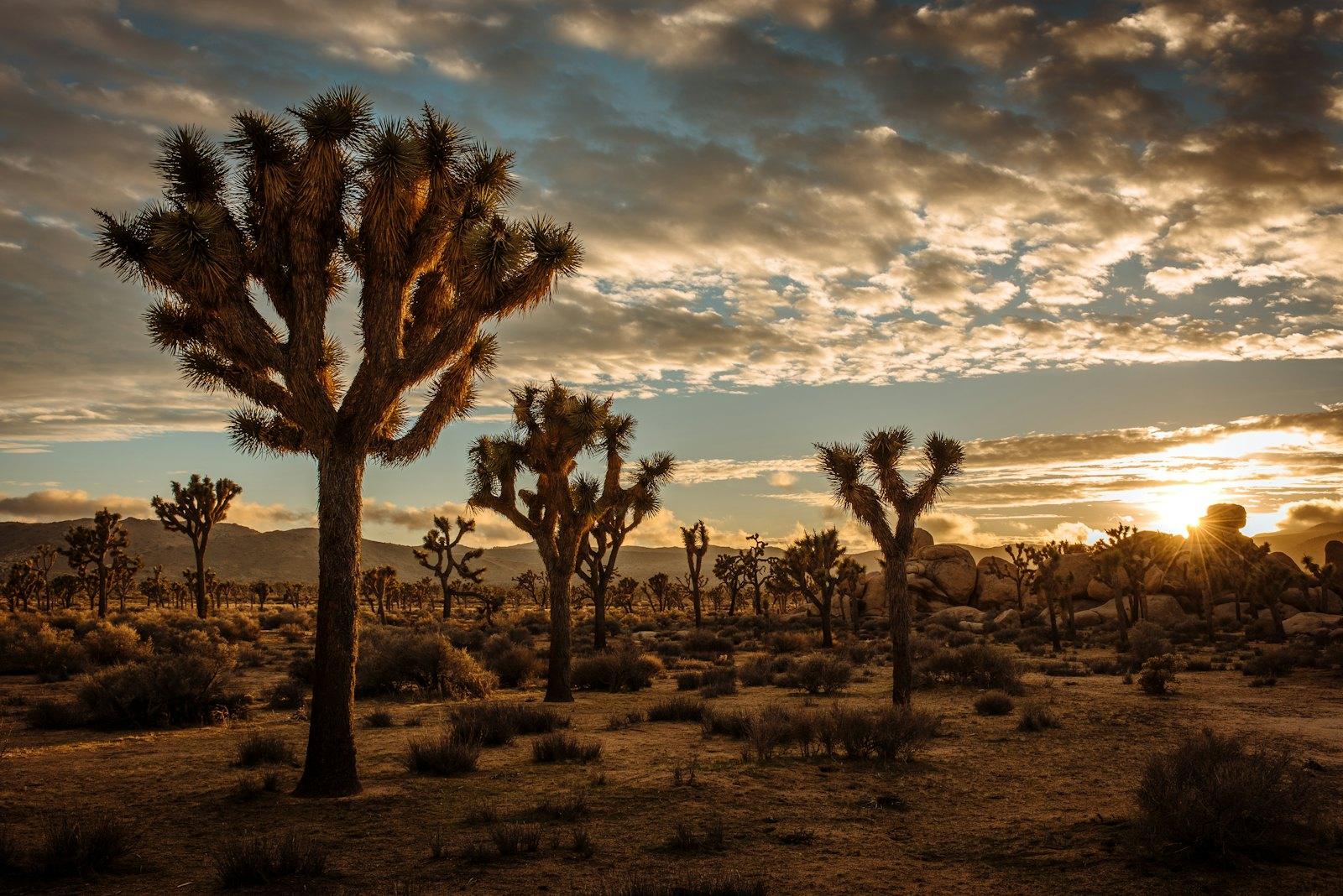
A surreal desert landscape where two ecosystems meet: boulder-strewn playgrounds, spiky Joshua trees, and some of Southern California's darkest night skies.
- Best time to visit: October to April
- Daily budget (budget traveller): $90 to $250 USD
- Ideal trip length: 2 to 3 days
Joshua Tree National Park sits in the Southern California desert, where the high Mojave and the low Colorado deserts collide across nearly 800,000 acres. The result is a landscape that feels almost invented: piles of golden monzogranite boulders, forests of twisted Joshua trees, fan palm oases fed by hidden faults, and wide valleys that glow pink at dusk. It is a remarkably rewarding place for the solo traveller. Trails are well marked, rangers and fellow hikers are friendly, and the scale of the silence encourages the kind of unhurried reflection that is hard to find in a group. The park is bordered by a creative cluster of desert towns, from the cafes and galleries of Joshua Tree village to the Wild West film set of Pioneertown, which makes it easy to pair long days outdoors with good food and live music in the evening. Come between autumn and spring for pleasant hiking weather, and stay after sunset, because the park is an International Dark Sky Park where the Milky Way is often clearly visible.
Joshua Tree is two deserts stitched together. The high Mojave up west holds the Joshua trees and the golden boulder piles. The lower Colorado Desert in the south and east is all creosote, ocotillo and fan palm oases. You drive between them in under an hour on Park Boulevard and Pinto Basin Road, and the temperature can shift by ten degrees on the way. The park covers nearly 800,000 acres, but the best parts are compact: Hidden Valley, Barker Dam, Skull Rock, Keys View and the Cholla Cactus Garden all sit within a morning's drive of each other.
The logistics are the whole game. There is no fuel, food, shop or public transport inside the park, and cell signal drops out within minutes of the West Entrance. Entry is $30 per vehicle for seven days (America the Beautiful annual passes have resident and nonresident pricing; compare current options with your planned entrance fees), and the park never closes, so sunrise and sunset costs nothing extra. Fill up in Yucca Valley, where gas runs cheaper than in Joshua Tree village. Pack a gallon of water per person per day, and treat any hike after 10am from May to September as a mistake. Do the hard stuff at dawn, nap through the midday heat, and come back out for the golden hour.
The towns around the park make it a trip rather than just a hike. Joshua Tree village has Crossroads Cafe, the climbers' hub Nomad Ventures and the Noah Purifoy sculpture field. Twentynine Palms is the quiet North Entrance base with a real oasis, and Pioneertown's Pappy & Harriet's puts live music and ribs at the end of a dirt-road day. After dark, drive to Keys View or Cholla, kill the headlights, switch to a red torch and look up. This is an International Dark Sky Park, and around the new moon the Milky Way is bright enough to throw faint shadows.
Joshua Tree National Park itinerary
Arrive, stock up, first sunset
Morning: Land at Palm Springs (PSP), pick up the rental and drive CA-111 to I-10 to CA-62 north, about an hour. Stop at Stater Bros in Yucca Valley for water, food and ice, and fill the tank.
Afternoon: Check in around Joshua Tree village. Coffee at Joshua Tree Coffee Company, then browse Nomad Ventures for maps and a topo.
Evening: Drive into the West Entrance for sunset at Hidden Valley. Dinner at Pappy & Harriet's in Pioneertown, arriving early because the queue builds fast on weekends.
Boulder country: Hidden Valley, Barker Dam, Keys View
Morning: Be at Hidden Valley Nature Trail (about 1 mile) before 8am to beat the parking crunch. Then Barker Dam loop (1.1 miles), where early light catches the reservoir and the odd bird.
Afternoon: Lunch from your cooler. Drive the 6-mile spur to Keys View (5,185 ft) for the San Andreas Fault and Coachella Valley panorama.
Evening: Back to Joshua Tree village for dinner at Crossroads Cafe or Natural Sisters Cafe. Early night.
Ryan Mountain at sunrise and the Skull Rock side
Morning: Start the Ryan Mountain trail (about 3 miles round trip, 1,000 ft climb) at first light. The 360 degree summit view is the best in the park.
Afternoon: Skull Rock nature trail (1.7 miles) and a scramble around Jumbo Rocks, then a siesta in the shade.
Evening: Sunset at Jumbo Rocks, then stargazing from a pull-off with the headlights off and a red torch on.
North side: Twentynine Palms and the oasis
Morning: Drive Park Boulevard out the North Entrance. Visit the Joshua Tree National Park Visitor Center in downtown Twentynine Palms and the 29 Palms murals, then hike the Fortynine Palms Oasis trail (about 3 miles round trip).
Afternoon: Lunch at 29 Palms Inn's oasis grounds or a diner on Twentynine Palms Highway. Afternoon at Indian Cove or Cholla Cactus Garden.
Evening: Golden hour among the teddy bear cholla, then dinner back in Twentynine Palms or Joshua Tree.
South loop: Cottonwood and Mastodon Peak
Morning: Drive Pinto Basin Road south through the Colorado Desert, passing the Ocotillo Patch. Hike the Mastodon Peak loop (about 3 miles) from Cottonwood Spring.
Afternoon: Exit via the South Entrance and stop at Shields Date Garden in Indio for a date shake ($7-9). Optional: Lost Palms Oasis if you started before 8am.
Evening: Drive back via I-10 and CA-62, or loop around to your base. Cool the day down with takeout and an early night.
Art, sound and Pioneertown
Morning: Free morning at the Noah Purifoy Outdoor Desert Art Museum (sunrise to sunset), where large assemblages sit among the creosote.
Afternoon: Drive to Landers for a sound bath at the Integratron (book weeks ahead, about $50 to 60), then a slow wander along Pioneertown's main street.
Evening: Live music and barbecue at Pappy & Harriet's, as it is the best evening in the whole region. Check the calendar for the lineup.
Slow morning, then depart
Morning: Coffee and a pastry in Joshua Tree village. One last short walk, for example the Cap Rock loop (0.4 miles).
Afternoon: Drive CA-62 to PSP (about an hour) with time to spare. Hand back the car and top up on fuel before returning it.
Evening: Fly out. If your flight is late, stop in Palm Springs for dinner at Workshop Kitchen + Bar.
Best neighbourhoods
- Joshua Tree Village: The creative heart of the area, just outside the West Entrance, with independent cafes, climbing shops, galleries, and the easiest access to Hidden Valley and the park's main boulder landscapes.
- Twentynine Palms: A quieter, more down-to-earth town beside the North Entrance, home to the Joshua Tree National Park Visitor Center in downtown Twentynine Palms, historic murals, and convenient access to Cholla Cactus Garden and the Fortynine Palms Oasis trail.
- Pioneertown: A preserved 1940s Old West movie set turned living community in the hills above Yucca Valley, known for its dusty main street, laid-back saloon atmosphere, and live music evenings.
- Yucca Valley: The practical hub of the Morongo Basin, with supermarkets, fuel stations and a wide range of motels and rentals, making it a sensible, budget-friendlier base for a short stay.
Must-do experiences
- Walk the Hidden Valley Nature Trail: Follow this easy loop of about one mile through a boulder-ringed basin that was once rumoured to hide cattle rustlers, and watch climbers scale the rock walls around you.
- Take in the view from Keys View: Drive to this lookout at roughly 1,580 metres for sweeping views over the Coachella Valley, the San Andreas Fault line, and on clear days all the way to the Salton Sea and Mexico's border region.
- Stroll through Cholla Cactus Garden: Walk the short loop through a dense grove of teddy bear cholla, which glows silver and gold in the low light of early morning and late afternoon. Keep to the path, as the spines detach easily.
- Climb Ryan Mountain: Tackle this steady hike of around three miles round trip to a summit with a panoramic view of the park's valleys and rock formations. Start early to avoid heat and crowds.
- Loop around Barker Dam: Follow this easy trail of around a mile past a historic cattlemen's reservoir where, after rain, birds and sometimes bighorn sheep gather in the early morning.
- Stargaze in an International Dark Sky Park: Stay out after sunset at a safe pull-off or campground and look up at the Milky Way. New moon periods give the darkest skies, and a red-light torch protects your night vision.
Hidden gems
- The Fortynine Palms Oasis trail near Twentynine Palms, a short but rocky hike that ends at a surprising cluster of native fan palms around a natural desert spring
- The Noah Purifoy Outdoor Desert Art Museum in Joshua Tree, an open-air collection of large assemblage sculptures made from salvaged materials and set among the creosote
- The Mastodon Peak loop near Cottonwood Spring in the southern end of the park, combining a small oasis, mine remnants, and a fun scramble to a quiet summit viewpoint
- The Ocotillo Patch on Pinto Basin Road, a roadside stop in the Colorado Desert section of the park where spidery ocotillo plants bloom with red tips after rainfall
Daily budget
- Accommodation: budget $15-45 / night (campground, Hipcamp) or $90-130 (Yucca Valley motel), mid-range $180-320 (Joshua Tree Inn, Pioneertown Motel, a nice cabin), splurge About $350+ (designer desert homes; rates vary by date). Rooms are pricey and weekends book out. Yucca Valley is the cheapest base, and Hidden Valley is first-come, first-served; Ryan requires reservations.
- Food: budget $30-45 / day (Stater Bros groceries, one diner breakfast), mid-range $60-95 (Crossroads Cafe breakfast, Pappy & Harriet's dinner), splurge $130+ (Workshop Kitchen + Bar in Palm Springs, long dinners). Stock up at Vons or Stater Bros in Yucca Valley. Prices jump once you are in Joshua Tree village.
- Transport: budget $55-75 / day (compact rental plus gas, shared), mid-range $80-120 (SUV rental, $30 park fee amortised), splurge $200+ (Jeep rental or a private 4x4 tour). A car is not optional. Fill up in Yucca Valley, as there is no fuel inside the park. The $30 pass lasts 7 days.
- Activities: budget $0-30 (free hikes, ranger talks, sunset and stargazing), mid-range $60-110 (Integratron sound bath, a Nomad Ventures gear rental), splurge $180+ (guided climbing day with Cliffhanger Guides or Joshua Tree Rock Climbing School). The best things here are free. Pay for a guide only if you want to climb with a rope.
- Drinks & nightlife: budget $8-12 (a beer at Joshua Tree Saloon), mid-range $25-45 (Pappy & Harriet's with a show), splurge $70+ (cocktail dinner plus a concert ticket). Nightlife is thin and ends early. The real night out is a clear sky, a thermos and a red torch, free of charge.
Where to stay
- Social hostel in Inside the park / Joshua Tree village ($15-45 / night): There are no true hostels, so campgrounds are the social option. Hidden Valley is first-come, first-served; Ryan and Jumbo Rocks require reservations, and Joshua Tree Lake RV & Campground has tent sites minutes from the village.
- Boutique hotel in Joshua Tree village / Pioneertown ($150-320 / night): Joshua Tree Inn, where Gram Parsons spent his last night, or Pioneertown Motel in the Old West movie town. Both are walkable to food and a short drive from the West Entrance.
- Apartment in Joshua Tree village or Yucca Valley ($130-250 / night): A kitchen, a patio and a fire pit save money on food for a 4 to 7 night stay. Yucca Valley is the best value, a short drive to the West Entrance.
- Splurge in Joshua Tree / Pioneertown hills ($350-650 / night): Consider a designer desert rental with a private outdoor space. Check amenities, current rates and availability before booking, especially in spring.
What to eat
- Desert breakfast plates at Crossroads Cafe: a long-standing Joshua Tree village favourite for fuelling up before a day of hiking or climbing
- Barbecue and live music at Pappy & Harriet's: a Western-style roadhouse in Pioneertown that is popular for an evening meal after a day in the park
- Date shake: a thick, sweet milkshake blended with locally grown Coachella Valley dates, a classic roadside treat across the Southern California desert
- Prickly pear drinks: lemonades, teas and cocktails flavoured with the magenta fruit of the prickly pear cactus, found at many cafes and bars around the park
Day trips
- Palm Springs (About 50 min by car): Mid-century design, the Palm Springs Aerial Tramway up to 8,500 ft, and great food on the way in or out. A good pairing for the first or last day. Drive CA-62 to I-10 to CA-111. The Aerial Tramway is about $35 to 45, so book a morning slot online.
- Integratron and Giant Rock, Landers (About 30 min by car): A wooden dome built to a UFO-inspired design with famously good acoustics. The sound bath lasts about an hour and sells out weeks ahead. Drive north on CA-247 / Old Woman Springs Road from Yucca Valley, then follow signs to Belfield Boulevard. Book online, about $50 to 60.
- Cottonwood Spring and Mastodon Peak (About 1 hr 15 min from the West Entrance): The southern end of the park, with a small oasis, mine ruins and a scramble to a quiet summit. The Colorado Desert feels completely different from the boulders up north. Drive Park Boulevard and Pinto Basin Road to Cottonwood Spring, or enter from I-10 and exit at the South Entrance. The visitor centre has maps and water.
When to visit
- Spring (March - May): 22-32°C (72-90°F) by day, 8-15°C nights, wildflowers in a good rain year. Crowds: Peak in March and April, easing in May. The best window. Comfortable hiking, blooming ocotillo and Joshua trees, but book camping and rooms 2 to 6 months ahead and arrive at the West Entrance before 8am.
- Summer (June - September): 36-43°C (97-110°F) by day, 22-28°C nights, monsoon storms in July and August. Crowds: Very low. Skip it unless you are a sunrise-only hiker. Cheapest rooms, empty trails, genuinely dangerous midday heat. Be on the trail by 6am and off it by 10am.
- Autumn (October - November): 24-32°C (75-90°F) in October, cooling to 18-24°C by late November. Crowds: Moderate, with busy weekends and a spike at Thanksgiving. The locals' favourite. Warm days, cold clear nights, great stargazing, and the heat has finally broken.
- Winter (December - February): 13-18°C (55-65°F) by day, 0-4°C nights, occasional frost or light snow at Keys View. Crowds: Quiet midweek, busy over Christmas and Presidents Day weekend. Underrated. Crystal air and long shadows on the rocks make it perfect for climbing and long hikes, but pack a real jacket and a warm sleeping bag for camping.
Entry rules for your passport
Visa rules for the United States depend on the passport you travel on. Check the official source before you book: U.S. Department of Homeland Security
Getting there
Palm Springs International (PSP) is the easiest airport, about 45 miles and 50 to 60 minutes from the West Entrance via I-10 and CA-62. Ontario (ONT) is about 90 miles and 1.5 to 2 hours. LAX is about 140 miles and 2.5 to 3.5 hours depending on traffic, and the I-10 east of LA is brutal on Friday afternoons. Rent a car at the airport, as there is no useful public transport. A rideshare from PSP costs $90 to 140 one way, but finding one back is difficult. Morongo Basin Transit Authority buses link Yucca Valley, Joshua Tree and Twentynine Palms, but none enters the park. The park has three entrances: West (Joshua Tree village), North (Twentynine Palms) and South (I-10, near Cottonwood Spring). Fill up in Yucca Valley before you go, as there is no fuel inside.
Getting around
A car is essentially essential here. There is no public transport inside the park, and the main sights are spread along Park Boulevard and Pinto Basin Road, which link the West, North and South entrances. The nearest major airports are Palm Springs International, roughly 45 to 60 minutes from the West Entrance, and Ontario or Los Angeles, usually 2 to 3 hours away depending on traffic. Fill your tank before you enter, as there is no fuel inside the park, and bring plenty of water and snacks. Parking at popular trailheads such as Hidden Valley and Keys View can fill by mid-morning on weekends and holidays, so arrive early. Some unpaved roads need high clearance, so check conditions with a ranger before you go. Local Morongo Basin buses serve the surrounding towns but not the park itself, and rideshare availability is limited, so pre-arrange any transport.
Safety
Joshua Tree is generally very safe for solo travellers, and violent crime in the park is rare. The real hazards are environmental. Summer temperatures often exceed 38 degrees Celsius, so carry more water than you think you need, wear sun protection, and hike early. Winter nights can drop below freezing, so pack layers. Phone signal is unreliable in much of the park, so download offline maps, tell someone your route, and turn back if you feel unwell. Stay out of abandoned mine shafts, keep a safe distance from wildlife including rattlesnakes, and avoid dry washes if storms are forecast, as flash floods can happen quickly. Cholla spines and sharp rocks can cause injuries, so wear sturdy closed shoes. Leave valuables out of sight in your car at trailheads, and call 911 in an emergency.
Solo travel tips
- Download everything before the gate: Cell service is generally unavailable throughout the park; do not rely on any carrier for navigation or emergency calls. Download offline Google Maps for the whole area, screenshot trail maps, and tell someone your plan. Pick up a paper park map at the entrance station.
- Water is your real safety gear: Carry at least 1 gallon (4 litres) per person per day, and more for long hikes. Water is unavailable in the main park interior. Fill up before hiking; NPS lists supplies at selected entrance, ranger-station and campground locations. From May to September, finish hiking by 10am.
- Camp at Hidden Valley or Ryan for company: Both are first-come, about $15 to 30, and fill by Thursday in spring and autumn. They are the most social places to stay, with climbers, hikers and stargazers swapping tips around the fire rings. Jumbo Rocks is reservable on recreation.gov.
- Find a climbing partner at Nomad Ventures: The Joshua Tree village climbing shop has a partner board and staff who know every crag. Cliffhanger Guides and Joshua Tree Rock Climbing School run intro days if you want to try it with support.
- Solo female travellers: The park is safe, and the risk is environmental. Stay on marked trails, carry a whistle, sign the trailhead register, and tell your accommodation your route. Night driving requires care because wildlife crosses Park Boulevard after dark.
- Skip the West Entrance queue: On weekends in March and April, the West Entrance backs up for 30 minutes or more. Enter from the North Entrance in Twentynine Palms or the South Entrance off I-10, and arrive before 8am. Ranger programs at Hidden Valley and Keys View are free, and they are a good way to meet other solo travellers.
Cultural etiquette
- Stay on the trail and off the cryptobiotic desert soil. The crust takes decades to recover from a single footprint.
- Never climb on or carve Joshua trees, and do not pick or collect plants, rocks or artifacts. Everything in a national park is protected.
- Cholla spines detach on contact. Keep a comb and tweezers in your bag and stay well back from the Cholla Cactus Garden path.
- Drones are banned in national parks. Do not fly one, even if you see someone else do it.
- Fires only in designated rings and only when permitted. Bring your own wood and never collect it from the desert.
- At night, use a red light, park with headlights off, and keep voices low. Stargazers are sensitive to white light and noise.
- Tipping is 18 to 22% at sit-down restaurants and $1 to 2 per drink at bars. Local businesses rely on tips, and quiet seasons are thin.
Frequently asked questions
How do I get to Joshua Tree National Park without a tour?
Most solo travellers rent a car. Palm Springs International Airport is the closest major airport, roughly 45 to 60 minutes from the West Entrance, while Los Angeles and Ontario are typically 2 to 3 hours away. There is no public transport inside the park, so a car gives you the flexibility to move between entrances and trailheads.
How many days do I need at Joshua Tree?
Two to three days is ideal. That gives you time to see the main sights like Hidden Valley, Keys View and Cholla Cactus Garden, take at least one longer hike, and stay out for a night of stargazing without rushing.
When is the best time of year to visit?
October to April offers the most comfortable hiking weather, with mild days and cool nights. Spring can be busy and brings wildflowers in good rain years. Summer is extremely hot, so only attempt short, early morning outings if you visit then.
How much does it cost to enter, and do I need to reserve?
Entry is charged per vehicle, typically in the 30 USD to 35 USD range and valid for several days, and annual passes are available if you plan to visit more national parks. Campgrounds are popular and often need advance booking through the official reservation system, especially in spring. Always check the National Park Service website for current fees and any reservation requirements.
Is there food, water or fuel inside the park?
No, there are no restaurants, shops or fuel stations inside the park, and drinking water is available only at a few locations. Stock up on fuel, food and plenty of water in Joshua Tree, Twentynine Palms or Yucca Valley before you enter.
Is Joshua Tree safe for solo female travellers?
Yes, it is widely considered a safe destination for solo women, with a friendly outdoor community. Standard precautions apply: share your itinerary, avoid remote hikes late in the day, keep your phone charged with offline maps, and stay in well-lit accommodation or established campgrounds.
Where should a solo traveller stay?
Joshua Tree village is the most convenient base for the West Entrance and has the best selection of cafes. Twentynine Palms suits those wanting a quieter stay near the North Entrance, and Yucca Valley is often the most affordable. Inside the park, established campgrounds are the cheapest option, though most have no showers.
What entry rules apply to international travellers visiting the United States in 2026?
Most visitors from abroad need either a US visa or, if their country is eligible for the Visa Waiver Program, an approved ESTA authorisation before flying. You will need a valid passport and may be asked for proof of onward travel. Requirements can change and depend on your nationality, so check the official US government sources, including the State Department and US Customs and Border Protection websites, before you travel.
Tours and activities in Joshua Tree National Park | Joshua Tree National Park in 2 days | Joshua Tree National Park in 3 days | Joshua Tree National Park in 4 days | Joshua Tree National Park in 5 days | Joshua Tree National Park in 7 days
Joy Plus home | Destinations | Itineraries | Activities | Flights | Budget planner | Calendar | Map | Blog | Lifetime access