Destinations / Europe
Kaunas, Lithuania travel guide
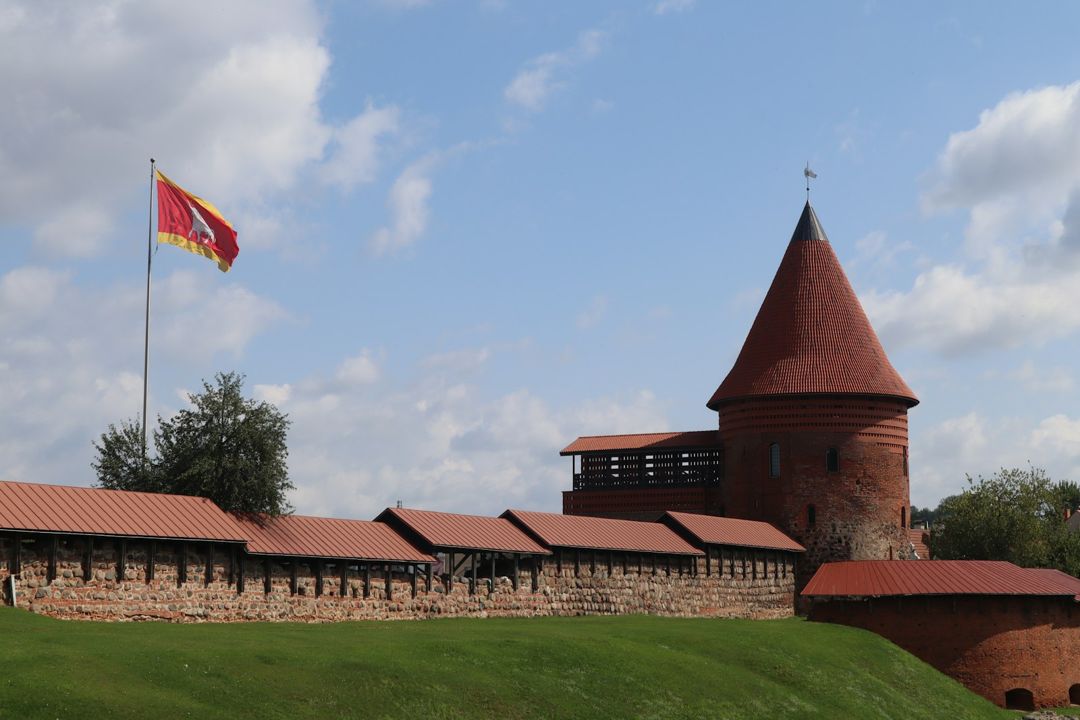
Lithuania's spirited second city: interwar architecture, hidden street art, and sweeping river confluences.
- Best time to visit: May to September
- Daily budget (budget traveller): $50 to $120 USD
- Ideal trip length: 2 to 3 days
Located at the strategic confluence of the Nemunas and Neris rivers, Kaunas has always marched to its own distinctive beat. While the capital Vilnius charms with its extensive baroque footprint, Lithuania's second city is defined by its striking interwar modernist architecture and deep-rooted cultural pride. Between the world wars, Kaunas briefly served as the temporary capital of Lithuania, sparking a golden age of rapid construction. Today, that legacy is visible in the sleek facades that line the vast pedestrian spine of Laisvės Alėja. For the solo traveller, Kaunas is an immensely walkable and rewarding destination that feels simultaneously historic and youthfully energetic, complete with a burgeoning street art scene, vintage funiculars, and authentic Baltic cafes.
Located at the strategic confluence of the Nemunas and Neris rivers, Kaunas has always marched to its own distinctive beat. While the capital Vilnius charms with its extensive baroque footprint, Lithuania's spirited second city is defined by its striking interwar modernist architecture and deep-rooted cultural pride. Between the world wars, Kaunas briefly served as the temporary capital of Lithuania, sparking a golden age of rapid construction and artistic flourishing. Today, that legacy is visible in the sleek, functionalist facades that line the vast pedestrian spine of Laisvės Alėja, earning the city a UNESCO World Heritage nod for its modernist heritage.
For the solo traveller, Kaunas is an immensely walkable and rewarding destination that feels simultaneously historic and youthfully energetic. The city hosts a large student population, ensuring a lively cafe culture and a burgeoning street art scene that transforms neglected courtyards into vibrant open-air galleries. You can spend your morning delving into the heavy history of the Ninth Fort, enjoy a hearty lunch of pink beetroot soup, and spend the afternoon riding a vintage 1930s funicular up a steep green hillside to take in sweeping panoramic views of the terracotta roofs below.
Beyond the immediate city centre, the surrounding region offers tranquil escapes into dense pine forests and expansive waterways. The Kaunas Reservoir, often dubbed the Kaunas Sea, provides a serene backdrop for the magnificent Pažaislis Monastery, while the nearby open-air ethnographic museum at Rumšiškės offers a tangible step back into rural Baltic history. Whether you arrive via the remarkably cheap local airport bus or take the quick train ride from Vilnius, Kaunas promises a deeply authentic, budget-friendly, and culturally rich European city break without the overwhelming crowds.
Kaunas itinerary
Arrival and the Modernist Heart
Morning: Arrive in Kaunas and drop your bags. Start your exploration with a walk down Laisvės Alėja, the longest pedestrian street in Eastern Europe, admiring the interwar modernist architecture.
Afternoon: Stop at Spurginė for a traditional Lithuanian doughnut, then visit the quirky Devil's Museum to view its massive collection of occult figurines.
Evening: Enjoy a relaxed welcome dinner of potato dumplings and local beer at a traditional tavern in the New Town.
Castles and Courtyards
Morning: Head into the Old Town to wander the cobblestone streets. Visit the historic Kaunas Town Hall, affectionately known as the White Swan, and explore the ruins of Kaunas Castle by the river confluence.
Afternoon: Hunt for vibrant street art, making sure to find the famous Wise Old Man mural and the ever-changing installations inside the Kiemo Galerija courtyard.
Evening: Grab a coffee or a craft beer in the Old Town, soaking up the lively atmosphere as students fill the outdoor terraces.
History and Heights
Morning: Take a bus out to the Ninth Fort Museum. Spend the morning reflecting on the poignant history of the site and admiring the colossal, brutalist Monument to the Victims of Fascism.
Afternoon: Return to the city and ride the vintage Žaliakalnis Funicular up the hill. Visit the monumental Christ's Resurrection Church and take the lift to its roof for panoramic city views.
Evening: Dine in the Žaliakalnis neighbourhood, enjoying modern Baltic cuisine in a quiet, leafy residential setting.
Monasteries and the Kaunas Sea
Morning: Catch a bus to the eastern edge of the city to visit the Pažaislis Monastery, widely considered one of the finest examples of Baroque architecture in Northern Europe.
Afternoon: Take a peaceful stroll along the shores of the Kaunas Reservoir. In summer, you can relax on the small sandy beaches or take a short boat trip on the water.
Evening: Head back to the city centre and treat yourself to a dinner of fresh Lithuanian river fish or smoked meats.
Riverside Walks and Aleksotas
Morning: Walk along the banks of the Nemunas River, enjoying the fresh air and green parks. Cross the Vytautas the Great Bridge to the Aleksotas district.
Afternoon: Ride the Aleksotas Funicular up the steep cliffside to the observation deck. This spot offers arguably the best, unobstructed view of the Old Town skyline.
Evening: Enjoy a casual dinner at a bustling food hall or street food market, mingling with locals and trying international bites.
Day Trip to Trakai and Rumšiškės
Morning: Take a regional bus or join a tour to the Rumšiškės Open-Air Museum, exploring the massive, forested park filled with authentic historic wooden farmsteads.
Afternoon: Continue onwards to Trakai to see the stunning 14th-century red-brick castle situated on an island in Lake Galvė. Try a traditional Karaite kibinai pastry for lunch.
Evening: Return to Kaunas for your final evening. Have a farewell drink at a cosy pub near the castle ruins, reflecting on your Baltic journey.
Market Mornings and Departure
Morning: Visit a local market or browse the boutique shops along Vilniaus Street to pick up some last-minute souvenirs, like amber jewellery or local honey.
Afternoon: Enjoy a leisurely final lunch of pink beetroot soup at a pavement cafe, watching the world go by on Laisvės Alėja.
Evening: Collect your luggage and take the reliable Bus 29 straight to Kaunas Airport, or hop on a fast train to Vilnius for your onward travels.
Best neighbourhoods
- Old Town (Senamiestis): The historic heart of the city located near the river confluence, packed with mediaeval ruins, cobblestone squares, centuries-old churches, and lively cafe terraces.
- New Town (Naujamiestis): A bustling commercial and cultural district centred on the pedestrianised Laisvės Alėja, renowned for its UNESCO-listed interwar modernist architecture and student energy.
- Žaliakalnis: A tranquil, leafy hilltop residential neighbourhood accessible via a 1930s funicular, offering monumental churches, wooden villas, and sweeping panoramic views.
Must-do experiences
- Wander the ruins of Kaunas Castle: Explore the remains of this mediaeval fortress situated right at the scenic confluence of the Nemunas and Neris rivers.
- Reflect at the Ninth Fort Museum: Take a short bus ride from the centre to visit this imposing fortress turned museum and memorial, detailing Lithuania's tragic 20th-century history.
- Stroll down the tree-lined Laisvės Alėja: Walk the length of Eastern Europe's longest pedestrian street, stopping to admire the sleek interwar architecture and sip coffee at independent cafes.
- Admire the Baroque beauty of Pažaislis Monastery: Visit this stunning 17th-century monastery complex, beautifully situated on a peaceful peninsula surrounded by the waters of the Kaunas Reservoir.
- Ride the vintage Žaliakalnis Funicular: Board the charming 1931 wooden funicular carriage to glide up the hillside towards the monumental Christ's Resurrection Church.
- Browse the quirky Devil's Museum: Discover one of the world's most unique collections, featuring thousands of devil sculptures, masks, and occult artworks from across the globe.
Hidden gems
- The vibrant open-air street art and installations of Kiemo Galerija (Courtyard Gallery)
- The sweeping panoramic views over the Old Town from the Aleksotas Observation Deck
- The peculiar and extensive taxidermy exhibits at the Tadas Ivanauskas Zoological Museum
- The colossal, brutalist Monument to the Victims of Fascism located near the Ninth Fort
Daily budget
- Accommodation: budget €20 to €35 / night (social hostel dorm or basic guesthouse), mid-range €60 to €100 (comfortable boutique hotel near Laisvės Alėja), splurge €130+ per person (luxury historic hotel in the Old Town). Prices are generally much lower than in Western Europe, making private rooms very accessible for solo travellers.
- Food: budget €15 to €25 / day (bakery pastries, local market snacks, cheap weekday lunch deals), mid-range €35 to €60 (sit-down lunch of cepelinai, specialty coffee, and a nice dinner with a craft beer), splurge €90+ (multi-course modern Baltic tasting menus and fine wines). Look out for 'dienos pietūs' (lunch of the day) signs for incredible value midday meals.
- Transport: budget €2 to €4 / day (walking and a few bus rides using the Žiogas app), mid-range €10 to €20 (buses, funicular rides, and an occasional ride-hailing app journey), splurge €40+ (relying entirely on private taxis and regional trains for day trips). The contactless €1.00 bus fare makes navigating the city simple, though the app is cheaper.
- Activities: budget €0 to €5 (free street art, walking the Old Town, cheap museum entries), mid-range €10 to €25 (Ninth Fort Museum €8, Pažaislis Monastery, Devil's Museum), splurge €60+ (guided private walking tours or hot air balloon rides over the city). Many of the best sights in Kaunas, including its modernist architecture and churches, are completely free to admire.
- Drinks & nightlife: budget €3 to €8 (supermarket local beers or a quick coffee), mid-range €15 to €30 (several pints of Lithuanian craft beer or cocktails in the Old Town), splurge €50+ (late-night clubbing or premium spirits at upscale cocktail bars). Kaunas has a vibrant student population, meaning affordable drinks are easy to find just off the main avenue.
Where to stay
- Social hostel in New Town / Laisvės Alėja (€20 to €35 / night): Centrally located with easy access to the main pedestrian street, offering clean dorms, communal kitchens, and a great atmosphere for meeting other solo backpackers.
- Boutique hotel in New Town / Old Town border (€65 to €100 / night): Stylish, modern properties like the Moxy Kaunas Center provide chic social spaces, fast Wi-Fi, and a lively lobby bar perfect for solo travellers wanting a bit more comfort.
- Apartment in Old Town (€50 to €85 / night): Converted historic buildings offering private kitchenettes and living spaces, ideal for independent travellers who want to cook with local market ingredients.
- Splurge in Old Town Riverside (€130 to €200+ / night): Elegant historic hotels like the Daugirdas Old City Hotel feature beautifully restored cellars, rooftop terraces, and luxurious Baltic dining just steps from the castle.
What to eat
- Cepelinai: hearty, zeppelin-shaped potato dumplings stuffed with minced meat and drenched in rich sour cream and bacon sauce
- Šaltibarščiai: a vibrantly pink, refreshing cold beetroot and kefir soup usually served with hot boiled potatoes
- Kibinai: savoury Karaite pastries baked to a golden crisp and filled with spiced mutton, beef, or curd
- Spurgos: freshly fried, warm Lithuanian doughnuts dusted with powdered sugar, best enjoyed at the iconic Spurginė cafe
Day trips
- Rumšiškės Open-Air Museum (30 minutes by bus or car): One of the largest open-air ethnographic museums in Europe, sprawling across the shores of the Kaunas Reservoir. It features over 100 historic wooden buildings representing all of Lithuania's rural regions. Take a local regional bus from the Kaunas bus station towards Rumšiškės, or book a private tour for easier direct access.
- Trakai Island Castle (1.5 to 2 hours by train or bus): A spectacular 14th-century red-brick Gothic fortress built on an island in Lake Galvė. The surrounding town is famous for its serene natural beauty and the unique culture of the Karaite people. Take the train or bus towards Vilnius, disembark at Trakai station, and walk about 30 minutes to the castle.
- Vilnius (1 hour by train): Lithuania's capital city boasts a sprawling UNESCO-listed Baroque Old Town, the independent bohemian republic of Užupis, and a vibrant culinary scene. Direct trains depart from Kaunas Railway Station to Vilnius multiple times a day, making it an effortless and highly scenic day trip.
When to visit
- Spring (April to June): 8 to 20°C, gradually warming with bright skies and occasional showers. Crowds: Low to moderate, picking up slightly in late May. A lovely time to witness the city's parks blooming, though evenings remain crisp enough to require a warm jumper.
- Summer (July to August): 18 to 25°C, pleasantly warm and sunny, perfect for outdoor dining. Crowds: Moderate, as locals take to the lakes and outdoor festivals liven up the Old Town. The absolute best season for clear views, cycling along the riverbanks, and enjoying the bustling cafe terraces.
- Autumn (September to October): 6 to 15°C, cooling rapidly with beautiful golden foliage in the parks. Crowds: Low, offering a peaceful and unhurried solo experience. Highly atmospheric for exploring museums and historic sites, provided you pack a decent windproof jacket.
- Winter (November to March): -5 to 3°C, very cold with frequent snow and icy pavements. Crowds: Very low, except around the festive Christmas markets in December. Beautiful under a blanket of snow, but the biting cold requires serious thermal clothing and limits long outdoor walks.
Entry rules for your passport
Visa rules for Lithuania depend on the passport you travel on. Check the official source before you book: European Commission: Schengen visa policy
Getting there
Kaunas is well connected and easy to reach. Kaunas International Airport (KUN) is located 15 kilometres northeast of the city centre and handles numerous budget airline flights from across Europe. The dedicated city Bus 29 runs directly from the terminal to the Kaunas Railway Station in about 40 minutes, costing €1.00 when paying by contactless card (cash fares from the driver can cost slightly more). If you are arriving from the capital, fast and frequent trains connect Vilnius to Kaunas in roughly 60 to 90 minutes, with tickets costing around €8 to €11. Long-distance buses operated by companies like Lux Express also provide comfortable, Wi-Fi-enabled connections to Riga, Warsaw, and other major Baltic cities.
Border checks: non-EU visitors (other than Swiss, Norwegian, Icelandic, Liechtenstein, Andorran, Monegasque, San Marinese and Vatican citizens, and holders of an EU residence permit or long-stay visa) are registered in the EU's Entry/Exit System (EES) instead of getting a passport stamp. On your first crossing, officers take your photo and/or fingerprints, so allow extra time at passport control. ETIAS, the planned travel authorisation, is not in operation yet, so don't pay any website for one.
Getting around
Kaunas is very easy to navigate on foot, particularly around the Old Town and Laisvės Alėja. For longer distances, the city boasts a comprehensive and affordable network of buses and trolleybuses. The cheapest and easiest way to ride is by downloading the Žiogas mobile app, where digital tickets cost €0.70. Alternatively, you can pay a flat €1.00 fare by tapping your contactless bank card on the reader near the driver. Two historic funiculars serve the Žaliakalnis and Aleksotas hills, offering scenic and practical shortcuts for a small fee.
Safety
Kaunas is incredibly safe for solo travellers, boasting low crime rates and a welcoming atmosphere. You can comfortably walk around the Old Town and Laisvės Alėja at night. The main hazards are environmental, as the steep, cobbled streets can become very slippery after rain or during winter freezes. Pack shoes with sturdy rubber grip. When taking the bus during rush hour, simply keep an eye on your belongings, as you would in any European city.
Solo travel tips
- Download the Žiogas app for transport: The local public transport app is the cheapest and easiest way to get around. You can scan QR codes on buses to validate your ride, and it automatically caps your monthly spending so you never overpay.
- Look out for the daily lunch specials: Many restaurants offer a 'dienos pietūs' or lunch of the day between noon and 2pm. These sets usually include a soup and a main course for around €6 to €8, offering incredible value for solo diners.
- Embrace the cafe culture: Kaunas has a thriving coffee scene. Taking a book to an independent cafe along Laisvės Alėja or in the Old Town is completely normal for solo travellers and a great way to people-watch.
- Wear practical footwear: The Old Town is heavily cobbled, and reaching viewpoints like the Aleksotas or Žaliakalnis hills involves steep inclines. Leave the heels at home and pack comfortable, grippy walking shoes.
- Time your funicular rides: The historic funiculars are a joy to ride, but they often close for lunch breaks or maintenance. Check their operating hours online before making the trek to the base stations.
- Don't skip the Ninth Fort: While it requires a short bus ride out of the centre, the Ninth Fort is essential for understanding Lithuania's complex and tragic 20th-century history. Allow at least three hours for a proper visit.
Cultural etiquette
- Always greet shopkeepers and cafe staff with a polite 'Laba diena' (good day) when entering, and say 'Ačiū' (thank you) when leaving.
- Remove your outdoor shoes immediately when entering a Lithuanian home or a private apartment rental.
- Tipping is appreciated but not aggressively expected. Leaving around 10 percent for good restaurant service is the standard norm.
- Avoid loud phone conversations on public buses and trolleybuses, as locals generally prefer a quiet and respectful commute.
- When raising a glass, make direct eye contact and say 'Į sveikatą' (to your health) before taking your first sip.
- Dress conservatively when visiting active churches or the Pažaislis Monastery, ensuring your shoulders and knees are covered.
- Do not assume everyone speaks Russian. Younger generations are highly fluent in English and strongly prefer to communicate in English or Lithuanian.
Frequently asked questions
How do I get to Kaunas from Vilnius?
The fastest and most comfortable way is by train, which takes between 60 and 90 minutes. Direct buses are also available and take a similar amount of time, departing frequently from the Vilnius main bus station.
How many days do I need in Kaunas?
Two to three days are ideal for a solo trip. This gives you enough time to explore the modernist architecture, the Old Town, the Ninth Fort, and enjoy the local cafe culture without feeling rushed.
When is the best time of year to visit Kaunas?
Late spring to early autumn offers the best weather. Summer is perfect for outdoor dining and visiting the reservoir, while autumn provides beautiful golden foliage and crisp, clear days for museum hopping.
Can I pay with a bank card on Kaunas public transport?
Yes, you can tap your contactless Visa or Mastercard on the card readers near the front doors of the bus or trolleybus to pay the €1.00 single fare. Alternatively, you can use the Žiogas mobile app for significantly cheaper €0.70 rides.
Is Kaunas safe for solo travellers?
Kaunas is very safe, with negligible violent crime. Solo travellers can walk around the central areas and Old Town comfortably at night. As always, practice basic common sense with your belongings in crowded areas.
What is the primary language spoken?
Lithuanian is the official language. However, English is widely spoken, especially among younger people and in the hospitality industry, making it very easy for solo tourists to get by.
How do I get from Kaunas Airport to the city centre?
Bus 29 runs directly from the airport terminal to the city centre and the main railway station. The journey takes about 40 minutes, costs €1.00 when tapping your card, and the bus waits for late-arriving flights at night.
What entry rules apply to travellers visiting Lithuania in 2026?
EU citizens enjoy freedom of movement. For short visits up to 90 days, citizens of the UK, US, Canada, and Australia can enter visa-free. As of 2026, these non-EU travellers must register their entry through the new EU Entry/Exit System (EES), which collects biometric data like fingerprints and facial scans at the border. Note that the ETIAS pre-authorisation system is not yet required, as its launch is delayed.
Tours and activities in Kaunas | Kaunas in 2 days | Kaunas in 3 days | Kaunas in 4 days | Kaunas in 5 days | Kaunas in 7 days
Joy Plus home | Destinations | Itineraries | Activities | Flights | Budget planner | Calendar | Map | Blog | Lifetime access