Destinations / Africa
Kigali, Rwanda travel guide
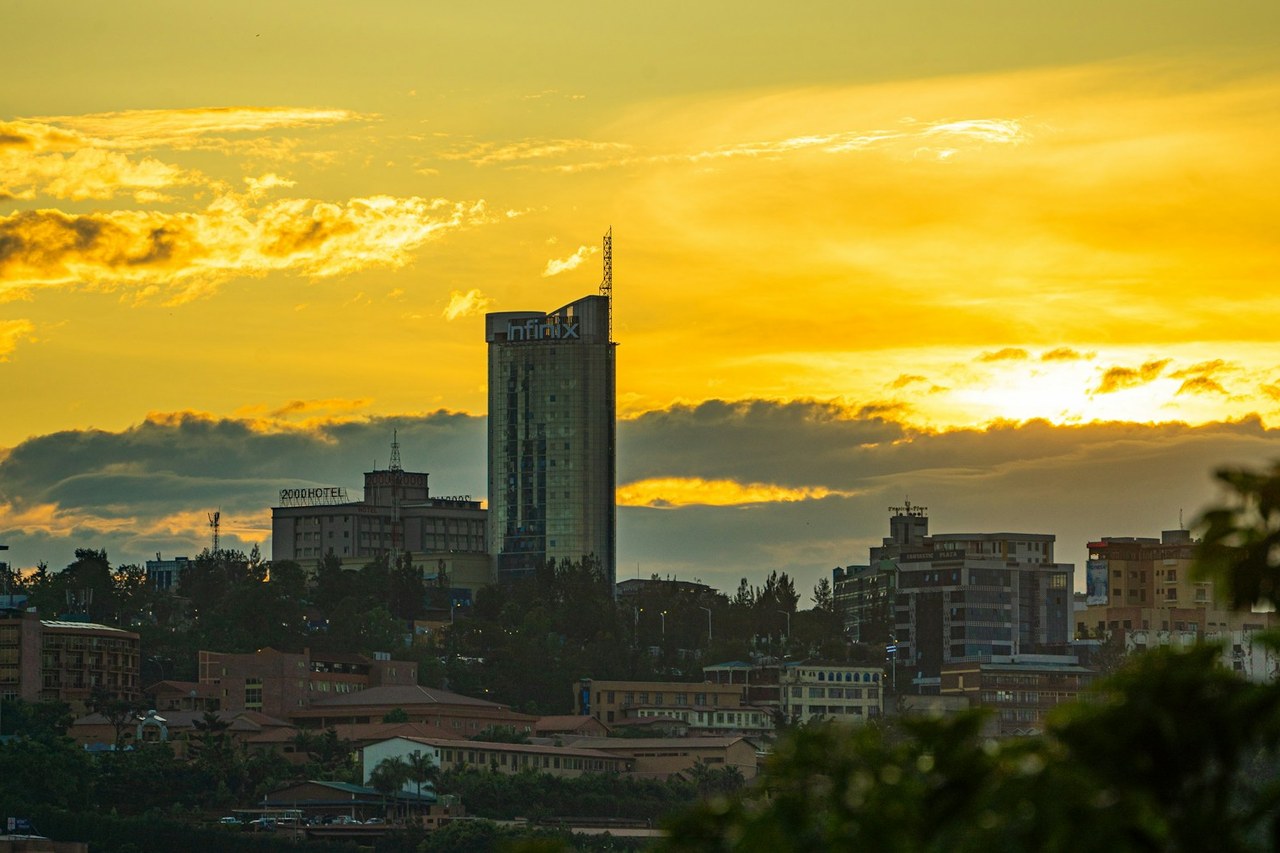
Africa's cleanest, calmest capital, spread across green hills as the gateway to the gorillas.
- Best time to visit: June-September and December-February (dry seasons)
- Daily budget (budget traveller): $60 to $120 USD
- Ideal trip length: 2 to 3 days
Kigali surprises everyone: a hilly, spotless, orderly capital with great coffee, a thriving art scene and a moving, essential memorial to the 1994 genocide. It's the launchpad for Rwanda's famous gorilla trekking, but the city itself rewards a couple of days. Rwanda has made tourism a national priority and arrivals are climbing fast. Joy Plus pairs Kigali's cafés, markets and the Genocide Memorial with the logistics of heading north to Volcanoes National Park, so your time on the ground flows.
Kigali sits at 1,567 metres on a scatter of green hills, and the first thing it does is break your expectations. The streets are spotless, the traffic is calm, and the motorbike taxis stop at red lights. The city of roughly 1.7 million has quietly become one of the best-run capitals in Africa. It hosted the 2025 UCI Road World Championships, the first ever on the continent, and the hills that made cyclists cry are the same ones that give you rooftop views at every turn. Days are mild (15-27°C most of the year), the coffee is exceptional, and the art and café scene in Kimihurura and Kacyiru is bigger than most visitors guess.
It is also a city that asks you to pay attention. The Kigali Genocide Memorial in Gisozi is the most important stop in the country, and it deserves a full morning with the audio guide, not a quick tick-off. Plan something gentle for the afternoon: a roastery, a gallery, a long lunch. Then go and see how Rwanda rebuilt itself. Nyamirambo, the mosque-and-tailor quarter, is the warm, noisy answer to the polished hills, and the community-run walking tour there ends at a home-cooked table. On the last Saturday of the month, Umuganda community work shuts roads and shops until 11am, which is worth knowing before you plan a big day.
Kigali is also the staging post for everything that makes Rwanda famous. Volcanoes National Park and the gorillas are 2 to 3 hours north by road, Akagera's savannah is 2.5 hours east, and Nyungwe's chimpanzees and canopy walk are further southwest. Plan 3 to 4 days in the city itself, longer if you want the memorials at Nyamata and Ntarama. Prices are quoted in Rwandan francs (RWF) and sit around 1,450 RWF to the US dollar, so brochettes and moto rides are almost laughably cheap, while hotels and gorilla permits are not.
How many days in Kigali?
For Kigali, we recommend 2 to 3 days.
| Trip length | What you'll see | Itinerary |
|---|---|---|
| 2 days · Recommended | Kimihurura & Kacyiru; Kigali Genocide Memorial | Kigali in 2 days |
| 3 days · Recommended | Adds: Nyamirambo, the neighbourhood with soul | Kigali in 3 days |
| 4 days | Adds: Markets, crafts and coffee | Kigali in 4 days |
| 5 days | Adds: Nyamata and Ntarama memorials | Kigali in 5 days |
| 7 days | Adds: Akagera safari or Musanze; Museums | Kigali in 7 days |
Kigali itinerary
Arrive, settle, Kimihurura & Kacyiru
Morning: Land at KGL, take a Move or Yego car to your hotel (RWF 8,000-12,000, 25 minutes). Drop bags, then a first coffee at Question Coffee.
Afternoon: Moto-taxi to Inema Arts Center in Kacyiru, free to enter, and meet the resident painters. Walk the quiet leafy streets nearby.
Evening: Sunset drinks at Repub Lounge, with views over the hills. Dinner at Heaven or Brachetto. Early night, tomorrow is heavy.
Kigali Genocide Memorial
Morning: Be at the Kigali Genocide Memorial in Gisozi when it opens at 8am. Take the audio guide (about RWF 15,000) and allow 3 to 4 hours. No photos inside.
Afternoon: Decompress with a quiet lunch in the memorial's café or garden. Then visit Camp Kigali Memorial, a short and sobering stop for the Belgian peacekeepers.
Evening: A drink by the pool at Hôtel des Mille Collines, the real Hotel Rwanda. Dinner nearby, nothing loud tonight.
Nyamirambo, the neighbourhood with soul
Morning: Meet the Nyamirambo Women's Center for the walking tour (about RWF 30,000 including lunch). Mosques, tailors, hair salons and street art.
Afternoon: Lunch is a home-cooked meal at a local house, part of the tour. Wander Nyamirambo's market streets and the Grand Mosque.
Evening: Charcoal-grilled brochettes and a cold Primus at a Nyamirambo bar, then a moto back to your hotel.
Markets, crafts and coffee
Morning: Kimironko Market mid-morning, the city's best produce market. Buy passion fruit, then try a tailor for kitenge fabric.
Afternoon: Caplaki Craft Village for baskets, paintings and woven bowls. Then a roastery tasting at Question Coffee or Inzora Rooftop Café.
Evening: Dinner in Kimihurura, then a night view of the Kigali Convention Centre dome. First and third Sundays are Car Free Day on Kimihurura roads, 7am to 10am.
Nyamata and Ntarama memorials
Morning: Hire a car or join a tour south to Nyamata Genocide Memorial, about 45 minutes. Hire a guide on site and take your time.
Afternoon: Visit nearby Ntarama Church memorial, then lunch in Nyamata town. Return to Kigali and rest.
Evening: Light dinner and an early night. Most travellers need a slow evening after a day like this.
Akagera safari or Musanze
Morning: Leave at 5am for Akagera National Park, 2.5 hours east. Game drive for lions, rhinos, giraffe and hippos.
Afternoon: Lunch at the park, then a boat trip on Lake Ihema. Alternatively head north to Musanze for golden monkeys or the Twin Lakes.
Evening: Back in Kigali by 8pm. Late dinner and a very long sleep.
Slow morning, museums, depart
Morning: Coffee and brunch at Bourbon or a local café. Visit the Richard Kandt House Museum, Kigali's old colonial house.
Afternoon: Rwanda Art Museum in Kanombe, formerly the presidential palace, close to the airport (around RWF 10,000). Final souvenirs.
Evening: Move or Yego car to KGL, 2 to 3 hours before your flight.
Best neighbourhoods
- Nyamirambo: The vibrant, multicultural quarter: street food, tailors, mosques and the popular women's-centre walking tour.
- Kimihurura & Kacyiru: Leafy upmarket hills with embassies, galleries, rooftop bars and the best coffee shops.
- City Centre (CBD): The compact downtown with markets, banks and the main commercial bustle.
- Gisozi: Home to the Kigali Genocide Memorial, the city's most important site.
Must-do experiences
- Kigali Genocide Memorial: A powerful, beautifully presented memorial and museum, the essential first stop for understanding Rwanda. Allow half a day.
- Nyamirambo walking tour: A community-run tour through the liveliest neighbourhood, ending with a home-cooked meal.
- Coffee at a Rwandan roastery: Sample world-class single-origin beans where they're grown, at Question Coffee or Inzora.
- Caplaki & Kimironko Market: Browse craft cooperatives for baskets and art, then dive into the colourful produce market.
Hidden gems
- The Inema Arts Center, a buzzing studio-gallery with resident painters and weekend events.
- Sunset drinks at a Kacyiru rooftop bar, looking out over the thousand hills.
- The Camp Kigali memorial to the Belgian peacekeepers, a quiet, sobering site.
- A milk bar (a Rwandan institution) for a warm glass of fresh milk, sweet or savoury.
Daily budget
- Accommodation: budget RWF 18,000-35,000 / night (hostel dorm or basic guesthouse), mid-range RWF 100,000-220,000 (boutique double, Onomo or Heaven level), splurge RWF 380,000+ (Kigali Marriott, Serena, Radisson Blu). Kimihurura and Kacyiru are the best value bases. Book direct for breakfast-included rates, and ask about the 18% VAT.
- Food: budget RWF 8,000-14,000 / day (melange lunches, brochettes, milk bars), mid-range RWF 25,000-45,000 (café lunch, one proper dinner), splurge RWF 80,000+ (tasting menu, hotel fine dining). A melange buffet plate is RWF 3,500-6,000 and a goat brochette is RWF 1,000-1,500. Lunch is where local places shine.
- Transport: budget RWF 3,000-6,000 / day (motos + city bus with Tap&Go card), mid-range RWF 10,000-20,000 (Move or Yego cars, a few motos), splurge RWF 120,000-180,000 (private 4x4 with driver-guide per day). Short moto rides cost RWF 1,000-2,500 and bus fares RWF 400-600. Always use the app, never negotiate cold.
- Activities: budget RWF 0-15,000 / day (memorial is free, Inema Arts Center, hill walks), mid-range RWF 40,000-90,000 (audio guide, Nyamirambo tour, roastery visit, Nyamata trip), splurge RWF 2,200,000+ (gorilla permit, USD 1,500, plus transport). Gorilla permits are the one big-ticket item, so book through RDB or an operator months ahead and budget everything else around it.
- Drinks & nightlife: budget RWF 3,000-6,000 (Primus or Mützig in a local bar at RWF 1,500-2,000), mid-range RWF 15,000-30,000 (rooftop cocktails at RWF 6,000-9,000), splurge RWF 60,000+ (hotel lounge, bottle service, late club). Kigali nightlife is relaxed and early. Most bars wind down by 1am, and sit-down spots add service charge.
Where to stay
- Social hostel in Kimihurura / Kacyiru (RWF 18,000-35,000 / night): Step Town Hostel and similar dorm-and-private guesthouses put you near the cafés, Inema and the Convention Centre, with moto-taxis outside the door. Rooms are basic but social, and hosts organise transport north.
- Boutique hotel in Kimihurura (RWF 100,000-220,000 / night): Heaven Boutique Hotel or Onomo Hotel, quiet, design-led, with a garden terrace and great breakfast. Heaven's profits support local community projects.
- Apartment in Kacyiru or Nyarutarama (RWF 70,000-150,000 / night): Serviced apartments with a kitchen, balcony and a small supermarket nearby. Best value for a 5+ night stay, especially around the gorilla trip.
- Splurge in City Centre / Kiyovu (RWF 380,000-650,000 / night): Kigali Marriott, Kigali Serena or Hôtel des Mille Collines, pools, spa, airport transfers and the best breakfast buffets in town.
What to eat
- Brochettes, charcoal-grilled goat or beef skewers, the national favourite
- Isombe, cassava leaves stewed with groundnuts
- Rwandan single-origin coffee and tea
- Melange, the build-your-own buffet plate at lunch spots
Day trips
- Volcanoes National Park and Musanze (2 to 3 hours by road): Home of the mountain gorillas, plus golden monkeys, Dian Fossey's grave hike and the Twin Lakes. A gorilla trek needs a USD 1,500 permit and a 7am start at Kinigi, so most people overnight in Musanze rather than day trip. Volcano Express or Ritco buses from Nyabugogo, RWF 3,500-4,500. Private driver-guide RWF 120,000-180,000 per day.
- Akagera National Park (2.5 hours east by road): Rwanda's only savannah park, with lions, rhinos, elephants, giraffe and hippos. Doable as a long day trip, better with a night in a lodge. Day tour or a rented 4x4 with a driver from Kigali, USD 200-300 per person. Park fee is about USD 50 per adult plus vehicle.
- Nyamata and Ntarama memorials (45 minutes south): Two church memorials where thousands were killed in 1994. Among the most powerful sites in Rwanda, best visited with a local guide and plenty of quiet time. Hire a car with driver (RWF 60,000-90,000 for half a day) or take a bus to Nyamata from Nyabugogo, about RWF 1,000 each way.
When to visit
- Long dry season (June - September): 14-27°C, sunny, cool mornings, almost no rain in July and August. Crowds: Highest of the year, gorilla permits sell out early. The classic window. Dry trails up north, clear hill views, events like the Kigali Peace Marathon in June and Kwita Izina in early September. Book hotels and permits months ahead.
- Short rains (October - November): 16-26°C, afternoon storms, humid, lush green hills. Crowds: Low to moderate. Good value. Mornings are usually clear, then the sky opens at 3pm. Keep the museum and café afternoons flexible and enjoy cheaper rooms.
- Short dry season (December - February): 15-28°C, mostly dry and sunny, the warmest and brightest stretch. Crowds: Moderate, spikes over Christmas and New Year with the diaspora. The locals' pick. Dry enough for Musanze and Akagera, quieter than July, and the city looks its best under blue skies.
- Long rains (March - May): 16-25°C, heavy downpours, April is the wettest month. Crowds: Lowest. Cheapest and greenest, but trails are muddy and moto rides get wet. Kwibuka, the national mourning period, starts on 7 April, and nightlife goes very quiet for a week or more.
Entry rules for your passport
Visa rules for Rwanda depend on the passport you travel on. Check the official source before you book: Rwanda Directorate General of Immigration and Emigration
Getting there
Kigali International Airport (KGL) is 10km east of the centre in Kanombe, with direct flights on RwandAir, Qatar Airways, Turkish Airlines, Brussels Airlines, KLM, Ethiopian and Kenya Airways. A Move or Yego car to Kimihurura or the CBD costs RWF 8,000-12,000 and takes 20 to 30 minutes, taxis at the rank quote RWF 12,000-15,000. Bugesera International Airport is planned but KGL remains the main arrival point, so check before you book. Overland, buses run from Kampala (9 to 10 hours) and Bujumbura, arriving at Nyabugogo. Everyone can get a visa on arrival, free for 30 days for African Union, Commonwealth and Francophonie member states, France included, while others pay up to USD 50, so confirm before you travel. Strict entry restrictions apply if you have been in the DRC in the previous 21 days. Carry no plastic bags, customs will confiscate them.
Getting around
Kigali is hilly and spread out, so walking everywhere isn't practical. Moto-taxis (helmeted motorbikes) are the cheap, fast local way around, and apps like Move and Yego offer metered cars and motos. The city is famously orderly and safe; the airport is close to the centre. For the gorillas, arrange a vehicle or tour north to Musanze.
Safety
Kigali is one of Africa's safest cities, exceptionally clean and orderly, with very low crime. Plastic bags are banned, so leave them at home. The Genocide Memorial is emotionally heavy; pace yourself. Standard precautions apply at night, but the city feels notably secure. Away from the capital, governments advise caution or against non-essential travel in the areas bordering the DRC around Gisenyi (Rubavu) and Rusizi, where crossings can close without notice: during an Ebola outbreak in eastern DRC, the Gisenyi-Goma and Cyangugu-Bukavu crossings are closed to most travellers, and Rwanda refuses entry to foreigners who have been in or transited through the DRC in the previous 30 days. Check current advice before any trip to Lake Kivu.
Solo travel tips
- Master the moto-taxi: Use SafeMotos, Yego or Move rather than hailing on the street. Fares are fixed (RWF 1,000-2,500 for most rides), drivers carry a spare helmet for you, and the app tracks your route. Wear the helmet, always.
- Go to the memorial early, plan a soft landing: Be at the Kigali Genocide Memorial at 8am when it opens, then keep your afternoon light. Coffee, a gallery, a quiet garden. Many solo travellers find it easier to talk through the day with someone, so a hostel common room or a Nyamirambo guide helps.
- Social options are few, so create them: Kigali has fewer social hostels than Nairobi or Lisbon, but the Nyamirambo Women's Center tour, Car Free Day on the first and third Sundays, and the last-Saturday Umuganda all put you next to locals. Most guesthouse hosts will happily introduce you to a driver or a friend.
- Solo female travellers: Kigali is one of Africa's safest cities for women alone. Street harassment is rare, and moto-taxis are fine in daylight. At night use the Move or Yego app, dress modestly (shoulders and knees covered), and ignore the occasional curious stare.
- Sharing the gorilla trek: Permits are USD 1,500 and can't be split, but groups of up to 8 trek together, so you'll meet people on the mountain. Join a small-group operator out of Kigali or ask your guesthouse about shared transport to Musanze (Volcano Express buses are around RWF 3,500-4,500 from Nyabugogo).
- Eat where locals eat, at the counter: Melange buffets at lunch, brochette grills at dusk, and milk bars (amata) for a warm glass of fresh milk. Sit at the counter, point at the pan, and you'll be chatting with the next person in line.
Cultural etiquette
- Greet before you ask for anything. 'Muraho' (hello) and 'Murakoze' (thank you) go a long way, and a handshake with your left hand on your right forearm is the respectful form.
- Umuganda is the last Saturday of every month, 8am to 11am. Roads and shops close for community work, so don't plan a morning flight or tour then. Visitors are welcome to join.
- Call it 'the genocide against the Tutsi' and never ask someone's ethnicity. Rwandans speak about 1994 openly, but use their words and let them lead.
- At the Kigali Genocide Memorial, dress modestly, speak softly and do not take photos inside the exhibition. Don't treat it as a quick stop.
- Plastic bags are banned, so bring a cloth tote. Camouflage clothing is illegal for civilians and photographing military, police and presidential sites will get you stopped.
- Dress neatly. Shoulders and knees covered is the norm, and Rwandans consider tidy clothes a sign of respect, even on a moto.
- Don't eat while walking in public, and avoid public displays of affection. It's a polite, reserved culture and small gestures matter.
Frequently asked questions
How many days do you need in Kigali?
Two to three days covers the Genocide Memorial, the markets, the art and coffee scene, and gives you a base before or after gorilla trekking up north.
Is Kigali safe for solo travellers?
Very. Kigali is one of the safest, cleanest capitals in Africa, with low crime and easy moto-taxi transport, making it comfortable for solo travel.
When is the best time to visit Kigali?
The dry seasons, June-September and December-February, are best for the city and for onward gorilla trekking. The rainy months bring lush hills but muddier trails.
Do I need a visa to visit Kigali, Rwanda?
Citizens of every country can get a visa on arrival. It is free for 30 days for citizens of African Union, Commonwealth and Francophonie member states, which includes France; others pay up to US$50 for a single entry. An East African Tourist Visa also covers Kenya and Uganda. Foreigners who have been in or transited through the DRC in the previous 30 days are refused entry.
How do I get from Kigali to see the gorillas?
Volcanoes National Park, the gorilla-trekking base near Musanze, is a two-to-three-hour drive north of Kigali. Most visitors arrange a private vehicle or tour, and you'll need a gorilla permit booked well in advance.
Is Kigali expensive to visit?
The city itself is moderate, around $60 to $120 a day for comfortable hotels and good food, though Rwanda overall skews higher because gorilla permits are a major cost. Local food, coffee and moto-taxis are very cheap.
Is the Kigali Genocide Memorial worth visiting?
Yes, it's an essential and deeply moving experience that gives vital context to Rwanda today. The memorial and museum are thoughtfully presented; allow at least half a day and be prepared for an emotionally heavy visit.
Tours and activities in Kigali | Kigali in 2 days | Kigali in 3 days | Kigali in 4 days | Kigali in 5 days | Kigali in 7 days
Joy Plus home | Destinations | Itineraries | Activities | Flights | Budget planner | Calendar | Map | Blog | Lifetime access