Destinations / Europe
Kitzbühel, Austria travel guide
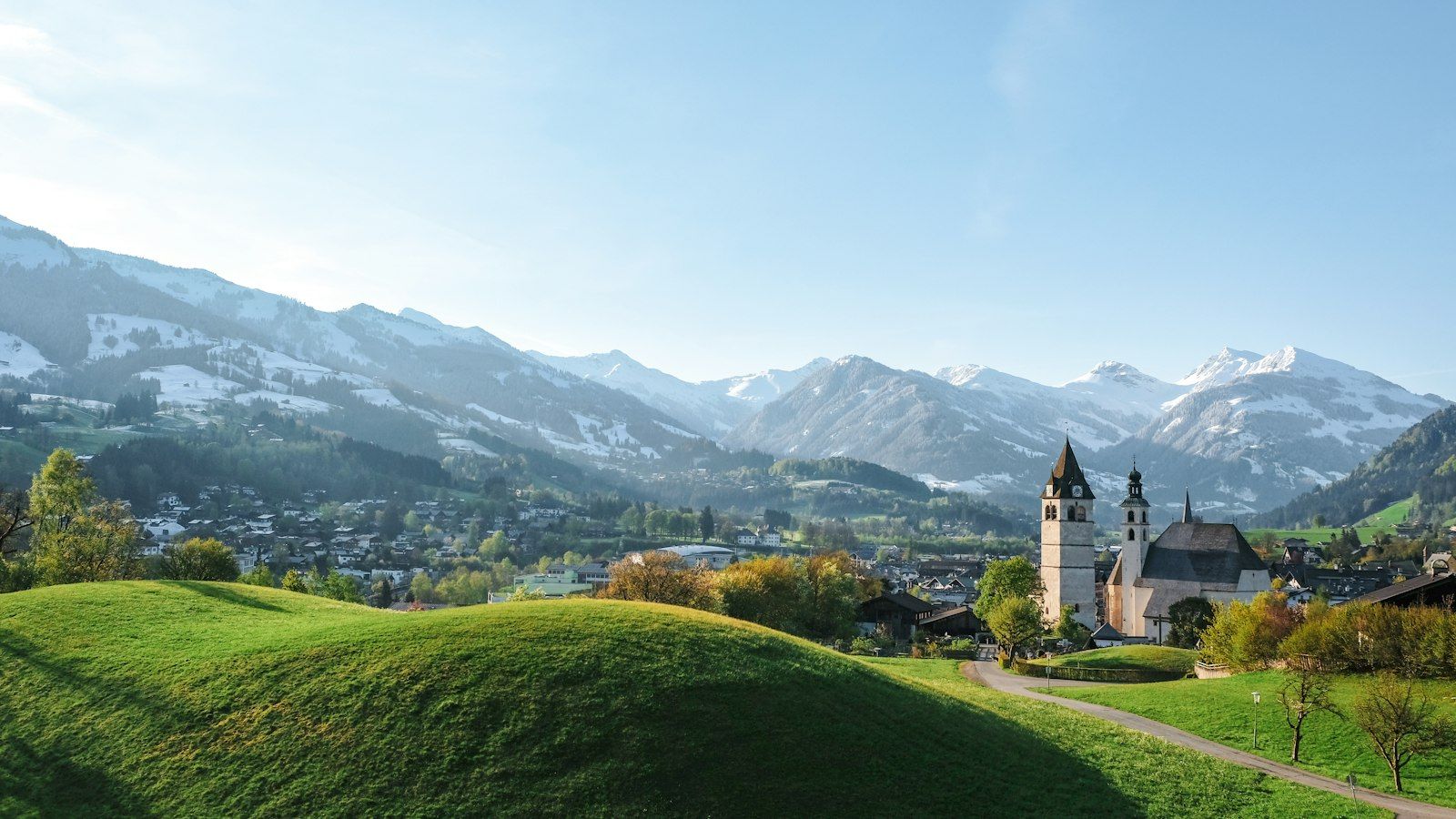
A walled medieval town in the Tyrolean Alps with the world's most feared downhill on its doorstep, a huge linked ski area, a sunny second mountain and a summer swimming lake.
- Best time to visit: January to March for skiing, June to September for hiking
- Daily budget (budget traveller): $120 to $380 USD
- Ideal trip length: 4 to 7 days
Kitzbühel is a small walled town of roughly 8,000 people at 762 metres in Tyrol, and for one week every January the whole ski world is watching it. The Hahnenkamm races run down the Streif, a downhill course with an 85 per cent gradient at the Mausefalle, 860 metres of vertical and top speeds near 150 km/h. For the rest of the winter, the KitzSki area links the town with Kirchberg, Jochberg and Pass Thurn across the Hahnenkamm, and the Kitzbüheler Horn on the other side of the valley offers sunnier, quieter slopes. Kitzbühel is known for fur coats, Porsches and champagne after skiing, and the prices match. But if you're travelling solo, you can stay at the town's backpacker hostel, eat Gröstl in old Gasthöfe, buy a lift pass in the cheaper Spar weeks and ride the free ski buses. You'll find a friendly, walkable town with a real Tyrolean centre. Summer gets overlooked: the lifts carry hikers instead of skiers, the Schwarzsee becomes a swimming lake and the Alpine Flower Garden on the Horn fills with more than 400 plant species. Kitzbühel is easy to reach by train, safe and compact, so it works well for a first solo trip to the Alps.
Kitzbühel became famous for skiing early. A local ski club was racing on the Hahnenkamm in the 1930s, and in the 1950s Toni Sailer and his teammates made the town a household name. That history is everywhere: in the Alfons Walde posters, in the museum, and in the race numbers framed above bar counters. The modern town has two sides. One is the luxury Kitzbühel of Vorderstadt boutiques, champagne at the finish area and chalets that cost tens of thousands a week. The other is the Kitzbühel where Tyrolean families run the Gasthöfe, ski instructors eat Gröstl after work, and a backpacker hostel sits a five-minute walk from the Hahnenkamm gondola. This guide sticks mainly to the second.
For a solo traveller, the setup is simple. Base yourself in or near the old town, buy a multi-day KitzSki pass and let the free red ski buses do the rest. Ski the Hahnenkamm side on your first day to get your bearings. Save a clear day for crossing the valley on the 3S gondola to Resterhöhe, and keep a sunny morning for the Horn, which faces the light and stays quieter. Because Kitzbühel is on the main rail line, rest days are easy: Innsbruck and Kufstein are short train rides away. If you're travelling in summer, the plan changes but the logic stays the same. Walk to the Schwarzsee, ride the lifts as hiking shuttles, and time your trip for May, June, September or October, when the KitzCard includes a free return lift ride every day.
Prices depend on timing. KitzSki splits the winter into Spar, Vorteil and Premium periods, with an adult day pass at €69, €76 or €83 for 2026/27. Hahnenkamm week, from 18 to 24 January 2027, pushes room rates far above anything else in the season. Early December, mid-January (before race week) and late March are the best-value windows. Snow at this altitude is less reliable than in the high glacier resorts, but the area has extensive snowmaking. The town is safe, the locals speak good English, and Austrian trains run on time, which makes Kitzbühel one of the easiest places in the Alps to visit alone.
Kitzbühel itinerary
Arrive by train, settle into the old town
Morning: Train from Innsbruck (about 1 hour 5 minutes to 1 hour 15 minutes) or Munich (about 2.5 hours via Wörgl) to Kitzbühel Hahnenkamm station. Walk five minutes to SnowBunnys on Bichlstraße and drop your bags.
Afternoon: Walk Vorderstadt and Hinterstadt, then climb to the Liebfrauenkirche and St Andreas. In winter the Museum Kitzbühel usually opens in the afternoon (€9, check the day's hours). Pick up your lift pass and hire gear today to avoid the morning queue.
Evening: Dinner at Huberbräu Stüberl on Vorderstadt for Gröstl or Kaspressknödel, then an early night before your first ski day.
Hahnenkamm and the Streif
Morning: Be on the Hahnenkammbahn at about 8:30am. Warm up on the reds around the top station, then ski over to Ehrenbachhöhe while the snow is still firm.
Afternoon: Look down the Streif start ramp and the Mausefalle. Strong skiers can try the Streif when it is open to the public, and everyone else can take the easier routes down. Stop at a hut for Kaiserschmarrn.
Evening: Après at The Londoner or the bars near the gondola base, then dinner at Gasthof Eggerwirt.
3S gondola to Resterhöhe
Morning: Start early and ski via Pengelstein to the 3S gondola, which spans the valley to the southern half of KitzSki. Ski the wide Resterhöhe and Pass Thurn runs, with views of the Hohe Tauern.
Afternoon: Turn back by about 2:30pm, because the return trip takes longer than it looks on the map. If your legs are done, take a KitzSki bus from the Jochberg side.
Evening: Buy groceries at a supermarket, cook in the hostel kitchen and swap route tips with the other skiers.
The sunny Kitzbüheler Horn
Morning: Take the Hornbahn near the Hauptbahnhof. The Horn gets the morning sun, has quieter slopes and has a beginner zone covered by the cheaper Horn-only ticket.
Afternoon: Lunch at the Alpenhaus on the Horn, then a few more runs or a slow ride down to watch the light on the Wilder Kaiser.
Evening: Sauna or an easy evening. Dinner at Gasthaus Chizzo for Tyrolean comfort food.
Rest day in Innsbruck
Morning: Take a direct train to Innsbruck (about 1 hour 5 minutes to 1 hour 15 minutes). Walk the old town to the Golden Roof and Maria-Theresien-Strasse.
Afternoon: Ride the Hungerburgbahn and Nordkette cable cars for the city-above-the-Alps view if the weather is clear (check current prices), or visit the Hofburg.
Evening: Take an early-evening train back. Late dinner of Kasspatzln in the old town.
Schwarzsee walk and Gaisberg night sledging
Morning: Walk to the Schwarzsee (about 30-40 minutes from the old town) and do the flat loop around the frozen lake.
Afternoon: Take the regional train to Kirchberg (about 10 minutes). Ski the Fleckalm side or simply walk around the village.
Evening: Night tobogganing on the floodlit Gaisberg run in Kirchberg, with sledge hire at the bottom. It only runs on certain evenings, so check the schedule the day before.
Last morning and departure
Morning: Have coffee and a pastry at Café Praxmair on Vorderstadt, then take one last morning of runs or visit the museum if you skipped it.
Afternoon: Return hire gear, collect your bags and take the afternoon train to Innsbruck, Salzburg or Munich. Allow extra time for passport control if you are flying out of the Schengen Area.
Evening: Arrive at your departure city with time to spare, or stay overnight near the airport.
Best neighbourhoods
- Altstadt (Vorderstadt and Hinterstadt): The car-free medieval core: two parallel streets of painted gabled houses, cafés, the Museum Kitzbühel and most of the après bars. Everything, including the Hahnenkammbahn, is within a 5 to 10 minute walk.
- Hahnenkamm side (Ganslern and Streif finish): The western edge of town around the Hahnenkammbahn valley station and Kitzbühel Hahnenkamm railway station. Ideal if you want to be first on the gondola, and it is where the race-week crowds gather at the finish area.
- Horn side (around the main station): The area east of the Kitzbüheler Ache by the Hauptbahnhof and the Hornbahn. It is a little calmer and slightly cheaper, puts the sunny Horn on your doorstep and has the best train links for day trips.
- Schwarzsee and Lebenberg: A quieter green area about 2 km northwest of the centre around the moor lake, with its own train stop, apartments and guesthouses, summer swimming and flat winter walks.
- Kirchberg in Tirol: The neighbouring village on the KitzSki network, about 10 minutes away by regional train. It has cheaper beds, a younger après crowd, the Fleckalmbahn into the ski area and the Gaisberg toboggan run.
- Jochberg: A small village about 8 km south of town, on the road to Pass Thurn. It is the quiet, cheaper way into the southern half of KitzSki and the 3S gondola.
Must-do experiences
- Ride the Hahnenkammbahn and ski KitzSki: Take the gondola from the edge of the old town to the 1,650-metre top station, then explore the linked runs to Ehrenbachhöhe, Pengelstein and Kirchberg. Adult day passes for 2026/27 cost €69, €76 or €83 depending on the season period.
- Watch the Hahnenkamm races: The 87th race week runs from 18 to 24 January 2027, with the Super-G, Downhill and Slalom on 22, 23 and 24 January. The early downhill training days are free to watch, so you can get close to the Streif without a ticket.
- Cross the valley on the 3S gondola: Ski or ride across the 3S gondola, which links the Hahnenkamm side with Resterhöhe at the far end of KitzSki. The sense of travel makes it the best single day in the area.
- Walk the old town and visit the Museum Kitzbühel: Explore Vorderstadt and Hinterstadt, then visit the museum at Hinterstadt 32 for Bronze Age mining, Toni Sailer and the 1950s ski team, plus two floors of Alfons Walde's paintings. Adult entry is €9 and under-18s go free.
- Ski or hike the Kitzbüheler Horn: The 1,996-metre Horn faces the sun across the valley and is quieter than the Hahnenkamm. In summer the Horn lifts open from late May to mid-October and lead to the Alpine Flower Garden.
- Swim or skate at the Schwarzsee: Walk or take the train to this dark moor lake northwest of town. In summer you can swim at the lido, and in winter it becomes a flat, snowy walking loop with views of the Wilder Kaiser.
- Go night tobogganing at Gaisberg: Take the train to Kirchberg and ride the floodlit toboggan run on the Gaisberg. Sledges can be hired at the bottom, and the night sessions only run on certain evenings, so check the schedule.
- Take the train to Innsbruck: Direct trains reach the Tyrolean capital in about 1 hour 5 minutes to 1 hour 15 minutes, which makes it an easy rest day for skiers: the Golden Roof, the old town arcades and the Nordkette cable car.
Hidden gems
- The Museum Kitzbühel rooftop terrace, open in summer since 2013, with views over the old town rooftops to the Hahnenkamm and the Horn
- The Alpine Flower Garden on the Kitzbüheler Horn, about 20,000 square metres of mountain meadow with more than 400 plant species, at its best in June and July
- The Bichlalm in summer, reached on a combined Horn and Bichlalm ticket (€33 for adults in 2026) that includes the Bichlalm bus, for a quieter hike on the north side of town
- The free downhill training days in Hahnenkamm week, when you can stand on the Streif with locals and none of the race-day crush
- The winter walk around the frozen Schwarzsee at dusk, a flat 40-minute loop from the old town that costs nothing
Daily budget
- Accommodation: budget €40-75 / night (dorm bed at SnowBunnys, more in peak weeks), mid-range €160-300 (boutique double in or near the old town), splurge €450+ (Tennerhof, A-ROSA Kitzbühel). Winter rates are far higher than summer rates, and Hahnenkamm week can triple them. A per-night local tourist tax is usually added on top, so check whether it is included. Pensions advertising 'Zimmer frei' around Schwarzsee and on the Horn side are cheaper than old town hotels.
- Food: budget €30-45 / day (supermarket breakfast, hut soup, one Gasthof main), mid-range €60-100 (hut lunch with drinks, sit-down Tyrolean dinner), splurge €150+ (tasting menus, Hahnenkamm-week dining). Hut mains like Gröstl or Kasspatzln tend to cost about €15-22 and a bowl of dumpling soup less. Supermarkets help a lot if your bed has a kitchen. Most shops close on Sundays, so stock up on Saturday.
- Transport: budget €0-10 / day (walking, free KitzSki buses with a lift pass), mid-range €15-40 (regional trains to Kirchberg or a day trip, the odd taxi), splurge €150+ (private airport transfer, taxis everywhere). The KitzCard does not include public transport, so buy ÖBB tickets in the app. Booking ahead gets cheaper Sparschiene fares on longer routes. Innsbruck return by train usually costs about €20-45, depending on the ticket.
- Activities: budget €0-55 / day (free walks, KitzCard lift rides in shoulder months, Horn beginner pass), mid-range €100-140 (KitzSki day pass at €69-83 plus ski or board hire), splurge €250+ (private instructor, Hahnenkamm grandstand seats). Multi-day passes are cheaper per day, for example about €423 for six days in high season. Hire is roughly €35-60 a day for skis, boots and poles, and booking online is usually cheaper. Museum Kitzbühel costs €9. Check current prices before you go.
- Drinks & nightlife: budget €10-20 (one après beer and a supermarket nightcap), mid-range €30-60 (après session plus a bar after dinner), splurge €100+ (club tables, Hahnenkamm weekend parties). Après starts around 4pm at the Hahnenkamm base and in the old town, with The Londoner the best-known pub. Nightlife is lively in peak weeks and quiet in summer. Drinks prices spike in race week.
Where to stay
- Social hostel in Old town edge, Bichlstraße (€40-75 / night (dorm bed)): SnowBunnys BackPackers Hostel is the only real backpacker option in town. It has dorms of 4 or 6 beds, private rooms, a shared kitchen, a garden with a barbecue and a common room, and it is a short walk from the old town and the Hahnenkamm gondola.
- Boutique hotel in Altstadt, Vorderstadt (€180-380 / night): Hotel Zur Tenne sits on the main old town street, so you can walk out to the gondola in the morning and back to the bars in the evening. It is a good choice for a comfortable private room on a solo trip.
- Apartment in Schwarzsee and Lebenberg (€110-220 / night): Holiday flats and pensions around the lake are cheaper than old town hotels. They have kitchens and their own train stop, and in summer you can walk to the swimming lake. Cooking your own breakfast and dinner cuts costs a lot.
- Splurge in Kitzbühel outskirts (€450-1,200+ / night): Tennerhof Gourmet & Spa de Charme Hotel for a classic Tyrolean country house with fine dining, or A-ROSA Kitzbühel for a big spa and golf-course views.
What to eat
- Tiroler Gröstl: pan-fried potatoes, onion and leftover roast pork or beef, topped with a fried egg and served in the pan, the classic hut lunch at roughly €15-20
- Kaspressknödel: pressed bread and mountain cheese dumplings, either floating in clear beef broth or served on sauerkraut, filling and fairly cheap
- Kaiserschmarrn: thick, torn, caramelised pancake with icing sugar and plum compote, big enough to share as a mid-afternoon ski stop
- Kasspatzln: Tyrolean cheese noodles baked with mountain cheese and topped with crispy onions, best after a cold day on the slopes
- Speckknödelsuppe: bacon dumplings in broth, one of the cheapest hot dishes on any mountain menu and a solid budget lunch
- Germknödel: a steamed yeast dumpling filled with plum jam and covered in melted butter, poppy seeds and sugar
- Tiroler Speckbrettl: a wooden board of smoked Speck, Bergkäse, bread and pickles, the classic mountain-hut snack with a beer
Day trips
- Innsbruck (About 1 hour 5 minutes to 1 hour 15 minutes by direct train): The capital of Tyrol is a real city surrounded by mountains, with the Golden Roof, the Hofburg, arcaded old town streets and the Nordkette cable cars climbing from the centre to more than 2,000 metres. Take an ÖBB train from Kitzbühel Hauptbahnhof or Kitzbühel Hahnenkamm to Innsbruck Hauptbahnhof, then walk about 10 minutes to the old town. Book ahead for cheaper Sparschiene fares, and check Nordkette prices and weather before you go up.
- Kufstein (About 1 hour by train via Wörgl): A riverside border town on the Inn, dominated by Festung Kufstein. The fortress Heldenorgel, said to be the largest outdoor organ in the world, plays at noon. The colourful Römerhofgasse makes a good stop for coffee and lunch. Take a regional train to Wörgl and change for Kufstein. Fortress entry is roughly €15, but check the current price and opening times.
- Krimml Waterfalls (summer only) (About 2 to 2.5 hours by bus and train via Pass Thurn): Austria's highest waterfalls drop about 380 metres in three tiers inside the Hohe Tauern National Park. A well-made path climbs past viewing platforms through the spray. Take the bus over Pass Thurn to Mittersill, then the Pinzgauer Lokalbahn to Krimml and a short bus or taxi to the falls. The path normally opens from spring to late autumn, and entry costs a few euros. Check timetables and the season before you go.
When to visit
- Early season (November - mid-December): -5 to 5°C, snow building, some days grey and damp in the valley. Crowds: Low, with a weekend bump once more of the area opens. KitzSki planned to open on the Resterkogel in early November 2026, with more of the area following later. It is the cheapest time to ski and the lift passes use the lowest prices, but check which lifts are actually running before you book.
- Peak ski season (Late December - March): -10 to 5°C, the most reliable snow in January and February, sunny spells in March. Crowds: Very busy at Christmas, New Year and Hahnenkamm week, busy at weekends and in February half-term. The classic Kitzbühel winter. Book race week (18 to 24 January 2027) months ahead or avoid it completely. Mid-January before the race and early March are good-value sweet spots, with reliable cover and fewer crowds.
- Off-season (April - May): 5-18°C, spring snow up high in April, green valleys and rain showers in May. Crowds: Very quiet, with many hotels and huts closed between seasons. Spring skiing lasts into April, then the town goes quiet. Late May is a good-value moment once the summer lifts reopen, and the KitzCard includes one free return ride a day on open summer lifts in May. Check opening dates carefully, because many places close for a few weeks.
- Summer and autumn (June - October): 15-25°C in the valley, cooler on top, afternoon thunderstorms in high summer, crisp clear days in September and October. Crowds: Busy in July and August, much calmer in June and from September. Underrated and much cheaper than winter. The Horn lifts ran from late May to mid-October in 2026, the Schwarzsee is warm enough to swim in July and August, and June and September give you free daily lift rides with the KitzCard.
Entry rules for your passport
Visa rules for Austria depend on the passport you travel on. Check the official source before you book: European Commission: Schengen visa policy
Getting there
There is no airport in Kitzbühel. Salzburg is closest (about 74 km), then Innsbruck (about 100 km) and Munich (about 170 km). Most travellers fly into Munich or Innsbruck on direct European flights, or connect through Vienna, Frankfurt or Zurich. If you are not an EU citizen, expect EES biometric registration at your first Schengen airport. It has been fully operational since April 2026, and ETIAS had not yet launched as of late October 2026, so check the latest before travelling. The train is the best way to arrive. Direct ÖBB services from Innsbruck take about 1 hour 5 minutes to 1 hour 15 minutes, Salzburg takes about 2 to 2.5 hours via Zell am See, and Munich takes about 2.5 hours with a change in Wörgl. Kitzbühel has three stations. Use Kitzbühel Hahnenkamm for the gondola and the west side of the old town, Kitzbühel Hauptbahnhof for the Horn side, and Kitzbühel Schwarzsee for the lake. Private transfers from Salzburg take about 1 hour 15 minutes but cost well over €150 one way.
Border checks: non-EU visitors (other than Swiss, Norwegian, Icelandic, Liechtenstein, Andorran, Monegasque, San Marinese and Vatican citizens, and holders of an EU residence permit or long-stay visa) are registered in the EU's Entry/Exit System (EES) instead of getting a passport stamp. On your first crossing, officers take your photo and/or fingerprints, so allow extra time at passport control. ETIAS, the planned travel authorisation, is not in operation yet, so don't pay any website for one.
Getting around
Kitzbühel is compact and the old town is pedestrianised, so you can walk almost everywhere in 10 to 15 minutes. In winter, the red KitzSki buses link the town, the lift stations, Kirchberg and Jochberg, and they are free with a valid lift pass. The town has three railway stations: Kitzbühel Hauptbahnhof by the Hornbahn, Kitzbühel Hahnenkamm about 50 metres from the main gondola, and Kitzbühel Schwarzsee. ÖBB regional trains connect them with Kirchberg, St Johann and Wörgl. Note that the Kitzbühel guest card, the KitzCard, does not include public transport, unlike the guest cards of neighbouring Kitzbüheler Alpen regions such as Kirchberg or St Johann, so buy train and bus tickets through the ÖBB app. In summer the KitzCard gives you one free return ride a day on the open summer lifts in May, June, September and October. You don't need a car in town, and parking is expensive. Taxis wait at the stations, but agree the fare first for longer trips.
Safety
Kitzbühel is very safe, and violent crime against visitors is rare. The main risks are in the mountains. Stay on marked pistes unless you are properly equipped and trained for off-piste skiing, check the Tyrol avalanche bulletin at avalanche.report every day, and never ski off-piste alone. The Streif and other black runs are genuinely steep and icy, so pick runs that match your ability. Mountain rescue is 140, ambulance is 144 and the general emergency number is 112. Make sure your travel insurance covers winter sports and helicopter rescue. Pavements in the old town turn icy in winter, so wear shoes with grip. Hahnenkamm weekend brings huge crowds and heavy drinking, so keep your phone and wallet zipped away, agree a meeting point if you are with new friends and use a licensed taxi late at night. In summer, start hikes early because afternoon thunderstorms are common, carry a layer and water, and keep away from cows with calves on alpine pastures.
Solo travel tips
- Stay at the hostel for instant ski buddies: SnowBunnys is Kitzbühel's backpacker hostel, five minutes on foot from the Hahnenkamm gondola, with 4 and 6-bed dorms, a shared kitchen and a garden. Its guests are often solo skiers looking for someone to ski with, and it costs a fraction of a hotel in town.
- Pick your dates by the lift pass calendar: KitzSki prices change between the Spar, Vorteil and Premium periods, so the same day pass can cost €69 or €83. Avoid Christmas, New Year and Hahnenkamm week if money is tight, and look at mid-January before the race or the second half of March.
- Join a group lesson or a guided ski day: Group lessons with a local ski school, such as the long-established Rote Teufel, put you on the snow with other people straight away. Even strong skiers learn the area faster with a local, and it means you're not skiing remote runs alone.
- Use the KitzCard in shoulder months: If you stay with a host registered with Kitzbühel Tourismus, you get the KitzCard. In May, June, September and October it includes one free return ride a day on open summer lifts, which saves a lot on a hiking trip. In July and August you only get discounts.
- Safety for solo travellers: Tell someone at the hostel or reception which side of the mountain you are skiing, keep your phone charged and save 140 for mountain rescue. Stay on marked pistes, read the avalanche bulletin and only go off-piste with a guide. Kitzbühel is very safe for women alone, though Hahnenkamm weekend calls for extra care late at night.
- Plan around Sundays and huts: Most shops close on Sundays, and many mountain huts only take cash or prefer it. Carry €40-60 in cash, stock up on Saturday and book popular huts ahead on busy days.
Cultural etiquette
- Greet people with 'Grüß Gott' or the more casual 'Servus'. Say 'Danke' when you leave a shop or hut. English is widely spoken, but a little German goes down well.
- Queue properly at lifts and at hut counters. Pushing past people in a ski school line is considered rude.
- In the sauna, nudity is normal and swimwear is often not allowed. Sit on a towel and keep quiet.
- Most shops close on Sundays and public holidays. Quiet hours in guesthouses usually start around 10pm.
- At a hut, you may be asked to share a table when it is busy. Ask 'Ist hier frei?' and join in, as this is how solo travellers end up talking to people.
- Dress smart-casual for dinner in the old town in winter. Kitzbühel is a little dressier than most ski resorts, but ski clothes are fine at huts and après bars.
- Respect the alpine pastures in summer. Close gates behind you, keep dogs on leads and give cattle plenty of space.
Frequently asked questions
How do I get from the airport to Kitzbühel?
Salzburg airport is closest at about 74 km, followed by Innsbruck at about 100 km and Munich at about 170 km. Innsbruck is easiest by public transport: take a bus or taxi to Innsbruck Hauptbahnhof (about 15 minutes), then a train to Kitzbühel, which takes about 1 hour 5 minutes to 1 hour 15 minutes on direct services. From Salzburg the regional train takes about 2 to 2.5 hours via Zell am See. From Munich, allow about 2.5 hours with a change in Wörgl. Private transfers from Salzburg take about 1 hour 15 minutes but cost well over €150, so split one if you can.
How many days do I need in Kitzbühel?
Four or five days give you the Hahnenkamm, the 3S gondola to Resterhöhe, the Horn and a slow morning in the old town. Seven days lets you add a rest day in Innsbruck or Kufstein by train, a Schwarzsee walk and night tobogganing in Kirchberg. In summer, three or four days of hiking and lake swimming is plenty.
When is the best time to visit Kitzbühel?
For skiing, January to March has the most reliable snow, and February brings the longest sunny days. Avoid Hahnenkamm week (18 to 24 January 2027) unless you are going for the race, because prices jump and beds sell out. Early December and late March are cheaper. For hiking, June to September is best. Late May, June and September are especially good value because the KitzCard includes a free daily return lift ride in those months.
Do I need to ski to enjoy Kitzbühel in winter?
No. You can walk to the Schwarzsee, ride the Hahnenkammbahn as a pedestrian for the views and lunch, go night tobogganing at Gaisberg in Kirchberg, visit the Museum Kitzbühel and take trains to Innsbruck or Kufstein. Some lift tickets also cover tobogganing, so ask at the ticket desk.
Is Kitzbühel very expensive for solo travellers?
It is one of the pricier resorts in Austria, but you can keep costs down. A dorm bed at the town's backpacker hostel, a supermarket breakfast, a hut soup for lunch and a Gasthof dinner can keep a ski day to about €110-170 including a lift pass bought outside the Premium period. Hahnenkamm week and the Christmas holidays cost far more, so avoid them if you're on a budget.
How do I get tickets for the Hahnenkamm races?
Official tickets are sold through hahnenkamm.com. General spectator tickets go through the online ticket shop, and grandstand and zone tickets are requested through a form. Downhill training days early in race week are free to watch. Race weekend sells out and accommodation fills months ahead, so book both as early as you can, and check current prices and programme times on the official site.
Can I use cards everywhere in Kitzbühel?
Cards and contactless payment work in hotels, shops, lift ticket offices and most restaurants. Some mountain huts, small Gasthöfe and market stalls still prefer cash or only accept cash, so carry €40-60. ATMs (Bankomat) are easy to find in the old town and at the stations.
What entry rules apply to travellers visiting Austria in 2026?
Austria is in the Schengen Area. The EU Entry/Exit System has been fully operational since 10 April 2026, so non-EU visitors on short stays have fingerprints and a facial photo taken at their first Schengen border instead of a passport stamp. The 90 days in any 180 days rule still applies. ETIAS, the online travel authorisation for visa-exempt nationals such as UK, US, Canadian and Australian citizens, had not launched as of late October 2026, and no start date had been confirmed. Rules can change quickly, so confirm the current requirements on the Austrian Foreign Ministry website (bmeia.gv.at), the EU's official travel-europe.europa.eu site and your own government's travel advice before you book.
Tours and activities in Kitzbühel | Kitzbühel in 2 days | Kitzbühel in 3 days | Kitzbühel in 4 days | Kitzbühel in 5 days | Kitzbühel in 7 days
Joy Plus home | Destinations | Itineraries | Activities | Flights | Budget planner | Calendar | Map | Blog | Lifetime access