Destinations / Europe
Kotor, Montenegro travel guide
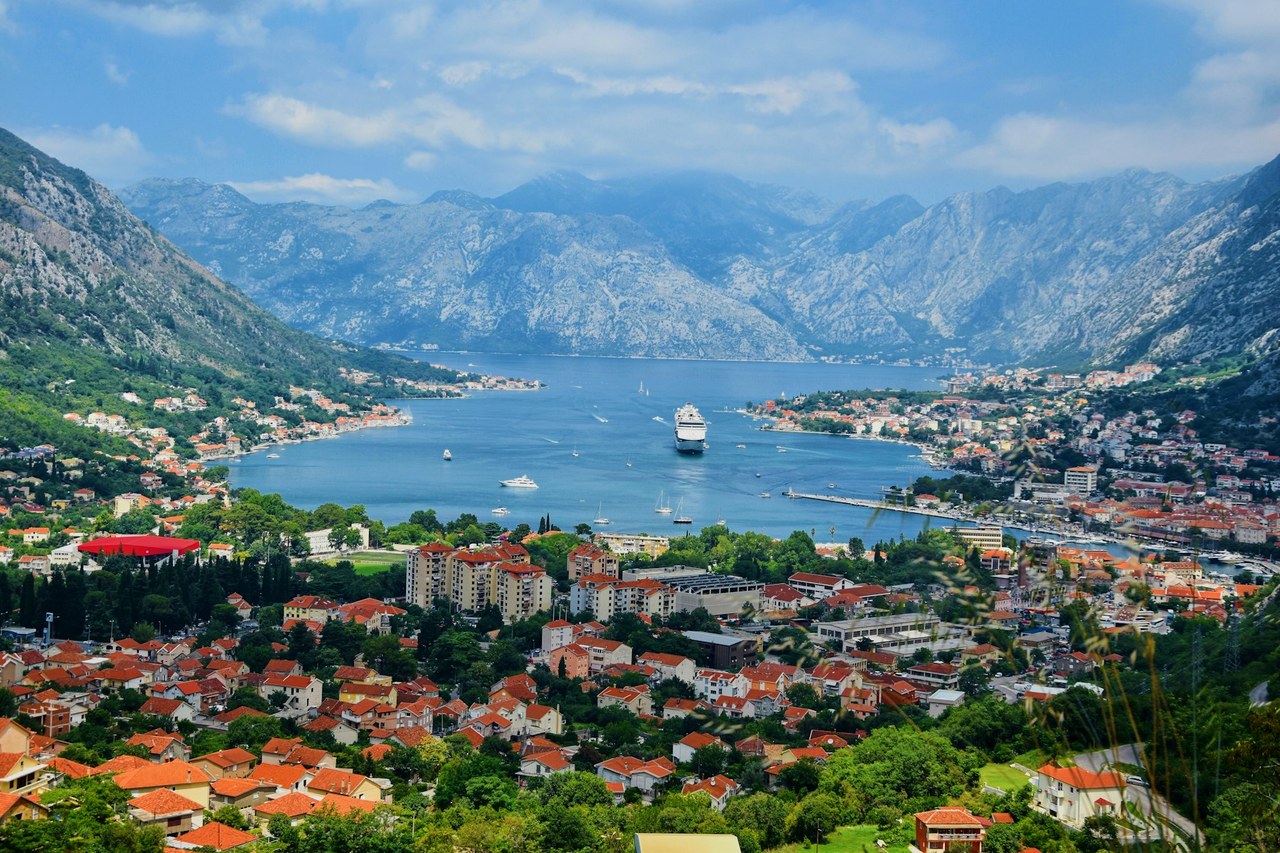
A medieval stone town wrapped around Europe's most dramatic fjord-like bay.
- Best time to visit: May-June and September
- Daily budget (budget traveller): $60 to $120 USD
- Ideal trip length: 2 to 3 days
Kotor sits at the head of a sinuous, mountain-walled bay that looks more like a Norwegian fjord than the Mediterranean. Its walled old town is a maze of marble lanes, Venetian churches and cat-filled squares, with ramparts that climb the cliff to a fortress high above. Montenegro is one of Europe's fastest-growing destinations, yet Kotor stays magical if you sidestep the cruise hours. Joy Plus times the fortress climb and bay boat trips around the ships and the heat, and points you to the quieter villages around the water.
Kotor is the best-known old town in Montenegro. It is a tight triangle of stone houses, churches and palaces wedged between the water and the steep face of Mount Lovćen, at the inner end of the Bay of Kotor. Fewer than a thousand people live inside the walls. Venice ruled here for nearly four centuries, and it shows in the winged lions on the gates, the bell towers and the elegant palaces of old seafaring families. The 1979 earthquake damaged much of the town, but it was carefully rebuilt, and the whole place has been a UNESCO World Heritage Site since 1979. Most visitors come for a few hours off a cruise ship. Stay a few nights and you get the better version: the fortress steps empty at sunrise, coffee on St Luke's Square, a swim off a Dobrota platform and the walls glowing gold above the town at night. Montenegro is not the cheapest country in the Balkans any more, but hostel beds, bakery breakfasts and €2 buses keep costs reasonable.
Getting here is straightforward. Tivat airport is about 15 to 25 minutes away by taxi, and local buses stop on the main road outside the terminal. Podgorica airport is around two hours away, and direct coaches from Dubrovnik take two and a half to three hours, plus any wait at the border. Once you are here, walk. The old town is car-free and small, and Blue Line buses along the shore cover Dobrota, Perast and Tivat for a couple of euros in cash. Base yourself inside the walls for atmosphere and an early start on the climb, in Dobrota for swimming and quiet nights, or in Škaljari for cheaper rooms near the bus station.
Timing shapes the trip. May, June, September and early October bring warm days, a warm sea and fewer crowds. July and August are hot and very busy, and the old town can feel overwhelmed on days when several cruise ships are in. From November to March, Kotor is calm and cheap, but it is one of the rainiest places in Europe, the cable car shuts and some places close. Kotor is safe and English is widely spoken, especially by younger people. Evenings revolve around bars and terraces in the old town squares rather than clubs. If you want big nightlife, go to Budva. If you want a fortress at dawn, a boat to a church on a man-made island and a glass of Vranac under the walls, stay here.
How many days in Kotor?
For Kotor, we recommend 2 to 3 days.
| Trip length | What you'll see | Itinerary |
|---|---|---|
| 2 days · Recommended | Fortress walls and museums | Kotor in 2 days |
| 3 days · Recommended | Adds: Perast and Our Lady of the Rocks | Kotor in 3 days |
| 4 days | Adds: Lovćen by cable car | Kotor in 4 days |
| 5 days | Adds: Kayak and the quiet side of the bay | Kotor in 5 days |
| 7 days | Adds: A day in Budva; Ladder of Kotor | Kotor in 7 days |
Kotor itinerary
Arrive and find your feet
Morning: Fly into Tivat or take the coach from Dubrovnik. Drop your bag and walk in through the Sea Gate for a first coffee on the Square of Arms.
Afternoon: Wander the lanes to St Luke's Square and St Tryphon's Cathedral. If a big ship is in, rest or swim off a Dobrota platform until it leaves.
Evening: Walk the waterfront at sunset as the walls light up, then have a cheap dinner of black risotto a few lanes back from the main squares.
Fortress walls and museums
Morning: Start the climb to San Giovanni Fortress (€15) by 7am, before the heat and the crowds. Allow about two hours up and down, and bring water.
Afternoon: Cool off in the Maritime Museum and the small Cat Museum, then pick up figs, cheese and pršut at the green market outside the walls.
Evening: Drinks on a square, then dinner at a konoba such as Scala Santa. Look up at the floodlit walls on the way home.
Perast and Our Lady of the Rocks
Morning: Take the Blue Line bus to Perast (about €2 in cash, 30 to 35 minutes). Walk the waterfront and climb the bell tower of St Nicholas if it is open.
Afternoon: Take a small boat to Our Lady of the Rocks (about €5 return) and see the church and museum. Have a swim off the Perast quay.
Evening: Bus back to Kotor, or stay for a quiet dinner by the water in Perast once the day boats have gone.
Lovćen by cable car
Morning: Take the shuttle from Kotor bus station to the Dub cable car station (€36 combo with the cable car) and ride up to Kuk, 1,348m up. Go on a clear morning.
Afternoon: Walk the forest trails at the top, or arrange onward transport to the Njegoš Mausoleum on Lovćen. Stop in Njeguši for ham and cheese if you are on a tour.
Evening: Ride back down for sunset over the bay. A simple dinner and an early night in Kotor.
Kayak and the quiet side of the bay
Morning: Rent a kayak or paddleboard on the waterfront and paddle out while the bay is still calm. Look back at the walls from the water.
Afternoon: Cross to Muo and Prčanj by taxi, bike or a long walk. Swim from the rocks and have a slow lunch looking back at Kotor.
Evening: Walk back along the shore, or take a taxi, for a last look at the old town from across the water.
A day in Budva
Morning: Take an intercity bus to Budva (about €4-6). Walk the walled old town and the citadel before the beaches get busy.
Afternoon: Swim at one of Budva's beaches, or walk the coast path towards Mogren. Lunch away from the main promenade.
Evening: Stay for a drink in Budva if you want livelier nightlife, then catch an evening bus back. Check the last departure first.
Ladder of Kotor and depart
Morning: Walk the first section of the Ladder of Kotor from near the North Gate for free views, before the heat sets in.
Afternoon: A final market lunch, then a taxi or bus to Tivat airport, or the afternoon coach towards your next stop. Check times the day before.
Evening: Fly home, or carry on to Budva, Podgorica or Dubrovnik.
Best neighbourhoods
- Old Town (Stari Grad): The walled medieval core: marble squares, Venetian palaces, St Tryphon's Cathedral and resident cats.
- The City Walls & Fortress: The fortifications zig-zagging up the mountain to San Giovanni castle, with bay views.
- Dobrota: The waterfront strip just north of the walls, with quieter hotels and seaside restaurants.
- Perast: A jewel-box baroque village across the bay, gateway to the island churches.
Must-do experiences
- Climb to San Giovanni Fortress: 1,350 steps up the walls to a fortress with a jaw-dropping bay panorama. Go at dawn to beat the heat and crowds.
- Boat trip on the bay: Cruise to Our Lady of the Rocks, the man-made island church off Perast.
- Wander the Old Town: Get lost in the car-free lanes, find the cat museum, and have coffee in a hidden square.
- Drive the Lovćen serpentine: The 25-hairpin road up to the national park for the legendary view back down over the whole bay.
Hidden gems
- The free 'Ladder of Kotor' trail, an old caravan path that climbs above the paid fortress route.
- Perast's quiet stone waterfront at sunset, once the cruise crowds have left.
- The blue grotto sea cave near the bay's mouth, reached by small boat.
- Gornji Stoliv, an abandoned village reachable by a forest hike above the water.
Daily budget
- Accommodation: budget €18-35 / night (hostel dorm), mid-range €80-150 (old town or Dobrota apartment, 3-star hotel), splurge €250+ (boutique waterfront hotel such as Forza Mare). Prices peak in July and August. A tourist tax of about €1 a night is often included in the rate. Book single rooms in the old town early for summer.
- Food: budget €15-25 / day (bakery burek, market picnic, black risotto), mid-range €35-60 (café lunch and a sit-down seafood dinner), splurge €80+ (whole fish by the kilo, wine, dessert). Restaurant mains are roughly €12-25. Whole fish is priced per kilo, so ask first. Eating a few lanes away from the main squares is cheaper.
- Transport: budget €0-5 / day (walking, Blue Line buses), mid-range €10-30 (buses plus a taxi or the cable car shuttle), splurge €50+ (private boat tour or car hire). Blue Line buses cost about €1.50-2.50 in cash. Budva is roughly €4-6 and Dubrovnik about €20-25. A taxi from Tivat airport costs around €20-30.
- Activities: budget €0-15 / day (Ladder of Kotor, swimming, the walls at €15), mid-range €20-45 (cable car at €25 return, Our Lady of the Rocks, museums), splurge €60+ (guided kayak or boat tours, Lovćen tours). The walls cost €15 in the 2026 season, with children under 12 free. The cable car and shuttle combo is €36. Lovćen National Park entry is about €5 if you go in by road.
- Drinks & nightlife: budget €5-10 (a beer or a glass of Vranac on a square), mid-range €15-30 (a few drinks at an old town bar), splurge €50+ (cocktails and clubs in Budva). A coffee costs about €1.50-2.50 and a glass of local wine €3-5. Drinking in public outside licensed premises is restricted in the old town.
Where to stay
- Social hostel in Old Town (€18-35 / night (dorm)): Old Town Hostel is in a centuries-old palace inside the walls, close to the start of the fortress climb. It is a long-running backpacker favourite with a busy common area, which makes it easy to meet other travellers.
- Boutique hotel in Old Town (€150-280 / night): Hotel Hippocampus is a small, stylish hotel in a restored stone house in the old town lanes. The Sea Gate, squares and museums are a few minutes away on foot.
- Apartment in Dobrota (€70-140 / night): Apartments in old captains' houses along the bay give you a kitchen, a balcony over the water and swimming platforms nearby. Check how far you are from the old town and whether there is parking.
- Splurge in Dobrota (€300-600+ / night): Hotel Forza Mare is a small luxury hotel right on the water in Dobrota, with its own swimming deck and a calm setting. It is a short taxi or waterfront walk from the old town.
What to eat
- Black risotto coloured with cuttlefish ink
- Fresh bay mussels (buzara style) in white wine and garlic
- Njeguški pršut, the smoked mountain ham from nearby Njeguši
- Local Vranac red wine and rakija
Day trips
- Perast and Our Lady of the Rocks (About 12km up the bay, 30 to 35 minutes by bus): A tiny baroque town with a single waterfront street, grand captains' palaces and two islands offshore. Our Lady of the Rocks is a man-made island with a church full of votive paintings and silver plates. Take the Blue Line bus from the stop outside the old town for about €2 in cash. In Perast, boats to the island cost about €5 return, and the church and museum charge a few euros.
- Lovćen National Park and Njeguši (About 11 minutes by cable car from Dub, or 1 to 1.5 hours by the serpentine road): The mountain above Kotor, with forest trails, huge views over the bay and the Njegoš Mausoleum near the summit. The village of Njeguši is famous for its smoked ham and cheese. Take the shuttle from Kotor bus station and the cable car (€36 combo), which runs from late spring to October. Alternatively, join a tour or drive the serpentine road. Park entry by road is about €5.
- Budva (About 23km south, 30 to 45 minutes by bus): Montenegro's busiest resort, with a small walled old town, long beaches and the coast's liveliest nightlife. It makes a good contrast to quieter Kotor. Intercity buses leave Kotor bus station often and cost about €4-6. Check the last bus back if you plan to stay for the evening.
When to visit
- Spring (April - May): 16-24°C, fresh with some showers, sea still cool until late May. Crowds: Low to moderate, rising with the first cruise ships. Good for the wall climb, the Ladder of Kotor and cheaper rooms. The cable car usually reopens in late April. Swimming is for the brave until late May.
- Early summer (June): 24-29°C, sunny, sea around 21-24°C. Crowds: Moderate to busy on big cruise days. One of the best months. Long evenings, warm water and green mountains. Climb early, as midday on the walls is already hot.
- High summer (July - August): 29-34°C, hot and still, sea up to about 26°C. Crowds: Very busy, especially from 10am to 3pm on cruise days. Great for swimming and kayaking, but rooms cost the most and the lanes are packed at midday. Book ahead and explore early or late in the day.
- Autumn and winter (September - March): September 22-27°C, then cooling to 8-14°C in winter, with heavy rain. Crowds: Moderate in September and October, very quiet from November. September and early October are the locals' pick, with warm water and fewer people. Winter is cheap and peaceful, but wet, and some places close.
Entry rules for your passport
Visa rules for Montenegro depend on the passport you travel on. Check the official source before you book: Montenegro Ministry of Foreign Affairs
Getting there
Kotor has no airport of its own. Tivat is closest, about 15 to 25 minutes by road. A taxi costs around €20-30, or walk to the main road outside the terminal for a local bus for a couple of euros. Podgorica airport is about two hours away by road, and buses run from the city to Kotor. Dubrovnik airport is around two hours away by car. Direct coaches from Dubrovnik's main bus station, not the airport, take two and a half to three hours and cost roughly €20-25, with one or two departures a day. Since 2026, Croatia's EU Entry/Exit System checks have caused long summer queues at the border, so allow extra time. Buses from Budva run often, cost about €4-6 and take around 30 to 45 minutes. Many cruise ships dock right beside the old town. If you drive, Kotor's parking is scarce and expensive in summer, so choose a room with parking. Montenegro's coast roads are slow and busy, especially in July and August.
Getting around
The old town is car-free and tiny, walkable end to end in ten minutes. Park outside the walls or skip the car entirely. Frequent buses link Kotor to Perast, Budva and Tivat airport, and a taxi-boat is the fun way across the bay. A rental car helps for the Lovćen loop and beaches but is a liability in town.
Safety
Kotor is very safe with minimal crime. The main hazards are the steep, uneven fortress steps and summer heat, so climb early with water. Roads around the bay are narrow and winding; drive cautiously. The bay can get extremely crowded on cruise days.
Solo travel tips
- Check the cruise calendar: Look up the cruise schedule before you plan each day. Put the old town and the walls on quiet days or early mornings, and save Perast or kayaking for days when big ships are in.
- Climb the walls at dawn: The fortress steps are hot, crowded and slow by mid-morning. Start by 7am and you get soft light, cool air and space to stop for photos.
- Carry small cash: Blue Line drivers, the Perast boatmen and the island church usually want cash. Keep coins and €5 notes handy so you are not stuck without change.
- Eat a few lanes back: The restaurants on the main squares charge for the view. Bakery burek, market picnics and konobas in the back lanes keep food costs low. Save the per-kilo fish for one good dinner.
- Safety for solo travellers: The main risks are slippery marble, the steep climb in the heat and hiking alone in the mountains. Carry water, wear shoes with grip and tell someone if you head up the Ladder of Kotor.
- Meet people on the walls or the water: Hostel common rooms, group kayak trips and boat tours to Perast are easy ways to find company. The fortress at sunrise is also a natural place to start a conversation.
Cultural etiquette
- Greet people with 'dobar dan' (good day) and say 'hvala' (thank you). Most people in tourism speak good English.
- Cover up when you leave the swimming spots. Walking through the old town in swimwear or shirtless is frowned upon and can be fined.
- Dress modestly in St Tryphon's Cathedral, Orthodox churches and island chapels, with shoulders and knees covered, and keep your voice down.
- Do not drink alcohol in the streets and squares outside bars and restaurants, as public drinking is restricted in the old town.
- Ask the price of whole fish per kilo before you order, so you are not surprised by the bill.
- Rounding up or leaving about 10% for good restaurant service is appreciated, though not compulsory.
- Leave the town's cats alone if they are sleeping, and do not climb on the old walls or bastions outside the official route.
Frequently asked questions
How many days do you need in Kotor?
Two to three days is enough for the old town, the fortress climb and a bay boat trip, with time for Perast and a Lovćen or Budva day trip.
Is Kotor good for solo travellers?
Yes, it is one of the Adriatic's easiest solo stops. The walled old town is tiny and safe to walk at night, hostels and guesthouses are sociable, and frequent cheap buses link Budva, Perast and Tivat, so you can day trip without renting a car.
When is the best time to visit Kotor?
Late spring (May-June) and September offer warm weather and fewer crowds. July-August is hot and packed with cruise passengers and beachgoers.
Do I need a visa to visit Kotor, Montenegro?
Citizens of the EU, UK, US, Canada, Australia and many other countries can visit Montenegro visa-free for up to 90 days. Montenegro is also an EU candidate, so entry is straightforward for most travellers.
How hard is the climb to Kotor's fortress?
It's about 1,350 steps up uneven stone to San Giovanni Fortress, taking most people 45 to 90 minutes. It's strenuous and very hot in midday sun, so go at dawn with water and good shoes for the best experience and views.
Is Kotor worth visiting if cruise ships are in?
Yes, but timing is everything. The old town gets crowded midday when ships dock, so explore early morning or evening. The free Ladder of Kotor trail and quieter Perast also help you escape the crush.
How do I get from Kotor to Dubrovnik or the airport?
Tivat airport is just 15 minutes away, and Podgorica about 90 minutes. Buses and taxis link Kotor to Dubrovnik in around two hours, though border crossings can add time in peak season.
Is Kotor worth visiting?
Yes, the medieval walled town set on a dramatic fjord-like bay is one of the Adriatic's most beautiful spots. A highlight of Montenegro and an easy add-on from Dubrovnik.
Tours and activities in Kotor | Kotor in 2 days | Kotor in 3 days | Kotor in 4 days | Kotor in 5 days | Kotor in 7 days
Can't decide? Compare Kotor with...
Joy Plus home | Destinations | Itineraries | Activities | Flights | Budget planner | Calendar | Map | Blog | Lifetime access