Destinations / Central America
Lake Atitlán, Guatemala travel guide
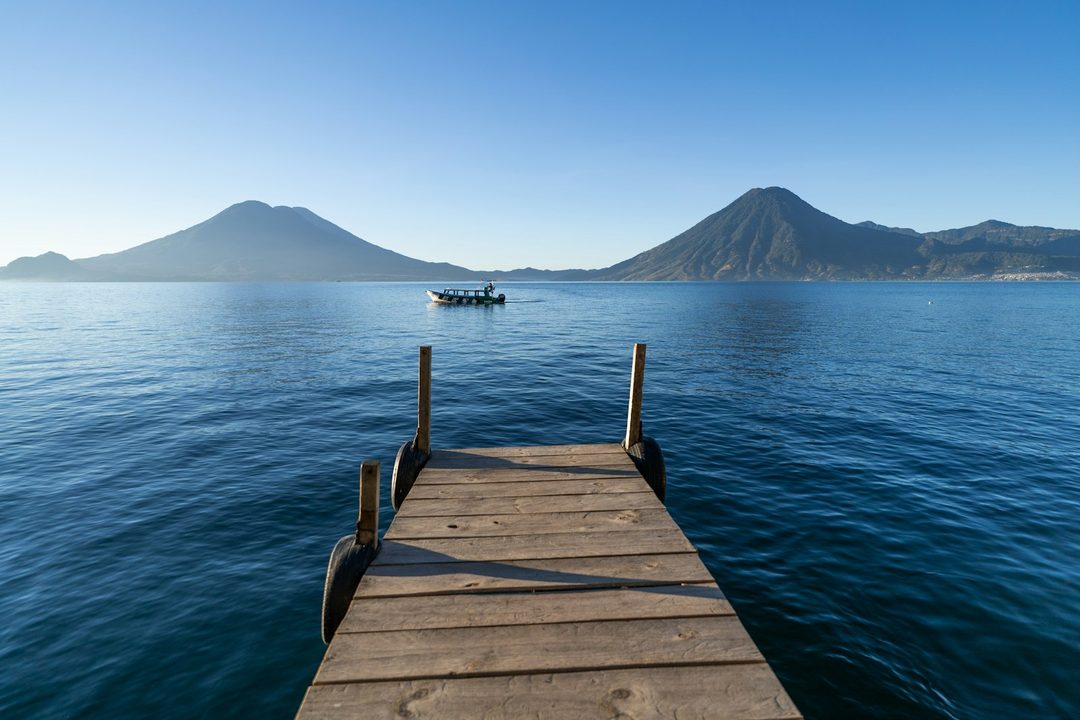
A striking volcanic caldera ringed by distinct Mayan towns: spiritual retreats, steep hikes, and bustling lakeside markets.
- Best time to visit: November to April
- Daily budget (budget traveller): $30 to $80 USD
- Ideal trip length: 4 to 5 days
Set within a massive volcanic crater in the Guatemalan highlands, Lake Atitlán is widely considered one of the most beautiful lakes in the world. Surrounded by three towering volcanoes, San Pedro, Tolimán, and Atitlán, the lake is ringed by a collection of distinct Mayan villages, each marching to its own beat. While Panajachel serves as the bustling commercial gateway, towns like San Pedro La Laguna draw a lively backpacker crowd, and San Marcos La Laguna offers a tranquil haven for yoga and wellness. For the solo traveller, Atitlán is a deeply captivating destination that balances intense outdoor adventure with profound cultural immersion. You can spend your mornings hiking up steep ridges for sunrise caldera views, your afternoons kayaking across glassy waters, and your evenings sipping locally grown coffee while watching the alpenglow fade over the volcanoes.
Set within a massive volcanic crater in the Guatemalan highlands, Lake Atitlán is widely considered one of the most beautiful lakes in the world. Surrounded by three towering volcanoes, San Pedro, Tolimán, and Atitlán, the lake is ringed by a collection of distinct Mayan villages, each marching to its own beat. While the gateway town of Panajachel bustles with commercial energy and colourful textile markets, the rest of the lake offers a patchwork of distinct micro-cultures. From the lively backpacker bars of San Pedro La Laguna to the tranquil, yoga-centric flower paths of San Marcos La Laguna, Atitlán is a place where ancient indigenous traditions seamlessly blend with modern global wanderlust.
For the solo traveller, Atitlán is a deeply captivating destination that balances intense outdoor adventure with profound cultural immersion. The lack of a complete ring road means life here revolves around the water. You will quickly become accustomed to the rhythm of the public lanchas, hopping from town to town to discover women's weaving cooperatives in San Juan or secluded cliff-jumping spots in Cerro Tzankujil. You can spend your mornings hiking up steep ridges in the dark for unparalleled sunrise caldera views, your afternoons kayaking across glassy waters, and your evenings sipping locally grown, shade-grown coffee while watching the alpenglow fade over the volcanic peaks.
Beyond the immediate shoreline, the surrounding highlands offer a wealth of exploration. The region is deeply rooted in Mayan heritage, with the Kaqchikel and Tz'utujil languages spoken just as frequently as Spanish. Whether you are navigating the chaotic, vibrant chicken buses to reach the famous Chichicastenango market, or simply finding a quiet hammock to read in the roadless village of Jaibalito, Lake Atitlán forces you to slow down. It is a budget-friendly, visually staggering, and spiritually grounding destination that rewards those who take the time to peel back its many layers.
Lake Atitlán itinerary
Arrival and the Gateway Town
Morning: Arrive in Panajachel via shuttle and drop your bags. Start your exploration with a walk down Calle Santander, browsing the vibrant textiles and handicrafts.
Afternoon: Grab a coffee at a lakeside cafe and watch the boats come and go. Take a short tuk-tuk ride to the Atitlán Nature Reserve to walk the hanging bridges.
Evening: Enjoy a relaxed welcome dinner of pepián stew at a traditional comedor in Panajachel, watching the sunset over the water.
Textiles and Traditions in San Juan
Morning: Catch a morning lancha to San Juan La Laguna. Visit the local women's weaving cooperatives to learn about backstrap weaving and natural dyeing techniques.
Afternoon: Wander the colourful, mural-lined streets of San Juan, stopping to visit a youth-run bee and honey project. Enjoy a late lunch of fresh fish by the water.
Evening: Take a short tuk-tuk ride over to San Pedro La Laguna to settle into your new base and grab a cheap local beer at a backpacker bar.
Sunrise Heights and Coffee
Morning: Wake up at 3am for a guided hike up the Indian Nose (Rostro Maya) ridge. Watch the spectacular sunrise illuminate the caldera and its three volcanoes.
Afternoon: Return to San Pedro for a well-deserved nap. In the afternoon, take a local coffee tour to learn how the shade-grown Arabica beans are cultivated and roasted.
Evening: Dine in San Pedro, enjoying the lively atmosphere and swapping travel stories with other solo backpackers.
Wellness and Water in San Marcos
Morning: Take a lancha across the lake to San Marcos La Laguna. Start your day with a drop-in yoga class at one of the many lush, open-air shalas.
Afternoon: Head to the Cerro Tzankujil Nature Reserve. Walk the forested trails and, if you are feeling brave, leap from the 12-metre wooden platform into the lake.
Evening: Enjoy a healthy, plant-based dinner at a bohemian cafe in San Marcos, soaking up the tranquil and spiritual vibe of the village.
Kayaking and Cliffside Views
Morning: Rent a kayak early in the morning while the water is still glassy. Paddle along the quiet northern shore, taking in the unobstructed volcano views.
Afternoon: Take a boat or hike the rugged coastal path to the roadless village of Jaibalito. Enjoy a peaceful lunch with sweeping cliffside views at a local eco-lodge.
Evening: Return to your base village and treat yourself to a dinner of pupusas from a local street food vendor.
Day Trip to Chichicastenango
Morning: Take an early shuttle up into the highlands to visit the famous Chichicastenango market (ensure it is a Thursday or Sunday).
Afternoon: Get lost in the chaotic, colourful maze of stalls selling masks, pottery, and textiles. Visit the steps of the nearly 500-year-old Santo Tomás church.
Evening: Return to Lake Atitlán for your final evening. Have a farewell drink at a cosy lakeside bar, reflecting on your Guatemalan journey.
Final Views and Departure
Morning: Enjoy a leisurely final Guatemalan breakfast of eggs, refried beans, and sweet plantains at a pavement cafe.
Afternoon: Take one last stroll along the docks to soak in the volcanic skyline before collecting your luggage.
Evening: Catch a reliable shared tourist shuttle back to Antigua or directly to Guatemala City for your onward travels.
Best neighbourhoods
- Panajachel: The main gateway to the lake and its busiest commercial hub, packed with transport links, bustling souvenir markets along Calle Santander, and lively street food stalls.
- San Pedro La Laguna: A vibrant, backpacker-favourite town nestled at the base of Volcán San Pedro, known for its affordable Spanish schools, lively nightlife, and steep, narrow alleys.
- San Marcos La Laguna: The lake's spiritual and wellness epicentre, characterised by lush flower-lined paths, yoga retreats, meditation centres, and a distinctly tranquil, bohemian atmosphere.
Must-do experiences
- Hike Indian Nose (Rostro Maya) for sunrise: Take a guided pre-dawn trek up this prominent ridge to watch the sun rise spectacularly over the lake and its three volcanoes, paying the Q75 to Q125 in separate entrance fees.
- Cliff jump at Cerro Tzankujil Nature Reserve: Wander the forested trails of this San Marcos reserve before paying the Q15 to Q20 entry fee and leaping from a 12-metre wooden platform into the deep, clear lake waters.
- Shop for textiles in San Juan La Laguna: Visit this colourful, artsy village to learn about traditional Mayan backstrap weaving and natural dyeing techniques at local women's cooperatives.
- Kayak the glassy morning waters: Rent a kayak or paddleboard early in the day to glide along the shoreline before the afternoon Xocomil winds make the water choppy.
- Conquer Volcán San Pedro: Hire a local guide to tackle the strenuous, steep ascent up this dormant volcano for unparalleled panoramic views of the entire caldera.
- Browse the stalls of Calle Santander: Stroll down Panajachel's main thoroughfare to shop for vibrant handicrafts, jade jewellery, and traditional Guatemalan textiles.
Hidden gems
- The serene, roadless village of Jaibalito, accessible only by boat or foot, offering total tranquillity and stunning cliffside views
- The traditional Kaqchikel Mayan town of Santa Cruz La Laguna, perched steeply on a hill above the water
- The local youth-run bee and honey projects tucked away in the vibrant backstreets of San Juan La Laguna
- The secluded thermal hot springs located near the shoreline of Santa Catarina Palopó
Daily budget
- Accommodation: budget $10 to $20 / night (social hostel dorm in San Pedro), mid-range $40 to $80 (comfortable private room or eco-lodge in San Marcos), splurge $120+ per person (luxury cliffside retreat like Casa del Mundo). Prices are generally very affordable, making private rooms accessible for solo travellers on a mid-range budget.
- Food: budget $10 to $20 / day (street food pupusas, local market fruit, and cheap comedores), mid-range $25 to $40 (sit-down meals at tourist-friendly cafes, specialty coffee, and a beer), splurge $60+ (upscale dining at boutique hotels with imported wines). Eating at local 'comedores' (basic eateries) offers incredible value and authentic Guatemalan flavour.
- Transport: budget $5 to $10 / day (a couple of lancha rides between villages and local tuk-tuks), mid-range $20 to $40 (private shuttles to Antigua or hiring a private lancha for a custom route), splurge $80+ (private taxi transfers from Guatemala City). The standard Q25 lancha fare makes village hopping cheap, provided you stick to the public boats.
- Activities: budget $5 to $15 (Cerro Tzankujil entry Q15-Q20, kayak rentals), mid-range $20 to $40 (guided Indian Nose sunrise hike, coffee tours), splurge $60+ (full-day private guided village tours or scuba diving at altitude). Many of the best sights, including exploring the village alleys and local markets, are completely free.
- Drinks & nightlife: budget $5 to $10 (local Gallo beers at a backpacker bar in San Pedro), mid-range $15 to $30 (cocktails at sunset bars or craft beer), splurge $40+ (late-night partying and imported spirits). San Pedro La Laguna is the undisputed nightlife capital of the lake, offering the cheapest drink deals.
Where to stay
- Social hostel in San Pedro La Laguna ($10 to $20 / night): The undisputed backpacker capital of the lake, offering cheap dorms, lively bars, and easy access to volcano hikes and Spanish schools.
- Boutique hotel in San Marcos La Laguna ($50 to $90 / night): Lush, eco-friendly retreats focused on wellness, offering daily yoga, vegan cafes, and serene lake views in a tranquil setting.
- Apartment in Panajachel ($40 to $70 / night): Perfect for longer stays, offering fast Wi-Fi, easy access to large supermarkets, and the best transport links to the rest of the country.
- Splurge in Santa Cruz / Jaibalito cliffs ($120 to $200+ / night): Stunning, isolated properties built directly into the volcanic cliffs, accessible only by boat, offering unmatched luxury and privacy.
What to eat
- Pepián: Guatemala's national dish, a rich, deeply spiced meat stew thickened with roasted pumpkin seeds and served with fresh tortillas
- Pupusas: thick, handmade corn tortillas stuffed with cheese, refried beans, or pork, typically served with pickled cabbage slaw
- Atol de elote: a warm, sweet, and comforting traditional Mayan beverage made from blended sweetcorn, milk, and cinnamon
- Local Atitlán coffee: world-class, shade-grown Arabica coffee cultivated on the volcanic slopes surrounding the lake
Day trips
- Chichicastenango Market (1.5 to 2 hours by shuttle): One of the largest and most vibrant indigenous markets in the Americas, operating on Thursdays and Sundays. A chaotic, colourful must-see. Book a shared shuttle from Panajachel that includes a few hours of waiting time at the market.
- Antigua (2.5 to 3 hours by shuttle): Guatemala's stunning former capital, renowned for its well-preserved Spanish colonial architecture, cobbled streets, and surrounding volcanoes. Take a morning tourist shuttle from Panajachel for a full day of exploring, though an overnight stay is better.
- Iximché Ruins (1.5 hours by car or shuttle): A pre-Columbian Mesoamerican archaeological site that was the capital of the Kaqchikel Maya kingdom, featuring plazas and pyramids. Hire a private driver or join a guided tour from Panajachel to learn about the site's rich history.
When to visit
- Spring (March to May): 20 to 28°C, warm and increasingly hazy, with afternoon thunderstorms arriving in May. Crowds: Moderate, peaking briefly around Semana Santa (Easter). A good time for swimming and kayaking, though the hazy skies can obscure the volcano views.
- Summer (June to August): 18 to 25°C, clear mornings followed by heavy afternoon downpours. Crowds: Moderate, popular with backpackers and students on summer break. The landscape is incredibly lush and green, but you must plan all outdoor activities for the early morning.
- Autumn (September to October): 16 to 24°C, the tail end of the rainy season with significant rainfall in October. Crowds: Low, offering a quiet and introspective solo experience. Highly atmospheric and peaceful, provided you pack a decent waterproof jacket and flexible plans.
- Winter (November to February): 15 to 24°C, bright, sunny, and clear, with crisp and cool evenings. Crowds: High, as international travellers arrive for the optimal weather. The absolute best season for clear caldera views, hiking, and enjoying the bustling lakeside cafes.
Entry rules for your passport
Visa rules for Guatemala depend on the passport you travel on. Check the official source before you book: Guatemalan Migration Institute
Getting there
Most travellers arrive at Lake Atitlán via shared tourist shuttles from Antigua (2.5 to 3 hours) or Guatemala City/La Aurora International Airport (3.5 to 4.5 hours). These shuttles typically drop you off in Panajachel, the lake's main transport hub. From Panajachel, you can easily catch a public lancha from the Tzanjuyu dock to your final village destination. If you are feeling adventurous and want to save money, you can take a series of colourful 'chicken buses' from Antigua, though this requires changing buses in Chimaltenango and Los Encuentros, which can be stressful with large luggage.
Getting around
The primary way to navigate between the villages of Lake Atitlán is by public lancha (water taxi). These small boats operate from early morning until around 5pm, departing when full. The standard fare between most towns is Q25 (about $3), though shorter hops can be cheaper. Always carry small bills and confirm the price before boarding. Within the towns, walking is the best way to get around, though cheap three-wheeled tuk-tuks are readily available for steep hills or carrying luggage. For longer overland journeys to Antigua or Guatemala City, shared tourist shuttles or colourful, repurposed school buses known as 'chicken buses' are the standard options.
Safety
Lake Atitlán is generally safe for solo travellers, but petty theft can occur, so keep valuables secure. When hiking popular trails like Indian Nose or Volcán San Pedro, it is highly recommended to hire a local guide, as solo hikers have occasionally faced opportunistic overcharging by landowners on unlit trails. The lake itself is subject to the 'Xocomil', a strong midday wind that makes afternoon boat rides very choppy and sometimes unsafe; always plan your water travel for the morning. Finally, avoid drinking the tap water and stick to bottled or filtered water.
Solo travel tips
- Travel by boat in the morning: The Xocomil wind reliably picks up around midday, making afternoon lancha rides very choppy and sometimes wet. Plan all your major lake crossings before 1pm for a smoother journey.
- Carry plenty of small Quetzales: ATMs in smaller villages frequently run out of cash, and lancha captains or tuk-tuk drivers rarely have change for large bills. Always keep a stash of Q5, Q10, and Q20 notes handy.
- Do not hike major trails alone: While walking between closely connected towns is fine, always hire a local guide for major hikes like Indian Nose or Volcán San Pedro to avoid getting lost or encountering opportunistic robbers.
- Negotiate tuk-tuk fares upfront: Tuk-tuks are a fun and practical way to get up steep hills, but always agree on the price with the driver before getting in to avoid being overcharged at your destination.
- Learn some basic Spanish: While English is spoken in tourist hubs like Panajachel and San Pedro, knowing basic Spanish is essential for negotiating fares, ordering food, and showing respect in smaller villages.
- Watch your step on the docks: The wooden public docks can be slippery, uneven, and chaotic when boats are loading and unloading. Keep a firm grip on your bags and take your time stepping onto the lanchas.
Cultural etiquette
- Always ask for permission before taking photographs of local Mayan people, particularly women and children.
- Dress modestly when walking through traditional villages; save the bikinis and shirtless looks for the private hotel pools or specific swimming reserves.
- Greet shopkeepers and locals with a polite 'Buenos días' or 'Buenas tardes' before asking a question or buying something.
- Haggling is expected in tourist markets like Calle Santander, but keep it respectful and remember that a few Quetzales mean more to the vendor than to you.
- Do not touch the textiles or goods on display without showing genuine interest, and handle delicate woven items with care.
- Respect the local indigenous culture and traditions; many sites around the lake are considered sacred by the Mayan communities.
- When boarding a lancha, move all the way to the back to make room for others, and always pay the captain directly when you disembark.
Frequently asked questions
How do I get to Lake Atitlán from Antigua?
The easiest and most common way is by shared tourist shuttle. The journey takes about 2.5 to 3 hours, dropping you off in Panajachel, the lake's main transport hub. Shuttles run multiple times a day.
How many days do I need at Lake Atitlán?
Four to five days is ideal. This allows you to base yourself in one town, take day trips via lancha to explore two or three other villages, and fit in a sunrise hike or kayaking session without feeling rushed.
When is the best time of year to visit?
The dry season, from November to April, offers the best weather with clear, sunny days and minimal rain, making it perfect for hiking and boat trips. The wet season (May to October) brings lush green landscapes but frequent afternoon downpours.
How much does a lancha (boat) ride cost?
The standard public lancha fare between most major towns (like Panajachel to San Pedro) is Q25 (around $3). Shorter hops between neighbouring villages can cost Q10 to Q15. Always pay the captain directly when you disembark.
Is it safe to hike around the lake solo?
While walking between closely connected towns like San Marcos and Tzununá is generally fine, major hikes like Indian Nose (Rostro Maya) or Volcán San Pedro should be done with a local guide due to the risk of trail confusion and opportunistic overcharging.
Can I swim in Lake Atitlán?
Yes, but water quality varies by location. The water near major docks in Panajachel or San Pedro can be polluted. The best and cleanest spots for swimming are near San Marcos (like the Cerro Tzankujil reserve) or Santa Cruz.
Do I need to carry cash?
Absolutely. While some larger hotels and restaurants in Panajachel or San Pedro accept credit cards, lanchas, tuk-tuks, street food vendors, and smaller villages operate entirely on cash (Guatemalan Quetzales). ATMs are available in the main towns.
What entry rules apply to travellers visiting Guatemala in 2026?
Citizens of the US, UK, Canada, Australia, and the EU can enter Guatemala visa-free for up to 90 days. However, all travellers must complete the mandatory electronic Regional Sworn Travel Declaration (DJRV) before entering and exiting the country. Ensure your passport has at least six months of validity.
Tours and activities in Lake Atitlán | Lake Atitlán in 2 days | Lake Atitlán in 3 days | Lake Atitlán in 4 days | Lake Atitlán in 5 days | Lake Atitlán in 7 days
Can't decide? Compare Lake Atitlán with...
Joy Plus home | Destinations | Itineraries | Activities | Flights | Budget planner | Calendar | Map | Blog | Lifetime access