Destinations / Europe
Lake District, England travel guide
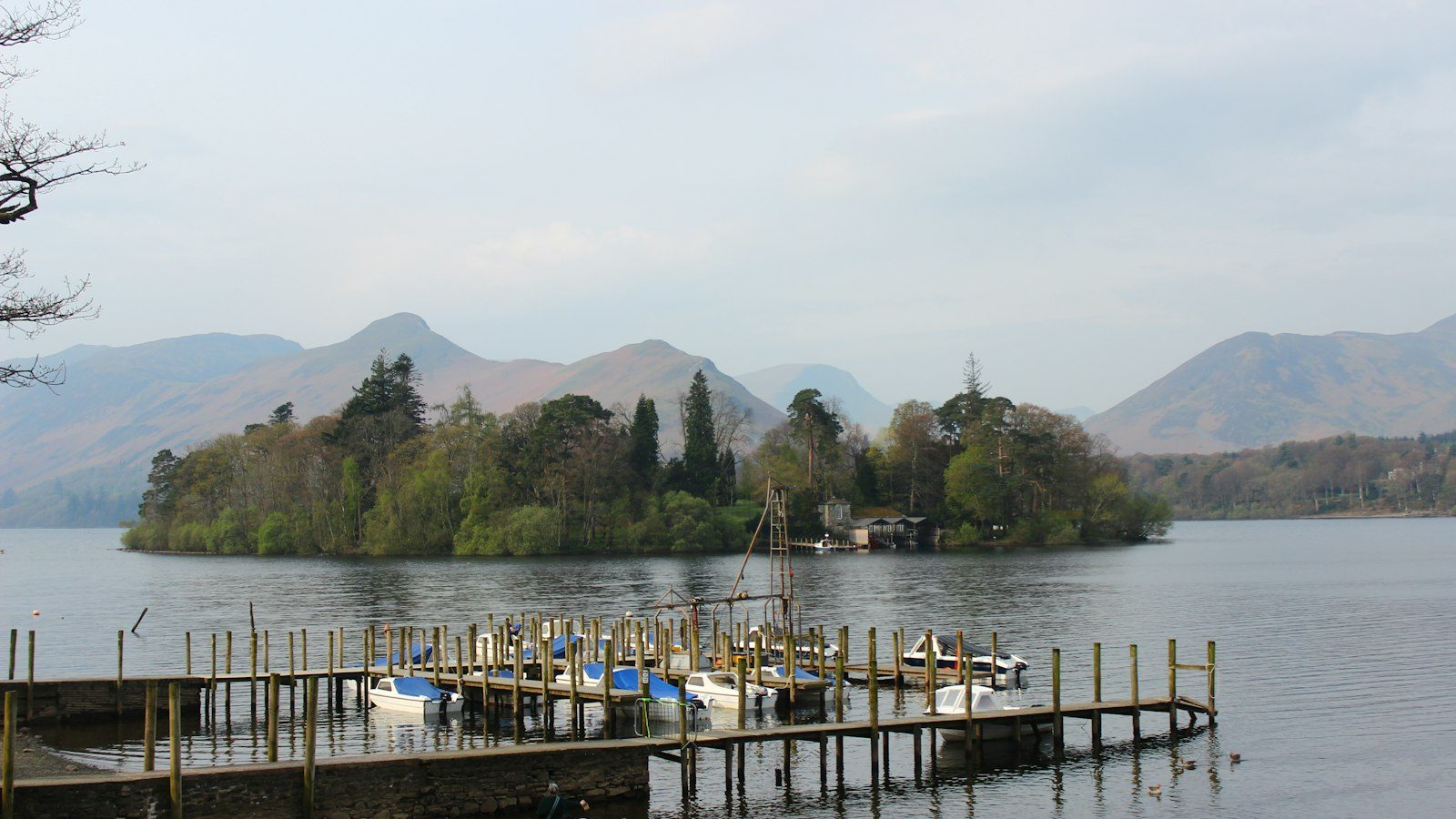
England's mountain country in the far north-west, with long, deep lakes, steep green fells and grey slate villages. You walk up Catbells, ride the old boats on Windermere and Ullswater, and end the day by a pub fire with a pint of local ale.
- Best time to visit: May to June and September
- Daily budget (budget traveller): $100 to $320 USD
- Ideal trip length: 4 to 7 days
The Lake District is a national park in Cumbria, in north-west England. It is about three hours by train from London and around two from Manchester. It packs England's highest mountain, Scafell Pike, and its largest natural lake, Windermere, into an area you can cross by bus in an afternoon. The fells here are not huge, but they are steep, rocky and often wrapped in cloud. The valleys between them hold lakes, stone walls, sheep farms and small towns built of dark slate. Wordsworth wrote poems here and Beatrix Potter bought farms here, and both left houses you can visit. Most people base themselves in Windermere, Ambleside, Grasmere or Keswick. All four sit on the main bus route, so you can manage well without a car. A solo traveller can spend the days walking marked paths, riding lake boats and catching buses between villages, then sleep in a good youth hostel and eat in a pub. Be ready for rain, crowds on summer weekends and B&Bs that charge a lot for a single room. Still, cheap capped bus fares, free walking and a long run of hostels make it one of the easiest mountain regions in Britain to explore alone.
The Lake District is England's most visited national park and has been a UNESCO World Heritage Site since 2017. It is a compact knot of mountains and lakes in Cumbria, roughly 30 miles across, and it holds every English summit over 3,000 feet. People have walked for pleasure here since the Romantic poets made it fashionable, and the network of paths, stiles and signposts is excellent. Most visitors stick to Bowness and Ambleside and drive between viewpoints. Stay a few nights and walk, and you get the better version: an empty path up a fell at 8am, a boat across the lake to start a walk, a pint in a slate-floored pub and a hostel full of people comparing routes. It is not a cheap region, and single rooms carry a premium, but hostels, free walking and capped bus fares keep costs reasonable.
Getting here by train is straightforward. Avanti West Coast trains from London and Scotland stop at Oxenholme for the Windermere branch and at Penrith for buses to Keswick and Ullswater. Some trains run direct to Windermere from Manchester Airport. Once you arrive, the Stagecoach 555 bus links the main towns, and single fares in England are capped at £3 until the end of 2026, then £2 from January 2027. Base yourself in Ambleside or Windermere for the southern lakes and Keswick for the north. Split a longer trip between the two. Use the boats on Windermere, Ullswater and Derwentwater to reach walks, and the seasonal buses into Borrowdale, Buttermere and Coniston.
Weather shapes everything here. May, June and September usually bring the best mix of light, dry spells and manageable crowds. July and August are busy and pricey, and Easter and bank holiday weekends fill every bed. Winter is short-dayed and wet, but it can also be crisp and snowy, and you will have the paths to yourself. Expect rain at some point in any season and plan a few indoor options, such as Dove Cottage, Hill Top and Keswick's museums. Evenings are quiet: pubs, an early night and a big breakfast. If you want nightlife, go to Manchester. If you want a hard walk, a lake swim and a pub supper, stay here.
Lake District itinerary
Arrive and find your feet
Morning: Take the train to Windermere, changing at Oxenholme. Drop your bag at your hostel or B&B, or leave it at the station area if you can, and have a coffee in town.
Afternoon: Walk up Orrest Head, 20 minutes from the station, for your first view of the lake. Then walk down to Bowness and wander along the waterfront.
Evening: Catch the 555 or 599 to Ambleside, check in and have dinner in a pub in town.
Hill Top and Hawkshead
Morning: Take the boat or bus to Bowness, then the small foot ferry across Windermere. Walk or take the seasonal shuttle to Near Sawrey for your booked Hill Top slot.
Afternoon: Carry on to Hawkshead, a village of white cottages and narrow lanes, for lunch. If you have the energy, walk up to Tarn Hows.
Evening: Bus back to Ambleside. A simple dinner and an early night before a walking day.
Rydal, Grasmere and Wordsworth
Morning: Walk from Ambleside via Rydal Water, Rydal Cave and Loughrigg Terrace to Grasmere. It takes two to three hours and the views are superb.
Afternoon: Visit Wordsworth Grasmere and Dove Cottage (£16). Then see St Oswald's churchyard and buy gingerbread from the shop by the gate.
Evening: Take the 555 back to Ambleside, or stay overnight in Grasmere and book dinner.
Over the pass to Keswick
Morning: Ride the 555 over Dunmail Raise to Keswick, sitting on the top deck for the views of Thirlmere. Drop your bags.
Afternoon: Walk out to Castlerigg Stone Circle (free, 30 to 40 minutes), then come back via the old railway path or the town.
Evening: Walk to Friar's Crag on Derwentwater for the sunset, then eat in one of Keswick's pubs.
Catbells and Derwentwater
Morning: Take the Keswick Launch across Derwentwater to Hawes End and climb Catbells. Start early to beat the crowds on the ridge.
Afternoon: Drop down to the lakeshore and catch the launch back from another jetty, or carry on along the shore path into Borrowdale.
Evening: Treat yourself to a pub dinner and a pint of Keswick ale. Check the forecast for tomorrow.
Buttermere or Borrowdale
Morning: In season, take the 77 bus over Honister Pass to Buttermere. Out of season, take the 78 into Borrowdale instead.
Afternoon: Walk the flat four-mile loop around Buttermere, through the rock tunnel, or climb Haystacks if you are fit and the weather is good.
Evening: Bus back to Keswick. Pack and buy a picnic for tomorrow.
Ullswater and depart
Morning: Take the X4 or X5 to Penrith, leave your bag if your plans allow, then the 508 to Pooley Bridge.
Afternoon: Cruise to Howtown, or ride the length of the lake to Glenridding. Walk a stretch of the Ullswater Way if time allows.
Evening: Bus back to Penrith and catch your train south or north. Check the last connections the day before.
Best neighbourhoods
- Windermere and Bowness: Two joined towns on the east shore of Windermere. Windermere has the railway station and the main bus stop, and Bowness, a mile downhill, has the piers, boat hire and most of the cafés. It is the easiest place to arrive and the busiest, especially in summer, so expect day trippers and coach parties along the waterfront.
- Ambleside: A small, hard-working town at the head of Windermere, full of outdoor shops, cafés and pubs. Waterhead pier and the YHA hostel sit on the lakeshore at the south end of town. It is the best all-round base for walkers, with the 555 bus, boats to Bowness and paths to Rydal and Loughrigg starting on the doorstep.
- Grasmere: A pretty village of grey stone houses beside a small lake, with Wordsworth's Dove Cottage just outside. It is quiet after the day visitors leave, and the walks over Loughrigg and up to Easedale Tarn start from the village. Choice of food is limited in the evening, so book dinner if you can.
- Keswick: The main town of the northern Lakes, on Derwentwater and ringed by fells. It has a market square, plenty of pubs and guesthouses, and launches across the lake to the foot of Catbells. It feels more like a real town than the southern villages, and buses run on into Borrowdale and Buttermere.
- Glenridding and Ullswater: A small village at the southern end of Ullswater, below Helvellyn. It has the main pier for the Ullswater boats, a couple of pubs and a youth hostel up the valley. It is quieter and more remote than the Windermere area and suits you if you mainly want to walk, though buses here are fewer.
Must-do experiences
- Take a boat across Windermere: Windermere Lake Cruises links Bowness, Ambleside, Lakeside and other piers. In the 2026 season a Red Cruise return from Bowness to Ambleside costs £19.20 (about $26 USD), and a 24-hour Freedom of the Lake ticket starts at £35. Sit on the open deck if it is dry and get off at Ambleside for lunch.
- Climb Catbells above Derwentwater: Catbells is the classic short fell near Keswick, a steep, rocky ridge with huge views over Derwentwater and Borrowdale. Take the Keswick Launch across the lake to Hawes End and walk up from there. Allow two to three hours for the round trip, and use your hands on the rocky bit near the top.
- Sail and walk on Ullswater: Ullswater 'Steamers' runs heritage boats between Glenridding, Howtown and Pooley Bridge all year, apart from Christmas. A single from Glenridding to Howtown costs £12.75. Get off at Howtown and walk the roughly seven-mile lakeside path back to Glenridding, one of the best low-level walks in the park.
- See Wordsworth's Dove Cottage: Wordsworth Grasmere covers the little cottage where the poet lived, a museum and a garden. Adult entry is £16 (about $21 USD), and the ticket is valid for 12 months. Show a bus ticket for a discount. Afterwards, visit the family graves at St Oswald's Church in the village.
- Visit Beatrix Potter's Hill Top: Potter's small farmhouse at Near Sawrey is kept much as she left it. Pre-booking a timed slot is required for everyone, including National Trust members, and adult tickets cost roughly £17. The house closes for part of the winter, so check dates before you plan around it.
- Walk to Castlerigg Stone Circle: This ring of 38 stones sits on a low hill east of Keswick, with fells on every side. It dates from around 3000 BC and is free to visit at any time. It is a 30 to 40-minute walk from the town centre, and it is best early in the morning or on a moody evening.
- Climb Orrest Head from Windermere: A paved path starts across the road from Windermere station and climbs through woods to a rocky top in about 20 minutes. This was Alfred Wainwright's first view of the Lakes. It is free, it is the perfect first walk after a long train journey, and on a clear day you can see the whole length of the lake.
Hidden gems
- Rydal Cave, a huge old slate quarry cavern on the path between Rydal and Grasmere, with stepping stones across a pool inside
- Lanty's Tarn, a small tarn ringed by trees on a short, steep climb above Glenridding, which most people walk straight past on the way to Helvellyn
- Tarn Hows above Coniston, a quiet circular path around a tarn with views of the fells, once owned by Beatrix Potter
- Buttermere's lakeside loop, a flat four-mile walk around one of the prettiest lakes, including a short tunnel cut through the rock
- Ashness Bridge and Surprise View on the road above Derwentwater, an old stone packhorse bridge and a cliff-edge view over the lake
Daily budget
- Accommodation: budget $35 to $60 USD / night (hostel dorm), mid-range $130 to $200 USD (B&B or inn, single occupancy), splurge $500+ USD (country house hotel such as Gilpin). Prices rise in July, August, school holidays and at weekends. Many B&Bs charge close to the double rate for one person, and some have minimum stays at weekends. Book summer early.
- Food: budget $30 to $45 USD / day (café breakfast, pasty or sandwich lunch, supermarket dinner), mid-range $60 to $90 USD (pub lunch and a sit-down dinner), splurge $150+ USD (tasting menu at a top restaurant). Pub mains cost roughly £16-24 ($21 to $32 USD). Keswick, Ambleside and Windermere have supermarkets for picnics. Prices are rough guides.
- Transport: budget $5 to $12 USD / day (buses at the £3 cap, or £2 from 2027), mid-range $25 to $50 USD (buses plus a lake cruise), splurge $90+ USD (car hire or taxis). A Windermere Red Cruise return is £19.20 and Freedom of the Lake starts at £35. Parking often costs roughly £8-10 a day.
- Activities: budget $0 to $10 USD / day (fell walks, Castlerigg, Orrest Head), mid-range $20 to $50 USD (Dove Cottage, Hill Top, Ullswater boat), splurge $100+ USD (guided scrambles, ghyll scrambling, private tours). Wordsworth Grasmere costs £16 and lasts a year, with a discount if you show a bus ticket. Hill Top is around £17 and needs a timed booking.
- Drinks & nightlife: budget $7 to $12 USD (a pint of local ale), mid-range $20 to $35 USD (a few drinks in a pub), splurge $60+ USD (wine and cocktails at a hotel bar). A pint costs about £5-6.50 and a coffee £3-4. Nightlife means pubs, some with live folk music. Last orders are usually around 11pm.
Where to stay
- Social hostel in Ambleside, Waterhead ($35 to $60 USD / night (dorm)): YHA Ambleside sits right on the shore of Windermere, by the pier and a short walk from town. It has a bar, a café and a drying room, plus lake views from some rooms, and it is an easy place to meet other walkers.
- Guesthouse in Keswick ($110 to $180 USD / night): Keswick has streets of Victorian slate guesthouses within a few minutes of the market square and the bus station. Breakfasts are big, and owners usually know the walks well. Ask about single rates before you book.
- Country inn in Grasmere or Borrowdale ($140 to $220 USD / night): Staying above a pub in a valley village puts you at the start of the walks, with dinner and a fire downstairs. It is quieter at night than the bigger towns, but bus links are fewer.
- Splurge in Near Windermere ($600 to $1,200+ USD / night): Gilpin Hotel and Lake House is one of the most celebrated country house hotels in England, with garden suites, a spa and fine dining. You will need taxis to get around, but it is a true treat.
What to eat
- Cumberland sausage: a long coiled pork sausage spiced with pepper, served with mash and onion gravy in most pubs
- Grasmere Gingerbread: a chewy, spicy slab somewhere between a biscuit and a cake, sold from the tiny shop by the churchyard
- Herdwick lamb: from the hardy local fell sheep, often slow-cooked in a pie or a stew called tatie pot
- Sticky toffee pudding: soaked in toffee sauce, made famous by the village of Cartmel and sold in pubs and shops across the area
- Local ales: from breweries such as Hawkshead and Keswick, at about £5-6.50 a pint in a village pub
- Kendal Mint Cake: a hard, very sweet mint bar that walkers have carried up the fells for generations. Pack one for the summit
Day trips
- Ravenglass and Eskdale Railway (On the west coast, about 1.5 to 2 hours from Windermere or Keswick by public transport): A small heritage steam railway, celebrating its 150th anniversary in 2026, that runs 40 minutes each way from the coast into the wild Eskdale valley below England's highest mountains. Combine it with Muncaster Castle near Ravenglass. Take the train to Ravenglass on the Cumbrian Coast line via Lancaster or Carlisle, then board the steam train. A joint ticket with Ullswater 'Steamers' costs £45 for adults and is valid for seven days.
- Hadrian's Wall (About 1 to 1.5 hours from Penrith via Carlisle): The Roman frontier across northern England, with forts, turrets and long stretches of wall over open moorland. Birdoswald and the central section near Haltwhistle are among the best preserved. Take the train from Penrith to Carlisle, then the train or a bus east along the wall. Seasonal Hadrian's Wall buses link the main sites, so check the timetable first.
- Cartmel (About 45 minutes to 1 hour south of Windermere): A small village famous for its medieval priory, its racecourse and sticky toffee pudding. It is also home to a celebrated restaurant scene, which makes it a good lunch trip. Take the train via Lancaster or Oxenholme to Cark and Cartmel station, then walk about two miles or take a taxi. Some local buses run from Grange-over-Sands, so check times before you go.
When to visit
- Spring (April - May): 8-16°C, changeable, with snow possible on the tops in April. Crowds: Moderate, very busy at Easter and on bank holiday weekends. Lambs in the fields, bluebells in the woods and longer days. May is often one of the driest months. Book Easter and bank holidays early.
- Early summer (June): 13-19°C, long light evenings, showers likely. Crowds: Moderate, rising towards the school holidays. Arguably the best month. Daylight until late, green valleys and paths that are busy but not packed. Good for big fell days.
- High summer (July - August): 15-21°C, warmest but often wet, with midges in some valleys. Crowds: Busy, very busy at weekends and in August. Great for swimming, boats and long walks, but traffic, full car parks and the highest prices. Book beds well ahead and walk early or late.
- Autumn and winter (September - March): September 12-17°C, then 3-8°C in winter, with wind, rain and snow on the fells. Crowds: Moderate in September and October, quiet from November. September is the locals' pick, with calm paths and autumn colour later. Winter is cheap and peaceful, but days are short, some services thin out and high walks need winter skills.
Entry rules for your passport
Visa rules for the United Kingdom depend on the passport you travel on. Check the official source before you book: UK Visas and Immigration (GOV.UK)
Getting there
There is no airport in the Lake District. The nearest major airport is Manchester, about two hours by train, and some trains run direct from Manchester Airport to Windermere. From London Euston, Avanti West Coast trains reach Oxenholme Lake District in roughly two and three-quarter to three hours, and you then change for the 20-minute branch line to Windermere. Book ahead for the cheapest advance fares, as walk-up tickets can be very expensive. For Keswick and Ullswater, take the train to Penrith, which also has direct trains from Glasgow and Edinburgh, then the X4 or X5 bus to Keswick or the 508 to Glenridding. National Express coaches also run to Windermere and Keswick and are often cheaper than the train but slower. By car, the M6 runs along the eastern edge of the park, with junction 36 for Windermere and junction 40 for Penrith and Keswick. Inside the park, roads are narrow and parking is tight, so many visitors leave the car for the week once they arrive.
Getting around
You can manage the Lake District well without a car if you stay on the main bus routes. Stagecoach's 555 is the backbone. It runs from Kendal through Windermere, Ambleside and Grasmere, then over Dunmail Raise to Keswick. Single fares in England are capped at £3 until 31 December 2026, and the cap is due to drop to £2 from 1 January 2027. Day and multi-day tickets can work out cheaper if you hop on and off a lot, and you can pay by contactless card on board. Other key routes include the 599 open-top bus between Bowness and Grasmere, the 78 from Keswick into Borrowdale, the 77 to Buttermere and Honister, the 505 to Hawkshead and Coniston and the 508 from Penrith to Glenridding. Some of these run only in season or less often in winter, so check timetables before you set off. The lake boats on Windermere, Ullswater, Derwentwater and Coniston double as transport and link up well with walking routes. A small foot ferry crosses Windermere from near Bowness towards Hill Top for around £1.50. Driving brings narrow lanes, steep passes such as Hardknott and Wrynose, and car parks that fill early and cost roughly £8-10 a day. Taxis are expensive and need booking.
Safety
The Lake District is very safe, and crime against visitors is rare. The real dangers are the mountains and the water. Fell weather changes fast, cloud can come down to valley level and paths that look easy on a map can be steep, rocky and confusing in mist. Carry a paper map and compass or a downloaded map, waterproofs, a warm layer, food and a head torch, and tell someone your route. Check the Mountain Weather Information Service and the national park's fell-top conditions before high walks. In an emergency, call 999 or 112 and ask for the police, then Mountain Rescue. The lakes stay cold even in summer, so swim near the shore, wear a bright tow float, keep away from boat routes and watch for blue-green algae warnings. Ticks live in bracken and long grass, so check yourself after walks. Tap water is safe to drink. Visitors from outside the UK may be charged for NHS hospital treatment, so bring travel insurance with medical and mountain rescue cover. For non-urgent medical advice, call 111.
Solo travel tips
- Base yourself on the 555: Stay in Windermere, Ambleside, Grasmere or Keswick and you can reach most walks and towns by one bus. It saves money on taxis and stops you feeling stranded.
- Start walks early: Car parks fill by mid-morning and the popular fells get crowded. Be on the path by 8 or 9am and you will have the views and the summit cairn almost to yourself.
- Check seasonal timetables: The 599, the 77 and some boat services run only in season or less often in winter. Plan these days first, then fit the rest of your trip around them.
- Avoid the single supplement: B&Bs often charge one person nearly the double price. Hostels with private rooms, pub rooms and midweek stays are usually better value for solo travellers.
- Safety for solo travellers: The main risks are mist, steep ground and cold water. Leave your route with your host, carry a map and a charged phone, turn back if the cloud comes down and never swim alone somewhere remote.
- Meet people in hostels and on guided walks: YHA common rooms and drying rooms are full of walkers swapping routes. Free or cheap guided walks from the national park and local outdoor groups are another easy way to find company on the fells.
Cultural etiquette
- Greet other walkers on the path with a simple 'morning' or 'hiya'. People in the Lakes are friendly and often stop to chat about routes and weather.
- Leave gates as you find them, keep to paths through farmland and give sheep and cows plenty of space, especially in lambing season.
- Take all your rubbish home, including fruit peel, and do not build cairns or move stones on the fells.
- Park only in proper spaces. Blocking gateways and passing places on narrow lanes causes real problems for farmers and emergency vehicles.
- Take off muddy boots at the door of B&Bs, hostels and some pubs. Many have a boot room or drying room.
- In pubs, order and pay at the bar unless there is table service. Buying a round is common if you get chatting to a group.
- Tipping 10% for good table service is normal, but check the bill first, as some places add a service charge.
Frequently asked questions
How do I get to the Lake District and to my room?
Take a train to Oxenholme Lake District on the West Coast main line, roughly three hours from London Euston, then change for the short branch line to Windermere. Some trains run direct to Windermere from Manchester Airport and Manchester. For Keswick, take the train to Penrith and then the X4 or X5 bus, which takes about 45 minutes. From Windermere station, the 555 bus runs on to Ambleside, Grasmere and Keswick. If your guesthouse is up a hill or away from a bus stop, ask your host for directions or book a taxi in advance.
How many days do I need in the Lake District?
Three days gives you Windermere, Grasmere and a short fell such as Orrest Head or Loughrigg. Five days lets you split your stay between the south and Keswick and add Catbells and Ullswater. A week gives you spare days for bad weather, a big walk like Helvellyn or Scafell Pike, and quieter valleys such as Buttermere and Borrowdale.
When is the best time to visit the Lake District?
May, June and September are the best balance of long days, decent weather and smaller crowds. July and August are the warmest months, but they are also the busiest, especially at weekends and in school holidays, and rooms cost the most. Winter is quiet and often beautiful with snow on the tops, but days are short, some buses and boats run less often, and some attractions close. It can rain at any time of year, so pack for it.
Do I need a car in the Lake District?
No, not if you base yourself on the main bus routes. The 555 links Windermere, Ambleside, Grasmere and Keswick, and single bus fares are capped at £3 until the end of 2026, falling to £2 from January 2027. Boats and ferries fill many gaps. A car helps for remote western valleys such as Wasdale and Eskdale, but parking is expensive and the roads are narrow and busy in summer.
Can I climb Scafell Pike or Helvellyn alone?
Yes, many people do, but plan carefully. Both are serious mountain days of six hours or more, with rough ground and summits that are often in cloud. Helvellyn's Striding Edge is an exposed scramble and dangerous in wind, ice or snow. Go in settled weather, start early, carry a map and the right kit, check the fell-top forecast and tell someone your plan. If in doubt, join a guided walk.
Can I swim in the lakes?
Yes, wild swimming is popular, but the water is cold all year and can cause cold water shock. Enter slowly, stay close to the shore, wear a bright hat and a tow float, and keep well away from boat routes and piers, especially on Windermere and Ullswater. Check for blue-green algae warnings, and never swim alone in remote spots where no one would see you get into trouble.
Is the Lake District safe for solo female travellers?
Yes. It is one of the safest and friendliest places in Britain to travel alone, and you will meet many other solo walkers on the paths and in the hostels. The main risks are on the fells, not in the towns. Share your walking plans, keep your phone charged, carry a battery pack and use well-trodden routes if you are new to hill walking. Take normal care with drinks in busy pubs.
What entry rules apply to the UK in 2026?
Most visitors who do not need a visa, including citizens of the US, Canada, Australia and EU countries, must have an Electronic Travel Authorisation (ETA) before they travel. It costs £20 since 8 April 2026, lasts two years and allows visits of up to six months at a time. Apply only on GOV.UK or the official UK ETA app. Decisions usually take a day but can take up to three working days. Irish citizens do not need one. Check the latest rules on GOV.UK before you book.
Tours and activities in Lake District | Lake District in 2 days | Lake District in 3 days | Lake District in 4 days | Lake District in 5 days | Lake District in 7 days
Can't decide? Compare Lake District with...
Joy Plus home | Destinations | Itineraries | Activities | Flights | Budget planner | Calendar | Map | Blog | Lifetime access