Destinations / Asia
Langkawi, Malaysia travel guide
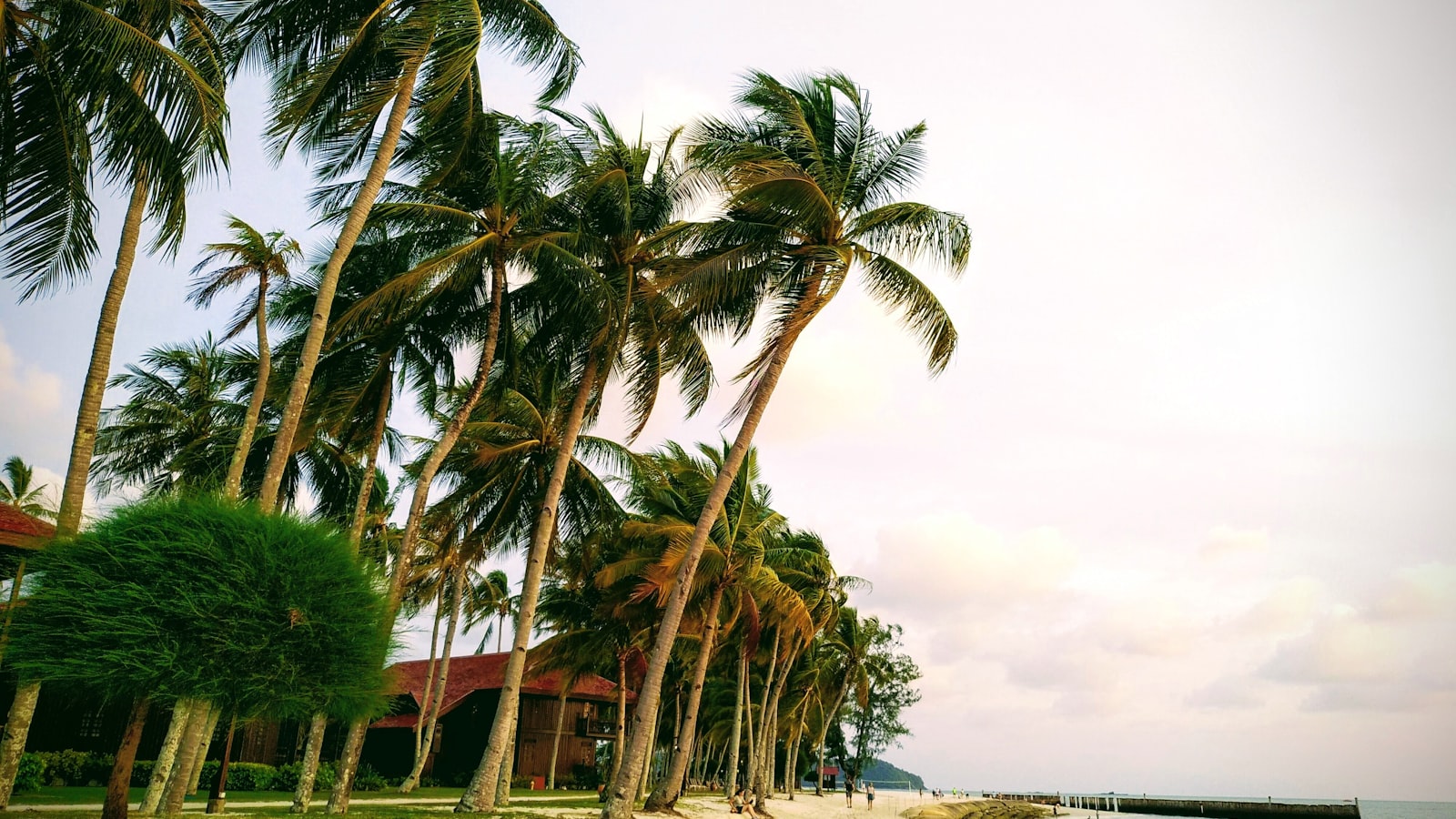
Malaysia's duty-free 'Jewel of Kedah', an archipelago of rainforest, beaches and a famous skybridge.
- Best time to visit: November-April
- Daily budget (budget traveller): $35 to $100 USD
- Ideal trip length: 3 to 5 days
Langkawi is a cluster of 99 islands off Malaysia's northwest coast, a duty-free haven where rainforest-clad mountains tumble down to white-sand beaches and mangrove-lined channels. The main island blends laid-back resorts and beach bars with genuine natural drama: a cable car soaring to a vertigo-inducing SkyBridge, geoforest mangrove tours, eagle-feeding cruises and waterfalls hidden in ancient jungle. Cheap booze, relaxed vibes and easy island-hopping make it a favourite Malaysian escape. Joy Plus blends the beaches, the cable car and the wildlife-rich mangroves into a smooth, well-timed island plan.
Langkawi is not one beach. It is 99 islands (104 when the tide drops), plus one big, lumpy main island that takes about 45 minutes to cross by scooter. The southwest has Pantai Cenang and Pantai Tengah, the party and resort strip. The west has the cable car and waterfalls climbing Gunung Mat Cincang. The north is mangroves and the quiet rainforest bays of Datai and Tanjung Rhu. Kuah, the ferry town in the southeast, is where the duty-free shops are. Most people never leave the first zone, which is a waste, because the other three are why Langkawi beats a standard Thai beach week.
The logistics are the real trick. There is no public transport, so you either rent a scooter (RM 35 to 50 a day) or a small Perodua car (RM 90 to 150), or you pay fixed-zone taxi fares that add up fast. Langkawi has been duty-free since 1987, so beer in a supermarket is under RM 5 a can, but beach bars charge RM 10 to 16 for the same thing. Food is cheap and very good, with RM 5 nasi lemak at breakfast and grilled fish at sunset. The big-ticket items (SkyCab, Kilim mangrove boats, island-hopping) are where bad timing costs you money, because the same trip at 9:30am and at 1pm are two completely different experiences.
This guide builds around that. Do the SkyCab at opening, when the air is clear and the queues are empty. Book a shared Kilim boat tour for the morning and spend the afternoon in the north. Save one full day for Dayang Bunting and the eagle spots. Keep the beach for sunsets, not midday, when the sun is brutal. Two notes: Ramadan runs about 8 February to 9 March in 2027, with Hari Raya Aidilfitri straight after, so domestic crowds spike and some Malay warungs shut until sunset. Foreign visitors also pay a RM 10 per room per night tourism tax, and you need to submit the free Malaysia Digital Arrival Card (MDAC) before landing.
How many days in Langkawi?
For Langkawi, we recommend 3 to 5 days. With more time, add a day trip to Pulau Payar Marine Park.
| Trip length | What you'll see | Itinerary |
|---|---|---|
| 2 days | Cenang, first sunset; SkyCab, SkyBridge and Seven Wells | Langkawi in 2 days |
| 3 days · Recommended | Adds: Kilim mangroves and the north coast | Langkawi in 3 days |
| 4 days · Recommended | Adds: Island-hopping, Dayang Bunting and eagles | Langkawi in 4 days |
| 5 days · Recommended | Adds: Datai Bay rainforest and Gunung Raya | Langkawi in 5 days |
| 7 days | Adds: Kuah, duty-free and a rainy-day backup; Slow morning at Pantai Tengah | Langkawi in 7 days |
Langkawi itinerary
Land, settle in Cenang, first sunset
Morning: Land at LGK and take the airport taxi coupon (about RM 25 to 30) or a Grab to Pantai Cenang, only 5km away. Drop bags, sort a scooter or car, and eat roti canai and teh tarik at a local warung.
Afternoon: Brunch at Yellow Cafe, then a swim and a nap. Skip the midday sun, the beach is better after 4pm.
Evening: Sunset on Pantai Cenang, then grilled fish and prawns at Orkid Ria Seafood Restaurant. Drinks at a beach bar on the strip, and an early night.
SkyCab, SkyBridge and Seven Wells
Morning: Be at Oriental Village for the Panorama Langkawi SkyCab opening at 9:30am. Ride up to the 708m summit station and walk the 125m curved SkyBridge while the air is clear. Check the SkyBridge status on the day, it closes in high wind.
Afternoon: Drive 10 minutes to Seven Wells (Telaga Tujuh), climb the steps to the rock pools and slides. Wear grip shoes, the stone is slick.
Evening: Sunset dinner at Telaga Harbour, with boats in the marina and the mountain behind you.
Kilim mangroves and the north coast
Morning: Take a shared mangrove tour (Dev's Adventure Tours or similar, about RM 100 to 140) with the 9am pickup. You'll see bat caves, a fish farm, macaques and brahminy kites and sea eagles. Keep your food and sunglasses zipped away, the monkeys are fast.
Afternoon: Lunch at the Kilim jetty, then drive 15 minutes to Tanjung Rhu for a quiet limestone-backed beach and long, flat sand.
Evening: Drive back through the rainforest roads before dark. Dinner at Laman Padi, a rice-paddy cafe near Cenang.
Island-hopping, Dayang Bunting and eagles
Morning: Take a shared speedboat tour from Cenang or Kuah (RM 50 to 90, four hours). First stop is Pulau Dayang Bunting, where you swim in the freshwater Pregnant Maiden Lake.
Afternoon: Eagle-feeding stop, then the white-sand beach on Pulau Beras Basah. Wear a rash vest, the boat spray is relentless.
Evening: Back by 4pm for a shower and a seafood BBQ on the sand.
Datai Bay rainforest and Gunung Raya
Morning: Drive to Datai Bay for the rainforest road, with hornbills and dusky leaf monkeys in the trees. Stop at Temurun Waterfall on the way (free, short walk).
Afternoon: Beach time at Datai, then an unhurried lunch at one of the bay's cafes. Spend an hour at Pasir Tengkorak, the black-sand beach.
Evening: Drive up Gunung Raya (881m) for sunset views over the archipelago. Come down before dark, the road is winding and unlit.
Kuah, duty-free and a rainy-day backup
Morning: Drive to Kuah. Photograph the giant eagle at Eagle Square (Dataran Lang), then browse the duty-free shops at Jetty Point and Langkawi Fair. Compare prices before you buy.
Afternoon: Lunch at a local nasi kandar place in town. If it rains, switch to Underwater World Langkawi in Cenang (about RM 50 for foreigners).
Evening: Dinner on the Kuah waterfront, then back to Cenang for a slow night.
Slow morning at Pantai Tengah, depart
Morning: Swim at quiet Pantai Tengah, coffee and breakfast on the sand.
Afternoon: Return the scooter or car, buy last duty-free chocolates at the airport, and check in for your flight to Kuala Lumpur or Penang.
Evening: Evening flight. Leave 90 minutes to spare for the airport.
Best neighbourhoods
- Pantai Cenang: The main beach strip with the most hotels, bars, restaurants and water sports.
- Pantai Tengah: The slightly quieter, more upscale beach just south of Cenang.
- Kuah Town: The island's main town and ferry hub, best for duty-free shopping.
- Telaga Harbour: The marina area near the cable car with waterfront dining.
- Datai Bay (north): The secluded, luxurious rainforest-fringed bay in the northwest.
Must-do experiences
- Ride the SkyCab & SkyBridge: Soar up Gunung Mat Cincang to the curved suspension bridge.
- Take a mangrove tour: Cruise the Kilim Geoforest Park's caves, eagles and monkeys.
- Relax on Pantai Cenang: Enjoy the lively main beach and its sunsets.
- Go island-hopping: Visit the Pregnant Maiden Lake and eagle-feeding spots.
- Chase waterfalls: Cool off at Seven Wells (Telaga Tujuh) waterfall.
- Shop duty-free in Kuah: Pick up cheap chocolate, alcohol and souvenirs.
Hidden gems
- Sunset and birdsong on a quiet northern beach like Tanjung Rhu.
- The pristine rainforest and wildlife around Datai Bay.
- Swimming in the freshwater Pregnant Maiden Lake on Dayang Bunting Island.
- Stargazing and night jungle walks away from the main strip.
Daily budget
- Accommodation: budget RM 40-90 / night (dorm or fan room, Cenang), mid-range RM 350-650 (boutique double, Pantai Tengah), splurge RM 1,800+ (The Datai, Four Seasons Tanjung Rhu). Add the RM 10 per room per night tourism tax. Rates in Cenang can double in December, so book ahead.
- Food: budget RM 30-50 / day (warung breakfast, nasi campur, night market), mid-range RM 90-160 (cafe brunch plus a seafood dinner), splurge RM 300+ (The Gulai House at The Datai). Roti canai with curry is RM 2 to 4. Many mid-range restaurants add 10% service plus 8% SST, shown as ++ on menus.
- Transport: budget RM 35-60 / day (scooter plus fuel), mid-range RM 100-170 (small car, shared by two), splurge RM 350+ (private driver for a full day). Taxis run on fixed zone fares, for example airport to Cenang about RM 25 to 30. Confirm the price before you get in.
- Activities: budget RM 0-30 / day (beaches, Seven Wells, Temurun Waterfall), mid-range RM 90-180 (SkyCab plus shared Kilim mangrove tour), splurge RM 500+ (private boat charter, Pulau Payar snorkel trip). SkyCab is roughly RM 85 to 110 for foreigners depending on package. Shared mangrove tours run RM 90 to 140 a head.
- Drinks & nightlife: budget RM 15 (duty-free can of beer plus teh tarik), mid-range RM 60-120 (Cenang beach bar evening), splurge RM 250+ (sunset cruise or resort cocktails). Buy bottles in Kuah, where a litre of spirits can be a third of mainland prices, and keep bar nights for the sunset.
Where to stay
- Social hostel in Pantai Cenang (RM 40-90 / night): Zackry Guesthouse and the small dorm hostels along Jalan Pantai Cenang put you steps from the sand, the bars and the tour desks. Easiest place to meet other travellers.
- Boutique hotel in Pantai Tengah (RM 350-650 / night): Casa del Mar or Frangipani Langkawi: quieter beach, pool, a 10-minute walk to Cenang's restaurants without the noise.
- Apartment in Pantai Tengah / Kampung Tengah (RM 180-300 / night): Studios and chalets with kitchenettes, a short walk from the beach. Best value for 5+ nights, especially in the green season.
- Splurge in Datai Bay / Tanjung Rhu (RM 1,800-4,000+ / night): The Datai, The Andaman and Four Seasons Tanjung Rhu: rainforest or limestone backdrops, private beaches and spa villas. Book a drive-in meal to try one without the room price.
What to eat
- Fresh seafood grills along Pantai Cenang
- Nasi lemak, Malaysia's coconut-rice classic
- Laksa and Malay curries at local warungs
- Rojak and tropical fruit from roadside stalls
Day trips
- Kilim Karst Geoforest Park (45 minutes by car or scooter from Cenang): Limestone cliffs, mangrove channels, bat caves, a floating fish farm and eagle-feeding. Most tours run 2.5 to 4 hours, start before 10am for the best light and the fewest boats. Book a shared tour with Dev's Adventure Tours or a hotel-recommended operator, RM 90 to 140 per person with pickup. A private boat for up to 6 is RM 350 to 600, or drive to Kilim jetty and haggle on the spot.
- Pulau Dayang Bunting and island-hopping (30 to 45 minutes by speedboat): Swim in the freshwater Pregnant Maiden Lake, watch eagles being fed offshore, and stop at white-sand Pulau Beras Basah. Wear a life jacket on the lake, the water is deep. Boats leave Cenang and Kuah jetties from about 9am. Shared tours are RM 50 to 90 per person, plus a small lake entry fee. Book the first boat to avoid the lake crowds.
- Pulau Payar Marine Park (About 1.5 hours by ferry from Kuah): A protected marine reserve with blacktip reef sharks, parrotfish and clear water. Best for snorkelling from November to April when the seas are calm. Book a day trip from a tour desk in Cenang or Kuah, roughly RM 200 to 350 depending on the operator and package. Check whether the marine park fee is included.
When to visit
- Dry season peak (December - February): 24-33°C, sunny, low humidity, calm seas, very little rain. Crowds: Heavy, Christmas, school holidays and Chinese New Year (6 Feb in 2027). The most reliable weather and the best boat conditions. Book rooms and the SkyCab slots two months ahead, and expect peak prices.
- Hot shoulder (March - April): 27-35°C, hot and humid, short thunderstorms in late afternoon. Crowds: Moderate, with a Hari Raya spike (about 10 March in 2027). Still good for beaches and snorkelling, with lower prices after February. Do outdoor things before 11am, because April is the hottest month.
- Green season (May - August): 26-32°C, sunny mornings, afternoon downpours, patchy sea conditions. Crowds: Low to moderate, with a bump during Malaysian school holidays. The sweet spot for value. Rooms drop 30 to 40%, the waterfalls are at full power, and mornings are usually clear enough for the cable car.
- Wet season (September - November): 25-31°C, heavy rain, rough seas, occasional regional haze. Crowds: Lowest of the year. Cheapest, but boat tours and the Payar ferries get cancelled often. Fine for a spa-and-cafe week, risky for island-hopping.
Entry rules for your passport
Visa rules for Malaysia depend on the passport you travel on. Check the official source before you book: Immigration Department of Malaysia
Getting there
Langkawi International Airport (LGK) is 5km from Pantai Cenang and about 20km from Kuah. Flights from Kuala Lumpur take around an hour (AirAsia, Malaysia Airlines, Batik Air, Firefly), usually RM 120 to 300 each way, and Penang has frequent services too. From the arrivals hall, buy a fixed-price taxi coupon at the counter (about RM 25 to 30 to Cenang or Tengah, RM 40 to 50 to Kuah or Telaga) or grab a Grab at the designated bay. By sea, ferries run from Kuala Perlis (about 75 minutes, RM 18 to 23) and Kuala Kedah (about 1h45, around RM 23) to Kuah Jetty. The direct Penang ferry stopped in 2020 and has not resumed, so from Penang you fly (about 40 minutes) or go overland to one of those two ports. From Kuah, a taxi to Cenang is roughly RM 35 to 40 and takes 25 minutes. From Kuala Lumpur you can also bus to Kuala Perlis and hop on the ferry, about 6 to 7 hours total. Foreign visitors should submit the free Malaysia Digital Arrival Card (MDAC) online before arrival.
Getting around
There's no real public transport on Langkawi, so renting a car or scooter is the most popular and convenient way to explore, the island is large and sights are spread out, and rentals are cheap. Taxis are available but work on fixed zone fares rather than meters, so confirm the price first; Grab operates but with limited coverage. The roads are generally quiet and easy to drive. To reach the island, fly into Langkawi International Airport or take a ferry from Kuala Kedah or Kuala Perlis; the direct ferry from Penang stopped in 2020 and has not resumed. Island-hopping and mangrove trips are by booked boat tours.
Safety
Langkawi is very safe and relaxed, with low crime, solo travellers, including women, generally feel comfortable day and night. Petty theft is uncommon but secure valuables on the beach. The main risks are practical: drive or ride carefully, especially on a scooter, and wear a helmet; heed flags and currents when swimming, and choose licensed operators with life jackets for boat and water activities. Note that while Langkawi is duty-free and fairly liberal, Malaysia is a Muslim-majority country, so dress modestly away from the beach and respect local customs. Drink bottled or filtered water.
Solo travel tips
- Rent the scooter properly: A scooter is RM 35 to 50 a day and the cheapest way to see the island. You need an International Driving Permit and a licence valid for bikes. Photograph every scratch on handover, wear the helmet, and don't ride at night on unlit roads in the north.
- Base in Pantai Cenang to meet people: Cenang is where the shared tours, beach bars and hostels cluster. Shared boat trips to Kilim and Dayang Bunting are the easiest way to meet other solo travellers, and the price per head drops.
- Join shared tours, skip private boats: A private boat for the mangroves is RM 350 to 600, a seat on a shared one is RM 100 to 140. Pay the extra only if you want to leave at 7am for photography.
- Solo female travellers: Langkawi is one of Malaysia's easiest islands for women alone. Dress modestly off the beach (shoulders and knees covered in Kuah and villages), use Grab or hotel-arranged taxis late at night, and avoid empty stretches of beach after dark.
- Watch the monkeys: Macaques at Kilim, Eagle Square and the beaches grab plastic bags, drinks and sunglasses. Don't feed them, and don't carry loose food. A zipped daypack beats a tote.
- Alcohol and riding don't mix: Beer is cheap and the bars are friendly, so Langkawi tempts people to drink and ride home. Don't. Police run checkpoints and the roads are dark. Take a Grab or taxi back to Cenang, or walk if you're on the strip.
Cultural etiquette
- Malaysia is Muslim-majority. Bikinis are fine on tourist beaches, but cover shoulders and knees in Kuah, villages and any mosque, and carry a sarong.
- Take off your shoes before entering homes, mosques, prayer rooms and many guesthouses. Look for a shoe rack by the door.
- Use your right hand for eating, passing money and handing things over, and point with a thumb rather than a finger.
- During Ramadan (about 8 February to 9 March in 2027), avoid eating or drinking openly in Malay areas during the day. Many warungs reopen around 5pm and the evening bazaars are great.
- Alcohol is for non-Muslims. Drink at licensed bars and your hotel, and don't wander drunk through villages or near mosques.
- Keep public affection low-key away from the tourist strip. Handholding is fine, anything more will get stares.
- Don't feed monkeys or touch eagles. Tours that encourage it are worth skipping, and keep mangrove boat noise low near nesting birds.
Frequently asked questions
How many days do you need in Langkawi?
Three to five days is ideal. Three days covers the essentials, the SkyCab and SkyBridge, a Kilim mangrove tour, beach time at Pantai Cenang and a sunset or two. Four to five days lets you add island-hopping, the Seven Wells waterfall, quieter northern beaches, duty-free shopping in Kuah and a more relaxed pace. If you just want a beach-and-cable-car taster, two days works, but Langkawi's mix of rainforest, sea and island life rewards a slightly longer, unhurried stay.
When is the best time to visit Langkawi?
The dry season from November to April is the best, with sunny skies, calm seas and ideal conditions for beaches, island-hopping and the cable car. December to February is the peak, with the most reliable weather. The wetter season runs from May to October, bringing afternoon downpours and occasional rougher seas, though mornings are often still sunny and it's quieter and cheaper. Langkawi avoids the worst of regional monsoons, so even the 'green' season is manageable, but for guaranteed sunshine, target November to April.
How do you get to Langkawi?
The easiest way is to fly into Langkawi International Airport, which has frequent domestic flights from Kuala Lumpur and Penang plus some international routes, the flight from KL takes about an hour. Alternatively, ferries connect Langkawi to the mainland ports of Kuala Kedah and Kuala Perlis (around 1 to 1.5 hours). The direct ferry to and from Penang stopped in 2020 and has not resumed, so from Penang you fly (about 40 minutes) or travel overland to one of those ports. Once on the island, rent a car or scooter, as there's no public transport. Flying is the quickest and most convenient option.
Is Langkawi really duty-free?
Yes, Langkawi has duty-free status, making it one of the cheapest places in Malaysia to buy alcohol, chocolate, cigarettes, cosmetics and some electronics. You'll find duty-free shops clustered in Kuah Town (the main town and ferry hub) and at the airport, as well as outlets near the beaches. Alcohol in particular is notably cheaper than on the mainland, which is part of the island's appeal. Be aware of personal duty-free allowances when leaving, and remember that Malaysia is a Muslim-majority country, so drink responsibly and respectfully.
What are the must-do activities in Langkawi?
Top of the list is the Langkawi SkyCab, one of the world's steepest cable cars, which whisks you up Gunung Mat Cincang to the curved SkyBridge with breathtaking views. A Kilim Geoforest mangrove tour is a close second, cruising past limestone caves, eagles and monkeys. Add island-hopping to the Pregnant Maiden Lake, relaxing and watching sunset on Pantai Cenang, cooling off at the Seven Wells waterfall, and duty-free shopping in Kuah. Together they showcase Langkawi's blend of rainforest, sea and island life.
Is Langkawi good for families and solo travellers?
Both, actually. Langkawi is safe, relaxed and offers something for everyone: families love the cable car, mangrove wildlife tours, calm beaches, the underwater world aquarium and gentle island-hopping, while solo travellers appreciate the easy-going vibe, affordable stays, sociable beach bars at Pantai Cenang and simple self-drive exploring. Solo female travellers generally feel comfortable, with standard precautions. The island's mix of nature, beaches and low-key resorts suits couples, friends and independent travellers alike, just rent a car or scooter to make the most of it.
Do you need a car to get around Langkawi?
Effectively yes. Langkawi has no public bus network, and its attractions, beaches, the cable car, mangroves, waterfalls and Kuah Town, are spread across a large island. Renting a car or scooter is by far the most convenient and economical way to explore at your own pace, and rentals are cheap. Taxis operate on fixed zone fares (agree the price first) and Grab has limited availability, so relying on them gets expensive and restrictive. If you're comfortable driving, the quiet roads make self-driving the best way to see the island.
Is there an entry form for Malaysia?
Yes. Almost every foreign visitor must submit the Malaysia Digital Arrival Card (MDAC) online within the three days before arrival. It is free and is filed on the immigration department's official website. It is not a visa, so check the visa rules for your nationality separately. Sites that charge a fee are not official.
Tours and activities in Langkawi | Langkawi in 2 days | Langkawi in 3 days | Langkawi in 4 days | Langkawi in 5 days | Langkawi in 7 days
Can't decide? Compare Langkawi with...
- George Town vs Langkawi
- Kuala Lumpur vs Langkawi
- Langkawi vs Koh Samui
- Kota Kinabalu vs Langkawi
- Phuket vs Langkawi
Joy Plus home | Destinations | Itineraries | Activities | Flights | Budget planner | Calendar | Map | Blog | Lifetime access