Destinations / Europe
Lecce, Italy travel guide
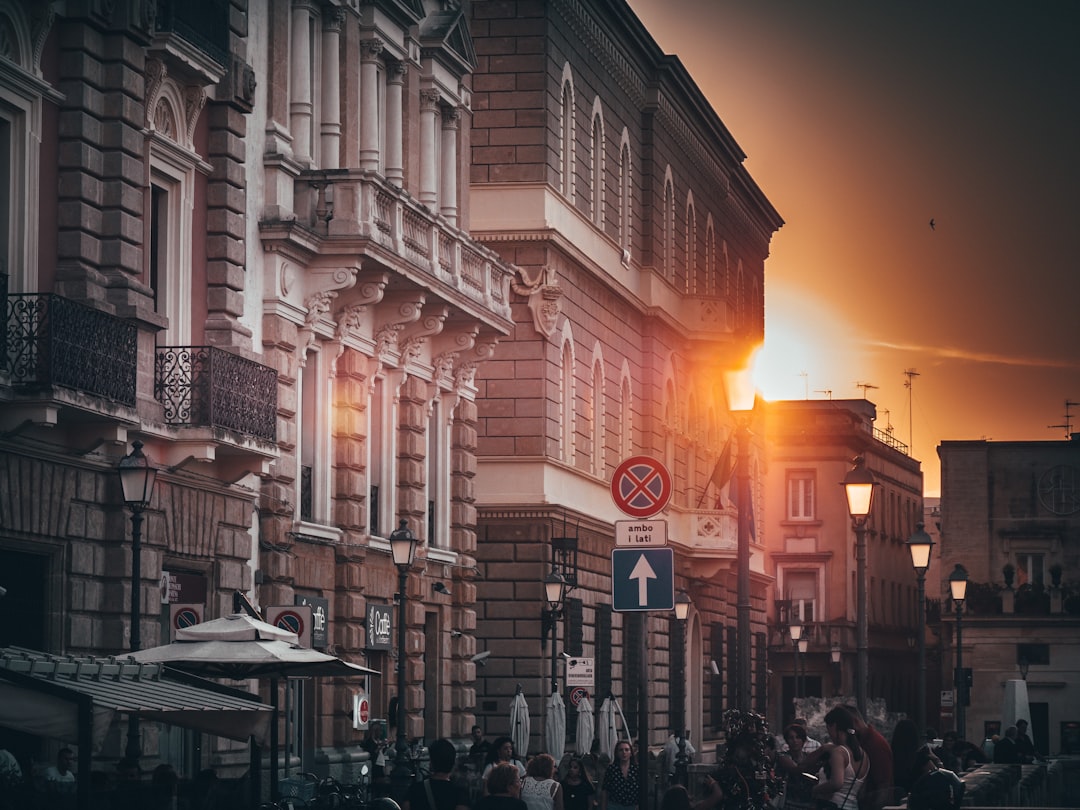
The Florence of the South: honey-coloured baroque facades, Roman amphitheatre and Salento beaches nearby.
- Best time to visit: May-June and September-October
- Daily budget (budget traveller): $100 to $180 USD
- Ideal trip length: 2 to 3 days
Lecce is carved rather than built. The local limestone is soft enough to sculpt, and 17th-century masons went spectacularly overboard on it, leaving a compact old town of curling, honey-gold baroque facades that glow at golden hour. A Roman amphitheatre sits half-excavated in the main square, the pasticciotto pastry is a breakfast institution, and both Salento coasts are within 40 minutes.
Lecce's local limestone, pietra leccese, is soft enough to cut with a hand saw, and 17th-century masons took full advantage, covering churches and palazzi in stone flowers, cherubs, lizards and scrollwork. The result is a compact walled old town that turns honey-gold around 6pm. You can walk from one end to the other in 15 minutes, yet it takes two days to see properly. Santa Croce has the facade everyone photographs. The real pleasure is the unlabelled courtyards and side streets where a plain doorway opens onto something absurdly ornate.
The town is also a living, working place. A Roman amphitheatre sits half-excavated in Piazza Sant'Oronzo while locals drink espresso on the edge of it. Mornings begin with a warm pasticciotto, a custard-filled shortcrust pastry, and a coffee drunk standing at the bar. Lunch is a plate of ciceri e tria or a puccia sandwich. After dark the Duomo square is lit like a stage set, with almost nobody in it. Prices are far below Tuscany or the Amalfi Coast, and the student crowd around Porta Napoli keeps the aperitivo scene cheap and lively.
The smart move is to treat Lecce as a base. The Adriatic coast, with Otranto and the turquoise coves up to Torre dell'Orso, is about 40 minutes east. The Ionian side, with Gallipoli's island old town, is about an hour west. Ostuni's white hill town is a straightforward train ride north. Plan church visits around the midday closure, beach days around the wind and avoid August if you can. Done that way, three days feel full and seven feel unhurried.
How many days in Lecce?
For Lecce, we recommend 2 to 3 days. With more time, add a day trip to Ostuni.
| Trip length | What you'll see | Itinerary |
|---|---|---|
| 2 days · Recommended | Walk the Centro Storico loop; Santa Croce, Duomo and underground Lecce | Lecce in 2 days |
| 3 days · Recommended | Adds: Amphitheatre, castle and cartapesta | Lecce in 3 days |
| 4 days | Adds: Otranto day trip | Lecce in 4 days |
| 5 days | Adds: Gallipoli and the Ionian side | Lecce in 5 days |
| 7 days | Adds: Beach day: Torre dell'Orso and Roca; Castromediano | Lecce in 7 days |
Lecce itinerary
Arrive and walk the Centro Storico loop
Morning: Arrive at Lecce station, walk about 20 minutes into the old town through Porta Rudiae or Porta Napoli. Drop bags, then coffee and a warm pasticciotto at Caffè Alvino on Piazza Sant'Oronzo.
Afternoon: Walk Via Vittorio Emanuele II to Piazza del Duomo, then loop past the Roman Amphitheatre. Quick stop in the Chiesa di Santa Chiara for its octagonal interior.
Evening: Aperitivo around Porta Napoli, then dinner at Trattoria Le Zie (book ahead, bring cash). Finish with a lit-up Duomo square.
Santa Croce, Duomo and underground Lecce
Morning: Basilica di Santa Croce right after opening, before tour groups. Then coffee on the side streets.
Afternoon: Cathedral and bell tower. Midday closures apply, so use the afternoon for Museo Faggiano and the Roman Theatre, both quiet and cool.
Evening: Dinner at Alle Due Corti for ciceri e tria and local wine. Walk back through the empty lanes.
Amphitheatre, castle and cartapesta
Morning: Castello di Carlo V, then a visit to a cartapesta workshop such as Claudio Riso to see papier-mache figures made.
Afternoon: Late lunch of rustico and puccia. Rest in the shade of Villa Comunale during the hot hours.
Evening: Sunset from the lift up the Duomo bell tower, then pizza and Primitivo near Piazza Mazzini.
Otranto day trip
Morning: Train from Lecce to Otranto via Maglie (FSE, about 1h30), or the direct bus (about 1h10). Cathedral for the famous mosaic floor.
Afternoon: Walk the ramparts and Aragonese Castle, then swim at Baia dei Turchi or a nearby cove.
Evening: Seafood dinner in Otranto, last bus or train back to Lecce.
Gallipoli and the Ionian side
Morning: FSE train to Gallipoli (about 1h15). Walk the island old town and the fish market near the port.
Afternoon: Swim at Spiaggia della Purità, then lunch of raw red prawns and local fish.
Evening: Aperitivo on the walls at sunset, then return to Lecce.
Beach day: Torre dell'Orso and Roca
Morning: Hire a car or take the summer Salento in Bus to Torre dell'Orso. Arrive before 10am for space and parking.
Afternoon: Swim, then visit the cliffs and Grotta della Poesia at Roca Vecchia, one of the best swimming spots in Italy.
Evening: Return to Lecce for a last aperitivo and dinner near Santa Croce.
Slow morning, Castromediano and depart
Morning: Coffee and a final pasticciotto, then Museo Castromediano for the local archaeology collection.
Afternoon: Last lunch of rustico and a caffè leccese. Buy olive oil and taralli to take home.
Evening: Walk to the station or take the Brindisi shuttle bus to the airport.
Best neighbourhoods
- Centro Storico: The walled baroque core around Piazza del Duomo, Santa Croce and Piazza Sant'Oronzo.
- Piazza Mazzini area: The modern shopping district just outside the walls with local bars and everyday prices.
- Porta Napoli quarter: Student energy, the university buildings and cheaper aperitivo near the triumphal arch.
- Around Villa Comunale: Leafy gardens and quieter guesthouses a short walk from the centre.
- San Cataldo: Lecce's own Adriatic beach strip, 20 minutes east for an evening swim.
Must-do experiences
- Basilica di Santa Croce: Study the most exuberant baroque facade in southern Italy, freshly restored. Entry is with the paid LeccEcclesiae church pass.
- Piazza del Duomo: Visit the enclosed cathedral square, best after dark when the stone is lit.
- Roman amphitheatre: See the 2nd-century arena sunk into Piazza Sant'Oronzo in the middle of daily life.
- Eat a pasticciotto warm: Try the custard-filled shortcrust pastry at a historic pasticceria for breakfast.
Hidden gems
- The underground Roman theatre and museum, far quieter than the amphitheatre nearby.
- Museo Faggiano, a house where a plumbing repair uncovered 2,000 years of layers.
- Papier-mache workshops still producing Lecce's traditional cartapesta figures.
- The lift up the Duomo bell tower, the tallest building in town, for views across the baroque rooftops.
Daily budget
- Accommodation: budget €25-40 / night (dorm bed or basic B&B room), mid-range €90-150 (double in a restored palazzo), splurge €300+ (Patria Palace, Risorgimento Resort). Prices jump 50 to 80% in August. Stay inside the walls for the evening atmosphere, but a room near Villa Comunale is 20% cheaper.
- Food: budget €25-35 / day (pasticciotto €1.50 to €2, rustico €2, puccia €5 to €7, pizza €8), mid-range €50-75 (trattoria dinner with Primitivo), splurge €110+ (tasting menu or Gallipoli seafood). Expect a coperto of €1.50 to €2.50 per person. Trattoria Le Zie and Alle Due Corti are the benchmark for local cooking at mid prices.
- Transport: budget €5-12 / day (walking, city bus €1.50, FSE trains €3.50 to €4), mid-range €25-45 (hire car for one coast day), splurge €100+ (private driver across Salento). The old town is on foot. Hire a car only for the days you want smaller coves, and skip it for Otranto, Gallipoli and Ostuni, which have trains.
- Activities: budget €10-20 / day (free churches, one ticketed site), mid-range €35-60 (Santa Croce, Duomo ticket, castle, lido sunbed), splurge €120+ (boat cave tour, cooking class, private guide). Santa Chiara, Santa Croce's exterior, Piazza del Duomo and the Amphitheatre view from the street cost nothing. Sunbed and umbrella at a lido runs €15 to €35.
- Drinks & nightlife: budget €8-12 (coffee, one beer, Primitivo by the glass €4 to €6), mid-range €25-40 (aperitivo plus cocktails), splurge €70+ (rooftop cocktails, club in Gallipoli or Otranto). Cheapest drinks around Porta Napoli. Aperol Spritz is €6 to €8 and usually comes with snacks. Try caffè leccese, espresso over ice with almond milk, €2 to €3.
Where to stay
- Social hostel in Porta Napoli quarter (€25-45 / night): Small dorm hostels and shared B&Bs cluster near the triumphal arch, with student bars at the door and a 5 minute walk to Piazza Sant'Oronzo.
- Boutique hotel in Centro Storico (€110-200 / night): Palazzo Rollo or a similar restored palazzo with stone vaults and a courtyard breakfast, a short walk from Santa Croce and the Duomo.
- Apartment in Around Villa Comunale (€70-120 / night): Quieter residential streets, an apartment with a kitchen and a balcony, and cheaper than inside the walls. Good for 4+ nights.
- Splurge in Piazzetta Riccardi, next to Santa Croce (€300-550 / night): Patria Palace Hotel puts you beside the basilica, with a roof terrace over the baroque skyline. Risorgimento Resort is the other palace option.
What to eat
- Pasticciotto leccese, warm from the oven
- Rustico leccese, puff pastry with mozzarella and bechamel
- Ciceri e tria, chickpeas with fried and boiled pasta
- Primitivo and Negroamaro from Salento vineyards
Day trips
- Otranto (45 km, about 1h10 by bus or 1h30 by train): A walled port town with a cathedral famous for its medieval mosaic floor, the Aragonese Castle and clear water at Baia dei Turchi. Go early in summer to avoid crowds. FSE train via Maglie or the direct FSE bus from Lecce, about €3.50 to €5 each way. Summer Salento in Bus services run more often.
- Gallipoli (40 km, about 1h15 by train): A whitewashed island old town on the Ionian coast, with a busy fishing port, baroque churches and the Spiaggia della Purità beach next to the walls. FSE train from Lecce, about €3.50 to €4 each way. The station is a short walk from the bridge to the old town.
- Ostuni (85 km, about 1h to 1h20 by train): The White City on a hill, with a maze of whitewashed lanes and sea views. Go in the late afternoon, then stay for dinner. Trenitalia regional train from Lecce, about €8 to €9 each way. The station is 3 km below town, so take a local bus or a taxi (about €10).
When to visit
- Spring (April to June): 17-28°C, mostly sunny, sea still cool until June. Crowds: Light in April and May, building in June. The best window for sightseeing. Facades glow, terraces are open and the heat is bearable. Beaches get properly swimmable from late May.
- Summer (July to August): 30-38°C, humid, exposed limestone squares with little shade. Crowds: Heavy, Italian holiday peak, beach parking chaos. Hot and expensive. Fine if you live in the sea and eat dinner at 10pm. Sant'Oronzo festival (24 to 26 August) is lively, but book rooms months ahead.
- Autumn (September to October): 22-30°C in September, 18-25°C in October, sea at 24-25°C. Crowds: Moderate, drops sharply after the first week of October. The locals' favourite. Warm sea, empty beach clubs, cheaper rooms and olive harvest on the menu.
- Winter (November to March): 8-15°C, rainy spells, polished stone streets turn slick. Crowds: Very low. Cheapest rooms and fantastic low-sun light on the baroque, plus Christmas cartapesta nativity scenes. Coastal towns and beach clubs mostly shut.
Entry rules for your passport
Visa rules for Italy depend on the passport you travel on. Check the official source before you book: European Commission: Schengen visa policy
Getting there
Brindisi airport (BDS) is about 40 km north-west and is the closest option, with direct shuttle buses to Lecce for around €9, taking about 40 minutes. Bari airport (BRI) is 150 km away: take the airport bus to Bari Centrale (about €5), then a regional train to Lecce (1h40 to 2h, about €13 to €15). Trenitalia Frecciarossa and Italo run direct from Rome (about 5h) and Milan. The station is a 15 to 20 minute walk from the old town. Taxis from the station cost about €8 to €12. Don't drive into the centre. The ZTL (restricted traffic zone) camera fines arrive months later.
Border checks: non-EU visitors (other than Swiss, Norwegian, Icelandic, Liechtenstein, Andorran, Monegasque, San Marinese and Vatican citizens, and holders of an EU residence permit or long-stay visa) are registered in the EU's Entry/Exit System (EES) instead of getting a passport stamp. On your first crossing, officers take your photo and/or fingerprints, so allow extra time at passport control. ETIAS, the planned travel authorisation, is not in operation yet, so don't pay any website for one.
Getting around
Brindisi airport is 40 minutes away by direct shuttle bus, and trains from Bari take 90 minutes to two hours. The old town is entirely walkable and mostly pedestrian, with cars restricted inside the walls. For Salento beaches and towns, summer Salento in Bus services and regional trains cover Otranto, Gallipoli and Ostuni, but a hire car is much better outside July and August when those services thin out.
Safety
Lecce is a calm, safe university city with very low crime; the practical risks are heat, sun and traffic. Summer heatwaves can pass 38C with little shade on the exposed limestone squares, so plan indoor visits at midday. The polished stone streets get slippery in rain, and beach roads are busy and poorly lit at night. Watch for restricted-traffic zone fines if driving into the centre.
Solo travel tips
- Eat at the bar: Cafés and pasticcerie are standing-room cultures. Pay at the cassa, show the receipt at the counter and drink your espresso in two minutes. Locals will nod. It is the fastest way into daily life, and it is cheaper than sitting down.
- Cover your shoulders for churches: Santa Croce, the Duomo and Santa Chiara enforce modest dress. Carry a light scarf or shirt, especially in summer, and avoid entering during the midday closure when doors are locked.
- Solo-friendly stays: Hostels in Lecce are small and few. Pick a B&B with a shared courtyard breakfast and ask the host about local dinners. In summer, rooms in the old town fill early.
- Use the lidos strategically: A beach club sunbed at €15 to €35 buys you a bathroom, shade and a safe place for your bag. Solos find it easier to chat there than on free beaches.
- Solo female travellers: Lecce is one of the calmest cities in southern Italy. Normal city rules apply. Keep a drink in sight on aperitivo streets near Porta Napoli, and use a taxi (about €10 to €15) after midnight if you are on the outskirts.
- Find your tribe at pizzica nights: Pizzica, the local tarantella, is danced in summer at squares and festivals. The big Notte della Taranta in late August is worth the trip, with free entry in Melpignano.
Cultural etiquette
- Greet when you enter shops and cafés. A simple buongiorno or buonasera is expected, and a silent entrance feels rude.
- Coffee after lunch is espresso, not cappuccino. Order caffè leccese in summer, a local version with ice and almond milk.
- Coperto (a cover charge of €1.50 to €2.50) is normal in trattorie. It is not a tip and it is not optional.
- Cover shoulders and knees in churches. Santa Croce and the Duomo turn visitors away.
- Shops and churches close roughly 1pm to 4pm. Plan indoor sights for the afternoon and eat a long lunch.
- Dinner starts late, usually after 8:30pm. Showing up at 7pm gets you an empty room and a tourist menu.
- At the beach, clubs charge for sunbeds. Free beaches are fine but keep them clean, and don't sit directly on top of someone else's umbrella.
Frequently asked questions
How many days do you need in Lecce?
Two days covers the old town properly, including Santa Croce, the Duomo square, both Roman sites and a couple of rooftop views. Add a third and fourth day if you want Salento coast trips to Otranto, Gallipoli or the beaches at Torre dell'Orso and Punta Prosciutto.
Is Lecce worth visiting?
Yes. It has the densest baroque architecture in southern Italy in a compact, walkable and inexpensive old town, plus excellent street food and easy access to two coastlines. It is the strongest cultural base in the Salento and a good counterweight to a beach-heavy Puglia trip.
Why is Lecce called the Florence of the South?
Because of the sheer concentration of ornate 17th-century architecture built from soft local pietra leccese, which masons carved into flowers, figures and scrollwork. The nickname refers to that artistic density rather than any Renaissance connection; the style here is high baroque, not Florentine.
When is the best time to visit Lecce?
May, June, September and early October give warm sea, bearable heat and open beach services. July and August are extremely hot and packed with Italian holidaymakers, with beach parking chaos. Winter is quiet, mild and cheap, and the baroque facades look excellent in low sun, but coastal towns largely shut.
How do you get from Lecce to the Salento beaches?
In summer the Salento in Bus network links Lecce to Otranto, Gallipoli, Torre dell'Orso and other beaches, and regional trains serve Otranto and Gallipoli year round with connections. Off season the services shrink sharply, so hiring a car is the reliable option for the smaller coves.
Lecce or Bari, which is better?
Lecce is prettier, calmer and better for architecture and beach access. Bari is bigger, grittier, has the airport, ferries and stronger transport links, plus its own excellent food scene. Many trips use Bari for arrival and day trips north, then move to Lecce for the Salento.
Is Lecce expensive?
It is affordable by Italian standards. Budget around $100 to $180 a day. Pastries and rustici cost a couple of euros, trattoria meals with local Primitivo stay reasonable, and guesthouses inside the walls are far cheaper than Tuscany or the Amalfi Coast except in August.
More about Lecce
Tours and activities in Lecce | Lecce in 2 days | Lecce in 3 days | Lecce in 4 days | Lecce in 5 days | Lecce in 7 days
Can't decide? Compare Lecce with...
Joy Plus home | Destinations | Itineraries | Activities | Flights | Budget planner | Calendar | Map | Blog | Lifetime access