Destinations / Europe
Lefkada, Greece travel guide
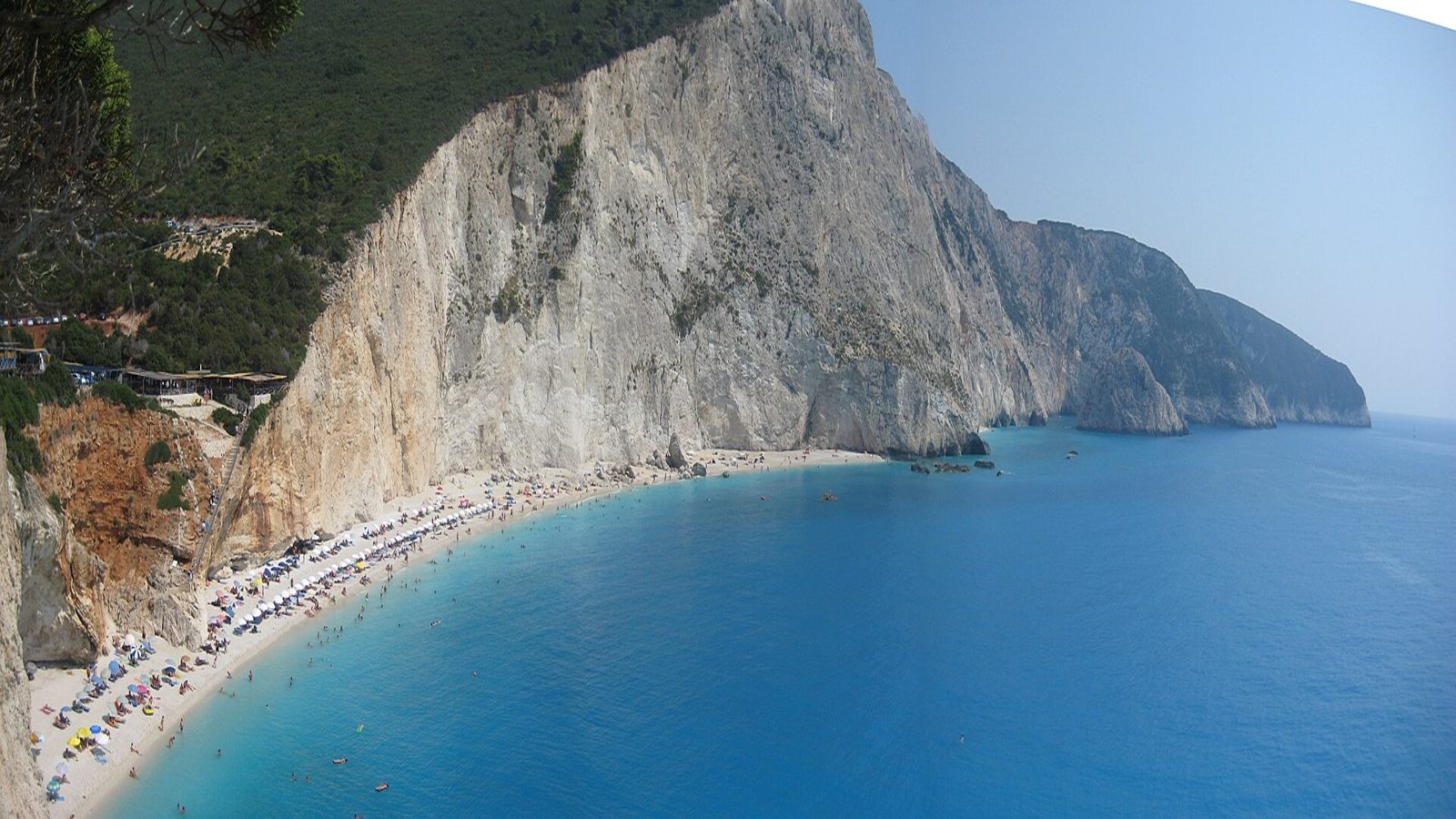
An Ionian island joined to the mainland by a short causeway and a floating bridge. Spend your days on the white cliff beaches of the west coast, take boats around the small islands off Nydri and eat grilled fish in a pastel-painted harbour town.
- Best time to visit: Late May to June and September
- Daily budget (budget traveller): $70 to $215 USD
- Ideal trip length: 5 to 7 days
Lefkada is one of the Ionian islands off Greece's west coast, but it hardly feels like one when you arrive. A causeway and a small floating bridge cross the canal to the mainland, so buses run straight in from Athens and Preveza airport is only about 25 minutes away. The island is known for its west coast, where pale limestone cliffs drop to turquoise water at Porto Katsiki, Egremni and Kathisma. Lefkada Town, the capital, is low and colourful, with houses that have timber and tin upper floors built to ride out earthquakes. It has a lagoon on one side and a busy marina on the other. Over on the calmer east coast, Nydri is the base for boat trips to Meganisi and Skorpios. In the far south, Vasiliki is one of Europe's best-known windsurfing bays and the port for summer ferries to Kefalonia. The mountainous middle of the island has villages such as Karya and Englouvi, where the air is cooler and lunch is cheaper. Lefkada is busy and fairly expensive in August, and the best beaches are hard to reach without your own wheels. Even so, cheap local buses, rooms to let, free beaches and boat trips make it a good island for a solo traveller to explore slowly.
Lefkada is the fourth largest of the Ionian islands and the easiest to reach. A causeway and a small floating bridge cross the canal next to the old Venetian fortress of Agia Mavra, so you can arrive by bus without a ferry. It is a mountainous island with two quite different coasts. The west coast faces the open sea, with long, wild beaches below white cliffs and some of the bluest water in Greece. The east coast is green and sheltered, with a string of small islands offshore, calm bays and lots of yachts. Most visitors come for a week of beaches. Stay long enough and you can do more: eat lentils in a mountain village, walk to a waterfall, catch a ferry to Kefalonia and watch the sun set from the lighthouse at Cape Lefkatas. It is not a cheap island in August, but rooms to let, gyros and free beaches keep a solo trip manageable.
Getting here is simple. KTEL coaches from Athens take around 5 to 5.5 hours for about €37-40, with three or four departures a day. Summer flights land at Aktion (Preveza) airport, about 25 minutes away, and buses run to Lefkada Town about four times a day. Once you are here, think about where to base yourself. Lefkada Town is best for buses, food and evenings. Agios Nikitas is best for west coast beaches without a car. Nydri suits boat trips, and Vasiliki suits wind sports and ferries. Local buses link the main villages for a few euros, but you will need a scooter, a car, a taxi or a boat for the most famous beaches.
Timing shapes everything. Late May, June and September bring warm water, working buses and boats, and beaches you can actually enjoy. July and August are hot and crowded, especially at Porto Katsiki and Egremni, and rooms are at their most expensive. From November to April the island goes quiet. Most resort hotels and many tavernas close, ferries stop and rain is frequent, though Lefkada Town still has life. The island is safe and easy-going, and English is widely spoken in tourist areas. Nightlife is mostly bars, apart from a few clubs in Nydri and Lefkada Town. If you want a busy party island, look elsewhere. If you want long swims, slow lunches and sunsets over the open sea, Lefkada works well.
Lefkada itinerary
Arrive and find your feet
Morning: Take the morning coach from Athens (about 5 to 5.5 hours) or the bus from Aktion airport. Drop your bag in Lefkada Town and get a coffee on Agios Spyridon square.
Afternoon: Wander Dörpfeld Street and the back lanes with their painted tin houses. Then walk out along the lagoon to Gyra beach for a first swim.
Evening: Watch the sunset by the old windmills, then head back for a gyros or a simple taverna dinner near the marina.
Museum, monastery and castle
Morning: Visit the Archaeological Museum on the seafront (€5, closed Tuesdays) while it is cool. Then walk to the Agia Mavra fortress by the floating bridge and check whether it is open.
Afternoon: Take a taxi or walk uphill to the Faneromeni Monastery for views over the lagoon. Cool off afterwards at Agios Ioannis beach.
Evening: Join the evening volta along the marina, then have dinner in the old town lanes.
Agios Nikitas, Milos and Kathisma
Morning: Take the local bus to Agios Nikitas. Walk over the headland to Milos beach (about 30 minutes) before it gets hot.
Afternoon: Swim and lie on the pebbles, then take the water taxi back. After lunch in the village, walk or bus down to Kathisma.
Evening: Watch the sunset from Kathisma, one of the best on the island, then catch an early evening bus back or stay over in Agios Nikitas.
Nydri boats and Dimosari falls
Morning: Bus to Nydri and join a day cruise (around €25-40). Most stop at Meganisi and the Papanikolis cave and sail past Skorpios.
Afternoon: Back in Nydri by late afternoon. Walk or take a taxi to Rachi for the shady path to the Dimosari waterfalls and a cold swim.
Evening: Have a harbour dinner in Nydri, then catch the bus back to town. Check the time of the last bus first.
West coast by scooter or taxi
Morning: Hire a scooter or car, or book a taxi, and head southwest early. Stop at the Egremni viewpoint on the way to Porto Katsiki and arrive before 10am.
Afternoon: Swim at Porto Katsiki, then have lunch in Athani village. In the late afternoon, drive on to the far south.
Evening: Watch the sunset at the Cape Lefkatas lighthouse. Then drive carefully to Vasiliki for the night, before it gets fully dark.
Ferry day to Kefalonia
Morning: From late spring to October, take a morning ferry from Vasiliki to Fiskardo (about 1 hour, around €10-11). Check the day's timetable at the port.
Afternoon: Walk around Fiskardo's harbour, swim from the rocks at Foki or Emblisi and have lunch by the water. Allow plenty of time for the return sailing.
Evening: Back in Vasiliki, watch the windsurfers come in on the afternoon wind, then have a fish dinner on the bay.
Mountain villages and depart
Morning: Drive up through the island's centre to Karya for coffee under the plane trees and a look at the embroidery.
Afternoon: Stop in Englouvi for lentils and the view, then return to Lefkada Town to hand back your scooter or car and catch the coach or airport bus.
Evening: Arrive in Athens, or carry on to your next stop on the mainland.
Best neighbourhoods
- Lefkada Town: The capital sits at the northern tip, by the canal and the lagoon. Here you get the bus station, the main shopping street, the marina, the Archaeological Museum and most of the cheap places to eat. It stays lively all year and makes a practical base if you plan to use buses, though the best swimming is a short ride away.
- Agios Nikitas: A small, steep fishing village on the west coast, about 12km from town, with a narrow main lane of tavernas leading down to a little beach. Milos beach is a walk over the hill or a quick water taxi ride, and Kathisma is a couple of kilometres south. It is the best west coast base without a car, but rooms book up early.
- Nydri: The biggest resort on the east coast, facing a bay full of small green islands. This is where most boat trips leave from, and there are plenty of bars, shops and rooms. The main road is busy and the beach is ordinary, but it is handy for Meganisi, Skorpios and the Dimosari waterfalls.
- Vasiliki: A relaxed harbour village in the south, set on a wide bay where a steady afternoon wind blows in summer. It suits windsurfers, sailors and anyone planning a ferry trip to Kefalonia or Ithaca. Porto Katsiki and Egremni are closer from here, but buses to town are slow and infrequent.
- Karya and the mountain villages: Karya sits high in the centre of the island, with plane trees shading the square, cheap tavernas and a tradition of lace embroidery. It is cool on summer evenings and very quiet. It only makes sense as a base if you have a car or scooter.
Must-do experiences
- Swim at Porto Katsiki: The most photographed beach on the island lies below a curved white cliff in the far southwest. You climb down a long flight of steps from the car park. There is no bus, so come by car, scooter, taxi or excursion boat. Parking costs roughly €10-18 a day in summer. Go early or late, because by midday it is packed.
- Watch the sunset at Cape Lefkatas: The lighthouse stands on high cliffs at the southern tip, near the scant ruins of a temple to Apollo. Legend has it that Sappho leapt from these cliffs. Getting there is free, but it is a long drive down a winding road, so combine it with Porto Katsiki and leave before dark if you are on a scooter.
- Walk Lefkada Town and the lagoon: Wander along Dörpfeld Street and the lanes off Agios Spyridon square, where houses have painted tin upper storeys. Then follow the lagoon causeway out to Gyra beach and the old windmills. Go in the evening, when the shops reopen and locals come out for their volta.
- Visit the Archaeological Museum: The museum sits in the cultural centre on the seafront. It covers finds from the Palaeolithic to the Roman era, many dug up by Wilhelm Dörpfeld, who believed Lefkada was Homer's Ithaca. A full ticket is €5. It closes on Tuesdays, and in summer is usually open from morning until mid-afternoon.
- Take a boat trip from Nydri: Day cruises leave Nydri harbour every morning in season. They usually stop at Meganisi and the Papanikolis sea cave, and sail past Skorpios, the island once owned by Aristotle Onassis. Expect to pay around €25-40, depending on the route and the boat. Bring cash, a towel and sunscreen.
- Walk Milos beach from Agios Nikitas: A path climbs over the headland south of Agios Nikitas and drops down to Milos, a long beach of white pebbles below the cliffs. The walk takes about 30 minutes. In summer a small water taxi runs from the village if you would rather skip the hill. There is little shade, so bring water.
- Cool off at the Dimosari waterfalls: An easy path from the village of Rachi, just inland from Nydri, follows a gorge to a small waterfall and a cold pool where you can swim. It is free and shaded, and makes a good break from the beach. By late summer the flow can be thin, so go earlier in the season if you can.
Hidden gems
- The Faneromeni Monastery on the wooded hill above town, with views over the lagoon and the canal, and a quiet courtyard most visitors skip
- The lagoon road to Gyra and Agios Ioannis beaches at dawn, when the water is flat and fishermen are out on the salt flats
- The Englouvi plateau, one of the highest villages on the island, known for its small lentils and its view across to the mainland mountains
- Sivota in the south, a sheltered fishing harbour on a deep inlet where yachts tie up and the tavernas serve fish caught that morning
- Kalamitsi village on the west coast hills, with old stone houses and a steep road down to an uncrowded beach
Daily budget
- Accommodation: budget €35-60 / night (room to let or basic studio), mid-range €80-140 (boutique hotel or apartment), splurge €250+ (five-star resort or sea-view villa). There are almost no hostels, so studios and rooms to let are the budget choice. Prices peak in August. The Climate Resilience Fee is added per room per night, from €2 for rooms to let to €15 at five-star hotels between April and October.
- Food: budget €20-30 / day (bakery breakfast, gyros, supermarket picnic), mid-range €40-60 (taverna lunch and a sit-down dinner), splurge €80+ (fish by the kilo, wine, dessert). A gyros pitta costs about €3.50-5 and a taverna main roughly €12-20. Fish is priced by the kilo, so ask before ordering. Mountain villages are cheaper than the resorts.
- Transport: budget €4-10 / day (local buses), mid-range €20-40 (scooter hire plus fuel), splurge €50-80 (car hire or taxis to the far beaches). Island bus fares are about €2.20-4.20. The Athens coach costs around €37-40 each way. The Vasiliki to Fiskardo ferry is about €10-11 for foot passengers.
- Activities: budget €0-5 / day (free beaches, waterfalls, Archaeological Museum at €5), mid-range €25-40 (Nydri boat trip), splurge €80+ (windsurf lessons, private boat hire). All beaches are free, but sunbeds cost extra and Porto Katsiki parking runs about €10-18 a day. The Archaeological Museum closes on Tuesdays.
- Drinks & nightlife: budget €5-10 (a beer or carafe of house wine), mid-range €15-30 (a few drinks at a beach or harbour bar), splurge €50+ (cocktails at a beach club). A freddo espresso costs about €2.50-4 and a beer €4-6, more at the famous beaches. Nightlife is mostly in Lefkada Town and Nydri.
Where to stay
- Rooms to let in Lefkada Town and Agios Nikitas (€35-60 / night): Lefkada has almost no hostels, so family-run rooms and studios are the budget choice. Many have a small kitchen, and owners often give useful tips on beaches and buses. Look for places near the bus station in town or on the upper lanes of Agios Nikitas.
- Boutique hotel in Lefkada Town waterfront (€90-180 / night): Small boutique hotels in restored town houses along the seafront and old town put you close to the marina, the museum, restaurants and the bus station. They make a good base for a mix of town life and bus trips.
- Apartment in Nydri or Vasiliki (€60-130 / night): Holiday apartments with a kitchen and balcony are easy to find in both resorts. Nydri suits boat trips, and Vasiliki suits wind sports and ferries. Check how far you will be from the harbour and the bus stop.
- Splurge in Nikiana, east coast (€250-500+ / night): The east coast between Lefkada Town and Nydri has several upmarket resorts, including the five-star Ionian Blue, with pools, spas and views over the small islands. Nydri and town are both a short drive away.
What to eat
- Gyros and souvlaki: a pitta wrap from a grill on Dörpfeld Street or near the bus station costs about €3.50-5 and is the cheapest proper meal on the island
- Savoro: small fried fish marinated in vinegar, garlic and rosemary, an old Ionian way of keeping fish that turns up at traditional tavernas
- Lefkada salami and Englouvi lentils: the local cured pork sausage, plus small mountain lentils cooked as a soup or salad in the hill villages
- Grilled fish by the kilo: bream, sea bass or red mullet at harbour tavernas in Lefkada Town, Nydri or Vasiliki. Check the price per kilo before it goes on the grill
- Vertzami: the island's own dark red grape, made into a strong local wine, plus house white by the half-litre carafe at a few euros
- Mandolato and sykomaida: almond nougat from Lefkada Town and a dense fig cake with ouzo and spices, both good to take home
Day trips
- Meganisi (About 25 to 30 minutes by ferry from Nydri): A small, green island with three quiet villages, sheltered coves and very few cars. It feels like Lefkada used to before the resorts. Most Nydri boat trips stop here briefly, but a day on your own is more relaxed. Take the small car ferry from Nydri to Spartochori or Vathy, which costs a few euros for foot passengers. Walk between the villages or hire a scooter on the island, and check the last ferry back.
- Fiskardo, Kefalonia (About 1 hour by ferry from Vasiliki): A pretty harbour village of Venetian-era houses on the northern tip of Kefalonia, with clear coves nearby at Foki and Emblisi. It is busy with yachts in summer, but it makes a good change of island for a day. Ferries run from Vasiliki roughly from spring to October, several times a day in high summer, for about €10-11 each way for foot passengers. Check the month's timetable at the port the day before.
- Cape Lefkatas and the southwest (About 40km from Lefkada Town, 1 to 1.5 hours by road): The wild southern tip of the island, with Porto Katsiki, the Egremni viewpoint, the village of Athani and the lighthouse at the cape. The views are among the best in the Ionian, especially at sunset. There is no bus. Hire a car or scooter, book a taxi, or take a boat trip from Nydri or Vasiliki that stops at the beaches. If you are driving, leave the cape before dark.
When to visit
- Spring (April - May): 17-25°C, green and mild, sea cool until late May. Crowds: Low, busier at Greek Easter and late May. Lovely for walking, wildflowers and cheap rooms. Some places only open in May, and the sea is chilly early on. Ferries to Kefalonia start running again.
- Early summer (June): 25-30°C, sunny, sea around 22-24°C. Crowds: Moderate, rising towards the end of the month. Arguably the best month. Long days, warm water and the west coast beaches still have space. Book rooms in Agios Nikitas early.
- High summer (July - August): 29-34°C, hot, sea up to about 26-27°C. Crowds: Very busy, peaking around mid-August. Great for swimming, boats and wind sports, but rooms cost the most, beach car parks fill by mid-morning and roads are jammed. Swim early and late.
- Autumn and winter (September - March): September 25-29°C, then 9-15°C and wet in winter. Crowds: Moderate in September, very quiet from November. September is the locals' pick, with warm water and calmer beaches. From November most resorts close and ferries stop, though Lefkada Town stays open.
Entry rules for your passport
Visa rules for Greece depend on the passport you travel on. Check the official source before you book: European Commission: Schengen visa policy
Getting there
Lefkada has no airport of its own. The nearest is Aktion (Preveza), about 20km away, which mostly gets seasonal charter and budget flights from around Europe. KTEL buses run from the airport to Lefkada Town about four times a day, taking around 25 minutes for €4-5. Taxis are quicker but cost much more, so agree the fare first. From Athens, KTEL Lefkadas coaches leave Kifissos bus station three or four times a day and take about 5 to 5.5 hours for around €37-40 one way. Tickets are slightly cheaper online, and in summer you should book ahead. There are also coaches from Thessaloniki and Patras. By sea, summer ferries link Vasiliki with Fiskardo on Kefalonia and Frikes on Ithaca, roughly from spring to October, for about €10-12. If you drive, the road crosses the canal on a floating bridge that swings open briefly, usually on the hour, to let boats through, so expect short waits. Greek motorways have tolls, and the drive from Athens costs over €35 in tolls each way.
Border checks: non-EU visitors (other than Swiss, Norwegian, Icelandic, Liechtenstein, Andorran, Monegasque, San Marinese and Vatican citizens, and holders of an EU residence permit or long-stay visa) are registered in the EU's Entry/Exit System (EES) instead of getting a passport stamp. On your first crossing, officers take your photo and/or fingerprints, so allow extra time at passport control. ETIAS, the planned travel authorisation, is not in operation yet, so don't pay any website for one.
Getting around
Lefkada is about 35km long and hilly, so how you travel shapes your trip. KTEL Lefkadas runs local buses from the bus station in Lefkada Town to Nydri, Vasiliki, Agios Nikitas, Kathisma, Karya and other villages. Fares within the island run from about €2.20 to €4.20. Services are reasonable in summer but sparse in winter, and no bus goes to Porto Katsiki or Egremni. Most visitors hire a scooter for about €20-35 a day or a small car for roughly €35-70 a day in summer. The west coast roads are steep and winding, with sharp bends and drops. Only ride a scooter if you are confident on one, and always wear a helmet. Non-EU drivers should check whether they need an International Driving Permit. US licence holders generally do. Taxis are useful for one-off trips to the far beaches, but agree the fare first. In summer, boats from Nydri and Vasiliki run to the west coast beaches and the islands, and water taxis link Agios Nikitas with Milos beach. In Lefkada Town itself, you can walk everywhere in 15 minutes.
Safety
Lefkada is very safe, and crime against visitors is rare. The real risks are on the road and in the sea. Scooter crashes on the west coast's winding roads cause many injuries every summer, so ride slowly and avoid riding after drinking or after dark. West coast beaches can have big waves and strong undertow when the wind is up, and they rarely have lifeguards. Stay close to shore and do not swim when the flags or locals say no. The cliffs above Porto Katsiki and Egremni can shed rocks, so do not sit right under them. Lefkada sits on an active fault line and has had damaging earthquakes, so learn the basic drop, cover and hold on routine. Summer heat and wildfire risk are high. Follow any 112 emergency alerts and never light fires outdoors. Many locals drink bottled water, so ask your host about the tap water where you stay. The EU emergency number is 112. EU travellers should carry an EHIC and UK travellers a GHIC, and everyone else needs travel insurance with medical cover.
Solo travel tips
- Pick your base carefully: Lefkada Town is best if you rely on buses, and Agios Nikitas if you want west coast sunsets without wheels. Choosing the wrong village can mean long, slow bus trips every day.
- Hire wheels for a day or two: You do not need a car all week. Rent a scooter or small car for a day or two to reach Porto Katsiki, Cape Lefkatas and the villages, and use buses the rest of the time.
- Beat the beach crowds: Tour boats and day trippers reach the famous beaches from late morning. Arrive before 10am or after 4pm and you will find parking, space on the pebbles and calmer water.
- Check ferry and boat timetables first: Ferries to Kefalonia and Ithaca and many island cruises change their schedules by month. Fix those days first, then plan the rest of your week around them.
- Safety for solo travellers: The main risks are scooter accidents, rough seas on the west coast and swimming alone at quiet beaches. Ride slowly, swim near other people and arrange your taxi back from remote beaches in advance.
- Meet people on a boat or a board: Day cruises from Nydri, windsurf and sailing schools in Vasiliki and group hikes are easy ways to meet others. Harbour bars at sunset are also friendly places to strike up a conversation.
Cultural etiquette
- Greet people with 'kaliméra' (good morning) or 'yia sas' (hello) and say 'efcharistó' (thank you). A little Greek goes a long way in the villages.
- Cover up when you leave the beach. Walking into shops, tavernas or villages in swimwear is frowned upon.
- Cover your shoulders and knees in monasteries and churches such as Faneromeni, and keep your voice down during services.
- Expect late meals. Greeks often eat dinner after 9pm, and tavernas stay busy until midnight in summer.
- Ask the price of fish per kilo before it is cooked, so the bill does not surprise you.
- Rounding up or leaving 5-10% for good table service is appreciated, though not compulsory.
- Take your rubbish with you from beaches and paths, and do not camp or light fires anywhere outdoors in summer.
Frequently asked questions
How do I get to Lefkada and from the bus station to my room?
There are two main routes. KTEL coaches run from Kifissos bus station in Athens three or four times a day, taking about 5 to 5.5 hours for around €37-40 one way, a little less if you book online. In summer, book a day or two ahead. You can also fly to Aktion (Preveza) airport, about 25 minutes away, where KTEL buses run to Lefkada Town about four times a day for €4-5. The bus station is on the edge of town, about 10 to 15 minutes on foot from the centre. For Agios Nikitas, Nydri or Vasiliki, change to a local bus or take a taxi.
How many days do I need in Lefkada?
Three days covers Lefkada Town, Agios Nikitas and one big beach day on the west coast. Five days lets you add a Nydri boat trip, the Dimosari waterfalls and Cape Lefkatas at sunset. A week gives you time for Vasiliki, a ferry day to Kefalonia and the mountain villages, at a slower pace.
When is the best time to visit Lefkada?
Late May, June and September are best. The sea is warm, boats and buses are running and the beaches are much calmer than in high summer. July and August are hot, crowded and the most expensive, and parking at the famous beaches becomes a struggle. From November to April, much of the island closes, buses thin out and the Ionian gets a lot of rain.
Do I need a car or scooter on Lefkada?
Not if you are happy with the town, the east coast and Agios Nikitas, which local buses reach. To get to Porto Katsiki, Egremni, Cape Lefkatas or the mountain villages, you will need a car, a scooter, a taxi or a boat trip. Many solo travellers stay without a vehicle and hire one for just a day or two. If you have little scooter experience, the west coast roads are not the place to learn.
How do I get to Porto Katsiki without a car?
No public bus goes there. The easiest way is an excursion boat from Nydri or Vasiliki, which usually combines Porto Katsiki with Egremni or other beaches. A taxi from Vasiliki is the other option, so arrange your return pickup before you go down the steps. If you drive, paid parking near the top costs roughly €10-18 for the day in summer, and free roadside spaces fill up by mid-morning.
Can I take a ferry to Kefalonia or Ithaca?
Yes, but only in season. Ferries from Vasiliki to Fiskardo on Kefalonia run roughly from spring to October, with several crossings a day in July and August. The trip takes about an hour and costs around €10-11 for a foot passenger. Some sailings carry on to Frikes on Ithaca. Timetables change month by month, so check the latest one at Vasiliki port or online before you plan the day.
Is Lefkada safe for solo female travellers?
Yes. Lefkada is relaxed and friendly, and solo women travel here without problems. Lefkada Town and the main villages are busy and well lit on summer evenings. Take normal care with drinks in Nydri's bars, avoid isolated beaches after dark and try not to ride a scooter alone at night on the mountain roads. If you take a taxi to a remote beach, arrange the return trip in advance.
What entry rules apply to Greece in 2026?
Greece is in the EU and the Schengen area. Many non-EU visitors, including those from the UK, US, Canada and Australia, can stay visa-free for up to 90 days in any 180-day period across Schengen. Since 10 April 2026, the Entry/Exit System has recorded non-EU travellers' fingerprints and photos at the external border, so allow extra time at airports. ETIAS is not yet running, and reports suggest it will start in 2027 at the earliest. Check official EU and Greek government websites and your own government's travel advice before you go.
Tours and activities in Lefkada | Lefkada in 2 days | Lefkada in 3 days | Lefkada in 4 days | Lefkada in 5 days | Lefkada in 7 days
Can't decide? Compare Lefkada with...
Joy Plus home | Destinations | Itineraries | Activities | Flights | Budget planner | Calendar | Map | Blog | Lifetime access