Destinations / Central America
León, Nicaragua travel guide
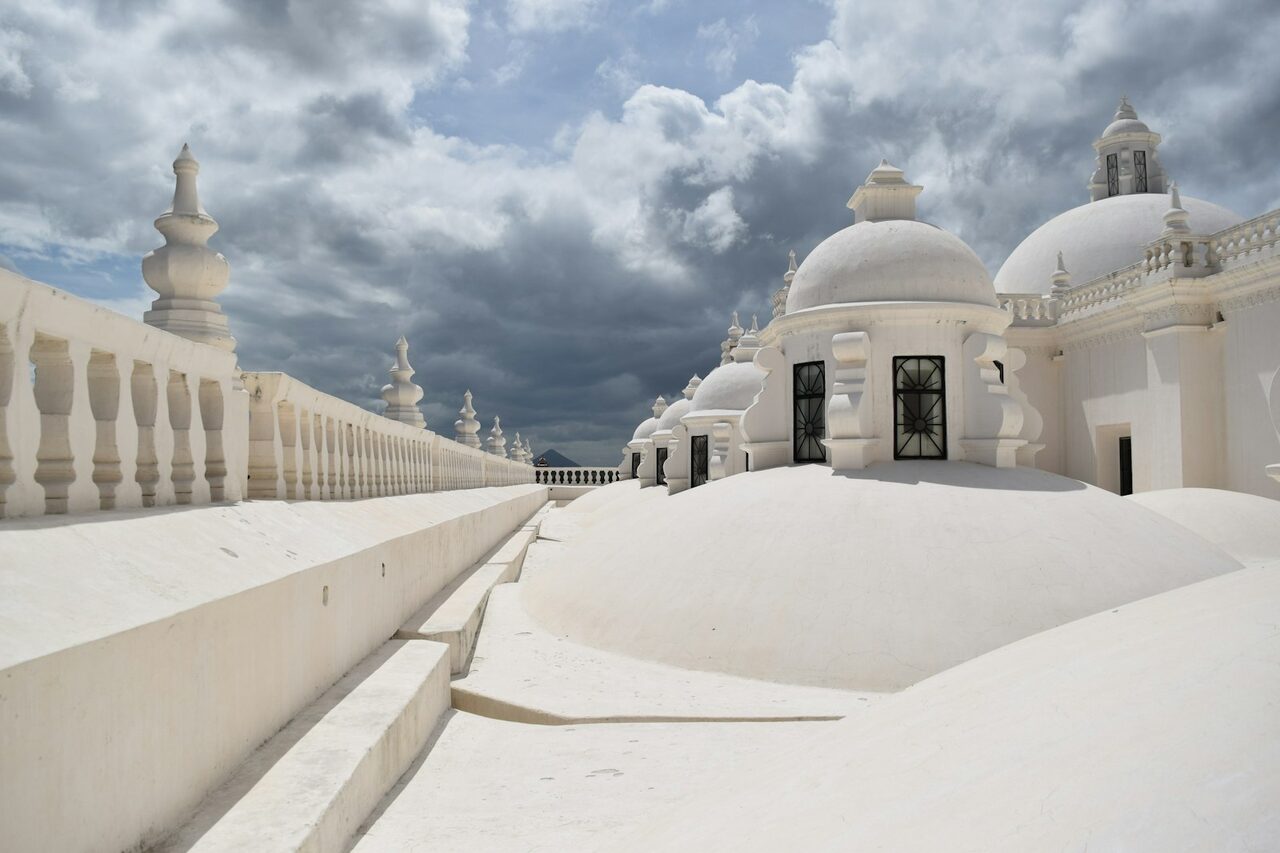
Nicaragua's intellectual, revolutionary city of grand white churches, vivid murals and volcano-boarding on its doorstep.
- Best time to visit: November to April
- Daily budget (budget traveller): $30 to $55 USD
- Ideal trip length: 2 to 3 days
León is Nicaragua's old colonial capital and its beating cultural heart, a hot, low-slung city of whitewashed churches, political murals and a buzzing student scene that gives it more edge than its rival Granada. Its UNESCO-listed cathedral, the largest in Central America, anchors the colonial centre, and you can climb its roof for views over the plains to a chain of volcanoes. Those volcanoes are the city's adrenaline draw, with Cerro Negro offering the now-famous sport of volcano boarding. Nicaragua's tourism is rebuilding and León remains refreshingly uncrowded. Joy Plus pairs the city's history and art with its volcanic adventures.
León is Nicaragua's argumentative, sweaty, brilliant second city, and it likes it that way. Where Granada polishes itself for visitors, León keeps its plaster peeling and its politics loud. The centre is a grid of low colonial houses, shuttered balconies and churches whose whitewash glares under 35°C sun. Anchoring it all is the Basílica Catedral de la Asunción, the largest cathedral in Central America and a UNESCO site since 2011. Walk its rooftop barefoot, past the domes, and the whole plain opens out to a line of volcanoes. Inside, Rubén Darío, the poet who reinvented Spanish-language verse, lies buried under a mourning stone lion. You are in a city that takes poetry and revolution equally seriously.
The rest of the appeal is a short ride out of town. Cerro Negro, a young black cone about 30km away, is where the whole idea of volcano boarding took off: you hike up loose ash with a plywood board on your back and slide down at speed. Twenty kilometres the other way, the Pacific rolls onto the grey-sand beaches of Las Peñitas and Poneloya, with surf lessons, fried fish and mangrove boat trips on Isla Juan Venado. Back in town, the Museo de la Revolución is run by former guerrilla fighters who will walk you through the 1979 revolution in person, and the Ortiz-Gurdián gallery holds some of the best art in Central America. Entry fees are small, mostly C$100 to C$200 each at about C$37 to the dollar.
León suits travellers who want texture over polish. A day here has a rhythm: sights from 8am to noon, a long sweaty siesta by a hostel pool, then the plazas fill again at dusk with vigorón stalls, students and Toña beers. It is cheap (a solid local lunch is under US$5), still far from crowded, and easy to base in for three to five days. Check your government's current travel advice before booking, as Nicaragua's political situation can change. Bring cash, patience for the heat, and a willingness to talk to strangers. Prices below are 2026 estimates in córdobas (C$) with US dollar equivalents, and tourist businesses often quote in dollars anyway.
How many days in León?
For León, we recommend 2 to 3 days.
| Trip length | What you'll see | Itinerary |
|---|---|---|
| 2 days · Recommended | Cathedral at golden hour; Revolution, poetry and art | León in 2 days |
| 3 days · Recommended | Adds: Volcano boarding at Cerro Negro | León in 3 days |
| 4 days | Adds: Las Peñitas and Isla Juan Venado | León in 4 days |
| 5 days | Adds: Sutiaba and La Recolección | León in 5 days |
| 7 days | Adds: León Viejo ruins | León in 7 days |
León itinerary
Arrive, settle, cathedral at golden hour
Morning: Land at Managua's MGA. Take a pre-booked shuttle (about US$40-50 shared) or a taxi to Managua's Israel Lewites terminal for an express bus to León (C$80-120, around 1h30). Drop bags and rest.
Afternoon: Wander Parque Central and peek into the cathedral. Lunch on a plate of gallo pinto and grilled meat at a comedor near the market.
Evening: Take your shoes off and walk the cathedral roof at about 4pm for the white domes in soft light. Dinner and a juice on the balcony at El Sesteo on Parque Central. Early night, as tomorrow is museums.
Revolution, poetry and art
Morning: Pan y Paz bakery for breakfast, then the Museo de la Revolución at 9am. Your guide is a veteran of the 1979 fight, so tip well. Then the Casa de Rubén Darío, a short walk.
Afternoon: Siesta in the pool at your hostel, then the Fundación Ortiz-Gurdián gallery. Check hours, it is usually closed Sundays.
Evening: Quesillos and vigorón at the plaza stalls, then a beer with the student crowd at Via Via or Taquezal. Taxi home.
Volcano boarding at Cerro Negro
Morning: Pick up at about 9am from Bigfoot Hostel or another operator, about 45 min by truck to the reserve. Hike about an hour up in goggles and a jumpsuit, with the board on your back.
Afternoon: Slide down the ash in under a minute, then board your truck back by about 1pm. Lunch, a shower and a long siesta in the pool.
Evening: Cold Toña on a rooftop, then a nacatamal or quesillo dinner. Early night, as sunburn and ash tire you out.
Las Peñitas and Isla Juan Venado
Morning: Take the chicken bus to Las Peñitas (about C$30-40, 40 min). Settle on the grey-sand beach and book a morning surf lesson (about US$25-35).
Afternoon: Fresh fish and a cold drink at a beachfront comedor. Take a 2-3 hour boat tour of Isla Juan Venado's mangroves (about US$20-35 per person).
Evening: Watch the sunset on the beach and catch the last afternoon bus, or stay the night at Barca de Oro or one of the surf hostels.
Sutiaba and La Recolección
Morning: Taxi or walk west to Sutiaba. Visit the Iglesia de San Juan Bautista de Sutiaba and the small indigenous museum next door, then browse the local market.
Afternoon: Siesta, then walk to Iglesia de La Recolección with its yellow baroque façade. Stop at Iglesia El Calvario on the way back.
Evening: Sunset drinks, a plate of fritanga, and a couple of Flor de Caña with new friends.
León Viejo ruins
Morning: Bus to La Paz Centro (about C$40, 45 min), then a taxi to the León Viejo ruins on Lake Managua at the foot of Momotombo. Entry is about C$150.
Afternoon: Walk the excavated Spanish colony, the site of the original León buried by an eruption in 1610. Return by taxi and bus for a late lunch.
Evening: Dinner at Taquezal or a quiet rooftop. Pack and rest.
Slow morning, depart
Morning: Last pan y paz and coffee, then the Museo de Leyendas y Tradiciones, an old prison turned folklore museum. Check out.
Afternoon: Shuttle to Granada (about US$20-30, 3 hours) or the express bus to Managua for your flight. Allow 2 hours for the drive to MGA.
Evening: Arrive wherever you are heading next, or take the red-eye home with a bag of Nicaraguan coffee.
Best neighbourhoods
- Centro Histórico: The colonial core around the UNESCO-listed cathedral and Parque Central, lined with churches and colonial houses.
- Sutiaba: The historic indigenous barrio on the west side, with its own old church and local food stalls.
- La Recolección area: Around the striking yellow baroque church, a handsome, quieter quarter to wander.
- Las Peñitas (coast): The laid-back Pacific beach village 20km away, a popular surf and sunset escape.
Must-do experiences
- Climb the cathedral roof: Walk the dazzling white rooftop of the Basilica Cathedral for views to the volcano chain.
- Volcano boarding on Cerro Negro: Hike up a black volcanic cone and sled down the ash slope, León's signature thrill.
- Revolution murals & museums: Trace Nicaragua's recent history through street murals and the Museo de la Revolución.
- Sunset at Las Peñitas: Head to the Pacific coast for surf, seafood and a fiery sunset over the ocean.
Hidden gems
- The Ortiz-Gurdián art collection, one of the best galleries in Central America.
- Rooftop bars near the cathedral for a cold beer at golden hour.
- The old indigenous church of Sutiaba and its weekend food scene.
- Cooling off in the natural pools and beaches around Las Peñitas and Juan Venado Island.
Daily budget
- Accommodation: budget C$330-520 / night (US$9-14, hostel dorm), mid-range C$2,200-4,000 (US$60-110, boutique double with pool), splurge C$5,500+ (US$150+, Hotel El Convento). Dorms with pools are the norm and some include breakfast. Rates quoted at about C$37 to the dollar. Book ahead for Holy Week and December.
- Food: budget C$350-550 / day (US$9-15, comedores and fritangas), mid-range C$900-1,500 (US$25-40, one sit-down dinner), splurge C$2,200+ (US$60+, hotel restaurant tasting dinner). A comedor almuerzo corriente (rice and beans, meat, salad, fresco) is C$130-200. Vigorón and quesillos are C$50-100 on the street.
- Transport: budget C$100-200 / day (shared taxi plus chicken bus, US$3-5), mid-range C$300-500 (private taxis and a return to Las Peñitas), splurge C$2,500+ (US$70, private driver to Cerro Negro, León Viejo or the coast). Shared taxis in town cost about C$30-50 per person. The bus to Las Peñitas is roughly C$30-40 each way. Always agree the fare before getting in.
- Activities: budget C$300-700 / day (US$8-19, cathedral roof plus one museum), mid-range C$1,600-2,200 (US$45-60, Cerro Negro volcano boarding), splurge C$3,500+ (US$95+, private guide plus a Telica sunset hike). Volcano boarding runs about C$1,300-1,650 (US$35-45) from hostel operators, and the reserve fee is sometimes extra. The cathedral roof is about C$150-200.
- Drinks & nightlife: budget C$150-250 (Toña or Victoria at C$50-60 a bottle), mid-range C$450-700 (a few Flor de Caña cocktails, a night at Via Via), splurge C$1,500+ (US$40+, Flor de Caña 18 or 25 neat on a rooftop). León is a student town, so it's cheap and busiest Thursday to Saturday. The country's rum, Flor de Caña, is the local pour at about C$70-100 a shot.
Where to stay
- Social hostel in Centro Histórico (C$330-520 / night dorm (US$9-14)): Bigfoot Hostel or Lazybones, a short walk from Parque Central. Pools and tour desks for Cerro Negro and the coast. Easy to find other solos.
- Boutique hotel in Centro Histórico, near Parque Central (C$2,200-4,000 / night (US$60-110)): Hotel La Perla, a restored colonial house with a courtyard and a pool, walkable to the cathedral and museums.
- Apartment in Sutiaba or Barrio El Calvario (C$1,100-2,000 / night (US$30-55)): Residential streets with local comedores and quesillo stalls on the corner. A private room or small flat with a fan and kitchen is great value for a 5+ night stay.
- Splurge in Centro Histórico, by Iglesia San Francisco (C$4,500-8,000 / night (US$120-220)): Hotel El Convento, a restored convent with a long colonnaded courtyard, a pool and a restaurant, a short walk from the cathedral.
What to eat
- Vigorón, yuca topped with crackling and cabbage slaw
- Quesillo, a tortilla wrapped around cheese, onions and cream
- Nacatamales, hearty banana-leaf steamed corn parcels
- Fresh seafood and ceviche from the Pacific coast
Day trips
- Cerro Negro (About 30km, 45 min by truck): The black cone where volcano boarding started. Hike about an hour up loose ash, then board down in under a minute. Tours run mornings and afternoons, and the views of Telica and the volcano chain are the real prize. Book through Bigfoot Hostel or another operator in León, about US$35-45 with transport, gear and often the reserve fee. Pickup is around 9am or 2pm.
- Las Peñitas & Isla Juan Venado (20km, 40 min by bus): Laid-back Pacific beach village with surf, fresh fish and sunsets. Take a mangrove boat tour of Isla Juan Venado reserve, with turtle hatching from roughly July to December. Chicken bus from the Poneloya stop in León, about C$30-40 each way. A taxi is about C$400-500 one way. Boat tours are about US$20-35 per person.
- León Viejo (About 30km, 1h30 by bus plus taxi): UNESCO-listed ruins of the original Spanish capital, buried by the Momotombo eruption in 1610 and excavated beside Lake Managua. Quiet, atmospheric and rarely crowded. Bus to La Paz Centro (about C$40, 45 min), then a taxi to the site (agree a return fare, C$300-400 round trip with wait). Entry is about C$150.
When to visit
- Cool dry (November - February): 30-34°C by day, 21-24°C at night, no rain, clear volcano views. Crowds: Moderate, busiest around Christmas and New Year. The best window. Cerro Negro is dry and fast, the coast is calm, and nights are finally bearable. December 7 brings La Gritería, when the city shouts and sings for the Virgin.
- Hot dry (March - April): 35-40°C, bone dry, dusty and hazy by April. Crowds: Low, spiking during Semana Santa (Holy Week, 21 to 28 March in 2027). Brutal midday heat. Fine if you sightsee at 7am, live in a pool and sleep with the fan on. Holy Week is a spectacle, with sawdust carpets and processions.
- Early green (May - August): 30-35°C, humid, short afternoon downpours, a dry spell in July. Crowds: Very low. Greener, cheaper and quiet. Plan mornings outdoors and expect storms from about 3pm. The July dry spell (canícula) is a sweet spot for volcano trips.
- Peak rains (September - October): 28-32°C, heavy daily rain, flooded streets and muddy volcano trails. Crowds: Minimal. The wettest stretch. Cerro Negro gets slippery and cloudy, and some roads to the coast get messy. Come only for rock-bottom prices, or for turtle-hatching season at Isla Juan Venado.
Entry rules for your passport
Visa rules for Nicaragua depend on the passport you travel on. Check the official source before you book: Nicaragua Ministry of the Interior
Getting there
León has no commercial airport. Fly into Managua's Augusto C. Sandino International (MGA), about 90km and 1h45 away. The easiest route is a pre-booked shuttle from your hostel (about US$40-50 shared, US$70-90 private). The budget route is a taxi to Managua's Israel Lewites terminal (confirm with your hostel which terminal serves León), then an express bus or microbus to León (about C$80-120, 1h30-2h), plus a C$50-100 taxi into the centre. From Granada, shared shuttles run about US$20-30 and take 3 hours, while chicken buses via Managua cost less and take 4. From Honduras, cross at El Guasaule then take a bus from Chinandega. From Costa Rica, coaches like Tica Bus run to Managua. Avoid unmetered airport taxis without agreeing a price first, and expect to be quoted well above the going rate.
Getting around
León's centre is compact and easily walked, though the heat means most people rest in the early afternoon. Taxis are cheap and plentiful for short hops, and ride-share is limited so agree fares first. Volcano tours and beach trips are run by hostels and operators with transport included; chicken buses connect León to Managua and beyond on a budget.
Safety
León is generally relaxed and safe for visitors, with normal precautions: watch valuables in crowds, use taxis at night and avoid unlit areas. The heat is intense, so hydrate and pace yourself. Volcano boarding carries minor injury risk, so use reputable operators and the gear provided. Check current travel advice before visiting, as the wider political situation can shift, and carry ID. Tap water is best avoided.
Solo travel tips
- Hostel pick: Bigfoot or Lazybones: Bigfoot Hostel runs the volcano boarding and has a big communal bar and pool, so you can book Cerro Negro and meet your group the same night. Lazybones is a mellower pool-and-hammock option if you want to sleep.
- Join Quetzaltrekkers: This volunteer-run non-profit leads Cerro Negro sunrise and Telica volcano hikes, with fees funding local children's programmes. Small groups, mostly solo travellers, and you leave with a story.
- Eat where locals eat: Sit at the plastic tables around Parque Central or Mercado Central for vigorón and quesillos. You'll chat with the vendor in two minutes, and a full meal is C$100-200.
- Plan around the heat: Sightsee 7am to noon and after 4pm. Spend the middle of the day at a hostel pool (some hotels sell day passes for roughly C$100-150) or in a cool museum. Hydrate with bottled water or a purified garrafón.
- Solo female travellers: León is broadly relaxed, but catcalls (piropos) happen. A calm 'no, gracias' and keep walking. At night, have your hostel call a taxi, keep your phone and cash out of sight, and avoid unlit streets at the edges of town.
- Take a Spanish class: One-on-one classes in León run roughly US$6-10 an hour and are a great way to meet other solo travellers. Teachers will also give you honest local tips, and the best revolution stories.
Cultural etiquette
- Greet people with 'buenas' when you enter a shop, comedor or taxi. A handshake is normal, and a friendly 'chele' (light-skinned foreigner) is affection, not an insult.
- Politics is sensitive. Don't debate the government in public, don't photograph police or soldiers, and keep away from demonstrations. The murals are everywhere and fine to photograph.
- Dress for the heat, but cover shoulders and knees in churches. On the cathedral roof you walk barefoot or in socks, so wear shoes that slip off easily.
- Shops and offices shut for a long midday break from about 12 to 3pm. Do the sights early, and don't count on anything being open when you want a mid-afternoon errand.
- Carry small notes (C$20, 50, 100). Vendors often can't change a C$500 or a US$50 bill, and torn or marked dollar bills are refused.
- Agree the taxi fare before you get in, and expect the driver to pick up other passengers on the way. Shared taxis are normal and cheap.
- Tip your museum guides, especially the former guerrillas at the Museo de la Revolución, and leave about 10% at sit-down restaurants where a service charge isn't already added.
Frequently asked questions
How many days do you need in León?
Two to three days lets you explore the colonial centre and museums, go volcano boarding on Cerro Negro, and spend an afternoon at the Pacific beach of Las Peñitas.
Is León, Nicaragua safe for tourists?
Yes, León is generally safe with standard precautions: keep valuables discreet, use taxis after dark and stick to busier streets at night. Check your government's current travel advice, as the wider political situation can change.
When is the best time to visit León?
The dry season from November to April brings reliable sunshine, ideal for volcano trips and the beach. León is very hot year-round, while the green season (May to October) is more humid with afternoon downpours.
Do I need a visa to visit Nicaragua?
Citizens of the EU, UK, US, Canada and Australia can usually enter Nicaragua visa-free as tourists for up to 90 days, paying a small tourist card fee on arrival. Confirm the latest entry rules before travelling.
What is volcano boarding and where do you do it?
Volcano boarding means sledding down the loose ash slope of Cerro Negro, an active volcano near León, after hiking to the top. Tours from the city include transport, a board and protective gear, and take about half a day.
Is León better than Granada in Nicaragua?
They suit different tastes: León is hotter, grittier and more political with a lively student and art scene, while Granada is more polished and lakeside. Many travellers visit both, as they are only a couple of hours apart.
Is León expensive to visit?
No, it's excellent value at around $30 to $55 a day. Street food and local eateries are very cheap, guesthouses are affordable, and the main paid extras are tours like volcano boarding.
Is León worth visiting?
Yes, Nicaragua's vibrant colonial and university city has revolutionary murals, a stunning cathedral, great food and the famous volcano boarding nearby. It's hotter and grittier but more energetic than Granada.
León or Granada in Nicaragua?
León is hotter, edgier and more political, with volcano adventures; Granada is prettier, more polished and lakeside. Many travellers visit both, they're only a few hours apart.
Tours and activities in León | León in 2 days | León in 3 days | León in 4 days | León in 5 days | León in 7 days
Joy Plus home | Destinations | Itineraries | Activities | Flights | Budget planner | Calendar | Map | Blog | Lifetime access