Destinations / Europe
Lucca, Italy travel guide
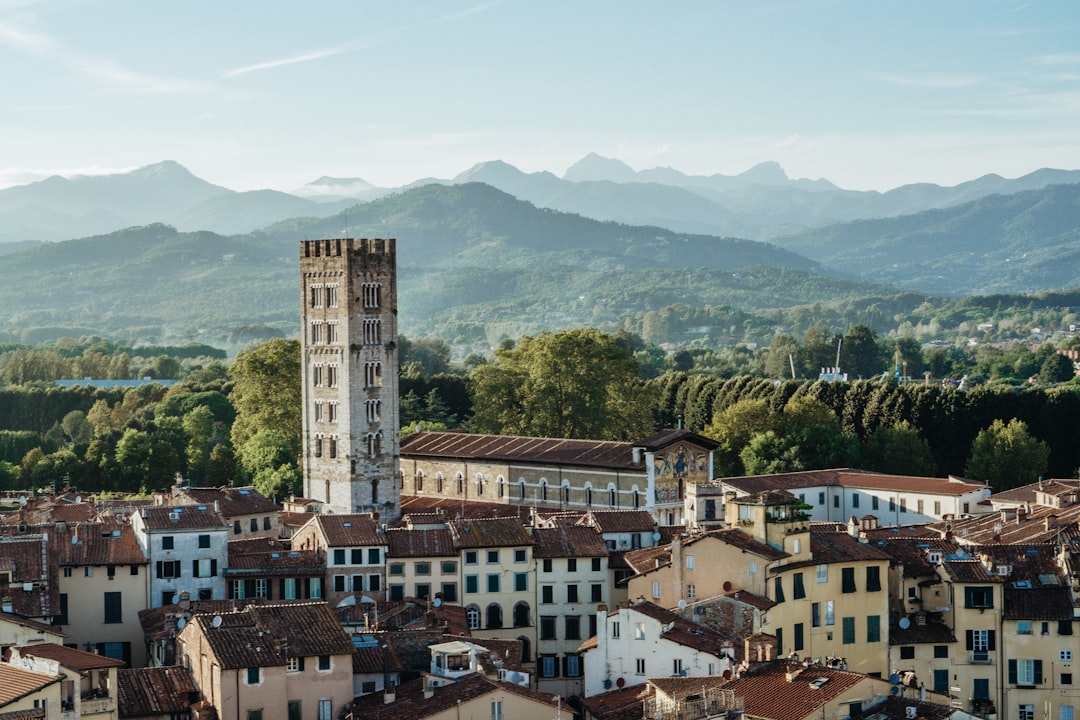
Tuscany's most liveable city: Renaissance walls you can cycle, a tower with trees on top and zero crowds.
- Best time to visit: April-June and September-October
- Daily budget (budget traveller): $110 to $190 USD
- Ideal trip length: 1 to 2 days
Lucca is the Tuscan city Italians recommend when you say Florence felt like a theme park. Its perfectly intact Renaissance walls form a 4km tree-lined park on top of the ramparts, locals do their passeggiata by bicycle, and inside the walls sit a Roman amphitheatre turned piazza, a hundred churches and a medieval tower crowned with oak trees.
Lucca is the Tuscan city that Italians point you to when you say Florence felt like a theme park. The Renaissance walls, built between 1504 and 1645, run 4.2km around the old town and were never once besieged. Napoleon's sister Elisa Baciocchi turned the top into a tree-lined park, and today it is the city's living room: locals cycle it, jog it, picnic on it and argue on it. Inside sit an oval piazza on the footprint of a Roman amphitheatre, more than 90 churches, and the Torre Guinigi, a 45m medieval tower with a grove of holm oaks growing on its roof.
The scale is the appeal. You can cross the old town in 15 minutes on foot, so the days are about rhythm instead of ticking things off: a cappuccino standing at the bar, a lap of the walls, a €1.50 slice of pizza from Forno Giusti, tordelli for lunch, a Puccini concert in the church where he was baptised. Puccini was born here in 1858 and the town has never stopped humming his arias. Outside the walls the Colline Lucchesi are olive and wine country, and the Garfagnana mountains start 30 minutes north by train.
Lucca is easy to do badly. Arrive at 11am off a Pisa day-tripper train and the Via Fillungo feels like a conveyor belt. Do it right: be on the walls by 8am or at golden hour, climb Torre Guinigi in the last hour before closing, book dinner at the small family places a day ahead, and use Lucca as a base for Pisa, Barga and Viareggio instead of squeezing everything into one afternoon. One full day covers the sights, but three nights is where Lucca starts to feel like yours. Avoid the Lucca Comics & Games week in late October unless you booked months ago and like cosplay.
How many days in Lucca?
For Lucca, we recommend 1 to 2 days.
| Trip length | What you'll see | Itinerary |
|---|---|---|
| 2 days · Recommended | First lap of the walls; Cathedral, towers and Puccini | Lucca in 2 days |
| 3 days | Adds: Pisa without the crowds | Lucca in 3 days |
| 4 days | Adds: Barga and the Garfagnana | Lucca in 4 days |
| 5 days | Adds: Slow day: market, villas and wine | Lucca in 5 days |
| 7 days | Adds: Viareggio beach day; Last coffee, San Frediano | Lucca in 7 days |
Lucca itinerary
Arrive, settle, first lap of the walls
Morning: Train from Pisa Centrale to Lucca (25-30 min). Walk five minutes from the station to Porta San Pietro, drop bags, and have a standing coffee at Caffè Di Simo on Via Fillungo, Puccini's old haunt.
Afternoon: Lunch at Forno Giusti, then rent a bike at Poggi on Via Anfiteatro. Climb the ramp at Porta San Pietro and ride the full 4.2km loop slowly.
Evening: Aperitivo in Piazza Anfiteatro, then dinner at Osteria Baralla (Via Anfiteatro 5) or Trattoria da Leo (Via Tegrimi 1). Go for the tordelli lucchesi.
Cathedral, towers and Puccini
Morning: Duomo di San Martino at opening (around 9:30) for the Volto Santo and Jacopo della Quercia's tomb of Ilaria del Carretto. Then Palazzo Pfanner's garden.
Afternoon: Buccellato at Taddeucci on Piazza San Michele, a look at the Basilica di San Michele in Foro, then Torre delle Ore (207 steps) and Torre Guinigi (230 steps) in the late-afternoon light.
Evening: Puccini and his Love concert at the Chiesa di San Giovanni (7pm, about €20), then dinner at Buca di Sant'Antonio, serving since 1782.
Pisa without the crowds
Morning: 8:30am train to Pisa Centrale. Walk to Piazza dei Miracoli before the tour buses and climb the Leaning Tower on a pre-booked morning slot (about €20-25).
Afternoon: Lunch at the Piazza delle Vettovaglie market stalls, then walk the Arno and see Santa Maria della Spina.
Evening: Train back to Lucca, light dinner at Enoteca Vanni (Piazza San Salvatore) with a flight of Colline Lucchesi wines.
Barga and the Garfagnana
Morning: Train on the Lucca to Aulla line to Barga-Gallicano (about 50 min, €4-5), then bus or walk up to the old town and its hilltop Duomo.
Afternoon: Lunch of farro soup and chestnut-flour dishes, stroll the walls of Barga's medieval centre, or stop at the Devil's Bridge in Borgo a Mozzano on the way back.
Evening: Back in Lucca for pizza at a local spot, early night.
Slow day: market, villas and wine
Morning: Browse Mercato del Carmine (Mon to Sat mornings) for cheese, olive oil and cured meats. Third Sunday of the month, the antiques market fills the streets around Piazza San Martino.
Afternoon: Cycle 8km north to Villa Reale di Marlia for the gardens, then continue to the hills for a tasting at Tenuta di Valgiano (book ahead).
Evening: Sunset drink at Antico Caffè delle Mura on the ramparts, then dinner at All'Olivo or Gli Orti di via Elisa.
Viareggio beach day
Morning: Train to Viareggio (25 min, about €4). Walk the Liberty-style seafront promenade and rent a lounger at a bagno or find free sand at the ends of the beach.
Afternoon: Seafood lunch at Da Romano (Via Mazzini) or a fritto misto from a takeaway stand, then swim.
Evening: Train back, gelato at Gelateria Veneta, last Passeggiata along the walls.
Last coffee, San Frediano, depart
Morning: Basilica di San Frediano's gold mosaic facade and the mummified Santa Zita (free). Final buccellato from Forno Amedeo Giusti.
Afternoon: One more wall lap, lunch at a trattoria you liked, collect bags.
Evening: Train to Pisa Centrale, then the PisaMover to the airport. Allow 90 minutes from Lucca door to terminal.
Best neighbourhoods
- Centro Storico: The walled old town with the amphitheatre, towers and most stays.
- Piazza Anfiteatro: The oval Roman amphitheatre ringed with cafés and restaurants.
- San Frediano: A quieter artisan quarter around the mosaic-fronted basilica.
- Via Fillungo: The main shopping street threading through the medieval core.
- Outside the Walls: Cheaper modern accommodation a short walk from the gates.
Must-do experiences
- Cycle the city walls: Ride the 4km tree-shaded loop on top of the Renaissance ramparts.
- Torre Guinigi: Climb the medieval tower famous for the oak trees growing on its roof.
- Piazza dell'Anfiteatro: Have a coffee inside the oval piazza built on a Roman amphitheatre.
- Duomo di San Martino: See Tintoretto's Last Supper and the Volto Santo wooden crucifix.
Hidden gems
- An evening Puccini concert in San Giovanni church, the composer's home parish.
- The Botanical Garden's quiet corners and legends of Lucida Mansi.
- Palazzo Pfanner's baroque garden, a film-set favourite.
- Villa Reale and the villas of the Lucchese hills, about 8km out, a short drive or a half-hour bike ride.
Daily budget
- Accommodation: budget €30-45 / night (hostel dorm, Ostello San Frediano), mid-range €110-170 (boutique double inside the walls), splurge €300+ (Villa La Principessa, Palazzo Alexander). Prices roughly double during Lucca Comics & Games and the July summer concerts. A small city tax is added at check-out.
- Food: budget €25-35 / day (Forno Giusti slices, panini, a €10 pasta lunch), mid-range €55-80 (trattoria lunch + a proper dinner), splurge €110+ (tasting menu at Giglio or a long dinner at Buca di Sant'Antonio). Expect a coperto of €2-3 per person. Tordelli lucchesi run €11-14 and lunch is cheaper than dinner everywhere.
- Transport: budget €15 / day (bike rental, a lot of walking), mid-range €25-35 (bike + return train to Pisa or Viareggio), splurge €90+ (private driver to the Colline Lucchesi wineries). Everything in the old town is walkable. Rent a bike for €4/hour or about €15/day, and never drive inside the walls, the ZTL cameras fine automatically.
- Activities: budget €10-20 / day (Torre Guinigi about €8 + free churches and walls), mid-range €35-55 (towers, Palazzo Pfanner, Puccini concert at San Giovanni), splurge €100+ (cooking class, Villa Reale di Marlia, private wine tour). The walls, San Frediano and San Michele in Foro are free. Combo tickets for the cathedral, museum and San Giovanni run about €9.
- Drinks & nightlife: budget €8-12 (glass of Colline Lucchesi wine, spritz at a bar counter), mid-range €20-35 (aperitivo in Piazza Anfiteatro, wine bar dinner), splurge €60+ (cocktails at Antico Caffè delle Mura, vintage Montecarlo bottle). Lucca goes to bed early. Aperitivo hour from 6pm is the night out, and a seated table in Piazza Anfiteatro costs a premium.
Where to stay
- Social hostel in Centro Storico (€30-45 / night): Ostello San Frediano on Via della Cavallerizza: dorms and private rooms in a restored building, courtyard, bar and bike-friendly staff.
- Boutique hotel in Near Piazza San Michele (€110-190 / night): Albergo San Martino or Hotel Ilaria: quiet, character rooms, five minutes from every sight with breakfast included.
- Apartment in San Frediano (€80-130 / night): Residential streets near the mosaic basilica, with a kitchen, a market a block away, and a more local evening feel. Best for 4+ nights.
- Splurge in Massa Pisana or Piazza Napoleone (€280-450 / night): Villa La Principessa (a Renaissance villa with gardens, 10 min by taxi) or Palazzo Alexander (a restored palace inside the walls).
What to eat
- Tordelli lucchesi, meat-filled pasta in ragù
- Buccellato, the sweet aniseed bread of Lucca
- Farro soup from the Garfagnana
- Local DOP olive oil and Colline Lucchesi wines
Day trips
- Pisa (25-30 min by train): The Leaning Tower, cathedral and Camposanto on Piazza dei Miracoli, plus the university quarter and Arno riverfront. Go early and be back in Lucca for dinner. Regional train from Lucca to Pisa Centrale, about €4, every 30 min. Walk 25 min or take the LAM Rossa bus to the Piazza dei Miracoli.
- Barga and the Garfagnana (50 min by train): A hilltop medieval town with a Romanesque Duomo, Scottish connections and chestnut-flour cooking. Gateway to the Apuan Alps. Train on the Lucca to Aulla line to Barga-Gallicano, about €4-5, 8 to 10 departures a day. Local bus up to the old town.
- Viareggio (25 min by train): Art Nouveau seafront, wide sandy beaches, seafood restaurants and the carnival museum. Lido life without having to leave Tuscany. Train from Lucca, about €4, every 30 min. Loungers at bagni cost €15-30, or use the free public stretches.
When to visit
- Spring (April - June): 15-26°C, bright, a few showers in April. Crowds: Building, manageable except Easter week. The best window. Wisteria and plane trees leaf out on the walls, restaurant terraces open, and the light is soft for cycling.
- Summer (July - August): 29-35°C, humid, afternoon thunderstorms. Crowds: Moderate, busy in the evenings, Lucca Summer Festival concerts in July. Hot but doable if you ride the walls at 7am, nap at 2pm and climb towers at dusk. Some trattorias close for a week around Ferragosto (15 August).
- Autumn (September - October): 16-27°C, warm early, rainy by late October. Crowds: Moderate, then packed during Lucca Comics & Games (late Oct to 1 Nov). The locals' pick. September brings the Luminara di Santa Croce candlelit procession (13 September), the grape and olive harvest, and golden evenings. Avoid comics week unless you came for it.
- Winter (November - March): 3-12°C, foggy mornings, rainy spells. Crowds: Low, Christmas market weekends are the exception. Cheapest rooms, empty walls and cosy osterie with farro soup and wood fires. Some museums run shorter hours, so check before you go.
Entry rules for your passport
Visa rules for Italy depend on the passport you travel on. Check the official source before you book: European Commission: Schengen visa policy
Getting there
Lucca has no airport. Fly into Pisa (PSA), then take the PisaMover shuttle to Pisa Centrale (about 5 min, €5-6) and a regional train to Lucca (25-35 min, around €4, every 30 min). Total door to door is about 75 min and under €10. A taxi from the airport to Lucca costs around €70. From Florence Santa Maria Novella the regional train takes about 1h25 and costs around €10. Buy tickets on the Trenitalia app or at machines, and validate paper tickets in the little green machines on the platform before boarding. Lucca station sits just outside the south walls, a five-minute walk to Porta San Pietro. If you drive, park outside the walls at Parcheggio Carducci and walk in, because the ZTL cameras inside will fine you automatically.
Border checks: non-EU visitors (other than Swiss, Norwegian, Icelandic, Liechtenstein, Andorran, Monegasque, San Marinese and Vatican citizens, and holders of an EU residence permit or long-stay visa) are registered in the EU's Entry/Exit System (EES) instead of getting a passport stamp. On your first crossing, officers take your photo and/or fingerprints, so allow extra time at passport control. ETIAS, the planned travel authorisation, is not in operation yet, so don't pay any website for one.
Getting around
Lucca has no airport; fly into Pisa, about 45 minutes away by airport shuttle and train, or Florence, 80 minutes by train. Inside the walls almost everything is pedestrianised, so the city is best explored on foot or by rented bike, which is the local default and costs around 15 euros a day. Trains and buses make Pisa, Viareggio's beaches and Florence easy day trips without a car.
Safety
Lucca is one of Italy's safest and calmest cities, with very low crime. The main risks are minor: bicycles move fast on the walls and along Via Fillungo, cobbles are slippery when wet, and the huge Lucca Comics & Games festival in late October packs the city to capacity. Summer afternoons are hot, so climb towers in the morning or evening.
Solo travel tips
- Eat at the counter: Most bars and enotecas have a counter. Order a coffee or spritz standing up for €1.20-€1.50 (coffee) instead of €3 seated. You'll be chatting with the barista in minutes.
- Ride the walls at 7:30am: After 10am the walls fill with tour groups and kids on rented tandems. At dawn it's just locals walking dogs, runners and the best light of the day.
- Hostel pick: Ostello San Frediano: Inside the old town on Via della Cavallerizza, with a courtyard, a bar and a mix of cyclists and solo backpackers. Dorms from about €30, and the best budget bed in Tuscany.
- Join the 7pm Puccini concert: Sitting in San Giovanni with strangers for an hour of arias is a low-effort way to share an evening. Chat afterwards at the nearby wine bars.
- Solo female travellers: Lucca is one of the safest cities in Italy for women alone. Normal rules apply: watch your drink at aperitivo, lock your bike with the shop's chain, and walk the walls after dark only in a group since lighting is patchy.
- Book a cooking class or wine tasting: Group classes at local agriturismi and tastings at Colline Lucchesi estates are small, 6 to 10 people, and full of solos. Book two days ahead.
Cultural etiquette
- Say buongiorno when you enter a shop or bar and arrivederci when you leave. It is not optional, and the service changes.
- Cappuccino is a morning drink. After 11am, order an espresso or a caffè macchiato.
- The coperto (€2-3 per person) is a cover charge, not a tip. Tipping beyond that is optional, round up or leave a few euros for great service.
- Cover shoulders and knees in churches, and keep your voice down in the cathedral and San Frediano.
- On the walls, keep to the right, ring your bell before passing, and don't stop in the middle of the path for photos.
- Lunch is 12:30 to 14:30, dinner starts around 19:30 and gets going at 20:30. Many small shops close from 13:00 to 15:30.
- Many restaurants close one day a week, often Sunday evening or Monday. Check before you walk across town.
Frequently asked questions
Is Lucca worth visiting?
Yes, and many travellers end up preferring it to Florence. The intact Renaissance walls, the amphitheatre piazza and the tree-topped Torre Guinigi are genuinely unique, the food is excellent, and the city keeps a lived-in local feel that bigger Tuscan destinations have lost.
How many days do you need in Lucca?
One full day covers the walls, towers, churches and old town. Two days let you settle into the rhythm: a slow morning market visit, a wall ride at sunset, a Puccini concert and a long trattoria dinner. It also pairs perfectly with Pisa, 30 minutes away by train.
How do you get to Lucca from Pisa or Florence?
From Pisa airport, the PisaMover shuttle reaches Pisa Centrale in five minutes; from there, direct regional trains reach Lucca in 25 to 30 minutes for a few euros. From Florence Santa Maria Novella, trains take about 80 minutes. Lucca's station sits just outside the southern walls, a five-minute walk from the centre.
Can you cycle on the walls of Lucca?
Yes, and it is the essential Lucca experience. The 4.2km circuit on top of the walls is a flat, tree-lined park open to bikes and pedestrians. Rental shops near the gates charge around 4 euros an hour or 15 euros a day, and the full loop takes about 30 leisurely minutes.
When is the best time to visit Lucca?
April to June and September to mid-October for warm weather and lighter crowds. Late October to early November brings Lucca Comics & Games, Europe's biggest comics festival: electric if you plan for it, impossible if you do not. July and August are hot but less packed than Florence.
Is Lucca a good base for Tuscany?
Yes, especially without a car. Trains reach Pisa in 30 minutes, Florence in 80 minutes and the Versilia beaches in 25 minutes, while buses serve Barga and the Garfagnana mountains. With a car, the Chianti hills, Siena and Cinque Terre are all day-trip range.
Is Lucca expensive?
It is noticeably cheaper than Florence or Venice. Budget $110 to $190 a day. Torre Guinigi entry is about 8 euros, a plate of tordelli 10 to 14 euros, bike hire 15 euros a day, and well-located guesthouses inside the walls start around 90 euros outside festival weeks.
More about Lucca
Tours and activities in Lucca | Lucca in 2 days | Lucca in 3 days | Lucca in 4 days | Lucca in 5 days | Lucca in 7 days
Can't decide? Compare Lucca with...
Joy Plus home | Destinations | Itineraries | Activities | Flights | Budget planner | Calendar | Map | Blog | Lifetime access