Destinations / Central America
Manuel Antonio, Costa Rica travel guide
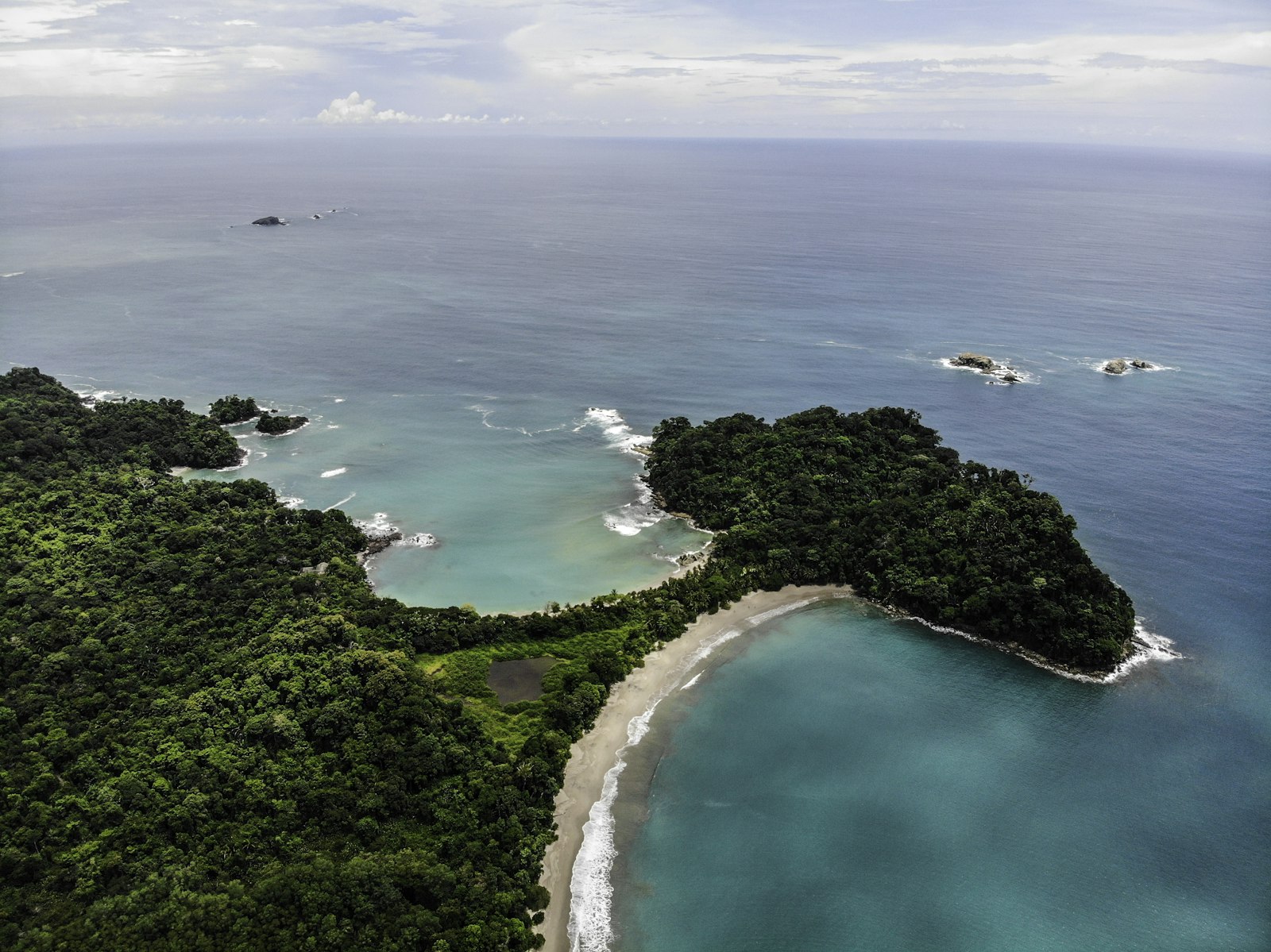
Rainforest meets white-sand beaches in Costa Rica's most beloved national park.
- Best time to visit: December-April (dry season)
- Daily budget (budget traveller): $50 to $130 USD
- Ideal trip length: 3 to 4 days
Manuel Antonio is where the rainforest tumbles right down to the Pacific, and Costa Rica's most famous national park delivers exactly the postcard you imagine: white-sand coves backed by jungle full of sloths, monkeys and iguanas. The small but wildlife-packed park anchors the area, while the road from Quepos up to the beaches is lined with viewpoint restaurants, boutique hotels and easy ocean panoramas. Beyond the park, there's snorkelling, catamaran tours and quiet beaches. Joy Plus times your park visit for the best wildlife and smallest crowds, then fills the rest with beaches, viewpoints and sunset spots.
Manuel Antonio is a small place doing a big job. A ridge of jungle drops straight into the Pacific, and in the middle of it sits Costa Rica's most visited national park: about 1,980 acres of trail, three white-sand beaches, and more sloths, white-faced capuchins and squirrel monkeys than you can count. The whole destination is one winding road, seven kilometres from the working town of Quepos up over the hill and down to the park gate. Hotels, viewpoint restaurants and the famous plane-turned-bar, El Avion, are strung along it like beads.
The trick is that the park is tiny and tightly managed. Tickets are sold online and capped daily, it opens at 7am, closes at 4pm and is shut on Tuesdays, and the animals are most active early, before the tour buses arrive. Get the timing wrong and you spend $18 to shuffle behind a crowd and see a single iguana. Get it right and you're watching a three-toed sloth eat a leaf above your head at 7:40am with a naturalist's scope trained on it. The rest of the trip is about pacing: a park morning, then beaches, a snorkel at Playa Biesanz, a catamaran from Marina Pez Vela, and sunset from the hill.
Manuel Antonio is easy for solo travellers. There is one road, one local bus, a good hostel scene, and a steady flow of people on the same loop as you. It is also more expensive than the rest of Costa Rica. Restaurants add 13% tax plus 10% service, and hotel prices swing hard between dry and green season. Plan 3 to 4 days, base yourself on the hilltop road or near the beach end, and use Quepos for cheap local meals and the marina.
How many days in Manuel Antonio?
For Manuel Antonio, we recommend 3 to 4 days.
| Trip length | What you'll see | Itinerary |
|---|---|---|
| 2 days | Sunset on the hill; The park, early and with a guide | Manuel Antonio in 2 days |
| 3 days · Recommended | Adds: Biesanz snorkel and El Avion sunset | Manuel Antonio in 3 days |
| 4 days · Recommended | Adds: Catamaran from Marina Pez Vela | Manuel Antonio in 4 days |
| 5 days | Adds: Damas Island mangroves and Quepos | Manuel Antonio in 5 days |
| 7 days | Adds: Day trip: Uvita whale tail or Nauyaca waterfalls; Last swim | Manuel Antonio in 7 days |
Manuel Antonio itinerary
Arrive, settle, sunset on the hill
Morning: Tracopa bus from San José to Quepos (about 3.5 hrs, around $10-12), or a Sansa flight to Quepos airstrip if you're short on time. Grab a cold coconut at the Quepos Mercado Central.
Afternoon: Local bus from the Quepos terminal up the hill to your hotel, about $1. Swim at Playa Espadilla and walk to the park entrance to see where you'll be at 7am tomorrow.
Evening: Sunset dinner at Cafe Agua Azul on the hilltop road. Order a fresh-caught fish and be in bed by 9:30pm.
The park, early and with a guide
Morning: At the gate by 6:45am with your online ticket. Go with a certified naturalist ($25-45 pp shared) arranged before you arrive. Do the Sloth Trail, then Playa Manuel Antonio, then the Punta Catedral loop.
Afternoon: Out by noon. Lunch at the Falafel Bar, then a long, lazy afternoon on Playa Espadilla Sur or back at the hotel pool.
Evening: Early dinner and an early night. You'll be tired and the monkeys will have made you laugh a lot.
Biesanz snorkel and El Avion sunset
Morning: Walk or taxi to Playa Biesanz (small entry fee, about $6). It's a calm, sheltered cove, so snorkel by 8am while the water is clear.
Afternoon: Siesta, shower, then an iced coffee at Cafe Milagro. Walk the hilltop road for viewpoints.
Evening: Sunset drinks at El Avion, the old C-123 cargo plane perched on the hill. Arrive by 5pm for a window table.
Catamaran from Marina Pez Vela
Morning: Bus to Quepos, then walk to Marina Pez Vela. Board a morning or sunset catamaran (Planet Dolphin and others run daily). Plan $90-110 with lunch and drinks.
Afternoon: Snorkel stop off the coast, spot dolphins, and swim off the back of the boat. Back at the dock by about 1pm for a morning trip.
Evening: Ceviche and cold beer at the marina, or El Gran Escape in Quepos. Take a taxi back up the hill.
Damas Island mangroves and Quepos
Morning: Early kayak or boat tour of the Damas Island estuary: crocodiles, herons, caimans, white-faced monkeys. About $60-80 for a guided tour, 10 minutes from Quepos.
Afternoon: Lunch at the Mercado Central sodas. Wander Quepos, then a slow afternoon at the beach.
Evening: Tacos at Dos Locos in Quepos, or head back up the hill for dinner at your hotel.
Day trip: Uvita whale tail or Nauyaca waterfalls
Morning: Drive or take a tour south on the Costanera. In Uvita, walk the sand bar of Marino Ballena National Park at low tide for the whale tail shape.
Afternoon: Swim, lunch at a beach spot, and look for humpbacks in season (Dec to Mar, Jul to Oct). Nauyaca is the alternative, a two-tier waterfall with a plunge pool.
Evening: Back by late afternoon. Easy dinner near the hotel and an early night.
Slow morning, last swim, depart
Morning: Breakfast of gallo pinto and fresh fruit. One last swim at Playa Espadilla before the sun gets harsh.
Afternoon: Bus to Quepos and onward to San José (Tracopa runs several times daily), or a short Sansa flight.
Evening: Arrive in San José. If you fly out the next morning, sleep near SJO rather than in the city.
Best neighbourhoods
- Manuel Antonio (beach end): The area nearest the national park entrance and main beaches.
- Quepos: The working town and marina at the base of the hill, with cheaper eats and nightlife.
- The hilltop road: The scenic ridge between Quepos and the park, lined with view hotels and restaurants.
- Playa Espadilla: The long public beach just outside the park entrance.
- Marina Pez Vela (Quepos): The modern marina hub for fishing, catamaran tours and dining.
Must-do experiences
- Explore Manuel Antonio National Park: Walk jungle trails to beaches spotting sloths and monkeys. Closed on Tuesdays; tickets are sold online only.
- Relax on Playa Manuel Antonio: Swim at the protected white-sand cove inside the park.
- Take a catamaran tour: Cruise the coast for snorkelling, dolphins and sunset.
- Spot wildlife with a guide: Use a naturalist's scope to find sloths, birds and frogs.
- Enjoy a viewpoint sunset dinner: Watch the Pacific from a hilltop restaurant.
- Visit Playa Biesanz: Snorkel at this calm, sheltered hidden cove.
Hidden gems
- The calm, snorkel-friendly waters of hidden Playa Biesanz.
- Sunset drinks at the famous El Avión plane-bar restaurant.
- Early-morning park entry for the best wildlife before the crowds.
- Quieter Playa Espadilla Sur inside the park for fewer people.
Daily budget
- Accommodation: budget $18-35 / night (hostel dorm), mid-range $110-200 (boutique double with view), splurge $350+ (Gaia, Arenas del Mar, Makanda by the Sea). Prices climb about 40% from mid-December to April. Most hotels add 13% tax on top of the listed rate.
- Food: budget $20-30 / day (casados at sodas, fruit, Quepos market), mid-range $45-70 (cafe breakfast, one viewpoint dinner), splurge $100+ (tasting menu or beachfront resort dinner). A casado at a local soda is $7-10. Sit-down restaurants add 13% tax plus 10% service, so a $15 plate becomes about $18.50.
- Transport: budget $2-5 / day (Quepos to beach local bus, about $1 each way), mid-range $15-30 (mix of bus and taxis), splurge $70+ (rental car or private driver). A taxi Quepos to the park is roughly $15-20. Skip the car unless you're day-tripping to Uvita or Nauyaca.
- Activities: budget $18-25 / day (park ticket, free beaches), mid-range $60-110 (park plus guide, or catamaran with lunch), splurge $200+ (private guide, private catamaran, sport fishing). Park entry is $18 per adult, bought online. A shared 2.5 to 3 hour guide runs $25-45 each. Half-day catamaran cruises are $90-110.
- Drinks & nightlife: budget $5-10 (Imperial or Pilsen beer at $3-4), mid-range $20-35 (sunset cocktails at El Avion), splurge $60+ (rum cocktails and dinner at a resort bar). Nightlife is sunset drinks, then bed. Quepos has the only real late bars. Bars add the same 23% tax and service.
Where to stay
- Social hostel in Quepos (town centre) ($18-45 / night): Wide Mouth Frog Hostel: dorms and privates, communal kitchens and a tour desk, a short bus ride from Playa Espadilla.
- Boutique hotel in The hilltop road ($130-250 / night): Hotel Si Como No, Villas Nicolas or Costa Verde: jungle and ocean views, pools, and a restaurant on site. Quiet, close to the park, and you can see wildlife from the balcony.
- Apartment in Quepos ($50-95 / night): Local apartment or small studio near the marina. Cheaper than the hill, easy for groceries and local bus, and good for stays of 5 or more nights.
- Splurge in Hilltop and cliffside ($350-700 / night): Gaia Hotel & Reserve, Arenas del Mar or Makanda by the Sea: private villas, infinity pools, jungle on every side, and some of the best food in the area.
What to eat
- Fresh-caught fish and ceviche from Quepos marina
- Casado plates at local sodas
- Tropical fruit and smoothie bowls
- Sunset cocktails at hilltop view restaurants
Day trips
- Damas Island Estuary (10 min from Quepos): A mangrove maze of channels where you'll spot crocodiles, caimans, boat-billed herons and monkeys. Best at high tide in the morning. Book a guided kayak or boat tour ($60-80) from Quepos, which usually includes hotel pickup.
- Nauyaca Waterfalls (1 hr drive south of Quepos): A two-tier waterfall in the hills above Dominical, with a deep swimming pool at the base. Optional horseback ride to the falls. Drive the Costanera to Dominical, then inland. Tours run $70-100 with transport, entry is around $10 on arrival.
- Uvita and Marino Ballena National Park (1 hr drive south of Quepos): Wide beaches, the famous whale-tail sandbar at low tide, and humpback sightings from Dec to Mar and Jul to Oct. Drive the Costanera Sur, about 60km, or take the bus to Uvita ($4-6). Park entry about $6.
When to visit
- Peak dry (December - February): 24-32°C, sunny, low humidity, almost no rain. Crowds: Heavy, especially Christmas to New Year. The most reliable weather and the most expensive rooms. Book the park ticket and your hotel weeks ahead, and be at the gate for 7am.
- Late dry (March - April): 25-34°C, hot, humid, first showers late April. Crowds: Busy, spikes around Semana Santa. Hottest stretch of the year, great for beach and snorkel days. Avoid Holy Week unless you've booked everything.
- Early green (May - August): 24-31°C, clear mornings, heavy afternoon downpours. Crowds: Light to moderate. The sweet spot for value. Rooms drop 30 to 40%, the jungle is electric green, and a short dry spell often shows up in July. Do the park first thing.
- Wettest (September - November): 23-30°C, rain most afternoons and nights, rough seas. Crowds: Very low. Cheapest and quietest, but some boat trips cancel and roads can wash out. Humpback whales pass through to October, so it isn't a write-off.
Entry rules for your passport
Visa rules for Costa Rica depend on the passport you travel on. Check the official source before you book: Costa Rica General Directorate of Migration
Getting there
Most travellers fly into San José (SJO), about 160km from Manuel Antonio, 2.5 to 3.5 hours by road. The cheapest option is the Tracopa bus from San José to Quepos, around $10-12 with several departures daily. Interbus shared shuttles run door to door from SJO and San José hotels for about $60-70 per person. A private transfer is $150-220 for up to four. Sansa and Skyway fly to the Quepos airstrip (XQP) in about 30 minutes, usually $90-140 one way, and are worth it if you're short on time. From Quepos the local bus to the beach end runs frequently and costs about $1, or take a taxi for $15-20. If you rent a car, mandatory local insurance adds $15-25 a day, the Costanera has potholes, and you should avoid driving at night. Parking near the park is limited, so use the official lots, not roadside touts.
Getting around
The Manuel Antonio area runs along one main road from Quepos town down to the national park, and a frequent, cheap public bus shuttles up and down this route, the easiest way to get between your hotel, the beaches and the park. The area is hilly, so walking the whole road is tiring in the heat. Taxis are readily available, and renting a car gives flexibility for exploring further afield, though parking near the park is limited. To arrive, most travellers drive or take a shuttle from San José (about three hours) or fly into the small Quepos airstrip.
Safety
Manuel Antonio is generally safe and very tourist-friendly, with solo travellers, including women, commonly feeling comfortable. The most common issue is petty theft and break-ins, so don't leave valuables unattended on the beach or visible in cars, and use hotel safes. Inside the park, don't feed or get close to monkeys and raccoons, which can be bold and snatch food. Respect ocean conditions and rip currents when swimming, use licensed operators for boat tours, stay hydrated, and use sun and insect protection. Take normal precautions at night in Quepos. The US rates Costa Rica 'Exercise increased caution' because of crime: petty theft is common, and violent crime also affects tourists.
Solo travel tips
- Book the park ticket the day before: Daily entry is capped and sold online through the official SINAC site, not at the gate. Pick a Wednesday to Friday for the thinnest crowds, and book the earliest entry slot.
- Split a guide to cut the cost: Guided groups have a $25-45 per-person rate and a solo guide is much more. Ask in your hostel to join a small group; you get the scope and the stories, plus a few walking partners.
- Hostel pick: Wide Mouth Frog Hostel: Wide Mouth Frog is a short ride from the beach and has communal areas, tours and easy company. It is small and calm, so use the beach and group tours to meet people.
- Use the bus, ignore the touts: The Quepos to Manuel Antonio bus is cheap, frequent and safe. Ignore men on the road claiming the park is full or offering parking: use official lots and buy tickets only from the official site.
- Solo female travellers: Manuel Antonio is comfortable for women alone. The usual rules apply: keep valuables out of sight, don't walk empty beaches after dark, use hotel taxis or registered red taxis at night in Quepos, and watch your drink.
- Find your tribe on a boat or at a sunset: Catamaran tours and the Damas Island kayak are full of solos and couples who chat. El Avion at golden hour is a social spot where striking up a conversation with strangers is easy.
Cultural etiquette
- Don't feed or touch the wildlife. Monkeys and raccoons will grab bags and food, and feeding is illegal. Keep 3 to 5 metres from sloths and let them be.
- Food is not allowed inside the park. Carry water in a reusable bottle only, and take all rubbish out with you.
- Tipping: restaurants include a 10% service charge. Leave a few extra dollars for great service, and tip guides $5-10 pp.
- Say 'pura vida' sparingly and genuinely. It means hello, thanks and no worries, but it lands better than a loud slogan.
- Dress properly in town and in restaurants. Swimwear is for the beach and pool, not for supermarkets in Quepos.
- Ticket and tour scams exist near the park gate. Book through the official site or a registered operator and ignore anyone claiming the park is full.
- Quiet voices on trails. The animals are easier to spot, and you'll hear birds and howler monkeys instead of other tourists.
Frequently asked questions
How many days do you need in Manuel Antonio?
Three to four days is ideal. Allow at least half a day for the national park itself, ideally a full morning for wildlife, plus time to enjoy the park's beaches. The rest lets you relax on Playa Espadilla, take a catamaran tour, visit hidden coves like Playa Biesanz, and enjoy sunset dinners from the hilltop viewpoints. Three days gives a relaxed mix of park, beach and a boat trip; four days adds slower beach time or extra excursions. Even two days covers the park and a beach if you're short on time.
When is the best time to visit Manuel Antonio?
The dry season from December to April offers the sunniest weather and easiest trail conditions, making it the most popular and busiest time, expect crowds and higher prices, especially around the holidays. The green season (May to November) brings lush scenery, afternoon rain and fewer visitors, with better deals; mornings are often still clear, which suits early park visits and wildlife spotting. Note the park is closed every Tuesday. For the best balance, consider the shoulder months.
Do you need a guide for Manuel Antonio National Park?
A guide isn't required, but it greatly improves wildlife spotting. Certified naturalist guides carry powerful scopes and know exactly where to find sloths, snakes, frogs, birds and camouflaged animals you'd almost certainly walk past on your own. They also share fascinating natural-history detail. If you prefer to explore independently, the trails are well marked and you'll still likely see monkeys and iguanas, especially early in the day, but many visitors feel a guide is well worth it, at least for their first walk. Park tickets are sold only online, in advance, on the official SINAC website (about US$18 for foreign adults), and no food may be taken in. Book a certified guide ahead, and be wary of touts near the entrance posing as park staff.
How do you get to Manuel Antonio?
Most travellers reach Manuel Antonio by road from San José, about a three-hour drive or shuttle ride; shared and private shuttles are convenient and widely available. You can also self-drive on good paved roads, or take a public bus. For a quicker option, small domestic flights connect San José to the Quepos airstrip in around 30 minutes. Once in the area, the town of Quepos sits at the base of the hill, with the park and beaches a short bus, taxi or drive away along the single main road.
What wildlife can you see in Manuel Antonio?
Manuel Antonio is one of Costa Rica's best spots for accessible wildlife. You can commonly see both two-toed and three-toed sloths, white-faced capuchin and squirrel monkeys, howler monkeys, iguanas, coatis, raccoons and an array of colourful birds, including toucans. Lucky visitors spot poison dart frogs, snakes, bats and even dolphins or whales offshore on boat tours. The park's compact trails and dense jungle-meets-beach habitat make sightings frequent, especially early in the morning with a guide. Remember not to feed the animals, despite their boldness.
Is Manuel Antonio good for solo travellers?
Yes, Manuel Antonio is well suited to solo travel. It's safe, popular and easy to navigate, with a frequent local bus, plenty of accommodation from hostels to resorts, and lots of group activities, park tours, catamaran trips and snorkelling, that make meeting people simple. Solo female travellers generally feel comfortable, with standard precautions around belongings and nightlife. The compact area means you're never far from beaches, restaurants and the national park, and English is widely spoken, making it an easy, rewarding stop for independent travellers.
Is the Manuel Antonio National Park beach worth it?
Definitely. Playa Manuel Antonio, the cove inside the park, is one of Costa Rica's most beautiful beaches: a sheltered crescent of white sand with calm, clear water backed by rainforest, perfect for swimming after a wildlife walk. Playa Espadilla Sur, also inside the park, is quieter. Just outside, the long public Playa Espadilla offers more space and beach vendors. Combining a morning of wildlife on the trails with an afternoon swim at the park beach is the classic Manuel Antonio experience, and well worth the entrance fee.
Do I need a visa to visit Costa Rica?
Citizens of the EU, UK, US, Canada and Australia can enter Costa Rica visa-free as tourists for up to 180 days, at the immigration officer's discretion. You may need proof of onward travel and sufficient funds; confirm the latest requirements before visiting.
Tours and activities in Manuel Antonio | Manuel Antonio in 2 days | Manuel Antonio in 3 days | Manuel Antonio in 4 days | Manuel Antonio in 5 days | Manuel Antonio in 7 days
Can't decide? Compare Manuel Antonio with...
Joy Plus home | Destinations | Itineraries | Activities | Flights | Budget planner | Calendar | Map | Blog | Lifetime access