Destinations / Europe
Mardin, Turkey travel guide
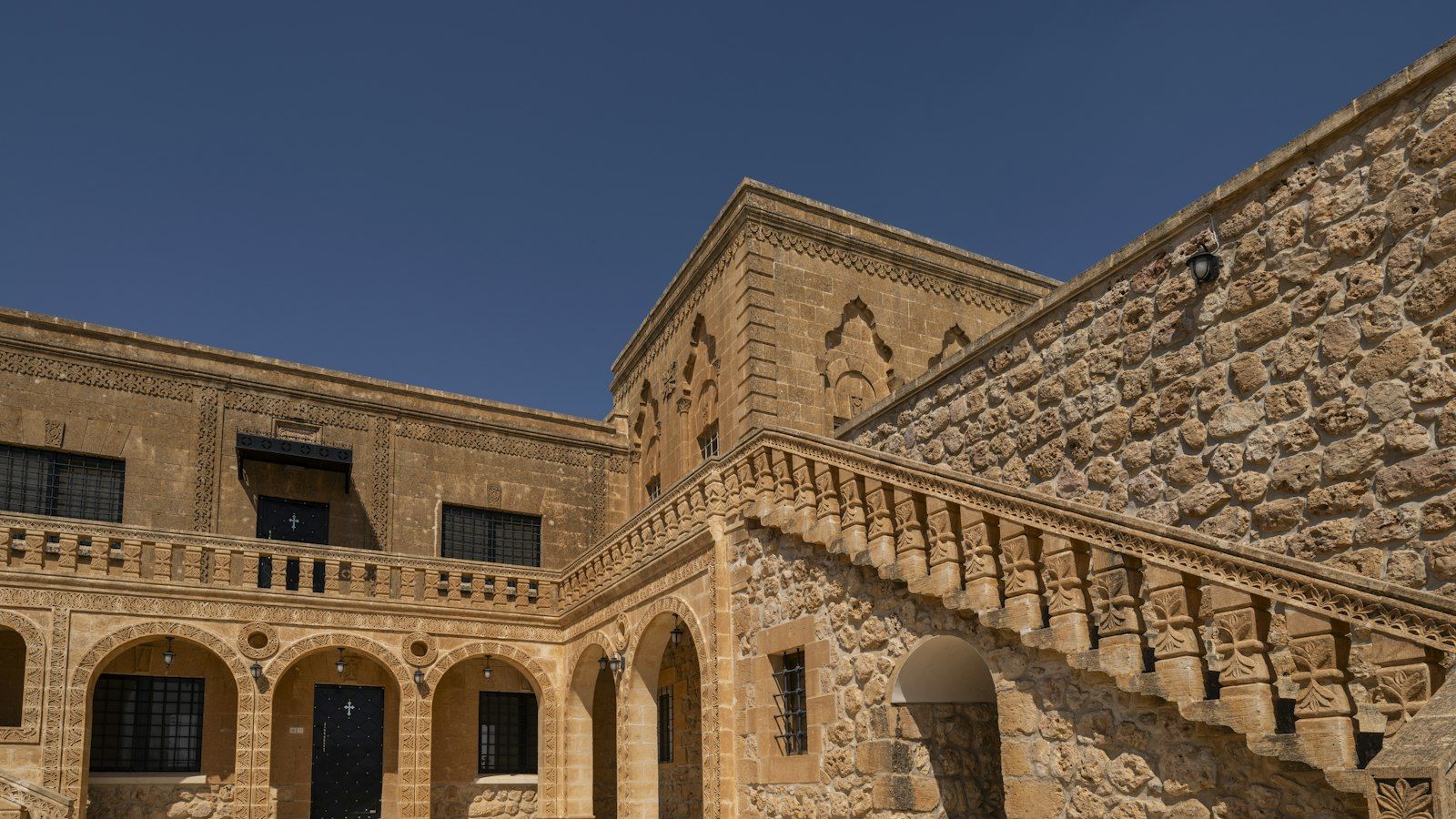
A honey-coloured stone city above the Mesopotamian plain, where madrasa terraces, Syriac monasteries and slow-cooked Mardin food reward travellers who take it slowly.
- Best time to visit: April to May and September to October
- Daily budget (budget traveller): $50 to $160 USD
- Ideal trip length: 4 to 7 days
Mardin sits on a limestone ridge in southeastern Turkey, and its old town drops down the slope in terraces of pale stone houses, mosques, madrasas and church towers. Below it, the Mesopotamian plain runs flat towards Syria. The city has been Assyrian, Roman, Artuqid, Ottoman and much more, and today Turkish, Kurdish, Arabic and Syriac are all spoken here. Most of what you want is in a walkable strip either side of Birinci Cadde, the single road through the old town. There are Artuqid madrasas with rooftop views, a museum in a former Syriac Catholic patriarchate, and alleys that pass under houses through covered tunnels called abbaras. Outside the city you can visit the 5th-century Deyrulzafaran Monastery, the Roman cisterns at Dara, the Syriac town of Midyat and Mor Gabriel, one of the oldest working monasteries in the world. Mardin suits solo travellers who like history and food more than nightlife. Fees are low, minibuses are cheap, and a long dinner on a terrace costs much less than it would on the coast.
Mardin is one of the most photographed cities in Turkey, and once you arrive it is easy to see why. The old town is built from local limestone that turns cream, gold and pink through the day, stacked up the slope below a citadel that is still a military zone and closed to visitors. Below the city, the Mesopotamian plain stretches to the Syrian border like a flat brown sea. It is not a big place. Most of what you want lies within about 1.5 km along Birinci Cadde, the single street that cars squeeze through. Above and below it, lanes, stairways and covered abbaras link madrasas, mosques, Syriac churches and mansion hotels. Budget travel works well here: a dorm bed, a lahmacun lunch, a kebab dinner and a couple of entry fees fit comfortably inside 1,800 to 2,800 TRY a day.
The best plan is to sleep in the old town and treat Mardin as a hub. Spend your first two days on foot: Ulu Cami, Zinciriye Medresesi, the Mardin Museum, the bazaar and Kasımiye at sunset. Then hire a taxi for a morning at Deyrulzafaran and an afternoon in Dara's cisterns. Neither has public transport, so negotiate the fare and the waiting time first. Midyat is an easy minibus day trip from the main otogar, with minibuses every 15 to 30 minutes until about 7pm. Mor Gabriel and Hasankeyf are much easier with a hire car or driver. If you have a spare day, Savur is the slow village day most visitors skip.
Timing is mostly about heat. Spring and autumn are comfortable, summer days often pass 35°C, and winter at around 1,000 m can be cold, wet and sometimes snowy, but very quiet. Mardin is conservative and multi-faith, with Turkish, Kurdish, Arab and Syriac communities sharing the hill. Dress modestly, follow monastery rules, and keep political opinions to yourself. This is a border province, so read your government's travel advice, especially for Dara and anywhere close to Syria. Nightlife here means terrace tea, live music at a konak restaurant and the call to prayer echoing across the valley. If that sounds right, Mardin will easily fill a week.
Mardin itinerary
Arrive and walk Birinci Cadde
Morning: Fly into MQM and take the Havaş shuttle to Eski Mardin (about 220 TRY, 30 minutes, timed to arrivals), or a taxi for roughly 900-1,300 TRY. Drop your bags at your old town guesthouse.
Afternoon: Eat a lahmacun or sembusek lunch near the bazaar, then walk Birinci Cadde from Savurkapı to Cumhuriyet Meydanı. Duck into side alleys and abbaras as you go.
Evening: Watch sunset from a café terrace above the plain. Dinner at Leyli Muse Mutfak, next to the Mardin Museum, for local dishes.
Madrasas, museum and Kasımiye at sunset
Morning: Start at Ulu Cami, then climb to Zinciriye Medresesi for its carved portals and rooftop view. Visit the Mardin Museum (closed Mondays, Müzekart accepted).
Afternoon: Browse the covered bazaar for soap, almonds and copper. Visit Kırklar Kilisesi if the caretaker is in. Lunch at Kebapçı Yusuf Usta for Mardin kebabı.
Evening: Walk down to Kasımiye Medresesi (about 80 TRY, open into the evening in summer, until about 5:30pm in winter) for golden hour. Taxi or climb back up for dinner.
Deyrulzafaran and the cisterns of Dara
Morning: Agree a half-day taxi price that includes waiting time. Go to Deyrulzafaran for its 9am opening and join the next guided group (about 150 TRY in 2025). It closes for lunch around 12pm to 1pm.
Afternoon: Continue to Dara (free, about 8:30am to 5pm, possibly closed Mondays). Walk the necropolis, the gallery tomb and the huge cisterns. There is no café, so bring water and snacks.
Evening: Back to Mardin. Book ahead for dinner at Cercis Murat Konağı to try the fixed menu and the kaburga dolması.
Midyat by minibus
Morning: Take a city bus to the main otogar, then a Midyat dolmuş (every 15 to 30 minutes, about an hour). Ask to be dropped at Eski Midyat, the old town.
Afternoon: Wander the stone mansions, Midyat Konuk Evi and the Syriac church towers. Pop into Hercai Konağı (about 30 TRY). Watch telkari silver being made and taste Syriac wine.
Evening: Head back to the otogar by about 6pm, because minibuses stop around 7pm. Easy dinner and tea in Şar Mahallesi.
Mor Gabriel and Hasankeyf
Morning: Pick up a hire car or meet a driver early. Drive to Mor Gabriel (about 200 TRY, visits roughly 9am to 11:30am and 1pm to 4:30pm). Cover shoulders and knees.
Afternoon: Drive north to Hasankeyf, about 45 minutes beyond Midyat. The old town was flooded by the Ilısu Dam, and its rescued monuments now stand in a new cultural park. Look at the cliffs and caves above the reservoir.
Evening: Drive back to Mardin before dark. Rural roads have checkpoints and little lighting. Kebab dinner and an early night.
Savur village day
Morning: Ask at the otogar about the Savur minibus, or keep the hire car. The trip takes about an hour through orchards and limestone hills.
Afternoon: Visit Hacı Abdullah Bey Konağı (about 50 TRY), a family mansion with views over the valley, then take a slow lunch and a walk through the village lanes.
Evening: Return to Mardin. Have mırra coffee on a terrace, then a final night of meze and live music in a konak restaurant.
Slow morning and departure
Morning: Return to anything you missed, such as Sabancı Kent Müzesi (closed Mondays) or a second visit to Zinciriye in the soft morning light. Pick up almond sweets and bıttım soap.
Afternoon: Lunch of ikbebet near the square. Check Havaş departure times for your flight and leave plenty of time.
Evening: Fly out, or take an onward bus to Diyarbakır (about 1.5 hours) or Şanlıurfa (about 3 hours).
Best neighbourhoods
- Birinci Cadde and Cumhuriyet Meydanı: The old town's main street and central square, lined with konak hotels, jewellers, soap and almond shops and terrace cafés. Most sights are a five-minute climb or descent from here, and the minibuses into town run along it.
- Şar Mahallesi: The heart of the old town around Ulu Cami and the covered bazaar, with steep lanes, stone stairways, coppersmiths, spice sellers and a cluster of budget guesthouses and small hostels.
- Medrese Mahallesi: The upper slopes below the citadel, home to Zinciriye Medresesi and quiet residential alleys with abbaras. You get the best views over the plain here, and the stairs keep you fit.
- Savurkapı: The eastern end of the old town near the old Savur Gate. It is a little calmer and has cheaper rooms, and it is still an easy walk along Birinci Cadde to the main sights.
- Yenişehir: Mardin's modern new town to the west, with chain hotels, supermarkets, everyday kebab shops and Sadık Künefe. It is handy for practical errands, but the old town is the better base.
- Old Midyat: About an hour east by minibus, Midyat's old quarter has carved stone mansions, Syriac church towers, telkari silver workshops and wine shops. It is worth staying overnight if you want to see the Tur Abdin monasteries.
Must-do experiences
- Walk Birinci Cadde at dusk: Walk the length of the old town's main street as the stone turns gold, then drop into side alleys and covered abbaras for terrace views over the plain.
- Climb onto the Zinciriye Medresesi roof: This 14th-century Artuqid madrasa, also called Sultan İsa Medresesi, has carved portals, quiet courtyards and one of the best rooftop panoramas in the city.
- Catch golden hour at Kasımiye Medresesi: Walk down to this two-storey madrasa below the old town, with its arcaded courtyard and pool. Arrive late afternoon and stay for the light over the plain.
- Take the guided tour of Deyrulzafaran: Founded in the 5th century, the Saffron Monastery was the seat of the Syriac Orthodox patriarchs until 1932. Visits are by guided group only, usually in Turkish.
- Go underground at Dara: The ruins of a 6th-century Byzantine garrison city have huge rock-cut cisterns, a gallery tomb and a necropolis. Entry is free, but there is no café, so bring water.
- Spend a day in Old Midyat: Take the minibus to Midyat to see its carved stone mansions and church towers, watch telkari silver filigree being made, and taste Syriac wine.
- Visit Mor Gabriel Monastery: Founded in 397, this is one of the oldest working Christian monasteries in the world. It is a quiet, active community, so dress modestly and arrive outside the midday break.
- Book dinner at Cercis Murat Konağı: This restaurant in a restored mansion was opened in 2001 by chef Ebru Baybara Demir with a group of local women, and it serves a fixed menu of traditional Mardin dishes.
Hidden gems
- Kırklar Kilisesi (Mor Behnam), a working Syriac Orthodox church in the old town with a peaceful courtyard. Go when the caretaker is in and leave a small donation
- The abbaras, covered passageways that run under houses between the old town's lanes. They are cool in summer and easy to miss
- Savur, a sleepy stone village about an hour from Mardin, where you can visit Hacı Abdullah Bey Konağı and enjoy village life well away from the tour groups
- Anıtlı (Hah), a small Syriac village about 22 km from Midyat with a very old church. It is worth adding if you have a car or driver for the Tur Abdin
- Sabancı Kent Müzesi, the city museum on the main square, which tells Mardin's story through everyday objects, crafts and photographs
Daily budget
- Accommodation: budget 700-1,200 TRY / night (old town dorm bed or basic pension), mid-range 2,500-5,000 TRY (boutique konak double), splurge 7,000+ TRY (top-floor suite in a restored mansion). Most of the charm is in the old town, so pay a little more to stay there rather than in Yenişehir. Prices jump on Turkish holiday weekends. Breakfast is usually included in konak hotels, and terrace views cost extra.
- Food: budget 400-700 TRY / day (sembusek, lahmacun, kebab shop dinner), mid-range 1,000-2,000 TRY (terrace lunch, sit-down dinner), splurge 2,500+ TRY (fixed menu at Cercis Murat Konağı plus drinks elsewhere). Local kebab and pide shops are good value. Terrace restaurants on Birinci Cadde charge for the view. Tea is cheap everywhere. Prices change often with inflation, so treat these as ranges.
- Transport: budget 50-250 TRY / day (city buses, Midyat dolmuş), mid-range 800-2,000 TRY (shared taxi day to Deyrulzafaran and Dara), splurge 2,000+ TRY (hire car or private driver for the Tur Abdin). Havaş from the airport to the old town is about 220 TRY. Midyat minibuses leave from the main otogar every 15 to 30 minutes. Dara and Deyrulzafaran need a taxi or tour, so agree waiting time before you set off.
- Activities: budget 0-250 TRY / day (free mosques and churches, one madrasa), mid-range 300-600 TRY (Deyrulzafaran, museums, Mor Gabriel), splurge 1,500+ TRY (private guide for the Tur Abdin). Dara is free. Deyrulzafaran was 150 TRY in 2025, Mor Gabriel about 200 TRY and Kasımiye about 80 TRY in 2026. The Mardin Museum and Sabancı Kent Müzesi accept the Müzekart and are closed on Mondays. Fees rise often, so check before you go.
- Drinks & nightlife: budget 50-150 TRY (tea and a mırra coffee), mid-range 400-900 TRY (Syriac wine or a beer on a terrace), splurge 1,500+ TRY (wine with a long konak dinner). Nightlife means terrace cafés, live music in mansion restaurants and late tea. Alcohol is not served everywhere. Buy Syriac wine in Midyat or the old town shops.
Where to stay
- Social hostel in Şar Mahallesi, old town (700-1,200 TRY / night (dorm bed)): Mardin has only a handful of real hostels. Rova Hostel and Ro House are small, friendly places in the old town, with dorms, simple kitchens and owners who can help with minibuses. English is limited, so keep a translation app handy.
- Boutique hotel in Birinci Cadde (2,500-5,000 TRY / night): Restored stone mansions such as Erdoba Konakları sit right on the main street, with vaulted rooms, courtyards and terrace breakfasts. You can walk to every old town sight and the minibus stop.
- Apartment in Medrese Mahallesi or Yenişehir (1,800-3,500 TRY / night): Self-catering stone-house flats in the upper old town give you a kitchen and often a private terrace. Yenişehir flats are cheaper and closer to supermarkets, but you will rely on buses or taxis.
- Splurge in Old town, below Birinci Cadde (7,000-12,000+ TRY / night): A top-floor room in a high-end mansion hotel such as Kasr-ı Nehroz, with arched windows and a terrace view over the Mesopotamian plain. Book a plain-facing room and confirm the view in writing.
What to eat
- Kaburga dolması: lamb ribs stuffed with spiced rice and slow-roasted, the signature dish of Mardin feasts and the best-known dish at Cercis Murat Konağı
- İkbebet: Mardin's version of içli köfte, with bulgur shells stuffed with spiced mince and nuts, served boiled or fried
- Sembusek: thin dough folded around spiced minced meat and baked, a cheap and filling snack from old town bakeries
- Mardin kebabı: minced lamb kebab grilled over charcoal, best at plain local spots such as Kebapçı Yusuf Usta
- Harire: a traditional dessert made from grape molasses, thick and not too sweet, often served after a mansion dinner
- Mırra: very bitter, dark coffee boiled repeatedly and served a sip at a time in tiny cups without handles
- Künefe at Sadık Künefe in Yenişehir: hot shredded pastry with melted cheese and syrup, worth the minibus ride
Day trips
- Midyat and Mor Gabriel (About 1 hour by minibus to Midyat, plus roughly 20-30 minutes by road to Mor Gabriel): Old Midyat is full of carved stone mansions, Syriac church towers, telkari silver workshops and wine shops. Mor Gabriel, founded in 397, is a working monastery on the Tur Abdin plateau with one of the oldest Christian communities in the world. Minibuses to Midyat leave from Mardin's main otogar every 15 to 30 minutes, roughly 6:30am to 7pm. For Mor Gabriel, take a taxi from Midyat or drive. Check its midday break (roughly 11:30am to 1pm) before you go.
- Dara ancient city (About 30 km southeast of Mardin, near Oğuz village): This garrison city was founded around 505 by the Byzantine emperor Anastasius I on Rome's eastern frontier. Walk the necropolis, climb down into a rock-cut gallery tomb, and stand inside cathedral-sized cisterns. Entry is free. There is no public transport. Take a taxi from Mardin (combine it with Deyrulzafaran), join a day tour, or drive. Open roughly 8:30am to 5pm, and check whether it closes on Mondays. Dara is close to the Syrian border, so check your government's travel advice first.
- Hasankeyf (About 40 km north of Midyat, roughly 1.5-2 hours from Mardin): The medieval town on the Tigris was largely flooded by the Ilısu Dam. Several monuments, including tombs, mosques and a bath, were moved to a new cultural park, and the cliffs, caves and reservoir views are still striking. Easiest by hire car or private driver combined with Mor Gabriel. On public transport, take a minibus to Midyat and change to a Batman-bound minibus that stops at Hasankeyf. Allow a full day and check the last return before you set off.
When to visit
- Spring (March - May): 12-27°C, green plain, occasional showers in March and April. Crowds: Moderate, busy on Turkish holiday weekends. The best time to come. The wheat fields below the city are green, walking the stairs is comfortable and it is warm enough for terrace dinners from late April. Book weekends ahead.
- Summer (June - August): 30-40°C, dry, strong sun, warm nights. Crowds: Heavy domestic tourism, especially on weekends and holidays. Very hot. Sightsee before 11am and after 5pm, rest at midday and book Cercis Murat Konağı well in advance. The evenings on the terraces are lovely.
- Autumn (September - November): 12-30°C, golden light, cooling fast in November. Crowds: Moderate in September and October, quiet by November. The locals' pick. The light is warm, the plain turns gold and it is good walking weather. It is also the season for fresh pomegranates and grape molasses. Bring a jacket for November evenings.
- Winter (December - February): 0-10°C, cold, wet, occasional snow on the old town. Crowds: Low. Cheap and atmospheric, and snow on the stone roofs makes for great photos. The stairs get icy and some rural sites feel bleak, so pack warm layers and good soles.
Entry rules for your passport
Visa rules for Turkey depend on the passport you travel on. Check the official source before you book: Türkiye Ministry of Foreign Affairs
Getting there
Mardin Prof. Dr. Aziz Sancar Airport (MQM) is south of the city near Kızıltepe, about 20 to 30 minutes by road from the old town. Most travellers connect through Istanbul or Ankara on domestic flights, with direct services from Istanbul taking about two hours. From the airport, Havaş runs two shuttles timed to arriving flights: one to Yeni Mardin and one to Eski Mardin (the old town) for about 220 TRY. Choose Eski Mardin. A taxi costs roughly 900 to 1,300 TRY, so check the fare. Many nationalities, including UK and US citizens, are visa-free for 90 days in any 180, while others need an e-Visa, so confirm on official government sites. Mardin's main otogar is about 2.5 to 3 km from the old town, with buses to Diyarbakır (about 1.5 hours), Şanlıurfa (about 3 hours) and onward to Gaziantep. City buses marked 'otogar' link it with Birinci Cadde.
Getting around
The old town is best explored on foot, but it is steep. Expect stone stairs, polished paving and few railings, and wear shoes with grip. Birinci Cadde is the only through road, and city buses and minibuses run along it towards Yenişehir and the main bus station (otogar), roughly 2.5 to 3 km away. Local buses use a rechargeable Mardin card, so ask your guesthouse or the driver how to pay. Taxis are plentiful. For trips with waiting time, agree the fare and the waiting time before you set off. Minibuses (dolmuş) to Midyat leave from the main otogar every 15 to 30 minutes from about 6:30am to 7pm, depart when full and take about an hour. There is no public transport to Dara or Deyrulzafaran, so use a taxi, a tour or a hire car. Hiring a car for a day or two makes Mor Gabriel, Hasankeyf and Savur much easier.
Safety
Mardin is generally safe and welcoming for solo travellers, and violent crime against visitors is rare. The biggest everyday risks are underfoot: steep, worn stone steps that get slippery after rain, and summer heat that can pass 38°C in July and August. Carry water, wear a hat and plan to be out early and late. Mardin Province borders Syria, so read your own government's travel advice before you go. Dara is only about 10 km from the border, so check whether any restricted zone affects your plans and your insurance. Police and gendarmerie checkpoints are normal on rural roads. Carry your passport, stay calm and do not photograph military sites. Avoid political demonstrations and keep political chat light. This is a conservative region, so dress modestly in mosques, churches and villages. Solo women may get some stares but rarely worse. Use registered taxis at night.
Solo travel tips
- Sleep in the old town, not Yenişehir: The best Mardin moments happen at dawn and dusk on the terraces, and you do not want a bus ride either side. Old town dorms and pensions cost little more than new town hotels and put you within a short walk of everything.
- Pair up for the taxi day: Deyrulzafaran and Dara have no public transport, so a taxi or tour is the only realistic option. Ask at your hostel or the tour desks on Birinci Cadde about joining others. Splitting the fare makes it cheap.
- Watch the last minibus: Midyat minibuses run from about 6:30am to 7pm and leave when full. Get back to Midyat's otogar by 6pm, or you could end up paying for a long taxi ride back or staying the night.
- Use a translation app: English is patchy outside hotels and the better-known restaurants. A translation app with Turkish downloaded offline, plus 'merhaba', 'teşekkürler' and 'ne kadar?' (how much?), makes taxis, minibuses and markets much easier.
- Safety for solo travellers: Mardin feels safe on foot, including after dark on Birinci Cadde. The real risks are ankle-twisting stairs, summer heat and road travel near the border. Read your government's advice on the Syrian border area, carry your passport for checkpoints, and dress modestly in villages.
- Meet people over food: Fixed-menu konak dinners, small hostel kitchens and tour minibuses to Dara are the easiest places to meet other travellers. Local tea gardens are friendly too. Accept a glass of çay and expect a lot of questions about your trip.
Cultural etiquette
- Greet people first. A 'merhaba' (hello) or 'selamün aleyküm' goes a long way, and 'teşekkürler' (thank you) is always appreciated. Many locals also speak Kurdish or Arabic, so a smile works everywhere.
- Dress modestly. Cover shoulders and knees in mosques, churches, monasteries and villages. Women should carry a scarf for mosques, and everyone takes their shoes off at the door.
- Mardin is multi-faith. Mosques, Syriac churches and monasteries share the hill, so treat working churches and monasteries as places of worship, keep your voice down and follow staff instructions.
- Keep politics off the table. Kurdish identity, the border and recent history are sensitive subjects, so listen more than you talk.
- Never photograph police, gendarmerie, checkpoints or the military zone on the citadel. Ask before photographing people, especially women and older residents.
- Accept tea when it is offered. It is the start of most conversations and some deals. A slow chat in a shop is normal and not a hard sell.
- During Ramadan, avoid eating and drinking openly in the street in daylight. Many restaurants stay open, but some change their hours.
Frequently asked questions
How do I get from Mardin Airport to the old town?
Mardin Prof. Dr. Aziz Sancar Airport (MQM) is south of the city, near Kızıltepe. Havaş shuttles run to Eski Mardin (the old town) in about 30 minutes for around 220 TRY. Departures are timed to arriving flights, so check havas.net or the desk in arrivals. A taxi takes about 20 minutes and costs roughly 900 to 1,300 TRY, so check the meter or agree the fare first.
How many days do I need in Mardin?
Three days covers the old town plus Deyrulzafaran and Dara. Five days adds Midyat, Mor Gabriel and Hasankeyf without rushing. A week gives you time for Savur and the slow terrace afternoons that make Mardin special.
When is the best time to visit Mardin?
April and May bring green wheat on the plain and comfortable temperatures. September and October are warm, golden and calmer. July and August are very hot, often above 35°C. Winters at around 1,000 m are cold, with occasional snow, but the old town is very quiet then.
Can I reach Dara and Deyrulzafaran by public transport?
Not really. Neither has a regular bus or minibus service. Take a taxi and agree a round-trip price that includes waiting time, join a day tour from the old town, or hire a car. You can easily visit both in one day, because they are on the same general route south and east of the city.
Is alcohol available in Mardin?
Yes, but it is not served everywhere. Some hotels, cafés and restaurants serve beer and wine, while others, including the popular Cercis Murat Konağı in its main dining areas, do not. Syriac wine is a local speciality and easiest to buy in Midyat and the old town shops. Drink discreetly and avoid public drinking near mosques.
What languages are spoken in Mardin?
Turkish is the main language, and Kurdish, Arabic and Syriac (Turoyo) are spoken across the region. English is limited outside hotels and tour-focused restaurants, so a translation app and a few Turkish words like 'merhaba' (hello) and 'teşekkürler' (thank you) help a lot.
Is Mardin safe for solo female travellers?
Generally yes. Many women travel here alone without problems. The region is conservative, so cover shoulders and knees, especially in villages and religious sites, and carry a scarf for mosques. Expect some curiosity rather than hostility, use registered taxis after dark, and stay in well-reviewed old town guesthouses.
What entry rules apply to travellers visiting Turkey in 2026?
As of 2026, citizens of many countries, including the UK, the US and most EU states, can visit Turkey visa-free for up to 90 days in any 180-day period. Other nationalities need an e-Visa before travelling, and a few need a consular visa. Your passport usually needs to be valid for several months beyond your stay. Rules change, so confirm your requirements on the official Turkish Ministry of Foreign Affairs site (mfa.gov.tr) and the official e-Visa portal (evisa.gov.tr), and avoid third-party sites that charge extra fees.
Tours and activities in Mardin | Mardin in 2 days | Mardin in 3 days | Mardin in 4 days | Mardin in 5 days | Mardin in 7 days
Joy Plus home | Destinations | Itineraries | Activities | Flights | Budget planner | Calendar | Map | Blog | Lifetime access