Destinations / Africa
Mombasa, Kenya travel guide
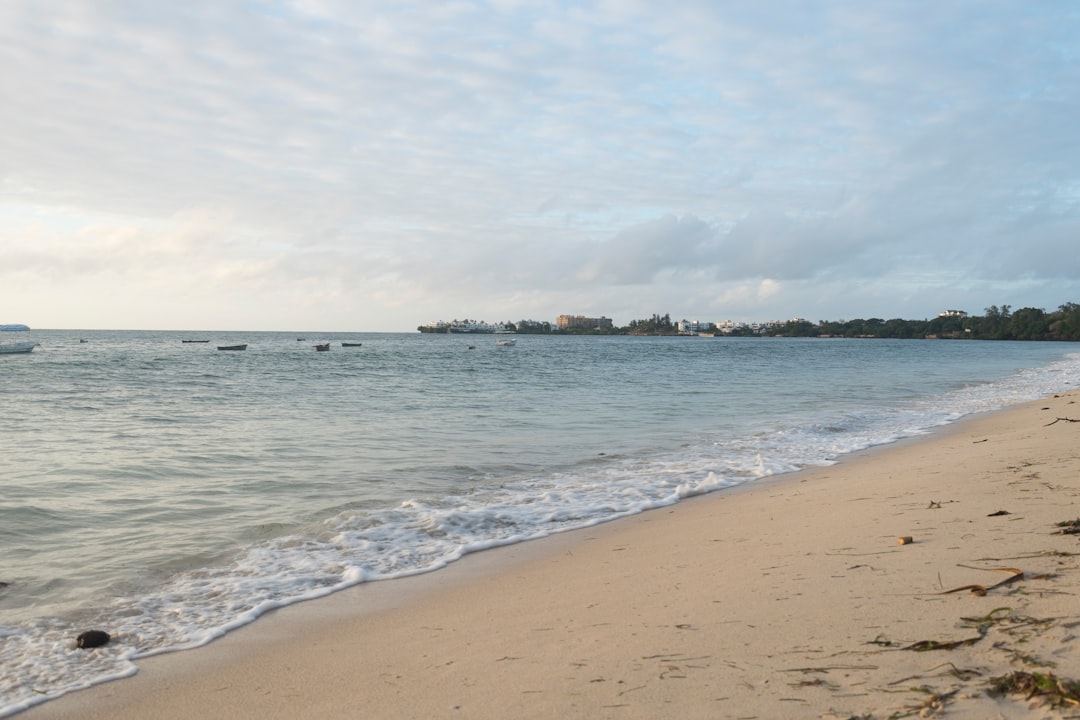
Kenya's Indian Ocean soul. Swahili history, palm-fringed beaches, and the coastal gateway to safari and spice.
- Best time to visit: December-March & July-October
- Daily budget (budget traveller): $50 to $130 USD
- Ideal trip length: 3 to 5 days
Mombasa is Kenya's oldest city and its tropical counterpoint to highland Nairobi: a steamy island port where Swahili, Arab, Indian and Portuguese histories collide in coral-stone old streets and the great walls of Fort Jesus. Just beyond lie the white-sand beaches of Diani, Nyali and Bamburi, lapped by warm turquoise water and protected by a coral reef. It's the natural place to unwind after a safari, or to combine beach days with culture and spice-scented cuisine. Joy Plus balances Old Town history with the right beaches and reef trips.
Mombasa is Kenya's oldest working city and it behaves like it. The Swahili called the island Kisiwa cha Mvita, the Island of War, because Portuguese, Omani, Persian and British powers kept fighting over its deep harbour. You can still read that history in the coral walls of Fort Jesus, built from 1593 and a UNESCO site since 2011. You can also read it in the carved teak doors of Old Town, and on the plate: biryani, coconut fish curry, mahamri dunked in cardamom chai. Mombasa is humid and loud, and it does not perform for tourists. That is the appeal.
The geography shapes every day. The city sits on an island joined to the mainland by the Nyali Bridge to the north, the Makupa Causeway to the west and the Likoni ferry to the south. Beaches line both coasts: Nyali and Bamburi to the north, and powder-white Diani 30km south. Do culture in the morning, because it is 30 to 33°C by 10am and sunrise and sunset sit at about 6:30 all year. Beach in the afternoon, and never try to cross the ferry at 7am or 5pm. Check the tide before you pick a beach. At low tide the lagoon turns into a reef flat and the swimming moves to high water.
It suits travellers who like layered places with a beach attached, and anyone landing from a safari who wants salt water. Budget travellers do well here, since a biryani plate is KES 400 to 600 and the ferry is free on foot. Resort-goers do well too, because the south coast is mature and polished. Pace yourself the Swahili way, pole pole, slowly. Keep small notes for tuk-tuks, cover your shoulders in Old Town, and let one afternoon go to nothing at all.
How many days in Mombasa?
For Mombasa, we recommend 3 to 5 days. With more time, add a day trip to Shimba Hills National Reserve or Gede Ruins and Watamu.
| Trip length | What you'll see | Itinerary |
|---|---|---|
| 2 days | Old Town; Fort Jesus, markets and a dhow | Mombasa in 2 days |
| 3 days · Recommended | Adds: Haller Park and the north coast | Mombasa in 3 days |
| 4 days · Recommended | Adds: Cross the ferry to Diani | Mombasa in 4 days |
| 5 days · Recommended | Adds: Wasini Island and Kisite Marine Park | Mombasa in 5 days |
| 7 days | Adds: Slow day in Diani | Mombasa in 7 days |
Mombasa itinerary
Arrive and ease into Old Town
Morning: Land at Moi International (MBA) and take a Bolt to Old Town, about 25 minutes and KES 900 to 1,500. Drop bags at Dhow Palace or your guesthouse. Mahamri and spiced chai at Jahazi Coffee House near Fort Jesus.
Afternoon: Walk Old Town on Ndia Kuu street. Look for the carved doors and the Mandhry Mosque, and keep shoulders and knees covered. Stop in for sugar cane juice.
Evening: Sunset at Mama Ngina Waterfront, free and full of families. Eat chips mayai and mishkaki from the stalls, then take a Bolt back. Early night, the humidity tires you out.
Fort Jesus, markets and a dhow
Morning: Fort Jesus at the 8am opening (about KES 1,200). The museum is small and the ramparts are the real draw. Be out by 10:30 before the heat bites.
Afternoon: Lunch on a biryani plate on Ndia Kuu (KES 400 to 600). Then walk Mackinnon Market for spices, fruit and fish, and ask the price before you pick anything up.
Evening: Sunset dhow at the Old Port, haggle to KES 1,500 to 2,500 pp. Or splash out on the Tamarind Dhow dinner cruise from Nyali, about KES 7,000 to 10,000.
Haller Park and the north coast
Morning: Bolt to Haller Park in Bamburi for the 8am opening (about KES 1,500). Giraffes, hippos, crocodiles and tortoises in a quarry the cement company reforested.
Afternoon: Beach time at Bamburi at high tide, or the Mamba Village crocodile farm in Nyali (about KES 1,500). Lunch of grilled tilapia and chips at a beach shack.
Evening: Nyali dinner and a film at Cinemax in Nyali Centre (about KES 600 to 800), or a Tusker at the Casablanca area bars if you want a late one.
Cross the ferry to Diani
Morning: Leave by 8am. Walk onto the Likoni ferry, free for pedestrians, then take a matatu or prebooked shuttle to Ukunda. Budget 1h30 to 2h, KES 150 to 250 by matatu.
Afternoon: Check in at Diani Backpackers or your beach hotel. Walk the beach at low tide on the sand flats, then swim at high tide.
Evening: Sunset at Forty Thieves Beach Bar, then Nomad Beach Bar. Take a Bolt or a hotel-arranged tuk-tuk home, never walk the beach after dark.
Wasini Island and Kisite Marine Park
Morning: A 6:30am pickup to Shimoni, about an hour, then a dhow to Kisite-Mpunguti Marine Park for dolphins and snorkelling, usually bundled at KES 9,000 to 13,000.
Afternoon: Seafood lunch on Wasini island, then wander the coral gardens and the village. Back on the water by 2:30pm.
Evening: Early dinner and bed. Sunburn and salt do the rest.
Slow day in Diani
Morning: Colobus Conservation walk to spot black-and-white colobus monkeys, then coffee on Diani Beach Road.
Afternoon: Kaya Kinondo sacred forest tour if you want culture, or a kite or paddle lesson. Pick up kikoys and wood carvings and haggle gently.
Evening: Dinner at Ali Barbour's Cave Restaurant, a restaurant in a coral cave, mains about KES 2,500 to 4,500. Book ahead.
Slow morning and depart
Morning: Last swim and coffee. If you fly from Ukunda airstrip, check Safarilink and Jambojet schedules for Nairobi connections.
Afternoon: Heading back to Mombasa? Allow 4 hours for the matatu, the ferry and the airport. Leave before 2pm to beat the ferry queue.
Evening: Evening flight out of MBA, or take the 8pm Madaraka Express from the SGR terminus to Nairobi if you are building a safari trip.
Best neighbourhoods
- Old Town: Narrow Swahili lanes, carved doors, mosques and the historic harbour.
- Nyali: An upmarket suburb just north with beaches, malls and family attractions.
- Bamburi: Popular north-coast beach strip with resorts and the Haller Park nature trail.
- Diani Beach: The famous white-sand stretch on the south coast, reached via the Likoni ferry or the Dongo Kundu bypass.
- Mombasa Island Centre: The bustling commercial heart around Moi Avenue and the markets.
Must-do experiences
- Fort Jesus: The 16th-century Portuguese fortress and UNESCO site guarding the old harbour.
- Wander the Old Town: Swahili coral-stone houses, ornate doors, spice shops and atmospheric cafés.
- Diani Beach day: Kenya's most beautiful beach, with white sand, watersports and reef snorkelling.
- Reef snorkel or glass-bottom boat: The fringing coral reef teems with fish in the warm, clear lagoon.
- Haller Park: A reclaimed quarry turned wildlife sanctuary with giraffes, hippos and tortoises.
- Swahili food and spice market: Sample biryani, coconut curries and street snacks in the markets.
Hidden gems
- Mombasa's spice and produce markets off Old Town's lanes.
- Mamba Village crocodile farm and gardens in Nyali: the entrance looks run-down, but the farm is open.
- The dhow harbour and sunset cruises from the old port.
- Wasini Island and Kisite Marine Park for dolphins, day-tripped from the south coast.
Daily budget
- Accommodation: budget KES 1,500 to 3,000 / night (hostel dorm or simple guesthouse), mid-range KES 8,000 to 16,000 (Old Town boutique or Nyali apartment), splurge KES 35,000+ (Serena Beach Resort, Kinondo Kwetu). Mombasa Island has few true hostels. Diani has the backpacker scene. Low season rates in April to June fall by up to 40%.
- Food: budget KES 1,500 to 2,500 / day (mishkaki, chips mayai, biryani plates), mid-range KES 4,000 to 7,000 (one sit-down seafood dinner), splurge KES 12,000+ (Ali Barbour's Cave, Tamarind lobster). Mishkaki sticks are KES 50 to 100 and a biryani plate is KES 400 to 600. Check whether the menu price includes the 16% VAT and service charge.
- Transport: budget KES 500 to 1,000 / day (matatus at KES 50 to 100, ferry on foot is free), mid-range KES 2,500 to 4,500 (Bolt and Uber, airport transfer), splurge KES 10,000+ (private car and driver for the day). Bolt from Moi Airport to Old Town is about KES 900 to 1,500. Airport taxi touts will quote KES 2,500 and up.
- Activities: budget KES 1,200 to 2,500 / day (Fort Jesus, free public beach), mid-range KES 5,000 to 12,000 (Haller Park, Wasini and Kisite dhow day), splurge KES 20,000+ (diving courses, kitesurf lessons, private dhow). Fort Jesus is about KES 1,200 for non-residents. Haller Park and Mamba Village are each around KES 1,500. Wasini day trips run KES 9,000 to 13,000 with lunch and park fee.
- Drinks & nightlife: budget KES 600 to 1,000 (Tusker at KES 250 to 400, fresh juice), mid-range KES 2,500 to 4,000 (beach bar evening, cocktails KES 800 to 1,200), splurge KES 8,000+ (dhow dinner cruise, resort bar). Alcohol is sold in hotels and bars but not in some Old Town cafés. Forty Thieves and Nomad in Diani are the beach-bar anchors.
Where to stay
- Social hostel in Diani Beach (Ukunda side) (KES 1,500 to 3,000 / night): Diani Backpackers is the south coast's backpacker anchor, near the beach with easy dhow and kite trips. Mombasa Island itself has few true hostels.
- Boutique hotel in Old Town (KES 13,000 to 22,000 / night): A Swahili-styled hotel or guesthouse in Old Town, a short walk from Fort Jesus.
- Apartment in Nyali (KES 6,000 to 12,000 / night): Gated blocks along Links Road with pools, backup generators and Bolt on your doorstep. Best value for 5+ nights, close to Cinemax, supermarkets and Nyali beach.
- Splurge in Shanzu (north coast) or Kinondo (KES 35,000 to 65,000 / night): Serena Beach Resort & Spa has a private beach and coral gardens. Kinondo Kwetu south of Diani is quieter and more villa-style.
What to eat
- Swahili biryani and pilau
- Coconut fish curry (samaki wa nazi)
- Mishkaki (grilled meat skewers) from a street grill
- Fresh tropical fruit and tamarind juice
Day trips
- Wasini Island and Kisite-Mpunguti Marine Park (About 80km, 2 hours by road to Shimoni plus 30 minutes by dhow): Dhow out for dolphins, coral gardens and snorkelling in Kisite, then seafood lunch on Wasini. Go early, boats are in the water by 8am. Book through a Diani operator or hotel, KES 9,000 to 13,000 including park fee and lunch. Pickup is usually 6:30am from Diani, a little earlier from Mombasa.
- Shimba Hills National Reserve (About 35km southwest, 1 hour): Rolling coastal rainforest with sable antelope (Kenya's only herd), elephants and Sheldrick Falls, a 4km return walk with a ranger. Join a Mombasa tour at KES 12,000 to 18,000 for a car share, or hire a driver. The KWS gate fee is paid by card, around US$25 to 30.
- Gede Ruins and Watamu (About 100km north, 2 hours): A ruined Swahili town hidden in forest, abandoned in the 17th century, plus the quiet reefs and beaches of Watamu. Tawakal or Tahmeed coaches from Mombasa to Malindi, KES 400 to 700, ask to get off at Gede junction. Gede entry is around KES 1,000 for non-residents.
When to visit
- Hot dry season (December to March): 29 to 33°C, humid, mostly sunny, calm warm sea, some seaweed washing up on certain beaches. Crowds: Heavy in late December and January, easing by March. Postcard beach weather and the best Wasini and Kisite visibility. Book December hotels months ahead. Ramadan runs about 8 February to 9 March in 2027, so Old Town cafés close by day.
- Long rains (April to June): 26 to 31°C, heavy downpours, very humid, road flooding in the city. Crowds: Very low. Cheapest rooms, up to 40% off, and green and empty. Many small beach lodges shut in May. Only come if price beats sunshine for you.
- Cool dry season (July to October): 24 to 29°C, breezy, low humidity, brisk kusi wind, choppier water. Crowds: Moderate to busy in July and August, safari season. The most comfortable months for walking Old Town. Best paired with a Tsavo or Amboseli trip. September and October are the sweet spot: warm sea, thinner crowds.
- Short rains (November): 27 to 32°C, humid, short sharp afternoon showers. Crowds: Low until the holiday rush starts. A good shoulder month. Mornings are usually clear, so do boats and beaches early and use afternoons for Old Town and markets.
Entry rules for your passport
Visa rules for Kenya depend on the passport you travel on. Check the official source before you book: Kenya Directorate of Immigration Services
Getting there
Moi International Airport (MBA) is about 10km from Old Town, with Kenya Airways and Jambojet flying from Nairobi in about 1 hour, roughly KES 5,000 to 12,000 each way. Bolt to Old Town is KES 900 to 1,500. Avoid the taxi touts quoting KES 2,500 and up. The Madaraka Express train from Nairobi takes 5 to 6 hours, roughly KES 1,500 for economy and KES 4,500 for first class. The terminus is at Miritini, 13km from the island, with Standard Gauge shuttles to town for about KES 100 and Bolts for KES 800 to 1,200. For Diani, fly into Ukunda airstrip (UKA) with Safarilink or Jambojet, or take the Likoni ferry from the island. Most nationalities need Kenya's Electronic Travel Authorisation, about US$30, applied for online at etakenya.go.ke at least 3 days before you fly. Since 5 October 2026 most visitors must also buy Kenyan government travel health insurance as part of the eTA application (if you already hold an eTA, buy it on eCitizen), and foreign travel insurance is not accepted in its place.
Getting around
Mombasa is split by water, so getting around mixes bridges, the Likoni ferry (to the south coast and Diani) and the Nyali Bridge (to the north). The Dongo Kundu bypass, open since 2024, links the mainland to the south coast by road without the ferry. Tuk-tuks and matatus (minibuses) are cheap for short hops, and ride apps (Uber, Bolt) operate on the island and to Nyali. Taxis are easy to arrange through hotels. Traffic and ferry queues can be slow, so allow time. For Diani, many visitors prebook transfers or fly into Ukunda airstrip.
Safety
Mombasa's tourist areas, beaches and Old Town are generally safe by day with normal precautions, and solo travellers visit regularly. Petty theft, pickpocketing and bag-snatching are the main risks in markets, on matatus and on quiet beaches, so keep valuables out of sight and don't walk isolated beaches after dark. Check your government's travel advice, as some coastal and border regions carry warnings; stick to established tourist areas. Dress modestly in Old Town and around mosques out of respect for the Muslim community. Use insect repellent, as malaria is present. Anti-government protests around 25 June and 7 July have brought unrest to Kenyan cities every year since 2024, with demonstrations in Mombasa too, so avoid them and check local news around those dates.
Solo travel tips
- Bolt after dark, always: Even for a short hop, use Bolt or Uber, they work on the island and to Nyali. Fares are fixed in the app and you can share the trip. Avoid boda-boda motorbikes, helmets are rare.
- Cross the ferry on foot, off-peak: Pedestrians cross the Likoni ferry free, and it runs around the clock. Avoid 6 to 8am and 4 to 7pm, when crowds are thickest. Keep your phone in a front pocket, that is where bag-snatching happens.
- Base yourself in Diani for company: Old Town has few hostels. Diani Backpackers, Nomad Beach Bar, kite schools and Colobus Conservation walks are where solos naturally meet. Book Wasini as a shared dhow, not a private one.
- Solo women: dress and the beach: Cover shoulders and knees in Old Town and wear swimwear only on the beach. Beach boys are persistent but rarely aggressive. A calm 'hapana asante' and a walk-on works. Stay on hotel beaches after 5pm.
- Get a Safaricom SIM on day one: Kenya runs on M-Pesa. Even if you can't use the money side, the SIM gets you maps, Bolt and WhatsApp with guides. Carry your passport for registration.
- Eat where the queue is: At Mama Ngina Waterfront, join the stall with locals queuing and order a half portion of mishkaki. You will be talking to someone in five minutes.
Cultural etiquette
- Dress modestly in Old Town and near mosques: shoulders and knees covered, women carry a light scarf. Swimwear stays on the beach.
- During Ramadan (about 8 February to 9 March in 2027) many Old Town cafés close by day. Don't eat or drink in public there and check opening hours.
- Greet before you ask. A 'Jambo' or 'Habari' and a handshake go further than a direct question, and 'pole pole' means slowly.
- Ask before photographing people, and never photograph police, military or government buildings. Drones are illegal without a Kenya Civil Aviation Authority permit.
- Haggle in craft markets and with tuk-tuks, but agree the price first. Start around 40% of the ask and smile when you walk away.
- Tip 10% where no service charge is added, KES 100 to 200 for hotel staff, KES 500 to 1,000 for boat crews. Matatu and tuk-tuk drivers don't expect tips.
- Single-use plastic bags have been banned in Kenya since 2017. Carry a cloth bag and don't bring plastic carriers through customs.
Frequently asked questions
How many days do you need in Mombasa?
Three to five days works well. Two days cover the city's culture, Fort Jesus, the Old Town, markets and a Swahili meal, while the rest are best spent on the beaches of Diani, Nyali or Bamburi, with time for reef snorkelling or a boat trip. Many visitors come to Mombasa to relax after a safari in the Kenyan interior, so a longer beach-focused stay of five to seven days suits those wanting to combine culture, coast and downtime.
Is Mombasa safe for tourists?
The main tourist areas, beaches, Old Town and resort strips are generally safe by day with sensible precautions, and many solo and family travellers visit without trouble. Petty theft and bag-snatching are the chief risks, so keep valuables hidden, avoid isolated beaches after dark and use trusted taxis or ride apps at night. Check your government's current travel advisory, as some coastal and border regions near Somalia carry warnings; staying within established tourist zones like Mombasa city, Nyali, Bamburi and Diani is considered fine by most visitors.
When is the best time to visit Mombasa?
The dry seasons, December to March and July to October, are ideal, offering hot, sunny weather perfect for the beach and reef snorkelling, with December to March being the warmest. Avoid the long rains of April and May, when heavy downpours can disrupt travel, and the shorter rains around November. The July-to-October window also aligns with Kenya's prime safari season, making it perfect for combining a wildlife trip in the interior with beach time on the coast afterwards.
Which are the best beaches near Mombasa?
Diani Beach, on the south coast across the Likoni ferry, is the most famous, a long stretch of powder-white sand and turquoise water with watersports, reef snorkelling and a good range of resorts. On the north coast, Nyali and Bamburi beaches are closer to the city and convenient for shorter stays, with plenty of hotels and family attractions. Further afield, the south coast also offers quieter spots and access to Wasini Island and Kisite Marine Park for dolphin and snorkelling trips.
Can you combine Mombasa with a safari?
Yes, it's a classic combination. Many travellers pair a wildlife safari in Kenya's interior, such as Tsavo East and Tsavo West (the nearest parks, a few hours inland), Amboseli or even the Maasai Mara, with beach relaxation in Mombasa or Diani afterwards. Tsavo in particular is easily accessed from the coast on short two- or three-day safaris. The standard rhythm is safari first, then unwind on the Indian Ocean beaches, giving you both Kenya's iconic wildlife and its tropical coastline in one trip.
Is Mombasa good for solo travellers?
Yes, with the usual coastal precautions. Mombasa is welcoming, and its mix of culture, history and beaches appeals to independent travellers. Diani Beach in particular has a sociable scene of hostels, dive schools and fellow backpackers, making it easy to meet people. Solo women generally feel comfortable in tourist areas but should dress modestly in the Old Town and around mosques, avoid isolated beaches alone, and use trusted transport at night. Beach-boy hassle on popular beaches is common but manageable with a polite firm refusal.
What is the Old Town in Mombasa?
Mombasa's Old Town is the historic heart of the island, a characterful quarter of narrow, winding streets lined with coral-stone buildings showing centuries of Swahili, Arab, Indian and Portuguese influence, including intricately carved wooden doors and balconies. It sits beside the old dhow harbour and the imposing Fort Jesus, a UNESCO World Heritage Site. Wandering its lanes reveals mosques, spice shops, traditional cafés and markets. It's the most atmospheric part of the city and the best place to feel Mombasa's deep coastal trading history.
Do I need a visa for Kenya?
Most visitors need an electronic travel authorisation (eTA), which you apply for online on the official site etakenya.go.ke before arrival; it costs US$30. Since 5 October 2026 most visitors must also buy Kenyan government travel health insurance, which is sold inside the eTA application (existing eTA holders buy it on eCitizen); foreign travel insurance policies are not accepted. Processing usually takes a few days, so apply at least a week ahead. Check your nationality's current requirements before booking.
Tours and activities in Mombasa | Mombasa in 2 days | Mombasa in 3 days | Mombasa in 4 days | Mombasa in 5 days | Mombasa in 7 days
Can't decide? Compare Mombasa with...
Joy Plus home | Destinations | Itineraries | Activities | Flights | Budget planner | Calendar | Map | Blog | Lifetime access