Destinations / Oceania
Moorea, French Polynesia travel guide
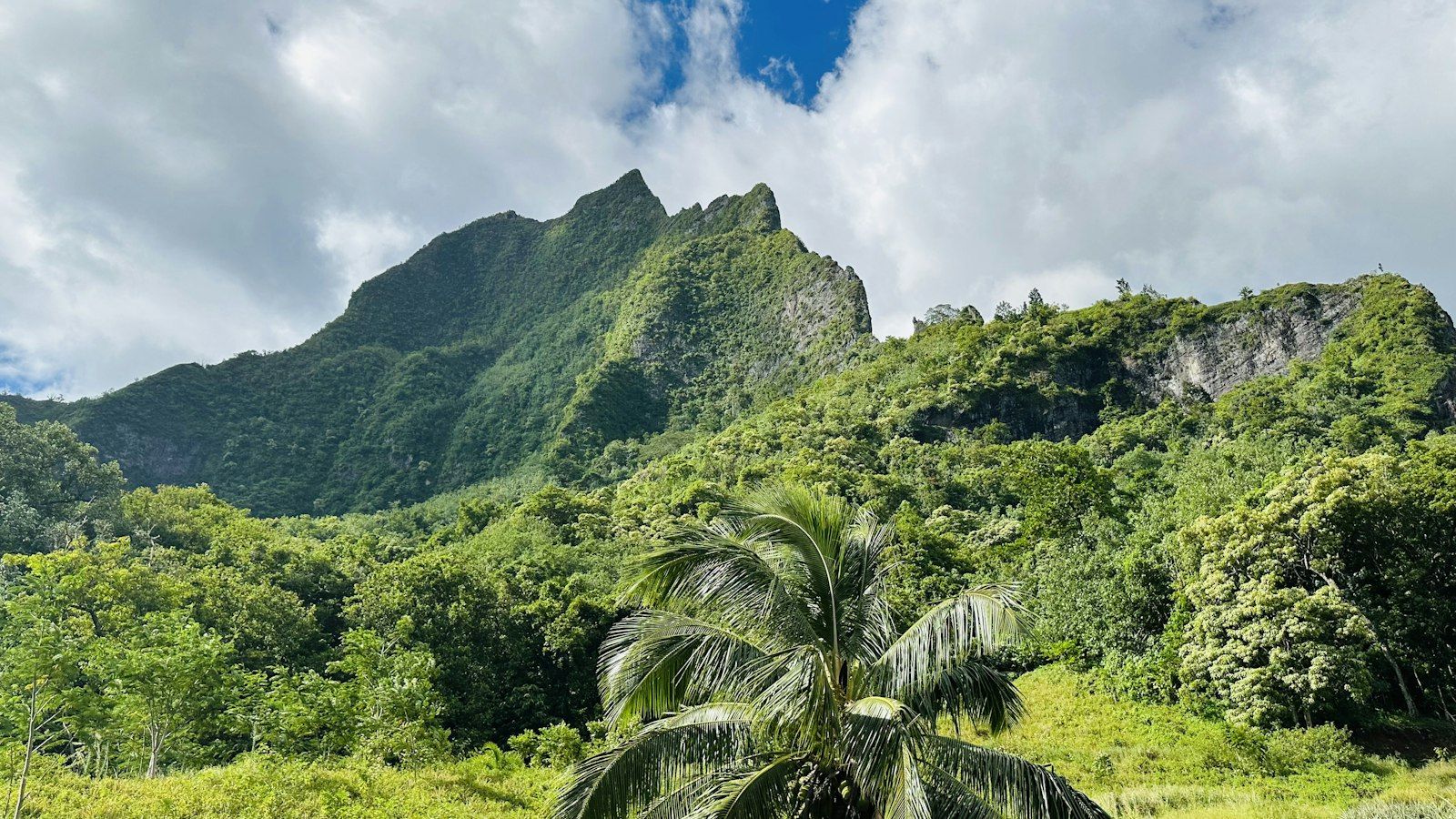
A heart-shaped volcanic island 17km from Tahiti, with jagged green peaks, two deep bays and a turquoise lagoon full of rays, reef sharks and, in season, humpback whales.
- Best time to visit: May to October
- Daily budget (budget traveller): $80 to $275 USD
- Ideal trip length: 5 to 7 days
Moorea sits a short ferry ride across the Sea of the Moon from Papeete, close enough to see Tahiti from the beach. People call it Bora Bora's cheaper sister, and that's fair, but it has more mountains, more trails and far more locals. Around 17,000 to 18,000 people live along one coastal ring road of about 60km. Inland, the old volcanic crater has become the Opunohu Valley, with pineapple fields, chestnut forest and stone marae temples. On the north coast, Cook's Bay and Opunohu Bay cut deep into the island on either side of Mount Rotui. Offshore, the lagoon is shallow, clear and easy to reach. The overwater bungalows get all the photos, but a solo traveller can do Moorea on much less. Family guesthouses and a small backpacker hostel sit between the bays. Roulottes and snack bars sell poisson cru, the ferry costs about the same as a cinema ticket, and the Belvedere lookout, the hiking trails and the public beaches are free. French Polynesia is expensive, but Moorea is the most realistic place in it to travel alone on a budget.
Moorea is the Polynesian island you can reach without a domestic flight. The ferry from Papeete takes 30 to 55 minutes and costs roughly 1,200 to 2,000 XPF, a fraction of the fare to Bora Bora. When you land, the island looks the part: sharp basalt peaks, two deep bays on either side of Mount Rotui, and a lagoon that runs from glass-green to deep blue at the reef. Plenty of people still live and work here. Commuters ride the morning boats to Papeete, churches fill on Sunday, and roadside stalls sell pineapples from the Opunohu Valley. The resorts charge resort prices, but the trails, the Belvedere lookout and the public beaches are free. A plate of poisson cru at a snack bar costs about what a cocktail does at a hotel bar.
For one person, the smart base is between the bays or around Cook's Bay. Painapaopao Backpacker, the island's one real hostel, has a six-bed dorm with partitioned beds and a shared kitchen. Family pensions in the area start at around 8,000 to 12,000 XPF a night. From there you're 15 minutes from the Belvedere and the Three Coconuts trail, 20 minutes from Hauru Point for lagoon trips, and close to Ta'ahiamanu Beach for evening swims. Hire wheels on day one. A scooter or e-bike for most of the week, plus one car day if you can split it, is the cheapest way to see everything. The ferry-timed bus at 300 XPF works for arriving and leaving, not for sightseeing.
Timing matters for two reasons: rain and whales. From May to October the air is drier, trails stay firmer and the trade winds keep things comfortable. From 20 July to 20 November, humpback whales calve outside the reef and licensed boats can take small groups swimming with them. The wet season from November to April brings heat, humidity and sudden downpours, but also lower prices and very green mountains. Whatever the month, Moorea is safe, slow and outdoorsy. Nightlife means a sunset beer and maybe a dance show at a resort. If you want to hike at dawn, snorkel by noon and eat raw tuna in coconut milk by the water, this is one of the best islands in the Pacific for it.
Moorea itinerary
Ferry to Moorea, settle between the bays
Morning: From the Papeete ferry terminal, take Aremiti (about 30 min) or Vaeara'i (about 50-55 min) to Vaiare, roughly 1,200-2,000 XPF one way. Pick up a pre-booked scooter or car at the quay, or take the ferry-timed bus (300 XPF) round the coast.
Afternoon: Check in between Cook's Bay and Opunohu Bay. Snorkel the coral heads at Ta'ahiamanu Public Beach, the free beach at the mouth of Opunohu Bay.
Evening: Sunset over Opunohu Bay. Early casual dinner in Paopao (Snack Rotui is the island's oldest restaurant; check evening hours), then stock up at a supermarket for breakfast.
Belvedere, marae and Three Coconuts Pass
Morning: Ride up the Opunohu Valley past the pineapple fields to the Belvedere Lookout by 7am. Take the Three Coconuts Pass trail from the bottom-right of the car park, about 2.5-3 hours return, with mud and a short roped section.
Afternoon: Stop at Marae Titiroa on the way down, then the Rotui juice factory on Opunohu Bay for free tastings (usually Monday to Saturday). Cool off at Ta'ahiamanu.
Evening: Sit-down dinner around Cook's Bay or Maharepa, where most restaurants cluster. Ask about free pick-up when you book.
Stingrays, sharks and a motu picnic
Morning: Lagoon tour from the Hauru Point area, about 10,000-14,000 XPF with lunch. Wade with whiprays and blacktip reef sharks on the sandbank, then snorkel a coral garden. Don't touch or feed the animals.
Afternoon: Motu picnic with grilled fish and poisson cru, a coconut-husking demo and time to swim off the islet.
Evening: Sunset at Hauru Point. Dinner at Snack Coco D'isle, a sand-floor snack with big portions that does pick-ups from nearby hotels.
Ring road: Temae to Haapiti
Morning: Scooter day (about 5,000-7,000 XPF). Snorkel at Temae Public Beach early, then ride south past Vaiare to Afareaitu and its quiet east-coast villages.
Afternoon: Lunch at Fish Market and Snack Autea in Haapiti for fresh tuna, samosas and poisson cru. Carry on up the west coast past the Haapiti church and roadside fruit stalls.
Evening: Watch the sun set over the motu from Tiahura, then ride home before dark or eat at a roulotte near Le Petit Village.
Magic Mountain and Opunohu by kayak
Morning: Walk up Magic Mountain early, paying about 200 XPF at the snack by the car park. The track is steep, about 3.3km return and shared with 4WDs and quads, so bring water.
Afternoon: Lunch at Snack Mahana (cash only, get there early, not open every day). Rent a kayak or paddleboard on the lagoon, or nap.
Evening: A Polynesian dance night at one of the resorts. Shows run on set nights, so check the schedule and price when you book.
Whales in season, or a dive day
Morning: From 20 July to 20 November, go on a whale swim with a licensed operator, about 16,000-27,000 XPF. At most six people are in the water at once and nobody freedives or chases. Outside the season, book a two-tank dive or hike Three Pines Pass.
Afternoon: Slow afternoon at Temae or Ta'ahiamanu. Pick up pineapples and Rotui juice for the trip home.
Evening: Farewell dinner at Rudy's, one of the island's most reviewed restaurants. Book ahead and ask about pick-up.
Back to Tahiti, Papeete market and roulottes
Morning: Last swim, then return the scooter at Vaiare and take a morning ferry to Papeete. Check the timetable the day before, because weekends have fewer sailings.
Afternoon: Browse the Marché de Papeete for pareos, vanilla and monoi oil, and walk the waterfront. Check opening hours, because the market closes early at weekends.
Evening: Dinner at the roulottes on Place Vai'ete. Then taxi to Faa'a for a late-evening long-haul departure, or stay a night in Papeete.
Best neighbourhoods
- Cook's Bay and Paopao: The deep bay below Mount Rotui, with Paopao village at its head. You'll find small shops, snack bars and some of the island's best-known restaurants here, and it's a short ride to the Belvedere road and the Opunohu Valley.
- Between the bays (Opunohu side): The quiet stretch of north coast between Cook's Bay and Opunohu Bay, home to Ta'ahiamanu Public Beach and Painapaopao Backpacker. You get lagoon access a few steps away and mountain views. Bring wheels, because the shops aren't close.
- Maharepa: The small commercial strip on the north-east coast, with supermarkets, banks, cafés and restaurants that do free pick-ups. It's a practical base if you want errands, dinners and Temae beach all close by.
- Hauru Point and Tiahura (Haapiti): The north-west corner, with the island's best sunsets and a long sandy lagoon facing the motu islets. It's the launch point for most stingray and motu picnic trips, and the Le Petit Village shopping centre is nearby.
- Temae and Vaiare: The east side, with the airstrip, the ferry quay and Temae Public Beach, one of the best free snorkelling spots on the island. Pick this side for easy ferry days and early starts.
Must-do experiences
- Drive up to the Belvedere Lookout: Follow the road up the Opunohu Valley past pineapple fields to the island's most famous viewpoint. From here Mount Rotui splits Cook's Bay and Opunohu Bay below you. Go at dawn for soft light and an empty car park.
- Hike Three Coconuts Pass: The trail starts at the Belvedere car park and climbs through ferns and Tahitian chestnut forest to a ridge with views over the crater. Allow 2.5 to 3 hours return. Expect mud and a short roped scramble.
- Walk the marae of the Opunohu Valley: The valley is scattered with old Polynesian temple platforms and archery terraces. Marae Titiroa is a short, well-marked walk from the Belvedere road and shows how many people once lived up here.
- Snorkel with stingrays and blacktip sharks: Join a lagoon boat trip from the Hauru Point area to a shallow sandbank where pink whiprays and blacktip reef sharks cruise round your legs. Most trips finish with a picnic on a motu.
- Climb Magic Mountain: A steep private concrete track above Papetoai leads to a 360-degree view over the north-west lagoon. Pay the small fee, about 200 XPF, at the snack by the car park.
- Taste your way round the Rotui factory: Moorea's pineapple-juice and Manutea liqueur factory on Opunohu Bay offers free entry and tastings, usually Monday to Saturday. Try the juice and the vanilla and pineapple liqueurs.
- Swim with humpback whales (in season): From 20 July to 20 November, licensed operators take small groups out past the reef. At most six people can be in the water at once, so book weeks ahead.
- Ride the ring road by scooter: Circle the island's roughly 60km coast road in a day, stopping at Temae, the churches of Papetoai and Haapiti, roadside fruit stalls and lagoon-side snack bars.
Hidden gems
- The Three Pines trail (Col des Trois Pinus), which starts at the bottom-left of the Belvedere car park and takes about 1.5 hours. It's a quieter forest loop that passes marae early on
- The pineapple road through the Opunohu Valley, best by e-bike in the early morning, when the fields are misty and the tour 4WDs haven't started
- Temae Public Beach at 7am, when the water is glassy, Tahiti fills the horizon and you'll have the coral heads to yourself
- The waterfall walks above Afareaitu on the quiet east coast, best a day or two after rain. Ask in the village which path is open and dry
- The Col de Vaiare trail, an old footpath linking the Opunohu Valley with the Vaiare side past bamboo groves and stone ruins
Daily budget
- Accommodation: budget 3,500-5,500 XPF / night (dorm bed) or 8,000-12,000 XPF (pension room), mid-range 15,000-28,000 XPF (boutique hotel or upscale pension), splurge 60,000+ XPF (overwater bungalow at the Hilton or Sofitel). Painapaopao has only six dorm beds, so book well ahead in July to October. Pensions often include breakfast. A per-night tourist tax is usually added, so ask whether it's in the quoted price. Prices are often quoted in euros or dollars.
- Food: budget 3,000-4,500 XPF / day (supermarket breakfast, casse-croûte, one snack plate), mid-range 7,000-11,000 XPF (lagoon-side lunch, sit-down dinner), splurge 15,000+ XPF (resort dining, wine). Poisson cru at a snack bar is about 1,800-2,500 XPF and a restaurant main about 2,800-4,500 XPF. Baguettes are cheap. Many restaurants offer free hotel pick-ups, and some snack bars are cash only and close by mid-afternoon.
- Transport: budget 300-2,500 XPF / day (ferry-timed bus at 300 XPF, bicycle hire), mid-range 5,000-12,000 XPF (scooter, e-bike or car for the day, plus fuel), splurge 15,000+ XPF (private driver or 4WD tour). The Papeete to Vaiare ferry is about 1,200-2,000 XPF each way depending on the operator. Aremiti is fastest and Vaeara'i is slower and carries cars. Rental prices are rough guides, so check current rates and book in peak season.
- Activities: budget 0-1,000 XPF / day (free hikes, beaches, Rotui tasting, Magic Mountain about 200 XPF), mid-range 9,000-15,000 XPF (half- or full-day lagoon and motu trip), splurge 16,000-30,000 XPF (whale swim, two-tank dive). Whale swims run 20 July to 20 November only, with a maximum of six guests in the water at a time. Bring your own mask and snorkel, because free snorkelling at Temae and Ta'ahiamanu costs nothing.
- Drinks & nightlife: budget 300-1,000 XPF (supermarket Hinano + one bar beer), mid-range 2,500-5,000 XPF (sunset cocktails), splurge 8,000+ XPF (resort bar, dinner show). Nightlife is a sunset bar, live music or a Polynesian dance show at a resort on set nights. Shop alcohol sales can be restricted at certain times, especially at weekends, so buy early and check locally.
Where to stay
- Social hostel in Between Cook's Bay and Opunohu Bay (3,500-5,500 XPF / night (dorm)): Painapaopao Backpacker is the island's one true backpacker hostel. It has a six-bed mixed dorm with partitioned beds, two private bungalows, a big shared kitchen and lagoon access a few metres away, close to Ta'ahiamanu Beach. You'll need wheels to reach the shops.
- Boutique hotel in Hauru Point and Tiahura (15,000-28,000 XPF / night): Les Tipaniers sits on the sandy north-west lagoon, facing the motu, with sunsets on the doorstep and lagoon-tour pick-ups nearby. Snack bars and the Le Petit Village shops are close by.
- Apartment in Vaiare (9,000-15,000 XPF / night): Moorea Vaiare Lodge has simple rooms with a private bathroom, an equipped kitchen and a terrace near the ferry quay. It suits early boats, scooter pick-ups and cooking your own meals, which saves a lot here.
- Splurge in Between the bays or Temae (50,000-120,000+ XPF / night): Hilton Moorea Lagoon Resort & Spa or Sofitel Kia Ora Moorea Beach Resort, for an overwater bungalow, glass-floor lagoon views and resort calm. Manava Beach Resort is the cheaper overwater option.
What to eat
- Poisson cru: raw tuna marinated in lime and coconut milk with cucumber, tomato and onion. It's the national dish, and a snack-bar plate runs about 1,800 to 2,500 XPF
- Chao men: Tahitian-Chinese chow mein with pork, vegetables and noodles, a roulotte staple and one of the cheapest filling meals on the island
- Casse-croûte: a fresh baguette stuffed with tuna, chicken or even chow mein, sold at shops and snack bars for a quick, cheap lunch
- Ma'a Tahiti: the Sunday feast cooked in an underground earth oven (ahima'a), with pork, fish, breadfruit, taro and fafa (taro leaves in coconut milk)
- Po'e: a sticky baked pudding of banana, papaya or pumpkin with starch, served with warm coconut cream
- Moorea pineapple: the small, very sweet Queen Tahiti variety grown in the Opunohu Valley, sold at roadside stalls and pressed into Rotui juice
- Firifiri: twisted coconut doughnuts, a classic breakfast with coffee from a roadside snack, especially at weekends
Day trips
- Papeete, Tahiti (30-55 minutes by ferry from Vaiare): Browse the Marché de Papeete for pareos, vanilla and monoi, walk the waterfront parks, and eat at the evening roulottes on Place Vai'ete. It's an easy stop before an evening flight. Aremiti or Vaeara'i ferry from Vaiare to Papeete, about 1,200-2,000 XPF each way. The terminal is in the city centre, so you can walk everywhere.
- Motu Tiahura and the stingray sandbank (5-10 minutes by boat from Hauru Point): Shallow turquoise water where whiprays and blacktip reef sharks glide past, followed by coral snorkelling and a picnic on a sandy motu facing the reef. Half- or full-day lagoon tours from the Hauru Point area, about 10,000-14,000 XPF with lunch, often with pick-up. Book the day before.
- Tahiti's east coast (Ferry plus about 30-45 minutes' drive from Papeete): Waterfalls, black-sand beaches and the Arahoho blowhole on Tahiti's wilder windward side, a very different feel from Moorea's lagoon. Take the early ferry, hire a car in Papeete (check rates) and drive the coast road east. Return on an afternoon ferry, and check the last sailing first.
When to visit
- Early dry season (May - June): 25-29°C, falling humidity, occasional showers. Crowds: Moderate, rising towards late June. Good value before the European summer rush. Trails dry out, the lagoon is clear and accommodation is easier to book.
- Peak dry season (July - August): 24-28°C, dry, breezy trade winds. Crowds: Heavy, French and European holidays plus the Heiva festival season. The most comfortable weather and the first whales from 20 July, but the highest prices. Book the hostel, cars and tours well ahead.
- Late dry season (September - October): 25-29°C, mostly dry, calm lagoon. Crowds: Moderate. The locals' pick. Whale season peaks, the water is calm and clear, and crowds thin after August. The best all-round time for a solo trip.
- Wet season (November - April): 27-31°C, humid, heavy tropical downpours, rare cyclones. Crowds: Low, except Christmas and New Year. Cheaper and greener, with warm water for snorkelling. Hike early before the afternoon storms, expect muddy trails, and keep a flexible day. Some restaurants close for a month in the low season.
Entry rules for your passport
Visa rules for French Polynesia depend on the passport you travel on. Check the official source before you book: France-Visas (French government)
French Polynesia sets its own entry rules, separate from mainland France and the Schengen area.
Getting there
Faa'a International Airport (PPT) on Tahiti is the gateway. Long-haul routes connect mainly through Los Angeles, San Francisco, Paris, Auckland and Tokyo, with airlines including Air Tahiti Nui, Air France, French Bee, United, Delta and Air New Zealand. Check current routes, because schedules change by season. From the airport, a taxi to the Papeete ferry terminal takes about 20 minutes and costs roughly 2,500-3,500 XPF. Agree the fare first. Ferries cross to Vaiare on Moorea's east coast. Aremiti's fast boats take about 30 minutes, and Vaeara'i takes about 50-55 minutes and carries cars. Terevau has also served the route, so check who is sailing. Expect roughly 1,200-2,000 XPF one way for a foot passenger and several departures a day from early morning to early evening, with fewer at weekends. Buy at the terminal counter or online, and confirm timetables on the operators' sites. At Vaiare, the ferry-timed bus costs about 300 XPF, but a pre-booked car, scooter or transfer is easier. Many nationalities enter visa-free for up to 90 days, but check your own entry rules before you fly.
Getting around
Moorea has a single coastal ring road of about 60km and no proper public bus network. The only scheduled buses meet the ferries at Vaiare and run round the coast road for about 300 XPF a ride, and even the tourist board admits they aren't very reliable. Taxis are scarce and expensive, so arrange airport or ferry transfers through your accommodation. For freedom, hire a car (roughly 8,000 to 12,000 XPF a day), a scooter (roughly 5,000 to 7,000 XPF) or an e-bike from rental desks at Vaiare, Maharepa or the Hauru Point hotels, and check current rates. Traffic drives on the right, roads are narrow, and there's little lighting at night. Many restaurants offer free pick-up and drop-off from nearby hotels and guesthouses, so ask when you book. Ferries from Papeete land at Vaiare on the east coast.
Safety
Moorea is very safe for solo travellers, and violent crime against visitors is rare. Petty theft from rental cars, scooters and beach bags does happen, so carry valuables and never leave anything on a seat. The lagoon is calm, but currents near reef passes can be strong. Snorkel inside the reef unless you're with a guide, and wear reef shoes against coral cuts and stonefish. Don't touch or feed rays, sharks or turtles. Scooter crashes are the most common visitor injury: wear a helmet, avoid riding after dark, and watch for loose dogs, which can chase bikes in villages. Dengue occurs in French Polynesia, so use repellent day and evening. The sun is fierce, so bring reef-safe sunscreen, a rash vest and water. Trails turn muddy and slippery after rain, so start early and tell your host your plans. Emergency numbers follow the French system: 15 for medical, 17 for police, 18 for fire.
Solo travel tips
- Base yourself between the bays: It puts the Belvedere, Ta'ahiamanu Beach and Cook's Bay restaurants within 15 minutes, and Painapaopao Backpacker's small dorm and shared kitchen are the easiest place on the island to meet other solo travellers.
- Get wheels on day one: The bus only runs around ferry times. A scooter or e-bike handles most days, and a car is worth it for one rainy or long day. Look for someone at your guesthouse to split it with. Don't ride after dark.
- Hike at dawn, swim at noon: Trails like Three Coconuts Pass get hot, muddy and busy by mid-morning. Be at the Belvedere by 7am, carry two litres of water, and tell your host your route, because phone signal drops in the valley.
- Eat at snacks and roulottes: Hotel restaurants are where budgets die. Lagoon-side snack bars and evening roulottes serve poisson cru, chao men and grilled fish for a fraction of the price. Carry cash and go early, because the good ones sell out.
- Safety for solo travellers: Moorea is very safe, including for women alone. The real risks are scooters, the sun, reef cuts and things stolen from rental vehicles. Wear reef shoes, snorkel inside the reef, keep valuables on you and avoid isolated beaches after dark.
- Join a group on the water: Shared lagoon trips, dive boats and whale swims put you next to other solo travellers straight away, and many collect you from your accommodation. Book whale swims weeks ahead in September and October.
Cultural etiquette
- Say 'Ia ora na' (hello) and 'Mauruuru' (thank you). French is the everyday language and English is widely understood in tourism, but a few Tahitian words go a long way.
- Marae are sacred sites. Walk round the stone platforms, never climb on them or move stones, and keep your voice down.
- Sunday is for church and family. Many shops close, roads go quiet and families gather for ma'a Tahiti. Do your supermarket run on Saturday morning.
- Dress modestly away from the beach, cover up in villages and shops, and avoid topless sunbathing on public beaches.
- Take your shoes off when entering someone's home or a guesthouse common room if you see shoes by the door.
- Tipping isn't expected in French Polynesia. A warm thank you is normal, though rounding up for great service is appreciated.
- Ask before photographing people, especially at church or family gatherings, and don't take shells, coral or fruit from private land.
Frequently asked questions
How do I get from Tahiti's airport to Moorea?
International flights land at Faa'a (PPT) on Tahiti. Take a taxi about 20 minutes to the Papeete ferry terminal, then a ferry to Vaiare on Moorea. Aremiti's fast boats take about 30 minutes and Vaeara'i takes about 50 to 55. Expect roughly 1,200 to 2,000 XPF one way for a foot passenger, and check current fares on the operators' sites. Buy at the counter or online. Arrange a car, scooter or transfer at Vaiare in advance.
How many days do I need on Moorea?
Five to seven days is ideal. That covers the Belvedere and a proper hike, a lagoon trip, a day round the ring road and some slow beach time, plus a whale swim if you're there between late July and November. Three days covers the highlights. A day trip from Papeete is possible but rushed.
When is the best time to visit Moorea?
May to October is the drier, slightly cooler season, with lower humidity and good hiking. September and October are the sweet spot: whale season peaks, the lagoon is calm and it's quieter than July and August. November to April is hot and humid with heavy showers, but cheaper and greener.
Do I need a car on Moorea?
Not strictly, but it helps a lot. Buses only run around ferry times and taxis are expensive. A scooter or e-bike is the solo sweet spot. Many restaurants do free pick-ups, and lagoon and whale tours usually collect you from your accommodation.
Can I use cards on Moorea or do I need cash?
Cards work in hotels, supermarkets and most sit-down restaurants. Carry cash in Pacific francs (XPF) for roulottes, fruit stalls, the bus, the Magic Mountain fee and popular snack bars like Snack Mahana, which is cash only. ATMs are limited, mainly around Maharepa, Vaiare and the Hauru Point shopping area, so withdraw in Papeete before you cross.
Is Moorea safe for solo female travellers?
Yes. Moorea is relaxed and friendly, and solo women travel here comfortably. Use normal precautions: avoid isolated beaches and unlit roads after dark, don't ride a scooter at night, keep an eye on your drink, and tell your guesthouse which trail you're hiking.
Can I swim with whales responsibly on Moorea?
Yes, but only between 20 July and 20 November and only with a licensed operator. Boats keep their distance, at most six guests can be in the water at once, freediving and chasing are banned, and flotation vests are required. Encounters aren't guaranteed, so book early and leave a spare day.
What entry rules apply to French Polynesia in 2026?
French Polynesia sets its own entry rules and isn't part of the Schengen area. EU citizens need only a valid passport or ID. Many other nationalities, including UK, US, Canadian, Australian and New Zealand passport holders, can generally visit visa-free for up to 90 days in any 180. Guidance on passport validity varies, so aim for at least six months. A Schengen or mainland France visa doesn't cover French Polynesia unless it says so. You may be asked for an onward ticket, accommodation, proof of funds and insurance. Rules change, so confirm on the official French government and French Polynesia High Commission sites and your own government's travel advice before booking.
Tours and activities in Moorea | Moorea in 2 days | Moorea in 3 days | Moorea in 4 days | Moorea in 5 days | Moorea in 7 days
Can't decide? Compare Moorea with...
Joy Plus home | Destinations | Itineraries | Activities | Flights | Budget planner | Calendar | Map | Blog | Lifetime access