Destinations / Asia
Mumbai, India travel guide
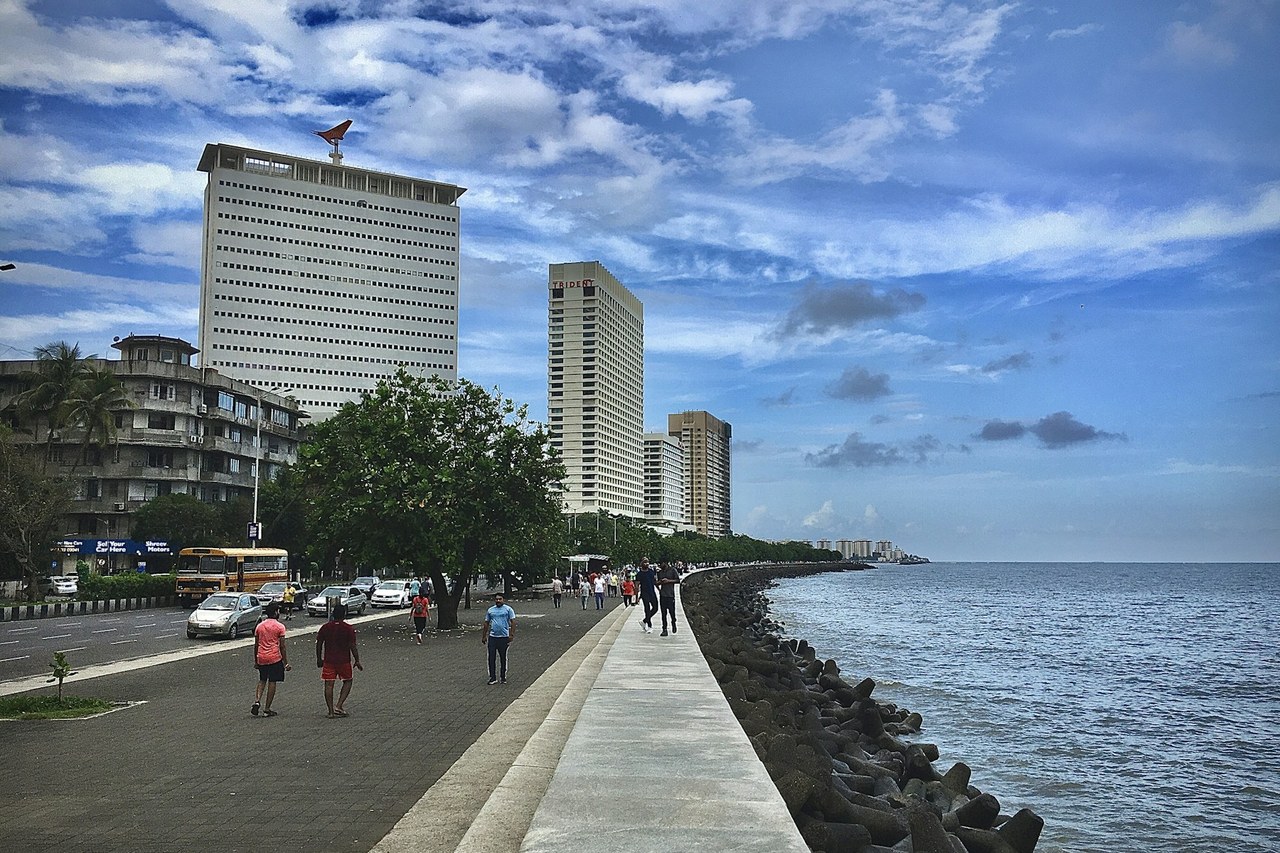
India's relentless, glamorous heart: colonial grandeur, street food, and the energy of 20 million.
- Best time to visit: November-February (cool, dry season)
- Daily budget (budget traveller): $25 to $45 USD
- Ideal trip length: 3 to 4 days
Mumbai doesn't ease you in, it grabs you by the collar. It's India's film capital, financial engine and street-food obsession rolled into one heaving, sea-fringed metropolis. Behind the chaos sits some of the finest colonial architecture in Asia and a coastline made for sunset walks. Joy Plus turns the overwhelm into a plan: the heritage core on foot, the markets timed right, and the city's food eaten where locals eat it.
Mumbai does not ease you in. It hands you a crowded platform, a honking taxi and a vada pav in the first hour, and you either lean in or you wilt. Lean in. This is the city that makes India's films, moves its money and feeds itself on twenty-rupee snacks eaten standing up at the kerb. The surprise is how much grandeur sits inside the noise: a Victorian Gothic railway terminus that is a UNESCO site, Art Deco apartment blocks facing the Arabian Sea, and Irani cafés where the bentwood chairs are older than the country's constitution.
The trick is geography. Mumbai is a long thin island city stretched north into suburbs, and the traffic between the two ends can swallow half your day. So stop trying to do it all. South Mumbai (Colaba, Fort, Kala Ghoda, Marine Drive) is walkable at 7am, before the heat and the horns. Bandra and the western suburbs are a separate trip, best reached by Western Line train against the rush or by the new Coastal Road. Lower Parel and Mahalaxmi are for evenings and for the Dhobi Ghat at dawn. Cluster by area and the city shrinks.
Eat like you mean it. Cutting chai is ₹10 to ₹15, a proper Maharashtrian or Gujarati thali is ₹250 to ₹450, and the best Bombay sandwich of your life costs less than a coffee at home. Come between November and February, when the humidity drops, book your Elephanta ferry for the 9am boat, and carry small notes. Mumbai rewards people who move early, eat busy, and accept that the plan will bend. The sunsets on Marine Drive are worth every detour.
How many days in Mumbai?
For Mumbai, we recommend 3 to 4 days. With more time, add a day trip to Kanheri Caves, Sanjay Gandhi National Park.
| Trip length | What you'll see | Itinerary |
|---|---|---|
| 2 days | Colaba and the Gateway; Fort, Kala Ghoda and Marine Drive | Mumbai in 2 days |
| 3 days · Recommended | Adds: Elephanta Caves and Chowpatty | Mumbai in 3 days |
| 4 days · Recommended | Adds: Bandra, cafés and the sea | Mumbai in 4 days |
| 5 days | Adds: Dhobi Ghat, Haji Ali and Dharavi | Mumbai in 5 days |
| 7 days | Adds: Alibaug beach day; Markets, last meals | Mumbai in 7 days |
Mumbai itinerary
Arrive, settle, Colaba and the Gateway
Morning: Land at BOM, take Metro Line 3 (Aqua) from CSMIA T2 to Cuffe Parade, about ₹70, or a prepaid taxi. Drop bags, then bun maska and chai at a Colaba Irani café.
Afternoon: Walk Colaba Causeway, haggle from half the first price. Photos at the Gateway of India, then a look at the Taj Mahal Palace lobby.
Evening: Beers at Cafe Mondegar (jukebox, pitchers), then seekh rolls and kebabs at Bademiya, open late. Early bed, tomorrow starts at 7am.
Fort, Kala Ghoda and Marine Drive
Morning: Start at CSMT at 7:30am, the best light on the Victorian Gothic facade. Bun maska at Kyani & Co. in Dhobi Talao, then walk past the BMC building, Flora Fountain and Rajabai Clock Tower.
Afternoon: Berry pulao at Britannia & Co. in Ballard Estate (closed Sundays). Then the CSMVS museum (open daily, last tickets 5:45pm) and Jehangir Art Gallery.
Evening: Walk Marine Drive from Churchgate at sunset, past the Art Deco blocks near Eros Cinema. Dinner at Trishna, butter pepper garlic crab.
Elephanta Caves and Chowpatty
Morning: Be at the Gateway by 8:30am for the 9am Elephanta ferry (not Mondays, caves are closed). One hour across, 120 steps up to the Trimurti sculpture.
Afternoon: Ferry back around 1:30pm. Late lunch at Kailash Parbat in Colaba, then rest, it will be hot.
Evening: Taxi to Girgaum Chowpatty for bhel puri and ragda pattice at dusk. Dinner at Soam, a Gujarati thali near Babulnath, ₹400-500.
Bandra, cafés and the sea
Morning: Western Line from Churchgate to Bandra against the morning flow, about 30 min. Brunch at Pali Village Café. Walk Chapel Road for street art and Mount Mary Basilica.
Afternoon: Bandra Fort and Bandstand, then Carter Road promenade. Sea Link views for sunset.
Evening: Dinner at Bastian or a Pali Hill bistro. Live music and drinks at Toto's Garage, then an Uber back.
Dhobi Ghat, Haji Ali and Dharavi
Morning: At 7am view the Dhobi Ghat from the Mahalaxmi station footbridge. Taxi to Haji Ali Dargah, walk the causeway into the sea (cover shoulders and knees).
Afternoon: Shared Dharavi tour with Reality Tours, meeting at 2:30pm at Mahim station (or 1:45pm at Churchgate), about ₹1,600-1,850 per person. Respectful, no photos inside, and profits fund local projects.
Evening: Dinner at The Bombay Canteen in Kamala Mills, Lower Parel. Rooftop drinks at Aer, Four Seasons Worli.
Alibaug beach day
Morning: 7:30am ferry from the Gateway to Mandwa, about 1 hour. Rickshaw to Kihim or Alibaug beach. (Ferries usually stop from late May to the end of August, so check with the operator.)
Afternoon: Walk to Kolaba Fort at low tide, then a seafood thali at a beach shack, around ₹500-700.
Evening: Last boat back around 6pm, check it the day before. Dinner at Mahesh Lunch Home, Mangalorean seafood in Fort.
Markets, last meals, depart
Morning: Crawford Market (opens around 8am) and Zaveri Bazaar for spices, dried fruit and silver. Cutting chai on the way.
Afternoon: Lunch at Cafe Madras in Matunga, the old-school Udupi idli breakfast till noon. Or Chor Bazaar for vintage hunting.
Evening: Taxi or Metro Line 3 to BOM. Leave 4 hours before an international flight, traffic is the wild card.
Best neighbourhoods
- Colaba: Tourist heart: the Gateway of India, the Taj hotel, cafés and the causeway market.
- Fort: Grand colonial-era architecture, museums, and Kala Ghoda's galleries.
- Bandra: Hip, leafy, sea-facing, the city's best cafés, bars and street art.
- Marine Drive / Churchgate: The seafront 'Queen's Necklace' promenade and Art Deco facades.
- Lower Parel: Old mills turned malls, rooftop bars and nightlife.
Must-do experiences
- Heritage walk through Fort and Colaba: Gateway of India, Chhatrapati Shivaji Terminus (the former Victoria Terminus), and the Art Deco-Gothic skyline.
- Sunset on Marine Drive: Join half the city on the sweep of seafront as the lights come on.
- Elephanta Caves: An hour by ferry from the Gateway to rock-cut island temples. Closed on Mondays.
- Street-food crawl: Vada pav, pav bhaji and bhel puri at Chowpatty or a trusted stall.
Hidden gems
- Dawn at the Dhobi Ghat open-air laundry, seen from the Mahalaxmi bridge.
- The book stalls and cafés of Kala Ghoda.
- A Bandra street-art and café wander along Chapel Road.
- Filter coffee and dosa at a classic Udupi restaurant.
Daily budget
- Accommodation: budget ₹700-1,500 / night (hostel dorm), mid-range ₹5,500-10,000 (3-star or boutique double), splurge ₹25,000+ (Taj Mahal Palace, Taj Lands End). Mumbai has India's priciest rooms. Bandra and the airport belt are cheaper than Colaba. Book December and January early.
- Food: budget ₹400-800 / day (vada pav, Udupi, Irani cafés, thalis), mid-range ₹1,500-2,500 (café brunch, seafood lunch, a good dinner), splurge ₹8,000+ (Masque tasting menu, Trishna crab feast). Vada pav ₹20-30, cutting chai ₹10-15, thali ₹250-450. Lunch at an Udupi or Gujarati place is the best value meal in the city.
- Transport: budget ₹150-400 / day (Metro Line 3, local train, BEST bus), mid-range ₹600-1,200 (Uber and black-and-yellow taxis), splurge ₹4,000-6,000 (chauffeured car for a day). Local train second class is ₹5-10 per ride. Autos are banned south of Mahim, so in South Mumbai it is taxi or feet.
- Activities: budget ₹0-600 (Marine Drive, Haji Ali, Kala Ghoda, Chowpatty), mid-range ₹1,500-3,000 (Elephanta ferry and caves, CSMVS museum, a heritage walk), splurge ₹6,000+ (private guide, Dharavi tour, Alibaug day with driver). Elephanta runs about ₹900 all in for foreigners (₹600 entry plus ferry). The CSMVS museum and ASI sites charge foreigners much more than locals.
- Drinks & nightlife: budget ₹300-500 (Mondegar or Leopold beer, cutting chai, fresh juice), mid-range ₹1,500-3,000 (Bandra bar crawl, cocktails ₹600-900), splurge ₹5,000+ (Aer, Dome, Harbour Bar at the Taj). Legal drinking age is 25 in Maharashtra. Bars close around 1:30am, and 'dry days' (elections, Gandhi Jayanti) shut alcohol sales.
Where to stay
- Social hostel in Colaba (₹800-1,800 / night): Hostels near the Gateway, shared common rooms, easy walking to Leopold and the Causeway.
- Boutique hotel in Colaba / Kala Ghoda (₹7,500-14,000 / night): Abode Bombay or Gordon House Hotel. Design-led rooms, walkable to the Gateway, Fort and the best Irani cafés.
- Apartment in Bandra West (₹4,500-9,000 / night): Pali Hill or Chapel Road. A leafy lane, café culture and Western Line access. Best value for a 5+ night stay.
- Splurge in Colaba or Worli seafront (₹25,000-60,000 / night): Taj Mahal Palace for the Gateway view, or Four Seasons Worli for Aer and Sea Link skylines. Pools, butlers, no traffic stress.
What to eat
- Vada pav, the city's iconic potato-fritter sandwich
- Pav bhaji at Chowpatty beach
- Bombay sandwich and cutting chai
- A seafood thali in a Koli (fishing community) restaurant
Day trips
- Elephanta Caves (1 hr by ferry): Rock-cut Hindu temples on an island, with the famous Trimurti Shiva sculpture. Go early, climb the 120 steps before the heat. Closed Mondays. Ferry from the Gateway of India, 9am to 2pm departures, about ₹260-300 return. Entry ₹600 for foreigners. Ferries are suspended in monsoon.
- Kanheri Caves, Sanjay Gandhi National Park (1.5 hr by train and auto): More than 100 Buddhist rock-cut caves inside a forest park in the city's north, with leopards in the wider park and monkeys on the path. Western Line fast train to Borivali (about 50 min from Churchgate), then an auto to the park gate, around ₹100-150. Tickets are a few hundred rupees for foreigners.
- Alibaug (1 hr by ferry plus 30 min road): Beaches, Kolaba Fort at low tide, and fresh seafood. The city's weekend escape. Ferry from the Gateway of India to Mandwa, about ₹250-450 depending on operator, then rickshaw or bus. Ferries do not run in monsoon. By road, the Atal Setu cuts the drive to about 1.5 hours.
When to visit
- Winter (November - February): 18-32°C, dry, low humidity, cool evenings. Crowds: Heavy in Colaba, hotels fill by December. The best window by a distance. Walkable days, clear Marine Drive sunsets, Kala Ghoda Arts Festival in February. Book rooms early, and pack a light mask, as air quality dips in December and January.
- Summer (March - May): 26-37°C, sticky, 70%+ humidity. Crowds: Moderate, falling. Doable if you move at dawn and dusk and nap in air conditioning from noon to 4pm. Hotel prices drop. Alphonso mango season is a genuine reward.
- Monsoon (June - September): 26-31°C, heavy rain, floods on high-tide days. Crowds: Low, except Ganesh Chaturthi (from 4 September in 2027). Only for the brave. Locals love it for roasted corn on Marine Drive and hot chai, and it is cheap. But Elephanta and Alibaug ferries are suspended for much of it, trains flood, and some days the city shuts. Ganesh Chaturthi immersions are a spectacle, if you can handle the crowds.
- Post-monsoon (October): 24-35°C, humid, occasional late showers. Crowds: Moderate, Navratri and Diwali build. Green, warm and sticky. Ferries are running again after the monsoon break, but check with the operator. Diwali 2026 lands in early November, and the lights are worth it, but book trains and hotels a month ahead.
Entry rules for your passport
Visa rules for India depend on the passport you travel on. Check the official source before you book: Government of India e-Visa portal
Getting there
Chhatrapati Shivaji Maharaj International Airport (BOM) is about 27km from Colaba. T2 is international, T1 domestic. Metro Line 3 (Aqua) now runs from CSMIA T2 to Cuffe Parade in Colaba, around 50 min and ₹70, no traffic. A prepaid taxi booth in arrivals fixes the fare at ₹700-1,000 to Colaba, and Uber is similar but surges at night. Navi Mumbai's new airport (NMI) is ramping up, so check which one your flight uses before you leave for the airport. By train, long-distance services arrive at CSMT, Mumbai Central, Bandra Terminus and Lokmanya Tilak Terminus. Apply for an e-Visa at least 4 days before flying, and fill in the free e-Arrival Card on indianvisaonline.gov.in within 72 hours before you land.
Getting around
Use app-based cabs (Uber/Ola) and black-and-yellow taxis for comfort; they're cheap. The local trains are the city's lifeline but brutally crowded at rush hour, ride off-peak and in the right compartment. Colaba, Fort and Marine Drive are best explored on foot.
Safety
Mumbai is one of India's safest big cities and locals are quick to help. Solo female travellers should dress modestly, use pre-booked cabs at night, and use the women-only train compartments. Carry small cash, agree fares or use the meter, drink bottled water, and eat street food from busy, high-turnover stalls.
Solo travel tips
- Learn the local train, in off-peak hours: Western Line from Churchgate is the fastest way to Bandra. Avoid 8 to 11am southbound and 5 to 9pm northbound. Buy tickets on the RailOne app, at the counter or at a ticket machine, second class ₹5-10. Never hang at the open door.
- Sit at Irani cafés and Udupi counters: Kyani, Britannia, Cafe Madras: communal tables and no one cares if you sit alone. Order the house special and ask the waiter what is good. You will be chatting with a regular in ten minutes.
- Ignore the Colaba touts: Anyone telling you the Gateway or a museum is 'closed today' is selling a tour. Use the Uber app or the prepaid taxi booth at the airport, and never accept a 'cheap hotel' detour.
- Solo female travellers: Mumbai is among India's safest big cities. Dress modestly (shoulders and knees covered at religious sites), use the women-only train coaches, share your live Uber trip, and avoid empty stretches of Marine Drive after 11pm.
- Find your tribe on a walking tour or at an open mic: Khaki Tours and Reality Tours attract solos. Bandra and Khar have comedy open mics and live music most evenings, and the Kala Ghoda Arts Festival in February is a friendly crowd.
Cultural etiquette
- Remove shoes before entering temples and mosques, and cover shoulders and knees. Haji Ali requires modest dress.
- Use your right hand to eat and to hand over money. Left is considered unclean.
- Haggle at Colaba Causeway and Chor Bazaar, starting at half the quote. Do not haggle in restaurants, shops with price tags or on the meter.
- Tipping is 5-10% at sit-down places if no service charge is on the bill. Round up taxis to the nearest ₹10, and give ₹20-50 to porters.
- Locals call it Mumbai, but heritage names like Bombay sandwich and Britannia are fine. Be curious, not corrective.
- On local trains, let people off before you board, and say 'adjust' with a smile if you need space. The women's coach is for women only.
- Public displays of affection get stares. Ask before photographing people, particularly at the Dhobi Ghat and Dharavi.
Frequently asked questions
How many days do you need in Mumbai?
Three to four days: a heritage day in Fort and Colaba, a Bandra day, a sunset on Marine Drive, and a half-day ferry to the Elephanta Caves.
Is Mumbai safe for solo travellers?
Yes, with sensible precautions. It's among India's safest metros. Solo women should dress modestly, use app cabs after dark, and use women-only train carriages at busy times.
When is the best time to visit Mumbai?
November to February, when it's cool and dry. Avoid the June-September monsoon, when heavy flooding can bring the city to a halt.
How much does a trip to Mumbai cost?
Budget around $25 to $45 USD per person per day, covering a hostel bed or simple room, local transport, two or three meals out and an activity or entry ticket. You can go lower with markets and free walking tours, or far higher with boutique hotels and private guides.
What should I eat in Mumbai?
Start with Vada pav, the city's iconic potato-fritter sandwich, Pav bhaji at Chowpatty beach, Bombay sandwich and cutting chai. Eating where locals queue is the simplest rule, and markets are usually the cheapest and best introduction to the food in Mumbai.
How much does a solo trip to Mumbai cost?
Budget on roughly $25-$45 USD per day in Mumbai as a solo traveller. That covers a hostel bed or simple room, local food, getting around and a couple of paid sights. Mid-range comfort with private rooms, sit-down dinners and the odd tour runs closer to double, while shoestring travellers who cook and stick to street food can come in under it.
How do you get around Mumbai?
Use app-based cabs (Uber/Ola) and black-and-yellow taxis for comfort; they're cheap. The local trains are the city's lifeline but brutally crowded at rush hour, ride off-peak and in the right compartment. Colaba, Fort and Marine Drive are best explored on foot.
Do I need a visa for India?
Yes, almost every foreign visitor needs one. Most nationalities can apply online for an e-Visa on the official portal, indianvisaonline.gov.in, at least four days before arrival. You must also complete the free e-Arrival Card on the same site within the 72 hours before you land. Use only the official portal: lookalike sites charge fees.
Tours and activities in Mumbai | Mumbai in 2 days | Mumbai in 3 days | Mumbai in 4 days | Mumbai in 5 days | Mumbai in 7 days
Can't decide? Compare Mumbai with...
Joy Plus home | Destinations | Itineraries | Activities | Flights | Budget planner | Calendar | Map | Blog | Lifetime access