Destinations / Middle East
Muscat, Oman travel guide
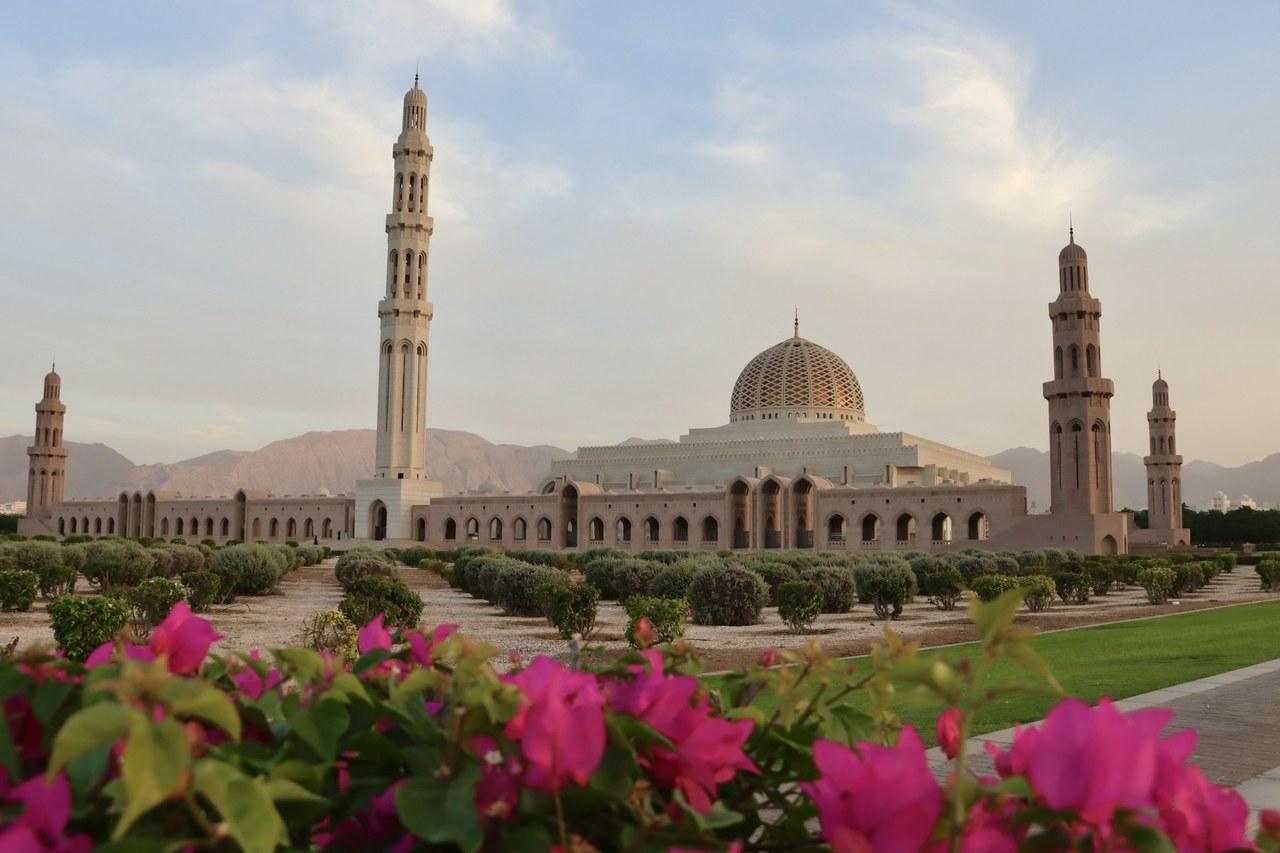
A low-rise, white-washed capital of forts and souqs between dramatic mountains and the sea.
- Best time to visit: November-March
- Daily budget (budget traveller): $80 to $160 USD
- Ideal trip length: 3 to 4 days
Muscat is the Gulf as it used to be: no skyscraper forest, just a graceful low-rise city of white buildings tucked between jagged ochre mountains and the turquoise sea. There are grand mosques and old forts, a buzzing souq, and a corniche made for evening strolls. Oman is opening to tourism fast, with easy e-visas and a reputation as the region's most welcoming, authentic country. Joy Plus balances Muscat's mosque, museums and souq with the wadis, beaches and forts just beyond the city.
Muscat is a 50 km ribbon of white low-rises squeezed between the Hajar mountains and the Gulf of Oman. It has no skyline to speak of, because building height has long been capped. What you get instead is a capital where the biggest thing in view is usually a bare ochre mountain. The old harbour at Mutrah still works. Dhows bob below the corniche, fishermen auction their catch at dawn, and the souq's lanes smell of frankincense and rosewater. It feels like a Gulf city that grew up without losing its manners.
The catch is geography. Muscat is not one centre but a string of districts: Mutrah and Old Muscat on the east, Qurum and the Grand Mosque in the middle, Al Mouj and the airport out west. Distances are 20 to 40 km, there is no metro, and the Mwasalat buses are patchy. Most people end up with a small rental car (OMR 12-18 a day) or a habit of using Uber and Otaxi. Do it right and a single day can take in a 9am mosque visit, a sunset souq wander and dinner on the beach. Do it wrong and you will spend half of it in traffic on the Sultan Qaboos Street.
Muscat suits people who want culture, nature and calm in one trip. Mornings go to the Grand Mosque, the forts and the fish market. Afternoons go to a swim, either at Qurum or in the emerald pools of Wadi Shab, 90 minutes down the coast. Evenings are for karak chai, grilled hammour and a slow corniche stroll. It is not a nightlife city, and alcohol is limited to licensed hotels. It is also not cheap by regional standards, but it is very safe, welcoming, and far less crowded than Dubai. Plan between November and March, and be sure to check dates around Ramadan, which falls about 8 Feb to 9 Mar in 2027.
How many days in Muscat?
For Muscat, we recommend 3 to 4 days. With more time, add a day trip to Daymaniyat Islands.
| Trip length | What you'll see | Itinerary |
|---|---|---|
| 2 days | Mutrah Corniche and souq; Grand Mosque, Opera House and Qurum | Muscat in 2 days |
| 3 days · Recommended | Adds: Old Muscat, museums and a dhow at sunset | Muscat in 3 days |
| 4 days · Recommended | Adds: Wadi Shab and Bimmah Sinkhole | Muscat in 4 days |
| 5 days | Adds: Nizwa and Nakhal | Muscat in 5 days |
| 7 days | Adds: Dolphins and a hidden cove; Slow souq morning, Al Mouj | Muscat in 7 days |
Muscat itinerary
Arrive, settle, Mutrah Corniche and souq
Morning: Land at MCT, take an Uber or Otaxi to Mutrah (30 to 40 minutes, about OMR 6-9). Drop bags and have a first karak with a chapati at a corniche cafeteria.
Afternoon: Walk the Mutrah Corniche toward the fort, and climb Mutrah Fort (about OMR 2) in the soft afternoon light. Check closing time, as it shuts mid-afternoon.
Evening: Mutrah Souq reopens around 4pm and runs to 10pm. Buy frankincense, then dinner at Bait Al Luban on the corniche for Omani mains with a harbour view.
Grand Mosque, Opera House and Qurum
Morning: Be at Sultan Qaboos Grand Mosque for 8am (open 8 to 11am, closed Fridays, free). Women cover hair, arms and legs, men wear long trousers and sleeves. Then Royal Opera House morning tour if timing works.
Afternoon: Lunch at Opera Galleria, then swim and walk at Qurum Beach and Qurum Natural Park.
Evening: Dinner at Reem Al Bawadi or Mumtaz Mahal, then shisha and kahwa at Kargeen Caffe in Qurum.
Old Muscat, museums and a dhow at sunset
Morning: Mutrah Fish Market at 7am for the auctions. Then drive to Old Muscat for photos at the gates of Al Alam Palace, framed by Jalali and Mirani forts (both closed to visitors).
Afternoon: Bait Al Zubair (about OMR 3, 9:30 to 5:30, Sat to Thu) for khanjars and costume. Then the National Museum of Oman (about OMR 5) for the best Omani history primer.
Evening: Sunset dhow cruise from Marina Bandar Al Rowdha (about OMR 12-25 shared, check operator). Dinner in Qurum.
Wadi Shab and Bimmah Sinkhole
Morning: Leave by 7am by car, 1h15 to Bimmah Sinkhole (Hawiyat Najm Park, free), swim in the turquoise pool, then 30 minutes on to Tiwi.
Afternoon: Boat across the lagoon (about OMR 1 return), hike 40 minutes into Wadi Shab, and swim through to the cave waterfall. Wear shorts and a T-shirt, bring water shoes.
Evening: Lunch at a Tiwi roadside cafeteria on the way, drive back by 6pm, easy dinner near the hotel.
Nizwa and Nakhal
Morning: Leave at 7am for Nakhal Fort (about OMR 1) and the warm Ain Al Thowarah spring. On a Friday, make for Nizwa first for the goat market, roughly 7 to 9am.
Afternoon: Nizwa Fort (about OMR 5) and its round tower, then the souq for Omani halwa and silver. Lunch at a grilled-meat cafeteria by the souq.
Evening: Drive back (about 1h45), shower, and a quiet dinner of fresh fish near the hotel.
Dolphins and a hidden cove
Morning: Early dolphin cruise from Marina Bandar Al Rowdha (about OMR 15-25 shared, 2 to 3 hours). Dolphins are most active at first light.
Afternoon: Drive to Qantab or Bandar Jissah for a swim and a long lunch at a beach cafeteria. Bring your own towel and sunscreen.
Evening: Dinner at Bin Ateeq in Al Khuwair for Omani classics like shuwa and majboos.
Slow souq morning, Al Mouj, depart
Morning: Back to Mutrah Souq at 9am for last purchases: Hojari frankincense (OMR 3-8 a bag), halwa, a small khanjar if you want one (OMR 40+). Coffee on the corniche.
Afternoon: Drive to Al Mouj for a marina lunch (Al Mouj Walk), 20 minutes from the airport.
Evening: Return the car at MCT and fly out. Allow 2.5 hours before international flights.
Best neighbourhoods
- Mutrah: The atmospheric old port: the corniche, the labyrinthine souq, and the fort above the harbour.
- Old Muscat: The historic walled quarter with the Al Alam Palace flanked by twin Portuguese forts.
- Al Mouj & Shatti Al Qurum: The modern marina and beach districts, with restaurants, cafés and the city's swimming beaches.
- Bawshar / Ghubrah: Where the Sultan Qaboos Grand Mosque sits amid newer suburbs, a short drive from the Royal Opera House in neighbouring Shatti Al Qurum.
Must-do experiences
- Sultan Qaboos Grand Mosque: One of the world's most beautiful mosques, with a vast hand-woven carpet and a colossal chandelier. Mornings only; dress modestly.
- Mutrah Souq at dusk: Wander the frankincense-scented lanes for silver, textiles and Omani khanjar daggers.
- Corniche & forts of Old Muscat: Stroll the harbour to the Al Alam Palace, framed by the Jalali and Mirani forts.
- Wadi & beach day trip: Swim in the emerald pools of Wadi Shab or Bimmah Sinkhole, an easy coastal drive away.
Hidden gems
- Dolphin-watching boat trips that leave from the marina at dawn.
- The Royal Opera House, a stunning venue worth a tour or a performance.
- Qantab and Bandar Khayran's hidden coves, reached by small boat.
- Nizwa's Friday goat market and round fort, a classic interior day trip.
Daily budget
- Accommodation: budget OMR 15-30 / night (basic guesthouse or small Mutrah hotel), mid-range OMR 55-95 (4-star in Qurum or Ruwi), splurge OMR 180+ (The Chedi, Al Bustan Palace). Mutrah is cheapest, Qurum is best value mid-range. Expect 10% service plus 5% VAT and a municipality fee on top of listed rates.
- Food: budget OMR 5-9 / day (shawarma OMR 0.8-1.2, biryani OMR 2-3, karak OMR 0.2), mid-range OMR 15-25 (cafés plus one sit-down dinner), splurge OMR 50+ (The Chedi or Al Bustan tasting dinner). Indian and Omani cafeterias around Mutrah and Ruwi are the local hack: a full plate with rice, curry and a juice for OMR 2-3.
- Transport: budget OMR 4-8 / day (Mwasalat buses plus short Uber hops), mid-range OMR 15-25 (small rental car OMR 12-18, fuel about OMR 0.24 per litre), splurge OMR 50-80 (private driver or 4x4 with driver for Nizwa). Rent a car for the wadis and Nizwa. In town, Uber and Otaxi beat the unmetered orange-and-white taxis.
- Activities: budget OMR 2-6 / day (Grand Mosque free, Mutrah Fort about OMR 2, beaches and wadis free), mid-range OMR 15-30 (dolphin cruise, Bait Al Zubair, Opera House tour), splurge OMR 60+ (dhow dinner cruise, private Daymaniyat boat). Wadi Shab costs next to nothing: the boat crossing is about OMR 1 and parking is free.
- Drinks & nightlife: budget OMR 1-3 (karak, fresh juice, kahwa, Omani coffee), mid-range OMR 8-15 (hotel bar beers around OMR 3-4, cocktails OMR 5-7), splurge OMR 30+ (Chedi pool bar, sunset cocktails at a resort). Alcohol is only served in licensed hotels and restaurants. Shisha at Kargeen is about OMR 3, and nightlife means a long café evening.
Where to stay
- Social hostel in Mutrah (OMR 15-30 / night): Muscat has almost no party hostels. The best budget move is a small guesthouse or Mutrah Hotel on the corniche: simple rooms, walkable to the souq, and the area where backpackers meet.
- Boutique hotel in Shatti Al Qurum (OMR 60-110 / night): Sifawy Boutique Hotel or a Qurum 4-star such as Crowne Plaza Muscat. Close to the beach, malls and restaurants, with the quickest Uber links to Old Muscat and the Grand Mosque.
- Apartment in Al Mouj or Qurum (OMR 35-65 / night): Serviced apartments with a kitchenette and pool, ideal for a week-long stay and 15 minutes from the airport at Al Mouj. Good value if you share or travel with a car.
- Splurge in Ghubrah or Barr Al Jissah (OMR 180-350 / night): The Chedi Muscat on a private stretch of Ghubra beach, Al Bustan Palace (a Ritz-Carlton hotel), or Shangri-La Al Husn in Barr Al Jissah. Private beaches, long pools, and the best dinners in the city.
What to eat
- Shuwa, lamb slow-cooked underground for celebrations
- Majboos, spiced rice with meat, the everyday staple
- Fresh grilled hammour and kingfish from the coast
- Omani halwa and kahwa (cardamom coffee) with dates
Day trips
- Wadi Shab and Bimmah Sinkhole (1h15 to Bimmah, 1h45 to Wadi Shab by car): Emerald pools, a swim through a narrow canyon to a hidden cave waterfall, and a sinkhole you can jump into. Go early to beat the weekend crowds. Drive the coastal highway toward Sur and Tiwi. Park at Tiwi, then take the boat across the lagoon (about OMR 1 return). Group tours cost OMR 25-35.
- Nizwa and Nakhal (1h45 to Nizwa by car): Nizwa's round fort (about OMR 5) and souq, the Friday goat market at about 7 to 9am, and Nakhal Fort with warm springs on the way. Drive Route 15 from Muscat. Tours with a driver cost about OMR 50-80 for a day, and Nakhal is a short detour.
- Daymaniyat Islands (About 1h15 by car, then 45 min by boat): A protected island reserve with clear water and healthy reef. Snorkelling with turtles is the draw. Check seasonal access with your operator. Boats leave from Al Sawadi beach near Barka. Book through a Muscat operator, about OMR 30-45 including snorkel gear and a transfer.
When to visit
- Spring (April - May): 33-40°C, dry, sea 26-29°C, strong sun by midday. Crowds: Light. Doable if you sightsee before 11am and swim in the afternoon. Wadi hikes get punishing from May.
- Summer (June - September): 38-46°C, humid on the coast, nights barely drop below 30°C. Crowds: Very low, Omanis head to Salalah for the khareef. Skip it unless hotel deals (down 40 percent) tempt you. Outdoor sights are miserable after 9am.
- Autumn (October - November): 28-35°C in October, 25-31°C by late November, warm sea. Crowds: Building, spikes around National Day on 18 Nov. The sweet spot for value. Heat breaks, hotel rates haven't peaked yet, wadis are open and quiet.
- Winter (December - March): 22-30°C, cool evenings of 17-21°C, rare showers. Crowds: Highest, especially Christmas to February. Best weather, highest prices. Book hotels early, and note Ramadan runs about 8 Feb to 9 Mar in 2027, with daytime dining limited.
Entry rules for your passport
Visa rules for Oman depend on the passport you travel on. Check the official source before you book: Oman Ministry of Foreign Affairs
Getting there
Muscat International Airport (MCT) is about 32 km from Mutrah and 20 to 40 minutes from most hotels. Many nationalities enter visa-free for up to 14 days, and others can get an e-visa at evisa.rop.gov.om (about OMR 5 for 14 days, OMR 20 for 30 days). Check current rules for your passport. Official airport taxis are fixed-price at roughly OMR 10-12 to Qurum or Mutrah. Uber and Otaxi cost OMR 6-9 to the same places, and the Mwasalat airport bus to Ruwi is under OMR 1. Rental desks (Sixt, Europcar, Budget) sit in arrivals, and you can pick up a small car in 15 minutes. Oman Air, Salam Air (the low-cost carrier) and Gulf carriers connect MCT to Dubai, Doha, Mumbai and Europe.
Getting around
Muscat is long and stretched out along the coast, so you'll need transport between districts. There's no real metro; renting a car is the easiest way to explore the city and beyond, and roads are excellent. Taxis and the Otaxi app work within town. Day trips to wadis and Nizwa are best by car or tour.
Safety
Check official advice before booking: a war between the US and Iran began on 28 February 2026, Iran has struck the ports of Duqm and Salalah, which US forces use, several times since, though not Muscat itself, and the US rates the country 'Reconsider travel'. An agreement was announced in June 2026, but strikes in the region resumed in July. Muscat's airport has stayed open throughout, but some airlines have suspended routes. Oman is one of the safest, friendliest countries in the world, with very low crime. Dress modestly, especially at the Grand Mosque (women need to cover hair, arms and legs). Summer heat is extreme, so visit November-March. Wadis can flash-flood after rain, so check conditions.
Solo travel tips
- Rent a car, or buy a tour seat: Muscat punishes solo travellers without wheels. A small rental is OMR 12-18 a day, and on your own you can reach Wadi Shab, Nizwa and the beaches. If you don't want to drive, small-group day tours to Wadi Shab start around OMR 25-35 and are the easiest way to meet other solos.
- Eat at the cafeterias: Pull up a stool at the corner cafeterias around Mutrah and Ruwi and order the daily rice-and-curry plate for OMR 2-3. You'll be sharing a table with taxi drivers and labourers, and half of them will want to chat.
- Base yourself in Mutrah: Solo-friendly, walkable, and the cheapest bed in town. Corniche, souq, fort and fish market are all within 15 minutes on foot, and you can skip the car for the first two days.
- Accept the kahwa: If an Omani offers you coffee and dates, say yes. Hold the cup in your right hand and shake it gently from side to side when you've had enough. Invitations to tea, a chat or even a meal are common and almost always genuine.
- Solo female travellers: Oman is one of the safest countries in the world for women alone. Cover shoulders and knees, carry a light scarf, use Uber or Otaxi after dark, and expect polite curiosity rather than hassle. At Wadi Shab, swim in leggings and a loose T-shirt.
- Find your tribe on a boat or trail: Dolphin cruises seat 10 to 20 strangers on one boat, and Wadi Shab group tours end up as shared lunches. Both are quicker ways to meet other travellers than any bar in Muscat.
Cultural etiquette
- Dress modestly: shoulders and knees covered for everyone, men in long trousers outside the beach, women in loose sleeves and trousers or long skirts. At the Grand Mosque women must also cover their hair.
- Swimwear is for hotel beaches, pools and private coves only. At Wadi Shab and Bimmah, swim in shorts and a T-shirt, and women in leggings and a loose top.
- Accept coffee and dates with your right hand, and shake the cup gently to signal you're done. Refusing three times is acceptable, but the first offer is usually worth taking.
- Ask before photographing anyone, particularly women. Don't photograph military buildings, checkpoints, or palace staff.
- During Ramadan (about 8 Feb to 9 Mar in 2027), don't eat, drink or smoke in public from dawn to sunset. Hotels and malls serve food discreetly, and iftar at sunset is a lively time to be out.
- The weekend is Friday and Saturday. The Grand Mosque is closed to visitors on Fridays, and many shops reopen only after 4pm.
- Alcohol is sold only in licensed hotel bars and restaurants, with a strict zero-tolerance rule on drinking and driving. Public drunkenness is a serious offence.
Frequently asked questions
How many days do you need in Muscat?
Three to four days covers the Grand Mosque, Mutrah, Old Muscat and the beaches, with time for a wadi day trip or a drive to Nizwa.
Is Muscat good for solo travellers?
Yes. Oman is extremely safe and welcoming, and Muscat is relaxed and easy, though renting a car helps as the city is spread out.
When is the best time to visit Muscat?
November to March offers warm, pleasant weather ideal for sightseeing and wadis. Summer (June-September) is dangerously hot and best avoided.
Do I need a visa to visit Muscat, Oman?
Citizens of 103 countries, including EU states, the UK and the US, can enter Oman visa-free for up to 14 days, provided they have a confirmed hotel booking, health insurance and a return ticket. For longer stays, or other nationalities, apply for an e-visa on the official Royal Oman Police site, evisa.rop.gov.om.
What should I wear at the Sultan Qaboos Grand Mosque?
Modest dress is required: long trousers or skirts and covered shoulders for everyone, and women must cover their hair with a scarf. The mosque is open to non-Muslim visitors in the mornings only, so plan an early visit.
Do I need to rent a car in Muscat?
It's highly recommended. Muscat is stretched along the coast with limited public transport, and the best wadis, beaches and Nizwa day trip are far easier with your own car. Roads are excellent and driving is straightforward.
Is Muscat expensive to visit?
It's one of the pricier destinations in the region, around $80 to $160 a day, driven by hotels and car hire. You can cut costs with local Omani restaurants, the souq and free natural sights like wadis and beaches.
Is Muscat worth visiting?
Yes, Oman's capital is calm, elegant and authentic, white low-rise architecture, a stunning mosque, old souqs, and easy access to wadis, deserts and dramatic coastline. A more low-key alternative to Dubai.
What should I wear in Muscat?
Oman is conservative, so dress modestly in public, cover shoulders and knees. At the Grand Mosque women must cover hair, arms and legs. Beachwear is for resorts and private beaches only.
Tours and activities in Muscat | Muscat in 2 days | Muscat in 3 days | Muscat in 4 days | Muscat in 5 days | Muscat in 7 days
Can't decide? Compare Muscat with...
Joy Plus home | Destinations | Itineraries | Activities | Flights | Budget planner | Calendar | Map | Blog | Lifetime access