Destinations / Oceania
Nadi, Fiji travel guide
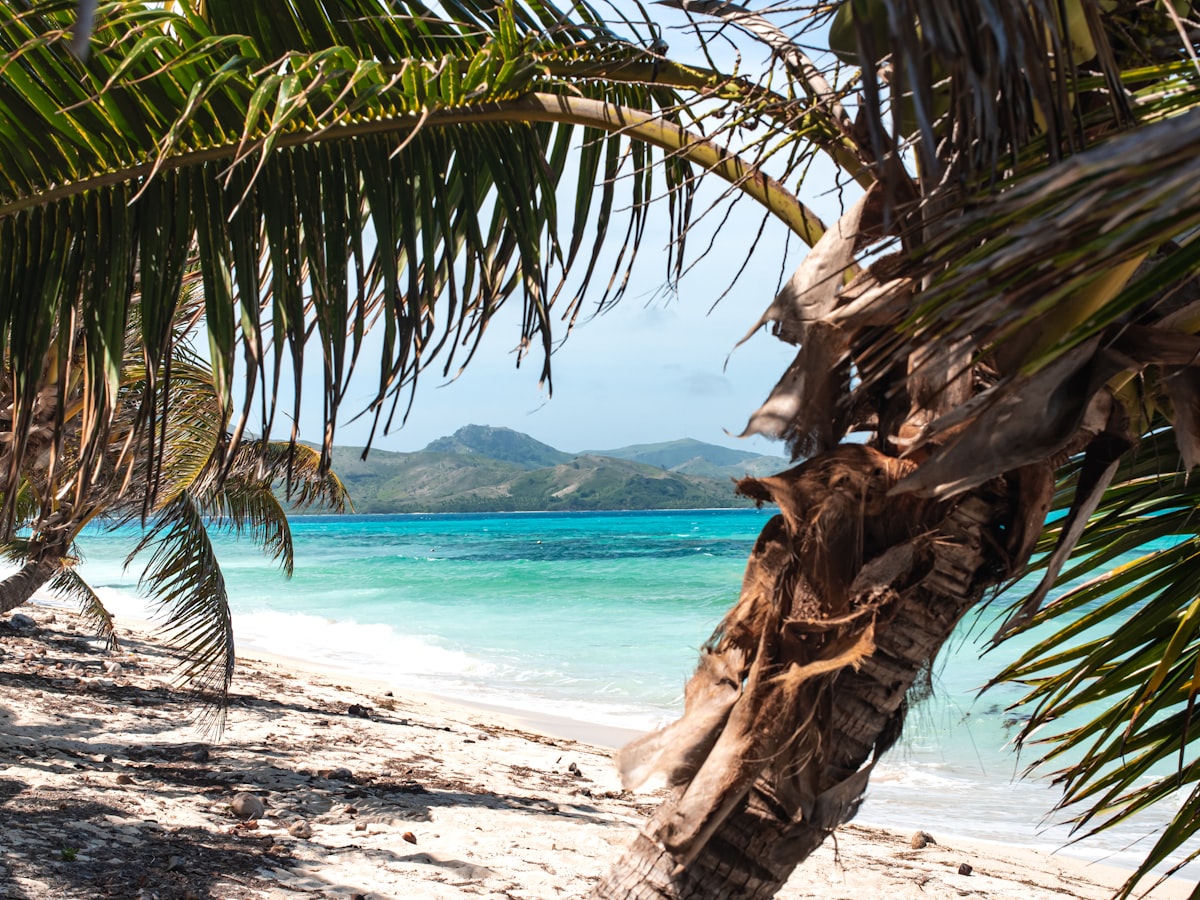
Fiji's gateway - palm-fringed islands, soft coral reefs, and warm island hospitality.
- Best time to visit: May-October (dry season)
- Daily budget (budget traveller): $90 to $250 USD
- Ideal trip length: 5 to 7 days
Nadi is the entry point to Fiji - the international airport town and the springboard to the Mamanuca and Yasawa island chains, where the postcard beaches and overwater sunsets actually live. The town itself is functional, with a colourful temple and a busy market, but most travellers use it as a launch pad: a boat or seaplane out to white-sand islands, soft coral reefs, and villages where you'll be welcomed with a 'Bula!' and a cup of kava. Joy Plus plans your island transfers, snorkel trips and beach days around the boat schedules and the dry-season weather.
Nadi is where Fiji starts, and most people treat it like a departure lounge with a bad reputation. That is a mistake. The town is a working Indo-Fijian hub with one of the biggest Hindu temples in the South Pacific, a produce market that smells of ginger and diesel, and curry houses that serve a F$8 lunch you will think about for weeks. The postcard stuff, the white sand, soft coral and overwater sunsets, sits 30 minutes to five hours offshore in the Mamanuca and Yasawa chains. Nadi is the smart place to organise it all.
The key to Fiji is boat logic. The Yasawa Flyer leaves Port Denarau at about 9:15am and drives north through the islands, and the Mamanuca cats run on tight morning windows. Miss them and you lose a day and a lot of cash. So the best Nadi plan is built backwards from the ferry: one or two nights on the main island to reset, see the temple, buy your kava, soak in the Sabeto mud pools, then out to sea. Come back for one last night near the airport and you never face a 6am dash with wet bags.
Go with a loose schedule and the right cash. Island time is real, villages run on Sunday church rhythms, and ATMs vanish the moment the boat leaves Denarau. The reward is the 'Bula!' you hear within ten minutes of landing, which is not a tourist script. In the dry season (May to October) you get 28°C days, cool nights, calm water and clear reef visibility. Even in the wet months, Nadi sits on the drier western side of Viti Levu, so it often beats the forecast.
How many days in Nadi?
For Nadi, we recommend 5 to 7 days.
| Trip length | What you'll see | Itinerary |
|---|---|---|
| 2 days | Walk Nadi Town; Sabeto Valley: mud pools and orchids | Nadi in 2 days |
| 3 days | Adds: Mamanuca day cruise | Nadi in 3 days |
| 4 days | Adds: Yasawa Flyer north | Nadi in 4 days |
| 5 days · Recommended | Walk Nadi Town; Sabeto Valley: mud pools and orchids; Yasawa Flyer north; Village visit and kava; Back to the mainland | Nadi in 5 days |
| 7 days · Recommended | Adds: Mamanuca day cruise; Natadola Beach | Nadi in 7 days |
Nadi itinerary
Land, settle, walk Nadi Town
Morning: Land at NAN and take a taxi to your hotel (F$15-20 to town, F$30-40 to Denarau). Many long-haul flights arrive before dawn, so book the night before. Drop bags and sleep an hour.
Afternoon: Walk Nadi Town. Sri Siva Subramaniya Temple on Queens Road (shoulders and knees covered, shoes off, small entry fee). Then Nadi Municipal Market for fruit and a F$30 sevusevu kava bundle.
Evening: Curry dinner in town, then a taxi to Wailoaloa Beach for sunset. Early night, the ferry runs on island time but you shouldn't.
Sabeto Valley: mud pools and orchids
Morning: Taxi to the Garden of the Sleeping Giant at opening (about 9am). Orchids and a quiet valley walk before the heat builds.
Afternoon: Sabeto Mud Pool and Hot Springs, a guided mud-slathering and soak ending in a hot pool. Bring a towel and clothes you can lose.
Evening: Dinner at Bad Dog Cafe in Port Denarau. Check in details for tomorrow's boat while you're at the marina.
Mamanuca day cruise
Morning: Catamaran from Port Denarau (check-in 30 minutes before departure) to a Mamanuca island like Malolo or Castaway. Seasickness tablets before boarding.
Afternoon: Snorkel the soft coral, beach lunch, hammock. Reef-safe sunscreen only.
Evening: Back at Denarau by late afternoon. Cardo's Steakhouse for a proper dinner, or cheaper fish and chips on the marina.
Yasawa Flyer north
Morning: Be at Port Denarau by 8:30am for the 9:15am Yasawa Flyer. Withdraw cash first, there are no ATMs on the islands.
Afternoon: Arrive at Waya or Kuata by early afternoon. Check in, snorkel off the beach, nap.
Evening: Island dinner and a lovo night if the resort runs one. Stars with zero light pollution.
Village visit and kava
Morning: Join a village visit. Hand over your sevusevu, sulu on, hat off. Watch kids' school or a church service if it's Sunday.
Afternoon: Snorkel with reef sharks or turtles, or hike the island viewpoint at low tide. If it's May to September, ask about manta ray trips near Nanuya Balavu.
Evening: Kava circle with the staff, bula, clap once before and three times after your coconut cup.
Back to the mainland
Morning: Slow breakfast, last snorkel, pack wet things in a dry bag.
Afternoon: Yasawa Flyer south, arriving at Denarau mid-to-late afternoon (it runs behind more often than ahead). Taxi to your Nadi hotel.
Evening: Hot shower, laundry, then a curry dinner in Martintar. Order the fish curry.
Natadola Beach, depart
Morning: Hire a taxi or car to Natadola Beach (about 45 minutes south on the Queens Road), the best sand on the main island. Swim and coffee.
Afternoon: Return to Nadi with at least three hours to spare before check-in. Buy last sulus or carvings at the Nadi Handicraft Market (negotiate politely).
Evening: Airport by 3 hours before an international flight. Eat before you go, airport food is double the price.
Best neighbourhoods
- Nadi Town: The market, the Sri Siva Subramaniya temple, shops and the airport.
- Denarau Island: The resort and marina hub - departure point for island boats.
- Mamanuca Islands: The closest island chain - day trips, snorkelling, the famous small islands.
- Yasawa Islands: Further out - dramatic, remote, the Blue Lagoon beaches.
- Wailoaloa Beach: Nadi's local beach, good for a sunset and budget stays.
Must-do experiences
- Island-hop the Mamanucas: Catamaran or seaplane to white-sand islets for snorkelling and beach time.
- Snorkel or dive the soft coral reefs: Fiji is the 'soft coral capital of the world' - vivid, current-fed reefs.
- Sri Siva Subramaniya temple: A vivid Hindu temple in Nadi town - one of the largest in the South Pacific.
- Village visit and kava ceremony: Be welcomed into a Fijian village and share the traditional kava ritual.
- Sabeto mud pools and hot springs: A fun, muddy soak in geothermal pools near Nadi.
Hidden gems
- The Sleeping Giant Garden of orchids near the Sabeto valley.
- Wailoaloa Beach at sunset for a low-key, local evening.
- Smaller Yasawa pensions and homestays for an authentic island stay.
- Nadi's produce market for tropical fruit and local snacks.
Daily budget
- Accommodation: budget F$40-80 / night (hostel dorm, Wailoaloa Beach), mid-range F$250-450 (hotel or resort room, Martintar or Denarau), splurge F$800+ (Sofitel Fiji), F$2,500+ (Likuliku Lagoon overwater bure). Yasawa budget resorts bundle dorm, three meals and boat access for roughly F$100-180 a night. Do the maths before you book separately.
- Food: budget F$30-50 / day (market roti, curry houses, bakery), mid-range F$90-150 (cafe lunch, one proper dinner), splurge F$300+ (Cardo's Steakhouse, resort tasting menus). A plate of Indo-Fijian curry and rice is F$8-14 in town. Resort restaurants easily triple that.
- Transport: budget F$10-30 / day (local buses F$1-4, shared taxis), mid-range F$40-80 (taxis plus a Mamanuca ferry share), splurge F$450+ (seaplane or helicopter transfer to an island). Always agree taxi fares before you get in. Yasawa Flyer fares are separate and depend on the island, so check current prices before you commit.
- Activities: budget F$40-70 / day (temple, market, one mud pool visit), mid-range F$150-300 (Mamanuca day cruise, snorkel and lunch), splurge F$500+ (private catamaran, seaplane scenic flight, shark dive). Village visits are free or by donation. Bring a kava bundle (F$20-40 at Nadi Market) instead of cash.
- Drinks & nightlife: budget F$10-20 (Fiji Bitter at F$6-8, kava in villages), mid-range F$40-80 (resort cocktails at F$20-30, a Martintar bar night), splurge F$150+ (Cloud 9 floating bar, champagne sunset on a yacht). Nightlife is bars and live music, not clubs. Kava is mildly numbing and non-alcoholic, but don't drink it before you drive.
Where to stay
- Social hostel in Wailoaloa Beach (F$40-80 / night): Smugglers Cove Beach Resort and Bamboo Backpackers sit by the local beach. Mixed dorms, a bar, tour desks and easy airport taxis.
- Boutique hotel in Martintar / Namaka (F$250-450 / night): Quiet mid-range rooms with pools, close to restaurants and the main road for buses and taxis. Good for a calm pre-island night.
- Apartment in Denarau Island (F$280-500 / night): Self-catering units near Port Denarau marina. Walk to the boats at 8:30am without a taxi, and cook your own breakfast.
- Splurge in Denarau or Malolo Island (F$800-3,500 / night): Sofitel Fiji Resort & Spa for pools and beach access, or Likuliku Lagoon Resort for Fiji's only overwater bures. Six Senses Fiji for pure luxury.
What to eat
- Kokoda - Fiji's citrus-cured fish in coconut cream
- Lovo - food cooked in an underground earth oven
- Fresh tropical fruit and roti from the market
- Indo-Fijian curries, a legacy of Fiji's cultural mix
Day trips
- Mamanuca Islands (30 to 90 min by boat): White-sand islets, soft coral snorkelling and floating bar Cloud 9 on a pontoon. Malolo, Castaway and Tivua are the usual day-cruise stops. South Sea Cruises or Malolo Cat from Port Denarau, day cruises about F$140-260 with lunch. Cloud 9 trips start near F$200. Check in 30 minutes early.
- Natadola Beach (45 min by car): The Coral Coast's best sweep of white sand, calm water and a beach bar or two. Good for swimming, horseback rides and a long lunch. Hire a taxi for the day (about F$150-220 with waiting) or rent a car at the airport. Public buses go to Sigatoka, not directly to the beach.
- Sabeto Valley (20 to 30 min by taxi): Mud pools and hot springs in the foothills, plus the Garden of the Sleeping Giant's orchid collection. Easy half day. Taxi about F$30-40 each way, or join a half-day tour for F$90-120 that includes entry and transport.
When to visit
- Early dry season (May - June): 24-29°C, low humidity, sunny with the odd passing shower. Crowds: Moderate, before the school holiday rush. The sweet spot. Clear reefs, manta rays near Yasawa, cheaper boats and rooms than July.
- Peak dry season (July - September): 22-28°C, dry, breezy, cooler nights. Crowds: Heavy, Australian and NZ school holidays. Perfect weather but book Yasawa Flyer seats and island rooms months ahead. Prices jump 20 to 40 percent.
- Late dry season (October): 25-30°C, warming up, first humid days. Crowds: Thinning fast. The locals' pick. Great visibility, empty beaches, resort deals before the wet season arrives.
- Wet season (November - April): 26-32°C, humid, heavy downpours, cyclone risk Jan to March. Crowds: Low. Cheapest rooms and green hills, but boats get cancelled in rough weather. Buy travel insurance and keep days flexible.
Entry rules for your passport
Visa rules for Fiji depend on the passport you travel on. Check the official source before you book: Fiji Ministry of Immigration
Getting there
Nadi International Airport (NAN) is the hub for Fiji Airways, with direct flights from Auckland (3h), Sydney (4h), Brisbane, Melbourne, Los Angeles (10.5h), San Francisco, Honolulu, Singapore and Hong Kong. Most visitors from major countries get a free visa on arrival for up to four months, with a passport valid for at least 6 months and an onward or return ticket. The airport is about 9 km north of Nadi Town and 20 to 25 minutes from Denarau. Taxis cost roughly F$15-20 to town and F$30-40 to Denarau, pre-booked hotel shuttles are F$20-40. Many long-haul flights land before dawn, so book the previous night's room. Local Sunbeam and Pacific buses run along the Queens Road for F$1-5 to Lautoka and Sigatoka, but with luggage a taxi is easier.
Getting around
From Nadi airport, resorts and the marina at Denarau are short transfers. Island travel is by catamaran (the South Sea Cruises and Awesome Adventures boats) or seaplane. On the main island a hire car or taxi reaches the temple, mud pools and Coral Coast. Island time is real - schedules are relaxed.
Safety
Fiji is friendly and safe, with petty theft the main concern - watch belongings in town and on beaches. Respect village etiquette (cover shoulders and knees, remove hats, bring a sevusevu/kava gift). Strong sun and currents on the reefs; the dry season avoids cyclone risk (Nov-April).
Solo travel tips
- Book a Yasawa hostel, not a hotel: Mantaray Island, Coral View, Blue Lagoon Beach Resort and Octopus Resort run dorm packages with all meals included. Solo travellers get a ready-made group at the dinner table, and it's the cheapest way to see the islands.
- Sit at the kava bowl: Anyone who joins a kava circle gets talking. Clap once, say 'bula', drink in one go, clap three times. You'll be adopted by the table inside ten minutes.
- Lock in taxis through your hotel: Nadi taxis are fine, but fares for tourists drift upward. Ask your hotel to call a driver, or agree on a price before getting in. Never take unlicensed lifts from the airport.
- Solo female travellers: Fiji is welcoming and generally safe. In Nadi Town, cover shoulders and knees to avoid unwanted attention. Skip lone beach walks after dark and don't accept drinks you didn't watch being made.
- Withdraw cash at Port Denarau: ANZ, Westpac and BSP ATMs at Nadi Town and Port Denarau are your last reliable machines. Island resorts have no ATMs, and card readers often fail with spotty signal.
- Day cruise for company: A Mamanuca day cruise on South Sea Cruises or a Malolo Cat is a low-pressure way to meet other solos before you commit to an island stay.
Cultural etiquette
- Cover shoulders and knees in villages, temples and town. A sulu (wrap skirt) is sold at the market for F$15-25 and works for everyone.
- Take off your hat and sunglasses in a village, and never touch anyone's head. Hats on the head signal disrespect to a chief.
- Bring a sevusevu gift of kava roots to the village chief (about F$20-40 at Nadi Market). Hand it over before you wander around.
- At a kava ceremony clap once, say 'bula', drink the cup in one go, then clap three times. Refusing is rude, so take a small cup if you're nervous.
- Sundays are for church. Many shops and village activities shut, so plan boat trips and shopping around it.
- Tipping isn't expected. Resorts often have a staff fund jar, and a smile and a 'vinaka' (thank you) go further.
- Ask before photographing people, especially in temples and villages. Take shoes off at the temple door and at village homes.
Frequently asked questions
How many days do you need in Nadi and Fiji?
Five to seven days is a good minimum - a day or two around Nadi for the temple, mud pools and market, then several nights island-hopping the Mamanucas or Yasawas. Fiji rewards a slower pace; if you can stay 10 days, you can combine multiple islands and a Coral Coast stop.
Is Nadi worth visiting or just a gateway?
Nadi is primarily Fiji's gateway - functional rather than scenic - but it has a beautiful Hindu temple, a lively market, nearby mud pools and the Sleeping Giant gardens. Most travellers spend a night or two here and use it to launch boat or seaplane trips to the islands, where Fiji's postcard beaches are.
When is the best time to visit Fiji?
The dry season (May-October) offers sunny, less humid weather, calm seas and the best reef visibility, with no cyclone risk - this is peak season. The wet season (November-April) is hotter and more humid with heavier rain and occasional cyclones, but it's greener and cheaper.
Which Fiji islands should I visit from Nadi?
The Mamanuca Islands are closest (30 to 90 minutes by boat), great for day trips, snorkelling and resorts. The Yasawa Islands lie further north - more remote and dramatic, with the Blue Lagoon beaches - reached by the Yasawa Flyer catamaran. Choose Mamanucas for convenience, Yasawas for wilder beauty.
Is Fiji good for families and honeymooners?
Both - many resorts have dedicated kids' clubs and nannies, calm lagoons and shallow beaches for families, while adults-only and overwater-style properties cater to honeymooners. The warm hospitality, easy reefs and range of budgets from backpacker pensions to luxury resorts suit almost everyone.
What is a kava ceremony and should I take part?
Kava (yaqona) is Fiji's traditional drink made from a root, central to village welcomes and social life. If you visit a village you'll likely be invited to share it - it's an honour. Bring a bundle of kava as a sevusevu (gift) for the chief, dress modestly, and clap as custom dictates.
Do you need to island-hop, or can you stay near Nadi?
You can stay on the main island - the Coral Coast (about an hour south) and Denarau have resorts and beaches - but Fiji's most beautiful, white-sand islands are offshore. Even one or two nights on a Mamanuca or Yasawa island transforms the trip. Day cruises are an option if time is tight.
Tours and activities in Nadi | Nadi in 2 days | Nadi in 3 days | Nadi in 4 days | Nadi in 5 days | Nadi in 7 days
Can't decide? Compare Nadi with...
Joy Plus home | Destinations | Itineraries | Activities | Flights | Budget planner | Calendar | Map | Blog | Lifetime access