Destinations / Africa
Nairobi, Kenya travel guide
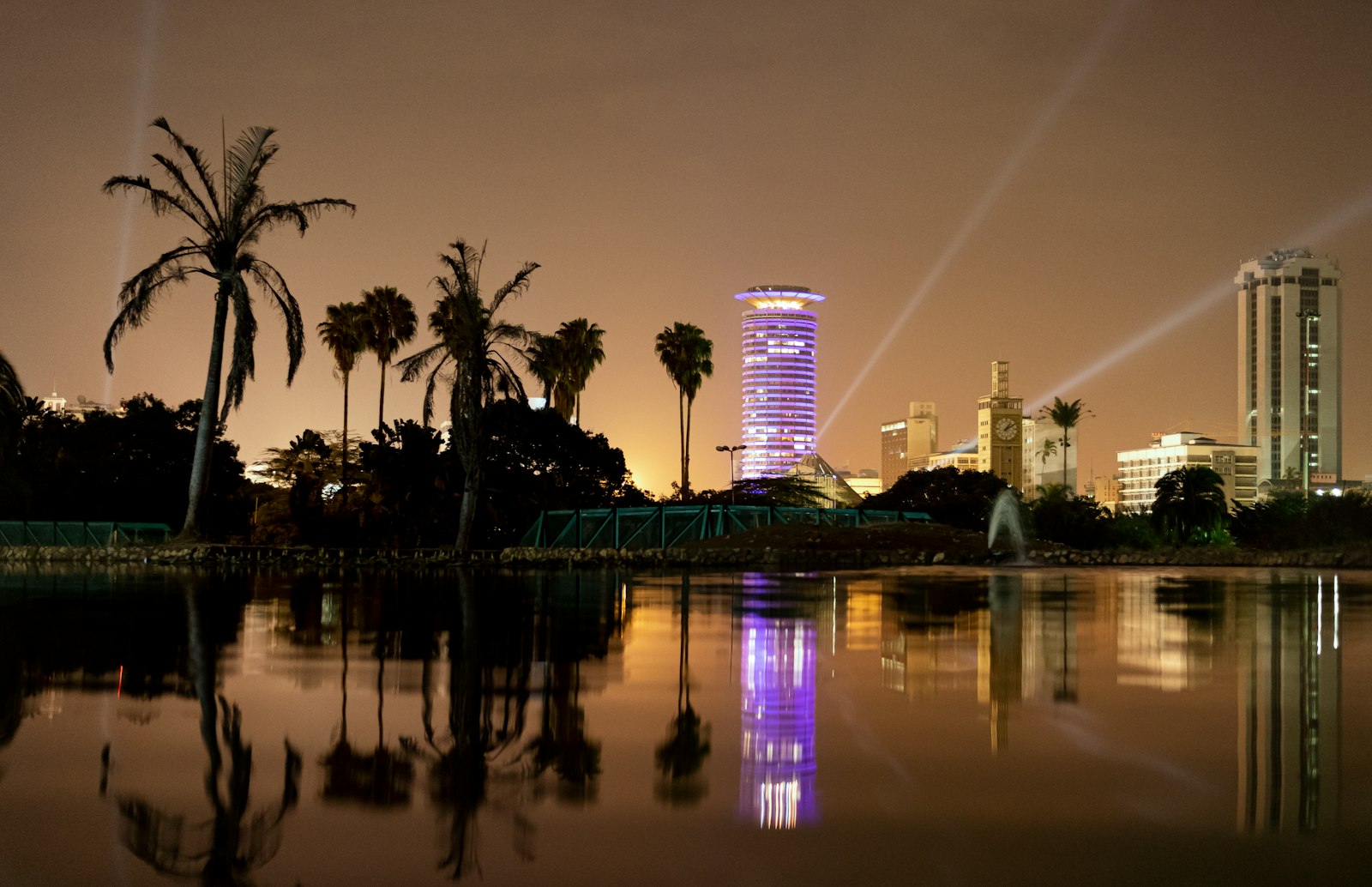
The capital with lions on its doorstep - a safari park in the city, coffee culture and East African energy.
- Best time to visit: January-March and July-October (dry, best wildlife viewing)
- Daily budget (budget traveller): $50 to $110 USD
- Ideal trip length: 3 to 4 days
Nairobi is East Africa's beating heart - a fast, green, contradictory city where you can watch lions at dawn and sip flat whites in a design cafe by lunch. Most travellers treat it as a safari gateway and rush off, but Joy Plus slows it down: Nairobi National Park before the day heats up, the elephant orphanage and giraffe centre timed to beat the tour crowds, and the city's brilliant coffee and Swahili food scene in between.
Nairobi sits at 1,795 metres, so the air is cool and bright even on the equator, and it is the only capital where you can watch a black rhino graze against a skyline of glass towers. Nairobi National Park is 117 square kilometres of savannah, 7km from the CBD, with lions, giraffes, buffalo and over 400 bird species. Most people treat the city as a layover on the way to the Mara. That is a mistake. The city itself is a fast, green, loud and very funny place, and it rewards anyone who stays three days or more.
The first thing to understand is geography and traffic. Westlands, Kilimani and the CBD are the working core. Karen and Langata, home of the giraffes, the elephant orphanage and the Out of Africa farmhouse, are 45 to 90 minutes south-west depending on the hour. The trick is to sequence by direction and time. Do the park at 6am when the gate opens, the Sheldrick elephants at 11am, and the giraffes before the school buses. Be back in your neighbourhood before the 4:30pm jam. Cross the city twice in a day and you will spend a third of it in a Bolt.
Eat like you mean it. Nairobi's coffee scene is serious, since Kenya grows some of the best arabica on earth and the roasters here actually pour it. The grilled goat, ugali and kachumbari at a nyama choma joint will anchor your whole trip. Be honest about safety. Phone-snatching from car windows is the main risk, and violent crime against visitors is rare. Use ride apps, keep windows up in traffic, and stay in Westlands, Kilimani, Karen and Gigiri. Do that and Nairobi turns out to be one of the warmest, most welcoming cities on the continent.
How many days in Nairobi?
For Nairobi, we recommend 3 to 4 days. With more time, add a day trip to Ngong Hills or Limuru tea country.
| Trip length | What you'll see | Itinerary |
|---|---|---|
| 2 days | Early night; Park at dawn, elephants at 11 | Nairobi in 2 days |
| 3 days · Recommended | Adds: Karen: giraffes, beads and Out of Africa | Nairobi in 3 days |
| 4 days · Recommended | Adds: CBD: museums, trains and nyama choma | Nairobi in 4 days |
| 5 days | Adds: Karura Forest and Gigiri | Nairobi in 5 days |
| 7 days | Adds: Hell's Gate and Lake Naivasha; Souvenirs | Nairobi in 7 days |
Nairobi itinerary
Land, settle, early night
Morning: Land at NBO. Buy a Safaricom SIM at the arrivals kiosk (passport needed), then take a Bolt to Westlands via the Expressway, 40 to 60 minutes, KES 1,800 to 2,500.
Afternoon: Drop bags, nap, then walk to Spring Valley Coffee Stop for a first flat white of Kenyan arabica. Keep it slow, tomorrow starts at 4:30am.
Evening: Bolt to Mama Oliech in Kilimani for fried tilapia, ugali and kachumbari (KES 1,000 to 1,500). Back in bed by 9pm.
Park at dawn, elephants at 11
Morning: Be at Nairobi National Park's Main Gate on Langata Road at 6am. Pre-pay the KWS fee online (card only). Do the loop: Impala Observation Point, Hippo Pools, Ivory Burning Site Monument. Book a shared operator seat from about KES 10,000.
Afternoon: Be at the Sheldrick Elephant Orphanage by 10:30am for the 11am public feeding. Book by email at least two business days ahead (no same-day visits) and bring US$20 in cash, about KES 2,600. Entry is through the KWS Mbagathi Gate on Magadi Road and needs a Nairobi National Park ticket paid on eCitizen. Then lunch at Carnivore, KES 5,500 for the all-you-can-eat meat spread.
Evening: Bolt back to base, shower, early dinner. Quiet drinks if you have the energy.
Karen: giraffes, beads and Out of Africa
Morning: Giraffe Centre at 9am opening, feed the Rothschild's giraffes from the platform before the school groups. Then Kazuri Beads (factory floor tour, free, closed Sundays), where women's cooperative staff roll and paint ceramic beads.
Afternoon: Karen Blixen Museum at 12 for the guided house tour (included in the ticket, US$17 or about KES 2,200 for visitors from outside Africa). Long lunch at The Talisman, mains KES 1,800 to 3,200.
Evening: Back to Westlands before the 5pm jam. Dawa cocktails (vodka, honey, lime) at Alchemist Bar on Parklands Road, live DJ and food trucks.
CBD: museums, trains and nyama choma
Morning: Nairobi National Museum at 8:30am opening (US$18, about KES 2,300, for visitors from outside Africa, paid on eCitizen), the prehistory and Maasai galleries are the best. Walk the Snake Park next door if you like (US$25 buys both).
Afternoon: Bolt to the Railway Museum (the Lunatic Express locomotives), then walk Kimathi Street. Coffee at Java House on Kimathi Street, then the KICC helipad for a 360 degree CBD view.
Evening: Half a kilo of goat at a nyama choma stall in Kenyatta Market with Tusker and kachumbari. Bolt home, not matatu, after dark.
Karura Forest and Gigiri
Morning: Karura Forest opens at 6am. Walk to the waterfall and the Mau Mau cave (KES 600 entry, bike rental about KES 1,000 to 1,500).
Afternoon: Lunch at Village Market in Gigiri, browse the Friday Maasai Market for beadwork and kikoys, bargain hard. Cafe stop at Connect Coffee Roasters.
Evening: Parklands for Gujarati snacks at Diamond Plaza, then drinks at K1 Klub House. Bolt home.
Hell's Gate and Lake Naivasha
Morning: Leave at 6:30am with a driver (KES 15,000 to 22,000 for the day) or a matatu to Naivasha from Country Bus Station (KES 400 to 600). Stop at the Rift Valley viewpoint on the way.
Afternoon: Cycle Hell's Gate National Park (entry US$50 for non-resident adults, bike hire about KES 1,000 to 1,500), walk the gorge with a ranger guide. Boat out on Lake Naivasha to see hippos.
Evening: Back in Nairobi by 7:30pm, ideally before Mai Mahiu traffic builds. Simple dinner near the hotel.
Slow morning, souvenirs, depart
Morning: Coffee and eggs at Spring Valley or Connect Coffee Roasters. Buy a bag of Kenyan AA to take home (KES 900 to 1,500 per 250g).
Afternoon: Matbronze gallery and garden in Karen for bronze casting and quiet, or a last pass through Village Market for souvenirs.
Evening: Aim to leave for NBO 4 hours before an international flight, since Mombasa Road can stall for 90 minutes. Bolt, KES 1,500 to 2,500.
Best neighbourhoods
- Westlands: Restaurants, malls, nightlife and most mid-range hotels. The easiest first-timer base.
- Karen: Leafy, upmarket suburb near the giraffe centre and elephant orphanage. Calm and green.
- Kilimani: Central, residential and full of cafes, co-working spots and apartments.
- CBD: The dense downtown - markets, museums and history, busy by day, quieter at night.
- Gigiri: Diplomatic quarter near the UN, secure and quiet, close to the Village Market.
Must-do experiences
- Nairobi National Park at dawn: Lions, rhinos and giraffes against a city skyline - the only park of its kind. Go at opening.
- Sheldrick Elephant Orphanage: The 11am public feeding hour for orphaned elephants. Book the limited slots ahead.
- Giraffe Centre: Hand-feed endangered Rothschild's giraffes from a raised platform - go early, before Karen traffic.
- Karen Blixen Museum: The 'Out of Africa' farmhouse at the foot of the Ngong Hills, set in beautiful gardens.
Hidden gems
- Nairobi Railway Museum, a dusty, charming relic of the old Lunatic Express.
- Kazuri Beads, a women's cooperative in Karen making handmade ceramic jewellery.
- The Talisman in Karen for one of the city's best long lunches.
- Matbronze gallery and cafe for art, bronze casting and a quiet garden.
Daily budget
- Accommodation: budget KES 3,000-6,000 / night (dorm or basic guesthouse), mid-range KES 9,000-18,000 (boutique double or Kilimani apartment), splurge KES 70,000+ (Hemingways Nairobi, Giraffe Manor from around KES 130,000). Kilimani apartments with a generator and 24h guard are the best value. Giraffe Manor books out months ahead.
- Food: budget KES 1,500-2,500 / day (mandazi, chapati and beans, nyama choma), mid-range KES 4,500-7,000 (cafe breakfast, Talisman lunch, Westlands dinner), splurge KES 15,000+ (Carnivore feast plus a fine-dining dinner). A plate of fried tilapia with ugali at Mama Oliech runs KES 1,000 to 1,500. Carnivore is a fixed price, around KES 5,500.
- Transport: budget KES 600-1,500 / day (matatus plus the odd Bolt), mid-range KES 3,000-5,000 (Bolt or Uber for everything), splurge KES 15,000-25,000 (private driver-guide with 4x4 for the day). Westlands to the CBD is KES 400 to 700. Westlands to Karen is KES 1,500 to 2,200 and shoots up at rush hour.
- Activities: budget KES 2,500-4,500 / day (Giraffe Centre, Karen Blixen, Karura Forest), mid-range KES 12,000-20,000 (park game drive, Sheldrick, one museum), splurge KES 40,000+ (private dawn game drive, Sheldrick foster visit, private guide). Nairobi National Park is US$80 per non-resident adult, paid online on eCitizen before you arrive. The Giraffe Centre is KES 1,200 to 2,000, and Karen Blixen is US$17 (about KES 2,200) for visitors from outside Africa.
- Drinks & nightlife: budget KES 800-1,500 (Tusker at a local joint or Kenyatta Market), mid-range KES 3,000-6,000 (Westlands bar night, Dawa cocktails), splurge KES 10,000+ (rooftop bottle service, late club). A Tusker is KES 250 to 350 at a local bar and KES 450 to 600 in Westlands. Always take a Bolt home after 8pm.
Where to stay
- Social hostel in Langata / Karen edge (KES 3,000-8,000 / night): Wildebeest Eco Camp has dorm beds and safari tents, a busy common area, and it is 10 minutes from Nairobi National Park and the Giraffe Centre.
- Boutique hotel in Karen (KES 14,000-28,000 / night): Tamambo Karen Blixen Coffee Garden or Macushla House. Leafy gardens, quiet nights, five minutes from the museum and giraffes, and a calm base for the park.
- Apartment in Kilimani (KES 6,500-14,000 / night): Serviced apartments near Yaya Centre with a generator, a 24h guard and a kitchen. Cafes and restaurants on the doorstep, and a ride to Westlands or the CBD is 15 minutes.
- Splurge in Karen (KES 70,000-190,000 / night): Giraffe Manor (giraffes put their heads through the breakfast windows) or Hemingways Nairobi, a colonial-style hotel with a pool and spa. Book Giraffe Manor many months ahead.
What to eat
- Nyama choma (grilled meat) with ugali and kachumbari
- Kenyan AA coffee at a Westlands or Kilimani roastery
- Swahili biryani and pilau
- Mandazi and chai for breakfast
Day trips
- Hell's Gate and Lake Naivasha (90km, about 2 hours each way): Cycle a Rift Valley gorge past Fischer's Tower and geothermal vents, with zebra and giraffe sharing the road. Add a boat trip on Lake Naivasha to see hippos. Hire a driver (KES 15,000 to 22,000 for the day) or take a matatu to Naivasha from Country Bus Station (KES 400 to 600), then a boda or taxi to the Hell's Gate gate. Park entry is US$50 for non-resident adults.
- Ngong Hills (25km, about 1 hour): A ridge of seven peaks above the Rift Valley with views of the Maasai plains, and the hills that Karen Blixen wrote about. Go early, hikes need a ranger escort. Bolt to Ngong town (about KES 1,800), then a boda to the forest gate. Pay the small entry fee and ranger fee at the gate.
- Limuru tea country (30km, about 1 hour): A working tea estate in cool highland air. Kiambethu Tea Farm offers walks and a tea-estate lunch in a colonial house. Book ahead. Bolt or hired driver to Limuru (about KES 3,500 one way), or a matatu from the CBD to Limuru town (KES 150 to 200) then a short taxi.
When to visit
- Warm dry (January - March): 24-28°C days, 12-14°C nights, sunny, light haze. Crowds: Moderate, steady safari traffic. Best city weather of the year. Parks are dusty and easy to drive, animals cluster near water. Late March can tip into the first rains.
- Long rains (March - May): 19-24°C, heavy afternoon downpours, grey skies. Crowds: Very low. Cheapest rooms and empty parks, but red-mud roads and flooded underpasses can double your Bolt time. Good only if you are flexible.
- Cool dry (June - October): 18-25°C days, 9-12°C nights, misty mornings, clear afternoons. Crowds: Heavy July to September (Mara migration season). The wildlife sweet spot, and the best month for the park is September. Book Sheldrick slots and lodges early, pack a fleece for dawn drives.
- Short rains (November - December): 20-26°C, short afternoon thunderstorms, everything green. Crowds: Low in November, peak at Christmas. Underrated. Mornings are usually clear, the city is lush, and prices stay down until mid-December.
Entry rules for your passport
Visa rules for Kenya depend on the passport you travel on. Check the official source before you book: Kenya Directorate of Immigration Services
Getting there
Jomo Kenyatta International Airport (NBO) is 15km south-east of the CBD. Apply for the Kenya eTA online at least two weeks before you fly, since there is no visa on arrival. Since 5 October 2026 most visitors must also buy Kenyan government travel health insurance as part of the eTA application (if you already hold an eTA, buy it on eCitizen), and your own travel insurance is not accepted in its place. Carry your yellow fever certificate if arriving from an endemic country. A Bolt or Uber to Westlands is KES 1,500 to 2,500 depending on traffic, plus a few hundred shillings if you use the Nairobi Expressway toll. Airport taxis quote KES 3,500 to 4,500 flat, so walk to the ride-app pick-up zone instead. Airport matatus are cheap but bad with luggage. Domestic flights to the Masai Mara leave from Wilson Airport, 6km from the CBD, on Safarilink or Air Kenya, around US$200 to 350 one way. Allow 90 minutes for Mombasa Road to the airport at peak.
Getting around
Use Uber or Bolt - they're cheap, reliable and remove haggling over taxi fares. Traffic is heavy, so plan around the morning and evening rush. For safaris and out-of-town trips, arrange a trusted driver or operator through your hotel.
Safety
Nairobi (sometimes nicknamed 'Nairobbery') rewards street smarts: use ride apps rather than walking after dark, keep phones and bags out of sight in traffic, and avoid flashing valuables. Stick to well-known neighbourhoods like Westlands, Karen and Kilimani. Solo travellers do this easily with basic caution. Anti-government protests around 25 June and 7 July have turned violent in the city centre every year since 2024, and in 2026 police sealed off the centre on the anniversary, so avoid demonstrations and check local news around those dates.
Solo travel tips
- Ride apps, door to door: Use Bolt or Uber for everything after dark, and check the plate matches before you get in. Share your trip status with a friend. Walking at night in the CBD or on Ngong Road is where most problems start.
- Windows up, phone down: Phone-snatching through open car windows in traffic is the classic Nairobi theft. Keep windows up, doors locked, and phones off the dashboard and out of sight in Bolts. Take your phone out only when you are inside.
- Book shared game drives: A private safari vehicle for one person is expensive. Join a shared Nairobi National Park drive or a Hell's Gate day trip through a reputable operator. You split the vehicle, meet other travellers and often get a better guide.
- Social stay: Wildebeest Eco Camp: Wildebeest Eco Camp in Langata has dorm beds and a lively common area full of overlanders and solos.
- Eat at nyama choma joints and talk: Kenyans are chatty. Order half a kilo of goat at a Kenyatta Market stall, sit at a shared table and ask what to order next. You will have advice and an invitation to the next bar within ten minutes.
- Solo women and money: Dress modestly in the CBD, avoid empty streets at dusk and book hotel taxis for airport runs. Register for M-Pesa with your passport at a Safaricom shop, because it makes paying for small things, matatus and street food much simpler.
Cultural etiquette
- Greet before you ask. Say 'Habari' or 'Sasa' and shake hands, even with a shopkeeper. Jumping straight to a question comes across as rude.
- Don't wear camouflage or military-style patterns. It is illegal for civilians in Kenya. Khaki and neutral safari colours are fine.
- Ask before photographing people, especially Maasai. Some will ask for a small fee. Never photograph police, soldiers, State House, airports or government buildings.
- Bargain at the Maasai Market (start at about 40 to 50 per cent of the asking price) and with unmetered drivers, but never in supermarkets, restaurants or on ride apps.
- Eat ugali and nyama choma with your right hand. A bowl and jug of water for washing arrives before the meal, use it.
- Add buffer to every plan. 'Kenyan time' is real, and traffic is unpredictable. Tell your driver to leave 90 minutes early for flights.
- Plastic bags have been banned in Kenya since 2017. Carry a cloth bag, and do not bring single-use plastic bags in your luggage.
Frequently asked questions
How many days do you need in Nairobi?
Three to four days is enough for the city itself - the national park, the elephant orphanage, the giraffe centre and the Karen Blixen Museum, plus time for the cafe and food scene. Most travellers then use Nairobi as a launch pad for safaris in the Masai Mara or Amboseli.
Is Nairobi safe for tourists?
Yes, with normal big-city caution. Petty theft and phone-snatching are the main risks, not violent crime against tourists. Use Uber or Bolt instead of walking at night, keep valuables hidden in traffic, and stay in established areas like Westlands, Karen and Kilimani.
Can you go on safari from Nairobi?
Absolutely. Nairobi National Park is inside the city for a half-day safari, and it's the gateway to the Masai Mara, Amboseli and Lake Nakuru. You can do anything from a few hours to multi-day trips - book through a reputable operator or your hotel.
What is the best time to visit Nairobi?
The dry seasons - January to March and July to October - offer the best weather and wildlife viewing, as animals gather around water and roads are passable. The long rains (March-May) can make game drives muddy, though the city stays green and lush.
Do I need a visa for Kenya?
Most visitors need an electronic travel authorisation (eTA), which you apply for online on the official site etakenya.go.ke before arrival; it costs US$30. Since 5 October 2026 most visitors must also buy Kenyan government travel health insurance, which is sold inside the eTA application (existing eTA holders buy it on eCitizen); rules on whether foreign policies are accepted have shifted, so check the eTA portal before you buy. Processing usually takes a few days, so apply at least a week ahead. Check your nationality's current requirements before booking.
Is Nairobi expensive?
It's mid-range by global standards: street food and matatus are very cheap, while safari lodges, organised game drives and upscale restaurants add up fast. A comfortable city day runs $50 to $110, but multi-day safaris are the big-ticket cost.
What vaccinations do I need for Nairobi?
Yellow fever vaccination may be required if arriving from an endemic country, and routine jabs should be up to date. Nairobi's altitude means malaria risk is low in the city itself, but you'll want antimalarials for coastal and safari regions - consult a travel clinic before you go.
Tours and activities in Nairobi | Nairobi in 2 days | Nairobi in 3 days | Nairobi in 4 days | Nairobi in 5 days | Nairobi in 7 days
Can't decide? Compare Nairobi with...
Joy Plus home | Destinations | Itineraries | Activities | Flights | Budget planner | Calendar | Map | Blog | Lifetime access