Destinations / Asia
Nanjing, China travel guide
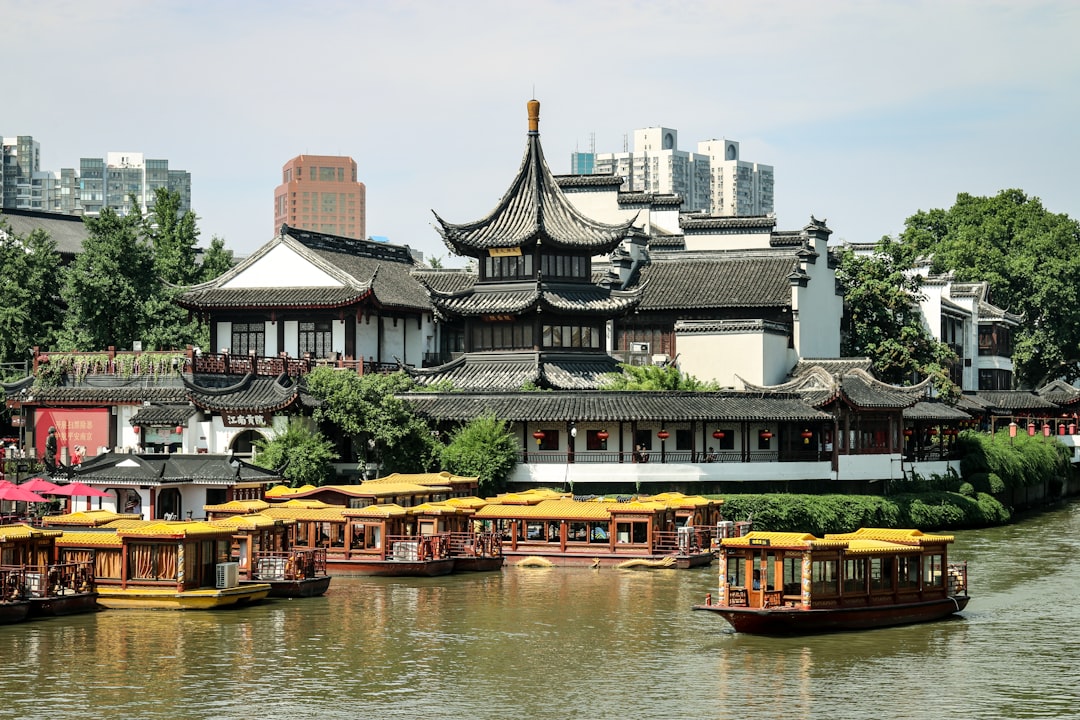
China's old southern capital: Ming walls, a mountain of tombs and heavy history.
- Best time to visit: March-May, September-November
- Daily budget (budget traveller): $40 to $110 USD
- Ideal trip length: 2 to 3 days
Nanjing served as capital under six dynasties and again under the Republic, and it wears all of it at once: the longest surviving city wall in the world, the Ming Xiaoling tomb avenue lined with stone animals, Sun Yat-sen's mausoleum climbing Purple Mountain, and the Nanjing Massacre Memorial, which is heavy and essential. Add Confucius Temple's canal-side lanes at night and the ginkgo colour in November. An hour from Shanghai by high-speed rail, it deserves more than the day trip it usually gets.
Nanjing has been a capital six times over, and it never tidied up after any of them. The longest surviving city wall on earth, around 35 km of Ming brick, still loops the old town. Ten minutes by metro from the glass towers of Xinjiekou, a 600-year-old stone avenue of elephants, camels and horses leads to the tomb of the first Ming emperor. On the same mountain, 392 steps climb to Sun Yat-sen's mausoleum, and in the west of the city a concrete-and-light memorial marks the 1937 massacre. The city holds all of this at once, and it is calmer and cheaper than Beijing or Xi'an for the same weight of history.
The rhythm is simple. Mornings are for the big sights, which mean Purple Mountain, the Massacre Memorial and the Nanjing Museum. Afternoons are for walls, lakes and the Presidential Palace, where Republic-era politics played out in a Ming and Qing garden. Nights belong to the Confucius Temple lanes around Fuzimiao, with their lanterns, snack stalls and boats on the Qinhuai, and to the student bars and bookshops around Gulou and Nanjing University. In between you eat salted duck, duck blood and vermicelli soup, and tang bao dumplings you sip through a straw. Most meals cost ¥15 to ¥40.
Do the logistics before you land. Link a foreign card to Alipay or WeChat Pay, because cash is a fallback here. Carry your passport everywhere, since it is your ticket and your hotel key. Reserve the Massacre Memorial, Sun Yat-sen Mausoleum and Nanjing Museum on their mini-programs a few days ahead. Many of the best sights are free but closed on Mondays. Plan two full days minimum, three if you want Qixia Temple's maples or a slow museum day, and use Nanjing South station, which puts Shanghai, Hangzhou and Suzhou all within reach.
How many days in Nanjing?
For Nanjing, we recommend 2 to 3 days. With more time, add a day trip to Zhenjiang or Suzhou.
| Trip length | What you'll see | Itinerary |
|---|---|---|
| 2 days · Recommended | The Confucius Temple at night; Purple Mountain in one direction | Nanjing in 2 days |
| 3 days · Recommended | Adds: Massacre Memorial and the southern wall | Nanjing in 3 days |
| 4 days | Adds: Museum, palace and bookshops | Nanjing in 4 days |
| 5 days | Adds: Xuanwu Lake and Jiming Temple | Nanjing in 5 days |
| 7 days | Adds: Yangzhou day trip | Nanjing in 7 days |
Nanjing itinerary
Arrive and the Confucius Temple at night
Morning: Arrive at Nanjing South by train, or at NKG via Line S1 to Nanjing South. Take metro Line 3 to Fuzimiao or Line 1 to Xinjiekou and drop your bags. Get a first noodle bowl at any Fuzimiao lane for ¥15-20.
Afternoon: Visit the Jiangnan Examination Hall (about ¥30), then walk the Laomendong lanes south of Fuzimiao, where restored Ming-style streets run along the old wall.
Evening: Take the Qinhuai night boat (about ¥80) as the lanterns come on. Eat soup dumplings and a half salted duck in the snack lanes. Walk back along the river for the lit-up views.
Purple Mountain in one direction
Morning: Metro Line 2 to Xiamafang by 8am. Do Ming Xiaoling (¥70) first: the Sacred Way's stone animals, then the tomb mound, then Plum Blossom Hill. Take the scenic shuttle (¥10-20) on.
Afternoon: Sun Yat-sen Mausoleum (free, reserve on the WeChat mini-program, closed Mondays), 392 steps with passport check at the gate. Then on to Linggu Temple (about ¥35) for the Beamless Hall and pagoda. Lunch at the temple's vegetarian canteen.
Evening: DiDi or bus back to Xinjiekou. Dinner on Hunan Road for duck blood and vermicelli soup, then an easy early night.
Massacre Memorial and the southern wall
Morning: Be at the Nanjing Massacre Memorial (Jiangdongmen station, Line 2) at 8:30 opening with your reservation and passport. Allow two hours. The exit has a peace park, and it is worth sitting there a while.
Afternoon: Lighter work: metro to Zhonghuamen (Line 1) for Zhonghua Gate (about ¥50), the largest gate fortress in China, then walk the rampart.
Evening: Drinks and dinner around 1912 Block near Xinjiekou. Keep it quiet if the memorial is still sitting with you.
Museum, palace and bookshops
Morning: Nanjing Museum at 9am (free, book ahead, closed Mondays). The Republic-era gallery and the jade burial suit are the best bits. Walk the grounds of the Ming Palace ruins nearby.
Afternoon: Presidential Palace (¥40, about two hours before it closes). The Ming garden, the Republic offices and the Qing-era Western Pavilion layer three eras in one compound.
Evening: Gulou district. Librairie Avant-Garde at Wutaishan, a bookshop in a former car park, then dinner and a bar near Nanjing University.
Xuanwu Lake and Jiming Temple
Morning: Walk Xuanwu Lake (free), hugging the Ming wall along the shore. Catch the wall's best stretch near Jiefang Gate.
Afternoon: Jiming Temple (about ¥10) for the yellow pagoda and cherry blossoms in spring, then vegetarian noodles at the temple. Climb to the Drum Tower in Gulou for the city view.
Evening: Dinner around Gulou, then a slow stroll through the leafy Yihe Road villa quarter. In mid to late November, swap this day for Qixia Temple's maples (Line 4 to Qixiashan, about ¥40 entry).
Yangzhou day trip
Morning: Early high-speed train from Nanjing South to Yangzhou East (about 1 hour, ¥50). DiDi to Slender West Lake (about ¥100, though entry varies by season).
Afternoon: Lunch at Fuchun Teahouse for Huaiyang dim sum, then the Ge Garden and the canal-side old town.
Evening: Train back to Nanjing, light dinner near your hotel, and pack.
Slow morning and depart
Morning: Slow breakfast: a tang bao and a pan-fried bun in the Fuzimiao lanes. Buy a boxed salted duck for the road or the flight.
Afternoon: Spare hours go to the Yihe Road villas or Nanjing University's old Gulou campus. Check out and head to the station or airport.
Evening: Line S1 from Nanjing South to NKG, or Line 3 to Nanjing South for the train. Allow 90 minutes to the airport and 45 minutes at the station.
Best neighbourhoods
- Confucius Temple / Qinhuai: Lantern-lit canal, Jiangnan Examination Hall, snack streets and boat rides.
- Xinjiekou: The commercial core: hotels, malls, metro interchanges and easy bases.
- Purple Mountain: Ming Xiaoling, Sun Yat-sen Mausoleum, Linggu Temple and forest trails.
- Gulou / Nanjing University: Student cafes, tree-lined avenues and the Drum Tower.
- Xuanwu Lake: A walled lake park with islands, boats and the best stretch of city wall.
Must-do experiences
- Ming City Wall: Walk the ramparts near Zhonghua Gate or Jiefang Gate, the longest ancient wall standing.
- Ming Xiaoling Mausoleum: The first Ming emperor's tomb, with the Sacred Way's stone elephants and camels.
- Nanjing Massacre Memorial: A sober, superbly designed museum of the 1937 atrocity. Free, closed on Mondays, allow two hours.
- Confucius Temple at night: Qinhuai River lanterns, snack lanes and a slow boat under the bridges.
Hidden gems
- Qixia Temple in late November for the best red maple in eastern China.
- The Beamless Hall and Linggu Pagoda, quiet even on Purple Mountain weekends.
- Presidential Palace gardens, the Republic-era seat of government.
- Yihe Road's 1930s villa quarter, empty and leafy.
Daily budget
- Accommodation: budget ¥60-100 / night (hostel dorm), mid-range ¥350-650 (Atour, Ji or Orange hotel double), splurge ¥1,000-2,200 (Jinling Hotel, Ritz-Carlton Nanjing). Xinjiekou and Gulou are the best mid-range value. Prices jump 30 to 50% in Golden Week and May Day.
- Food: budget ¥60-100 / day (noodles, dumplings, duck blood soup), mid-range ¥150-300 (one sit-down Huaiyang dinner), splurge ¥600+ (hotel Huaiyang banquet or tasting menu). A bowl of noodles is ¥12-25 and half a salted duck is ¥25-45. Use Dianping for set lunches at ¥30-50.
- Transport: budget ¥10-20 / day (metro only, ¥2-9 per ride), mid-range ¥40-80 (metro plus DiDi for Purple Mountain and late nights), splurge ¥800+ (private driver for Purple Mountain plus a day trip). Scan the Alipay or WeChat metro QR at the gate. The airport is ¥130-180 by DiDi, ¥6-9 by Line S1.
- Activities: budget ¥0-70 (Massacre Memorial and Nanjing Museum are free, plus one paid site), mid-range ¥150-250 (Ming Xiaoling ¥70, Linggu ¥35, Presidential Palace ¥40, Qinhuai boat ¥80), splurge ¥800+ (private guide for the mountain and memorial). Free sites need a mini-program booking and a passport. Most are closed Mondays.
- Drinks & nightlife: budget ¥20-30 (convenience store beer at ¥5-8 for 500ml, bubble tea), mid-range ¥100-200 (craft beer and cocktails around Gulou or 1912 Block), splurge ¥400+ (hotel bar plus a club night). Nanjing is a student city. Bar prices are lower than Shanghai, with cocktails at ¥40-70.
Where to stay
- Social hostel in Confucius Temple / Qinhuai (¥60-100 / night): Hostels cluster around Fuzimiao and Laomendong. Metro Line 3 at the door, snack lanes downstairs, and the river boats after dark.
- Boutique hotel in Xinjiekou / Gulou (¥350-650 / night): Atour, Orange or Ji hotels sit on Lines 1 and 2, with reliable beds, fast Wi-Fi and breakfast. Gulou is calmer and greener, Xinjiekou is closer to the malls.
- Apartment in Gulou / Nanjing University area (¥280-450 / night): Tree-lined streets, laundry and a kitchen for 4+ nights. Book on Trip.com or Tujia, and confirm foreigner registration is available.
- Splurge in Xinjiekou (¥1,000-2,200 / night): Jinling Hotel (a Nanjing landmark since 1983) or the Ritz-Carlton Nanjing, with pools, banquet-grade Huaiyang restaurants and a lift straight into the Xinjiekou metro.
What to eat
- Salted duck, the city's signature, sold by the half at any deli
- Duck blood and vermicelli soup, better than it sounds
- Soup dumplings and pan-fried buns in the Confucius Temple lanes
- Osmanthus rice cake in autumn
Day trips
- Zhenjiang (30 min by high-speed train): Jinshan Temple on its hill above the Yangtze, the Xijin Ferry old street, and Zhenjiang black vinegar. Try guogai pot-lid noodles and steamed soup buns. Easy half-day trip. G train from Nanjing South to Zhenjiang, about ¥35 each way. Then DiDi or bus to Jinshan Temple (about ¥60 entry).
- Yangzhou (1 hour by train): Slender West Lake, the Ge Garden, canal-side lanes and Huaiyang dim sum at Fuchun Teahouse. Best from March to May when willows and peonies are out. Train from Nanjing South to Yangzhou East, about ¥50, then DiDi (¥25-35) to the old town.
- Suzhou (1 hour by train): Humble Administrator's Garden, Pingjiang Road and canal lanes. A full long day, better as an overnight if you want both gardens and evening canals. G train from Nanjing South to Suzhou, about ¥100-115 each way. Humble Administrator's Garden is about ¥80 in peak season.
When to visit
- Spring (March - May): 8-25°C, mild, some rain, warming fast in May. Crowds: Moderate, spikes around Qingming (early April) and May Day (1 to 5 May). Plum blossom on Ming Xiaoling's Plum Blossom Hill peaks late February to mid March, then cherry blossom at Jiming Temple in late March. A close second to autumn.
- Summer (June - August): 27-37°C, very humid, plum rains mid June to mid July. Crowds: Low from foreigners, busy with domestic school-holiday families. One of China's three 'furnace cities'. Only go if you can do sights at 8am and sit in air-con after noon. Hotels are cheapest.
- Autumn (September - November): September 22-30°C, October 14-24°C, November 6-16°C, mostly dry. Crowds: Heavy during Golden Week (1 to 7 October), moderate otherwise. The best window. Ginkgo gold at Linggu Temple and red maples at Qixia Temple peak mid to late November. Avoid Golden Week.
- Winter (December - February): -2 to 8°C, damp cold, occasional snow, grey skies. Crowds: Low, except Spring Festival (6 February in 2027). Cheap and quiet, and the wall under snow is great, but the damp cold goes through you. Many restaurants close for Spring Festival week.
Entry rules for your passport
Visa rules for China depend on the passport you travel on. Check the official source before you book: China National Immigration Administration
Getting there
Nanjing Lukou International Airport (NKG) is about 35 km south of the centre. Metro Line S1 runs to Nanjing South station in around 40 minutes for ¥6-9, where you change to Line 1 or 3. DiDi to Xinjiekou is ¥130-180 and takes 45 to 60 minutes. Most visitors arrive by high-speed rail. Shanghai Hongqiao to Nanjing South is 70-90 minutes for ¥135-145 in second class, Hangzhou East is around an hour for ¥120-150, and Beijing South is 3.5 to 4.5 hours for ¥440-550. Book on Trip.com or the 12306 app with your passport, up to 15 days ahead. Check you have 'Nanjing South' and not 'Nanjing' (the smaller station by Xuanwu Lake). Many nationalities enter China visa-free for up to 30 days under a policy running through 2026, so confirm your passport's status before booking.
Getting around
High-speed trains reach Shanghai in about 70 to 90 minutes, Beijing in 3.5-4.5 hours and Hangzhou in around an hour, arriving at Nanjing South. The metro has ten-plus lines and reaches the airport, Purple Mountain and all main sites for well under a dollar a ride, payable by Alipay or WeChat QR. DiDi is cheap for cross-town hops. Purple Mountain itself needs a sightseeing bus or a lot of walking.
Safety
Nanjing is very safe, with petty theft rare and streets active late. Set up Alipay or WeChat Pay before arrival because cash, though legal tender, is rarely used, and install a VPN in advance if you rely on Google or Western apps. Summer is famously one of China's furnaces, regularly above 35C with high humidity, and January can drop below freezing. Book the massacre memorial and popular museums through their WeChat mini-programs, which often require ID and same-week reservations, and carry your passport, which the memorial checks at the entrance.
Solo travel tips
- Sort Alipay or WeChat before you land: Link a Visa or Mastercard to Alipay (the 'Tour Pass' route) or WeChat Pay at home. You scan metro gates, DiDi, noodle shops and mini-programs with it. Carry ¥300 in small notes as a backup.
- Reserve the free sites on day one: The Massacre Memorial, Sun Yat-sen Mausoleum and Nanjing Museum all need a WeChat mini-program reservation and your passport number, usually opening a few days ahead. If the interface stalls, ask your hotel front desk to book for you.
- Eat at the counter and point: Fuzimiao snack lanes and Hunan Road shops are built for one. Order a single bowl, a steamer of dumplings and a duck leg rather than a banquet. Use Dianping to find queues locals trust, and Baidu Translate's camera for menus.
- Hostels cluster around Fuzimiao: Dorms are ¥60-100 and the Qinhuai area gives you boats, bars and the metro on one block. Rooftop terraces and tea-room common areas make it easy to find a travel partner for Purple Mountain.
- Solo female travellers: Nanjing is among China's safest big cities, with streets active until late. Use DiDi and share the trip, check the plate against the app, and keep your passport on you. The only real risk is the heat in July.
- Find company at Librairie Avant-Garde or the lake: The bookshop at Wutaishan and the cafes around Nanjing University draw students who often want to practise English. Xuanwu Lake at 7am has tai chi, ballroom dancing and wild calligraphy on the paving, and everyone chats.
Cultural etiquette
- At the Nanjing Massacre Memorial, keep your voice low, do not take smiling selfies, and avoid shorts and loud clothing. Photography is restricted in parts of the halls.
- Tipping is not expected in restaurants, hotels or taxis. A tip may even cause confusion. Politely decline when staff chase you with change.
- Carry your passport at all times. It is your hotel registration, your ticket and your reservation proof at gates.
- Do not stick chopsticks upright in rice, and do not pass food with them. Lay them across the bowl or on the rest.
- Queue-jumping at ticket windows and metro gates is common. Stay patient, hold your place and keep your bag in front of you in crowds.
- Carry your own tissues. Many public toilets, including at Purple Mountain, have no paper and some are squat style.
- The Sacred Way and mausoleum steps are places of respect to many Chinese visitors. Do not climb on the stone animals or the tomb walls.
Frequently asked questions
Is Nanjing worth visiting?
Yes. It has more intact imperial and Republican history than any other city in eastern China, including the world's longest surviving city wall, a UNESCO-listed Ming tomb complex and outstanding museums. It is also far less crowded than Beijing or Xi'an for equivalent sites, and it sits 70 minutes from Shanghai by train.
How many days do you need in Nanjing?
Two full days: one for Purple Mountain with Ming Xiaoling, Sun Yat-sen Mausoleum and Linggu Temple, and one for the Massacre Memorial, the Presidential Palace, the city wall and Confucius Temple at night. A third day suits Qixia Temple in autumn or the Nanjing Museum in depth. Visa note: citizens of about 50 countries, including most EU states, the UK, Canada, Australia and Japan, can enter mainland China visa-free for up to 30 days until 31 December 2026. US citizens need a visa, or can use the 240-hour visa-free transit on the way to a third country. Check the rules for your passport before booking.
How do you get from Shanghai to Nanjing?
High-speed trains run every few minutes from Shanghai Hongqiao and take 70 to 90 minutes for about $20 to $35 in second class. Book through Trip.com or the Railway 12306 app with your passport. Nanjing South station connects straight into the metro, so you are in the city centre 20 minutes after arriving.
What is Nanjing famous for?
Being the capital of six dynasties and the Republic of China, its 600-year Ming city wall, the Ming Xiaoling Mausoleum, the Sun Yat-sen Mausoleum, and the 1937 Nanjing Massacre, commemorated at a major memorial hall. Food-wise it is known for salted duck and duck blood vermicelli soup.
When is the best time to visit Nanjing?
Late March to May for plum and cherry blossom on Purple Mountain, and September to November for mild weather and the ginkgo and maple colour that peaks in late November. Summer is one of China's hottest, humid and above 35C for weeks, and winter is damp and near freezing.
Do you need to book the Nanjing Massacre Memorial in advance?
Yes. Entry is free but requires a reservation through the memorial's WeChat mini-program, usually released a few days ahead, and you show your passport at the gate. It is closed on Mondays, like most of the city's big sites. Slots for weekends and holidays fill quickly. Allow at least two hours inside; it is a demanding visit and photography is restricted in parts.
Is Nanjing expensive?
It is mid-range for China. Hostels run $15 to $25, good business hotels $50 to $90, metro rides under a dollar, and meals $4 to $8 at local places or $15 to $25 for a proper restaurant dinner. Many major sites including the massacre memorial are free, while Purple Mountain attractions cost $5 to $10 each. Budget around $40 to $70 a day.
Tours and activities in Nanjing | Nanjing in 2 days | Nanjing in 3 days | Nanjing in 4 days | Nanjing in 5 days | Nanjing in 7 days
Joy Plus home | Destinations | Itineraries | Activities | Flights | Budget planner | Calendar | Map | Blog | Lifetime access