Destinations / Oceania
Noosa, Australia travel guide
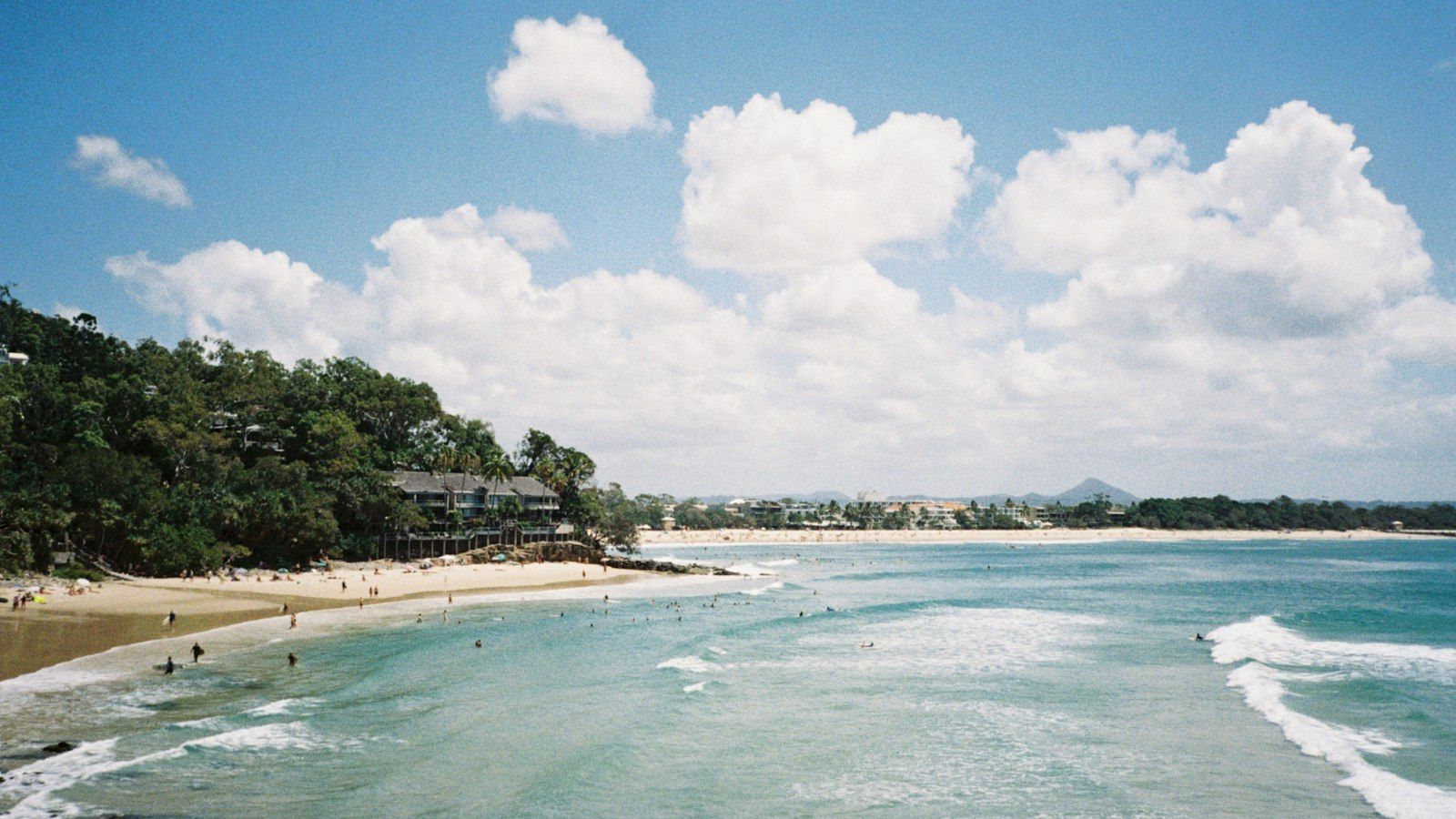
A Queensland beach town with a national park at the end of its main street, where koalas sit above the surf breaks, the river winds into wild Everglades and good coffee is everywhere.
- Best time to visit: September to November and April to May
- Daily budget (budget traveller): $85 to $290 USD
- Ideal trip length: 5 to 7 days
Noosa sits at the northern end of the Sunshine Coast, about two hours' drive north of Brisbane. It is only a small town, but it fits a lot in. Hastings Street has boutiques, gelato and beachfront cafés along a north-facing bay that stays calm most of the year. At the far end of the street, Noosa National Park starts. Its coastal track runs past rocky coves and right-hand point breaks, and you can often spot koalas in the gum trees. Inland, the Noosa River winds past Noosaville and Tewantin, then up through the lakes into the Noosa Everglades, one of the calmest paddling spots in Australia. The whole shire is a UNESCO Biosphere Reserve, and you can feel it: no high-rise skyline, plenty of bush and a strong local pride in keeping things that way. Noosa is not cheap, especially in the school holidays, but it suits solo travellers well. There are social hostels a short walk from the beach, flat-fare buses, free walking trails and a surf school on every second corner. It is safe, easy to get around and very relaxed.
Noosa is a small place with a big reputation. The shire has fewer than 60,000 residents, yet holidaying Queenslanders, Sydneysiders and international visitors have loved it for decades. The draw is the mix. You get a calm, north-facing town beach, a national park you can walk into from the main street, a slow river with ferries and paddleboards, and the Everglades just 30 minutes north. Locals fought off high-rise development long ago, so the town still feels low and green. Noosa is not a budget destination. A beachfront dinner can cost AU$60, and a holiday apartment in January can cost more than your flight. Still, a cheaper Noosa exists alongside the expensive one. It has hostel dorms near the beach, 50-cent buses, free coastal walks, fish and chips by the river and a surf lesson that costs less than a restaurant dinner. This guide shows you how to find it.
For a first visit, stay in Noosa Heads or Noosa Junction. From there you can walk to Main Beach, the national park, the bus interchange and the cheap supermarkets. Sunshine Beach suits surfers and anyone who wants a quieter village, and Noosaville suits a slower river-and-paddleboard pace. Spend your first days on foot. Walk the coastal track, take a surf lesson, and ride the ferry up the river to Tewantin. Then add the bigger days. Paddle the Everglades from Elanda Point, visit the Eumundi Markets on a Wednesday or Saturday, and take a 4WD trip up Teewah Beach. A hire car for a day or two makes the hinterland easy, but buses, tour pickups and the ferry cover most of the trip.
Timing matters. Queensland school holidays, especially from mid-December to late January, Easter and the late June to July break, fill every bed and every car park, and prices jump. Spring and autumn are the best seasons, with warm water, dry trails and space on the sand. Winter is underrated. Days are clear and sunny, the water is cool but swimmable in a wetsuit, and humpback whales migrate past the headland. Summer is hot and humid, with afternoon storms and the occasional swell from cyclones further north. Noosa is very safe, the locals are friendly, and it is easy to meet people in hostels, surf lessons and kayak groups. If you want big nightlife, head to the Gold Coast. If you want to start the day with a koala sighting and end it with a sunset swim, Noosa is the place.
Noosa itinerary
Arrive, Hastings Street and Main Beach
Morning: Fly into Sunshine Coast Airport (MCY) and take a Con-X-ion shuttle to Noosa (about 45 minutes), or come up from Brisbane. Drop your bags at a hostel in Noosa Heads or Noosa Junction.
Afternoon: Walk down to Hastings Street and swim between the flags at Noosa Main Beach. Get a gelato at Massimo's, then wander along the boardwalk towards the national park entrance.
Evening: Watch the sunset from Noosa Spit or Laguna Lookout. Dinner and a schooner on the deck at Noosa Heads Surf Club.
Noosa National Park coastal track
Morning: Start by 7am at the end of Park Road. Walk the coastal track past Tea Tree Bay, Granite Bay and Dolphin Point to Hell's Gates (roughly 5km return). Look up for koalas and out to sea for dolphins and turtles.
Afternoon: If you're feeling strong, continue past Alexandria Bay to Sunshine Beach (around 6 to 7km one way in total, so check the park signs). Swim between the flags at Sunshine Beach.
Evening: Sunset drinks and dinner at Sunshine Beach Surf Club, then bus 627 back to Noosa Junction for 50 cents.
Surf lesson and the river ferry
Morning: Take a two-hour group surf lesson at Main Beach (about AU$75 to AU$95). The small, peeling waves are perfect for beginners.
Afternoon: Catch the Noosa Ferry from the Hastings Street jetty with an all-day pass (about AU$30). Hop off in Noosaville, then ride on to Noosa Marina in Tewantin and the free Noosa Regional Gallery.
Evening: Fish and chips on the grass along Gympie Terrace in Noosaville as the sun drops over the river. Bus 626 back to Noosa Heads.
Kayak the Noosa Everglades
Morning: Pickup around 7:30am, or drive 30 minutes to the Elanda Point canoe launch near Boreen Point. A self-guided Kanu Kapers kayak day starts at about 8:30am, with a briefing and map.
Afternoon: Paddle across Lake Cootharaba to Kinaba, then up into the narrow, mirror-still river channels. Pack lunch, water, sunscreen and insect repellent.
Evening: Back in Noosa by late afternoon. Rinse off, then grab a cheap pub meal at the Noosa Reef Hotel and get an early night.
Eumundi Markets and the river by paddleboard
Morning: Go to the Eumundi Markets, which open on Wednesday and Saturday mornings, so swap days to fit. Get there by 8am for breakfast stalls, crafts and local produce. Check the Translink journey planner for buses, or share a ride from your hostel.
Afternoon: Back in Noosaville, hire a kayak or stand-up paddleboard on Gympie Terrace and paddle the calm channels around Noosa Sound and the Noosa Woods.
Evening: Take the BYO sunset cruise with Noosa Ferry & Cruise Co (around AU$35 to AU$45), or have a riverside beer at the Noosa Boathouse.
Noosa North Shore and Teewah Beach
Morning: Join a small-group 4WD tour from Noosa (roughly AU$150 to AU$250, so check what's included). Cross on the North Shore vehicle ferry from Tewantin and drive north along Teewah Beach.
Afternoon: Stop at the Teewah coloured sand cliffs and walk up to the Double Island Point lighthouse for views along the coast. Many tours continue to Rainbow Beach.
Evening: Back in Noosa Heads. Take a slow walk along Hastings Street, then a casual dinner in Noosa Junction.
Peregian Beach and Emu Mountain
Morning: If it's Sunday, start at the Noosa Farmers Market on Weyba Road. Otherwise, take bus 620 south to Peregian Beach for a swim between the flags and a coffee on the village green.
Afternoon: Lunch at Pitchfork in Peregian, then climb Emu Mountain, a short, steep walk with 360-degree views over the coast and Lake Weyba.
Evening: Either stay for the sunset on the summit and catch a late bus back, or pack up and take an afternoon shuttle to the airport. Check the shuttle times the day before.
Best neighbourhoods
- Noosa Heads (Hastings Street): The postcard part of town. Hastings Street runs alongside Noosa Main Beach, with surf schools, cafés, Massimo's gelato and the boardwalk into Noosa National Park. You pay for the location, but you won't need transport for most of your days.
- Noosa Junction: Noosa's real town centre, up the hill from Hastings Street. It has the bus interchange, supermarkets, cheaper eateries, a cinema and two of the main backpacker hostels. Main Beach is a 10 to 15-minute walk away.
- Noosaville: A relaxed riverside strip along Gympie Terrace, with kayak and paddleboard hire, fish and chips on the grass, river ferry stops and holiday units that cost less than the beachfront. It's popular with families and good for slow mornings.
- Sunshine Beach: A surf village on the open ocean side of the national park, with a patrolled beach, a surf club with sea views, a few good cafés and Noosa Flashpackers a short walk from the sand. You can walk back to Noosa Heads through the park.
- Peregian Beach: A smaller, quieter beach village about 20 minutes south, with a village green, a Sunday-morning feel every day of the week and Emu Mountain for sunset. It's a good choice if Hastings Street feels too busy.
Must-do experiences
- Walk the Noosa National Park coastal track: Start early from the end of Park Road and follow the coast past Tea Tree Bay, Granite Bay and Dolphin Point to Hell's Gates. Watch for koalas in the eucalypts, and for dolphins, turtles and, in season, humpback whales offshore. Entry is free.
- Take a surf lesson at Noosa Main Beach: The gentle, north-facing waves at Main Beach make it one of the easiest places in Australia to learn. Group lessons with schools such as Merrick's Learn to Surf usually cost about AU$75 to AU$95, so check current rates.
- Paddle the Noosa Everglades: Launch a kayak at Elanda Point near Boreen Point and paddle across Lake Cootharaba to Kinaba and the upper Noosa River. On a still morning, the tea-coloured water reflects the sky perfectly.
- Ride the Noosa River ferry: Noosa Ferry & Cruise Co runs timber ferries between Hastings Street, Noosaville and Noosa Marina in Tewantin, with live commentary. An adult all-day hop-on, hop-off ticket is about AU$30.
- Browse the Eumundi Markets: Head inland to the hinterland village of Eumundi on a Wednesday or Saturday morning for handmade crafts, local produce, live music and breakfast stalls under the fig trees.
- Drive the sand on Teewah Beach: Cross the Noosa North Shore ferry and join a 4WD tour north along Teewah Beach to see the coloured sand cliffs and Double Island Point. If you drive yourself, you need a Queensland Parks vehicle access permit.
- Climb Emu Mountain at sunset: A short, steep climb in the Peregian section of Noosa National Park leads to 360-degree views over the coast, Lake Weyba and the hinterland peaks. Take water and a torch for the walk down.
Hidden gems
- Tea Tree Bay, a sheltered cove about 15 minutes along the national park coastal track, where locals swim on calm mornings and surfers ride the point when the swell comes up
- Laguna Lookout on Noosa Hill, a short walk from Noosa Junction, with views over the river mouth, Noosa Sound and the North Shore sand
- The Noosa Farmers Market at the AFL grounds on Weyba Road, a Sunday-morning institution for local coffee, macadamias, sourdough and just-picked fruit
- Mount Tinbeerwah lookout behind Tewantin, a short walk to a rocky summit that looks out over the Noosa River, the lakes and the coast
- Noosa Regional Gallery on the riverbank in Tewantin, a small, free gallery with changing exhibitions and a river ferry stop nearby
Daily budget
- Accommodation: budget AU$40-80 / night (hostel dorm bed), mid-range AU$220-380 (boutique hotel or studio double), splurge AU$600+ (beachfront resort or Hastings Street apartment). Prices roughly double over Christmas, January and Easter, often with minimum stays. Halse Lodge, Nomads, Bounce and Noosa Flashpackers are the main hostels. Book well ahead for school holidays.
- Food: budget AU$45-70 / day (supermarket breakfast, takeaway lunch, cheap dinner), mid-range AU$100-160 (café breakfast, pub lunch, sit-down dinner), splurge AU$250+ (beachfront degustation, seafood platter). A coffee is about AU$5-6, fish and chips around AU$18-25, and a pub main AU$28-40. Cook in the hostel kitchen and shop at the Noosa Junction supermarkets to save money. Expect weekend surcharges at many restaurants.
- Transport: budget AU$1-10 / day (50-cent Translink buses, walking), mid-range AU$40-100 (river ferry day pass, e-bike hire, a few rideshares), splurge AU$150+ (daily hire car with fuel, private transfers). The Noosa Ferry all-day pass is about AU$30 for adults. Car hire usually costs AU$60-100 a day outside peak season, so check current rates. Expect a fare for the North Shore vehicle ferry, plus a vehicle access permit of around AU$15 a day if you drive on Teewah Beach.
- Activities: budget AU$0-30 / day (free national park walks, beaches, gallery), mid-range AU$80-210 (surf lesson, Everglades kayak day), splurge AU$300+ (Everglades cruise, private charter, K'gari day tour). Noosa National Park entry is free. Self-guided Everglades kayak days run from about AU$120 and guided days from about AU$200, plus around AU$40 for a Noosa pickup. Check current prices directly with the operator.
- Drinks & nightlife: budget AU$15-35 (bottle shop drinks + one schooner), mid-range AU$50-90 (surf club session, a couple of cocktails), splurge AU$150+ (sunset cruise, wine-bar evening). Expect to pay about AU$10-14 for a schooner at a pub or surf club. The BYO sunset cruise on the river is great value. Nightlife centres on Noosa Junction and the hostel bars, and things are quiet by midnight.
Where to stay
- Social hostel in Noosa Heads or Sunshine Beach (AU$40-80 / night (dorm bed)): YHA Noosa Heads Halse Lodge sits in a leafy colonial building a short walk from Main Beach and the national park. Noosa Flashpackers in Sunshine Beach adds free breakfast and surfboard use. Nomads and Bounce in Noosa Junction are the livelier options.
- Boutique hotel in Noosa Heads (AU$250-450 / night): Villa Noosa Hotel puts you in the Hastings Street area, a short walk from the beach, the cafés and the coastal track. It's a calm, stylish base without resort prices.
- Apartment in Noosa Heads (Junction side) or Noosaville (AU$180-320 / night): Self-contained units such as Chez Noosa Holiday Apartments give you a kitchen and laundry within walking distance of the supermarkets and buses. Riverside units in Noosaville cost less again and suit longer stays.
- Splurge in Hastings Street or Noosa Heads hills (AU$600-1,200+ / night): Netanya Noosa opens straight onto Main Beach, while RACV Noosa Resort offers pools, bush views and more space. Both are ideal for a few nights of doing very little.
What to eat
- Fish and chips on the grass at Noosaville: grab a paper parcel from a Gympie Terrace takeaway and eat it by the river at sunset, with the pelicans watching
- Queensland prawns and Moreton Bay bugs: sweet local seafood, best peeled cold with lemon or grilled with garlic butter at a riverside restaurant
- A flat white and banana bread: Noosa takes café culture seriously, and a morning coffee by the beach is a local ritual
- Macadamias and hinterland produce: buy nuts, honey, avocados and tropical fruit at the Noosa Farmers Market or at Eumundi
- A Sunday session at a surf club: a cold schooner and a steak or fish burger on the deck at Noosa Heads Surf Club or Sunshine Beach Surf Club
- Gelato on Hastings Street: Massimo's has been the after-beach stop for years, and the queue moves faster than it looks
Day trips
- Noosa Everglades (About 30 minutes north to Boreen Point and Elanda Point): Calm lakes and narrow, tannin-dark channels inside the Cooloola section of Great Sandy National Park. You can paddle past Kinaba towards the upper Noosa River, spot birds and stay overnight at riverside national park campsites if you have a permit. Drive to the Elanda Point canoe launch, or book a kayak day with Kanu Kapers, which offers a Noosa pickup for about AU$40 per person. Cruise operators also run full-day boat trips from Noosa, starting at about AU$165.
- Eumundi Markets and the hinterland (About 25 minutes inland from Noosa): One of Australia's best-known markets, with craft, produce, food and buskers under the fig trees. Add the hinterland towns of Cooroy and Pomona, or the views from Mount Tinbeerwah on the way back. The markets open on Wednesday and Saturday mornings. Drive, share a lift from your hostel, or check the Translink journey planner for bus connections from Noosa Junction.
- Teewah Beach and Double Island Point (Ferry from Tewantin, then about 50km of sand north): A beach highway past coloured sand cliffs to the Double Island Point headland and lighthouse, with chances to see dolphins, surf breaks and the wreck-strewn coast toward Rainbow Beach. Join a guided 4WD tour from Noosa, which avoids the permit and tide planning. If you drive yourself, you need a 4WD with sand experience, the North Shore ferry fare and a Cooloola vehicle access permit (about AU$15 a day online). Always plan around low tide.
When to visit
- Spring (September - November): 20-28°C, dry and sunny, sea warming to about 23°C. Crowds: Moderate, busy in the late September to early October school holidays. The sweet spot. Trails are dry, the water is warm enough to skip the wetsuit by November, and wildflowers bloom in the coastal heath. Avoid the school holiday fortnight if you can.
- Summer (December - February): 22-30°C, humid, afternoon storms, the wettest months. Crowds: Very heavy from Christmas to late January, quieter in February. Hot, lively and expensive. The free Go Noosa Loop bus runs over the peak, but parking is still hard. Watch for bluebottles on onshore winds and book your stay months ahead.
- Autumn (March - May): 18-28°C, early rain easing into clear, settled weeks. Crowds: Spike at Easter, otherwise low to moderate. The locals' pick after Easter. The water is still warm, the humidity drops and accommodation prices fall. March can still be wet, so pack a rain jacket.
- Winter (June - August): 11-22°C, dry, clear skies, cool mornings. Crowds: Busy in the late June to July holidays, otherwise calm. Perfect for walking and whale spotting from about July. The ocean is cool, so bring or hire a wetsuit. It's also good value outside the school break.
Entry rules for your passport
Visa rules for Australia depend on the passport you travel on. Check the official source before you book: Australian Department of Home Affairs
Getting there
The nearest airport is Sunshine Coast Airport (MCY) at Marcoola, about 30 to 45 minutes south of Noosa, with domestic flights from Sydney, Melbourne and other Australian cities. Con-X-ion shared shuttles run from MCY to Noosa from roughly AU$25 to AU$35, and a taxi or rideshare costs considerably more. International visitors usually land at Brisbane Airport (BNE), about 160km and two hours south. Con-X-ion runs regular door-to-door shuttles from BNE to Noosa, from roughly AU$50 to AU$90 one way depending on the booking. On a tighter budget, take Airtrain and Queensland Rail to Nambour or Cooroy and connect to a Translink bus, or take a long-distance coach from Brisbane city. Before you fly, check that you have the right authorisation. Many visitors use the Australian ETA app (subclass 601, about AU$20 service fee), and many Europeans can get a free eVisitor (subclass 651). Confirm on the official Department of Home Affairs website. Declare all food on arrival, as Australian biosecurity is strict and fines are steep.
Getting around
Noosa Heads, Noosa Junction and Noosaville are close together, and walking or cycling the riverside paths covers most short trips. Translink buses run every 15 minutes between Tewantin and Noosa Heads from about 7am to 6pm, with routes 626 and 627 continuing to Sunrise and Sunshine Beach and route 620 running south to Peregian and Maroochydore. Queensland's flat 50-cent fare has made buses very cheap, but check that it still applies when you travel. In peak holidays, Noosa Council runs the free Go Noosa Loop (route 065) around Noosa Drive, Weyba Road, Noosa Parade and Hastings Street, and it is scheduled from 9 December 2026 to 26 January 2027. The Noosa Ferry is slower but much more scenic. Uber and Suncoast Cabs operate locally. A hire car is useful for the Everglades, Eumundi and the hinterland, although many tours offer pickups. The Noosa North Shore vehicle ferry leaves Tewantin roughly every 10 minutes, and driving on Teewah Beach needs a 4WD and a Queensland Parks vehicle access permit.
Safety
Noosa is one of the safest places in Australia for solo travellers, and the main risks come from nature. Always swim between the red and yellow flags on patrolled beaches like Main Beach, Sunshine Beach and Peregian. Rips are common on the ocean beaches, and the national park coves have no lifeguards. Bluebottles wash in during onshore northeasterly winds. Queensland's UV is fierce all year, so slip, slop, slap, and avoid the midday sun in summer. Snakes live in the national park and the Everglades, so stay on the tracks and watch where you step. Leave nothing valuable in parked cars at the national park or beach car parks. On Teewah Beach, vehicles share the sand with walkers and campers, so stay alert. At night, Noosa Junction gets lively around the backpacker bars, so watch your drink and use a licensed taxi or rideshare if you are walking back late.
Solo travel tips
- Stay walkable, skip the car: Book a bed in Noosa Heads or Noosa Junction and you can walk to the beach, the national park, the supermarkets and the bus interchange. Only hire a car for the hinterland or Everglades days, and look for a tour pickup or a hostel ride share first.
- Book school holidays early, or avoid them: Over Christmas, January and Easter, Noosa doubles in size. Hostels sell out, apartments add minimum stays and Hastings Street parking is a lost cause. If your dates are flexible, aim for May, early June, or September to November outside the school breaks.
- Join a surf lesson or kayak group: A group lesson at Main Beach or a guided Everglades paddle puts you in a small group straight away. Hostel kayak and sunset trips do the same. It is the fastest way to find company for dinner.
- Walk the national park early: By 10am the coastal track is busy and the car park is full. Start around 7am for cooler air, better light, more koala sightings and the calmest water at Tea Tree Bay. Carry water, as there is none past the entrance.
- Respect the flags: Noosa Main Beach is gentle, but the ocean beaches have strong rips, and the coves in the national park are unpatrolled. Swim between the red and yellow flags, ask the lifesavers about conditions, and never swim alone at dusk.
- Eat like a local: Use the hostel kitchen for breakfast, grab fish and chips for the river at sunset, and go to the surf clubs for good-value pub meals with a view. Save restaurant dinners for one or two nights.
Cultural etiquette
- Noosa is Kabi Kabi Country. You will often hear an Acknowledgement of Country at events, and it's worth learning the name of the traditional owners of the land you're walking on.
- Swim between the flags and listen to the lifesavers. Ignoring them is both dangerous and seen as disrespectful to the volunteers.
- Surf etiquette matters at the national park points. Don't drop in on someone already riding a wave, wait your turn in the line-up, and beginners should stick to Main Beach.
- Keep to marked tracks in the national park, take your rubbish home, and never feed wildlife or touch koalas. Drones are restricted in national parks without a permit.
- Dress is casual, but put a shirt and shoes on for cafés and shops away from the beach. Pubs and surf clubs may enforce a basic dress code at night.
- Tipping isn't expected. Rounding up or leaving about 10% for great table service is appreciated but optional.
- Say g'day and chat. Australians are informal and friendly, and first names are the norm from the start.
Frequently asked questions
How do I get to Noosa from the airport?
Sunshine Coast Airport (MCY) is the closest, about 30 to 45 minutes away. Con-X-ion runs shared door-to-door shuttles, and fares start at roughly AU$25 to AU$35. From Brisbane Airport (BNE), about 160km south, the Con-X-ion shuttle takes around two hours and costs roughly AU$50 to AU$90 one way. You can also take Airtrain and Queensland Rail to Nambour or Cooroy, then a Translink bus. Check current fares before you book.
How many days do I need in Noosa?
Five days covers the national park, a surf lesson, the river and a day in the Everglades. With seven days you can add Eumundi Markets, a 4WD day on Teewah Beach and a slower day at Peregian. A long weekend works if you stay near Hastings Street and focus on the beach and the coastal track.
When is the best time to visit Noosa?
September to November and April to May bring warm, settled weather, comfortable water and fewer crowds outside the school holidays. Winter, from June to August, is dry and sunny with cool mornings, and whales pass offshore from about July. December to February is hot, humid and stormy, and Noosa is at its busiest and priciest over Christmas and January.
Do I need a car in Noosa?
No, not for the main areas. Walking, cheap Translink buses, the river ferry and bikes cover Noosa Heads, Noosaville, Sunshine Beach and Peregian. A car helps for the Everglades, Eumundi and the hinterland, but kayak operators such as Kanu Kapers offer pickups from Noosa for an extra fee, and Teewah Beach is easiest on a guided 4WD tour.
Is it safe to swim at Noosa's beaches?
Yes, as long as you swim between the red and yellow flags on patrolled beaches. Noosa Main Beach is sheltered and usually gentle. The ocean beaches at Sunshine and Peregian can have strong rips. The national park coves and Alexandria Bay are not patrolled, so only swim there if you are confident and conditions are calm.
Can I pay by card everywhere?
Almost everywhere. Australia is close to cashless, and contactless cards and phones work in cafés, shops, taxis and most market stalls. Some places add a small card surcharge, and many restaurants add a weekend or public holiday surcharge. A little cash is still handy for a few market stalls.
Is Noosa good for solo female travellers?
Yes. Noosa is relaxed, well lit around the main areas and used to solo visitors. The usual precautions apply. Stick to patrolled beaches, avoid walking isolated national park tracks at dusk, keep an eye on your drink in Noosa Junction bars, and use a taxi or rideshare late at night.
What entry rules apply to travellers visiting Australia in 2026?
Almost all visitors need permission to travel before they fly. Many passport holders can apply for an Electronic Travel Authority (subclass 601) through the official Australian ETA app, which has a service fee of about AU$20. Many European passport holders can apply for a free eVisitor (subclass 651) online. New Zealand citizens are generally granted a visa on arrival. Australia also has strict biosecurity rules, so declare all food, plants and animal products. Rules and fees can change, so always confirm on the official Department of Home Affairs website before you book.
Tours and activities in Noosa | Noosa in 2 days | Noosa in 3 days | Noosa in 4 days | Noosa in 5 days | Noosa in 7 days
Can't decide? Compare Noosa with...
Joy Plus home | Destinations | Itineraries | Activities | Flights | Budget planner | Calendar | Map | Blog | Lifetime access