Destinations / Asia
Nusa Dua, Indonesia travel guide
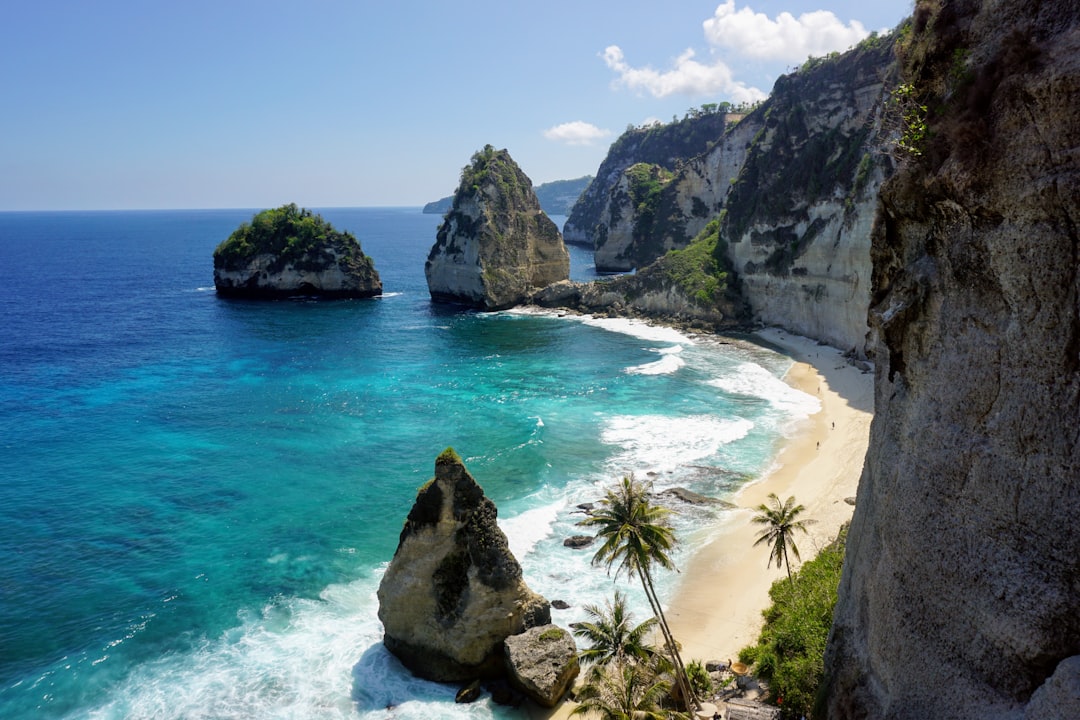
Bali's manicured resort enclave, with the island's calmest water.
- Best time to visit: April-October
- Daily budget (budget traveller): $70 to $300 USD
- Ideal trip length: 4 to 6 days
Nusa Dua was built on purpose in the 1970s as a gated resort zone, and it shows: wide boulevards, clipped lawns, security gates and reef-protected beaches with no waves. Purists roll their eyes, but if you want calm swimming water, reliable service and Bali's best family beaches, this is where they are.
Nusa Dua was drawn up by planners in the 1970s as a gated resort district, and it shows: dead-straight boulevards, clipped lawns, security barriers and a beach with no real surf. The reef sits so far out that the water inside it is flat and warm, which is why every five-star chain on the island built here. Purists call it Bali with the Bali removed. They are half right. You will not find rice terraces or beach-club chaos, but you will find the calmest swimming on the island, an 8km beachfront promenade that is ideal at 6am, and service that rarely misses.
The trick is treating it as a base, not a destination. Inside the gates you get Bali Collection for dinner, Water Blow for a free spray of Indian Ocean, Puja Mandala for five places of worship on one plot, and the Pasifika Museum for a rainy afternoon. Outside the gates the real island starts: Geger Beach with its seaweed farmers and warungs, Tanjung Benoa's watersports strip, Jimbaran's seafood tables on the sand, and the Bukit peninsula's cliff temples and carved-limestone beaches about 45 minutes south. Ubud is a long 90 minutes to 2 hours away, so a night there beats a double commute.
Know two things before you book. First, the reef flat exposes at low tide, so the main beach turns to wading and you will want reef shoes and a tide chart. Second, hotel prices are quoted before 21 percent tax and service, so a 'cheap' room is rarely cheap. Eat a few meals outside the resorts and the bill drops hard: a warung lunch on the Geger road is IDR 40,000 to 70,000, while a resort lunch is ten times that. Nusa Dua suits families, honeymooners, golfers and anyone who wants to recover from the rest of Bali in clean water. It does not suit anyone chasing nightlife.
How many days in Nusa Dua?
For Nusa Dua, we recommend 4 to 6 days. With more time, add a day trip to Ubud and Tegallalang or Nusa Lembongan.
| Trip length | What you'll see | Itinerary |
|---|---|---|
| 2 days | First swim; Promenade, Water Blow and Pasifika | Nusa Dua in 2 days |
| 3 days | Adds: Tanjung Benoa watersports and a cooking class | Nusa Dua in 3 days |
| 4 days · Recommended | Adds: The Bukit loop: Pandawa, GWK, Uluwatu | Nusa Dua in 4 days |
| 5 days · Recommended | Adds: Denpasar and Sanur food run | Nusa Dua in 5 days |
| 7 days | Adds: Geger Beach, Sawangan and Jimbaran dinner; Puja Mandala | Nusa Dua in 7 days |
Nusa Dua itinerary
Land, settle, first swim
Morning: Land at DPS, clear immigration (pay the IDR 150,000 Bali tourist levy online beforehand), and ride Grab or the fixed-price taxi to your hotel via the toll road. Drop bags and eat breakfast on property.
Afternoon: Check the tide chart, then swim at high tide off the main beach. At low tide walk the promenade to Mengiat Beach instead. Cool off with a young coconut for about IDR 20,000 on the path.
Evening: Shuttle to Bali Collection for an easy open-air dinner and a walk. Early night, tomorrow starts at sunrise.
Promenade, Water Blow and Pasifika
Morning: Walk the beachfront promenade at 6am before the heat, past fishermen and joggers. Hotel breakfast, then a slow hour at the pool.
Afternoon: Water Blow at 2 to 4pm on a rising tide (free, parking about IDR 5,000). Stand back from the spray. Then the Pasifika Museum, an air-con collection of Pacific and Balinese art, entry about IDR 150,000.
Evening: Dinner at Bali Collection or a hotel beach grill. Walk it off on the sand.
Tanjung Benoa watersports and a cooking class
Morning: Grab to Tanjung Benoa by 8:30am, when the sea is calmest. Book parasailing, jet ski or a banana boat from a package booth on Jl. Pratama, from about IDR 600,000. Haggle, but compare 2 to 3 stalls first.
Afternoon: Visit the small Caow Eng Bio Chinese temple on the point, then lunch at Bumbu Bali. Balinese cooking classes here start around IDR 700,000.
Evening: Back to the resort for sunset drinks. Eat light after the cooking class.
The Bukit loop: Pandawa, GWK, Uluwatu
Morning: Hire a driver for the day (IDR 800,000 to 1,000,000). Pandawa Beach first, down the carved limestone cutting. Entry is about IDR 15,000 and the sand is quiet before 11am.
Afternoon: Garuda Wisnu Kencana Cultural Park for the giant statue, about IDR 150,000. Then drive to Uluwatu Temple for 4pm, when the light is soft. Entry is IDR 100,000, a sarong is lent at the gate, and the monkeys will take sunglasses.
Evening: Kecak fire dance at 6pm (about IDR 150,000, arrive by 5pm for good seats). Arrange the driver to wait, as Grab pickups here are often blocked.
Denpasar and Sanur food run
Morning: Grab to Sanur and eat fried fish and soup at Warung Mak Beng, a Sanur institution with a one-dish menu. Walk the Sanur beach path.
Afternoon: Head into Denpasar for Pasar Badung market, then babi guling (suckling pig) at a local warung such as Pak Malen. Expect IDR 40,000 to 60,000 a plate.
Evening: Pasar Sindhu night food stalls in Sanur, then Grab back to Nusa Dua.
Geger Beach, Sawangan and Jimbaran dinner
Morning: Geger Beach at low tide to watch the seaweed farmers work the flats. Warung breakfast on the sand, loungers about IDR 50,000.
Afternoon: Spa treatment (IDR 350,000 to 600,000 for a Balinese massage outside the resorts, 3 times that inside). Then ride the lift down to Sawangan Beach for a quiet swim.
Evening: Grab to Jimbaran Bay for grilled snapper and prawns at a table on the sand, around IDR 300,000 to 500,000 per person. Menega Cafe is a classic.
Puja Mandala and depart
Morning: Visit Puja Mandala, five places of worship for five religions on a single plot, free and quiet before 10am. Dress modestly.
Afternoon: Last swim at high tide, then lunch at a Geger warung. Leave for the airport 3 hours before an international flight.
Evening: Grab or hotel transfer to DPS, 20 to 30 minutes outside rush hour. Allow 45 minutes between 4 and 7pm.
Best neighbourhoods
- Nusa Dua resort zone: The gated enclave: five-star resorts, the Bali Collection mall, golf and clean beaches.
- Tanjung Benoa: Just north, cheaper hotels and the watersports strip for jet skis and parasailing.
- Geger Beach: The southern beach outside the gates, with warungs, seaweed farms and cheaper loungers.
- Sawangan: Clifftop hotels above a long, quiet beach reached by lift or steps.
- Jimbaran: Fifteen minutes west, the seafood beach and a more local feel for dinner.
Must-do experiences
- Water Blow: Watch surf explode through a limestone channel on the peninsula walk.
- Geger Beach afternoon: Swim the calm reef flat and eat grilled fish at a warung on the sand.
- Uluwatu Temple kecak: Drive about 45 minutes for the cliff temple and the fire-lit chant at sunset.
- Pandawa Beach: Descend the carved limestone cutting to a wide bay with kayaks and loungers.
Hidden gems
- The 8km beachfront promenade linking every resort, best walked at 6am
- Nyang Nyang beach, a steep 20-minute descent to near-empty sand
- Puja Mandala, five places of worship for five religions on one plot
- Bali Nusa Dua's seaweed farmers at low tide off Geger, still working the flats
Daily budget
- Accommodation: budget IDR 350,000-600,000 / night (guesthouse or dorm, Tanjung Benoa), mid-range IDR 1,500,000-3,000,000 (Mercure, Courtyard by Marriott, Swiss-Belhotel Segara), splurge IDR 6,000,000+ (The St. Regis Bali, The Mulia, Apurva Kempinski). Resort rates add around 21 percent tax and service. Tanjung Benoa is the best value if you can live without the gates.
- Food: budget IDR 150,000-250,000 / day (warungs on the Geger road, nasi campur), mid-range IDR 500,000-900,000 (one sit-down dinner at Bumbu Bali or Jimbaran), splurge IDR 1,500,000+ (CUT by Wolfgang Puck, Kayuputi at The St. Regis). Resort restaurants run 5 to 10 times warung prices. Eat lunch outside the gates and splurge at dinner.
- Transport: budget IDR 100,000-200,000 / day (free resort shuttles + short Grab hops), mid-range IDR 300,000-500,000 (Grab or Blue Bird for two day trips), splurge IDR 800,000-1,000,000 (private driver for 8 to 10 hours). A scooter is about IDR 100,000 a day but the Bypass is chaotic. A driver for Uluwatu and the Bukit is better value than three separate taxis.
- Activities: budget IDR 100,000-250,000 / day (Water Blow, Puja Mandala, Pandawa, Geger Beach are free or nearly), mid-range IDR 400,000-800,000 (Uluwatu entry + kecak, GWK, one watersport), splurge IDR 1,500,000+ (private catamaran, spa day, cooking class with market tour). Uluwatu Temple is IDR 100,000 and the kecak show about IDR 150,000. Tanjung Benoa watersports packages start around IDR 600,000.
- Drinks & nightlife: budget IDR 50,000-100,000 (Bintang at a beach warung, kelapa muda), mid-range IDR 250,000-500,000 (sunset cocktails, a Jimbaran dinner with drinks), splurge IDR 1,000,000+ (cliff bar at a luxury resort, a late night in Seminyak). Nusa Dua itself goes quiet by 10pm. For a real night out, Grab 40 minutes to Seminyak or Uluwatu and budget a return ride.
Where to stay
- Social hostel in Tanjung Benoa (IDR 350,000-600,000 / night): Hostels are rare in Nusa Dua itself. Guesthouses and budget rooms along Jl. Pratama are 10 minutes from the gates, close to watersports and cheap warungs. For a proper dorm scene, base in Kuta or Uluwatu instead.
- Boutique hotel in Nusa Dua / Sawangan (IDR 1,500,000-3,000,000 / night): Mercure Bali Nusa Dua and Courtyard by Marriott offer calmer, mid-size stays with pools and walkable beach access, without the full five-star bill.
- Apartment in Geger / Bualu (IDR 900,000-2,000,000 / night): Villas and guesthouses on the Bukit side with kitchens and private pools. Best value for stays of 5 nights or more, and you eat at local warungs.
- Splurge in Nusa Dua beachfront / Sawangan cliff (IDR 6,000,000-15,000,000 / night): The St. Regis Bali, The Mulia or Apurva Kempinski: private beaches, huge pools, butler service, and standout restaurants like Kayuputi and CUT by Wolfgang Puck.
What to eat
- Grilled snapper on Jimbaran beach at sunset, priced by weight
- Nasi campur at a warung on the Geger road for a couple of dollars
- Babi guling, Balinese suckling pig, on a run into Denpasar
- Fresh young coconut on the beach path for a dollar
Day trips
- Uluwatu and the Bukit cliffs (About 45 min by car): Uluwatu Temple on its cliff, the 6pm kecak fire dance, then sunset at one of the clifftop bars. Combine with Pandawa Beach and GWK Cultural Park on the same loop. Private driver IDR 800,000 to 1,000,000 for the day. Grab one way is IDR 150,000 to 250,000, but returning at night is hard, so book your driver to wait.
- Ubud and Tegallalang (1h30 to 2h by car): Rice terraces, the Monkey Forest, Tirta Empul water temple and the art-market streets. Much better as an overnight than a rushed round trip. Private driver IDR 900,000 to 1,100,000. Leave by 7:30am to beat tour buses. Entry to Monkey Forest is about IDR 100,000, Tegallalang about IDR 15,000.
- Nusa Lembongan (25 min to Sanur + 30 to 45 min by boat): A small island with mangroves, snorkelling, and Devil's Tears cliffs. Easier and quieter than Nusa Penida for a day. Grab to Sanur Beach, then fast boat with Eka Jaya or Maruti Express, around IDR 300,000 to 450,000 return. Check sea conditions the night before.
When to visit
- Early dry season (April - June): 27-31°C, sunny, low humidity, rare showers. Crowds: Moderate, rates still reasonable. The best window. Calm blue water, green hills after the rains, and prices before the July surge.
- Peak dry season (July - August): 26-30°C, dry, breezy evenings. Crowds: Heavy, Australian and European school holidays. Gorgeous weather but the busiest and most expensive stretch. Book resorts months ahead and expect packed Uluwatu sunsets.
- Late dry season (September - October): 27-31°C, dry, warm sea. Crowds: Moderate, easing after mid-September. The sweet spot for locals and repeat visitors. Same sun as August, shorter queues and softer room rates.
- Wet season (November - March): 26-31°C, humid, afternoon downpours, wettest in January and February. Crowds: Low, except Christmas and New Year. Resort rates fall 30-40 percent and the beaches empty out. Expect storms, some debris on the sand, and Nyepi (8 March in 2027), when the whole island and the airport shut for 24 hours.
Entry rules for your passport
Visa rules for Indonesia depend on the passport you travel on. Check the official source before you book: Indonesia Directorate General of Immigration
Getting there
Ngurah Rai International Airport (DPS) is about 13km from Nusa Dua, 20 to 30 minutes across the Bali Mandara toll road, up to 45 minutes at rush hour. Official airport taxis from the counter cost IDR 200,000 to 300,000. Grab or Gojek is a little cheaper (IDR 150,000 to 200,000), but pickups are zoned, so follow the signs to the designated app pickup point rather than the arrivals kerb. Most resorts arrange transfers for $20 to $30. The toll is about IDR 15,000 and your driver pays it, then adds it to the fare. Before landing, pay the IDR 150,000 Bali tourist levy on the Love Bali site and complete the customs form online. Visa on arrival is IDR 500,000 for 30 days. Fast boats from Nusa Lembongan and Penida arrive at Sanur, about 25 minutes by Grab from Nusa Dua.
Getting around
Free or cheap resort shuttles loop to Bali Collection. Grab and Gojek work here, though pickups are blocked at some hotel gates, so walk out to the road. Metered Blue Bird taxis are reliable. Ngurah Rai airport is 20 to 30 minutes away, longer at rush hour. Scooter hire runs $6 a day but heavy traffic on the Bypass makes it less appealing than in north Bali.
Safety
Nusa Dua is the safest, most policed part of Bali, with low crime inside the enclave. The usual Bali advice still holds: use registered taxis or apps, avoid unlicensed money changers, and be careful with scooters on the Bypass where accidents are common. The reef flat exposes at low tide so wear reef shoes, and jellyfish appear seasonally. Stick to bottled water.
Solo travel tips
- Split your stay: Nusa Dua is built for couples and families. Do 2 to 3 nights here for the calm water, then move to Uluwatu or Canggu, where hostels, surf schools and beach clubs make meeting people easy.
- Meet people on a class or a tour: A cooking class at Bumbu Bali, a Tanjung Benoa watersports package or a shared Bukit tour puts you with other travellers in the first hour. Solos split costs on a driver and fill empty seats happily.
- Walk out of the gate for Grab: Many resort gates block app pickups. Walk 200m to the main road, drop your pin there, and you will usually save IDR 30,000 to 50,000 over the hotel's taxi desk.
- Solo female travellers: Nusa Dua is the safest, most policed part of Bali. Standard rules apply: use Blue Bird or Grab at night, watch your drink on the Kuta and Seminyak side, and cover shoulders and knees for temples.
- Eat where the staff eat: The warungs on the Geger road and around the staff gates serve nasi campur and mie goreng for IDR 25,000 to 50,000. Sit at the shared table and you will end up talking to the cook.
- Respect the tide: At low tide the reef flat is a walkway, not a swimming pool. Use the time for a promenade walk or Geger's seaweed farms, and wear reef shoes to avoid urchins and cuts. Swimming alone off the reef edge is not advised.
Cultural etiquette
- Cover shoulders and knees at temples. A sarong and sash are lent or rented at the gate at Uluwatu, and Puja Mandala also expects modest dress.
- Don't step on canang sari, the small palm-leaf offerings on pavements and doorsteps. Walk around them and never kick them.
- Use your right hand to pay, receive and eat. Keep your feet off tables and do not point them at shrines or people.
- Nyepi, the Day of Silence (8 March in 2027), shuts the island for 24 hours: no flights, no going out, no lights visible from outside. Plan to stay in your resort.
- Stay seated and quiet during the kecak performance, and skip flash photography. At temples, don't climb shrines or pose where people are praying.
- Bargain politely at markets and with watersports stalls, but not in warungs, fixed-price shops or with Blue Bird taxis, which use meters.
- Learn two phrases: terima kasih (thank you) and Om swastiastu (Balinese greeting). A smile and a greeting open far more doors than haggling.
Frequently asked questions
How many days do you need in Nusa Dua?
Four to six days suits most people, mixing beach time with day trips to Uluwatu, Pandawa and Jimbaran. If Nusa Dua is your base for the whole Bali trip, add a night or two in Ubud rather than driving two hours each way for temples and rice terraces.
Is Nusa Dua better than Seminyak or Canggu?
It depends what you want. Nusa Dua has the calmest swimming water, cleanest beaches and best family resorts, but it is quiet and self-contained. Seminyak has the restaurants and beach clubs, Canggu the surf and cafés. Families and honeymooners favour Nusa Dua; anyone wanting nightlife should look elsewhere.
Is Nusa Dua good for families?
Very. The reef protects the beaches so there is almost no surf, the sand is clean and raked, resorts have kids' clubs and shallow pools, and the whole zone is gated and walkable. The main downsides are the drive to anything outside and the price of the on-site restaurants.
How far is Nusa Dua from Bali airport?
About 13km, or 20 to 30 minutes on the toll road across the bay, stretching to 45 minutes at rush hour. Airport taxis cost 200,000-300,000 rupiah, Grab a little less, and most resorts offer transfers for $20 to $30. It is the closest resort area to the airport, which suits short trips.
Can you swim at Nusa Dua beaches?
Yes, better than almost anywhere else in Bali. The offshore reef flattens the swell, so water is calm and shallow. The catch is low tide, when the reef flat exposes and swimming becomes wading. Check the tide chart, wear reef shoes, and use Geger or Sawangan when the main beach draws out.
Is Nusa Dua expensive?
It is Bali's priciest area for accommodation, with five-star resorts at $150 to $500 and mid-range hotels in Tanjung Benoa at $50 to $90. Resort meals cost $20 to $40, but a warung on the Geger road is $3 to $5. Budget $120 to $200 a day comfortably, less if you eat outside the gates.
When is the best time to visit Nusa Dua?
April to October is the dry season with sunshine and calm seas, with July, August and Christmas the busiest and most expensive. November to March brings afternoon downpours, humidity and occasional seaweed or debris washing up, but hotel rates drop by 30-40 percent and the beaches are quiet.
Do I need a visa for Indonesia?
Most visitors, including those from EU states, the UK, the US and Australia, need a visa on arrival: IDR 500,000 (about US$30) for 30 days, extendable once, paid at the airport or in advance as an e-VOA on the official site, evisa.imigrasi.go.id. Every arrival must also complete the free All Indonesia arrival card on allindonesia.imigrasi.go.id before landing. Bali also charges foreign visitors a tourist levy of IDR 150,000, paid on lovebali.baliprov.go.id.
More about Nusa Dua
- Solo Travel Southeast Asia Itinerary 2026: 2, 3 and 4 Week Overland Routes
- Best Coworking Spaces in Bali 2026: Prices, Areas and Visas
Tours and activities in Nusa Dua | Nusa Dua in 2 days | Nusa Dua in 3 days | Nusa Dua in 4 days | Nusa Dua in 5 days | Nusa Dua in 7 days
Can't decide? Compare Nusa Dua with...
Joy Plus home | Destinations | Itineraries | Activities | Flights | Budget planner | Calendar | Map | Blog | Lifetime access