Destinations / North America
Olympic National Park, United States travel guide
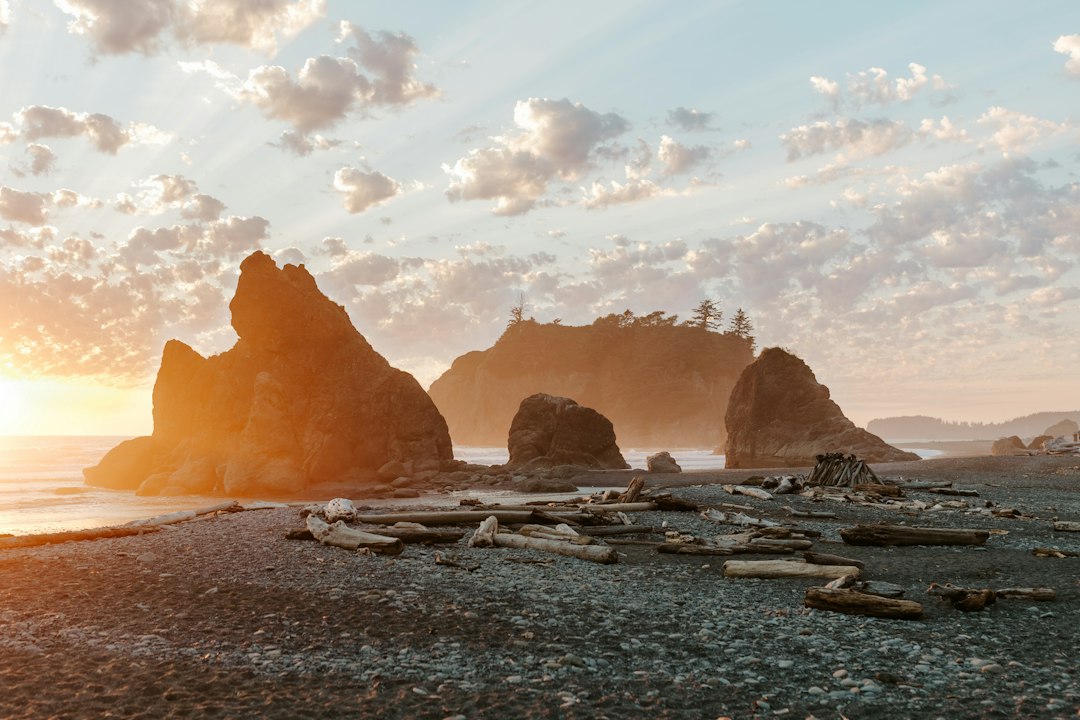
Rainforest, glacier peaks and wild Pacific beaches in one enormous park.
- Best time to visit: June to September
- Daily budget (budget traveller): $120 to $220 USD
- Ideal trip length: 3 to 4 days
Olympic National Park is three parks in one: the moss-draped Hoh Rainforest, the glaciated Olympic Mountains, and 70 miles of roadless Pacific coastline. It's one of the most diverse national parks in America, and big enough that crowds thin out quickly beyond the main sights. The catch is logistics: everything radiates off Highway 101, there are no roads through the interior, and the 'big three' (Hurricane Ridge, Hoh, Rialto Beach) sit hours apart. Solo travelers with a car and a plan have an unbeatable time here.
Olympic National Park is three parks wearing one badge: a temperate rainforest that gets 12 feet of rain a year, a glaciated mountain core you can reach in 45 minutes from a seaside town, and 73 miles of wild Pacific coast strewn with sea stacks and driftwood. Nothing crosses the middle. A single road, US-101, loops the edge of the park, and every trailhead is a spur off it. That is why the park feels bigger than its map suggests, and why it stays quieter than Yosemite or Zion despite having the scenery to compete.
Plan around driving time, not distance. Port Angeles to Hurricane Ridge is 45 minutes of switchbacks. Port Angeles to the Hoh Rain Forest is about 2 hours. Forks to Rialto Beach is 25 minutes, and Kalaloch to Ruby Beach is 20. Trying to cover the park from one bed means 4 hours in the car every day. Split your stay: two nights on the north side (Port Angeles or Lake Crescent), two or three on the west side (Forks, La Push or Kalaloch), and keep one flexible day for weather or tides.
The entry fee is $30 per vehicle for 7 days, there is no timed-entry system, and almost everything worth doing is cheap or free. What you pay for is the car, the fuel and the lodging, which is thin and books out months ahead for July and August. A solo traveller here does well with three habits: arrive early (the Hoh lot fills by 10am in summer), read the tide table before every beach hike, and download offline maps before leaving Port Angeles, because cell signal is rare inside the park.
How many days in Olympic National Park?
For Olympic National Park, we recommend 3 to 4 days. With more time, add a day trip to Port Townsend or Dungeness Spit and Sequim.
| Trip length | What you'll see | Itinerary |
|---|---|---|
| 2 days | Seattle to Port Angeles; Hurricane Ridge | Olympic National Park in 2 days |
| 3 days · Recommended | Adds: Ferry | Olympic National Park in 3 days |
| 4 days · Recommended | Seattle to Port Angeles; Hurricane Ridge; Lake Crescent and Sol Duc; Rialto Beach and La Push | Olympic National Park in 4 days |
| 5 days | Seattle to Port Angeles; Hurricane Ridge; Lake Crescent and Sol Duc; Hoh Rain Forest and the southern coast; Cape Flattery and the Strait coast | Olympic National Park in 5 days |
| 7 days | Adds: Rialto Beach and La Push; Ferry | Olympic National Park in 7 days |
Olympic National Park itinerary
Seattle to Port Angeles
Morning: Pick up your rental at SEA and take the Bainbridge ferry from Colman Dock (35 min). Drive Highway 305 to 104 over the Hood Canal Bridge, then 101 west.
Afternoon: Pancake lunch at Oak Table Cafe in Sequim. Walk the Dungeness Spit if tides and time allow, or go straight to the Port Angeles waterfront and the Olympic National Park Visitor Center to pick up paper maps.
Evening: Dinner at Next Door Gastropub. Pick up groceries at Safeway for tomorrow's picnic. Early night.
Hurricane Ridge
Morning: Leave at 7am for Hurricane Ridge, a 17-mile climb with the fee station at Heart O' the Hills. Hike Hurricane Hill (3.2 miles round trip) for 360 degree views to Canada and the Olympic spine.
Afternoon: Picnic with the marmots. Drop back to town for the Olympic Discovery Trail along the waterfront, and a coffee on Front Street.
Evening: Dinner at Toga's Soup House or Michael's Seafood. A beer at Barhop Brewing.
Lake Crescent and Sol Duc
Morning: Marymere Falls (1.8 miles round trip) from Lake Crescent Lodge, then the Spruce Railroad Trail toward Devil's Punchbowl for a cold swim. Or climb Mount Storm King (4 miles, 2,000 feet) if you want a hard morning.
Afternoon: Drive Sol Duc Road to Sol Duc Falls (1.6 miles round trip). Soak at Sol Duc Hot Springs Resort afterwards, about $20.
Evening: Drive 1h15 to Forks. Burger at a local drive-in, check the tide table for tomorrow.
Rialto Beach and La Push
Morning: Rialto Beach at low tide, walking to Hole-in-the-Wall (about 3.3 miles round trip). Start 2 hours before low and you will have the tide pools to yourself.
Afternoon: Second Beach in La Push (about 0.7 miles each way through forest). Stay for the sea stacks and driftwood. Look for eagles overhead.
Evening: Dinner in Forks, then sunset at Rialto or Third Beach if the sky clears.
Hoh Rain Forest and the southern coast
Morning: Be at the Hoh entrance before 9am. Walk the Hall of Mosses (0.8 miles) and the Spruce Nature Trail (1.2 miles), then continue up the Hoh River Trail for a few miles of quiet.
Afternoon: Drive 45 min south to Ruby Beach, then Beach 4 for tide pools. Check in at Kalaloch if you booked there.
Evening: Dinner at Creekside at Kalaloch Lodge, or a picnic on the bluff. Join the ranger program if it is running.
Cape Flattery and the Strait coast
Morning: Drive to Neah Bay (about 1h30). Buy the $20 Makah Recreation Pass at Washburn's General Store, then walk the 1.5 mile boardwalk trail to Cape Flattery, the northwestern tip of the contiguous US.
Afternoon: Makah Cultural and Research Center (about $10). Smoked salmon from a local stand. Drive Highway 112 east to Salt Creek Recreation Area for tide pools at Tongue Point.
Evening: Overnight in Port Angeles. Dinner at Bella Italia or a seafood plate at City Pier.
Slow morning, ferry, depart
Morning: Saturday farmers market in Port Angeles if your dates line up. Coffee and a last walk on Ediz Hook for views of Victoria across the strait.
Afternoon: Drive to Seattle via Kingston or Bainbridge ferry (allow 3 hours plus the crossing, longer on summer Sundays).
Evening: Return the car at SEA, or stay in Seattle for a final night.
Best neighbourhoods
- Port Angeles: The main gateway and best base for Hurricane Ridge, with the most lodging and food options.
- Forks: The west-side hub for the Hoh Rainforest and La Push beaches, small but functional.
- Lake Crescent: Glacial-blue lake with a historic lodge, kayaking and the Mount Storm King trail.
- Kalaloch: Oceanfront lodge and campground on the southern coast, steps from sunset beaches.
Must-do experiences
- Hurricane Ridge: A 17-mile climb from Port Angeles to alpine meadows with marmots and views into the Olympic spine.
- Hoh Rainforest Hall of Mosses: A short loop through one of the world's only temperate rainforests, dripping in club moss.
- Rialto Beach and Hole-in-the-Wall: Sea stacks, tide pools and driftwood giants; time it for low tide and sunset.
- Mount Storm King: A steep, rope-assisted climb over Lake Crescent with the park's best photo op.
- Sol Duc Falls: An easy forest walk to a three-channeled waterfall, with hot springs nearby.
Hidden gems
- Ruby Beach at low tide, the most photogenic of the sea stack beaches
- Marymere Falls from the Lake Crescent lodge, an easy 90-foot cascade
- The Spruce Railroad Trail along Lake Crescent to the Devil's Punchbowl swim spot
- Shi Shi Beach for those willing to hike 8.8 miles round trip to the wild coast's crown jewel
Daily budget
- Accommodation: budget $24-28 / night (campsite at Fairholme, Sol Duc or Kalaloch), mid-range $160-250 (Port Angeles or Forks hotel, Lake Crescent cabin), splurge $300-500 (Kalaloch Lodge oceanfront cabin, Lake Quinault Lodge). Park lodges and campgrounds book on recreation.gov and through the concessionaire months ahead. Forks and Port Angeles motels are the fallback, still $140+ in July.
- Food: budget $30-45 / day (Safeway picnic lunches, one diner meal), mid-range $60-90 (Toga's or Next Door Gastropub dinner), splurge $130+ (Creekside at Kalaloch Lodge, Michael's Seafood in Port Angeles). Stock up in Port Angeles or Forks. Inside the park there are only a few lodge dining rooms and small camp stores.
- Transport: budget $60-80 / day (compact rental plus gas, split with a friend if you can), mid-range $90-140 (SUV rental, ferry, gas), splurge $250+ (private driver or guide with pickup). A car is mandatory. Gas is about $4.30/gal on the peninsula. The Seattle to Bainbridge ferry costs roughly $30 for a car and driver, or you can skip it by driving via Tacoma.
- Activities: budget $30 per vehicle for 7 days (free trails, beaches, ranger talks), mid-range $50-80 (Sol Duc hot springs soak around $20, kayak hire on Lake Crescent, Makah recreation pass $20), splurge $150+ (guided Elwha raft trip, fishing charter in Neah Bay). The 7-day pass covers Hurricane Ridge, Hoh, Lake Crescent, Sol Duc and every coastal beach. Locals can use the $80 annual America the Beautiful pass.
- Drinks & nightlife: budget $5-10 (a pint at a Port Angeles taproom), mid-range $20-35 (Barhop Brewing, a Wind Rose Cellars tasting in Sequim), splurge $60+ (long dinner with wine at Lake Crescent Lodge). Nightlife here is a campfire and the Milky Way. Most kitchens close by 9pm outside Port Angeles.
Where to stay
- Social hostel in Park campgrounds or Seattle's Green Tortoise ($24-28 / campsite, $40-65 / Seattle dorm): No true hostel network on the peninsula. Fairholme at Lake Crescent and Sol Duc are the social campgrounds, with showers nearby and rangers close. Bunk the night before at Green Tortoise in Seattle.
- Boutique hotel in Port Angeles ($180-320 / night): Domaine Madeleine or Olympic Lodge by Ayres, quiet rooms with mountain views, 45 min from Hurricane Ridge and a short drive to the best dinners.
- Apartment in Forks or La Push ($130-260 / night): Vrbo cabins and Quileute Oceanside Resort beach cabins put you 10 to 25 min from Rialto and Second Beach. Best value for a 3+ night west side stay, and you can cook.
- Splurge in Kalaloch or Lake Quinault ($300-500 / night): Kalaloch Lodge oceanfront cabins or the historic Lake Quinault Lodge. Fireplaces, sunsets on the bluff, and a dining room that does not require a drive after dark.
What to eat
- Fresh Dungeness crab and salmon in Port Angeles
- A burger and a shake in Forks, yes, the Twilight town
- Picnic supplies from a local bakery for beach sunsets
- Smoked salmon from a roadside stand near Neah Bay
Day trips
- Cape Flattery and Neah Bay (1h30 from Forks, 2h from Port Angeles): The northwestern tip of the contiguous US. A boardwalk trail through old-growth cedar ends at cliffs above sea stacks and Tatoosh Island. Add the Makah Cultural and Research Center and a plate of fresh smoked salmon in town. Drive Highway 112 from Port Angeles or Highway 113 from Forks, then the Cape Flattery Road. Buy the $20 Makah Recreation Pass at Washburn's General Store in Neah Bay.
- Port Townsend (1 hour from Port Angeles): Victorian seaport with bookshops, a lively waterfront and Fort Worden State Park's old coastal batteries. A good rainy-day alternative with proper restaurants and a weekend farmers market. Drive east on Highway 101 to Highway 20. Park at Fort Worden ($10 day pass) or in town and walk.
- Dungeness Spit and Sequim (30 min from Port Angeles): The longest natural sand spit in the US, a flat 11-mile round trip to the New Dungeness Lighthouse. Lavender fields around Sequim peak in July. Drive to Dungeness Recreation Area (fee $3 per vehicle, Clallam County). Check tides and walk at low tide so the beach is wide and firm.
When to visit
- Spring (April - June): 45-62°F, frequent showers, snow still on Hurricane Ridge into June. Crowds: Low, then building from Memorial Day. Waterfalls at full roar and empty rainforest trails. Pack a real rain shell and expect some high trails to still be snowed in.
- Summer (July - September): 65-78°F inland, 55-65°F on the coast, mostly dry, morning fog on the beaches. Crowds: Heavy at Hoh, Hurricane Ridge and Lake Crescent, lodging sold out. The single best window. All roads and trails open, wildflowers on the Ridge. Book lodging 6+ months ahead and hit the Hoh before 9am.
- Autumn (October - November): 45-60°F, rain returns by mid-October, big storms by November. Crowds: Light after Labor Day, sparse by late October. The locals' pick. Early October still has clear days, elk bugle in the Hoh valley and salmon run the rivers. Cheap rooms, empty beaches.
- Winter (December - March): 35-48°F, relentless rain on the west side, snow on the Ridge. Crowds: Very low. Moody and cheap. The Hoh is at its most green and storm watching at Kalaloch is superb, but Hurricane Ridge Road opens only on some weekends and tides can be brutal.
Entry rules for your passport
Visa rules for the United States depend on the passport you travel on. Check the official source before you book: U.S. Department of Homeland Security
Getting there
Fly into Seattle-Tacoma (SEA), 2.5 to 3 hours from Port Angeles. Rent a car at the airport (summer rates run $60-110/day, book early). The scenic route is the Seattle to Bainbridge ferry from Colman Dock (35 min, roughly $30 per car and driver, collected westbound), then Highways 305, 104 and 101. The no-ferry route is Tacoma Narrows Bridge via Highway 16 and 101, about 2h45. Port Angeles also has a ferry from Victoria, BC (Black Ball Coho, about 90 min) if you are coming from Canada. Clallam Transit buses link Port Angeles with Sequim and Forks, but they do not reach most trailheads. Plan on a car for the whole trip.
Getting around
A car is mandatory. Highway 101 loops the park and all trailheads branch off it. Port Angeles to the Hoh Rainforest is about 2 hours, and the Hoh to Rialto Beach another hour. Seattle to Port Angeles is 2.5 hours including the optional Bainbridge ferry. Gas up before the western side, where stations are sparse.
Safety
Cell service is nearly nonexistent inside the park. Carry paper maps, tell someone your plan, and never turn your back on the ocean: sneaker waves and driftwood logs injure people every year. Check tide tables before coastal hikes, store food from bears, and drive slowly at dawn and dusk for elk.
Solo travel tips
- File a plan and carry the paper map: Cell service dies past Port Angeles and Forks. Tell someone your route and return time, carry the free NPS map and download Google offline maps before you leave. For remote hikes, a satellite communicator (Garmin inReach or Zoleo) is worth the rental.
- Read the tide table before breakfast: Hole-in-the-Wall, Ruby Beach headlands and Shi Shi all depend on tides. Pick up a free table at the Port Angeles visitor center or use the NOAA app for La Push. Never turn your back on the ocean, sneaker waves and rolling driftwood logs injure people every year.
- Camp where the solos camp: Olympic has no real hostel scene. Fairholme (Lake Crescent), Sol Duc and Kalaloch campgrounds are where solo travellers swap trail tips over a fire, $24-28 a night. Reserve on recreation.gov up to 6 months out. Spend your night before arrival at the Green Tortoise in Seattle if you want a dorm.
- Fill up before you go west: Top off the tank in Port Angeles or Sequim, then again in Forks. Gas at Kalaloch is pricey and seasonal, and there is none inside the Hoh. A flat tyre or empty tank on the west side means a long wait with no signal.
- Solo female travellers: Summer trails are busy and the park community is friendly. The real risks are environmental: fog, tides, river crossings. Park facing out at trailheads, leave valuables out of sight (thefts from cars happen at popular beaches), and carry a headlamp even on day hikes.
- Use rangers as your social life: Free evening programs run in summer at Kalaloch, Hoh and Lake Crescent, and the Wilderness Information Center in Port Angeles gives honest route advice and rents bear canisters. Show up, ask a lot of questions, and you will find people to hike with.
Cultural etiquette
- You are on or beside tribal land: the Makah, Quileute, Hoh and Quinault nations all hold territory here. Respect closures and signs. The Makah Recreation Pass ($20) is required for Cape Flattery and Shi Shi trailheads.
- Never turn your back on the surf. Sneaker waves and rolling logs are the number one coastal danger. Stay off big drift logs, they move.
- Keep 50 yards from elk and mountain goats, and 100 yards from bears. Do not feed marmots or deer, even if they approach.
- Stay on trails in the Hoh. The moss and nurse logs take decades to recover from one boot, and do not pick mosses or lichens.
- Pack out everything, including fruit peels. Beach fires are allowed only below the high tide line using driftwood, never cut wood.
- Pull over at turnouts on US-101 to let faster traffic pass. Logging trucks and locals drive these roads daily.
- Tipping is 18-20% at sit-down restaurants and $1-2 per bag at lodges. Forks is a real town, not a movie set, so be kind about the Twilight questions.
Frequently asked questions
Is Olympic National Park good for solo travelers?
Yes, and it's arguably better solo: you set your own pace across huge distances. Trails are well marked and busy enough in summer to feel safe, but the park is remote, so file a hiking plan, carry offline maps and don't count on cell service anywhere.
How many days do you need in Olympic National Park?
Three to four days minimum. One day for Hurricane Ridge and Lake Crescent, one for the Hoh Rainforest, one for the coast (Rialto, Ruby, Kalaloch), and a buffer for Sol Duc or a bigger hike. The park is enormous and everything is a drive.
When is the best time to visit Olympic National Park?
July through September for the driest weather and open mountain roads. June has wildflowers and waterfalls but rain is common. The rainforest is magical year-round; Hurricane Ridge road may close in winter storms and the coast is dramatic (and very wet) from October to May.
How much does an Olympic National Park trip cost?
Budget $120-220 per day including the $30 vehicle pass (valid 7 days). Lodging in Port Angeles or Forks runs $120-200 a night, park lodges $250+. Camping ($20-26 a night) slashes costs but books out fast in summer.
What is the best base for visiting Olympic National Park?
Split your stay. Port Angeles for two nights covers Hurricane Ridge and Lake Crescent, then move to Forks or Kalaloch for the rainforest and coast. Staying in one spot the whole trip means 4+ hours of driving a day.
Do you need a reservation for Olympic National Park?
No timed entry reservations are required (unlike many popular parks). You only need to book lodging, campgrounds and wilderness permits ahead. In summer, arrive at the Hoh Rainforest entrance before 9 a.m. to avoid the midday vehicle line.
Is Olympic National Park safe for solo female hikers?
Generally yes. Summer trails are well traveled, and the park community is friendly. The bigger risks are environmental: sneaker waves on beaches, river crossings, and getting caught without layers when coastal fog rolls in. Carry a satellite communicator for remote routes.
Do I need a visa or an ESTA to visit the United States?
Travellers from the 42 Visa Waiver countries, including most of the EU, the UK, Japan and Australia, do not need a visa for stays of up to 90 days but must get an ESTA online before travelling. It costs about $40 since 30 September 2025 and is valid for two years or until your passport expires. Apply at least 72 hours ahead on the official site, esta.cbp.dhs.gov, and avoid lookalike sites that charge more.
Tours and activities in Olympic National Park | Olympic National Park in 2 days | Olympic National Park in 3 days | Olympic National Park in 4 days | Olympic National Park in 5 days | Olympic National Park in 7 days
Joy Plus home | Destinations | Itineraries | Activities | Flights | Budget planner | Calendar | Map | Blog | Lifetime access