Destinations / Europe
Parma, Italy travel guide
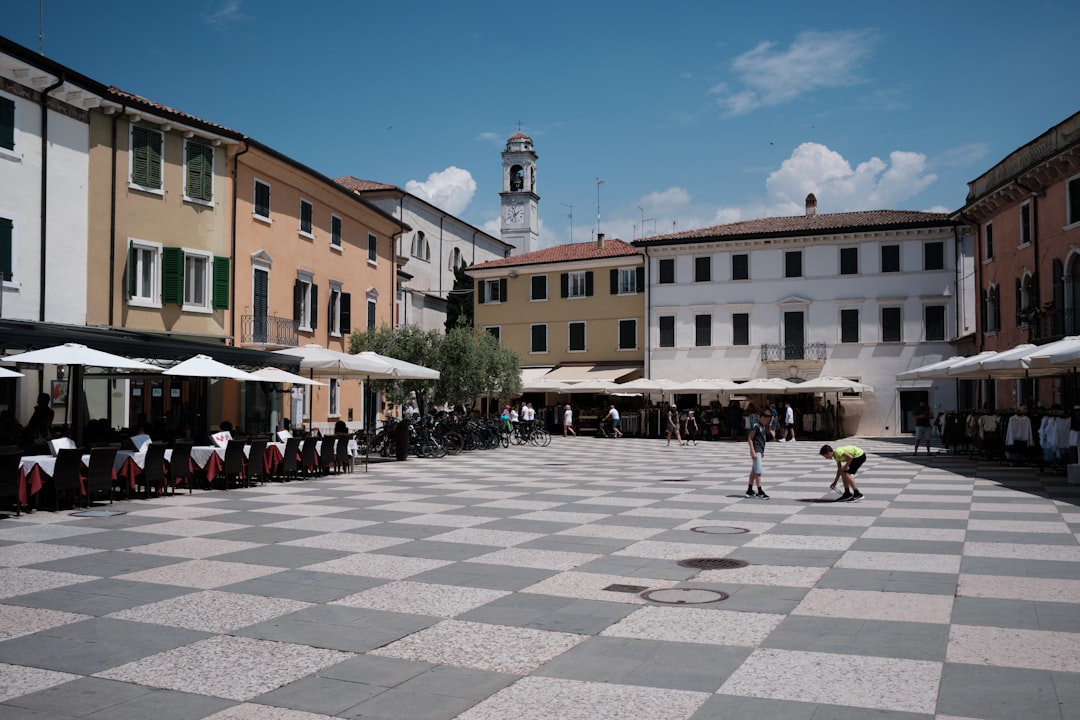
Italy's food capital: prosciutto cellars, Parmigiano dairies, Correggio frescoes and Verdi's opera country.
- Best time to visit: April-June and September-October
- Daily budget (budget traveller): $110 to $190 USD
- Ideal trip length: 2 to 3 days
Parma is where two of the world's most copied foods actually come from, and tasting them at source ruins the supermarket versions forever. Beyond the prosciutto cellars and Parmigiano Reggiano dairies, the city is genuinely handsome: a pink marble baptistery, Correggio's dome frescoes, one of Italy's great opera houses and a student population keeping the aperitivo scene lively. UNESCO named it a Creative City of Gastronomy for good reason.
Parma is the rare Italian city where the famous food is not a tourist trick, it is the local economy. Prosciutto di Parma cures in the breezy hills around Langhirano, 25 minutes south. Parmigiano Reggiano is made before 9am in copper vats on the plain, by dairies you can walk into. Culatello ages in the fog-soaked cellars of the Po lowlands. Eat any of them at source, sliced to order or chipped off a 36-month wheel with a Lambrusco, and the supermarket version never quite works again.
The city itself is smaller and more graceful than you expect. The pink Verona marble Baptistery and Correggio's swirling cathedral dome share one quiet square. The Pilotta palace hides the 1618 wooden Teatro Farnese and a gallery with Leonardo's La Scapigliata. Teatro Regio hosts one of Italy's most unforgiving opera audiences, and the students who fill Strada Farini and Piazzale della Steccata at aperitivo keep it from feeling like a museum. Locals cycle everywhere, shops close for a long lunch, and there are no Tuscany-style crowds.
Plan around producers, not sights. Dairies work early morning, cellars and acetaie need booking days ahead, museums and the Pilotta are closed on Monday, and many kitchens shut for the weeks around Ferragosto in August. Three days covers the city plus one food-valley day. Five to seven lets you add Modena, Torrechiara castle and Verdi's Busseto, all easy from a compact, flat, walkable base with a fast train to Bologna and Milan.
How many days in Parma?
For Parma, we recommend 2 to 3 days.
| Trip length | What you'll see | Itinerary |
|---|---|---|
| 2 days · Recommended | Pilotta and the old centre; Correggio, Baptistery and the opera | Parma in 2 days |
| 3 days · Recommended | Adds: Parmigiano dairy and Langhirano ham | Parma in 3 days |
| 4 days | Adds: Torrechiara castle and the Food Valley | Parma in 4 days |
| 5 days | Adds: Modena for balsamic and tortellini | Parma in 5 days |
| 7 days | Adds: Verdi country and culatello; Market morning | Parma in 7 days |
Parma itinerary
Arrive, Pilotta and the old centre
Morning: Arrive at Parma station. Walk 10 minutes down Viale Toschi to Piazza Garibaldi and drop bags. Espresso standing at a bar counter, about €1.20.
Afternoon: Lunch at Trattoria Corrieri (Strada Conservatorio) for torta fritta and cured meats. Then the Pilotta complex (closed Mondays): Galleria Nazionale for Leonardo's La Scapigliata and the 1618 wooden Teatro Farnese.
Evening: Aperitivo and dinner at Enoteca Fontana on Strada Farini, a loud, local counter for ham, panini and Lambrusco. Walk back past the lit cathedral.
Correggio, Baptistery and the opera
Morning: Battistero at opening (around 9am, about €8) for the pink marble and painted dome. Next door, the cathedral's Correggio Assumption dome, then San Giovanni Evangelista for his second dome.
Afternoon: Anolini in brodo at Trattoria del Tribunale. Then Camera di San Paolo, Correggio's small painted room, and a stroll through Parco Ducale.
Evening: Aperitivo on Piazzale della Steccata, then opera or a concert at Teatro Regio if the season runs. Gallery tickets start around €15.
Parmigiano dairy and Langhirano ham
Morning: 7:30am pick up from a food-tour meeting point or taxi to a caseificio (Montecoppe is one). Watch the make from 8am, then taste 12, 24 and 36-month wheels.
Afternoon: Drive to Langhirano. Tour a ham cellar such as Pio Tosini and taste prosciutto cut to order. If time allows, Museo del Prosciutto in the Foro Boario.
Evening: Back in Parma, a slow dinner at Ristorante Cocchi on Via Gramsci for bollito misto and tortelli d'erbetta. Walk off the cheese.
Torrechiara castle and the Food Valley
Morning: Taxi or hire car to Torrechiara (about 25 minutes). Castle opens mid-morning, closed Mondays, about €7. Don't miss the Camera d'Oro frescoes.
Afternoon: Lunch in Langhirano or a Colli di Parma agriturismo with Malvasia wine. Optional Museo della Pasta in Collecchio or Museo del Salame in Felino.
Evening: Return to Parma. Light dinner, early night.
Modena for balsamic and tortellini
Morning: Regional train to Modena (about 30 minutes, €5-6). Walk to Piazza Grande and the UNESCO cathedral, then browse Mercato Albinelli.
Afternoon: Book lunch at Hosteria Giusti, then an acetaia tasting such as Acetaia Giusti. Walk past the Francescana before heading back.
Evening: Train back. Aperitivo at Piazzale della Steccata, then something light.
Verdi country and culatello
Morning: Bus or car to Busseto and Le Roncole (about 45 to 60 minutes). See Verdi's birthplace house and Teatro Verdi.
Afternoon: Long lunch at Antica Corte Pallavicina in Polesine Parmense, where culatello di Zibello ages in the cellars. Book weeks ahead, it is the splurge meal of the trip.
Evening: Back to Parma, digestivo and bed.
Market morning, depart
Morning: Browse Piazza Ghiaia market. Pick up vacuum-packed Parmigiano and a violet perfume from Borsari. Coffee and a pastry at a bar on Strada della Repubblica.
Afternoon: Final pasta lunch at Ristorante Parizzi or a trattoria in Oltretorrente.
Evening: Walk to the station for a Frecciarossa to Milan or a regional train to Bologna.
Best neighbourhoods
- Centro Storico: The historic core around Piazza Garibaldi, the cathedral and Strada della Repubblica.
- Piazza Duomo: The cathedral, pink Baptistery and Correggio frescoes in one quiet square.
- Oltretorrente: Across the river, a working-class quarter of local trattorias and the Ducal park.
- Around Pilotta: The palace complex, Farnese theatre, national gallery and student bars nearby.
- Food Valley outskirts: The plains of dairies, ham cellars and castles within 30 minutes of the city.
Must-do experiences
- Parmigiano Reggiano dairy visit: Watch the morning make and taste 12, 24 and 36-month wheels at a caseificio.
- Prosciutto di Parma cellar: Tour a Langhirano curing house and taste ham sliced to order.
- Battistero di Parma: Step inside the pink Verona marble baptistery and its painted dome.
- Teatro Farnese and Pilotta: See the vast wooden theatre and the Galleria Nazionale collections.
Hidden gems
- Correggio's Camera di San Paolo, a small painted room most visitors never find.
- Casa della Musica and the Toscanini birthplace for Parma's deep musical roots.
- Torrechiara castle, a fresco-filled hilltop fortress 20 minutes south with valley views; check the hours, as some rooms close for restoration.
- Aperitivo on Piazzale della Steccata, where students drink Lambrusco for a few euros.
Daily budget
- Accommodation: budget €28-45 / night (hostel dorm or basic room), mid-range €110-170 (4-star double in the centre), splurge €250+ (Grand Hotel de la Ville, Palazzo Dalla Rosa Prati suite). Prices jump during Cibus and Festival Verdi. City tourist tax is roughly €2-4 per person per night, paid at the hotel.
- Food: budget €25-35 / day (torta fritta, salumeria panini, one pasta lunch), mid-range €60-90 (trattoria dinner with wine), splurge €150+ (Parizzi or Antica Corte Pallavicina tasting). Coperto is €2-3 per person at sit-down places. A ham and cheese board with Lambrusco in a salumeria is the best value meal in town.
- Transport: budget €0-5 / day (walk and bike), mid-range €15-30 (train to Modena, a few taxis), splurge €80-150 (private driver to dairies and cellars). The centre is flat and tiny. Producers sit 15-30 km out, so budget a car, taxi (about €35-45 each way to Torrechiara) or an organised tour.
- Activities: budget €10-20 / day (Duomo and Parco Ducale free, Baptistery about €8), mid-range €40-70 (Pilotta around €16, dairy and ham tour), splurge €150+ (private food tour, Teatro Regio stalls). Dairy and cellar tastings cost roughly €15-30 each if booked directly, more on all-inclusive tours. Teatro Regio gallery seats start around €15.
- Drinks & nightlife: budget €8-12 (Lambrusco and a spritz at aperitivo), mid-range €20-35 (wine bar tasting plus cocktails), splurge €60+ (hotel bar, Malvasia pairing dinner). Aperitivo spritz €5-7, Lambrusco by the glass €4-5, often with free snacks. Nightlife is bars and conversation, not clubs.
Where to stay
- Social hostel in Parma centre / Cittadella park (€28-45 / night): Hostel options are limited, so book early. Ostello Cittadella or budget guesthouses near the station give a simple base within walking distance of the old town.
- Boutique hotel in Piazza Duomo (€140-240 / night): Palazzo Dalla Rosa Prati sits on the cathedral square. Frescoed rooms, stairs from the Baptistery, and everything central on foot.
- Apartment in Oltretorrente (€80-130 / night): Across the river from the Pilotta, this is real local Parma with trattorias, a kitchen and quiet streets. Best value for a five-night stay.
- Splurge in Around Pilotta / Parco Ducale (€230-380 / night): Grand Hotel de la Ville or Starhotels Du Parc, classic comfort, restaurants, easy walk to the theatre and Pilotta.
What to eat
- Prosciutto di Parma sliced paper-thin
- Parmigiano Reggiano aged 24 to 36 months
- Anolini in brodo, the local stuffed pasta
- Torta fritta with cured meats and Lambrusco
Day trips
- Modena (30 min by train): Balsamic vinegar acetaie, the UNESCO cathedral and Piazza Grande, Mercato Albinelli and Osteria Francescana for those who plan months ahead. Hosteria Giusti is the tiny lunch spot to book. Regional train from Parma, every 20 to 30 minutes, around €5-6 each way. Book acetaia visits in advance.
- Torrechiara and Langhirano (25 min by car): A 15th-century hilltop castle with Bembo's Camera d'Oro frescoes, plus the ham capital of Langhirano with its cellars and Museo del Prosciutto. Taxi or hire car is simplest, about €35-45 each way. TEP buses to Langhirano take 45 to 60 minutes. Castle closed Mondays, about €7.
- Busseto and Verdi country (45 to 60 min by bus or car): Verdi's birthplace at Le Roncole, Teatro Verdi, and culatello lunches at Antica Corte Pallavicina in the foggy Po plain. TEP bus from Parma, or a car for flexibility. Book lunch weeks ahead, tasting menus run roughly €90-150.
When to visit
- Spring (April - June): 14-26°C, bright with spring showers, warm by June. Crowds: Moderate, spikes during Cibus (early May, even years). The best window. Dairies and cellars run full schedules, terraces open, and the plain is green. Check Cibus dates, hotels double in price that week.
- Summer (July - August): 28-35°C, humid, mosquitoes by the river. Crowds: Low in the city, many locals gone in August. Skip August if you can. Many trattorias and some producers close around Ferragosto (15 Aug). July works with early starts and a long lunch.
- Autumn (September - October): 12-27°C, golden light, first fog late October. Crowds: Moderate, busy during Festival Verdi at Teatro Regio. Food lovers' pick. Harvest festivals, porcini on menus, cooler cellar tours and opera season. Book Teatro Regio and hotels early.
- Winter (November - March): 0-9°C, thick fog, occasional frost. Crowds: Very low. Local favourite. Fog is what cures culatello, so it is the time for bollito misto, hot anolini in brodo and cheap hotels. Dress warm, expect slow roads.
Entry rules for your passport
Visa rules for Italy depend on the passport you travel on. Check the official source before you book: European Commission: Schengen visa policy
Getting there
Parma sits on the Milan to Bologna main line. Frecciarossa from Milano Centrale takes about an hour, from about €15 if booked ahead. Bologna is 50 to 65 minutes by regional or high-speed train, and Modena is about 30 minutes by regional, around €5-6. Parma station is a 10 to 15 minute walk from Piazza Garibaldi, or a taxi for about €8-10. Parma's own airport (PMF) is 3 km from the centre and has limited, mostly Ryanair, services, with a taxi costing roughly €15-20. Bologna airport is the main alternative: the Marconi Express to Bologna Centrale (around €13) then a train to Parma. Milan Malpensa and Linate also connect via Milano Centrale. Validate regional paper tickets before boarding.
Border checks: non-EU visitors (other than Swiss, Norwegian, Icelandic, Liechtenstein, Andorran, Monegasque, San Marinese and Vatican citizens, and holders of an EU residence permit or long-stay visa) are registered in the EU's Entry/Exit System (EES) instead of getting a passport stamp. On your first crossing, officers take your photo and/or fingerprints, so allow extra time at passport control. ETIAS, the planned travel authorisation, is not in operation yet, so don't pay any website for one.
Getting around
Parma sits on the Milan-Bologna main line, putting Bologna 50 minutes away, Milan around an hour and Modena 30 minutes, and its small airport handles limited flights, with Bologna's airport 90 minutes away by bus and train. The compact centre is walkable and bike-friendly, and locals cycle everywhere. Food Valley producers, Torrechiara and the Verdi sites sit outside the city, so a car or an organised food tour is the practical way to reach them.
Safety
Parma is affluent and safe, with pickpocketing near the station and bike theft as the main annoyances. Cyclists come quickly and quietly through the centre, so look before stepping into lanes. Summer in the Po plain is hot and humid, and winter brings thick fog that slows driving. Book dairy and cellar visits ahead, as turning up unannounced rarely works.
Solo travel tips
- Eat at the counter: Enoteca Fontana and most salumerie have bar seating. Order a taglio of ham and a glass of Lambrusco, and the person next to you will explain what you are eating.
- Join a small group food tour: Dairy and ham visits are the hardest parts to reach without a car. A half-day small-group tour (around €90-140) solves transport and puts you with other travellers.
- Hire a bike on day one: Parma is flat and cyclists own the centre. Rent for about €10 a day and lock it properly, bike theft near the station is the city's main petty crime.
- Sit in the loggione at Teatro Regio: The gallery is where the famously tough Parma audience sits, with cheap seats from about €15. A great way to share a night with locals, just don't applaud mid-aria.
- Solo women: Parma is among Italy's safest cities after dark. Standard rules apply: watch for cyclists, keep an eye on the station area late, and use taxis rather than empty side streets after midnight.
- Book producers, avoid Mondays: Many museums close Mondays, dairies and cellars need advance booking, and August closures are common. Plan sights Tuesday to Sunday and use Monday for a train day trip.
Cultural etiquette
- Say Parmigiano Reggiano, not 'Parmesan', and don't ask for cheese on seafood pasta. It will earn a look.
- Cappuccino is a breakfast drink. After 11am, order an espresso or caffè macchiato at the counter.
- Coperto (€2-3 per person) is a table charge, not a tip. Rounding up a few euros at dinner is plenty.
- Meal times are lunch 12:30 to 2:30pm and dinner 7:30 to 10pm. Kitchens in between are for tourists.
- Cyclists have right of way in the centre and move silently. Look before stepping off the kerb.
- Dress smartly for Teatro Regio and cover shoulders and knees in churches, including the Baptistery.
- Dairies and cellars supply hairnets and coats. Wear closed shoes, don't touch the cheese, and keep your voice low in the ageing rooms.
Frequently asked questions
How many days do you need in Parma?
Two to three days. One day for the cathedral, Baptistery, Pilotta complex and Correggio frescoes, one for a morning Parmigiano dairy and afternoon prosciutto cellar, and a third for Torrechiara castle, the Verdi sites or a day trip to Modena or Bologna.
Is Parma worth visiting?
Yes, especially for food travellers. It is the only place to taste Parmigiano Reggiano and Prosciutto di Parma at their source, and the city itself has serious art, a famous opera house and a relaxed, well-off feel without the tourist crowds of Tuscany.
Can you visit a Parmigiano Reggiano factory in Parma?
Yes. Certified dairies across the province run morning tours, typically starting between 8am and 9.30am when the cheese is actually made, followed by a tasting of different ages. Book several days ahead, and note most are outside the city, so you will need a car, taxi or a combined food tour.
When is the best time to visit Parma?
April to June and September to October give mild weather and full producer schedules, with September adding food festivals across Emilia-Romagna. Summer is hot, humid and quiet as locals leave in August, and some producers close. Winter is foggy but fine for opera season and hearty food.
Parma or Modena, which is better for food?
Parma wins for cured ham and Parmigiano production visits; Modena wins for balsamic vinegar acetaias and high-end dining including Osteria Francescana. They are 30 minutes apart by train, so serious food travellers should do both rather than choose, basing in either.
Is Parma expensive?
Moderate for northern Italy. Budget around $110 to $190 a day. Aperitivo and torta fritta are cheap, trattoria meals are fair value, and hotels are much less than Florence or Milan. Guided dairy and cellar tours with transport are the main cost to plan for.
How do you get from Bologna to Parma?
Regional and high-speed trains run frequently and take 50 to 65 minutes into Parma's central station, which is a 10-minute walk from the old town. Driving takes about an hour on the A1. From Bologna airport, take the Marconi Express to the station and continue by train.
More about Parma
Tours and activities in Parma | Parma in 2 days | Parma in 3 days | Parma in 4 days | Parma in 5 days | Parma in 7 days
Can't decide? Compare Parma with...
Joy Plus home | Destinations | Itineraries | Activities | Flights | Budget planner | Calendar | Map | Blog | Lifetime access