Destinations / Europe
Paros, Greece travel guide
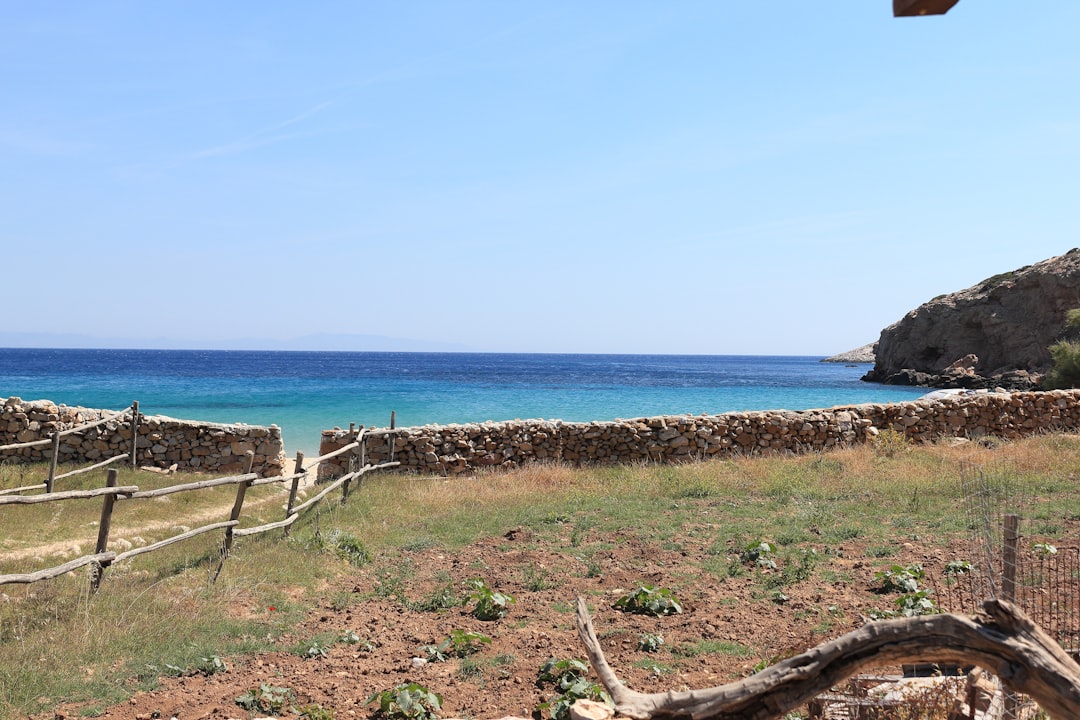
The balanced Cyclades island: white villages, real beaches, and no Santorini crush.
- Best time to visit: May-June and September-October
- Daily budget (budget traveller): $120 to $220 USD
- Ideal trip length: 4 to 6 days
Paros has quietly become the Cyclades island travellers recommend to each other: Naoussa's fishing harbour turned dinner scene, Parikia's marble lanes, hillside Lefkes, and a coastline with genuinely good sand rather than volcanic pebbles. It is also the ferry crossroads of the Aegean, which makes hopping to Antiparos or Naxos effortless. Joy Plus balances beach days, village evenings and one island-hop without wasting a morning at the port.
Paros is the Cyclades island you end up recommending to friends after quietly ruling out Mykonos and Santorini. It has real sand rather than volcanic pebbles, marble-paved villages that still have a pulse in February, and a ferry port that sits at the middle of the Aegean. Naoussa is the pretty fishing harbour with the Venetian ruin and the best dinner tables. Parikia is the working capital with a 1,700-year-old church, a Frankish castle built from ancient temple columns, and the only real bus hub. Lefkes sits in the hills above, all bougainvillea and white stairs. Everything is under 40 minutes apart by road, which makes the island easy to plan.
The island runs on two clocks, the ferry timetable and the meltemi. This north wind blows hardest in July and August, can cancel high-speed boats, and turns the north and east beaches choppy and sometimes dangerous. That is why the beach question on Paros is really a wind question. Check Windguru the night before, then pick the lee side. Kolymbithres and Santa Maria are glassy on calm mornings. Aliki and the south coast are the refuge when the north goes white. The same wind is why Golden Beach is one of Europe's best windsurf and kite spots, and why the Aegean smells like thyme and salt in the afternoon.
Plan four to six days, base yourself in Parikia or Naoussa, and rent wheels for at least two of them. Bus tourism works well in summer, but a small car or ATV unlocks the Marathi marble quarries, the Byzantine Road above Lefkes and the quiet coves nobody posts. Eat late, swim early, and keep one day free for the 10-minute hop to Antiparos. Prices have climbed in the last five years, especially in Naoussa harbour. They are still well under Mykonos if you walk two streets back from the water and treat lunch as your main meal.
How many days in Paros?
For Paros, we recommend 4 to 6 days. With more time, add a day trip to Naxos or Despotiko.
| Trip length | What you'll see | Itinerary |
|---|---|---|
| 2 days | Parikia, church, castle, sunset; Naoussa harbour and the northern beaches | Paros in 2 days |
| 3 days | Adds: Lefkes, marble quarries, Byzantine Road | Paros in 3 days |
| 4 days · Recommended | Adds: East coast and Golden Beach | Paros in 4 days |
| 5 days · Recommended | Adds: Antiparos, the island hop | Paros in 5 days |
| 7 days | Adds: Santa Maria, Monastiri and the winery | Paros in 7 days |
Paros itinerary
Arrive in Parikia, church, castle, sunset
Morning: Ferry from Piraeus lands at Parikia port. Drop bags and walk the old Agora market lanes. Coffee at a harbour kafeneio.
Afternoon: Panagia Ekatontapyliani (Church of 100 Doors), then the Frankish Kastro built with ancient temple column drums. Swim at Livadia beach, 10 minutes' walk from the port.
Evening: Aperitif at Pebbles Jazz Bar, then dinner at Levantis or Albatross. Walk the waterfront after dark.
Naoussa harbour and the northern beaches
Morning: KTEL bus Parikia to Naoussa (about €2.50, 20 minutes). Walk the Venetian harbour and the little fortress, then hire a boat or swim at nearby Agioi Anargyroi.
Afternoon: Taxi or ATV to Kolymbithres: granite sculptures in glassy water, best before 11am. Lunch at a beach taverna.
Evening: Sunset from Naoussa's Kastro ruin. Dinner at Barbarossa or Mario. Drinks at Linardo's bar until late.
Lefkes, marble quarries, Byzantine Road
Morning: Rent a small car or ATV. Visit the Marathi marble quarries first, then drive to Lefkes at 9am before the heat and tour buses. Coffee on the Agia Triada square.
Afternoon: Walk the Byzantine Road from Lefkes toward Prodromos (about 1.5 hours round trip). Lunch in the village.
Evening: Drive down to Piso Livadi's fishing harbour for grilled fish, then back to Parikia or Naoussa.
East coast and Golden Beach
Morning: Drive to Marpissa for a village stroll, then on to Golden Beach (Chrissi Akti).
Afternoon: Book a windsurf or kite taster at Pro Center Paros (around €60-90 for a lesson). Late lunch on the sand.
Evening: Sunset drive south to Aliki. Dinner at a waterfront taverna and a swim in calm water.
Antiparos, the island hop
Morning: Bus or drive to Pounta (west coast), then the car ferry to Antiparos (10 minutes, about €2-3 per person each way).
Afternoon: Walk Antiparos town and its Venetian castle square. Taxi or rent a bike to the cave and Soros beach. Cave entrance is about €6.
Evening: Dinner in Antiparos town, then the last ferry back. Check the evening timetable on arrival.
Santa Maria, Monastiri and the winery
Morning: Early swim at Santa Maria, before the beach clubs open and the wind picks up.
Afternoon: Visit Moraitis Winery near Naoussa for a tasting of local Monemvasia-style whites and reds (call ahead for hours). Cool down at Monastiri beach in the Paros Park.
Evening: Last dinner back in Naoussa or in Parikia. Walk to the windmill above town for sunset.
Slow morning, depart
Morning: Pastry and coffee in Parikia. Return the rental car, which is cheaper if you drop it in town.
Afternoon: Ferry to Piraeus, Naxos or Mykonos, or the short flight to Athens. Arrive at the port 45 minutes early in August.
Evening: If you leave late, eat once more at the harbour before the boat.
Best neighbourhoods
- Naoussa: A whitewashed fishing port turned stylish dining and nightlife hub in the north.
- Parikia: The capital and main ferry port: the Panagia Ekatontapyliani church and old market street.
- Lefkes: A mountain village of marble lanes, bougainvillea and the old Byzantine trail.
- Golden Beach / Chrissi Akti: The east-coast windsurf strip with long sand and reliable breeze.
- Aliki: A quiet southern fishing village with tavernas on the water and calm swimming.
Must-do experiences
- Naoussa harbour evening: Aperitifs by the Venetian ruin, then seafood at a table almost in the water.
- Kolymbithres beach: Swim between smooth wind-sculpted granite formations in a sheltered bay.
- Byzantine Road to Lefkes: Walk the old marble-paved trail through the hills between Lefkes and Prodromos.
- Day trip to Antiparos: A 10-minute ferry to a slower island with a cave, coves and a single pretty town.
Hidden gems
- The ancient marble quarries at Marathi, source of the stone for the Venus de Milo.
- Santa Maria's shallow turquoise bays, quieter in the morning before the beach clubs open.
- Monastiri beach beneath the Agios Ioannis monastery in the Paros Park nature reserve.
- Sunset from the windmill above Parikia rather than the crowded waterfront.
Daily budget
- Accommodation: budget €25-55 / night (campsite bungalow, basic room in Parikia), mid-range €130-220 (boutique double, shoulder season), splurge €400+ (Parilio, Astir of Paros). August prices run 40 to 60 percent above June. Parikia is the best value base because every bus starts there.
- Food: budget €25-35 / day (gyros €4-5, bakery pies, one taverna lunch), mid-range €55-85 (taverna dinner with wine, one sit-down lunch), splurge €120+ (Levantis, Naoussa harbour seafood by the kilo). Eat your big meal at lunch. Naoussa harbour tables cost 30 percent more than the same fish one street back.
- Transport: budget €5-10 / day (KTEL buses, about €2 to €2.50 per hop), mid-range €40-70 (ATV or small car per day, plus fuel), splurge €120+ (private driver or taxi days, sea taxi to Antiparos coves). Rental prices jump in July and August. Ferries from Piraeus are extra: about €45-55 conventional, €70-90 high speed.
- Activities: budget €0-15 / day (beaches, Byzantine Road, church), mid-range €30-60 (Antiparos cave, wine tasting, windsurf rental), splurge €150+ (skippered sailing day, windsurf or kite course). Most beaches and villages are free. Sunbed and umbrella sets at beach clubs run €20-40 in July and August.
- Drinks & nightlife: budget €10-15 (Mythos beer €4-5, kiosk or beach drinks), mid-range €30-45 (cocktails €12-15 in Naoussa and Parikia), splurge €80+ (sunset club tables, bottle service). Parikia and Naoussa stay lively until around 3am in high season. Beach bars at Santa Maria and Golden Beach are daytime spots.
Where to stay
- Social hostel in Naoussa (campsite) or Parikia (budget rooms) (€25-55 / night): Paros has almost no true dorm hostels. The social budget option is Camping Koula near Naoussa (bungalows, pitches, a minimarket and a lively crowd), or simple rooms such as Pension Rena in Parikia, a short walk from the port.
- Boutique hotel in Parikia or Naoussa (€140-260 / night): Parilio, a Design Hotel in Parikia, has a pool and a calm garden within walking distance of the port. In Naoussa, small family-run whitewashed hotels one street back from the harbour keep prices lower and nights quieter.
- Apartment in Marpissa, Piso Livadi or Lefkes (€90-170 / night): Village apartments with terraces, a kitchen and a view down to the Aegean. Best value for a five-night stay, but you need wheels to get around.
- Splurge in Kolymbithres, Naoussa Bay (€450-900 / night): Astir of Paros sits on the water at Kolymbithres, with a private beach, spa and pool. Book months ahead for June and September.
What to eat
- Gouna, sun-dried mackerel grilled and dressed with olive oil
- Revithada, slow-baked chickpeas, traditionally a Sunday dish
- Local Moraitis winery whites from Naoussa's vineyards
- Fresh myzithra and other cheeses from island producers
Day trips
- Antiparos (10 min by car ferry from Pounta): A quieter, tidier twin island with a castle square, a stalactite cave (about €6 entry), clear beaches at Soros and Psaralyki, and a short bar-and-taverna strip in town. Bus or drive from Parikia to Pounta (about 15 minutes), then the car ferry, roughly every 30 minutes in summer, about €2-3 per person. A boat also runs from Parikia in season.
- Naxos (40-60 min by ferry): Greece's largest Cycladic island, with the Portara marble gate, Chora's Venetian old town and big sandy beaches. Easy as a long day trip, better as an overnight. Ferry from Parikia port several times daily in summer, about €12-25 one way depending on boat. Check the last return carefully.
- Despotiko (30-40 min by boat via Antiparos): An uninhabited island with the excavated sanctuary of Apollo and clear, empty water. A real escape from the crowds. Boat from Agios Georgios on Antiparos, roughly €15-20 return. Schedules are limited and weather dependent, so confirm at your hotel or the port the day before.
When to visit
- Spring (April - mid June): 17-26°C, mostly sunny, sea still cool at 17-20°C. Crowds: Low in April, building from late May. Wildflowers, open hiking trails and empty villages. Some beach clubs open only from late May, and early-season ferries run reduced schedules. Late May to mid June is the sweet spot.
- Summer (July - August): 28-34°C, dry, meltemi wind often 5-7 Beaufort. Crowds: Heavy, with Greek holiday crowds peaking around 15 August. Hot, full and expensive. Great for windsurfers, but ferries get cancelled and north beaches turn rough. Book rooms and rental cars months ahead if you have to come.
- Autumn (September - October): 22-29°C, warmest sea of the year at 23-25°C, light winds. Crowds: Moderate, thinning fast after mid October. The locals' pick. Calm water, lower prices, harvest season at the wineries and open tavernas. Book a Naoussa dinner table, but you will find one.
- Winter (November - March): 10-15°C, rain and strong winds. Crowds: Almost none. Most hotels, beach bars and many Naoussa restaurants close. Ferries run less often. Only worth it if you want quiet villages and Parikia's year-round local life.
Entry rules for your passport
Visa rules for Greece depend on the passport you travel on. Check the official source before you book: European Commission: Schengen visa policy
Getting there
Most visitors arrive by ferry from Piraeus, Athens' main port. Metro Line 3 from Athens airport to Monastiraki, then Line 1 to Piraeus, costs €9 total; the X96 express bus is about €5.50 and takes 80 to 90 minutes. From Piraeus to Parikia, conventional Blue Star ferries take 3.5 to 5 hours for about €45-55 and keep sailing in strong wind. High-speed Seajets or Golden Star boats take about three hours (the fastest takes 2 hours 45) for €70-90 but get cancelled when the meltemi blows. Ferries also run from Rafina and Lavrio, with frequent links to Naxos (40 to 60 minutes), Mykonos, Ios and Santorini. Paros National Airport (PAS) is about 10 km south of Parikia with 35 to 45 minute flights from Athens on Olympic Air and Sky Express, usually €60-140 one way. Taxis from the airport to Parikia cost about €25-30, to Naoussa about €40, so pre-book in August. Buy ferry tickets on Ferryhopper or at the Parikia port office, and always arrive 45 minutes before departure.
Border checks: non-EU visitors (other than Swiss, Norwegian, Icelandic, Liechtenstein, Andorran, Monegasque, San Marinese and Vatican citizens, and holders of an EU residence permit or long-stay visa) are registered in the EU's Entry/Exit System (EES) instead of getting a passport stamp. On your first crossing, officers take your photo and/or fingerprints, so allow extra time at passport control. ETIAS, the planned travel authorisation, is not in operation yet, so don't pay any website for one.
Getting around
Paros has a small national airport with flights from Athens, but most travellers arrive by ferry from Piraeus, about three hours by high-speed ferry or four to five by conventional boat. Frequent connections serve Naxos, Mykonos, Santorini and Ios. On the island, KTEL buses run reliably between Parikia, Naoussa and the main beaches in summer. Many visitors rent an ATV, scooter or small car; roads are good and the island is compact.
Safety
Paros is very safe with minimal crime. The main risks are the meltemi wind, which can cancel ferries in July and August and create dangerous currents on exposed north and east beaches, and ATV accidents, which are the most common cause of visitor injury. Wear a helmet, avoid riding after drinking, and check flag conditions before swimming. Summer sun is intense, so plan indoor or shaded time from 1pm to 4pm.
Solo travel tips
- Base yourself in Parikia: Every KTEL bus line starts or ends here, ferries land here, and there are more budget rooms, bars and cheap eats than anywhere else. Ride out to Naoussa and the beaches by day, come back at night.
- Check Windguru before choosing a beach: When the meltemi is blowing from the north, Kolymbithres and Santa Maria get rough. Head to Aliki, Drios or the Parikia side instead. Windguru or Windfinder for Paros updates every few hours.
- Ferries are your single point of failure: In high wind, fast boats get cancelled and the conventional Blue Star ferries keep running. Never book a same-day flight home off a high-speed ferry. Book via Ferryhopper or directly at the port office.
- Be careful with ATVs: ATVs are the main cause of visitor injuries here. Wear a helmet, avoid gravel roads at speed, and do not ride after drinking. A small car costs only a little more and is safer on the winding Lefkes roads.
- Solo female travellers: Paros is one of the safest islands in Greece for women alone. Standard rules apply: watch your drink at beach bars, use official taxis at night (the local taxi dispatcher is easy to call via your hotel), and tell someone where you are walking on remote trails.
- Find your tribe at a windsurf lesson or the Naoussa bars: Golden Beach lessons at Pro Center and the kite schools at Pounta are full of solo travellers. In the evening, Linardo's in Naoussa and the Parikia waterfront bars are the easiest places to start a conversation.
Cultural etiquette
- Cover shoulders and knees when you enter churches, including the Panagia Ekatontapyliani. A shawl in your bag is enough.
- Learn three words: kalimera (good morning), efharisto (thank you), parakalo (please, you're welcome). A few words go a long way in the villages.
- Tipping is about 5 to 10 percent if service is good. Service is nominally included, so rounding up or leaving €1-2 per person at tavernas is normal.
- Bread or 'couvert' is usually charged at €1-2 per person. It is standard, not a scam, and often includes a free dessert or raki at the end.
- Lunch is 2 to 4pm and dinner starts at 9pm or later. The island sleeps from about 2 to 5pm, so plan shaded beach time or a nap.
- Do not flush toilet paper in older buildings. Use the bin provided, because island plumbing and septic systems can't cope.
- Never take marble or stones from the quarries and ancient sites. Do not climb on the Venetian fortress walls in Naoussa. Toplessness is common on some beaches, but ask or watch before doing the same.
Frequently asked questions
How many days do you need in Paros?
Four to six days is the sweet spot. Give one day to Naoussa and the northern beaches, one to Parikia and the inland villages of Lefkes and Marpissa, one or two to the east and south coast beaches, and one to Antiparos. Add days if you plan to windsurf at Golden Beach or hop onward to Naxos.
Is Paros better than Santorini or Mykonos?
For most travellers, yes, on balance. Paros has better swimming beaches than Santorini, lower prices and smaller crowds than Mykonos, and a village life that both of those have partly lost. What it lacks is Santorini's caldera drama and Mykonos's late-night club scene. Many people combine Paros with one of them, as ferries take under an hour to Mykonos and about two to Santorini.
When is the best time to visit Paros?
Late May to June and September to early October offer warm seas, open restaurants and manageable crowds. July and August are hot and full, and the meltemi wind blows hardest, which suits windsurfers but disrupts ferries. Most tourist businesses close from November to March, when the island returns to a quiet local rhythm.
How do you get to Paros?
Ferry from Piraeus is the standard route: about three hours on a high-speed ferry or four to five on a conventional one, which is cheaper and steadier in wind. Paros National Airport handles small domestic flights from Athens in about 40 minutes. In summer there are frequent ferries from Mykonos, Naxos, Ios and Santorini.
Which is the best beach in Paros?
Kolymbithres is the most distinctive, with sculpted granite boulders framing shallow turquoise water in Naoussa Bay. Santa Maria has the classic long sand and beach clubs, Golden Beach is the windsurf favourite on the east coast, and Monastiri is the calm one inside the Paros Park. Choose by wind: north beaches suffer most when the meltemi blows.
Do you need a car in Paros?
Not essential but convenient. Summer buses link Parikia, Naoussa, Golden Beach and Aliki well enough for a beach-focused trip. A small car, scooter or ATV opens up Lefkes, the marble quarries, Ampelas and quieter coves, and costs little. Book ahead in August, when vehicles sell out, and remember helmets are compulsory on two wheels.
Is Paros expensive?
It has grown pricier as its popularity rose, but remains below Mykonos and Santorini. Budget roughly $120 to $220 a day for a mid-range room, meals out, a rental and ferry tickets. Naoussa's harbourfront restaurants are the priciest option; walking two streets inland or eating in Parikia and the villages cuts food costs significantly.
Tours and activities in Paros | Paros in 2 days | Paros in 3 days | Paros in 4 days | Paros in 5 days | Paros in 7 days
Can't decide? Compare Paros with...
Joy Plus home | Destinations | Itineraries | Activities | Flights | Budget planner | Calendar | Map | Blog | Lifetime access