Destinations / Europe
Plitvice Lakes, Croatia travel guide
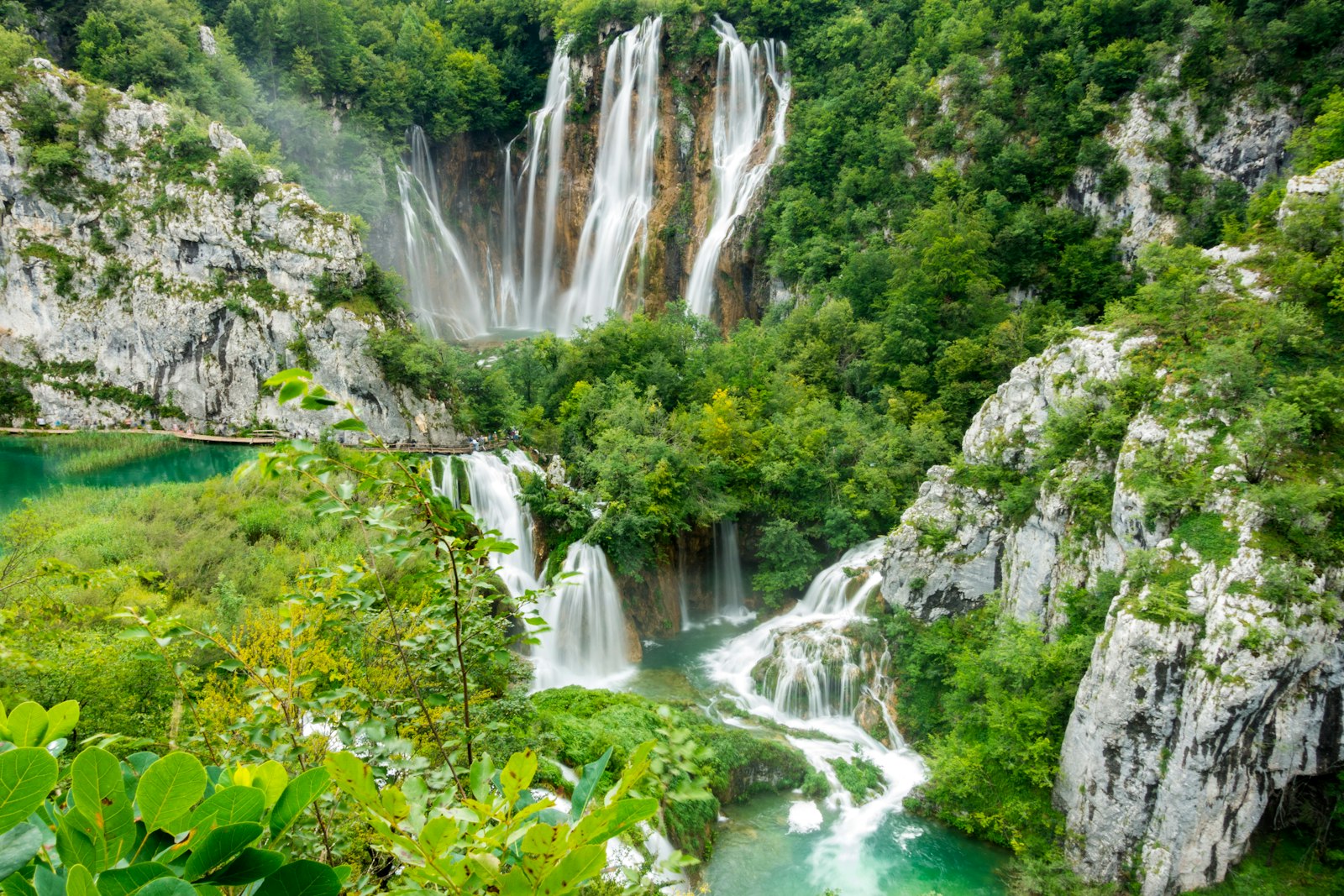
Croatia's fairy-tale national park of turquoise lakes and tumbling waterfalls.
- Best time to visit: May-June and September-October (fewer crowds, full water flow)
- Daily budget (budget traveller): $90 to $160 USD
- Ideal trip length: 2 to 3 days
Plitvice Lakes National Park is Croatia's most famous natural wonder - a cascading chain of sixteen terraced lakes linked by waterfalls and connected by a network of wooden boardwalks that float just above impossibly turquoise water. A UNESCO World Heritage Site, the park changes colour with the light and the seasons, from emerald to azure to deep blue. Wooden walkways, electric boats and panoramic shuttle trains let you weave through the upper and lower lakes without ever feeling rushed. Beyond the famous boardwalks lie beech and fir forests, limestone canyons and wildlife from brown bears to over a hundred bird species. Joy Plus plans your route, entry times and base so you beat the tour buses and catch the lakes at their most luminous.
Plitvice is sixteen terraced lakes stepping down roughly 130 metres through beech and fir forest, joined by waterfalls and wooden boardwalks that sit a hand's width above the water. The colour is not a filter. Calcium carbonate and algae turn the water from jade to cobalt depending on the light, the rain and the month. It is also a living system: the travertine barriers keep growing, which is why you cannot swim, wade or step off the planks. The park is a UNESCO site, about two hours by road from Zagreb, and the sound of falling water follows you almost the whole way.
The catch is timing. Entry is by timed ticket, €10 from November to March, €23 in April, May and October, and €40 from June to September, or €25 for late-afternoon entry (check np-plitvicka-jezera.hr, prices shift by month). The tour-bus wave hits between 10:00 and 14:00. Beat it with a 7:00 or 8:00 slot, or come back after 16:00 when the day groups have gone and the light turns gold on the lower falls. The ticket covers the electric boat across Lake Kozjak and the panoramic buses and trains, so you pay once and move between Entrance 1 and Entrance 2 freely.
Plitvice is not a town. It is a handful of villages (Mukinje, Rastovaca, Grabovac) strung along the D1 road, with guesthouses, konobas and the nearest proper supermarket in Korenica. Treat it as a two-night stop: one day for the Lower Lakes and Veliki Slap, one for the Upper Lakes and the long Route K, and an optional third for Rastoke or the Barac Caves. Eat early, sleep early, and expect dinner to be lamb, trout or a Lika cheese plate with a glass of rakija.
How many days in Plitvice Lakes?
For Plitvice Lakes, we recommend 2 to 3 days.
| Trip length | What you'll see | Itinerary |
|---|---|---|
| 2 days · Recommended | Zagreb to Plitvice; Lower Lakes and Veliki Slap | Plitvice Lakes in 2 days |
| 3 days · Recommended | Adds: Upper Lakes and Route K | Plitvice Lakes in 3 days |
| 4 days | Adds: Barac Caves and Lika countryside | Plitvice Lakes in 4 days |
| 5 days | Adds: Slunj and Rastoke | Plitvice Lakes in 5 days |
| 7 days | Adds: Mrežnica river or a second lake visit; Depart for Zadar or Zagreb | Plitvice Lakes in 7 days |
Plitvice Lakes itinerary
Zagreb to Plitvice, settle in
Morning: Bus from Zagreb bus station (Avenija Marina Držića 4), about 2h15, €10-16. Or drive the A1 to Karlovac, then the D1 via Slunj.
Afternoon: Check in near Entrance 1 or 2. Buy tomorrow's timed slot online and top up on picnic food at Konzum in Korenica or Studenac.
Evening: Dinner at Lička Kuća: roast lamb, trout or škripavac cheese. Early night.
Lower Lakes and Veliki Slap
Morning: Be at Entrance 1 for the first slot (7:00 in summer, 8:00 in shoulder season). Hit the Veliki Slap viewpoint before the groups, then walk the boardwalk past Milanovac, Gavanovac and Kaluđerovac.
Afternoon: Climb to the Kozjak jetty and ride the silent electric boat across the lake. Eat your picnic at a designated spot, then take the panoramic bus back.
Evening: Early dinner at your guesthouse, a pint of Ožujsko, bed. Your calves will want it.
Upper Lakes and Route K
Morning: Enter at Entrance 2, ride up the chain by bus or train, and walk down through Okrugljak, Veliki Prštavac and Galovac. Mornings are glassy and quiet.
Afternoon: Walk Gradinsko and the Kozjak shoreline, then take the boat back. Reward yourself with trout at a konoba.
Evening: Sunset drink near Entrance 2. Hotel terraces are quiet once the day buses leave.
Barac Caves and Lika countryside
Morning: Drive about 25 min north to the Barac Caves near Rakovica. Guided tours run in season, 45 to 60 min at about 9°C, adult ticket €16.
Afternoon: Lunch in Rakovica, then slow roads through the Lika plateau. Stop in Korenica for cheese and honey from local stalls.
Evening: Dinner in Mukinje or Grabovac. Try krumpiruša (potato pie) with a Lika cheese plate.
Slunj and Rastoke
Morning: Drive 35 min north to Rastoke, the watermill village built on tufa, and walk the lanes between mini waterfalls. Free, and best before 10am.
Afternoon: Lunch at Restaurant Petro in Rastoke, then wander the Korana and Slunjčica confluence.
Evening: Back to Plitvice for a slow dinner. Ask for homemade rakija, the local nightcap.
Mrežnica river or a second lake visit
Morning: Drive 1h20 to the Mrežnica near Duga Resa for a canoe or kayak on turquoise river water, hire from about €15 per person.
Afternoon: Picnic on the bank, a swim where it is allowed (the river, unlike the park), and a slow drive back via Karlovac.
Evening: Last dinner in Plitvice. Order the lamb you skipped on day 1.
Slow morning, depart for Zadar or Zagreb
Morning: Coffee and fresh bread at your guesthouse. One last short walk to the Veliki Slap viewpoint if you have a late slot.
Afternoon: Bus from Entrance 2 to Zadar (about 2h30, €12-18) or Zagreb (about 2h15, €10-16), or drive on.
Evening: Zadar: the Sea Organ at sunset. Zagreb: Dolac market and a cold beer in Tkalčićeva.
Best neighbourhoods
- Entrance 1 (Lower Lakes): Closest to the dramatic Veliki Slap waterfall and the lower canyon boardwalks.
- Entrance 2 (Upper Lakes): Better for the wider upper lakes, boat rides and longer loop walks.
- Rastovaca & Mukinje: Park-edge villages with guesthouses, rooms and easy morning access.
- Korana & Grabovac: Hamlets just outside the park with hotels, camps and quieter stays.
- Slunj & Rastoke: A nearby watermill village of mini-waterfalls, a worthwhile half-day add-on.
Must-do experiences
- Lower Lakes boardwalk: Walk the canyon boardwalks to Veliki Slap, Croatia's tallest waterfall at 78m.
- Upper Lakes loop: Wander the wider, wilder upper terraces past dozens of cascades and bright pools.
- Electric boat ride: Cross Lake Kozjak by silent electric ferry between the upper and lower sections.
- Panoramic viewpoint: Climb to the classic overlook above the lower lakes for the postcard shot.
- Shuttle train circuit: Use the park's panoramic train to link distant trailheads and save your legs.
Hidden gems
- Rastoke village near Slunj, a cluster of watermills set among mini-waterfalls.
- The quieter upper-lake trails in early morning before the boat crowds arrive.
- Barac Caves a short drive away for an underground contrast to the lakes.
- Sunset over the canyon from the park-edge viewpoints once day-trippers leave.
Daily budget
- Accommodation: budget €30-55 / night (campsite cabin or basic private room), mid-range €90-140 (guesthouse or 3-star hotel double), splurge €200-320 (Hotel Jezero lakeview room, chalet with sauna). Dorm beds are scarce here. Rastovaca and Mukinje are the best value, Entrance 2 hotels cost more.
- Food: budget €25-35 / day (supermarket picnic + one konoba meal), mid-range €45-65 (konoba dinner with trout or lamb), splurge €80-120 (Lička Kuća tasting spread with wine). Roast lamb is sold by weight, about €50-60 per kg. Trout mains run €15-22.
- Transport: budget €12-25 / day (Zagreb or Zadar bus, shared), mid-range €25-50 (rental car split, fuel, parking), splurge €60-120+ (private transfer from Zagreb, €180-250 one way). Buses from Zagreb cost €10-16 each way. Inside the park, boats and shuttles are included in your ticket.
- Activities: budget €25-40 (park ticket, boats and trains included), mid-range €30-55 (ticket + Barac Caves, €16), splurge €120-250 (private licensed guide, Mrežnica kayaking). Rastoke is free to walk. Book timed park tickets online, peak mornings sell out.
- Drinks & nightlife: budget €5-10 (Ožujsko beer at €3-4), mid-range €15-25 (wine, rakija, a lakeside terrace), splurge €30-60 (bottle of good Croatian wine at dinner). There is no nightlife. Konobas close around 22:00, and the sky is the show.
Where to stay
- Social hostel in Korana & Grabovac (€25-55 / night): Camp Korana, a campsite with pitches and bungalows about 6 km from Entrance 1, full of hikers and easy to meet people at the shared spaces.
- Boutique hotel in Selište Drežničko (near Entrance 1) (€110-180 / night): Hotel Degenija, a quiet design-led stay about 5 km from Entrance 1, with a good restaurant and the first-slot advantage.
- Apartment in Rastovaca & Mukinje (€60-110 / night): Family-run apartments and wooden cottages (look for Etno Houses Plitvice), with a kitchen and homemade breakfast. Best value for a 2 to 3 night stay.
- Splurge in Inside the park (€180-320 / night): Hotel Jezero, a few minutes from the boardwalks and boats. Wake up and walk the lakes before the first bus arrives.
What to eat
- Spit-roasted lamb and veal at roadside konobas near the park
- Fresh local trout from the rivers and lakes
- Hearty Lika cheese, smoked meats and homemade bread
- Strukli and Croatian forest-honey treats
Day trips
- Rastoke & Slunj (35 km, 35 min by car): A village of old watermills built on tufa, with dozens of tiny waterfalls running through the gardens. Free to walk, best in the morning. Lunch at Restaurant Petro in Rastoke for Slunjčica trout. Drive the D1 north from Plitvice, parking is a few euro. Buses are limited, so a car is much easier.
- Barac Caves (25 km, 25 min by car): A cool underground contrast to the lakes, with stalactites, a bat colony and a guided walk of 45 to 60 minutes. Open in season only. Drive north to Rakovica, then follow signs to Nova Kršlja. Entry €16 for adults, open April to October only, check opening hours first.
- Mrežnica River (100 km, 1h20 by car): A turquoise river with small waterfalls and tufa barriers that you can canoe, one of the few places nearby where swimming is allowed. Drive to Duga Resa (near Karlovac) via the A1 or D1. Canoe and kayak hire starts at about €15 per person for a couple of hours.
When to visit
- Spring (April - June): 6-22°C, fresh mornings, frequent showers. Crowds: Building from May, manageable before 10am. Best for water. Snowmelt makes the falls thunder and the forest is neon green. Pack a rain jacket.
- Summer (July - August): 22-28°C days, cool nights, afternoon thunderstorms. Crowds: Very heavy, tour buses 10:00 to 14:00, tickets sell out. Doable only with a 7:00 slot booked weeks ahead. Water levels drop and boardwalks jam.
- Autumn (September - October): 7-20°C, misty mornings, golden beech. Crowds: Moderate, thins out sharply from mid-October. The locals' pick. Warm light, colour on the trees, shorter queues and cheaper rooms.
- Winter (November - March): -6 to 5°C, snow and ice, short days. Crowds: Very low. Frozen falls and near-empty boardwalks, with the cheapest tickets. Boats often stop and some trails close, so bring spikes.
Entry rules for your passport
Visa rules for Croatia depend on the passport you travel on. Check the official source before you book: European Commission: Schengen visa policy
Getting there
Plitvice has no airport or train station. The nearest airports are Zagreb (ZAG, about 130 km) and Zadar (ZAD, about 140 km). The classic way in is by car: Zagreb to Plitvice is roughly 1h50-2h15 via the A1 to Karlovac and the D1 through Slunj (small tolls on the A1, plus parking at the park entrances, €1.50 an hour in spring and autumn and €2 an hour from June to September), and Zadar is about two hours and Split around three via the A1 and D1. Without a car, FlixBus and Arriva run Zagreb to Plitvice in about 2h15 for €10-16 each way, Zadar in 2h30 for €12-18, and Split in 4h30-5h for €20-30. Buses stop at Entrance 1 and Entrance 2, and both have luggage storage (about €2-4 per bag, limited in peak season). Book park tickets first, because your entry slot dictates which bus to take.
Border checks: non-EU visitors (other than Swiss, Norwegian, Icelandic, Liechtenstein, Andorran, Monegasque, San Marinese and Vatican citizens, and holders of an EU residence permit or long-stay visa) are registered in the EU's Entry/Exit System (EES) instead of getting a passport stamp. On your first crossing, officers take your photo and/or fingerprints, so allow extra time at passport control. ETIAS, the planned travel authorisation, is not in operation yet, so don't pay any website for one.
Getting around
Plitvice is best reached by car - it sits roughly halfway between Zagreb and the Dalmatian coast on a scenic two-hour-plus drive. Inside the park, distances are covered on foot via boardwalks, on the free electric boats across Lake Kozjak and on the panoramic shuttle trains; private cars stay in the lots. Intercity buses between Zagreb, Zadar and Split stop at the park entrances, making a car-free day trip possible but tighter.
Safety
Plitvice is very safe, but the boardwalks have no railings and can be slippery when wet, so wear grippy shoes and watch children near the edges. Swimming is strictly forbidden to protect the fragile travertine. Stay on marked trails - this is bear and snake country, and wandering off-path damages the ecosystem. Bring water, sun protection and layers, as the canyon is cooler and shadier than open ground.
Solo travel tips
- Book the 7:00 slot, then walk against the crowd: Solo means you can move at your own pace. Start at Entrance 1 at opening, do Veliki Slap first, and only join the boat queue after the groups have passed. Most day trippers do the opposite.
- Skip the rental car, take the bus: FlixBus and Arriva run Zagreb to Plitvice, about €10-16 each way, and drop at both entrances. You will meet other solo hikers on the bus, and you avoid parking stress.
- Stay in Rastovaca or Mukinje: These villages put you 5 minutes by car from Entrance 1 and have family guesthouses, so the host often organises lifts and shares tips. Camp Korana, about 6 km from Entrance 1 along the Korana canyon, is the most social base, with campers and bungalows.
- Eat at the shared table: Konobas near the park are small and friendly. Sit at the counter or a communal table, ask the owner what is fresh, and you will end up chatting with other hikers.
- Solo female travellers: Plitvice and the Lika villages are very safe. Tell your host your route if you hike the long Route K alone, carry water and a phone with offline maps, and avoid late walks outside the park.
- Use the boat and train as meeting points: The boat queues at Kozjak are a natural place to chat, and fellow hikers will swap photos and trail tips. Offer to take someone's picture and you will usually get a hiking buddy for the next stretch.
Cultural etiquette
- Do not swim, wade, touch the water or step off the boardwalks. It is a hard rule, enforced by rangers, and the travertine is the reason the lakes exist.
- Keep right on the boardwalks and do not stop in the middle for photos. Step to the side and let the line flow, especially at Veliki Slap.
- Eat only at designated picnic areas, and carry every wrapper out. The park has strict litter and wildlife rules and no drones are allowed.
- Greet people with a 'Dobar dan' and thank them with 'hvala'. A little Croatian goes a long way in the Lika villages.
- Tipping is modest: round up or leave about 10% for good service in konobas. It is not expected at cafés.
- If a host offers rakija, accept one small glass, say 'živjeli' and make eye contact. Refusing politely is fine, but do not drink and drive.
- Dinner is early and konobas close around 22:00. Order lamb by weight and expect it to take 45 minutes to arrive, it is cooked fresh.
Frequently asked questions
How many days do you need at Plitvice Lakes?
One full day is enough to see the highlights of both the upper and lower lakes if you start early. Staying overnight nearby and giving it two days lets you walk the longer loops at a relaxed pace, return at quiet times like early morning or late afternoon, and add a side trip to Rastoke or the Barac Caves.
Which entrance to Plitvice is best?
Entrance 1 puts you closest to the dramatic lower lakes and the tall Veliki Slap waterfall, ideal for a shorter visit. Entrance 2 gives easier access to the upper lakes, the boat and the longer routes. For a full-park day, many start at Entrance 1 early to beat crowds at the lower falls, then work upward.
When is the best time to visit Plitvice Lakes?
Late spring (May-June) brings full waterfalls from snowmelt and lush greenery, while early autumn (September-October) offers golden foliage and thinner crowds. Summer is busiest and hottest, so go at opening time. Winter is quiet and frozen-beautiful but some trails and boats close. Aim for shoulder season for the best balance of flow and space.
Can you swim in Plitvice Lakes?
No - swimming, wading and touching the water are strictly prohibited throughout the park. The lakes sit on fragile travertine formations built by mineral-rich water and microorganisms, and any disturbance harms this slow, living process. Rangers enforce the rule, and respecting it keeps the famous turquoise clarity intact for everyone.
How do you get to Plitvice Lakes?
Most visitors drive - it's about a two-hour trip from Zagreb or Zadar and around three hours from Split, right off the main route between the capital and the coast. Intercity buses also stop at both park entrances, so a car-free day trip from Zagreb, Zadar or Split is doable if you plan around the timetable.
Do you need to book Plitvice tickets in advance?
Yes, especially in summer. The park uses timed-entry tickets with daily limits, and popular morning slots sell out days ahead in peak season. Booking online in advance guarantees your preferred entrance and start time, lets you arrive early to beat the tour buses, and avoids queueing or being turned away at the gate. An adult day ticket costs €40 from June to September, €23 in April, May and October, and €10 in winter.
Is Plitvice Lakes worth visiting?
Absolutely - it's one of Europe's most spectacular natural sites, with sixteen terraced lakes in vivid turquoise linked by waterfalls and floating boardwalks. The combination of easy walking, jaw-dropping scenery and UNESCO-protected wilderness makes it a must on any Croatia trip. Go early or in shoulder season and it lives up to every photo without the crush.
Tours and activities in Plitvice Lakes | Plitvice Lakes in 2 days | Plitvice Lakes in 3 days | Plitvice Lakes in 4 days | Plitvice Lakes in 5 days | Plitvice Lakes in 7 days
Joy Plus home | Destinations | Itineraries | Activities | Flights | Budget planner | Calendar | Map | Blog | Lifetime access