Destinations / Africa
Port Louis, Mauritius travel guide
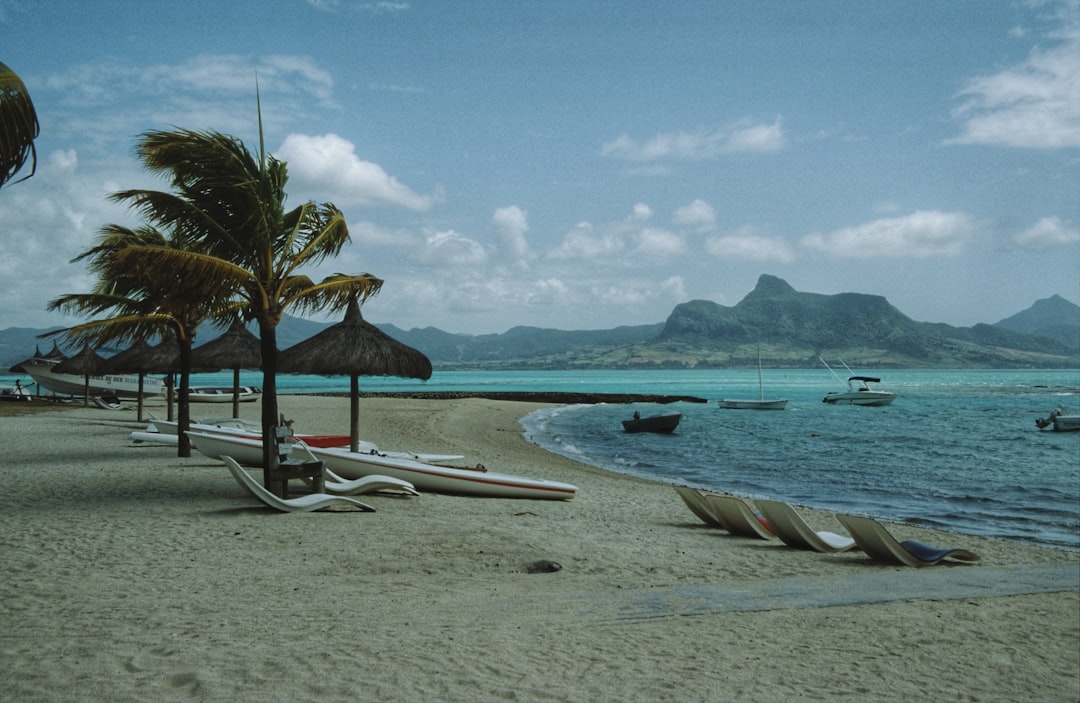
Mauritius's creole capital: a colonial waterfront, a chaotic central market and mountains behind the harbour.
- Best time to visit: May-December
- Daily budget (budget traveller): $70 to $160 USD
- Ideal trip length: 1 to 2 days in the city, 7+ on the island
Port Louis is the working heart of Mauritius: a compact harbour capital where Hindu temples, a Chinatown, Creole colonial houses and a Friday mosque sit within a few blocks, ringed by jagged volcanic peaks. Most visitors head straight for the beaches, but the capital's Caudan waterfront, central market and UNESCO-listed Aapravasi Ghat give the island its context.
Port Louis is the part of Mauritius the brochures skip, and the part that explains the rest. About 150,000 people live in a harbour capital squeezed between the Indian Ocean and a wall of volcanic peaks (Pieter Both, Le Pouce, the Signal Mountain ridge). Within a ten minute walk you pass a Tamil temple, the Jummah Mosque, a Chinese pagoda, a Creole cathedral and the quay where roughly half a million indentured labourers stepped ashore at Aapravasi Ghat between 1834 and 1920. The island's mix of Indian, African, Chinese and French roots is not a slogan here. It is the lunch menu, the street signs and the noise.
Treat it as a hit, not a holiday. The city runs on office hours: the Central Market opens around 6am, most shops shut by 5pm, Saturday is a half day, and Sunday is nearly dead apart from a few market stalls. After dark the centre is empty and poorly lit. So go early, eat dholl puri standing at a cart for Rs 30 to 40, work through the market, Chinatown, Aapravasi Ghat and the Blue Penny Museum, then take the Fort Adelaide view at 4pm when the heat breaks. It is easy to do in one long day and satisfying in two.
Where you sleep matters more than which sights you pick. Port Louis is the island's hottest, busiest and least beachy corner, and the lagoons you came for are 40 to 90 minutes away. Our default plan: a night at the Caudan Waterfront, one full city day, then move to the north coast or the west and use the capital as a day trip. Rent a car if you can handle left-hand driving. If not, the Metro Express to Rose Hill, Quatre Bornes and Curepipe plus cheap buses and a few pre-booked taxis will get you most places.
How many days in Port Louis?
For Port Louis, we recommend 1 to 2 days in the city, 7+ on the island.
| Trip length | What you'll see | Itinerary |
|---|---|---|
| 2 days · Recommended | The Caudan Waterfront; Market, Chinatown, Aapravasi Ghat, Fort Adelaide | Port Louis in 2 days |
| 3 days | Adds: Pamplemousses and the north tip | Port Louis in 3 days |
| 4 days | Adds: Catamaran day to the northern islets | Port Louis in 4 days |
| 5 days | Adds: Black River Gorges and Chamarel | Port Louis in 5 days |
| 7 days | Adds: Le Morne: mountain and lagoon; Mahebourg | Port Louis in 7 days |
Port Louis itinerary
Land and settle at the Caudan Waterfront
Morning: Arrive at SSR International Airport (MRU). Pick up a rental car or take a pre-booked transfer (Rs 2,000 to 2,800), about an hour to Port Louis.
Afternoon: Check in at Le Suffren Hotel & Marina or Labourdonnais Waterfront. Walk the Caudan quays and the craft market, then the Blue Penny Museum before it closes at 5pm.
Evening: Dinner at Le Pescatore on the waterfront. Be back at the hotel by dark, the surrounding streets empty fast. Early bed for a 6am start.
Market, Chinatown, Aapravasi Ghat, Fort Adelaide
Morning: 7:30am dholl puri from a street cart on Farquhar Street, then the Central Market while it is cool. Try an alouda. Stop at the Jummah Mosque courtyard on Royal Street (dress modestly, avoid Friday prayers).
Afternoon: Noodles and boulettes in Chinatown at Lai Min, then Kwan Tee Pagoda. Walk to Aapravasi Ghat, the UNESCO immigration depot. Climb or taxi (about Rs 200) to Fort Adelaide for the 4pm view over harbour and peaks.
Evening: Taxi to the north coast (about Rs 1,200 to 1,800 to Grand Baie) before the evening traffic builds. Dinner and a Phoenix beer on the strip.
Pamplemousses and the north tip
Morning: SSR Botanical Garden at Pamplemousses at 8:30am opening: giant Victoria water lilies, Aldabra tortoises, spice trees. Next door, L'Aventure du Sucre sugar museum.
Afternoon: Drive to Cap Malheureux for the red-roofed Notre Dame Auxiliatrice chapel and the view to Coin de Mire island. Swim at Pereybere beach.
Evening: Sunset at Grand Baie bay, dinner at a seafront restaurant, drinks at Banana Beach Club if you want a night out.
Catamaran day to the northern islets
Morning: Board a catamaran from Grand Baie around 9am (Rs 2,500 to 3,500 with lunch). Snorkel stops near Gabriel Island and Île Plate.
Afternoon: Barbecue on board or on the sand, swim in the sheltered lagoon. Back by 4pm.
Evening: Slow dinner, laundry, early night. Tomorrow is a long drive.
Black River Gorges and Chamarel
Morning: Drive 2 hours to the Black River Gorges viewpoint (Gorges Viewpoint, free). Then Chamarel's Seven Coloured Earth and waterfall (about Rs 350).
Afternoon: Lunch at L'Alchimiste at the Rhumerie de Chamarel, with a rum tasting. Continue to Le Morne.
Evening: Sunset on Le Morne public beach with the mountain behind. Simple dinner at a local guesthouse or a beach shack.
Le Morne: mountain and lagoon
Morning: Sunrise guided hike on Le Morne Brabant when the trail is open (about Rs 1,500 to 3,000, 3 to 4 hours). This UNESCO site was a refuge for escaped slaves, so be respectful at the summit.
Afternoon: Beach and lagoon at Le Morne. Kitesurf lesson if the wind is up (July to September is best), or a quiet swim in the calm west side.
Evening: Dinner near the beach. Pack the car for the east coast tomorrow.
Mahebourg and departure
Morning: Drive about 1h15 to Mahebourg. If it is a Monday, catch the street market (best for fruit, textiles, snacks). Visit the Naval Museum in town.
Afternoon: Late lunch of rougaille and fish vindaye at a local lakaz. The airport is 15 minutes away, so you can relax until 2 to 3 hours before your flight.
Evening: Fly out of MRU. Return the rental car at the airport desk, fill the tank beforehand.
Best neighbourhoods
- Caudan Waterfront: The redeveloped harbour with restaurants, shops, casino and the Blue Penny Museum.
- Central Market: The chaotic multi-level market of produce, spices, textiles and street food.
- Chinatown: Historic Sino-Mauritian quarter with noodle shops and temples.
- Champ de Mars: The southern hemisphere's oldest racecourse, ringed by hills.
- Aapravasi Ghat: The UNESCO-listed immigration depot that received half a million indentured labourers.
Must-do experiences
- Central Market: Browse spices, vanilla, tropical fruit and dholl puri stalls in the city's beating heart.
- Caudan Waterfront & Blue Penny Museum: See the world's rarest stamps and the harbour's restored quays.
- Aapravasi Ghat: Understand the indentured labour history that shaped modern Mauritius.
- Fort Adelaide (La Citadelle): Climb for the best panorama over the city, harbour and mountains.
Hidden gems
- Dholl puri from a street cart, the national street food, for pennies.
- The Jummah Mosque's serene courtyard in the middle of the bazaar.
- Pamplemousses botanical garden's giant water lilies, 20 minutes north.
- Le Pouce mountain hike for a two-hour summit above the capital.
Daily budget
- Accommodation: budget Rs 900 to 1,800 / night (dorm bed) or Rs 1,800 to 3,500 (guesthouse double), mid-range Rs 6,000 to 10,000 (Caudan Waterfront hotel or beachside boutique), splurge Rs 20,000+ (Lux Le Morne, Royal Palm Beachcomber, One&Only Le Saint Géran). Hostels are rare and cluster around Grand Baie and Pereybere. Guesthouses with kitchens on the north and west coasts are the best value.
- Food: budget Rs 500 to 900 / day (dholl puri, mine frite, rice and curry plates), mid-range Rs 1,500 to 2,500 (Chinatown lunch plus one nice dinner), splurge Rs 4,500+ (tasting menu or a long lunch at Le Chamarel). A dholl puri is Rs 30 to 40, a gato piment Rs 5 to 10, an alouda Rs 40 to 60. Lunch at a local lakaz is the best value meal on the island.
- Transport: budget Rs 100 to 300 / day (buses Rs 30 to 80 a ride, Metro Express Rs 20 to 55), mid-range Rs 1,500 to 2,500 (small rental car plus fuel), splurge Rs 4,500+ (private driver-guide for a full day). Port Louis traffic jams at 7 to 9am and 4 to 6pm. Park once at the Caudan lot and walk the centre. Drive on the left.
- Activities: budget Rs 300 to 600 / day (free viewpoints, Le Pouce hike, one small museum), mid-range Rs 2,000 to 4,000 (Pamplemousses garden, Chamarel, catamaran day cruise), splurge Rs 8,000+ (private catamaran, guided Le Morne hike, seaplane or helicopter flight). Blue Penny Museum is around Rs 350, Pamplemousses garden around Rs 400, Chamarel's Seven Coloured Earth around Rs 350. Group catamarans with lunch run Rs 2,500 to 3,500.
- Drinks & nightlife: budget Rs 250 (alouda, Phoenix beer from a boutique at Rs 60 to 90), mid-range Rs 800 to 1,500 (Grand Baie bar evening), splurge Rs 3,000+ (beach club sunset session, rum tasting plus cocktails). Port Louis has almost no nightlife after 6pm. Grand Baie is the party hub, Flic en Flac and Le Morne are calmer. Imported alcohol is heavily taxed.
Where to stay
- Social hostel in Grand Baie / Pereybere (Rs 900 to 1,800 / night): Hostels are scarce on the island, but small dorm hostels and backpacker guesthouses cluster here, close to beaches, bars and group catamaran departures.
- Boutique hotel in Caudan Waterfront, Port Louis (Rs 6,000 to 10,000 / night): Le Suffren Hotel & Marina or Labourdonnais Waterfront, steps from the Blue Penny Museum and restaurants. Best for a one or two night city stop with air conditioning and a pool.
- Apartment in Flic en Flac or Trou aux Biches (Rs 2,500 to 5,000 / night): Self-catering apartments with a kitchen and balcony near the beach, ideal with a rental car for a 5 night or longer stay. Cook with market produce from Port Louis.
- Splurge in Le Morne Peninsula (Rs 20,000 to 45,000 / night): Lux Le Morne or Paradis Beachcomber, with the mountain behind and a calm lagoon in front, kitesurf lessons on site. One&Only Le Saint Géran and Royal Palm Beachcomber are the other benchmark resorts.
What to eat
- Dholl puri, the split-pea flatbread wrap Mauritians live on
- Mine frite and boulettes in Chinatown
- Rougaille and vindaye, creole tomato and turmeric fish dishes
- Alouda, a chilled milk-and-basil-seed drink from the market
Day trips
- Pamplemousses Botanical Garden (11km north, 25 to 40 min): The SSR Botanical Garden is the island's oldest, with giant Victoria water lilies, Aldabra tortoises and spice trees. Combine with L'Aventure du Sucre sugar museum and Château de Labourdonnais. Bus from the Immigration Square / Gare du Nord area, about Rs 35, or taxi Rs 600 to 900. Garden entry around Rs 400, open from 8:30am.
- Chamarel and Black River Gorges (40km south, 1h30 to 1h45 by car): Seven Coloured Earth dunes, a 100m waterfall, rum tasting at Rhumerie de Chamarel and gorge viewpoints. Cooler than the coast, with forest hikes in Black River Gorges National Park. Drive from Port Louis via Quatre Bornes, or book a full day tour (Rs 2,500 to 3,500). Public buses are slow with changes.
- Le Morne Brabant (60km southwest, 1h15 to 1h30 by car): UNESCO mountain and peninsula, a former Maroon refuge, with a famous lagoon for kitesurfing and swimming. Guided summit hikes when the trail is open. Drive, or take a direct or Bambous-connected bus from Victoria Square (about Rs 70, two hours). Book hikes with local guides the day before.
When to visit
- Winter (May to August): 20 to 26°C in Port Louis, 17 to 22°C on the plateau, dry with brisk south-east trade winds. Crowds: Moderate, with a spike in July and August European school holidays. The most comfortable season for walking Port Louis. West coast beaches stay sunny and sheltered, the south coast gets windy, and kitesurfers love Le Morne.
- Spring (September to November): 22 to 29°C, low humidity, sea warming to 24 to 26°C. Crowds: Low to moderate. The single best window. Dry, warm, calm lagoons, good diving visibility and hotel rates well below Christmas. Book flights early for October half term.
- Summer (December to February): 28 to 34°C, heavy humidity, afternoon downpours, cyclone risk January to March. Crowds: Heavy over Christmas and New Year, thinning sharply in February. Warmest sea, but Port Louis is brutal from 11am to 3pm. Do the market at dawn, sleep through midday, and check Mauritius Meteorological Services before booking anything non-refundable.
- Autumn (March to April): 26 to 32°C, humid, cyclone risk fading by April. Crowds: Low, with a bump at Easter. Underrated. Lush green hills, empty beaches, discounted resorts. Pack a rain jacket and keep your plans flexible in March.
Entry rules for your passport
Visa rules for Mauritius depend on the passport you travel on. Check the official source before you book: Mauritius Passport and Immigration Office
Getting there
Sir Seewoosagur Ramgoolam International Airport (MRU) is at Plaine Magnien, 48km southeast of Port Louis, about 50 to 70 minutes by road. Air Mauritius, Emirates, Air France, Turkish, Qatar and Air Austral fly in from Europe, the Gulf, India and Southern Africa. Many nationalities enter visa-free, but the permitted stay varies: UK visitors get up to 60 days, so check the limit for your passport. You must also fill in the All-in-One Travel Form online before you arrive. From the airport, a taxi to Port Louis is Rs 2,000 to 2,800, to Grand Baie Rs 3,000 to 3,800, and fixed rates are posted at the arrivals booths. Uber is not available, but local apps like Yugo work. Rental cars (Rs 1,200 to 2,000 a day) are picked up at the airport desks, and driving is on the left. The Metro Express does not reach the airport. It links Port Louis (around Victoria Square and Immigration Square) with Rose Hill, Quatre Bornes and Curepipe, fares Rs 20 to 55. Buses leave from the stations near the market for the whole island but stop early evening.
Getting around
Sir Seewoosagur Ramgoolam airport is 48km southeast, about an hour by taxi or the Metro Express and bus combination. Port Louis itself is walkable, though hot; the Metro Express light rail links to Curepipe and Rose Hill, and buses reach the whole island cheaply but slowly. A rental car is the practical choice for exploring beaches and the south. You must fill in the free All-in-One Travel Digital Form online in the 72 hours before you land.
Safety
Mauritius is a safe destination overall, and Port Louis is fine by day, but the city centre empties after dark and pickpocketing occurs around the market and bus stations, so keep bags closed and avoid quiet streets at night. Cyclone season runs from mid-November to mid-May, peaking from January to March. Sun, strong lagoon currents at gaps in the reef, and left-hand driving are the other things to watch.
Solo travel tips
- Eat where the queue is: A dholl puri cart with a line of office workers is a free lesson in Mauritian food. Point, hold up fingers for how many, and add chilli. You will be chatting to the vendor in two minutes.
- Be done by 5pm: Central Port Louis is empty after offices close and poorly lit. Finish your sightseeing by late afternoon, then take a taxi or return to the Caudan Waterfront, where there is security and life.
- Rent a car or share a driver: Buses are cheap (Rs 30 to 80) but slow and stop early. A small rental (Rs 1,200 to 2,000 a day) saves hours, but if you dislike left-hand driving, split a driver for a day with other solos at your guesthouse.
- Sleep on the coast, visit the capital by day: The best solo base is Grand Baie or Pereybere in the north, with cafés, hostels and group boat trips. Flic en Flac in the west suits divers. Day trip into Port Louis by bus in 40 to 60 minutes.
- Solo female travellers: Mauritius is one of Africa's safest islands for women alone. Dress modestly in Port Louis and at temples, avoid empty beaches and quiet streets after dark, use pre-booked taxis late at night, and ignore persistent touts without arguing.
- Find your tribe on the water: Group catamarans from Grand Baie, kitesurf and SUP lessons at Le Morne, and dive schools at Flic en Flac are full of solo travellers. Book a morning session on arrival and you will have dinner plans by lunchtime.
Cultural etiquette
- Greet with 'Bonzour' and say 'Mersi'. Mauritian Creole is the street language, French is used for business, English for officialdom. Switching politely between them goes a long way.
- Remove your shoes at Hindu temples and mosques and cover shoulders and knees. At the Jummah Mosque, non-Muslims should avoid Friday prayers and ask before photographing.
- Haggle gently in the Central Market and craft stalls. Start at about 70% of the first price, smile, and walk away if it is not right. Fixed-price shops and supermarkets do not bargain.
- Tipping is appreciated but never expected. Round up taxis, leave about 10% at restaurants where service is not included, and a small tip for guides and boat crews.
- Public nudity and topless sunbathing are not accepted on public beaches. Put a shirt on when you leave the sand.
- Le Morne and Aapravasi Ghat are memorials to slavery and indentured labour. Keep voices low and skip the posed selfies at memorial points.
- Respect religious festivals. Cavadee, Thaipusam, Maha Shivaratri (the Grand Bassin pilgrimage) and Eid close roads and fill buses, so plan around them, but do join the crowds if invited.
Frequently asked questions
Is Port Louis worth visiting?
Yes, as a half or full day rather than a base. The Central Market, Caudan Waterfront, Aapravasi Ghat and Fort Adelaide give real insight into Mauritius's creole, Indian, Chinese and colonial layers, which the beach resorts don't. Stay on the coast and visit the capital by day.
How many days do you need in Port Louis?
One to two days for the city itself, combined with Pamplemousses gardens or the north coast. For Mauritius overall, plan seven to ten days to cover the beaches, Chamarel, Black River Gorges, Île aux Cerfs and Le Morne at a comfortable pace.
Is Port Louis safe for tourists?
By day, yes, with normal precautions around the crowded market and bus stations, where pickpocketing is the main risk. The centre becomes quiet and poorly lit after office hours, so avoid walking alone at night and take a taxi or ride-hailing back to your coastal hotel.
When is the best time to visit Mauritius?
May to December, the cooler dry season, with temperatures of 22 to 28°C and low humidity; September to December is ideal for beaches and diving. January to March is hot, humid and cyclone season, though the sea is warmest. Port Louis is consistently the island's hottest spot.
What is Port Louis famous for?
Being the capital and main port of Mauritius, its bustling Central Market, the Caudan Waterfront, the UNESCO-listed Aapravasi Ghat where indentured labourers arrived from 1849, the Blue Penny Museum's ultra-rare 1847 stamps and the Champ de Mars, the oldest racecourse in the southern hemisphere.
Is Mauritius expensive?
It varies enormously. Budget $70 to $160 a day outside resorts: a dholl puri costs under 30 rupees, a local restaurant meal 300 to 700 rupees, and guesthouses $40 to $90. Luxury beach resorts easily exceed $400 a night, and imported goods and alcohol are pricey.
How do you get around Mauritius from Port Louis?
Buses are cheap and cover the island but are slow and stop early evening. The Metro Express light rail links Port Louis with Rose Hill, Quatre Bornes and Curepipe. Renting a car (driving on the left) is the most flexible option, and taxis or ride-hailing suit occasional trips.
Tours and activities in Port Louis | Port Louis in 2 days | Port Louis in 3 days | Port Louis in 4 days | Port Louis in 5 days | Port Louis in 7 days
Can't decide? Compare Port Louis with...
Joy Plus home | Destinations | Itineraries | Activities | Flights | Budget planner | Calendar | Map | Blog | Lifetime access