Destinations / Caribbean
Port of Spain, Trinidad and Tobago travel guide
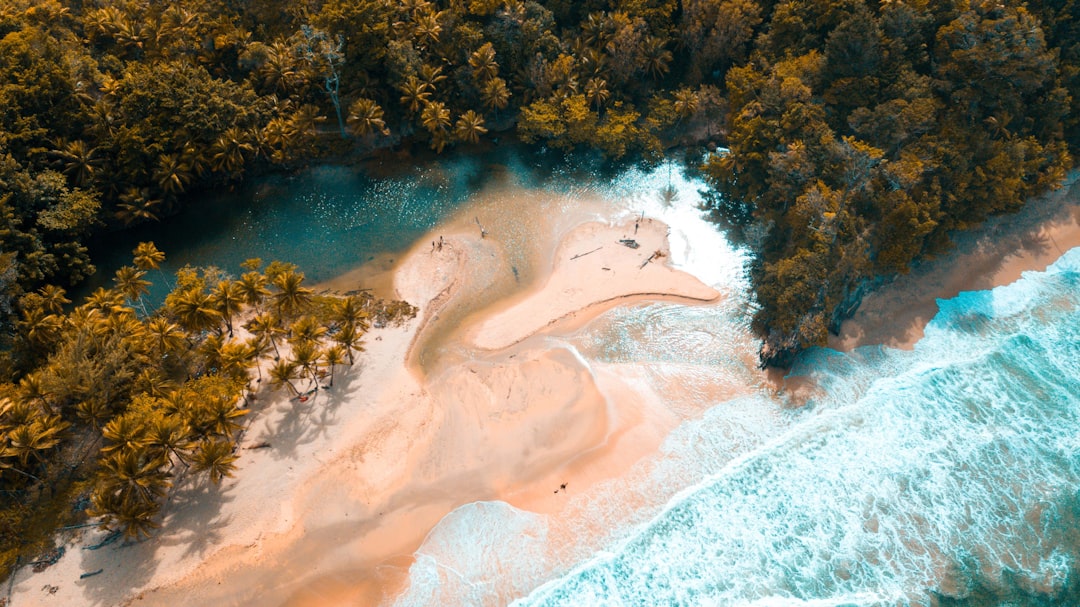
Home of Carnival, steelpan and calypso, with rainforest, bird sanctuaries and the best street food in the Caribbean.
- Best time to visit: January-May (dry season, Carnival in Feb/Mar)
- Daily budget (budget traveller): $70 to $150 USD
- Ideal trip length: 3 to 5 days
Port of Spain is the Caribbean's cultural powerhouse: the birthplace of steelpan, calypso and soca, and host of the region's biggest Carnival. It is a real, busy city with Indian, African, Chinese and Creole food traditions layered on top of each other, plus rainforest and scarlet ibis wetlands within an hour. Joy Plus builds a food-and-music route with the nature trips locals take.
Port of Spain is not a resort town, and that is the whole appeal. It is a working Caribbean capital where the steel drum was invented, where calypso and soca were born, and where Indian, African, Chinese, Syrian and Creole kitchens have been trading recipes for 150 years. A doubles vendor at 7am, a panyard rehearsal at 9pm and a rum shop on a Sunday afternoon are the real attractions here, and none of them are packaged. Expect heat, traffic, warmth, and a lot of strangers telling you what to eat next.
The city sits on the Gulf of Paria with the green wall of the Northern Range right behind it. That means rainforest, hummingbirds and a 45-minute drive to Maracas Bay are closer than the airport. The Savannah, the big park at the city's heart, is the daily stage: joggers, coconut vendors, cricket, and the Magnificent Seven mansions on its western edge. The best base is Woodbrook, which has Ariapita Avenue's restaurants and bars, with St. Clair and Maraval as calmer alternatives. Downtown is for daylight only.
Timing matters more than anywhere else in the Caribbean. Carnival Monday and Tuesday fall on 8 and 9 February in 2027, with Panorama finals usually on the Saturday before and Dimanche Gras on the Sunday. Rooms triple in price and sell out months ahead. Outside Carnival the city is cheap, quiet and arguably more authentic, with boat tours into the Caroni Swamp, bake and shark at Maracas, and the Divali lights in autumn. Plan around tides, rehearsal schedules and the 9am doubles sell-out, and use H-plate taxis after dark.
How many days in Port of Spain?
For Port of Spain, we recommend 3 to 5 days. With more time, add a day trip to Caroni Bird Sanctuary.
| Trip length | What you'll see | Itinerary |
|---|---|---|
| 2 days | Woodbrook and the Savannah loop; Downtown, gardens and the zoo | Port of Spain in 2 days |
| 3 days · Recommended | Adds: Maracas Bay and the north coast | Port of Spain in 3 days |
| 4 days · Recommended | Adds: Angostura and the scarlet ibis | Port of Spain in 4 days |
| 5 days · Recommended | Adds: Asa Wright Nature Centre | Port of Spain in 5 days |
| 7 days | Adds: Chaguaramas and a panyard night; Last doubles | Port of Spain in 7 days |
Port of Spain itinerary
Arrive, Woodbrook and the Savannah loop
Morning: Land at Piarco (POS). Pre-book a taxi to Woodbrook, about TT$250, 30 to 45 minutes, and avoid the highway 6 to 9am and 3 to 7pm. Drop bags, then eat doubles standing at a street stall: TT$8-12 each, ask for 'slight pepper'.
Afternoon: Walk the western edge of Queen's Park Savannah past the Magnificent Seven mansions. Drink coconut water from a vendor, about TT$15. Stay out of the midday heat when you can.
Evening: Dinner at Veni Mangé on Ariapita Avenue for Trini home cooking, then one rum at a bar on the strip. Take an H-plate taxi home, don't walk.
Downtown, gardens and the zoo
Morning: Taxi to Independence Square and stroll the Brian Lara Promenade. Visit the National Museum and Art Gallery on Frederick Street (free, check hours). Lunch on a roti with curry channa and aloo, TT$40-60.
Afternoon: Royal Botanic Gardens (free) and the adjacent Emperor Valley Zoo for the macaws and scarlet ibis. Leave downtown by 5pm.
Evening: Join the dusk loop around the Savannah, about 3.5 km, where the whole city walks and eats corn soup and pholourie from the stalls. Dinner back in Woodbrook.
Maracas Bay and the north coast
Morning: Leave by 8am via Saddle Road and the North Coast Road. Stop at Maracas Lookout for the view over the bay.
Afternoon: Swim at Maracas Beach, then a bake and shark at Richard's, about TT$60-90. Dress it yourself at the sauce bar: tamarind, garlic, pineapple, shado beni. Sun loungers are a few TT$.
Evening: Drive back before dusk. Easy dinner near your hotel, early night.
Angostura and the scarlet ibis
Morning: House of Angostura for the bitters and rum tour, weekdays, book ahead and go by taxi door to door. Late lunch at a Woodbrook roti shop.
Afternoon: Drive 25 to 30 minutes south to the Caroni Bird Sanctuary. Check in with Nanan's or another licensed operator for the 3:30 to 4pm boat.
Evening: Scarlet ibis fly into the mangroves at dusk, a red cloud against green. Taxi back and eat late in Woodbrook.
Asa Wright Nature Centre
Morning: Early start for Spring Hill Estate in the Arima Valley, 1 to 1.5 hours by car. Breakfast on the veranda with bellbirds, tanagers and hummingbirds at the feeders.
Afternoon: Guided walk through the rainforest trails, optional oilbird cave. Lunch at the centre.
Evening: Return to town. Quiet dinner in Maraval or St. Clair and rest your legs.
Chaguaramas and a panyard night
Morning: Head west to Chaguaramas, 30 to 45 minutes. Swim at Macqueripe Bay and walk the waterfront.
Afternoon: Lunch at a waterfront restaurant, then look at the boats and the Gasparee island caves if the tours are running.
Evening: Return for a panyard rehearsal at a Woodbrook yard such as Invaders. Rehearsals run nightly before Panorama. Off season, check Pan Trinbago for open evenings.
Slow morning, last doubles, depart
Morning: Final doubles and a coconut at the Savannah. Buy Angostura bitters and Trinidad cocoa for gifts.
Afternoon: Lunch of curry duck or pelau, then pack.
Evening: Taxi to Piarco at least three hours before your flight, since highway traffic can double the trip.
Best neighbourhoods
- Woodbrook: Bars, restaurants, panyards, and the heart of Carnival-season nightlife.
- St. Clair / Queen's Park Savannah: Leafy streets, the Magnificent Seven mansions, and the city's green lung.
- Downtown Port of Spain: Independence Square, markets, and the waterfront cruise terminal.
- Maraval: A quieter uptown residential base on the road towards Maracas Bay.
- Chaguaramas: The peninsula west of the city: boating, hiking, and waterfront restaurants.
Must-do experiences
- Trinidad Carnival: The Caribbean's biggest street festival, with mas bands, soca and J'ouvert.
- Maracas Bay bake and shark: A scenic mountain drive to the island's most famous beach and sandwich.
- Caroni Bird Sanctuary: A sunset boat trip as thousands of scarlet ibis roost in the mangroves.
- Panyard rehearsal in Woodbrook: Watch a steelpan orchestra practise for Panorama, free and electrifying.
Hidden gems
- Doubles from a street cart for breakfast, the national obsession, best before 9am.
- The Queen's Park Savannah loop at dusk when the whole city comes out to walk.
- Asa Wright Nature Centre in the Northern Range for hummingbirds and rainforest, though its historic main house burned down in 2024, so check what is open before you go.
- Sunday lunch of curry duck and roti in the countryside outside the city.
Daily budget
- Accommodation: budget TT$350-650 / night (guesthouse or private room), mid-range TT$950-1,650 (boutique double, St. Clair or St. Ann's), splurge TT$1,900+ (Hyatt Regency or Hilton, waterfront). Dorm hostels barely exist. Woodbrook and St. Clair are the best-value bases. During Carnival expect to pay triple.
- Food: budget TT$120-200 / day (doubles, roti, corn soup), mid-range TT$350-600 (one proper sit-down dinner), splurge TT$900+ (tasting menu, wine, seafood). Doubles are TT$8-12 each, a roti is TT$40-70, and bake and shark about TT$60-90. Always ask for 'slight pepper' first.
- Transport: budget TT$20-60 / day (maxi taxis and route taxis), mid-range TT$150-350 (H-plate taxis between sights), splurge TT$700-1,200 (private driver for the day, or rental car). Maxis are fine in daylight on main routes. After dark use an H-plate taxi and agree the fare first. Skip rental in the city, but a car or driver is worth it for Maracas and Asa Wright.
- Activities: budget TT$0-80 / day (Savannah, Botanic Gardens, Maracas Beach), mid-range TT$250-500 (Caroni boat tour, Asa Wright day entry), splurge TT$1,000+ (private naturalist guide, mas band costume at TT$4,000+ in Carnival season). Most of the city's best experiences are free. Caroni boat tours run roughly TT$200-250 per person.
- Drinks & nightlife: budget TT$30-70 (Carib beer at a rum shop, TT$15-25), mid-range TT$150-300 (Ariapita Avenue bars, rum cocktails), splurge TT$700+ (all-inclusive fete, TT$700-1,800 in season). Rum shops are the social centre. Try Angostura 1919, Puncheon overproof (carefully) and a Carib or Stag.
Where to stay
- Social hostel in Woodbrook (TT$350-650 / night (US$50-95)): True dorm hostels are rare, so book a guesthouse or private room with a shared kitchen or lounge near Ariapita Avenue. You can walk to restaurants and bars, with taxis easy to get.
- Boutique hotel in St. Clair / St. Ann's (TT$950-1,650 / night (US$140-245)): Normandie Hotel or Coblentz Inn, quiet, leafy, with good restaurants and a short taxi to the Savannah and Woodbrook.
- Apartment in Maraval (TT$650-1,200 / night (US$95-180)): Residential cottages and flats on the road to Maracas Bay. Cooler air, quiet nights and the best value for stays of five nights or more. A car or regular taxi is essential.
- Splurge in Downtown waterfront (TT$1,900-3,400 / night (US$280-500)): Hyatt Regency Trinidad on Wrightson Road or the Hilton Trinidad, with pools, harbour views and secure transport, useful during Carnival.
What to eat
- Doubles (curried chickpeas in fried bara bread)
- Bake and shark at Maracas Bay
- Roti with curry goat, duck or channa
- Pholourie, corn soup and Angostura-based cocktails
Day trips
- Maracas Bay and the north coast (45 min by car): Winding mountain road to the island's best-known beach. Swim, eat bake and shark at Richard's and stop at Maracas Lookout on the way. Taxi or rental car via Saddle Road, TT$400-600 return with waiting. Public routes exist but run thin on weekdays.
- Caroni Bird Sanctuary (25 to 30 min by car): Sunset boat through mangroves as thousands of scarlet ibis roost. Go for the 3:30 to 4pm departure and bring a hat and repellent. Taxi or rental car south on the highway. Book with Nanan's or another licensed operator, about TT$200-250 per person.
- Asa Wright Nature Centre (1 to 1.5 hours by car): Rainforest lodge in the Arima Valley with hummingbird feeders, bellbirds, tanagers and guided trails. Great for birders and non-birders alike. Hire a driver or rental car via Arima. Book day entry and lunch in advance, about US$25 for day entry plus meals.
When to visit
- Carnival (January to 9 February in 2027 (peak 6 to 9 Feb)): 24-32°C, dry and sunny, breezy evenings. Crowds: Intense, rooms sell out months ahead. Unforgettable if you commit: Panorama, J'ouvert at 4am, mas on the road. Accommodation triples in price, so book early and stay with a group.
- Dry season (March to May): 25-33°C, low rain, hot and humid by midday. Crowds: Low to moderate once Carnival ends. The sweet spot. Best weather for Maracas, Caroni and Asa Wright, prices drop right after Ash Wednesday, and the fete season still has plenty of energy.
- Wet season (June to November): 24-31°C, heavy afternoon downpours, high humidity. Crowds: Light, cheapest rooms. Good value. Mornings are usually clear, so do outdoor trips early. Independence Day (31 Aug) and Divali (8 Nov 2026) bring great food and lights. Trinidad sits south of the main hurricane belt.
- Parang season (December to early January): 23-31°C, showers easing, cooler nights. Crowds: Moderate, busy with returning diaspora. Locals' favourite. Parang music, sorrel drinks, pastelles and ham on every table, and Carnival fete season warming up. Book flights early, since Trinis come home.
Entry rules for your passport
Visa rules for Trinidad and Tobago depend on the passport you travel on. Check the official source before you book: Trinidad and Tobago Immigration Division
Getting there
Piarco International Airport (POS) is about 25 km east of Port of Spain, 30 to 45 minutes by car outside rush hour. Direct flights come from Miami, New York JFK, Fort Lauderdale, Toronto and London Gatwick, plus Caribbean connections with Caribbean Airlines. There is no rail and no reliable airport bus, so pre-book a taxi or hotel transfer, about TT$200-280 (US$30-40) to Woodbrook or St. Clair. Official airport taxis use fixed fares displayed at the rank. Avoid the highway 6 to 9am and 3 to 7pm. Most Western nationalities need no visa for stays up to 90 days, but check before you fly. Tobago is a 20-minute flight or a few hours by ferry from Port of Spain.
Getting around
Piarco International is about 30 minutes east of the city. Maxi taxis, the shared minibuses colour-coded by route, are cheap and efficient in daylight, and route taxis run fixed corridors for a few dollars. Licensed taxis with H registration plates are the safe evening option and fares should be agreed first. A rental car helps for Maracas Bay, Caroni and the Northern Range; driving is on the left and city traffic is heavy.
Safety
Port of Spain has significant crime, and the US advises reconsidering travel to Trinidad and Tobago. The government has declared repeated states of emergency over gang violence, most recently from March to 17 September 2026, so check whether one is in force and what it restricts. The violence is concentrated in specific areas away from where visitors spend time: stay in Woodbrook, St. Clair or Maraval, use H-plate taxis after dark rather than walking, avoid downtown, Laventille and the eastern districts, especially at night, and keep phones and jewellery out of sight. Carnival is generally good-natured but crowded, so travel in groups and watch for pickpockets.
Solo travel tips
- Use trusted taxis after dark: Ask your hotel for a driver they know and save the number on WhatsApp. H-plate taxis are the safe evening option. Agree the fare first and text a friend the plate number.
- Chat at the doubles stand: Doubles vendors, coconut sellers and rum shop regulars are friendly and love talking about food. Eat standing, ask what to try, and you will get tips and sometimes invitations.
- Book the Caroni boat as a group tour: Operators like Nanan's run scheduled departures around 4pm. Shared boats are cheaper than private, and easy to join as a solo traveller.
- Lime like a local: A lime is a casual hangout. Say yes to Friday evening Ariapita Avenue, Sunday beach days, and rum shop sessions. Ask your host or driver where locals are going.
- Solo female travellers: Take taxis rather than walking at night, even short distances, keep jewellery and phones out of sight and avoid downtown after 5pm. Ariapita Avenue and the Savannah in daylight are fine. Catcalls are common, so ignore and keep walking. Watch your drink at fetes.
- Carnival solo: Join a mas band such as Tribe, Bliss, Yuma or Harts for Monday and Tuesday. Costumes run about TT$4,000-12,000 and include food, drinks and security. It is the safest, most social way to play.
Cultural etiquette
- Say 'good morning' or 'good afternoon' before asking anything. Skipping it is considered rude.
- Never wear or pack camouflage clothing. It is illegal for civilians in Trinidad and Tobago.
- Fetes and limes start late. Arriving at 11pm is normal. Be flexible with time.
- Ask before photographing people, especially at religious sites and in mas costumes.
- Remove shoes at Hindu temples and during Divali visits, dress modestly and follow your host's lead.
- Say 'slight pepper' when ordering doubles or roti. Local pepper sauce is hot.
- Swimwear stays at the beach. In town, even in the heat, cover up.
Frequently asked questions
How many days do you need in Port of Spain?
Three to five days is enough for the city and its surroundings: a day for downtown, the Savannah and the Magnificent Seven, a day for Maracas Bay and the north coast, an afternoon boat trip into the Caroni Bird Sanctuary, and evenings eating and hearing live music in Woodbrook. Carnival visitors should allow a full week.
When is Trinidad Carnival?
Carnival falls on the Monday and Tuesday before Ash Wednesday, so it moves each year between early February and early March. The season of fetes, panyard rehearsals and Panorama competitions builds for weeks beforehand. Accommodation sells out months ahead and prices multiply, so book flights and rooms as early as possible if you plan to attend.
Is Port of Spain safe for tourists?
It requires more care than resort destinations: the US advises reconsidering travel, and a state of emergency over gang violence ran from March to September 2026. Crime is real but concentrated in areas visitors have no reason to enter. Base yourself in Woodbrook, St. Clair or Maraval, use H-plate taxis rather than walking after dark, avoid downtown at night, keep valuables discreet and stay with groups during Carnival. Most visitors who follow local advice have a great time.
Is Trinidad or Tobago better to visit?
They suit different trips. Trinidad is the cultural and culinary heavyweight, with Carnival, steelpan, street food and rainforest, but few classic beaches near the capital. Tobago is the beach island, with reefs, calm bays and a slower pace. Many travellers combine them, since the flight takes 20 minutes and the ferry a few hours.
What food is Trinidad famous for?
Doubles, a street-food sandwich of curried chickpeas in soft fried bara bread, is the national breakfast and costs pocket change. Bake and shark at Maracas Bay is the beach classic. Beyond that, roti with curry goat or duck, pholourie, corn soup, pelau and Chinese-Trini dishes reflect the island's African, Indian, Chinese and Creole heritage in one of the region's best food scenes.
Is Port of Spain expensive?
No, it is one of the Caribbean's better-value capitals outside Carnival, since it serves residents rather than tourists. Around $70 to $150 a day covers a comfortable hotel, excellent food, taxis and activities. Street food costs very little. During Carnival, however, accommodation prices can triple and mas band costumes run into hundreds of dollars.
Are there beaches in Port of Spain?
Not in the city itself, which sits on a working harbour with muddy water. The closest good beach is Maracas Bay, about 45 minutes over the Northern Range on a winding scenic road, followed by Las Cuevas and Blanchisseuse further along the north coast. For classic Caribbean sand and reefs, most travellers add a short flight to Tobago.
Tours and activities in Port of Spain | Port of Spain in 2 days | Port of Spain in 3 days | Port of Spain in 4 days | Port of Spain in 5 days | Port of Spain in 7 days
Joy Plus home | Destinations | Itineraries | Activities | Flights | Budget planner | Calendar | Map | Blog | Lifetime access