Destinations / North America
Prince Edward Island, Canada travel guide
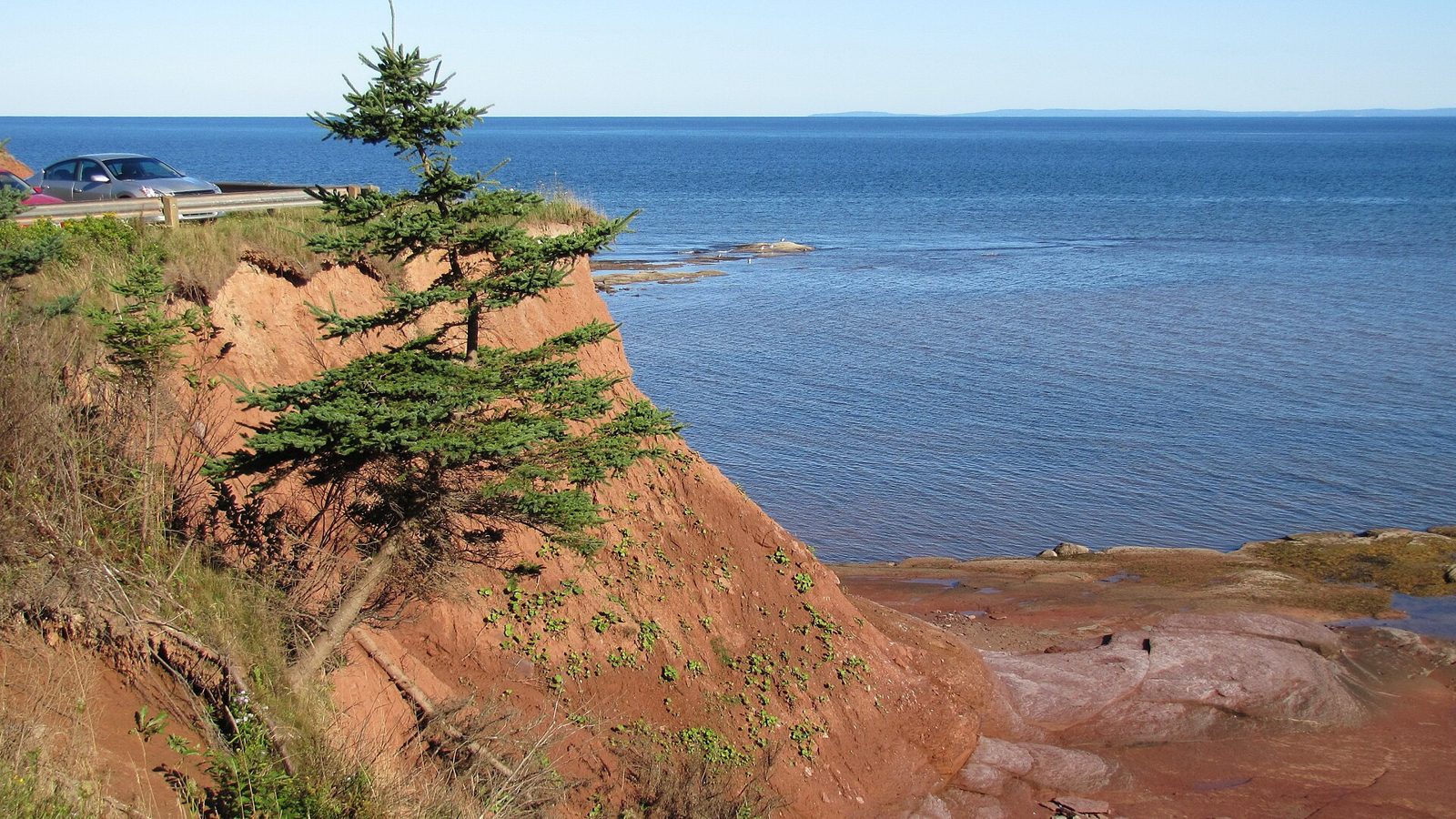
Canada's smallest province is a gentle island of red cliffs, sand dunes and potato fields in the Gulf of St Lawrence. You swim off warm north shore beaches, visit the farmhouse behind Anne of Green Gables and crack open lobster at a church-hall style supper.
- Best time to visit: Late June to September
- Daily budget (budget traveller): $90 to $280 USD
- Ideal trip length: 4 to 7 days
Prince Edward Island sits off the coast of New Brunswick and Nova Scotia, joined to the mainland by the 12.9km Confederation Bridge. It is about 224km long and never more than a short drive from the sea, so in a week you can cover most of it without rushing. The capital, Charlottetown, is a small, walkable harbour city with brick streets, good restaurants and a summer theatre season. On the north shore, PEI National Park protects long sandy beaches, dunes and red sandstone cliffs, and Cavendish is home to Green Gables, the farmhouse that inspired L.M. Montgomery's novels. The east has quieter beaches, lighthouses and the singing sands of Basin Head. The island is famous for lobster, mussels, Malpeque oysters and potatoes, and lobster suppers are a summer ritual. The catch for solo travellers is transport. A cheap seasonal bus links Charlottetown and Cavendish in summer, but most of the island needs a car or a bike. The season is also short, and many places close from October to May. Plan around that and it is one of the safest, friendliest and easiest places in Canada to travel alone.
Prince Edward Island is the smallest of Canada's provinces, home to about 180,000 people. The Mi'kmaq call it Epekwitk, roughly 'cradled on the waves'. It is a quilt of red soil, green fields and small white churches, cut by inlets and edged with beaches. Charlottetown is where the talks that led to Canadian Confederation began in 1864, and the city still trades on that history with brick streets and summer theatre. Many visitors come for Anne of Green Gables, many for the beaches and plenty for the lobster. Stay a few days and you find something calmer: a wharf at dusk, an empty stretch of dune at Greenwich, a chip truck by a lighthouse. It is not cheap in July and August, but a hostel bed, free beaches, $1.50 buses and a bike keep costs reasonable.
Getting here is straightforward. Charlottetown Airport has flights from several Canadian cities, and Halifax is around three and a half hours away by car or a longer coach ride. Drivers cross the Confederation Bridge from New Brunswick or take the ferry from Caribou in Nova Scotia, and pay only when they leave. Once on the island, base yourself in Charlottetown if you are relying on buses, since the summer T3 route reaches Cavendish and Green Gables. To see the east, the west and the quieter beaches, hire a car for a few days or cycle the Confederation Trail.
Timing shapes the trip more than almost anywhere in Canada. From late June to early September, everything is open, the sea is warm and the lobster suppers are busy. September is the locals' pick, with warm water, fewer people and food festivals. From mid-October to May, national park facilities close, the Cavendish strip shuts and most seasonal restaurants and inns go dark, though Charlottetown stays lively enough. PEI is very safe, people are friendly and chatty, and evenings are relaxed rather than loud. Come for beaches, a bike and seafood rather than nightlife.
Prince Edward Island itinerary
Arrive in Charlottetown
Morning: Fly into Charlottetown or arrive by coach from Halifax. Drop your bag downtown and get a coffee on Victoria Row.
Afternoon: Walk Peakes Wharf and the boardwalk to Victoria Park, then back up Great George Street past the old brick houses.
Evening: Mussels and a local beer on the waterfront, then live music in one of the downtown pubs.
Charlottetown at a slower pace
Morning: Visit the free art gallery at the Confederation Centre of the Arts and pick up a lobster roll at Water Prince Corner Shop.
Afternoon: Hire a bike and ride the Confederation Trail out of the city, or take a harbour boat tour if one is running.
Evening: See the Anne musical at the Confederation Centre in summer, or eat oysters at a downtown seafood bar.
Green Gables and Cavendish
Morning: Take the T3 North Shore bus to Cavendish (about $1.50 USD) or drive. Arrive at Green Gables near its 9am opening.
Afternoon: Walk Lover's Lane and the Haunted Wood, then swim at Cavendish Beach in the national park. Check the surf flags first.
Evening: COWS ice cream, sunset on the dunes, then the late bus back or a night in North Rustico.
North shore beaches and a lobster supper
Morning: Pick up a hire car if you have not already. Cycle or walk part of the Gulf Shore Way near North Rustico.
Afternoon: Drive east to Brackley or Stanhope beach, then on to Covehead Harbour Lighthouse. Lunch at Richard's on Covehead Wharf.
Evening: Lobster supper at New Glasgow Lobster Suppers, booked ahead in high summer.
Greenwich and Basin Head
Morning: Drive about an hour east to Greenwich. Walk the dunes trail and floating boardwalk before it gets hot.
Afternoon: Continue to Basin Head for the singing sands and a swim. Have fish and chips in Souris.
Evening: Stay in Souris or nearby for a quiet night, or drive back to Charlottetown in about 90 minutes.
East Point and the south-east
Morning: Drive to East Point Lighthouse at the island's tip and walk the cliffs.
Afternoon: Head south along the coast to Point Prim Lighthouse, and have chowder at the chowder house nearby.
Evening: Back in Charlottetown for a farewell seafood dinner downtown.
Victoria-by-the-Sea and depart
Morning: Drive west to Victoria-by-the-Sea for coffee, chocolate and a walk on the wharf.
Afternoon: Carry on to the Confederation Bridge (toll about $15 USD on leaving), or return the car and fly out of Charlottetown.
Evening: Arrive in Moncton or Halifax, or carry on to your next stop.
Best neighbourhoods
- Downtown Charlottetown: The best base if you are not driving. You have the waterfront at Peakes Wharf, Victoria Row's pedestrian street, the Confederation Centre of the Arts, most of the restaurants and bars and the T3 bus stops for Cavendish in summer. Great George Street and the streets around it are quiet at night and easy to walk.
- Cavendish: The north shore resort area, around 40 minutes from Charlottetown, with Green Gables, the main national park beach and a strip of mini golf, amusement parks and ice cream shops. It is busy and a bit brash in July and August, but you can walk to the beach. Almost everything shuts from October to May.
- North Rustico: A working fishing village a few minutes east of Cavendish, with a harbour boardwalk, seafood shacks and kayak hire. It is calmer and more local than Cavendish and close to the national park's Gulf Shore Way path. Cottages and B&Bs here make a good base if you have a car.
- Summerside: The island's second city, on the south shore about an hour west of Charlottetown. It has a harbourfront boardwalk, old shipbuilders' houses and cheaper rooms than the capital. It suits you if you want to explore the quieter west, and it is only 30 minutes from the bridge.
- Souris and Kings County: The rural east, with the town of Souris, Basin Head, East Point and the Greenwich dunes all within a short drive. Rooms are fewer but cheaper, beaches are emptier and evenings are very quiet. You need a car, and restaurants close early.
Must-do experiences
- Walk Charlottetown's waterfront and old streets: Start at Peakes Wharf, walk the boardwalk to Victoria Park and come back up Great George Street past the old brick houses. Victoria Row is lined with terraces in summer. The Confederation Centre of the Arts has a free gallery and, in summer, the long-running Anne musical.
- Visit Green Gables Heritage Place: The Parks Canada site in Cavendish has the farmhouse, a visitor centre and woodland walks through the Haunted Wood and Lover's Lane. It opens 9am to 5pm daily from 1 May to 31 October. Adult entry is normally about $7 USD, but it was free from 19 June to 7 September 2026.
- Swim on the north shore beaches: PEI National Park runs along the north shore from Cavendish to Dalvay, with red cliffs, dunes and long sandy beaches. Cavendish and Brackley are the best known and have lifeguards in peak season. The water warms up by late July, and entry was free over summer 2026.
- Eat a lobster supper: Lobster suppers began as church and community fundraisers and are now an island tradition. New Glasgow Lobster Suppers serves lobster with chowder, mussels, salad and pie at long tables. Expect roughly $45 to $65 USD depending on the lobster size, and check the season dates before you go.
- Walk the floating boardwalk at Greenwich: Greenwich, the eastern part of the national park, has the island's biggest dunes. The Greenwich Dunes Trail crosses a pond on a floating boardwalk and ends at a wide, often empty beach. It is about an hour from Charlottetown and well worth a half-day.
- Hear the singing sands at Basin Head: Basin Head beach, near Souris in the far east, is known for sand that squeaks under your feet. The water is warm and clear, and there is a small fisheries museum on the bluff. Swim in the sea rather than the fast tidal channel under the bridge.
- Cycle part of the Confederation Trail: The old railway line has been turned into a gravel trail that runs the length of the island, with branches to Charlottetown and Souris. It is flat, quiet and easy, with views of fields and inlets. Hire a bike in Charlottetown and ride a section for a day, or go end to end over several.
Hidden gems
- Point Prim Lighthouse, the island's oldest, a round brick tower on a quiet headland south-east of Charlottetown, with a chowder house nearby
- Victoria-by-the-Sea, a tiny south shore village with a chocolate shop, a summer playhouse and a wharf that is lovely at low tide
- Covehead Harbour Lighthouse at sunset, a small white lighthouse on the dunes next to a working wharf in the national park
- The Gulf Shore Way, a paved path through the national park that is perfect for an easy bike ride between beaches, dunes and harbours
- East Point Lighthouse at the island's eastern tip, where the tides of the Gulf and the Northumberland Strait meet and you often have the cliffs to yourself
Daily budget
- Accommodation: budget $35 to $55 USD / night (hostel dorm), mid-range $130 to $220 USD (B&B, motel or 3-star hotel), splurge $300+ USD (heritage inn or Dalvay by the Sea). Prices rise sharply in July and August and around the Cavendish Beach Music Festival in July. Single rooms are scarce. Sales tax of 15% is added, and some places charge a tourism levy.
- Food: budget $30 to $45 USD / day (bakery breakfast, chip truck lunch, supermarket picnic), mid-range $60 to $90 USD (café lunch and a seafood dinner), splurge $130+ USD (lobster supper or tasting menu with wine). A lobster supper runs roughly $45 to $65 USD, and mains elsewhere about $20 to $35 USD. Menu prices exclude 15% tax and a 15-20% tip.
- Transport: budget $0 to $10 USD / day (walking, T3 buses at about $1.50 USD a ride), mid-range $60 to $90 USD (small hire car plus fuel), splurge $120+ USD (hire car in peak season or private tours). The bridge toll is about $15 USD per car on leaving, and the ferry is paid only on departure from Wood Islands. Foot passengers pay a small fare. Bike hire is about $30 to $45 USD a day.
- Activities: budget $0 to $10 USD / day (beaches, trails, Green Gables at about $7 USD), mid-range $15 to $40 USD (museums, kayak hire), splurge $50+ USD (Anne musical, boat tours, lobster fishing trips). Parks Canada sites were free from 19 June to 7 September 2026. Outside free periods, the national park charges a small daily fee while it is open. Provincial parks are free.
- Drinks & nightlife: budget $6 to $12 USD (a pint of local beer), mid-range $20 to $40 USD (a few drinks and live music), splurge $60+ USD (cocktails and a show). A coffee costs about $3 to $4 USD. Charlottetown has pubs with live music most nights in summer. Outside the city, evenings are early and quiet.
Where to stay
- Social hostel in Downtown Charlottetown ($35 to $55 USD / night (dorm)): Charlottetown Backpackers Inn is a long-running, sociable hostel a short walk from the waterfront and Victoria Row. It is the main budget option on the island and a handy base for the summer bus to Cavendish.
- Boutique hotel in Great George Street, Charlottetown ($180 to $320 USD / night): The Great George spreads across a row of restored heritage buildings on the city's handsomest street. You are a few minutes from the harbour, restaurants and the Confederation Centre.
- Cottage or B&B in North Rustico and Cavendish ($120 to $220 USD / night): Small cottages and B&Bs near the national park put you close to the beaches, Green Gables and the Gulf Shore Way. Most open only in season, and you will usually want a car.
- Splurge in Dalvay, PEI National Park ($300 to $500+ USD / night): Dalvay by the Sea is a historic summer mansion turned inn, run as a heritage hotel inside the national park. The beach is across the road, and the bike path runs past the door. It opens in summer only.
What to eat
- Lobster: at a lobster supper, in a roll from a wharf shack or at Water Prince Corner Shop in Charlottetown. Ask for the market price before you order a whole one
- Malpeque oysters: the island's famous oysters, served raw at most seafood bars and often cheaper in oyster happy hours
- PEI mussels: steamed in white wine or beer, with bread for the broth, and good value at almost every restaurant
- Seafood chowder and fish and chips: at Richard's on Covehead Wharf or the chip trucks dotted around the island
- COWS ice cream: the island's best-known ice cream, with shops in Charlottetown and Cavendish, and a scoop after the beach is almost compulsory
- PEI potatoes and fries: the island grows a huge share of Canada's potatoes, so try hand-cut fries, then raspberry cordial in a nod to Anne
Day trips
- Cavendish and the Green Gables Shore (About 40km north-west of Charlottetown, around 40 minutes by car or 45 to 60 minutes by bus): Green Gables, the national park's most famous beach, red cliffs and the fishing village of North Rustico. It is the island's busiest area in summer but still easy to enjoy early or late in the day. Take the T3 North Shore bus from Charlottetown, which runs from late June to early September for about $1.50 USD a ride, or drive. Check return times, and book seats ahead if required.
- Greenwich, Basin Head and East Point (About 60 to 130km east of Charlottetown, 1 to 1.5 hours each way): Huge dunes and a floating boardwalk at Greenwich, the singing sands and warm water at Basin Head, and a lighthouse at the island's eastern tip. It is a long but rewarding day, or better split with a night in Souris. You need a car or a tour, as public transport does not serve these sights for day trips. Start early, fill up with fuel and pack lunch in case cafés are closed.
- Victoria-by-the-Sea and Summerside (About 35km and 60km west of Charlottetown, 35 to 60 minutes by car): A tiny harbour village with a summer playhouse and chocolate shop, then the island's second city with its boardwalk and old shipbuilders' houses. It is a gentle day that pairs well with crossing the bridge. Drive along the south shore, or take the T3 County Line Express to Summerside. Victoria-by-the-Sea needs a car or a bike.
When to visit
- Spring (May - mid-June): 10-18°C, fresh and changeable, sea still cold. Crowds: Low. Quiet and cheap, with blossom and green fields. Many seasonal businesses open in stages, the north shore bus has not started and swimming is only for the brave.
- Summer (Late June - August): 20-26°C, sunny and breezy, sea around 18-22°C by late July. Crowds: Busy, very busy in Cavendish and Charlottetown in July and August. Peak season. Everything is open, the T3 bus runs to Cavendish and the beaches are at their best. Book rooms and hire cars well ahead.
- Early autumn (September - mid-October): 12-20°C, often settled, sea still mild in September. Crowds: Moderate, quiet from late September. Arguably the best time. Warm water early on, the Fall Flavours festival and autumn colour later. Some places start closing after the September long weekend.
- Late autumn and winter (Late October - April): From around 5°C in November to -10 to -3°C in winter, with snow and wind. Crowds: Very quiet. Peaceful and cheap in Charlottetown, but most attractions, park facilities and north shore businesses are closed. The Wood Islands ferry stops on 20 December.
Entry rules for your passport
Visa rules for Canada depend on the passport you travel on. Check the official source before you book: Immigration, Refugees and Citizenship Canada
Getting there
Charlottetown Airport is about 8km from downtown, a short and fairly cheap taxi ride. It has flights from Toronto, Montreal, Ottawa and some other Canadian cities, plus a few seasonal routes. Halifax Stanfield has far more flights and is about three and a half hours away by car, and Maritime Bus coaches link Halifax and Moncton with Charlottetown. By road, the 12.9km Confederation Bridge joins Borden-Carleton to New Brunswick and takes about 12 minutes to cross. Since August 2025 the toll for a car is $20 CAD, about $15 USD, paid only when you leave the island. Walkers and cyclists cannot cross on their own and must use the shuttle service. By sea, Northumberland Ferries sails between Caribou in Nova Scotia and Wood Islands in about 75 minutes, until 20 December in 2026, with four sailings a day in late autumn. The fare is paid only when leaving PEI, and booking ahead is wise in summer. Arriving by bridge and leaving by ferry, or the other way round, makes a neat loop through the Maritimes. In season, a ferry also links Souris with the Magdalen Islands in Quebec.
Getting around
Prince Edward Island is built for cars, and most solo travellers hire one for at least part of the trip. Book early for July and August, when hire cars sell out and prices climb. Roads are quiet and easy, and nowhere is much more than a three-hour drive from anywhere else. Without a car, base yourself in Charlottetown. T3 Transit city buses cost $2 CAD, about $1.50 USD, with exact change. In summer, T3 also runs the North Shore route from Charlottetown to Cavendish and Green Gables at the same price, with seven trips a day in 2026 and a late departure from Cavendish. The rural Transit PEI routes run on weekdays to towns such as Montague, Souris, Summerside and Tignish, but they suit commuters more than sightseers. Taxis exist in Charlottetown and Summerside, but they are expensive for long trips. Cycling is a great option. The flat Confederation Trail crosses the whole island, and bike hire and luggage transfer services operate in summer. Walking works in downtown Charlottetown and along the national park paths, but not between villages.
Safety
PEI is one of the safest places in Canada, and crime against visitors is rare. Take normal care with your bag in Charlottetown bars on summer weekends and lock your hire car. The real risks are natural. North shore beaches can have strong rip currents, so swim at supervised beaches in peak season, check the daily surf report and never swim alone in rough water. The red sandstone cliffs crumble, so stay back from edges and do not sit underneath them. Watch for ticks in long grass and bring repellent for mosquitoes in the woods and dunes. On rural roads, slow down for cyclists, farm vehicles and deer at dusk. Late summer and autumn can bring post-tropical storms, and winter brings snow and icy roads. Tap water is safe to drink. The emergency number is 911. Healthcare is expensive for visitors, so travel insurance with medical cover is essential.
Solo travel tips
- Split your trip in two: Spend car-free days in Charlottetown using the summer bus to Cavendish, then hire a car for two to four days for the east and west. You save money and avoid parking hassles in the city.
- Book early for summer: Hostel beds, single rooms and hire cars on PEI are limited, and July and August sell out. Book as soon as your dates are fixed, especially around the music festival in July.
- Check what is open: Many restaurants, inns and attractions open from June to September only. Outside those months, check opening days before you drive across the island for a meal or a sight.
- Eat cheaply by the water: Chip trucks, wharf seafood shacks and supermarket picnics on the beach keep costs down. Save the lobster supper for one big night, and look for oyster happy hours in Charlottetown.
- Safety for solo travellers: The main risks are rip currents, crumbling cliff edges and driving rural roads at night. Swim at lifeguarded beaches, stay back from cliff tops and tell someone your plans if you hike or kayak alone.
- Meet people at a ceilidh or on a tour: Island ceilidhs, with fiddle music and step dancing, are friendly and easy to join alone. Hostel common rooms, bike tours and the long shared tables at lobster suppers are also good for conversation.
Cultural etiquette
- Say hello and chat. Islanders are friendly and like to know where you are from, and you may hear people described as being 'from away'.
- Wave back when drivers lift a finger from the wheel on country roads, and pull over to let locals pass if you are sightseeing slowly.
- Tip 15 to 20% in restaurants and bars, and remember that 15% sales tax is added to most prices at the till.
- Respect private land. Many fields, wharves and shorelines are working farms or fishing harbours, so ask before you wander in.
- At a lobster supper, expect shared tables and a relaxed, family atmosphere. Bibs are normal, and staff will happily show you how to crack a lobster.
- Recognise the Mi'kmaq history of Epekwitk. Visit Lennox Island or Indigenous-led experiences with an open mind and follow local guidance.
- Leave no trace on the dunes. Stay on boardwalks and marked paths, as marram grass holds the dunes together and is easily damaged.
Frequently asked questions
How do I get to Prince Edward Island?
Charlottetown Airport has flights from Toronto, Montreal, Ottawa and some other cities, and it is about 10 minutes by taxi from downtown. Many people fly to Halifax instead, then drive or take a Maritime Bus coach to Charlottetown. By road you cross the Confederation Bridge from New Brunswick, or take the 75-minute ferry from Caribou in Nova Scotia to Wood Islands, which runs until 20 December in 2026. The bridge has been toll-free since June 2025. The ferry, whose fares were roughly halved, charges only when you leave the island. Walkers and cyclists cross the bridge on a shuttle.
How many days do I need on Prince Edward Island?
Three days covers Charlottetown, Green Gables and a beach day on the north shore. Five days lets you add Greenwich, Basin Head and a lobster supper. A week gives you time for East Point, Point Prim, Victoria-by-the-Sea and a slow day of cycling. If you want to ride the whole Confederation Trail, plan on at least a week for the trail alone.
When is the best time to visit Prince Edward Island?
Late June to mid-September is the main season, with warm beaches, the summer bus to Cavendish and everything open. July and August are the busiest and most expensive. September is quieter, still warm and has the Fall Flavours food festival. October brings autumn colour, but many places close. From November to May the island is very quiet and cold, with snow in winter and most tourist businesses shut.
Do I need a car on Prince Edward Island?
Not for Charlottetown and Cavendish in summer, as the T3 bus links them for about $1.50 USD a ride. For the east, the west and most beaches beyond Cavendish, a car makes life much easier. A good plan is a few car-free days in Charlottetown, then a hire car for two to four days. Cycling the Confederation Trail is a real alternative if you have time and like riding.
Where can I swim on Prince Edward Island?
The north shore beaches in PEI National Park, such as Cavendish, Brackley, Stanhope and Dalvay, are the classics, with lifeguards in peak season. Greenwich and Basin Head in the east are quieter. Water temperatures are best from late July to early September. Watch for rip currents, read the posted flags and swim near other people.
How much does Green Gables cost, and when is it open?
Green Gables Heritage Place opens 9am to 5pm daily from 1 May to 31 October, with visits by appointment just before and after the season. Adult entry is normally about $7 USD, and under-18s go free. In summer 2026 entry was free from 19 June to 7 September under the Canada Strong Pass, so check whether a similar offer runs when you visit. In July and August, arrive near opening time to beat the crowds.
Is Prince Edward Island safe for solo female travellers?
Yes. It is among the safest and friendliest places in Canada to travel alone, and islanders are used to visitors. Take normal care with drinks in Charlottetown bars and plan transport home before evenings out, as taxis outside the city are scarce. If you drive, keep your fuel topped up in the rural east and west, where stations close early.
What entry rules apply to Canada in 2026?
Most visa-exempt visitors, including those from the UK, the EU and Australia, need an eTA to fly to Canada. It costs $7 CAD, about $5 USD, and you apply on the official Government of Canada website. US citizens need only a valid passport. The eTA is not needed if you arrive by land or sea, though you still need a passport. Visitors are usually allowed up to six months. Check the official Canadian government website and your own government's travel advice before you go.
Tours and activities in Prince Edward Island | Prince Edward Island in 2 days | Prince Edward Island in 3 days | Prince Edward Island in 4 days | Prince Edward Island in 5 days | Prince Edward Island in 7 days
Joy Plus home | Destinations | Itineraries | Activities | Flights | Budget planner | Calendar | Map | Blog | Lifetime access