Destinations / Middle East
Ras Al Khaimah, United Arab Emirates travel guide
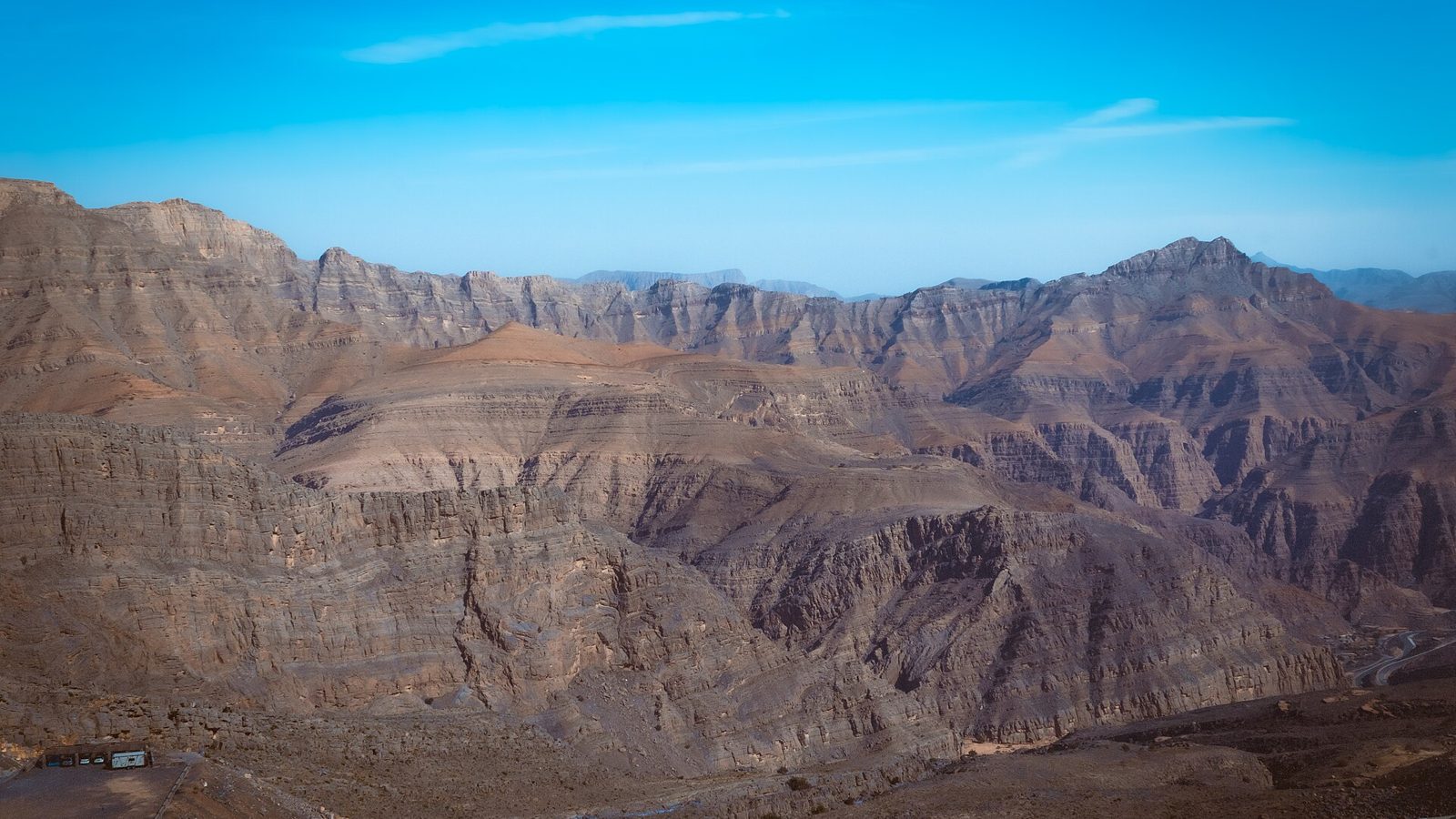
The UAE's northernmost emirate, where the Hajar Mountains drop to a long, quiet Gulf coast. You drive up the country's highest mountain, climb a hilltop fort above the date palms and finish the day on a beach that is much calmer than Dubai's.
- Best time to visit: November to March
- Daily budget (budget traveller): $70 to $250 USD
- Ideal trip length: 3 to 5 days
Ras Al Khaimah, usually shortened to RAK, is the most northerly of the seven emirates. It sits about an hour or so up the coast from Dubai, between the Arabian Gulf and the Hajar Mountains, which run north into Oman's Musandam peninsula. It is less polished and much less crowded than Dubai, and that is the point. The old town still has its coral-stone fort, now the National Museum. The 19th-century Dhayah Fort stands on a rocky hill above the palm groves, and the abandoned pearling village of Al Jazirah Al Hamra is slowly being restored. The big draw is Jebel Jais, the UAE's highest mountain, with a paved road to the top, the world's longest zipline and air that is cooler by about 10°C. Down on the coast, Al Hamra and Al Marjan Island have most of the beach resorts. Public transport is thin and distances are long, so taxis and hire cars do a lot of the work. Even so, cheap cafeteria food, low museum fees, free beaches and a cheap bus from Dubai make RAK a good few days for a solo traveller who wants mountains and sea without the big-city prices.
Ras Al Khaimah is the UAE's most northerly emirate. It squeezes the Hajar Mountains, a long Gulf coastline, mangrove creeks and red desert dunes into a fairly small area. People have lived here for thousands of years, and the medieval port of Julfar traded across the Indian Ocean long before Dubai existed. You can see that history at the coral-stone fort in the old town, now the National Museum, at Dhayah Fort on its hill above the palms and at the empty pearling village of Al Jazirah Al Hamra. Most visitors come for a beach resort or a day on Jebel Jais. Stay a few nights and you get much more: a karak chai in a creekside cafeteria at 7am, a cold sunset on the mountain and grilled fish from the morning market. Luxury hotels are not cheap, but the old town's budget hotels and cafeterias, free beaches and low museum fees keep a solo trip affordable.
Getting here is simple. RAKTA buses run between Dubai's Union station and RAK about every hour for around AED 27 to 30, and the RAK Shuttle from Dubai Airport drops off at the main hotels. RAK's own airport is used mostly by budget and regional airlines. Getting around is harder. City buses are cheap but run only every hour or so, so most visitors use taxis, Careem or a hire car. Base yourself in the old town or Al Nakheel to save money and eat locally, or in Al Hamra or Al Marjan Island for the beach. Hire a car for a day or join a tour for Jebel Jais and the wadis, which are hard to reach any other way.
Timing shapes the trip more than anything else. November to March is ideal, with warm days, a pleasant sea and cool mountain nights. From May to September, the coast is extremely hot and humid, and outdoor plans shrink to early mornings, though resort rates fall. The UAE weekend is Saturday and Sunday, and the beaches and the mountain get busier then. Jebel Jais activities usually run Wednesday to Sunday. RAK is very safe, English is spoken everywhere, and life is quieter and more conservative than in Dubai. Big change is coming, with the Wynn casino resort due on Al Marjan Island in September 2027. For now, RAK is still a calm place of mountains, forts and empty beaches.
Ras Al Khaimah itinerary
Arrive and see the old town
Morning: Take a morning bus from Dubai's Union station (about 1.5 to 2 hours). Drop your bag and have karak chai and a paratha at a cafeteria near the creek.
Afternoon: Visit the National Museum on Al Hisn Road (AED 5, closed Mondays), then wander the old souq lanes around it.
Evening: Walk along the creek corniche at sunset, then eat biryani or grilled fish in the old town.
Jebel Jais
Morning: Drive or take a booked transfer up Jebel Jais, stopping at the viewpoints. If it is a Wednesday to Sunday, ride the Jais Flight zipline or the Sky Tour, booked ahead.
Afternoon: Have a late lunch at 1484 by Puro (reservation needed), or bring a picnic. Take a short walk on one of the marked trails.
Evening: Watch the sunset from the Viewing Deck Park (about AED 10), and wear a warm layer, then head back down carefully in the dark.
Forts and pearls
Morning: Go early to Dhayah Fort and climb the steps before the heat. Then drive through Al Rams to see its old houses and fishing boats.
Afternoon: Join a booked tour at Suwaidi Pearls to learn about pearl diving and see oysters opened.
Evening: Back in town for shawarma and fresh juice, or a sit-down dinner in Al Nakheel.
Ghost village and mangroves
Morning: Take a morning kayak through the mangroves near Mina Al Arab while the water is calm.
Afternoon: Rest through the hottest hours, then explore Al Jazirah Al Hamra in the late afternoon, when the coral-stone houses glow.
Evening: Watch the sunset on Al Marjan Island, followed by a drink at a beach hotel bar if you like.
Musandam by dhow
Morning: Take an organised tour north across the Oman border to Khasab. Check entry rules for your passport in advance and bring it with you.
Afternoon: Cruise the fjord-like khors on a dhow. Swim and snorkel, and look out for dolphins.
Evening: Return to RAK in the evening. Have a simple dinner and an early night.
Wadi Shawka and a beach afternoon
Morning: Drive at dawn to Wadi Shawka for an easy walk around the dam and rocky hills. Avoid the steep, unmarked routes, and never go in rain.
Afternoon: Spend a lazy afternoon on the beach at Al Marjan Island or Flamingo Beach.
Evening: Have a farewell dinner of Emirati machboos, or grilled fish from the creek.
Slow morning and depart
Morning: Have breakfast in a cafeteria and take a last walk along the creek, or have a final swim.
Afternoon: Take the bus from Al Hamra Mall or the main bus station to Dubai, or the RAK Shuttle to the airport. Check times the day before.
Evening: Arrive in Dubai, or carry on to your next stop.
Best neighbourhoods
- Old Town and Al Nakheel: The original city on the western side of the creek, with the National Museum, the old souq lanes, the fish market and plenty of cheap Indian and Pakistani cafeterias. Al Nakheel, just inland, has the main bus station, budget hotels and shops. It is not pretty, but it is the cheapest and most local base, and taxis to everywhere else are easy to find.
- Al Hamra Village: A planned resort area about 20 to 25km south of the old town, with a marina, golf course, Al Hamra Mall and several big beach hotels. Intercity buses to Dubai stop at the mall, which is handy if you have no car. It is quiet and comfortable but spread out, so you will take taxis to eat away from the hotels.
- Al Marjan Island: A set of man-made islands off Al Hamra, lined with beach resorts and a public beach. This is where the Wynn casino resort is being built, and it is due to open in September 2027, so expect construction nearby. It is the best base for a lazy beach stay and sunsets, though there is very little life outside the hotels.
- Mina Al Arab: A newer waterfront development between Al Hamra and the old town, with apartments, a few hotels and beach clubs. It sits right next to the mangroves, so kayaking trips start close by. It is calm and modern and a reasonable halfway point between the city and the resorts.
- Jebel Jais and the mountains: Not a neighbourhood as such, but a few nights up the mountain at glamping-style camps or the Bear Grylls Explorers Camp can be a trip highlight. Nights are cool even in spring and autumn, and the views at sunrise are huge. There are no shops, so bring what you need, and you will need a car or booked transfer.
Must-do experiences
- Drive up Jebel Jais: The paved road climbs to around 1,900m on the UAE's highest mountain, with viewpoints at almost every bend. Access has been free since February 2026, with no permit needed. The Jais Viewing Deck Park near the top costs about AED 10 ($3). Go for sunset and bring a warm layer.
- Ride the Jais Flight zipline: The 2.83km Jais Flight holds the record for the world's longest zipline. Prices vary by day and season, from roughly AED 325 to AED 410 ($90 to $110), and the gentler Sky Tour costs less. You must weigh 40 to 120kg. Activities usually run Wednesday to Sunday, so book ahead.
- Explore the National Museum: The museum fills an old coral-stone fort on Al Hisn Road in the old town, with displays on pearling, the Julfar trading port and the Qawasim rulers. Entry is just AED 5 (about $1.40). It is usually open 8am to 6pm and closed on Mondays, but check Friday hours before you go.
- Climb to Dhayah Fort: This mud-brick fort sits on a rocky hill north of the city, above date palms and the sea. It is free, and the steep steps take about 10 minutes. Go early in the morning or late in the afternoon for the light and to avoid the heat.
- Walk through Al Jazirah Al Hamra: Al Jazirah Al Hamra was a pearling and fishing village. Its families left in the late 1960s, and its coral-stone houses, mosque and wind towers are still standing. You can wander in for free. Parts are being restored, so some lanes may be fenced off. Late afternoon is cooler and very atmospheric.
- Kayak through the mangroves: Guided kayak trips paddle through the mangroves around Mina Al Arab and Al Qurm, where you may see herons and crabs, and occasionally turtles. Expect to pay roughly $35 to $55 for a couple of hours. Morning trips are calmer and cooler.
- Visit Suwaidi Pearls: This working pearl farm is in the Al Rams lagoon. A traditional boat takes you out to the farm, where you learn about the old pearl-diving trade and see oysters opened. Tours must be booked in advance and cost roughly $70 to $100. It is a good, gentle half day.
Hidden gems
- The small stone watchtowers and old houses in the back lanes of Al Rams, a quiet fishing village north of the city
- The Viewing Deck Park on Jebel Jais after dark, when the solar lights come on and the stars over the mountains are some of the clearest in the UAE
- The fish market by the creek in the old town in the morning, where you can buy a fish and have it grilled nearby for a few dollars
- Flamingo Beach (Muairidh), a free public beach with big flamingo statues, popular with local families at weekends
- The early morning drive into Wadi Shawka, when the dam and the rocky hills are empty and the light is soft
Daily budget
- Accommodation: budget $40 to $60 USD / night (budget hotel in Al Nakheel or the old town), mid-range $100 to $180 USD (3 to 4-star beach hotel), splurge $400+ USD (Ritz-Carlton Al Wadi Desert or Waldorf Astoria). There are almost no hostels, so single travellers pay for a full room. Rates climb from November to March and fall sharply in summer. A tourism fee is added per night.
- Food: budget $12 to $25 USD / day (cafeterias, shawarma, karak chai), mid-range $35 to $60 USD (café lunch and a sit-down dinner), splurge $100+ USD (hotel restaurants or 1484 by Puro on Jebel Jais). Indian and Pakistani cafeterias serve full meals for $3 to $6. Hotel food and drink cost much more, with a beer at around $10 to $15.
- Transport: budget $5 to $15 USD / day (city buses, short taxi rides), mid-range $30 to $60 USD (hire car or several taxis), splurge $100+ USD (private driver or transfers to Jebel Jais). The Dubai bus costs about AED 27 to 30 ($7 to $8). A taxi from Dubai Airport costs roughly $70 to $95. Fuel is cheap if you hire a car.
- Activities: budget $0 to $5 USD / day (beaches, Dhayah Fort, the museum at AED 5, the viewing deck at AED 10), mid-range $35 to $100 USD (kayaking, pearl farm, Sky Tour), splurge $110+ USD (Jais Flight, Musandam dhow day, via ferrata). Jais Flight prices change with the day and season, and weekdays are cheaper. Al Jazirah Al Hamra and Dhayah Fort are free.
- Drinks & nightlife: budget $1 to $5 USD (karak chai, fresh juice), mid-range $20 to $40 USD (a couple of drinks at a hotel bar), splurge $70+ USD (cocktails and a beach club). Alcohol is served only in licensed venues, mostly hotels. Nightlife is low-key, and the scene is mainly hotel bars and beach clubs on Al Marjan and in Al Hamra.
Where to stay
- Budget hotel in Al Nakheel and the old town ($40 to $60 USD / night): Chains such as Citymax and older local hotels near the creek have simple, clean rooms at the lowest prices in RAK. The bus station, cafeterias and the museum are close by.
- Social hotel in Al Marjan Island ($90 to $160 USD / night): Rove Al Marjan Island is a bright, casual hotel with a lively lobby, a pool and a beach nearby. It is easy for meeting other travellers and good value for the island.
- Beach resort in Al Hamra and Al Marjan Island ($120 to $250 USD / night): Large resorts such as DoubleTree by Hilton Marjan Island have private beaches, pools and several restaurants. They are good if you want a few lazy days, and buses to Dubai stop nearby at Al Hamra Mall.
- Splurge in Al Wadi desert ($450 to $900+ USD / night): The Ritz-Carlton Ras Al Khaimah, Al Wadi Desert has villas with private pools in a fenced desert reserve, where you can see oryx and gazelles. It is 20 minutes from the coast.
What to eat
- Karak chai: sweet, spiced milky tea from any roadside cafeteria for around AED 1 to 2, best with a paratha
- Shawarma: chicken or lamb wraps from small grills in Al Nakheel and the old town, about AED 7 to 12
- Grilled fish from the creek fish market: pick your hammour or kingfish and have it cleaned and cooked at a nearby grill
- Machboos and harees: Emirati spiced rice with meat and a slow-cooked wheat porridge, found at local restaurants and hotel buffets
- Indian and Pakistani cafeterias: biryani, dal and curries for $3 to $6, often the best value in the emirate
- Luqaimat: small fried dumplings with date syrup, sold at cafés, markets and heritage festivals in the cooler months
Day trips
- Musandam (Khasab), Oman (About 2 to 2.5 hours by road, north across the Oman border): Steep mountains drop straight into the sea along fjord-like inlets known as khors. A day on a traditional dhow brings swimming, snorkelling and often dolphins. It is one of the most beautiful coastlines in the region. The easiest way is an organised tour from RAK with border transfers, typically $70 to $120. You need your passport. Check Oman's entry rules for your nationality, and get Oman insurance if you take a hire car.
- Wadi Shawka (About 1 hour south-east of the city): A rocky valley with a small dam, palm-dotted villages and walking trails in the Hajar foothills. It is quiet and great at dawn. Stay on the easier routes, as some are steep and exposed. Drive yourself or join a guided hike, as no public transport goes there. Go only in the cool months, start early, carry plenty of water and never go if rain is forecast.
- Dubai (About 1.5 to 2 hours by bus): A complete change of pace, with the Burj Khalifa, the old Al Fahidi quarter, the creek abras and huge malls. One day is enough to see the old side of the city and the new. Take a RAKTA bus to Union station (about AED 27 to 30), then use the Dubai Metro. Check the time of the last bus back before you go.
When to visit
- Cool season (November - February): 22-28°C by day on the coast, near freezing at times on top of Jebel Jais. Crowds: Moderate, busy at weekends, Christmas and New Year. The best time to visit. Ideal for hiking, the zipline, forts and beach days. Book hotels early for December and New Year.
- Spring (March - April): 27-35°C, rising through April, sea warming up. Crowds: Moderate, quieter on weekdays. Still good, especially in March. Hike early and save the afternoon for the beach. Check Ramadan dates, which fall in February and March in 2027.
- Summer (May - September): 38-45°C with high humidity, sea up to about 33°C. Crowds: Low, apart from Gulf families around Eid. Too hot for most sightseeing, but resort and zipline prices often drop. Stick to early mornings, pools and the cooler mountain.
- Autumn (October): 30-36°C, slowly easing, cool evenings on Jebel Jais. Crowds: Low to moderate. A good value shoulder month. Heat is still strong by midday, but the mountain is pleasant and hotels are not yet at winter prices.
Entry rules for your passport
Visa rules for the United Arab Emirates depend on the passport you travel on. Check the official source before you book: UAE Ministry of Foreign Affairs
Getting there
Most travellers fly into Dubai International, about 1 to 1.5 hours by road from RAK. The RAK Shuttle runs from the airport to the main RAK hotels for about AED 30, and a taxi costs roughly $70 to $95. From Dubai's Union station, which has its own metro stop, RAKTA buses leave about every hour from early morning until late evening for around AED 27 to 30. Some go direct and others stop in Sharjah, so the journey takes 1.5 to 2 hours. Pay by cash or through the app, as Dubai's Nol card is not generally accepted. Buses stop at the main bus station and at Al Hamra Mall. RAK International Airport, about 20km south of the city, has budget and regional flights. A daily bus runs from Khasab in Oman's Musandam peninsula for about AED 50. If you drive in from Dubai, take the E311 or E611 motorway. There are no tolls in RAK itself, but Dubai's Salik tolls are charged to hire cars.
Getting around
RAK is spread out, and you will not walk much beyond the old town and the hotel areas. RAKTA runs colour-coded city buses from the Al Nakheel bus station, with fares of about AED 5 to 10. They come only every 1 to 1.5 hours, so check times on the Sayr app first. Metered taxis are the main way to get around and are reasonably cheap. A trip from the old town to Al Marjan Island costs roughly $14 to $20, and Careem works here too. Jebel Jais is about 30 to 45 minutes' drive from the city. A taxi up costs far more, roughly $40 to $70 each way, and it is hard to find one at the top, so arrange your return trip in advance or join a tour. Car hire is the easiest option if you plan to go into the mountains or the wadis. Small cars cost from about $30 to $50 a day, roads are good, and speed cameras are everywhere. Intercity buses link Al Hamra and the main bus station with Dubai's Union station for about AED 27 to 30.
Safety
RAK is very safe, and street crime against visitors is rare. The real dangers are heat, driving and the mountains. From May to September, daytime temperatures pass 40°C, so hike only at dawn in the cooler months, carry plenty of water and never go into wadis if rain is forecast, as flash floods happen. Some trails on Jebel Jais and in Wadi Shawka are steep and unmarked, so tell someone your route. Roads are fast, and some drivers are aggressive. UAE laws are strict. Drinking alcohol is allowed only in licensed venues, never in public. Drugs carry severe penalties, and some prescription medicines need approval before you travel. Rude gestures, swearing and posting photos of people without their consent can be criminal offences. Swim at lifeguarded beaches, as currents can be strong. Tap water is desalinated and generally safe, but most people drink bottled water. Dial 999 for police and 998 for an ambulance. Travel insurance with medical cover is essential, as healthcare is expensive. Check your government's travel advice before you go, as regional tensions can affect flights.
Solo travel tips
- Base yourself for the trip you want: Stay in the old town or Al Nakheel for cheap rooms, cafeterias and buses. Stay in Al Hamra or Al Marjan for the beach, but expect to take taxis for almost everything.
- Check the Jebel Jais days: The zipline and other activities usually run Wednesday to Sunday, and the museum closes on Mondays. Plan these first and fit the beach days around them.
- Share the cost of transport: Joining a group tour or a shared transfer to Jebel Jais or Musandam is often cheaper than a solo taxi and much easier than a long wait for a ride at the top.
- Eat where the workers eat: Cafeterias in the old town serve full meals for a few dollars. Save hotel restaurants for one good dinner and keep the rest of the budget for activities.
- Safety for solo travellers: The main risks are heat, flash floods and fast roads. Hike early and with others, carry water, check the forecast and use metered taxis or Careem at night.
- Meet people outdoors: Join group hikes, kayak trips or a Musandam dhow day. Mountain camps and hotel beach bars are also easy places to start a conversation.
Cultural etiquette
- Greet people with 'as-salaam alaikum' (peace be upon you), and say 'shukran' for thank you. English is widely spoken.
- Wear swimwear only on the beach or at the pool. In malls, souqs and the old town, cover your shoulders and knees.
- Ask before you photograph people, especially women and families. Do not take pictures of government or military buildings.
- Avoid kissing or other public displays of affection, swearing and rude gestures, which can lead to fines or worse.
- During Ramadan, eat, drink and smoke discreetly in public in daylight hours, and expect shorter opening hours.
- Accept Arabic coffee and dates if you are offered them, take them with your right hand, and shake the cup gently when you have had enough.
- Leave a 10% tip for good table service if no service charge has been added. Rounding up taxi fares is appreciated.
Frequently asked questions
How do I get to Ras Al Khaimah and from the bus to my room?
Most people fly into Dubai. RAKTA buses run from Dubai's Union station roughly every hour for about AED 27 to 30, and the trip takes 1.5 to 2 hours depending on traffic and whether the bus goes via Sharjah. The RAK Shuttle from Dubai Airport costs about AED 30 and drops off at the main hotels. Buses stop at the main bus station in the city and at Al Hamra Mall. From there, take a taxi to your hotel, as most places are too far to walk to with luggage. RAK also has its own small international airport about 20km south of the city.
How many days do I need in Ras Al Khaimah?
Three days covers Jebel Jais, the old town and museum, Dhayah Fort and some time on the beach. With four or five days you can add mangrove kayaking, Suwaidi Pearls and Al Jazirah Al Hamra. A week lets you add a dhow trip to Musandam in Oman, a hike in Wadi Shawka and some slow beach days.
When is the best time to visit Ras Al Khaimah?
November to March is best. Days are warm and sunny at 22 to 30°C, the sea is pleasant and Jebel Jais can be properly cold at night. October and April are hot but manageable. From May to September, the coast passes 40°C with high humidity, so outdoor sightseeing is limited to early mornings, although hotel rates and zipline prices often drop. Ramadan is expected to run from around 8 February to early March 2027, when opening hours change.
Do I need a car in Ras Al Khaimah?
Not strictly, but it helps a lot. City buses are cheap but infrequent, and taxis cover the city and the resorts at fair prices. A car or a booked tour makes the biggest difference for Jebel Jais, Wadi Shawka and the northern villages. If you hire one, many nationalities can drive on their home licence as visitors, but check with the rental company. You need separate insurance to take a hire car into Oman.
How do I get up Jebel Jais without a car?
Your options are a tour, a booked transfer or a taxi with an agreed return time. Several operators sell zipline packages with return transport from RAK or Dubai. A one-way taxi costs roughly $40 to $70, and taxis rarely wait at the top, so do not rely on finding one. The road itself is free and has no permit, and the Viewing Deck Park costs about AED 10. Check before you go, as the Jais Sledder toboggan has been temporarily closed.
Can I drink alcohol and wear swimwear in Ras Al Khaimah?
Yes, within limits. RAK is relatively relaxed by UAE standards. Licensed hotel bars and restaurants serve alcohol, and a beer typically costs $10 to $15. Drinking in public or being drunk in public is illegal. Swimwear is fine on beaches and at pools, but cover up with a shirt and shorts or a dress when you leave them, especially in malls and the old town.
Is Ras Al Khaimah safe for solo female travellers?
Yes. It is one of the safer places in the region to travel alone, and harassment is uncommon. Dress modestly away from the beach, use metered taxis or Careem at night and sit in the back seat. Public beaches can feel very quiet in the evenings, so resort beaches or busy public spots are better after dark. Hike with a group or a guide rather than alone.
What entry rules apply to the UAE in 2026?
UK and US passport holders get a free visit visa on arrival, valid for up to 90 days within 180 days. Many EU, Canadian and Australian visitors also get a visa on arrival, though the length of stay varies by nationality. Your passport should have at least six months of validity left. Some other nationalities can get a visa on arrival if they hold a US, UK or EU visa or residence permit, but others must apply in advance. Check the official UAE government website and your own government's travel advice before you book.
Tours and activities in Ras Al Khaimah | Ras Al Khaimah in 2 days | Ras Al Khaimah in 3 days | Ras Al Khaimah in 4 days | Ras Al Khaimah in 5 days | Ras Al Khaimah in 7 days
Can't decide? Compare Ras Al Khaimah with...
Joy Plus home | Destinations | Itineraries | Activities | Flights | Budget planner | Calendar | Map | Blog | Lifetime access