Destinations / Europe
Ravello, Italy travel guide
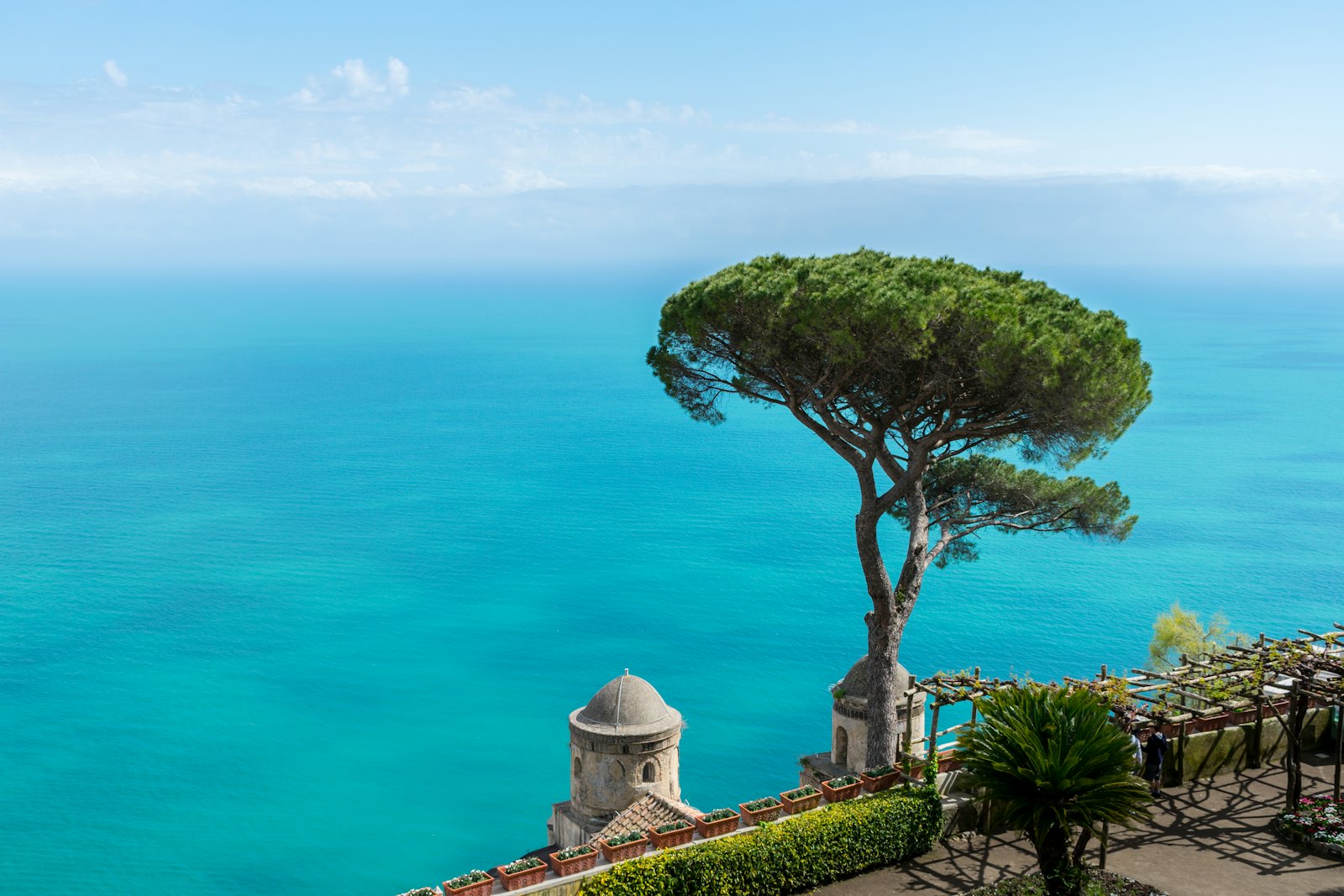
A quiet hilltop town about 350m above the Amalfi Coast, with cliff-top gardens, summer concerts over the sea and old stone paths that run down through lemon terraces to the beach.
- Best time to visit: April to June and September to October
- Daily budget (budget traveller): $120 to $485 USD
- Ideal trip length: 3 to 7 days
Ravello sits on a ridge high above Amalfi and Minori, about 25 minutes up a winding road by bus. Around 2,500 people live here. In the Middle Ages it was a wealthy town of merchant families tied to the Republic of Amalfi, and their villas, churches and gardens are still the main reason to come. Villa Rufolo has a terrace where concerts take place with the sea behind the stage. Villa Cimbrone has the Terrace of Infinity, a row of marble busts at the very edge of a cliff. Most visitors arrive mid-morning on a tour, see one villa and leave by four. Stay the night and Ravello turns into a different place: an empty piazza at breakfast, swifts over the Duomo and the lights of Minori and Maiori far below after dark. It is not a beach town and it is not cheap. There is no hostel, and summer rooms go fast. But the bus is cheap, the walking is free, and a solo traveller can eat well on pizza and pasta without booking anywhere fancy. Bring good shoes. Everything here involves steps.
Ravello sits on a ridge between the Dragone and Reginna valleys, about 350m above the sea. In the 11th to 13th centuries it was home to rich merchant families who traded through Amalfi, and they left a cathedral, several Romanesque churches and two great villas. In the 19th century British owners rebuilt both villas and their gardens. Wagner, Virginia Woolf, E.M. Forster and Gore Vidal all spent time here, and the town still calls itself the City of Music. Today it is the calm, upmarket side of the Amalfi Coast. Day visitors pass through, but a solo traveller who stays a few nights gets the quiet version: a coffee on Piazza Duomo before 9am, gardens to yourself at sunset and a concert under the stars if you time it right.
Getting here is simple once you know the pattern. Everything runs through Amalfi. Ferries come in from Salerno, Positano and, in season, Naples, and SITA bus 5110 climbs from Amalfi to Ravello in about 25 minutes. Buy tickets at a tabacchi before you board. The €10 COSTIERASITA pass covers a full 24 hours of coast buses. Base yourself near Piazza Duomo if you want everything on your doorstep, or in Scala or Torello for lower prices and more quiet. You do not need a car. Parking is scarce and expensive, and the coast road is slow in summer.
Timing shapes the trip. Spring brings wisteria and roses in the gardens and comfortable hiking weather. Summer is hot and busy, with the Ravello Festival from 4 July to 5 September in 2026 and a famous dawn concert in August. Ferragosto, around 15 August, is the busiest week of the year. Autumn is warm, golden and a good time for walking. Winter is very quiet, and many hotels and restaurants close from about November to March. Ravello is safe, slow and polite. If you want beach clubs and nightlife, stay lower down the coast. If you want gardens, views, long walks and a plate of scialatielli, this is the place.
Ravello itinerary
Arrive and find your feet
Morning: Take the train to Salerno, then the Travelmar ferry to Amalfi (€12, in season). Buy a SITA bus ticket at a tabacchi near the bus station.
Afternoon: Ride bus 5110 up to Ravello, check in and walk through the tunnel into Piazza Duomo. Get your bearings with a slow loop of Via Roma and the lanes behind it.
Evening: Watch the light fade from the Belvedere Principessa di Piemonte, then pizza at Ristorante Pizzeria Vittoria. Early night.
Gardens, cathedral and coral
Morning: Walk up Via Santa Chiara to Villa Cimbrone for 9am opening (about €10). Go straight to the Terrace of Infinity, then wander the rose garden and temples.
Afternoon: Back to the piazza for the Duomo, its pulpit and the crypt museum (about €3). Ask at the Camo shop to see the coral museum. Then Villa Rufolo (about €8) and its tower.
Evening: Aperitivo on Piazza Duomo, then dinner at Cumpà Cosimo on Via Roma for home-style pasta. If the festival is on, book a Belvedere concert instead.
Down to Minori and the Path of the Lemons
Morning: Take the stepped path down through Torello to Minori, about 45 minutes, through lemon terraces. Go early while it is cool.
Afternoon: Pastry at Sal De Riso, a swim on Minori's beach, then walk the Sentiero dei Limoni to Maiori, about an hour, along old farm paths.
Evening: Bus back to Amalfi and change for Ravello, or catch a short ferry to Amalfi in season. Light dinner and a rest for your legs.
Atrani and Amalfi on foot
Morning: Walk down the steps from Ravello towards Atrani, past the chapel of Santa Maria del Bando. Allow about an hour and take it slowly.
Afternoon: Coffee in Atrani's tiny piazza, then walk five minutes to Amalfi. See the cathedral and Cloister of Paradise (small fee) and the Museo della Carta paper museum.
Evening: A lemon granita on the waterfront, then bus 5110 back up to Ravello. Check the time of the last bus before you settle into dinner.
Path of the Gods
Morning: Catch an early bus to Amalfi, then the SITA bus to Bomerano in Agerola. Start the Path of the Gods by about 8:30am and walk the roughly 7km to Nocelle.
Afternoon: Take the steps or the local bus down to Positano. Lunch, a swim and a wander, then a ferry back to Amalfi (€10 with Travelmar in 2026).
Evening: Bus up to Ravello. A quiet dinner near the piazza and a very early night.
Scala and the quiet valleys
Morning: Walk across the valley to Scala, about 20 to 30 minutes. Visit the cathedral of San Lorenzo, then follow the paths towards the hamlet of Pontone.
Afternoon: Picnic with views of Amalfi, then walk or take the bus back. Visit San Giovanni del Toro and the Auditorium Oscar Niemeyer from the outside.
Evening: Return to Villa Cimbrone for the last hour before sunset if you loved it. Farewell dinner at Da Salvatore, with its view down the coast.
Slow morning and depart
Morning: Breakfast on an empty Piazza Duomo, then buy lemons, ceramics or a cameo to take home. Check out.
Afternoon: Bus 5110 down to Amalfi with luggage (buy the extra luggage ticket), then a ferry or bus to Salerno for the train.
Evening: Connect onwards from Salerno or Naples. Stay a night near the station if you have an early flight.
Best neighbourhoods
- Piazza Duomo and Via Roma: The centre of everything. The cathedral, Villa Rufolo, the Camo coral museum, cafés and most restaurants are within a few minutes' walk. It is the easiest base if you hate hills, but it gets busy between about 10am and 4pm.
- Via San Giovanni del Toro: A quieter lane running east from the centre, past the Romanesque church of San Giovanni del Toro and some of the grand hotels, including Belmond Hotel Caruso. It feels residential and has some of the best views towards Minori and Maiori.
- Via Santa Chiara: The lane heading south towards Villa Cimbrone, with small guesthouses, Hotel Villa Maria and a gentle uphill walk of 10 to 15 minutes from the piazza. Lovely in the evening when the day visitors have gone.
- Torello: A small hamlet below the centre, on the stepped path down to Minori. It is quiet, with a few apartments and B&Bs, and you can walk to the beach in about 30 minutes. The climb back up is steep, so plan to use the bus.
- Scala: The village across the valley, one stop further on the same bus line. It is quieter and usually a bit cheaper than Ravello, with its own cathedral and walking trails into the hills. You can walk to Ravello in about 20 to 30 minutes.
Must-do experiences
- Visit Villa Cimbrone early: The gardens open at 9am and stay open until sunset. Entry is about €10, paid at the gate. Go first thing and head straight down the main avenue to the Terrace of Infinity before the groups arrive.
- Walk the gardens at Villa Rufolo: This 13th-century villa sits right on Piazza Duomo, with a Moorish-style cloister, a tower you can climb and terraced gardens over the sea. Wagner stayed here in 1880. Adult entry is about €8 and an hour is enough.
- Catch a Ravello Festival concert: The 2026 festival runs from 4 July to 5 September on the Belvedere of Villa Rufolo, with concert tickets roughly €30-60. The dawn concert in August starts before 5am and is worth the alarm. Book well ahead.
- See the Duomo and its crypt museum: The cathedral was founded in 1086. Look for the bronze doors from 1179 and the mosaic pulpit from 1272. Entry to the church is free, and the small museum in the crypt costs about €3.
- Walk down to Minori through Torello: A stepped path drops from Ravello through lemon terraces to the beach at Minori in about 45 minutes. Have a pastry at Sal De Riso on the seafront, swim, then take the bus back up.
- Hike the Path of the Gods: Take the bus to Bomerano in Agerola and walk the cliff path to Nocelle above Positano, roughly 7km and three hours. Start early and carry water, because there is little shade.
- Stop at the Camo coral museum: Behind a cameo shop next to the Duomo is a small private collection of coral, cameos and shell carving, with a working bench where cameos are still carved. Entry is free, but be polite and ask first.
Hidden gems
- The Belvedere Principessa di Piemonte, a small public viewpoint near the bus stop with a clear view down to Minori and Maiori, free and usually empty
- Santa Maria del Bando, a tiny chapel tucked under a cliff on the stepped path from Ravello down to Atrani
- The church of San Giovanni del Toro, a quiet Romanesque church with old frescoes, a short walk from the crowds on Piazza Duomo
- Scala's cathedral of San Lorenzo, a short walk across the valley, where you will often be the only visitor
- Villa Cimbrone's gardens in the last hour before sunset, when the light turns gold and the terrace is half empty
Daily budget
- Accommodation: budget €40-70 / night (dorm in Atrani or simple room in Scala), mid-range €150-280 (family hotel or B&B in Ravello), splurge €900+ (Belmond Hotel Caruso, Hotel Villa Cimbrone). Ravello has no hostel, so the closest dorm is in Atrani below. Prices jump from June to September, and a local tourist tax is added per night. Many places close in winter.
- Food: budget €30-45 / day (bar breakfast, deli lunch, pizza dinner), mid-range €60-100 (trattoria lunch and dinner with wine), splurge €200+ (Michelin dinner at Rossellinis or Il Flauto di Pan). Expect a cover charge (coperto) of a few euros at sit-down restaurants. A pizza costs roughly €8-14 and a pasta dish €15-25. Prices are rough, so check menus.
- Transport: budget €3-10 / day (single bus tickets or the €10 day pass), mid-range €20-35 (buses plus a ferry ride), splurge €50+ (taxis and private transfers). Amalfi to Ravello by bus has been about €1.50, but fares changed in October 2026. Ferries from Salerno to Amalfi cost €12 in 2026. A taxi up the hill costs about €40-50.
- Activities: budget €0-10 / day (free walks, Duomo, Camo museum), mid-range €20-40 (villa entries plus a museum), splurge €60-150 (festival concert, guided tour or cooking class). Villa Rufolo costs about €8, Villa Cimbrone about €10 and the Duomo museum about €3. Festival concerts run roughly €30-60. The hiking paths are free.
- Drinks & nightlife: budget €5-12 (spritz or beer on the piazza), mid-range €20-40 (aperitivo and wine with dinner), splurge €60+ (cocktails at a grand hotel terrace). Nightlife is quiet: an evening drink on Piazza Duomo, a concert, then bed. Bars in Amalfi stay open later, but check the last bus up the hill.
Where to stay
- Social hostel in Atrani (€40-70 / night): Ravello has no hostel. A' Scalinatella in Atrani, below Ravello by the sea, is the closest dorm option. It suits solo travellers, and Ravello is a steep walk or a short bus ride via Amalfi.
- Boutique hotel in Centro (€150-280 / night): Hotel Parsifal, in a former convent, and the small family-run Hotel Toro are both a few minutes from Piazza Duomo, with simple rooms and real character for the price.
- Apartment in Torello or Scala (€100-180 / night): Self-catering apartments and B&Bs in Torello or Scala cost less than the centre and give you a kitchen. Expect steps and use the bus for longer trips.
- Splurge in Via San Giovanni del Toro or Villa Cimbrone (€900-2,500+ / night): Belmond Hotel Caruso, with its cliff-edge pool, or Hotel Villa Cimbrone, where guests have the gardens almost to themselves after the gates close.
What to eat
- Scialatielli ai frutti di mare: thick, short fresh pasta with clams, mussels and prawns, the Amalfi Coast's signature dish
- Ndunderi: ricotta gnocchi from Minori, an old recipe usually served with tomato sauce and basil
- Delizia al limone: a lemon cream sponge dome sold in pastry shops along the coast, including Sal De Riso in Minori
- Melanzane al cioccolato: fried aubergine layered with chocolate, an odd but traditional summer dessert on this stretch of coast
- Pizza from the wood oven at Ristorante Pizzeria Vittoria, a short walk from the Duomo, a cheap dinner for a solo traveller
- Limoncello and local Costa d'Amalfi wine, made from sfusato lemons and grapes grown on the terraces around Ravello
Day trips
- Amalfi and Atrani (About 25 minutes by bus, or about an hour on foot down the steps): Amalfi's cathedral, cloister and paper museum, then Atrani next door, one of the smallest towns in Italy, with a piazza that opens onto the beach. Walk down via Santa Maria del Bando to Atrani, then on to Amalfi. Return on SITA bus 5110 (buy tickets before boarding).
- Path of the Gods (About 1 hour 15 minutes by bus to Bomerano via Amalfi): A cliff path of roughly 7km from Bomerano to Nocelle, high above Positano, with views along the whole coast. Allow about three hours of walking. SITA bus to Amalfi, then the SITA bus to Agerola (Bomerano). Finish in Positano and take a ferry back to Amalfi in season, or the coast bus.
- Positano (About 25-30 minutes by ferry from Amalfi): The famous pastel town stacked above a pebble beach. It is busy and pricey, but it is worth seeing once, ideally arriving by sea. Bus 5110 to Amalfi, then a Travelmar ferry to Positano (€10 in 2026, roughly April to October). Out of season, take the SITA coast bus, which is slower.
When to visit
- Spring (April - May): 15-23°C, mild, occasional showers. Crowds: Moderate, with Easter and 1 May busy. Wisteria and early roses in the gardens, fresh walking weather and fair prices. Ferries usually restart around April. Pack a layer for cool evenings.
- Summer (June - August): 24-31°C, hot and dry, a little cooler than the coast. Crowds: Busy, peaking in August around Ferragosto. Long evenings and the Ravello Festival from early July. Book rooms and concerts early, visit the villas first thing and hike only at dawn.
- Autumn (September - October): 18-27°C, warm, rain increasing in late October. Crowds: Moderate, easing through October. The locals' pick. Warm sea for swimming in Minori, good hiking weather and the festival's last concerts in early September.
- Winter (November - March): 7-14°C, damp, some clear crisp days. Crowds: Very quiet. Cheap and peaceful, but many hotels and restaurants close, ferries stop and buses run less often. Best for a short, quiet stay with a book.
Entry rules for your passport
Visa rules for Italy depend on the passport you travel on. Check the official source before you book: European Commission: Schengen visa policy
Getting there
The nearest major airport is Naples (NAP), about 60km away. Salerno Costa d'Amalfi airport has reopened to passenger flights, so check what routes it has when you book. From Naples airport, the Alibus runs to Napoli Centrale. Trains to Salerno take roughly 40 minutes to an hour. From Salerno, Travelmar ferries run to Amalfi from about April to October, with a 2026 fare of €12 and €3 for larger luggage. SITA buses run along the coast all year. From Amalfi, SITA bus 5110 climbs to Ravello in about 25 minutes. Buy tickets before boarding. In season you can also take a ferry from Naples or Sorrento to Amalfi, or come from Positano by ferry for €10. A taxi from Amalfi costs about €40-50, and a private transfer from Naples costs far more. Italy is in the Schengen Area, and non-EU visitors now go through the EU's Entry/Exit System at the border.
Border checks: non-EU visitors (other than Swiss, Norwegian, Icelandic, Liechtenstein, Andorran, Monegasque, San Marinese and Vatican citizens, and holders of an EU residence permit or long-stay visa) are registered in the EU's Entry/Exit System (EES) instead of getting a passport stamp. On your first crossing, officers take your photo and/or fingerprints, so allow extra time at passport control. ETIAS, the planned travel authorisation, is not in operation yet, so don't pay any website for one.
Getting around
Ravello is a walking town. The centre is pedestrian, and most places are reached by lanes and steps. SITA Sud bus line 5110 runs from Amalfi up to Ravello and on to Scala, taking about 25 minutes. A single ticket has been around €1.50, but fares changed on 1 October 2026, so check the price when you buy. Buy tickets before boarding at a tabacchi or bar, or in the Unico Campania app. The driver will not sell them. The COSTIERASITA 24-hour pass costs €10 and covers the whole coast, so it pays off on busy days. Larger bags need a separate luggage ticket. In summer the last bus down to Amalfi has been around 10pm, and the winter timetable started on 2 November 2026, with fewer services. The Amico shuttle is a pricier option at about €10 one way. A taxi between Ravello and Amalfi costs roughly €40-50. Ferries do not reach Ravello, but you can use them from Amalfi or Minori for the rest of the coast. Driving is stressful and parking in the centre costs about €3-4 an hour, so leave the car behind.
Safety
Ravello is very safe, and crime against visitors is rare. The main risks are physical. The paths down to Minori and Atrani are steep stone steps that get slippery after rain, so wear shoes with grip and go down in daylight. On the Path of the Gods, start early, carry at least 1.5 litres of water and wear a hat, because summer heat causes most of the call-outs. The coast road is narrow and has no pavement in places, so do not walk along it. Keep your bag zipped on crowded buses and on the waterfront in Amalfi. Many hotels and restaurants close from November to March, so check that your accommodation is open. The emergency number is 112.
Solo travel tips
- Stay near Piazza Duomo: Everything in Ravello involves steps. Being near the piazza means restaurants, the bus stop and both villas are a short walk away, so evenings out are easy alone.
- Beat the day-trippers: Tour groups arrive around 10am and leave by late afternoon. Do the villas first thing or in the last hour, and save midday for lunch or a walk down to the sea.
- Walk down, ride up: The stepped paths to Minori and Atrani are easy on the way down and hard on the way back. Plan every walk to end at a bus stop or ferry pier.
- Book a solo-friendly table: Small restaurants fill up on summer evenings, and single diners can be squeezed out. Book at lunchtime for dinner, or eat earlier, around 7:30pm.
- Safety for solo travellers: The real risks are slippery steps, heat on the hiking paths and crowded buses in Amalfi. Wear proper shoes, start hikes early, carry water and keep your bag zipped.
- Use the festival to meet people: Concert audiences are friendly, and the pre-concert hour on the Belvedere is a natural time to chat. A cooking class or a group walk is another easy way to find company. Download offline maps, because signal drops in the valleys.
Cultural etiquette
- Say 'buongiorno' when you walk into a shop or bar and 'buonasera' from late afternoon. A greeting before you ask anything goes a long way.
- Cover your shoulders and knees in the Duomo and other churches, and keep quiet during Mass.
- Swimwear is for the beach. Put on a shirt and shorts when you walk back into Minori, Amalfi or Atrani.
- A cover charge (coperto) is normal in sit-down restaurants. It is not a scam, and tipping on top is optional.
- Coffee at the bar counter is cheaper than sitting at a table on the piazza. Pay at the till first if there is one, then order.
- Keep noise down at night. Sound carries across the valleys, and Ravello prides itself on being quiet.
- Ask before photographing people, and do not step into gardens, terraces or lemon groves along the paths. They are private land.
Frequently asked questions
How do I get to Ravello from Naples airport?
The cheapest route is the Alibus to Napoli Centrale, a train to Salerno, then the Travelmar ferry to Amalfi (€12 in 2026, roughly April to October) or the SITA bus along the coast. From Amalfi, bus 5110 climbs to Ravello in about 25 minutes. Allow three to four hours in total. A private driver is much faster but costs far more.
How many days do I need in Ravello?
One night lets you see the villas without the crowds. Three days adds a walk down to Minori and a day in Amalfi and Atrani. Five to seven days works well if you want to hike the Path of the Gods, visit Positano and catch a festival concert.
When is the best time to visit Ravello?
April to June and September to October bring warm days, green gardens and fewer crowds. July and August are hot and busy, but that is when the Ravello Festival runs, from 4 July to 5 September in 2026. From November to March many hotels close, ferries stop and the town is very quiet.
Do I need to book Villa Rufolo or Villa Cimbrone in advance?
No. Both sell tickets at the gate. Villa Rufolo costs about €8 for adults and Villa Cimbrone about €10. Queues are usually short, but go early or late to avoid tour groups. Festival concert tickets are different, and good seats sell out, so book those online well ahead.
Is Ravello good for a solo traveller on a budget?
It takes some planning. Ravello has no hostel, and summer rooms are pricey. Stay in Scala, Torello or the hostel in Atrani to save money. Eat pizza and pasta rather than tasting menus, use the bus and the €10 day pass, and spend your days on the free walking paths.
Can I reach Ravello by ferry?
Not directly, because Ravello is on a hill. Take a ferry to Amalfi or Minori, then the bus or a steep walk up. Ferries mainly run from spring to autumn. Travelmar's 2026 fares were €12 from Salerno to Amalfi and €10 from Amalfi to Positano, plus €3 for larger luggage.
Is Ravello safe for solo female travellers?
Yes. It is one of the calmest towns on the coast, and the centre stays relaxed in the evening. Use ordinary care with valuables on crowded buses and in Amalfi. Avoid the stepped paths after dark, because they are unlit in places and slippery.
What entry rules apply to Italy in 2026?
Italy is in the Schengen Area. Many non-EU visitors can stay up to 90 days in any 180 without a visa. The EU's Entry/Exit System now records non-EU travellers' fingerprints and photos at the border, and the ETIAS travel authorisation is due to follow. Rules change, so check the official EU travel site and your government's advice before you book.
More about Ravello
Tours and activities in Ravello | Ravello in 2 days | Ravello in 3 days | Ravello in 4 days | Ravello in 5 days | Ravello in 7 days
Can't decide? Compare Ravello with...
Joy Plus home | Destinations | Itineraries | Activities | Flights | Budget planner | Calendar | Map | Blog | Lifetime access