Destinations / Europe
Ravenna, Italy travel guide
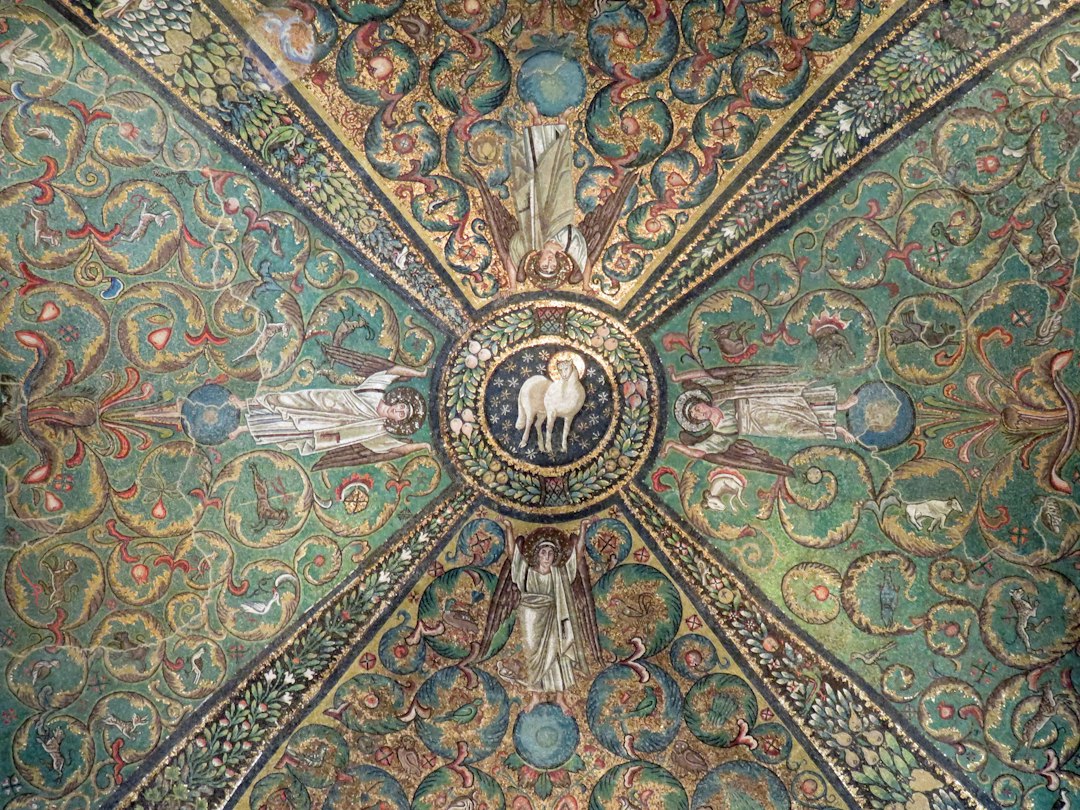
The capital of early Christian mosaics, Dante's final rest and quiet Romagna soul.
- Best time to visit: April to June and September to October
- Daily budget (budget traveller): $75 to $160 USD
- Ideal trip length: 2 to 4 days
Ravenna was the capital of the Western Roman Empire, the Ostrogothic Kingdom, and the Byzantine Exarchate, yet today it is one of northern Italy's most unhurried provincial gems. Beneath plain red-brick church walls lie the world's most dazzling early Christian gold-and-glass mosaics. Flat, bicycle-friendly streets wind past shaded squares, Dante's quiet tomb, and wine bars serving handmade cappelletti and crisp Sangiovese.
Ravenna sits stranded in the fertile Romagna plain six miles back from the Adriatic, cloaked in an unassuming mantle of rough orange brick. To the hurried passer-by, its churches resemble austere barns or forgotten Roman storehouses. Step through the heavy leather curtain of San Vitale or Galla Placidia, however, and the world turns instantly into an explosion of turquoise, lapis lazuli, and pure gold foil trapped inside angled glass cubes. In the fifth and sixth centuries, when Rome was collapsing under barbarian incursions, Ravenna stood as the glittering capital of empire, and its surviving mosaics remain the finest ever created by human hands.
Beyond the imperial glitter, Ravenna is a consummate northern Italian town that lives life on two wheels. The click of bicycle freewheels against cobblestones is the city's background soundtrack, replacing the roar of traffic across the entire pedestrianised historic core. Old men debate football outside the cafés of Piazza del Popolo, Dante Alighieri rests peacefully in a modest neoclassical temple flanked by an eternal flame, and the air around midday smells intensely of simmering meat sauce and freshly pressed lard flatbreads. It has none of the tourist hysteria of Florence or Venice, which means you can stand alone beneath fourteen-hundred-year-old ceilings without an elbow in your ribs.
The practical advantage of Ravenna is its manageable scale. You can comfortably walk from the main railway station on the eastern edge to the western basilica walls in fifteen minutes flat. The monumental legacy is organised under a single, highly efficient Diocesan ticket that costs less than a cocktail in Milan. Whether you come for Dante's heritage, Byzantine mosaics, or Romagna's peerless culinary tradition, Ravenna rewards the kind of unhurried curiosity that modern mass tourism so often destroys.
Ravenna itinerary
Imperial gold and starry skies
Morning: Arrive by train from Bologna and drop bags. Walk through Piazza del Popolo for a quick espresso at Caffè Nazionale, then enter the monumental complex of Basilica di San Vitale to marvel at the sixth-century imperial mosaics of Justinian and Theodora.
Afternoon: Step across the lawn into the Mausoleo di Galla Placidia during your reserved time slot to gaze up at its deep cobalt starfields. Follow up with the adjacent National Museum of Ravenna housed in the old Benedictine cloisters.
Evening: Stroll down Via Cavour. Stop for dinner at Ca' de Vèn, a historic vaulted wine cellar, for a warm piadina with squacquerone and a bowl of tagliatelle al ragù.
Baptisteries, bishops and Dante's quiet corner
Morning: Begin early at the Battistero Neoniano, admiring the dome mosaic showing the baptism of Christ surrounded by apostles. Head into the Bishop's Palace next door to see the ivory throne of Maximian and the Cappella di Sant'Andrea.
Afternoon: Walk to the Zona Dantesca. Visit Dante's Tomba, leave a moment of quiet reflection, and wander into Basilica di San Francesco. Drop a euro into the slot to light the clear pool covering the flooded tenth-century mosaic crypt.
Evening: Aperitivo around Piazza San Francesco, followed by dinner at Osteria del Tempo Perso for handmade passatelli pasta with seasonal wild mushrooms.
Gothic kings and subterranean palaces
Morning: Visit Basilica di Sant'Apollinare Nuovo along Via di Roma to inspect the towering processions of martyrs and virgins running the length of the nave. Walk north to the Battistero degli Ariani to see the Ostrogothic counterpart to Neonian art.
Afternoon: Descend below the modern street level at Domus dei Tappeti di Pietra, exploring the intricate stone mosaics of a Byzantine palace. Afterward, stop for artisan gelato at Il Pellicano.
Evening: Head east across the railway footbridge to the revitalised Darsena canal district. Enjoy an evening craft beer and modern street food at Darsena PopUp while watching the sunset over the water.
Cycling to Classe and the pine forest
Morning: Hire a bicycle near the station. Pedal south down the dedicated cycleway for five kilometres to the mighty Basilica di Sant'Apollinare in Classe, standing majestically amid open flat fields.
Afternoon: Explore the expansive mosaic apse depicting Saint Apollinaris amid green meadows and white sheep. Continue cycling further southeast into the fragrant trails of the ancient Pineta di Classe nature reserve.
Evening: Cycle back to town in late afternoon. Treat yourself to a hearty dinner of cappelletti in brodo at Trattoria La Rustica.
King Theodoric and contemporary mosaics
Morning: Walk out through the tranquil public gardens to the Mausoleo di Teodorico. Gaze up at the monstrous three-hundred-tonne single-stone dome carved from Istrian limestone without mortar.
Afternoon: Visit the MAR (Museo d'Arte della città di Ravenna) to explore its outstanding collection of modern and contemporary mosaic artworks from twentieth-century Italian masters.
Evening: Sample Romagna wines at a traditional enoteca near Piazza Kennedy, enjoying sliced mora romagnola salami with crisp flatbread.
Day trip to Brisighella medieval hills
Morning: Board a morning regional train through Faenza into the Lamone river valley to the medieval village of Brisighella (about 45 minutes).
Afternoon: Climb up to the medieval fortress (Rocca Manfrediana) and the clock tower, then walk along the unique elevated and covered donkey path (Via degli Asini). Enjoy lunch featuring local Brisighello extra virgin olive oil.
Evening: Return by train to Ravenna. Take a gentle evening stroll through the illuminated cloisters of the old town centre.
Market morning and relaxed departure
Morning: Wander through the Mercato Coperto in Piazza Andrea Costa to pick up culinary souvenirs, vacuum-packed fossa cheeses, and dry pasta.
Afternoon: Take one last reflective walk through San Vitale's gardens or enjoy a lingering lunch on Piazza del Popolo watching local life roll by on bicycles.
Evening: Collect your luggage and take the direct regional train back to Bologna Centrale to catch onward rail links or airport shuttles.
Best neighbourhoods
- Centro Storico around Piazza del Popolo: The living heart of the city, lined with Venetian-style palaces, outdoor café tables, and pedestrian lanes humming with cyclists.
- San Vitale Quarter: The quiet northwest corner of the old town, home to the greatest concentration of Byzantine mosaics, cloistered courtyards, and leafy lanes.
- Zona Dantesca and San Francesco: A tranquil literary enclave dedicated to Dante Alighieri, marked by his neoclassical tomb, the flooded crypt of San Francesco, and quiet bookshops.
Must-do experiences
- Gaze into the starry ceiling of Galla Placidia: Step into this fifth-century mausoleum to see deep indigo vaults glowing with eight hundred golden stars.
- Marvel at Justinian and Theodora in Basilica di San Vitale: Stand beneath the towering octagonal dome surrounded by luminous imperial portraits and emerald-green glass tesserae.
- Peer into the flooded crypt of Basilica di San Francesco: Drop a one-euro coin to illuminate ancient floor mosaics submerged beneath clear groundwater where goldfish swim.
- Pay respects at Dante's Tomb and the Quadrarco di Braccioforte: Visit the poet's final resting place, kept burning with olive oil supplied annually by the city of Florence.
- Cycle out to Basilica di Sant'Apollinare in Classe: Ride south along flat cycle paths to the cavernous countryside basilica famous for its lush green pastoral apse.
- Eat warm piadina romagnola and fresh cappelletti: Savour flatbread stuffed with squacquerone cheese and prosciutto, followed by handmade pasta filled with rich local cheeses.
Hidden gems
- Domus dei Tappeti di Pietra: A subterranean Roman palace floor three metres below ground, displaying intricate geometric and figural stone mosaics.
- The Darsena City Dock Street Art Walk: The rejuvenated canal harbour east of the rail line, dotted with monumental murals, pop-up container bars, and craft beer taps.
- Battistero degli Ariani: A modest brick rotunda tucked in a small piazza, crowned by a vivid fifth-century mosaic of Christ's baptism.
- Pineta di Classe and Punta Marina pine woods: Ancient coastal pine forests celebrated by Dante and Byron, ideal for flat bike rides towards the Adriatic shore.
Daily budget
- Accommodation: budget €35-55 / night (hostel bed or basic private room in a modest B&B), mid-range €85-140 (central 3-star hotel or stylish self-catering studio), splurge €180-320+ (historic palazzo hotel suite like Palazzo Guiccioli or Palazzo Bezzi). Prices peak in June and July during the Ravenna Festival and drop considerably from November to February.
- Food: budget €15-25 / day (morning espresso and brioche, lunchtime piadina, pizza slice), mid-range €40-65 (caffè breakfast, casual trattoria pasta lunch, dinner with local wine), splurge €90-140+ (multi-course seafood tasting menu paired with regional reserve vintages). Piadina kiosks (chioschi) offer giant, filling sandwiches from €5 to €8, making budget lunches simple.
- Transport: budget €0-5 / day (walking everywhere, occasional municipal single bus ticket at €1.50), mid-range €5-12 (full-day bicycle hire plus return bus ticket to Classe), splurge €30-60 (taxi journeys between town, beach marinas, or private transfers). Regional train to Bologna costs only €8.50 each way; hiring a bicycle is the best transport value in town.
- Activities: budget €15-20 (Diocesan UNESCO 5-site combination ticket plus audio guide app), mid-range €25-45 (UNESCO pass, Domus dei Tappeti, Dante Museum, and Mausoleum of Theodoric), splurge €70-110 (private guided mosaic walking tour with an art historian). Dante's tomb and Basilica di San Francesco are free to enter. Carry €1 coins to light the crypts.
- Drinks & nightlife: budget €5-10 (glass of house Trebbiano or Sangiovese with aperitivo snacks), mid-range €15-25 (two regional craft spritzes or craft beers along the Darsena dock), splurge €40+ (fine wine bar flight with a charcuterie board of cured culatello and fossa cheeses). Aperitivo in Romagna is generous; ordering a €6 glass of wine often comes with olives, crisps, and mini piadine.
Where to stay
- Social hostel in Station area / Darsena (€30-55 / night): Modern budget lodgings close to train platforms and canal bars, offering bike storage, spotless bunks, and communal kitchens.
- Boutique hotel in San Vitale / Via Cavour (€90-150 / night): Restored historic townhouses located on quiet pedestrian lanes just steps from San Vitale, offering antique beams and sunny courtyards.
- Apartment in Zona Dantesca / Piazza Caduti (€80-140 / night): Spacious self-catering flats in quiet residential palazzi, perfect for weekly stays, cooking market produce, and keeping your own bicycle.
- Splurge in Porta Adriana / Centro (€190-320+ / night): Sumptuous hotel properties set in aristocratic historic palaces with private spa amenities, frescoed ceilings, and attentive concierge service.
What to eat
- Handmade cappelletti al ragù romagnolo or served floating in capon broth at traditional osterie
- Freshly griddled piadina romagnola loaded with creamy squacquerone cheese, rocket, and sweet prosciutto di Parma
- Passatelli pasta made from breadcrumbs, parmesan, and lemon zest, tossed with seasonal mushrooms or sea bass
- A glass of ruby Sangiovese di Romagna Superiore paired with formaggio di fossa cheese and fig compote
Day trips
- Brisighella (45 min by train): An enchanting medieval village nestled against the chalk cliffs of the Apennine foothills. Famous for its three signature hills topped by a clock tower, a castle, and a sanctuary, plus the unique elevated Via degli Asini walkway. Take a regional train from Ravenna towards Faenza, then change for the scenic secondary line to Brisighella. Total ticket costs around €5 each way.
- Comacchio & the Po Delta (50 min by bus): Known as the Little Venice of Romagna, Comacchio is built across thirteen small islets connected by ornate brick bridges, including the striking Trepponti. The surrounding lagoon is famous for wild pink flamingos and traditional eel fishing. Take the direct Start-Romagna regional bus line 333 from Ravenna rail station directly to Comacchio centre (about €5 to €6 one way).
- Ferrara (1 hour 10 min by train): A magnificent Renaissance city ruled by the Este dynasty, featuring a moated medieval castle (Castello Estense), the Palazzo dei Diamanti, and vast intact city ramparts ideal for biking. Direct Trenitalia regional trains run frequently throughout the day from Ravenna to Ferrara for approximately €6.50 each way.
When to visit
- Spring (April - June): 14-24°C, mild days, blossoming gardens, moderate rain in April. Crowds: Moderate; Italian school groups arrive in May, but easily managed. The premier time to visit. Long daylight hours, comfortable temperatures for cycling to Classe, and bustling outdoor café terraces.
- Summer (July - August): 25-33°C, humid and hot, warm evenings with occasional thunderstorms. Crowds: High around the Ravenna Festival, coastal beaches packed. Can feel stifling in midday sun. Visit church interiors early, take late afternoon train hops to Marina di Ravenna, and enjoy evening concerts.
- Autumn (September - October): 15-23°C in September dropping to 10-17°C by late October, crisp mornings. Crowds: Calm and thinning out; harvest season brings wine festivals. Glorious lighting on brick facades, cooler cycling conditions, and autumn culinary menus featuring truffles, game, and fresh Sangiovese.
- Winter (November - March): 2-10°C, damp, frequent morning fog (nebbia), occasional light frosts. Crowds: Extremely low; almost entirely local residents. Atmospheric, melancholic, and deeply peaceful. Accommodation prices bottom out, though days are short and open-air monuments close earlier.
Entry rules for your passport
Visa rules for Italy depend on the passport you travel on. Check the official source before you book: European Commission: Schengen visa policy
Getting there
Ravenna is well connected by rail across Emilia-Romagna. Direct Trenitalia regional trains run hourly from Bologna Centrale (about 70 minutes, €8.50), where international flights arrive at Bologna Guglielmo Marconi Airport (BLQ). From Venice Santa Lucia, take a mainline train to Ferrara and change for Ravenna (about 2 to 2.5 hours total). If arriving from Rimini or the south, direct coastal trains reach Ravenna in 45 minutes. The railway station sits on the eastern rim of the centre, an easy ten-minute stroll from Piazza del Popolo. Motorists must avoid driving into the historic centre, as strict ZTL enforcement will generate heavy fines. Large perimeter car parks like Parcheggio de Gasperi or Largo Firenze sit outside the restriction zone.
Border checks: non-EU visitors (other than Swiss, Norwegian, Icelandic, Liechtenstein, Andorran, Monegasque, San Marinese and Vatican citizens, and holders of an EU residence permit or long-stay visa) are registered in the EU's Entry/Exit System (EES) instead of getting a passport stamp. On your first crossing, officers take your photo and/or fingerprints, so allow extra time at passport control. ETIAS, the planned travel authorisation, is not in operation yet, so don't pay any website for one.
Getting around
Ravenna is exceptionally flat and made for walking or cycling. The historic centre is closed to non-resident motor vehicles (ZTL). Bikes can be rented near the station or through municipal share schemes for about €5 to €10 a day. Regional trains connect to Bologna in 70 minutes. Start-Romagna buses run frequently from the railway station to Classe (line 4) and the Adriatic beaches (lines 70 and 80).
Safety
Ravenna is one of the safest small provincial cities in Italy, with low violent crime rates. The primary concern is bicycle theft, so always lock your rental bike through both the frame and wheel to fixed racks. Pickpocketing can occur around Ravenna railway station and busy summer beach buses, but normal urban vigilance is all you need. In summer, mosquitoes breed near the canals and pine woods, so carry insect repellent for evening strolls.
Solo travel tips
- Embrace counter dining at local osterie: Restaurants in Romagna are relaxed and accustomed to solo guests. Historic spots like Ca' de Vèn allow you to sit at large communal tables or wine counters without feeling out of place.
- Hire a bicycle on arrival: Ravenna is built for bikes. Having two wheels lets you zip between dispersed monuments, reach the northern mausoleum, and ride along the canal independently without waiting on buses.
- Pre-book your Galla Placidia entry slot: Solo travellers can easily get caught behind large guided tour groups. When buying your UNESCO ticket online, select the earliest morning time slot for Galla Placidia to experience the chamber in quiet solitude.
- Keep one-euro coins ready for church crypts: Several atmospheric church crypts, notably Basilica di San Francesco, use automated coin boxes to switch on the lights. Keep a stash of loose change in your pocket so you do not miss the show.
- Solo female safety: Ravenna boasts very low violent crime and is safe to walk through at night. The main precautions are well-lit routes around the railway station after midnight and basic bag security on summer beach buses.
- Strike up conversations at wine bars: Locals in Romagna have a reputation for being open, warm, and talkative. Asking the bartender for recommendations on Sangiovese crus is a reliable conversation starter.
Cultural etiquette
- Dress respectfully when entering basilicas. Cover your shoulders and knees; sleeveless tops and short shorts are barred at church entrances.
- Never touch the mosaics. Oils from fingers cause irreparable damage to ancient glass and gold tesserae.
- Follow cycling rules. Ride on designated paths or pedestrian zones carefully; riding recklessly through crowded arcades will draw sharp rebukes from locals.
- Tipping is discretionary in Italy. Service is included under the coperto (cover charge); leaving €1 to €2 in coins for good service at dinner is customary but never demanded.
- Do not ask for cappuccino after 11am or after a meal. Italians drink espresso or caffè macchiato after lunch and dinner to aid digestion.
- Respect Dante's Tomb. Keep your voice to a whisper in the Quadraro di Dante and the Zone of Silence surrounding his memorial.
- Greet shopkeepers and café staff with a polite 'Buongiorno' or 'Buonasera' upon entering, and say 'Grazie, arrivederci' when leaving.
Frequently asked questions
How do I get to Ravenna from Bologna or Venice?
From Bologna Centrale, direct Trenitalia regional trains run hourly and take roughly 70 minutes (about €8.50). From Venice Santa Lucia, take a Frecciarossa or regional train to Ferrara, then switch to a local connection to Ravenna, taking about two to two and a half hours total.
How does the Ravenna UNESCO combined ticket work?
The Opera di Religione Diocesana ticket covers five top sites: Basilica di San Vitale, Mausoleo di Galla Placidia, Basilica di Sant'Apollinare Nuovo, Battistero Neoniano, and Museo Arcivescovile. It costs around €12.50 plus a €2 mandatory time-slot reservation fee for Galla Placidia and the Neonian Baptistery. Book online in advance during peak months.
How many days should I spend in Ravenna?
Two full days allow you to see all eight UNESCO World Heritage monuments, visit Dante's tomb, and sample Romagna cuisine without rushing. A third or fourth day lets you explore the Roman port of Classe, the Comacchio wetlands, or the coastal pine forests by bicycle.
When is the best time to visit Ravenna?
April to June and September to October offer pleasant temperatures between 16°C and 25°C, perfect for cycling and walking. July and August bring heavy heat, humidity, and coastal crowds, while winter is quiet, atmospheric, and cheap, though daylight hours are shorter.
Is Ravenna suitable for solo travellers?
Ravenna is exceptionally welcoming for solo travellers. The town is safe, compact, and completely walkable. Osterie and wine bars frequently feature counter seating or communal outdoor benches where dining alone feels completely natural and unhurried.
Do I need to hire a car in Ravenna?
No. A car is an active hindrance because the entire historical centre is a strictly enforced Zero Traffic Zone (ZTL) covered by cameras. The centre is pedestrianised, bikes are everywhere, and regional trains or local buses easily access Classe, Faenza, and the coast.
What is the daily budget for Ravenna?
A budget traveller staying in a hostel dorm or modest guesthouse and eating piadine and pizza can manage on €60 to €80 per day. Mid-range travellers spending on a boutique room, sit-down trattoria meals, and museum entries should budget €120 to €170 daily.
Do I need a visa to visit Ravenna?
Italy is in the Schengen area. Visitors from the UK, the US, Canada, Australia and many other countries can stay up to 90 days in any 180 without a visa, and since October 2025 non-EU travellers are registered in the EU's Entry/Exit System (photo and fingerprints) instead of getting a passport stamp, so allow extra time at your first border. ETIAS pre-travel authorisation is not yet required. Check the rules for your nationality before booking.
More about Ravenna
Tours and activities in Ravenna | Ravenna in 2 days | Ravenna in 3 days | Ravenna in 4 days | Ravenna in 5 days | Ravenna in 7 days
Can't decide? Compare Ravenna with...
Joy Plus home | Destinations | Itineraries | Activities | Flights | Budget planner | Calendar | Map | Blog | Lifetime access