Destinations / Africa
Réunion, France travel guide
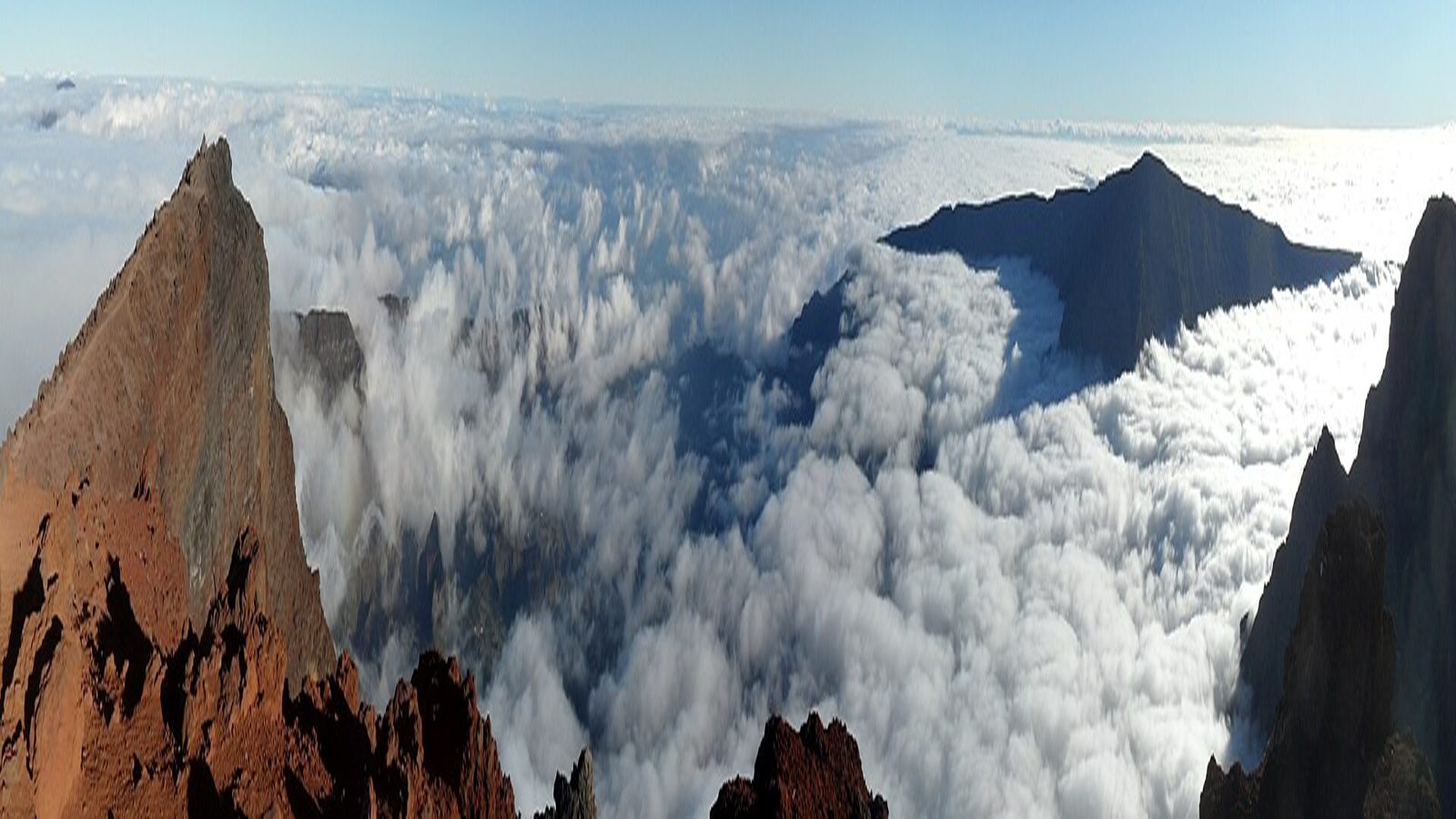
A French volcanic island in the Indian Ocean, east of Madagascar. You hike into roadless cirques, stand on the rim of one of the world's most active volcanoes and snorkel coral lagoons, then eat curry and samoussas at a seafront market.
- Best time to visit: May to November
- Daily budget (budget traveller): $80 to $260 USD
- Ideal trip length: 7 to 14 days
Réunion is an overseas department of France, about 800km east of Madagascar and a little over 11 hours' flight from Paris. It is fully French, so you pay in euros, buy croissants in the morning and find the same supermarkets as in Lyon. Inland, though, it feels nothing like Europe. Two volcanoes formed the island. Piton des Neiges is extinct and its collapse left three huge amphitheatres called cirques: Cilaos, Salazie and Mafate. Mafate has no roads at all. Piton de la Fournaise, in the south-east, is still very active and erupted from February to April 2026. Much of the interior is a UNESCO World Heritage Site, and the hiking is some of the best anywhere. The coast is different. Sharks mean swimming is banned outside the reef lagoons and netted areas, so beach time centres on the calm lagoons around Saint-Gilles, L'Hermitage, Saint-Leu and Saint-Pierre. Creole, Indian, Chinese and French cooking all mix here, and the markets are full of it. Réunion is not cheap, and a car makes life much easier. Even so, €2 buses, mountain gîtes with shared dinners and free trails make it very doable for a solo traveller who likes walking.
Réunion is a mountainous island of about 2,500 square kilometres, home to around 900,000 people, in the Indian Ocean between Madagascar and Mauritius. It has been French since the 17th century and is now a full department of France, so you have euros, French law, French healthcare and French bakeries. But people are as likely to speak Réunion Creole as French, and the population descends from Malagasy, East African, Indian, Chinese and European settlers. You see this mix in the Tamil temples, the mosque and the cathedral in Saint-Denis, and on every plate of carri. Most visitors come for the land. The three cirques, the 3,070m Piton des Neiges and the active Piton de la Fournaise make up a World Heritage landscape with hundreds of kilometres of marked trails. The beaches are smaller and shark rules keep swimmers inside the lagoons, so think of Réunion as a hiking island with a lagoon on the side, not a beach holiday.
Getting here means a long-haul flight, usually around 11 hours from Paris into Roland Garros airport near Saint-Denis. Once you arrive, the Car Jaune network charges a flat €2 per journey around the coast, with a €6 day ticket, and local buses climb into Cilaos and Salazie. A hire car is the easiest way to reach Maïdo and the volcano at dawn, which is when you want to be there. A good solo route is a few nights on the west coast for the lagoons and Maïdo, a few in Saint-Pierre for the south and the volcano, then several in the cirques. Sleep in Cilaos and walk into Mafate, where gîtes serve half-board dinners at long shared tables.
Timing shapes the trip. The southern winter, from May to November, is dry and cool, with clear mornings in the mountains and humpback whales off the coast from about June to October. October also brings the Grand Raid ultra-trail, when the trails and gîtes fill up. From December to April it is hot, very wet in the east and the uplands, and cyclones are possible, though it is the lychee season and lagoons are warm. Prices are higher than in most of Africa and close to mainland France. Even so, a flat bus fare, free trails, cheap snack-bar curry and dorm beds in gîtes keep it manageable. Start early every day, because cloud covers the peaks by late morning.
Réunion itinerary
Arrive in Saint-Denis
Morning: Land at Roland Garros and take a €2 Car Jaune bus into Saint-Denis. Drop your bag and get a coffee and pastry nearby.
Afternoon: Walk rue de Paris past the Creole villas, then visit the Grand Marché and the Jardin de l'État. Look into the Tamil temple and the Noor-e-Islam mosque.
Evening: Watch the sunset from the Barachois seafront, then eat samoussas and carri at a simple snack bar. Have an early night after the long flight.
West coast lagoon
Morning: Take the bus west along the coast to Saint-Gilles-les-Bains. Check in, then walk down to L'Hermitage beach.
Afternoon: Snorkel the lagoon while the water is calm, and rest under the casuarinas. Stay inside the reef and watch for flags.
Evening: Watch the sunset from the beach at La Saline, then have a beer and a grilled fish at a beach bar.
Maïdo at dawn and Saint-Paul market
Morning: Join a sunrise tour or drive up to Maïdo before 7am to look down into Mafate. Bring a warm jacket.
Afternoon: On a Friday or Saturday, stop at the Saint-Paul seafront market for lunch, then visit the Cimetière Marin. Otherwise, head to Saint-Leu for the lagoon and Kélonia turtle centre.
Evening: Back in Saint-Gilles for drinks by the marina, or an early night if tomorrow starts early.
South to Saint-Pierre
Morning: Take the bus south to Saint-Pierre, about 1.5 hours. If it is Saturday, go straight to the big market on the seafront.
Afternoon: Swim in the Saint-Pierre lagoon, then take a local bus or a short drive to the wild south coast around Manapany when the swell is low.
Evening: Walk the seafront promenade and eat at one of the bars and restaurants that fill up on weekend nights.
Piton de la Fournaise
Morning: Leave before dawn on a guided minibus tour or by hire car, via the Plaine des Cafres and the Plaine des Sables, to Pas de Bellecombe. Check the access status the day before.
Afternoon: Walk down into the enclos on an open marked trail, to Formica Léo and on to Cratère Caubet or the Dolomieu viewpoint. Turn back early if cloud comes in.
Evening: Return to Saint-Pierre tired and happy. Have a big plate of rougail saucisses and an early night.
Up to Cilaos
Morning: Take a Car Jaune bus to Saint-Louis, then the Alternéo line 60 up the road of 400 bends to Cilaos, about two hours. Sit on the right side going up for the views.
Afternoon: Check into a gîte, then walk to the Roche Merveilleuse viewpoint above town. Visit the embroidery house if it is open.
Evening: Gîte dinner of carri and Cilaos lentils with a glass of the local wine, and early to bed.
Cilaos trail and depart
Morning: Have an early walk in the cirque, such as part of the path towards the Col du Taïbit, or a gentle loop around town. Leave plenty of time.
Afternoon: Take the bus down to Saint-Louis, then the TX line towards the airport. Check times the day before, as connections are not frequent.
Evening: Catch an evening flight home, or stay on and walk into Mafate for a few more nights.
Best neighbourhoods
- Saint-Gilles-les-Bains: The west coast's main resort town, with a marina, bars, dive shops and the start of the long lagoon beaches. It is the easiest base if you want the sea, nightlife and buses along the coast. Rooms cost more here, and weekends get busy with locals from Saint-Denis.
- L'Hermitage and La Saline-les-Bains: Just south of Saint-Gilles, a strip of white sand behind the reef with the island's best lagoon swimming and snorkelling. You get casuarina trees, beach bars and guesthouses set back from the shore. It is quieter at night than Saint-Gilles, and sunsets are the evening entertainment.
- Saint-Pierre: The capital of the south, a lively town with a lagoon beach, a seafront promenade and a big Saturday market. It is cheaper than the west and the best base for the volcano, the wild south coast and the road to Cilaos. Bars along the seafront stay busy on weekend nights.
- Saint-Denis: The island's capital, close to the main airport, with Creole villas, Hindu temples, a mosque and the Grand Marché. There is no swimming beach, but it is good for one or two nights on arrival or before you fly. The centre is quiet after dark on weekdays.
- Cilaos: A mountain town at about 1,200m in the cirque of the same name, reached by a famous road with around 400 bends. It is full of gîtes and hiking trails, and it is the start of the climb up Piton des Neiges and the path into Mafate. Bring a warm layer, as nights are cool.
Must-do experiences
- Walk to the rim of Piton de la Fournaise: From Pas de Bellecombe, steps lead down into the Enclos Fouqué caldera and across fresh lava to the crater. After the 2026 eruption the enclos reopened on 26 October, but only on two marked trails. Check the prefecture's status the day before and set off at dawn, before the cloud rolls in.
- Watch sunrise over Mafate from Maïdo: The Maïdo viewpoint sits at about 2,200m above the west coast and looks straight down into the roadless cirque. No bus goes up, so drive or join a tour, and get there before 7am, as cloud usually covers it by mid-morning. It is free and bitterly cold before sunrise.
- Spend a night or two in Mafate: Mafate has no roads, so you reach its villages, called îlets, only on foot or by helicopter. Walk in over the Col du Taïbit from the Cilaos side to Marla in about four hours. Half board in a gîte costs around €55 a night, and you will share dinner with other hikers.
- Snorkel the Hermitage lagoon: The reef off L'Hermitage and La Saline holds back the swell and the sharks, leaving warm, shallow water full of fish and coral. It is free. Bring a mask, go in the morning before the wind picks up and do not stand on the coral.
- Climb Piton des Neiges: The highest point in the Indian Ocean at 3,070m. Most people walk up from Cilaos to the Caverne Dufour refuge, sleep there and climb the last stretch in the dark for sunrise. Book the refuge well ahead, and pack a hat, gloves and a proper jacket.
- Explore Salazie and Hell-Bourg: The greenest of the cirques, with waterfalls pouring off the cliffs, including the Voile de la Mariée. Hell-Bourg is a pretty village of colourful Creole houses and a former spa town. It is a slow but scenic bus ride up from Saint-André.
- Eat your way round a market: Saint-Paul's seafront market runs on Friday and Saturday mornings, and Saint-Pierre's big market is on Saturday mornings. You will find samoussas, fresh lychees and mangoes in season, vanilla, spices and rum. Arrive early and bring cash.
Hidden gems
- The Cimetière Marin in Saint-Paul, a seaside cemetery with the grave said to belong to the pirate La Buse, beautiful at sunset
- Notre-Dame des Laves at Piton Sainte-Rose, a church where the 1977 lava flow stopped at the door and went around it
- The Langevin river waterfalls above Saint-Joseph, with freshwater pools where locals picnic and swim at weekends
- Anse des Cascades on the east coast, where waterfalls drop through palm groves straight towards the sea and fishing boats sit on the shore
- The Manapany natural pool near Saint-Joseph, a rock-enclosed basin on the wild south coast, swimmable when the swell is low
Daily budget
- Accommodation: budget €35-60 / night (gîte dorm or simple guesthouse room), mid-range €80-140 (chambre d'hôte, studio or 3-star hotel), splurge €300+ (LUX* Saint Gilles or Palm Hotel & Spa). Real hostels are rare, so most budget beds are in gîtes, many of which offer half board. Mafate gîtes cost around €55 a night with dinner and breakfast. Book October and school holidays early.
- Food: budget €20-30 / day (bakery breakfast, snack-bar carri, samoussas, market fruit), mid-range €40-60 (gîte dinner or sit-down Creole restaurant), splurge €90+ (seafood dinner and wine in Saint-Gilles). A carri plate at a snack bar costs about €8-12. Supermarket prices are higher than in mainland France. Picnics for hikes cost about €8-10.
- Transport: budget €2-6 / day (Car Jaune and local buses), mid-range €35-60 (small hire car plus fuel), splurge €250+ (helicopter flight over the cirques). Every Car Jaune trip costs €2, a day ticket €6 and a carnet of five €8, both on the yPass card. Car hire runs at about €25-45 a day before fuel. Taxis are expensive.
- Activities: budget €0-10 / day (hiking, lagoon snorkelling, viewpoints), mid-range €50-100 (guided volcano tour, canyoning or whale trip), splurge €150+ (paragliding at Saint-Leu, diving packages, private guides). Most trails, viewpoints and the volcano are free. Guided hikes start from about €50. Mountain refuges for Piton des Neiges need booking.
- Drinks & nightlife: budget €5-10 (a Dodo or a rhum arrangé at a snack bar), mid-range €15-30 (a few drinks at a beach bar at sunset), splurge €50+ (cocktails and clubs in Saint-Gilles). A coffee costs about €1.80-2.50 and a beer about €3.50-5. Nightlife is centred on Saint-Gilles and the seafront in Saint-Pierre.
Where to stay
- Mountain gîte in Cilaos and Mafate (€39-60 / night (around €55 with half board in Mafate)): Gîtes are the island's answer to hostels, with dorms or simple rooms and a shared dinner. They are where hikers sleep and meet, and in Mafate they are the only option. In Cilaos, simple gîtes start from around €39 a night.
- Chambre d'hôte in Saint-Pierre (€70-120 / night): Family-run guesthouses in and around Saint-Pierre often include breakfast and local advice. They make a good, cheaper base for the volcano, the south coast and the bus to Cilaos.
- Apartment in Saint-Gilles and L'Hermitage (€80-140 / night): Studios a short walk from the lagoon give you a kitchen to cut food costs and a base for snorkelling and sunsets. Check whether parking is included and how far it is to the bus.
- Splurge in L'Hermitage (€300-600+ / night): LUX* Saint Gilles sits right on the Hermitage lagoon, with Creole-style villas, pools and a spa among the trees. It is the place to recover after a week of hiking.
What to eat
- Carri and rougail: chicken, pork or fish curry, or rougail saucisses, served with rice, beans and a hot chilli relish, at roadside snack bars for around €8-12
- Samoussas and bouchons: fried pastries and steamed Chinese-style dumplings sold by the bag, perfect for a cheap lunch on the go
- A camion bar sandwich: the food trucks found all over the island sell a stuffed baguette called an américain, with meat, chips and sauce, late into the evening
- Cilaos lentils and wine: small lentils grown in the cirque, plus the island's only local wine, served at gîte dinners
- Rhum arrangé and Dodo: rum steeped with fruit, vanilla or spices, and the local Dodo beer, cheapest in supermarkets and seafront bars
- Fresh tropical fruit: Victoria pineapple all year, and lychees and mangoes from about November to January, sold at markets and roadside stalls
Day trips
- Cilaos (About 40km from Saint-Pierre, 1 hour by car or about 2 hours by bus): A mountain town in a vast cirque, reached by a spectacular road with hundreds of bends. You get hot springs, short viewpoint walks and the start of hikes up Piton des Neiges and into Mafate. It is much better as an overnight stay. Take a Car Jaune bus to Saint-Louis, then the Alternéo line 60 up to Cilaos. Go early, as the road is slow and closes for rockfalls now and then. Check the state of the RN5 road before you go.
- Salazie and Hell-Bourg (About 40km from Saint-Denis, 1 to 1.5 hours by road): The wettest and greenest cirque, with waterfalls such as the Voile de la Mariée and the Creole village of Hell-Bourg, with its old spa and colourful houses. The Trou de Fer viewpoint walk starts nearby. Take a Car Jaune bus to Saint-André, then a local Estival bus up the gorge to Salazie and Hell-Bourg. By car, allow time for the narrow road and stops.
- Piton de la Fournaise (About 60km from Saint-Pierre, 1.5 hours by road to Pas de Bellecombe): One of the world's most active volcanoes, reached via the moonlike Plaine des Sables. Since 26 October 2026, two marked trails into the enclos and the 2004 and 2007 lava tunnels are open. The coastal lava platform from the 2026 eruption is closed. No bus goes up. Drive yourself or join a guided minibus tour from Saint-Pierre or the west coast. Leave before dawn and check the prefecture's access status the day before.
When to visit
- Cool dry season (May - August): Coast 22-27°C, mountains 5-18°C with frosty nights at altitude. Crowds: Moderate, busier in the French school holidays in July and August. Excellent for hiking, with clear mornings and dry trails. Whales arrive from about June. Bring warm layers for Cilaos, Maïdo and the volcano.
- Warm dry season (September - November): Coast 25-29°C, dry and sunny, mountains mild. Crowds: Moderate, very busy around the Grand Raid in October and on French holidays. Arguably the best time. Good hiking, warm lagoons and the end of whale season. Book gîtes early for October.
- Hot wet season (December - February): 28-32°C on the coast, humid, heavy rain in the east and uplands. Crowds: Busy around Christmas and the summer holidays, then quieter. Good for lagoons, lychees and mangoes, but trails can close after storms and cyclones are possible. Keep plans flexible.
- Late wet season (March - April): 27-31°C, still humid and rainy, slowly drying out. Crowds: Low to moderate. Cheaper flights and greener cirques, but cyclone risk lasts until about April. Better as the end of a trip than the start.
Entry rules for your passport
Visa rules for France depend on the passport you travel on. Check the official source before you book: European Commission: Schengen visa policy
Getting there
Roland Garros airport (RUN) sits on the north coast near Saint-Denis and handles direct flights from Paris, which take around 11 hours, with Air Austral, Air France, Corsair and French bee. There are also connections to Mauritius, Madagascar, Mayotte, South Africa and other regional destinations. Pierrefonds airport near Saint-Pierre handles a few regional flights. From Roland Garros, Car Jaune buses cost a flat €2 to Saint-Denis, to Saint-André and Saint-Benoît in the east, and to Saint-Pierre on the TX line via the Route des Tamarins. Hire cars are available at the airport. Réunion is part of France and the EU but outside the Schengen area. EU citizens can arrive with an ID card. UK, US, Canadian, Australian and New Zealand visitors can usually stay up to 90 days without a visa, while others need a visa valid for Réunion. If you connect in Paris, you pass Schengen border checks there.
Border checks: non-EU visitors (other than Swiss, Norwegian, Icelandic, Liechtenstein, Andorran, Monegasque, San Marinese and Vatican citizens, and holders of an EU residence permit or long-stay visa) are registered in the EU's Entry/Exit System (EES) instead of getting a passport stamp. On your first crossing, officers take your photo and/or fingerprints, so allow extra time at passport control. ETIAS, the planned travel authorisation, is not in operation yet, so don't pay any website for one.
Getting around
Most visitors hire a car, and it really does save time. Roads are good, but mountain roads such as the one to Cilaos are narrow and full of bends, and traffic around Saint-Denis and Saint-Paul gets heavy at rush hour. Expect around €25-45 a day for a small car, plus fuel, which has been expensive in 2026. Without a car, the Car Jaune network covers the coast and some of the uplands, and every journey costs a flat €2, with free changes for three hours. A day ticket costs €6 and a carnet of five costs €8, both on the yPass card, and you can also buy tickets on the M-Ticket app. You can pay the driver on board, except at bus stations. The TX line runs from the airport to Saint-Pierre via the Route des Tamarins. The cirques use local networks, with Alternéo buses from Saint-Louis to Cilaos and Estival buses from Saint-André to Salazie. Buses are slow and few in the evenings, there is no bus up to Maïdo or the volcano, and Mafate is on foot only. Taxis are expensive, so use guided minibus tours for the volcano and Maïdo.
Safety
Réunion has a low rate of crime against visitors, but car break-ins at trailheads and beach car parks are common, so leave nothing in sight. The bigger risks are nature. Swimming in the sea is banned outside the reef lagoons and netted, supervised areas because of shark attacks and strong currents, and the fine for breaking the rule is now around €68. Snorkelling with fins, mask and snorkel is allowed. Respect red flags. In the mountains, weather changes fast. Start hikes at dawn, carry water, food and a warm layer, and check trail closures with the ONF. Piton de la Fournaise access depends on the alert level. The cyclone season runs from about December to April, so follow the prefecture's alerts, and stay indoors under a red alert. Dengue and chikungunya circulate at low levels after a big 2025 outbreak, so use repellent. Tap water is generally safe, but check after heavy rain. The emergency number is 112, or 15 for medical help. EU travellers should carry an EHIC, UK travellers a GHIC, and everyone else needs travel insurance with medical and mountain rescue cover.
Solo travel tips
- Start every day at dawn: Cloud usually covers Maïdo, the volcano and the high trails by late morning. Be on the trail by 6am or 7am and you get clear views, cooler air and a free afternoon.
- Use gîtes to meet people: Mountain gîtes serve dinner at shared tables, so you will eat with other hikers every night. It is the easiest way to find company for the next day's walk.
- Check the volcano status first: Plan your volcano day before anything else and keep a spare day free. Access can close at short notice when the alert level rises, and it reopens only on certain trails.
- Mix buses and a short car hire: Use €2 buses for coastal towns and the cirque roads, then hire a car for two or three days for Maïdo, the volcano and the east coast. It is cheaper than a full-week rental.
- Safety for solo travellers: Tell your gîte or a friend your hiking route, carry a charged phone, water and a warm layer, and never swim outside the lagoons or netted areas. Leave nothing visible in a parked car.
- Learn some French: English is not widely spoken outside a few hotels and dive shops. A few French phrases and an offline translation app will make buses, gîtes and markets much easier.
Cultural etiquette
- Greet people with 'bonjour' when you walk into a shop, a bus or a gîte, and say 'merci'. In Creole, 'bonzour' and 'mersi' get a smile.
- Take your shoes off and cover up before entering Tamil temples, and dress modestly in the mosque and churches.
- Respect the shark rules and red flags. Locals take them seriously, and swimming outside the permitted zones can bring a fine.
- Stay on marked trails, take your rubbish with you and never pick plants in the national park.
- Book gîte dinners in advance and turn up on time. Meals are cooked for a set number of people.
- Tipping is not expected, as service is included, but leaving small change for good service is welcome.
- Be patient on mountain roads. Let faster local drivers pass and use your horn on blind bends where signs ask you to.
Frequently asked questions
How do I get to Réunion and from the airport to my room?
Most people fly into Roland Garros airport near Saint-Denis. Direct flights from Paris take around 11 hours with Air Austral, Air France, Corsair and French bee. There are also regional flights from Mauritius and other Indian Ocean islands, some of which land at Pierrefonds near Saint-Pierre. From the airport, Car Jaune buses cost €2 to Saint-Denis, Saint-André or, on the TX line, to Saint-Pierre via the west. If you are hiring a car, pick it up at the airport.
How many days do I need in Réunion?
A week covers the west coast lagoons, Maïdo, the volcano and a night or two in Cilaos. Ten days to two weeks lets you add a proper Mafate trek, Piton des Neiges, Salazie and the wild south and east coasts. The long flight from Europe makes anything under a week feel rushed.
When is the best time to visit Réunion?
May to November, the cooler, drier southern winter, is best for hiking and clear mountain views. Humpback whales pass along the coast from about June to October. September to November is warm and dry and a local favourite. December to April is hot and humid, with heavy rain and a risk of cyclones, though lagoons are at their warmest.
Do I need a car in Réunion?
Not strictly, but it helps a lot. The €2 Car Jaune buses link the coastal towns well, and local buses reach Cilaos and Hell-Bourg. But no buses go to Maïdo or Pas de Bellecombe, evening services are thin and early starts for hikes are hard without a car. A mix works well: buses for coast and cirque towns, guided tours or a few days' car hire for the volcano and Maïdo.
Where can I swim in Réunion?
Only in the reef lagoons, at places such as L'Hermitage, La Saline-les-Bains, Saint-Leu, Étang-Salé and Saint-Pierre, and in netted, supervised zones such as Boucan Canot when the nets are open. Elsewhere, swimming in the sea is banned because of shark risk and currents, and you can be fined. Snorkelling with fins, mask and snorkel is allowed. Freshwater pools under waterfalls are popular, but avoid them after heavy rain.
Can I visit Piton de la Fournaise right now?
Partly. The volcano erupted from 13 February to 13 April 2026, and the enclos reopened on 26 October 2026. Access to the upper area is only via two marked trails from Pas de Bellecombe: one to Cratère Caubet via Formica Léo and one to the Dolomieu crater viewpoint. The 2004 and 2007 lava tunnels can be visited. The Kapor trail and the new lava platform on the coast remain closed. The status changes quickly, so check the prefecture or OVPF the day before.
Is Réunion safe for solo female travellers?
Generally, yes. Many women hike and travel alone here, and gîte dinners make it easy to find walking company. Take normal care at night in the quieter parts of Saint-Denis and on empty beaches, and use taxis or travel with others after dark if you are without a car. Street harassment is not common, but it does happen, as in mainland France. English is not widely spoken, so a few French phrases help.
What entry rules apply to Réunion in 2026?
Réunion is part of France and the EU, but it is not in the Schengen area. EU and EEA citizens need only an ID card or passport. Visitors from the UK, US, Canada, Australia and New Zealand can usually stay visa-free for up to 90 days. A standard Schengen visa is not valid unless it is endorsed for Réunion. Your passport should be valid for at least three months after you leave, and you may be asked for a return ticket. If you change planes in Paris, you go through Schengen border checks there. Check French government websites and your own government's travel advice before you go.
Tours and activities in Réunion | Réunion in 2 days | Réunion in 3 days | Réunion in 4 days | Réunion in 5 days | Réunion in 7 days
Joy Plus home | Destinations | Itineraries | Activities | Flights | Budget planner | Calendar | Map | Blog | Lifetime access